Sunday, October 01, 2023

New rules for Duke Energy customers means less savings for going solar

Michelle Alfini
Fri, September 29, 2023 


New rules for Duke Energy customers means less savings for going solar


Fungi creepily infiltrates space stations — but scientists aren't scared. They're excited

Sharmila Kuthunur
Tue, September 26, 2023 


In 1988, astronauts aboard the now-retired Russian space station Mir realized that something had blanketed one of their windows — from the outside. The thing had even started trudging its way within the station by slowly destroying the window's titanium-quartz surface. It was later revealed that the blanket was, in fact, fungi that had piggybacked to space. And it got there by hugging onto the astronauts themselves.

This fungi had managed to adapt to the space environment, and so well that it not only survived but thrived on windows, control panels, air conditioners and cable insulators. It even contaminated the crew's precious food and water supply. Although this incident was the first time a fungus was found significantly damaging the space station, it was not the last.

Space travelers have never been, and will never truly be, alone while traveling to space.

But rather than fear this truth, scientists are trying to take advantage of it. For instance, one team associated with the European Space Agency (ESA) recently conducted hypergravity experiments on fungi to better understand how these organisms survive effortlessly in the harsh environment of space — perhaps if we can understand their mechanisms, we can use fungi to build off-world settlements someday and maybe even incorporate them into off-world medications.

Related: The chemical contamination of the International Space Station is out of this world (and not in a good way)

Many (if not all) space-borne fungal species are like sleuths: They remain dormant during launch and on the journey to space, but then "activate" and reproduce to form thick, living mats on various regions in the space station. These mats not only threaten astronaut health but also electronics, plumbing and other components on the station.

Since the 1988 incident, there have been numerous efforts to establish robust cleaning routines for scrubbing fungi off walls and equipment before the organisms cause serious damage. Alongside these preventive efforts, scientists have also realized that studying their growth and behavior in microgravity, specifically their adaptability to repair DNA damage caused by space radiation, could actually be useful for crews during long-term crewed space missions.

For example, in 2016, researchers at NASA's Jet Propulsion Laboratory in California launched fungi into space for the first time for research purposes onboard the International Space Station (ISS). The team studied how the ISS environment caused the species, known as Aspergillus nidulans, to create certain molecules it doesn't produce on Earth. This particular fungus is well-researched for osteoporosis drugs that could help with the bone disease, which affects 10 million people in the United States alone.


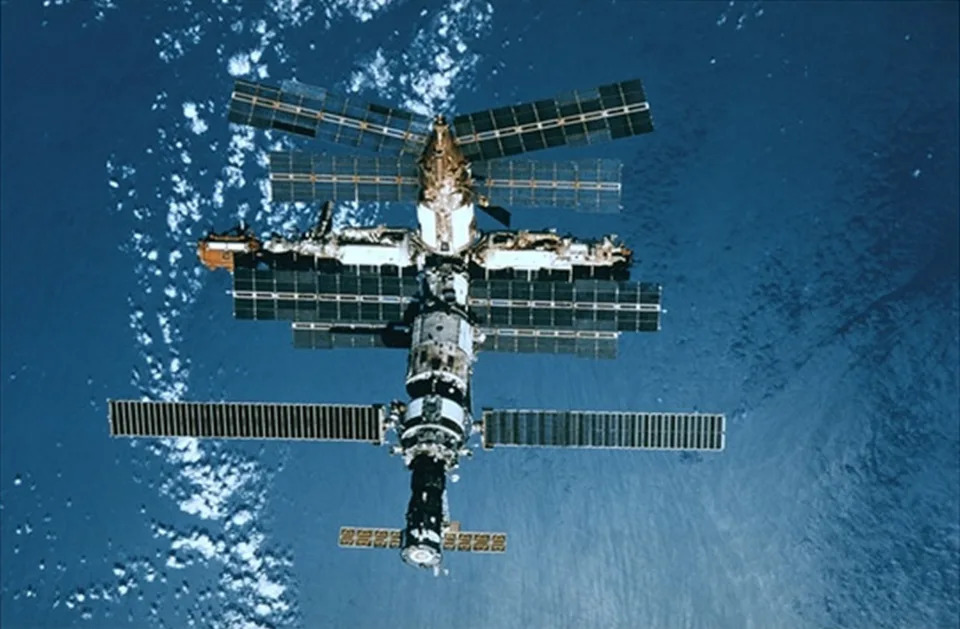
Russia’s Mir space station seen from Space Shuttle Atlantis during the approach for docking on 15 January 1997 (Image credit: NASA)

During long-term space missions to the moon and even Mars, such applications would help astronauts maintain their bone density, which research already shows declines despite regular exercise routines onboard the ISS.

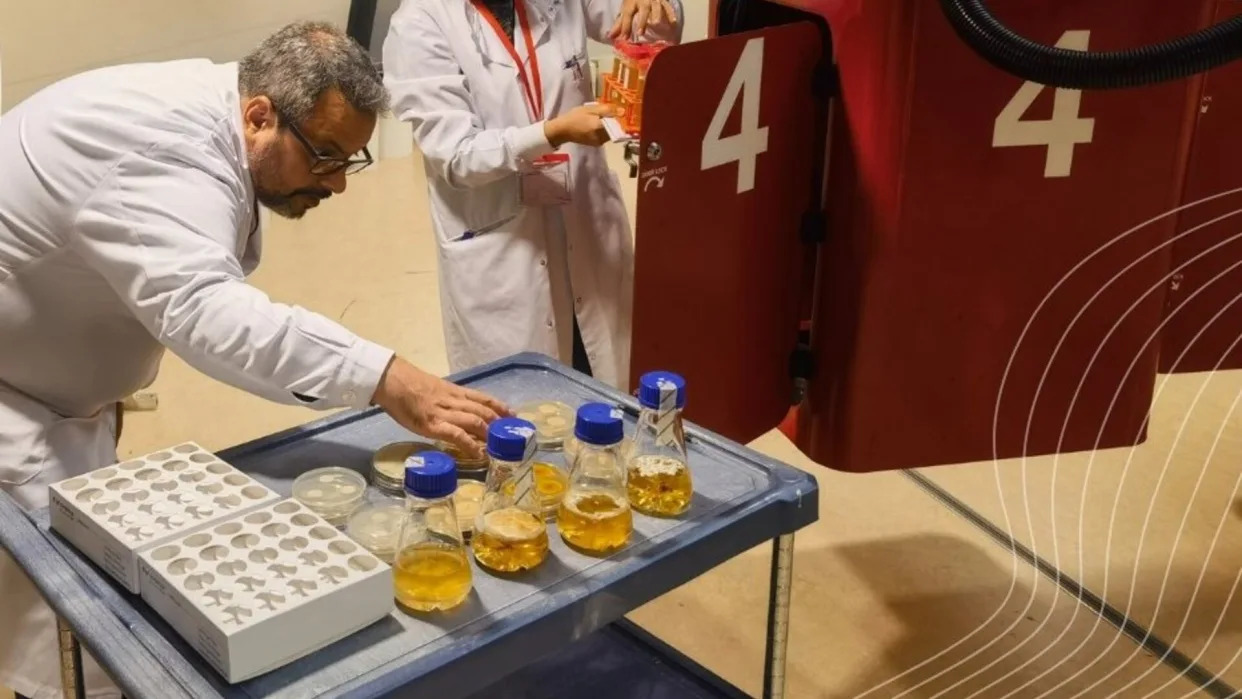
Similar efforts to study fungi are also being carried out on Earth. Recently, the ESA studied how fungal colonies grow in "hypergravity" environments, where artificially-created gravity conditions using a centrifuge were up to 20 times higher than on Earth.

The two-week long research, which was conducted in ESA's space technology and development center (ESTEC) in the Netherlands, tested how fully grown fungal species placed in a lab-controlled gondola responded to stressful reactions, according to a statement published Monday (Sept. 25). The names of the fungal species were not mentioned.

"We are never going to be able to get rid of fungi entirely as we venture into space, so we need to understand them," AndrĂ© Antunes, a researcher at the Macau University of Science and Technology in China who is part of the recent ESA study, said in Monday's statement. "In addition, they offer positive opportunities as well as risks. Down on Earth fungi are employed to make food — such as yeast for fermentation — as well as medicines, chemical enzymes for industry as well as metal nanoparticles used in numerous fields."

ESA's Large Diameter Centrifuge is an 8-m diameter four-arm centrifuge that gives researchers access to a range of hypergravity up to 20 times Earth gravity for weeks or months at a time. (Image credit: ESA)

The team also selected certain fungal species for a second round of exposure to hypergravity, largely to investigate the extent of stress reactions. According to the statement, the study aims to better understand why fungal species thrive in microgravity conditions.

Using dormant fungi and their chemical makeup, NASA has also been exploring various technologies to grow lightweight structures on the moon and Mars that future space travelers can call home away from home.

Hplovecraft.com

https://www.hplovecraft.com/writings/texts/fiction/cs.aspx

Aug 20, 2009 ... West of Arkham the hills rise wild, and there are valleys with deep woods that no axe has ever cut. There are dark narrow glens where the ...


Africa's most notorious insects – the bugs that hit agriculture the hardest

Esther Ndumi Ngumbi,
 Assistant Professor, 
Department of Entomology; African-American Studies, 
University of Illinois at Urbana-Champaign
THE CONVERSATION
Tue, September 26, 2023 

Whiteflies - Africa's main cassava pest causes damage to crops. Maurice/Flickr

The dreaded crop-eating fall armyworm continues to spread across Africa like wildfire. This invasive insect pest, first reported in Africa in early 2016, is in more than 20 African countries including South Sudan and South Africa. It has destroyed many staple crops like maize. Damage to maize alone by this pest could total USD billion in the next 12 months.

Crop losses in African countries due to insect pests are estimated at 49% of the expected total crop yield each year, according to the Centre for Agriculture and Biosciences International. But some crop losses can be even worse, and the effects of the changing climate are expected to increase the damage done by insects.

Which are Africa’s top insect pests? The ones named here are just a few of the wide range of insect pests that affect crop production in Africa. But describing the top ones – and the crops they attack – can help focus the minds of researchers, governments and development agencies.

Insects that damage cereal crops


Cereals like maize, rice, wheat and sorghum are Africa’s most important food crops. Maize is by far the most widely grown cereal crop – more than 300 million people out of approximately 1 billion people in sub-Saharan Africa depend on it as their main food source. Maize is severely affected by pests. The most significant yield losses are caused by lepidopteran stem borers, Busseola fusca (Fuller) and Chilo partellus Swinhoe (Crambidae).

Depending on the country, season, region and maize variety, Chilo partellus can cause (annual) yield losses ranging from 15% to 100%. Production losses of up to USD0 million to farmers in eastern Africa by Chilo partellus have been reported.

Root and tuber crops

More than 240 million tons of root and tuber crops, including cassava, sweet potato, potato and yam, are annually produced on 23 million hectares of land in Africa. As many as 500 million to 1 billion Africans consume cassava. While the crop is tolerant of heat and other extremes, it’s vulnerable to insect pests.

Bemisia tabaci (Gennadius) is Africa’s main cassava insect pest. Unlike the stem borers, which chew and bore through stems and new maize cobs, these whiteflies feed directly on plants’ sap. They also carry cassava plant diseases.


Cassava roots infected with Cassava Brown Streak Disease. IITA/Flickr

The most important disease they transmit are the Cassava Mosaic virus and Cassava Brown Streak disease. Entire yield losses have been reported and annual economic losses in East and Central Africa have been estimated at US$ 1.9-2.7 billion dollars.

Legume crops

Legume crops, including cow peas and beans, are an important part of African diets. They provide protein, vitamins and minerals such as calcium and antioxidants. But the production of most legume crops is threatened by several insect pests including bean flies, aphids, thrips, leafhoppers, whitefly and leaf beetles.

The legume pod borer is a serious pest for cowpeas, a crop that is consumed by over 200 million Africans. Yield losses of up to 80% have been reported in Nigeria, Niger and Burkina Faso —- the three major cowpea producing countries.

Efforts at control

Because of insects’ impact on food security, billions of dollars have gone into research aimed at finding effective control measures. The International Center of Insect Physiology, for example, dedicated over a decade of research in an effort to find ecologically sustainable controls for lepidopteran stem borers. The International Institute of Tropical Agriculture is developing crop varieties that are resistant to insect pests and the plant diseases they spread.

There are many more insects that affect African crop production. And minor pests can become a greater threat when weather conditions change or when they develop resistance to chemical pesticides used to control them.

Insects can spread into new areas because of trade and climate change. The resulting outbreaks can destabilise food security and the gains made in crop productivity. The emergence of the fall armyworm in Africa is an example of this.

Many invasive insect species can be controlled at early stages before they disperse to new environments. It requires better surveillance and monitoring by African countries.

This should include predictive modelling – a process that uses data mining and probability to forecast future outcomes. The process could help determine when the next insect invasions are likely to occur or predict the impact of a changing climate on the distribution of insect pests. It has already been used to help predict the impact of temperature changes on the future distributions of lepidopteran maize stem borers and their natural enemies.

Countries could then prepare to reduce the impact of insect invasions. Because insects know no borders, it is important for African countries to work together on combating pests.

This article is republished from The Conversation, a nonprofit news site dedicated to sharing ideas from academic experts. 

It was written by: Esther Ndumi Ngumbi, Auburn University.

Read more:

Worth reading: Bananas, dwarves, salt and love

Your organic T-shirt is doomed to end up in a dump

How I came to know that I am a closet climate denier

Esther is a 2015 Food Security Fellow with the New Voices, Aspen Institute


7 Invasive Species That Are Migrating With Climate Change
Amber Guetebier
Sat, September 30, 2023

Kudzu plants taking over abandoned cars

From noxious weeds to invading insects, species are considered invasive when they are introduced to an area and they have an adverse effect on native habitats. When it comes to invasive species and climate change, the combo can be unsettling. Climate change increases overall global temperatures, which in turn affects everything from extending the length of growing seasons to not getting cold enough to kill off invading insects.

More than ever, invasive species are creeping outside their comfort zone and migrating to climates previously too cold for their survival, competing with native plants and animals for resources, and leaving vulnerable populations at risk. Because they are introduced but not native, invasive species frequently have few or no known predators, giving them free reign to wreak havoc.

RELATED: These Popular Plants Might Actually Be Bad for Your Garden

1. Kudzu (Pueraria montana)


A standout among invasive landscaping plants, this member of the pea family and native of Asia was first introduced into the American South in the early 1900s as an ornamental plant, prized for its rapid growth and large, fragrant purple flowers. Later, it was widely used by farmers as a means of erosion control.

Kudzu thrives in warmer temperatures, and the increase in overall temperatures has allowed this plant to invade the Eastern Seaboard and to spread west and north from there. It also is a problem in the far Northeast and areas surrounding the Great Lakes, where climate change is helping the vine thrive. The Great Lakes Integrated Sciences and Assessments (GLISA) released a study citing an increase in average temperature by 2.3 degrees since 1951 and an additional 16 frost-free days, increasing the length of the growing season and making conditions more favorable for kudzu.

RELATED: The 15 Worst Invasive Plants in America

2. Zebra Mussel (Dreissena polymorpha)


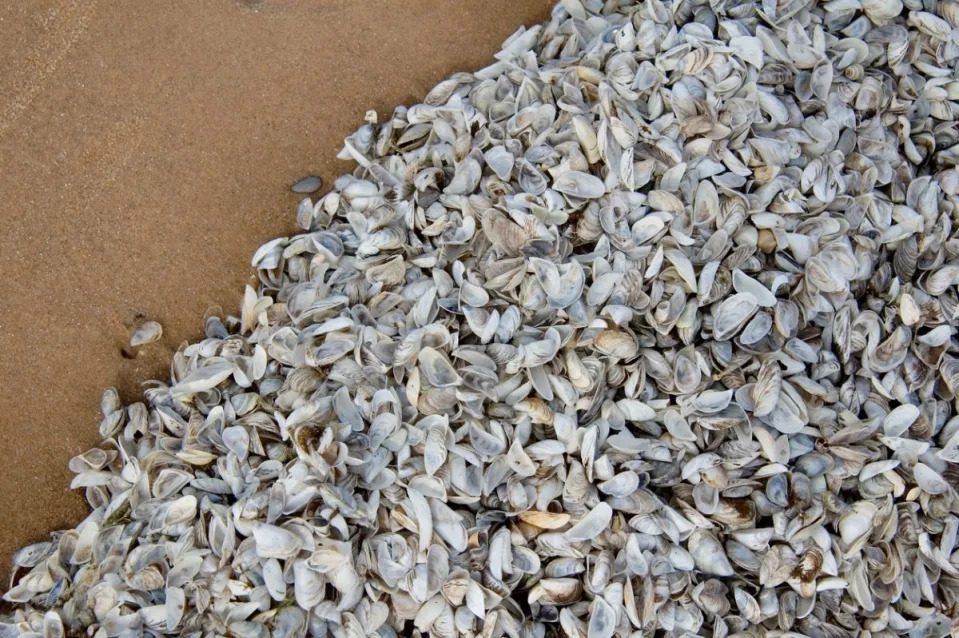
According to the New Hampshire Department of Environmental Services, zebra mussels were first spotted in the U.S. at Lake St. Clair, Michigan, in June 1988. The invasive shellfish have since spread to both freshwater and brackish waters throughout the Midwest and North Atlantic region, and the U.S. Department of Agriculture’s National Invasive Species Information Center reports they have now spread rapidly throughout the Southeast and Southwest.

With virtually no predators and a reproduction rate of 30,000 to 1 million a year, zebra mussels affect drinking water, clog pipes, damage docks and boat hulls, and compete with native species. Zebra mussels tolerate a wide range of temperatures, but most often thrive in water between 68 and 77 degrees Fahrenheit, and spawn in water temperatures in the mid-50 degree range. As water temperatures rise in more northern climates, the spawning ground for these animals is expanding north into Canadian waters and west toward the Rocky Mountains.

3. Cheatgrass (Bromus tectorum)


The seeds of this invasive grass from Europe were introduced in the 1800s. It grows rapidly and competes with native grasses. Of great concern is how cheatgrass disrupts the fire cycle in native sagebrush habitat, leading to an increase in both frequency and intensity of burns. Sagebrush has a slow recovery after a major wildfire, but cheatgrass, along with other non-native grasses, thrives in these conditions.

Climate change has led to more widespread drought, especially in the 11 Western states where the sagebrush steppe ecosystem is found, and thereby increased fire risk. Most grasses grow faster than nearly every other plant, so before adding an ornamental variety to your garden, look for native plant alternatives for landscaping that are not only beautiful but better for native insect and animal populations.

RELATED: Solved! Does Vinegar Kill Weeds?

4. Japanese Beetle (Popillia japonica Newman)


The Japanese beetle is rapidly becoming one of the worst invasive insects in the U.S., where it has no known predators. These beetles quickly demolish fruit trees, vegetables, turfgrass, and flowering plants, with adults devouring foliage and fruits and larvae destroying roots. Though it has invaded U.S. soils for nearly 100 years, until 2015 it was found primarily in all states east of the Mississippi River, except Florida. Today, there are infestations in Western states, including Arkansas, Iowa, Kansas, Minnesota, Missouri, Nebraska, North Dakota, Oklahoma, Colorado, and South Dakota.

According to a study done by Midwest Climate Hub Fellow, Dr. Erica Kistner-Thomas, model projections show that an increase in temperature would push the beetle’s territory northward into Canada while simultaneously increasing the range of southern invasions to the north.


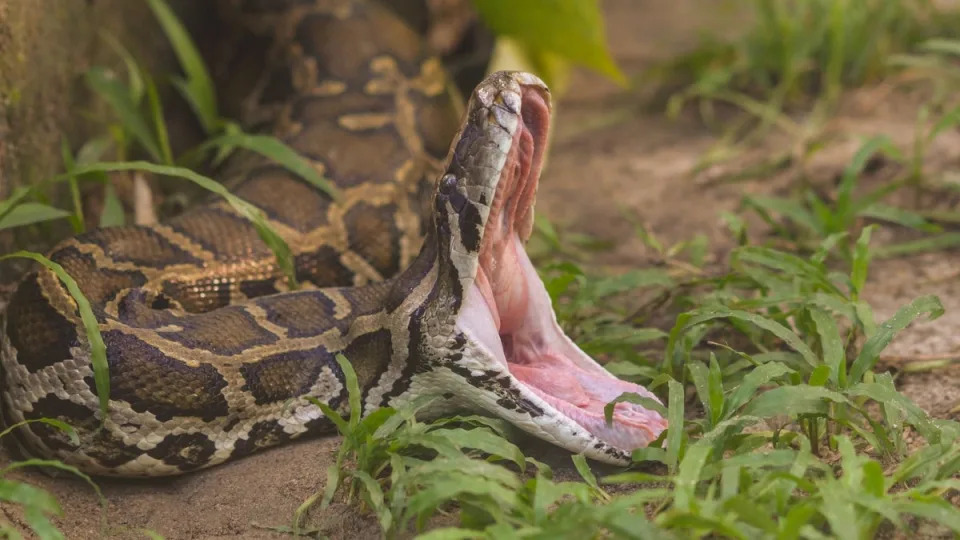
5. Burmese Python (Python molurus bivittatus)


Originally imported into the U.S. as pets, Burmese python’s wild populations exist now in Florida due to escaped or intentionally released animals. Burmese pythons compete with native wildlife like the indigo snake for food, and they prey on native species, including the Key Largo woodrat.

The United States Geological Service reports an estimate of tens of thousands of pythons living in the Florida Everglades alone. The populations have begun to spread throughout the state of Florida, and recent evidence from the Department of Agriculture shows at least one sighting of a Burmese python in the wild in Georgia. Warming temperatures from climate change could increase the spread of these destructive animals.

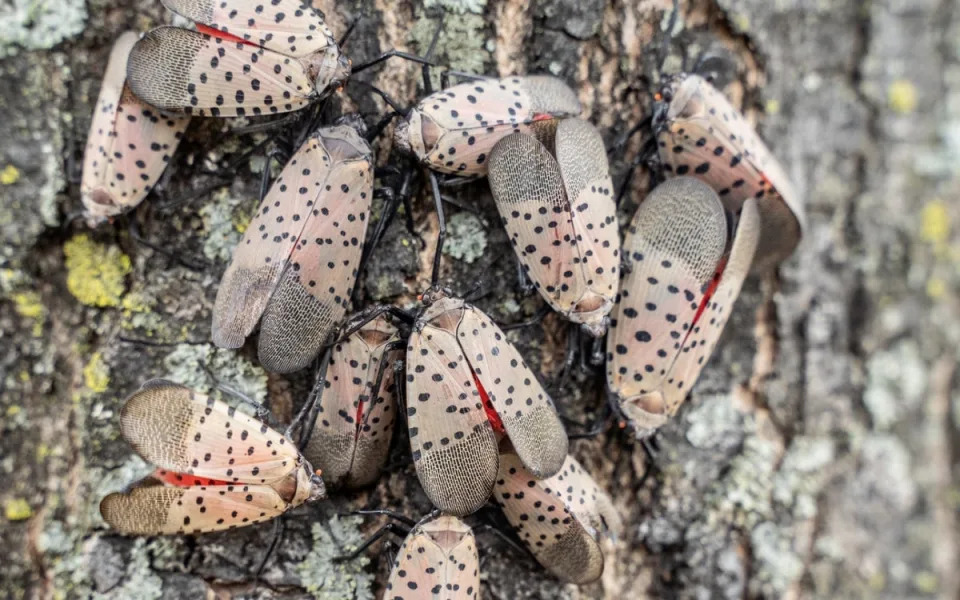
6. Spotted Lanternfly (Lycorma delicatula)


Photo: istockphoto.com

Native to parts of China, Vietnam, and Bangladesh, the spotted lanternfly has become an invasive insect throughout the United States since it was first documented in 2014. A danger to grapes, fruit, and hardwood, the insects pose a huge threat. Longer growing seasons brought on by climate change offer more food, fueling the population. Warmer winters fail to kill off the growing population. Currently, the spotted lanternfly is a problem in 14 U.S. states along the Northeast, but the spread is a concern throughout the country.

7. Emerald Ash Borer (Agrilus planipennis)


As the name suggests, the emerald ash borer is a bright green beetle, but don’t let its pretty color fool you. Adults feed on the foliage of the ash tree, but the larvae feed on the inner bark of the tree. This completely cuts off the tree’s ability to transport water and nutrients throughout the tree, leading to its untimely death. Believed to have arrived via shipping container from Asia, the emerald ash borer was first seen in 2002 in Detroit, Michigan, and since then has spread to 35 states and counting.

The U.S. Forest Service released a study in 2013 reporting that between 1945 and 2012, few places in the United States experienced cold enough temperatures to kill off the emerald ash borer. With temperatures on the rise, this invasive insect poses a greater threat than previously thought.

Seaweed is nutritious, not slimy. Eating it could save the world.

Opinion by Vincent Doumeizel
Wed, September 27, 2023 

Editor’s Note: Vincent Doumeizel is senior Adviser at United Nations Global Compact on Oceans and director for the Food Programme for the Lloyd’s Register Foundation. He is also guest editor of CNN’s Call to Earth series. The views expressed in this commentary are his own.

Seaweed might be the greatest untapped resource we have on this planet.

It can be a nutritious food, an alternative to plastic, restore our oceans and could even help tackle climate change. But while there are 12,000 different types of seaweed, we know how to cultivate fewer than 30. If we’re to make the most of this miraculous plant-like algae, we must learn to love it and learn to grow it sustainably.
Sustainable food source

Today, our land-based food systems are contributing to global warming and biodiversity loss, but more than 800 million people are starving. Meanwhile, oceans cover more than two thirds of our planet, but they contribute less than 3% of our total food calories, according to some estimates.

We can change that paradigm by encouraging seaweed cultivation. Seaweed is super-fast growing, it doesn’t need land, nor pesticides and it doesn’t need to be watered. It’s also packed with protein, nutrients, fiber, vitamins and minerals.

What’s more, dried, seaweed retains its nutrients. A nutritious product with a long shelf life and no need for cold storage on its journey to the consumer is good news, both for emerging economies, where refrigeration during transport is not always available, and for our climate, because it saves on the carbon emissions that come from keeping perishable produce fresh.

But despite its huge potential, seaweed cultivation is currently largely limited to Asia, which is responsible for 98% of the 35 million metric tons of seaweed sold worldwide.

If we want to establish a resilient seaweed market elsewhere, the world needs to embrace it as a food. And there is huge potential for its cultivation. Globally, seaweed could be farmed across an area of ocean almost the size of Australia and provide enough food for 10% of human diets by 2050, according to a study led by University of Queensland in Australia.

But even when humans don’t eat it, seaweed has other benefits for food production: it can be used as a natural biostimulant for plants that can replace fertilizers, and as a feed for animals, with some research suggesting it can reduce the amount of planet-heating methane emitted by cattle.

A green solution

Beyond food production, seaweed offers a host of other environmental benefits.

It has been used to create alternatives to plastic packaging that are biodegradable and compostable, and even edible.

A restaurant in Jakarta serves ice cream in an edible cup made of seaweed. - Jonas Gratzer/LightRocket/Getty Images

Some companies are using it as an alternative textile to cotton, a plant that uses huge quantities of land, water and pesticides.

It also has potential as a scalable, nature-based solution for tackling climate change. As it grows, seaweed draws down carbon dioxide – and it can grow at an astonishing rate. Giant kelp can grow up to 50 centimeters a day, reaching heights of around 60 meters.

There has been some investigation into the potential of seaweeds as a carbon store, and although more is needed, one study says that seaweed habitats are believed to be the most productive of all coastal vegetated ecosystems, and suggested that the world’s seaweed sequesters as much carbon as all the planet’s seagrass meadows, saltmarshes and mangroves combined.

What’s more, seaweed can help restore and regenerate our oceans. It absorbs pollutants such as heavy metals and nitrates, and it encourages biodiversity in our oceans by providing a critical habitat for marine life, and a place for smaller creatures to evade predators.

Under threat


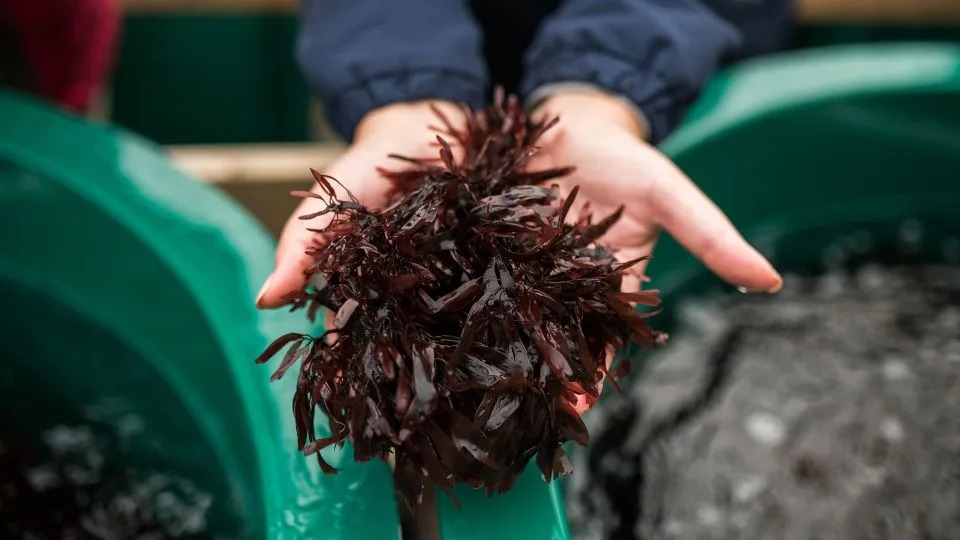
A biologist holds clumps of dulse seaweed grown by Cascadia Seaweed in British Columbia, Canada. The company is cultivating the algae for use as a feed additive and biostimulant in agriculture. - James MacDonald/Bloomberg/Getty Images

But just as we are recognizing its untapped potential, seaweed is becoming increasingly vulnerable. California, Norway and Tasmania have all lost more than 80% of their kelp in recent years, the result of climate change, pollution and overfishing.

We urgently need to protect, replant and cultivate these ecosystems or they will disappear.

I have three kids, and they need to hear solutions to the environmental problems facing our planet. Seaweed can be one of them.

If we learn to sustainably cultivate our ocean, we can contribute to feeding the entire global population while mitigating climate change and restoring biodiversity. But it can only be done together. So, if you think of seaweed as slimy, smelly and unsexy, it’s time to think again. It’s part of our future.

“The Seaweed Revolution,” by Vincent Doumeizel and translated by Charlotte Coombe, published by Legend Press, is on sale in the US now.

Editor’s Note: Call to Earth is a CNN editorial series committed to reporting on the environmental challenges facing our planet, together with the solutions. Rolex’s Perpetual Planet initiative has partnered with CNN to drive awareness and education around key sustainability issues and to inspire positive action.

As heat waves warm the Pacific Ocean, effects on marine life remain murky


Susanne Rust
Fri, September 29, 2023 

A variety of fish swim along a kelp forest off Catalina Island in 2016. (Allen J. Schaben / Los Angeles Times)

Scientists are pretty good at recognizing marine heat waves: A global network of thousands of oceanic buoys and orbiting satellites allow them to see, in real time, ocean surface temperatures, changing currents and storm systems as they develop, move or stall from the Antarctic to the North Pole.

What's harder to see is what's happening to the marine ecosystems below — to the fish, invertebrates, plants and mammals.

"There's sort of a disconnect between temperature and how something like temperature impacts species distribution patterns or how fisheries are operating or how protected species might be responding," said Jarrod Santora, a fisheries biologist with the National Oceanic and Atmospheric Administration. "There's a big jump between what we identify as a temperature anomaly and process in the ocean."

Some animals may move down the water column to darker, colder waters. Others may move north — or south — depending upon where the cooler waters are. Many may flourish; others will perish.

And some may not be affected at all, said Santora.

"We're just looking at temperature anomalies that focus on the skin of the ocean; we don't know what's happening inside," he said.

That's why Heather Welch, a marine spatial ecologist at UC Santa Cruz, and other researchers have created statistical models designed to predict where animals will go when things heat up.

"So one of the tricky things with heat wave impacts is you have to be lucky and actually have direct observations during the events," she said. Such direct observations are often made via GPS tags on animals, or observations made from a research vessel that happens to be in the right place at the right time.


Dolphins swim off Newport Beach. (Carolyn Cole / Los Angeles Times)

But with a model, you can use data collected not just during a heat wave, but at other times, too, and "extrapolate to see what would have happened during heat waves, or what did happen," she said.

Earlier this month, she and a team of researchers published the results of a model that they used to predict the movements of 14 marine predators — a selection of mammals, birds and fish — in the North Pacific during the heatwaves of 2014, 2015, 2019 and 2020.

What they found was a "wide diversity of responses across heat waves," she said.

For instance, during the heat waves of 2014 and 2015, bluefin and albacore tuna moved northwest. In 2019 and 2020, however, they moved southeast.

The researchers also found that different species responded ... well, differently.

"So if you look at a blue whale versus an albatross, they're going to do different things," she said, noting that such an observation hadn't really been seen before — because most studies of marine heat waves focused on one animal in one heat wave.

Read more: A marine heat wave off California helped fuel Hurricane Hilary. What'll it do next?

It's a point that Alexa Fredstone, an assistant professor of ocean sciences at UC Santa Cruz, echoed.

"We have a number of stories that individually make sense about how particular communities were affected," she said. "But every story is unique and the most common thing that we see actually is when there has been a marine heat wave, we don't really see any coherent response in the ecosystem."

She said heat waves have had clearly detrimental impacts on shallow water ecosystems, such as kelp forests and coral reefs. But once you get farther down the water column, things get a little murkier.

She and a team of ocean and data scientists from across North America and Europe looked at the effects of marine heat waves on fish between 1993 and 2019. They found no clear effect — nothing beyond what you'd expect with natural variability.

"What's surprising about this is that studies have shown that, over decades, fish are shifting towards the poles on average" as ocean temperatures climb from global warming, she said. "So we know that there's a long-term climate signal. Maybe that's just easier to detect statistically than the short term effect of a heat wave?"


A survey team approaches dead fall-run Chinook salmon in the Sacramento River in Redding last year. Marine heat waves in the Pacific are having very different effects on different salmon species. (Allen J. Schaben/Los Angeles Times)

For fish like salmon, which require both marine and freshwater environments, the situation is slightly different — and the combination of heat waves in the North Pacific on top of a warming planet, is a boon to some species, and a disaster to others, said Nate Mantua, a fish biologist with NOAA.

He said warmer temperatures in places like the Gulf of Alaska or along the Pacific Coast, cut "off the food supply right at the base ... leading into a longer food chain and just kind of less nutritious food," for salmon.

But if "you get far enough north," warming may actually be benefiting salmon like the Bering Sea and Bristol Bay sockeye salmon, he said. In the last 10 years, these fish had "the biggest run ... the biggest harvest ever. Fifty-million fish harvested."

He said that Russia's Pacific salmon fishery this year also "has never been higher. It's off the charts, but it's almost entirely due to pink salmon from Russia and the stock populations in Bristol Bay. Everywhere else things are not good."

Farther north than that? "That's an interesting wrinkle," Mantua said. "The salmon there have been doing extremely poorly the last 20 years."

Read more: A renegade sea otter is terrorizing California surfers: 'It's a little scary'

He said that was probably because of a combination of problems in the marine food web in the northern Bering Sea, as well as in their freshwater habitat.

"They have a really long migration through the interior of Alaska and it can get very warm there in the summer," he said. "Twenty-four hours a day of light and a really big, broad, muddy river that soaks up a lot of sunshine."

It's for species such as this — the ones that need protecting — that Welch, who is also a researcher with NOAA, hopes her and others' ecological forecasting models will help.

A gray whale swims off Dana Point in April. (Carolyn Cole/Los Angeles Times)

She said that knowing which waters blue whales are moving into, for instance, could help in terms of protection; if they move north from Mexican waters into waters off California, ships may have to keep lookout to avoid strikes, and certain fishing gear could be removed until they've passed through.

Fortunately, there are areas that appear more resilient to heat waves than others.

Ryan Walter, an oceanographer at Cal Poly San Luis Obispo, said areas with strong upwelling — like the cool strip along California's coastline — appear to be less affected by heat waves than other areas in the ocean, potentially providing a cool haven for animals looking to avoid heat.

"It may be that these little pockets along the coastline, where we have this upwelling ... may be a spot where marine animals can seek refuge from warmer waters elsewhere," he said.

"I think it's exciting to be sharing some potentially optimistic news about the oceans," Fredstone said of her and other researchers' findings. "We're all very concerned about these places that seem to be really vulnerable, like coral reefs. It was exciting to potentially have a discovery that some other ecosystems that we also care about, that are also really important to human culture and economy and well-being, may be a little more resilient."

But, she said, we also have to remember that studies like hers were "done in oceans that are colder" than what we're seeing now, and which didn't have many recorded mega heat waves — like the 2014-16 blob that gripped the North Pacific, causing algae blooms and massive die-offs of birds, fish and mammals.

"So whether this pattern will hold as extreme events get more extreme, well, I think it's too early to say," she said.


This story originally appeared in Los Angeles Times.
Antarctic sea ice hits 'record-smashing' low this year, satellite data shows

Stefanie Waldek
Tue, September 26, 2023 


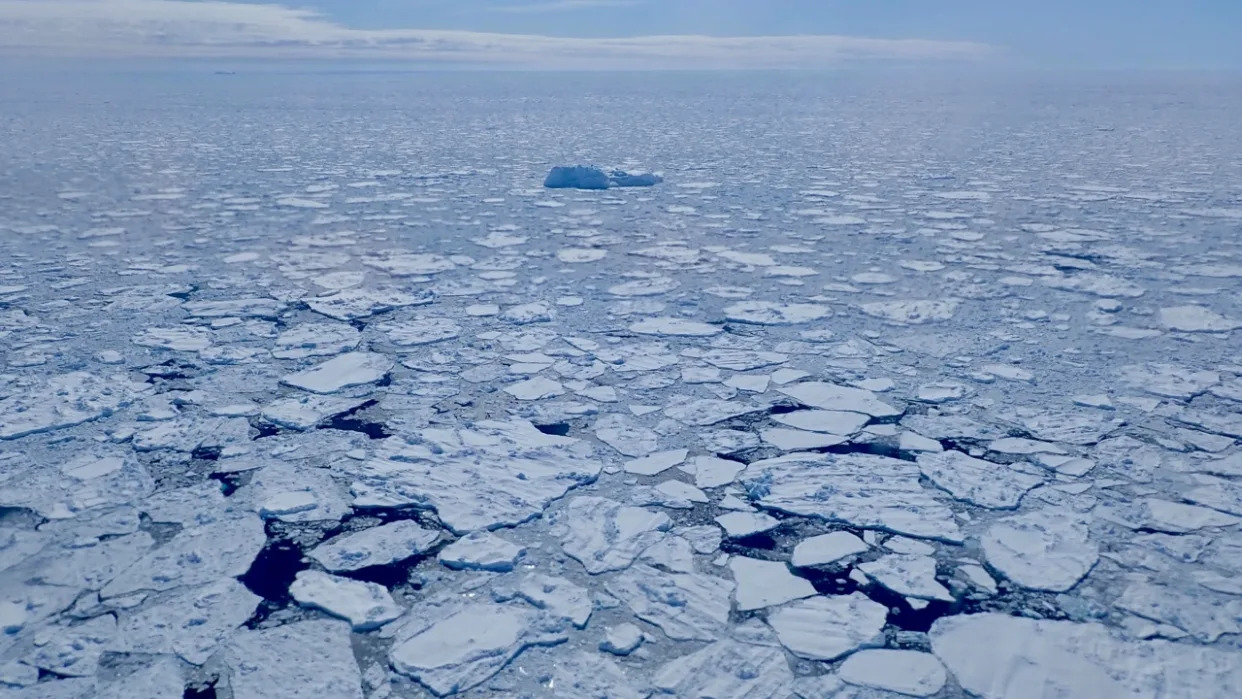
It's not a great year for polar sea ice. Both the Arctic and Antarctic have seen record lows in sea ice extent, according to NASA and the National Snow and Ice Data Center (NSIDC), which use satellite data to track sea ice across both polar regions.

Arctic sea ice likely reached its annual minimum extent this year on Sept. 19 at 1.63 million square miles (4.23 million square kilometers) — the sixth-lowest minimum in the satellite record. And in Antarctica, sea ice likely reached its maximum extent on Sept. 10 at 6.5 million square miles (16.96 million square kilometers) — the lowest maximum ever in the satellite record.

"It’s a record-smashing sea ice low in the Antarctic. Sea ice growth appears low around nearly the whole continent as opposed to any one region," Walt Meier, a sea ice scientist at NSIDC, said in a statement. And in the Arctic, he points out, the Northwest Passage has more open seas than usual.

"There also seems to be a lot more loose, lower concentration ice — even toward the North Pole — and areas that used to be pretty compact, solid sheets of ice through the summer," he said. "That’s been happening more frequently in recent years."

Related: Greenland ice sheets are weaker to climate change than we thought

Each year, sea ice grows and melts with the seasons, and its extent in both directions can be impacted by factors like wind patterns, ocean temperatures — directly correlated with human-induced global warming — and climate patterns like El Niño, which is occurring now.

One of the issues with low sea ice coverage is that it reinforces ocean warming due to the ice-albedo feedback cycle. Sea ice, being white, reflects the sun's energy back out into space, but dark open ocean absorbs it — as such, the waters may remain warmer, inhibiting sea ice growth further.

Related Stories:

Antarctic currents supplying 40% of world's deep ocean with nutrients and oxygen slowing dramatically

Satellites reveal catastrophic year for emperor penguins amid climate crisis in Antarctica (photos)

Ocean current system could shut down as early as 2025, leading to climate disaster

And while sea ice minimum and maximum extents are key measurements in the polar environment, the thickness of that sea ice is another major concern.

"Thickness at the end of the growth season largely determines the survivability of sea ice. New research is using satellites like NASA’s ICESat-2 (Ice, Cloud and land Elevation Satellite-2) to monitor how thick the ice is year-round," said Nathan Kurtz, lab chief of NASA’s Cryospheric Sciences Laboratory at the agency’s Goddard Space Flight Center.

"At NASA we’re interested in taking cutting-edge measurements, but we’re also trying to connect them to the historical record to better understand what’s driving some of these changes that we’re seeing," said Kurtz.

Are Antarctic cruises in jeopardy?

Sara Macefield
THE TELEGRAPH
Sat, September 30, 2023 

An increased number of procedures to protect against bird flu have been put in place by expedition cruise companies - Getty


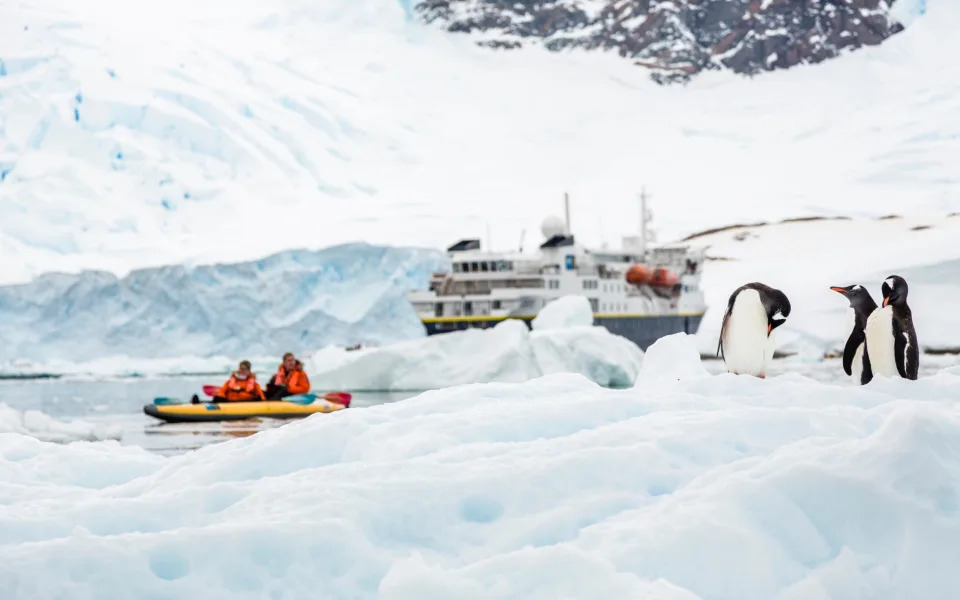
Expedition cruise lines that sail in Antarctica are enforcing stricter precautions against the growing threat of avian flu this winter amid concerns that passengers could be stopped from going ashore to prevent cross-contamination.

Scientists warn that the H5N1 virus will wreak a deadly toll across the continent’s vast penguin colonies if it gains a foothold, and they fear migrating birds from South America – which has already been badly hit by bird flu – will spread the disease as the austral summer approaches.

This also coincides with the main Southern Hemisphere cruise season, which runs from November to March, when more than 60 ships are expected to cross the Drake Passage to visit the Antarctic Peninsula.

There are concerns that cruise passengers could be stopped from going ashore to prevent cross-contamination - Getty

Sailings to the region have boomed in recent years, fuelled by a new generation of modern expedition ships built to withstand extreme conditions, and rising demand from travellers eager to explore this pristine but inhospitable wilderness.

However, the Foreign, Commonwealth and Development Office’s head of polar regions, Dr Jane Rumble, warned in an exclusive interview with the Telegraph that if the worst-case scenario arose, cruise passengers may not be allowed to land.

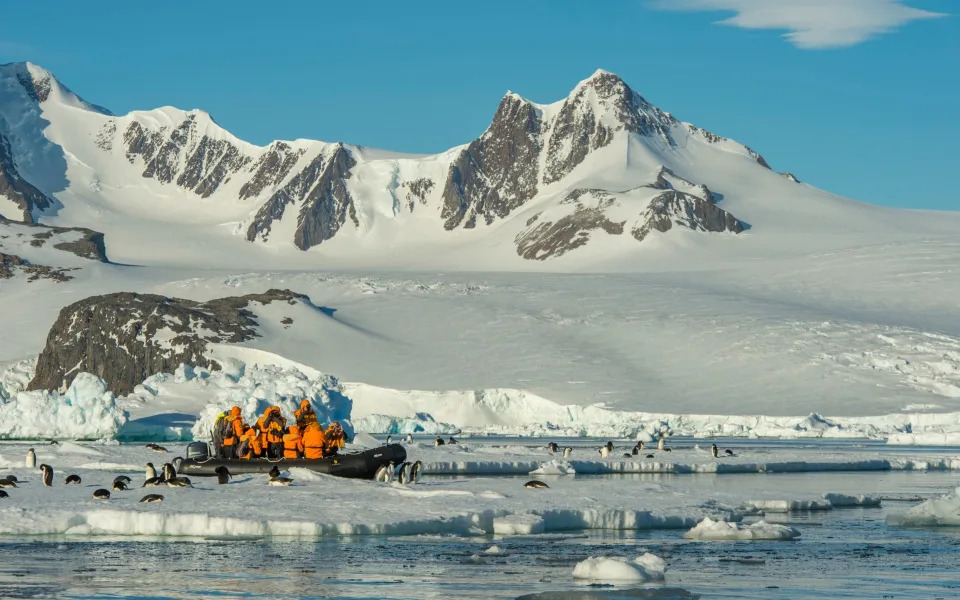
“They will keep everybody on-board or just do Zodiac cruising,” she said. “Tourists might not necessarily have the holiday they expected.”

Cruise lines and organisations would not be drawn on the implications of this, though the International Association of Antarctica Tour Operators (IAATO), which most expedition cruise companies belong to, tightened up its biosecurity protocols governing members last winter.

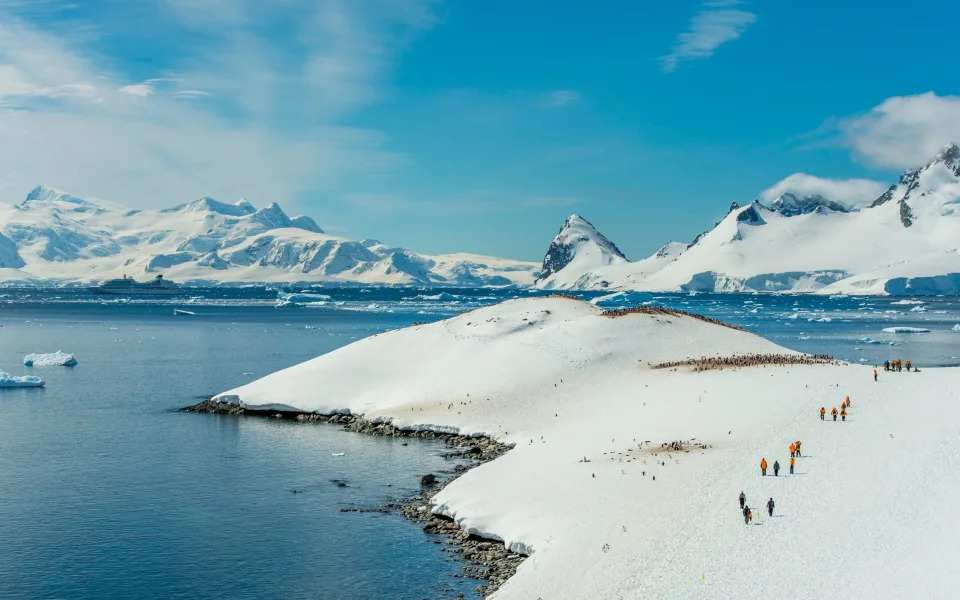
Procedures have included assessing landing sites for signs of bird flu, not going ashore if they are present, and leaving if any behavioural signs become apparent. Cruise passengers are told not to sit, kneel or lie down on the ground, or leave any equipment, close to animal activity.

Tourists on Cuverville Island in the Antarctic Peninsula region - Getty

Visitors are also instructed to maintain a minimum distance of five metres between themselves and wildlife wherever possible.

Martin Johnson, chairman and co-founder of UK-based Expedition Cruise Network, which represents many of the leading adventure lines, travelled to Antarctica with member line Ponant last winter and stressed how seriously it was taking biosecurity measures.

“These ranged from thorough cleaning and disinfecting of boots and trouser legs every time we disembarked and embarked the ship to strict adherence of not putting anything on the ground during landings,” he explained.

IAATO confirmed that the additional robust procedures it introduced last season had since evolved and were mandatory for all IAATO companies and their staff operating in Antarctica.

The association’s operations and government affairs director and deputy executive director, Lisa Kelley, said: “IAATO’s protocols will evolve as more information becomes available or if HPAI (highly pathogenic avian influenza) presents.

Tourists exploring Hope Bay in the Antarctic Peninsula region - Getty

“Scientists have shared that HPAI will arrive in Antarctica this year and, in line with our protocols, IAATO operators are prepared to cancel or leave landings where signs of HPAI are identified or suspected.

“Avian influenza is a great concern to the polar community,” she added. “Our members are united in their commitment to operate in the region safely and with environmental responsibility at the heart of all expeditions.”

This winter, IAATO estimates that more than 117,000 people will visit Antarctica on its member lines. Of that total, nearly 40,000 will be on cruise-only expeditions that will not stop in the region.

Under strict rules governing cruise operations in Antarctica, ships carrying more than 500 passengers are not permitted to make landings, so guests can admire the scenery and the experience, but do not leave their ship during sailings.

Smaller vessels carrying 500 passengers or less are allowed to land passengers, but have to abide by strict rules that only permit 100 guests to go ashore at any one time.
Earthquakes hit Italy super volcano, raising spectre of evacuations

Updated Wed, September 27, 2023 

By Crispian Balmer

ROME (Reuters) -A leading volcanologist has warned that mass evacuations might be needed in a town close to Naples, which sits on a so-called Super Volcano that has been hit by hundreds of small earthquakes in recent weeks.

A 4.2 magnitude earthquake struck the area early on Wednesday, the strongest jolt in 40 years to rattle the volcanic field, known as the Campi Flegrei or Phlegraean Fields from the Greek word for burning.

CampiFlegrei sits across the bay of Naples from Pompeii, where thousands were incinerated by Mount Vesuvius in 79 AD. However, it is a much bigger volcano than Vesuvius and if it ever exploded at full force could kill millions.

Experts say there is no imminent threat of an eruption, but Giuseppe De Natale, the former head of the Vesuvius observatory at the National Institute for Geophysics and Volcanology (INGV), called for urgent checks on buildings after repeated seismic activity that is pushing up the ground by 1.5 cm (0.59 inches) a month.

Speaking in a personal capacity, De Natale said the last time Campi Flegrei suffered a similar burst of earthquakes in the 1980s, some 40,000 people were temporarily evacuated from nearby Pozzuoli. The town now has a population of more than 80,000.

"Currently, I believe the more immediate risk is seismic. But it is clear that one must also consider the possibility of an eruption," he told Reuters.

He said if there was an eruption, it would be a phreatic, or steam-blast eruption -- which are generally relatively weak and devoid of new magma -- at least initially.

There was no sign of structural damage in the area after Wednesday's tremor.

De Natale confirmed a report in Corriere Della Sera newspaper that he had written to the government last week suggesting possible evacuations. A local official said his recommendation was being reviewed.

The Campi Flegrei are similar to the Yellowstone caldera in the U.S. state of Wyoming but of more concern because they are in an area populated by around 3 million people in the Naples hinterland.

The Campi Flegrei caldera has a diameter of about 12-15 km (7.5-9.3 miles) and last erupted in 1538. One of its biggest eruptions took place some 39,000 years ago and might have led to the extinction of Neanderthal man, researchers say. Magma from that blast has been found in Greenland, some 4,500 km away.

Volcanologists say thousands of small tremors in the area since 2019, which have grown in intensity this year, might be being triggered by tongues of magma pushing up into the subsurface of the volcano at a depth of about 5-6 km.

The INGV says that on average more than 3,000 tons of CO2 are being released each day from the volcanic field. A typical U.S. passenger vehicle emits about 4.6 metric tons of CO2 a year.

(Additional reporting by Alvise Armellini, Writing by Crispian Balmer; Editing by Bernadette Baum, William Maclean)