Saturday, June 06, 2026

From Strategic Depth To Strategic Breakdown: The New Afghan-Pakistan Crisis – Analysis

June 6, 2026 
Observer Research Foundation
By Shivam Shekhawat and Maiwand Safi

Afghanistan-Pakistan relations have deteriorated sharply in recent months, with Pakistani missile strikes hitting a university and a residential neighbourhood in Kunar in April — this despite the two sides reaching a consensus at a China-brokered informal meeting in Urumqi not to escalate the situation further. Unlike previous episodes of friction, this phase has escalated into open conflict, signifying a structural rupture in bilateral relations. Since the current phase of fighting began in February, Pakistani forces have launched an ‘open attack‘ on Afghanistan, conducting air and missile strikes deep inside the country, including in Nangarhar, Kabul, and Kandahar. The Taliban government in Kabul has also launched retaliatory strikes on Pakistani military bases near the border.

Given the relationship’s historical trajectory, this violent breakdown is striking. For two decades, Pakistan and the Taliban maintained a close alliance. When the Taliban returned to power in 2021, many Pakistani leaders, including former Prime Minister Imran Khan, publicly welcomed the development, calling the Taliban a “natural ally” and describing it as a strategic breakthrough — one that broke “…the shackles of slavery.” Yet over the four years since, expectations of strategic alignment have given way to deteriorating relations and open hostility.

The current crisis is rooted in several interlinked factors: a permissive geopolitical environment, a security vacuum, the Tehreek-e-Taliban Pakistan (TTP), the Taliban’s limited compliance with Pakistan’s long-standing aspiration for “strategic depth,” and the evolving engagement between Afghanistan and India.

Permissive Geopolitical Environment and Security Vacuum

The geopolitical priorities of the major powers have shifted significantly. The United States is preoccupied with the war in Iran and conflicts in the broader Middle East. Russia remains focused on its operations in Ukraine. China’s reluctance to engage in Afghanistan, combined with its desire to avoid alienating its ally Pakistan, has fostered a permissive geopolitical environment. This is further reflected in the failure of any externally mediated talks to produce a sustainable solution. Within this permissive landscape, regional states have been able to pursue military policies with minimal external monitoring, accountability, or criticism.

The Afghanistan-Pakistan conflict must therefore be analysed within a broader geopolitical framework. Pakistan’s ongoing assaults on Afghanistan emerge at a moment when all major powers are focused on crises in the Middle East and Europe, resulting in diminished scrutiny and a lack of accountability for Islamabad, enabling it to strike Afghanistan with impunity.


In contrast to previous episodic conflicts between the two nations, which were brief and quickly contained, the current unchecked escalation reflects the absence of external security assurances and guarantors. This has created a deterrence vacuum that continues to fuel escalation. Under the previous government in Afghanistan, the international diplomatic and military presence imposed meaningful constraints on escalation, producing a degree of controlled volatility. The political transition in Kabul dismantled that security framework, allowing tensions to escalate with far fewer checks.

As a consequence, Pakistan now has the latitude to strike at its own discretion and on its own timeline. It previously hit the Omar drug rehabilitation hospital in Kabul on 16 March and targeted Syed Jamaluddin Afghani University in Kunar last month, in both cases without facing any accountability. The absence of effective deterrence has left the current environment without workable de-escalation mechanisms, significantly raising the risk of a protracted and unmanageable conflict.

The TTP and Strategic Depth Dilemma

Islamabad expected that once the Taliban took control of Kabul, they would rein in or even dismantle the Tehreek-e-Taliban Pakistan (TTP). A striking paradox has since emerged in Pakistan-Taliban relations: Pakistani officials accuse the Taliban of providing sanctuary, training, and resources to the TTP, which has carried out militant attacks on Pakistani security forces since 2022, particularly in Khyber Pakhtunkhwa and Balochistan. The Taliban rejects these allegations, maintaining that the TTP is an internal Pakistani matter and that Islamabad must address its domestic militancy through political and security means rather than external pressure. The deadlock is further exacerbated by political, tribal, and ideological factors within Afghanistan that constrain Kabul’s ability to respond to Pakistani concerns regarding the TTP.


When the Taliban regained power in Afghanistan, many Pakistanis saw it as creating ‘a new bloc’ — paving the way for the realisation of ‘strategic depth‘: the idea that a friendly government in Kabul would provide security leverage against India. However, this vision of ‘strategic depth’ proved shortsighted. The Taliban demonstrated a degree of autonomy that defied Pakistan’s expectations, pursuing a more independent regional approach rather than aligning closely with Islamabad’s strategic interests. They sought to consolidate support across Afghan society, transition into a full-fledged government, and forge ties beyond Pakistan — including with countries such as India.

Additionally, the Durand Line remains a significant point of contention between the two countries, with successive governments — including the current Taliban administration — not having endorsed it as an international border. For Pakistan, it is a matter of national security; for Afghanistan, the Durand Line remains politically and historically contentious. This unresolved dispute perpetuates bilateral tensions and undermines cross-border security cooperation, increasing the risk of conflict and instability in the region.

At the same time, Afghanistan’s re-engagement with India has added a layer of anxiety to Pakistani strategic and security thinking. New Delhi has opened channels of engagement with the Taliban, upgrading its technical mission to a diplomatic mission following Afghan Foreign Minister Muttaqi’s visit to India on 9 October 2025. High-level official visits, particularly from the Afghan side, have signalled that India intends to retain influence in Afghanistan.

Pakistani officials, including the country’s defence minister, have expressed concern that the Taliban is drifting toward alignment with Indian strategic interests. From Islamabad’s perspective, the prospect of deepening Afghanistan-India ties raises the fear of strategic encirclement.

Pakistan’s Endgame?

Military escalation and open war are unlikely to eradicate the structural causes of the conflict. Airstrikes and missiles will not compel the Taliban to formally recognise the Durand Line. Severing ties with India is also not an option for the Taliban: diversifying foreign relations is a pragmatic necessity, since international recognition and economic assistance require engagement beyond any single partner. The prospect of the TTP’s disbandment appears equally remote, particularly given that the Taliban has already refuted claims that it shelters the group on Afghan soil.

Some analysts argue that Pakistan’s objective is to degrade Afghanistan’s military capability, including equipment left behind after the US withdrawal. Pakistan’s approach appears less oriented toward decisive victory than toward strategic denial. Pakistani airstrikes targeting military infrastructure suggest an intent to weaken Kabul’s security capacity. This posture reflects a longer-term strategic calculation: with a strong India on its eastern border, Islamabad prefers an Afghanistan of limited strategic capacity to its west, in order to avoid strategic encirclement. The Taliban’s recent efforts to consolidate military and economic autonomy appear to have sharpened these anxieties. The conflict may thus be read as an effort to limit Afghanistan’s military infrastructure before it further shifts a regional balance already tilting in India’s favour.

This strategy is not without its costs. It destabilises borderlands, inflames Afghan nationalist sentiment, and deepens regional polarisation in an already war-torn area. It also strains Pakistan’s security and economic resources at a time of considerable vulnerability and internal turmoil, undermining its ability to address pressing domestic challenges. Unless the deeper political, security, and regional drivers are addressed through sustained engagement and confidence-building measures, cycles of tension are likely to persist — limiting the durability of any future truce or ceasefire.


About the authors:
Shivam Shekhawat is a Junior Fellow with the Strategic Studies Programme at the Observer Research Foundation.

Maiwand Safi is a senior PhD scholar at South Asian University, working on the geopolitics of connectivity, with a particular focus on Afghanistan, South Asia, and regional strategic dynamics

Source: This article was published by the Observer Research Foundation.
Jalisco New Generation Cartel Expands Illegal Mercury Trafficking Across South America – Analysis

A container carrying crushed stone impregnated with smuggled mercury was detected by Peru’s National Superintendency of Customs and Tax Administration (SUNAT) in July 2025. (Photo: SUNAT)


June 6, 2026 
Diálogo Américas
By Eduardo Szklarz

llegal mercury trafficking is emerging as one of the newest and most lucrative criminal frontiers for the Jalisco New Generation Cartel (CJNG), which in recent years has expanded its activities far beyond drug trafficking. Mercury is essential for illegal gold extraction, used to separate the precious metal from soil and sediment in alarming proportions: on average, nearly 2.5 tons of this toxic metal are needed to produce 1 ton of gold.

The trend reflects how criminal networks are integrating environmental crimes, narcotrafficking routes, logistical corruption, and illicit economies, strengthening their operational and financial capabilities at the transnational level.

According to a report by the U.S.-based Environmental Investigation Agency (EIA), which specializes in environmental crimes, approximately 200 tons of mercury were smuggled between 2019 and 2025 from mines in the Mexican state of Querétaro — many of them under CJNG control — to Peru, Colombia, and Bolivia, averaging roughly 40 tons per year. Some of these mines are located within UNESCO’s Sierra Gorda Biosphere Reserve. “This is the largest illegal mercury flow ever reported worldwide,” the EIA stated.


The growing strategic value of the illegal mercury market could allow the Mexican criminal group to further expand its presence within illegal gold mining supply chains across Latin America, with serious implications for regional security and the environment. In this context, the February death of Nemesio Rubén Oseguera Cervantes, alias El Mencho, the cartel’s longtime leader, could open a period of internal restructuring, with possible effects on the CJNG’s criminal diversification and alliances.

According to Peruvian attorney César A. Ipenza, an expert on environmental crimes, mercury smuggling is “the first link” in the new role the CJNG is playing in the Amazon region. “It would not be surprising if they later diversify their activities and move on to control the gold trade or even gold extraction itself,” he told Diálogo.

However, a possible expansion of the CJNG into Latin American mining supply chains could also foster new alliances among criminal organizations in the region, while triggering conflicts both between rival groups and within the cartel itself.

One precedent considered particularly concerning by analysts is the internal war that erupted within the Sinaloa Cartel in 2024 between the Chapitos — the sons of Joaquín “El Chapo” Guzmán — and the faction known as the Mayitos, linked to the family of Ismael “El Mayo” Zambada García. The conflict triggered a new escalation of violence and criminal fragmentation in Mexico.

CJNG’s expansion into mercury trafficking

The new “mercury fever,” with record prices of around $330 per kilogram, is linked to rising gold prices and growing demand from illegal mining operations. Paradoxically, this growth is occurring while official mercury imports are declining sharply.

“Since the Minamata Convention entered into force in 2017 — an international treaty designed to reduce mercury use because of its severe impacts on health and the environment — legal mercury imports in Peru have collapsed from more than 100,000 kg in 2011 to just 6,770 kg in 2025, creating space for illegal networks that exploit the shortage,” investigative newspaper Ojo Público reported.

Today, the CJNG is the main Latin American supplier of smuggled mercury to Peru, Colombia, and Bolivia. Its expansion has been facilitated by three factors: limited controls in Mexico due to the absence of widespread illegal gold mining in the country, the presence of mercury mines — considered the world’s second-largest reserves — in the central state of Querétaro, and CJNG’s strategic control of the Port of Manzanillo.

CJNG has transformed the mines in Querétaro into heavily militarized enclaves protected by fortified gates, surveillance towers with cameras, barbed wire, and armed guards carrying high-caliber weapons. This level of security reflects the enormous economic value of mercury trafficking and the CJNG’s growing ability to consolidate territorial control over the mines as well.

Another key point along the illegal mercury route is the Port of Manzanillo, on Mexico’s Pacific coast, where both the CJNG and the Sinaloa Cartel operate. One of the largest mercury shipments ever seized departed from there: nearly 4 tons of mercury concealed in crushed stone and destined for Bolivia, intercepted in 2025 at Peru’s Port of Callao.

Authorities highlighted the sophistication of the concealment method. The mercury had been absorbed into the stones and later recovered through high-temperature industrial processes. In other cases, the CJNG hid the metal among coffee beans, iron pipes, paint cans, or mineral powders.

Mercury trafficking routes

Experts emphasize that mercury trafficking already relies on the same routes and strategies used in narcotrafficking. This overlap could allow the CJNG to further expand its presence in cocaine markets such as Bolivia’s, where the cartel has so far operated mainly through intermediaries and alliances with local groups.

Bolivia, in addition to being the world’s third-largest coca-growing country, is also the world’s second-largest importer of mercury. One of the most critical points is Desaguadero, on the border with Peru, where homicides and violence linked to mercury trafficking have increased in recent years. Ecuador has also become a gateway for illegal mercury destined for clandestine mines in Peru’s Amazonian region of Madre de Dios.

The situation in Colombia is particularly delicate, where the CJNG maintains ties with dissident factions of the Revolutionary Armed Forces of Colombia (FARC) and local narcotrafficking networks to purchase cocaine in areas such as Chocó, along the Pacific coast, and Antioquia, in northwestern Colombia, which also coincide with major illegal mining areas. Any expansion of the cartel into the gold supply chain could intensify conflicts among armed and criminal groups, further increasing violence in the region.
Environmental impact

Mercury, one of the 10 most dangerous chemicals to public health according to the World Health Organization (WHO), is dumped into rivers or released into the atmosphere during illegal gold extraction processes, contaminating forests and Amazonian waterways for decades. Gold mining is currently the world’s leading source of atmospheric mercury pollution, releasing more than 800 tons each year.

“The mercury use facilitated and trafficked by the CJNG in the Amazon region, mainly associated with illegal gold mining, has devastating environmental, health, and socioeconomic implications,” Ipenza said.

The effects are already visible in different parts of the Amazon. Scientific studies have detected high levels of mercury in rivers, fish, and the blood of Indigenous communities in Peru’s Madre de Dios region and among Yanomami populations in Brazil.

According to Ipenza, these damages could increase exponentially if the CJNG ultimately transforms itself into a “global entrepreneurial criminal organization that dominates extractive industries.” In that scenario, the cartel would strengthen its control over illegal economies linked to gold while simultaneously increasing deforestation, environmental contamination, violence, and pressure on Indigenous communities.

As illegal mining networks continue to expand across remote border regions, authorities face an increasingly complex challenge in confronting criminal organizations that now combine environmental crimes, trafficking routes, corruption networks, and transnational logistics into their criminal activities.

This article was published by Diálogo Américas


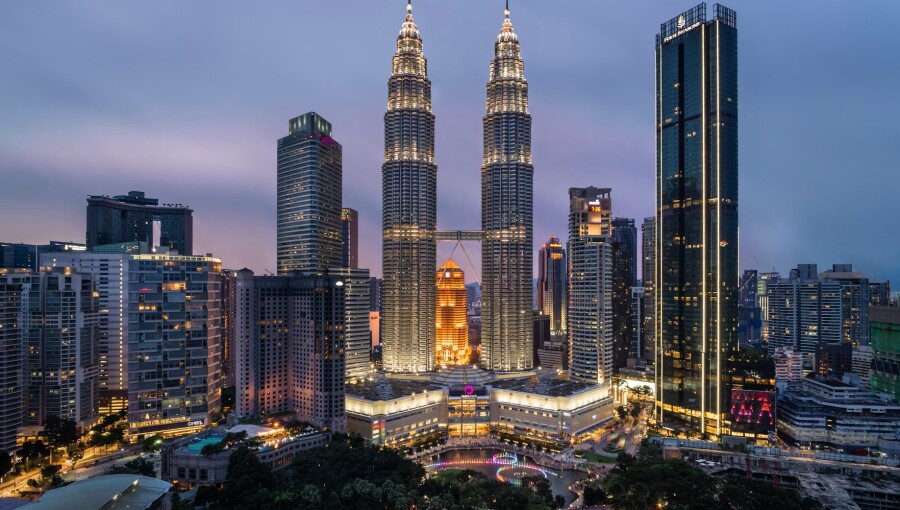
The Singapore to Malaysia migration reshaping Southeast Asia

The Singapore to Malaysia migration reshaping Southeast Asia
/ Esmonde Yong - UnsplashFacebook
By IntelliNews June 5, 2026

An industrial migration is quietly shifting the economic landscape of Southeast Asia, particularly that surrounding Singapore and Malaysia, a new report by the South China Morning Post reveals. Facing persistent inflation, rising operating costs, and an ever tight domestic labour market, companies established in Singapore are actively offshoring their operations across the narrow Causeway separating the two countries.

This movement is turning neighbouring Malaysia, and specifically the southernmost state of Johor, into a primary beneficiary of the city-state's bottleneck. At a glance, this exodus seems beneficial, especially for the state of Johor.

However, this is far from the truth. The corporate exodus might provide immediate fiscal relief to multinational brands and inject significant foreign direct investment (FDI) into Malaysia, but regional economists warn that it introduces complex structural trade-offs. This includes talent shortages and a widening domestic wealth gap between skilled and unskilled workers.

Inflation, headcounts, and corporate relocations

For decades, Singapore has comfortably occupied the position of the premier regional headquarters for global brands. Yet, today its macroeconomic environment is being challenged, causing the country’s corporations to look for operational efficiency outside the republic's borders.

The financial reality of high land costs and premium wage expectations is altering corporate footprints, prompting a wave of reallocations affecting both manufacturing and corporate back-office staff.

Some high-profile shifts have contributed to this migration trend. One, in the last month, saw food processing giant Gardenia announce the transfer of its bakery production units from Singapore to Johor Bahru. This decision led to 141 immediate layoffs in the city-state.

Another food giant also took a similar approach. The beverage brands Yeo’s and Asia Pacific Breweries (owned by Heineken) revealed plans to migrate physical production lines to facilities in Malaysia and Vietnam with the intention of streamlining capacity.

From the retail side, H&M confirmed the relocation of its Southeast Asian headquarters from Singapore to Kuala Lumpur. Approximately 80 corporate roles across the border are affected.

Financial analysts note that labour-intensive, back-office processes, such as IT help desks, basic accounting, legal operations, and payroll processing, are increasingly and systematically offshored to more cost-competitive regional hubs.

According to Maybank Securities economist Brian Lee, this represents a deliberate structural bifurcation. Singaporean firms are actively shedding land and labour-intensive activities to lower cost environments to fiercely retain high-value knowledge, research, and capital-intensive functions locally.

Malaysian special economic zone benefits

In turn, Malaysia is adopting the role of a highly complementary partner to Singapore’s capital-heavy economy, the South China Morning Post adds. Beyond geographical proximity, the country offers a large pool of English-speaking, tertiary-educated youth specialised in professional corporate operations. This is especially alluring as both the professional talent pool and infrastructure are significantly cheaper in utility and real estate costs.

This creates a twinning model between the two neighbouring economies, with Singapore offering financial and intellectual capital as well as an AI & advanced R&D hub. On the other hand, Malaysia offers a cost-competitive industrial space with abundant, skilled labour.

This symbiotic operation is being institutionalised through the Johor-Singapore Special Economic Zone (JS-SEZ). Designed to inject an estimated $26bn annually into the Malaysian economy by 2030, the JS-SEZ courts Singaporean firms by offering a preferential 5% corporate tax rate for 15 years, combined with income tax incentives for specialised knowledge workers.

Another observation challenges this economic decision. Universiti Kebangsaan Malaysia associate professor Wye Chung Khain warns that this much influx of foreign corporate demand still has the potential to strain local markets. A sudden corporate race for technical and business talent within Malaysia opens up risks of driving up wage premiums for elite workers. This dynamic leaves local Malaysian enterprises struggling to compete for staff, while simultaneously exacerbating domestic income inequality as unskilled labourers are left further behind by the rising cost of local living.

The future

This structural recalibration also extends out of Singapore, reaching beyond the immediate borders of the Causeway. As companies look to diversify their supply chains against Hormuz friction and regional bottlenecks, secondary alternatives show themselves in fellow Southeast Asian countries like Vietnam and Thailand. These countries are also upgrading their roles within the global value chain.

For Vietnam, its strategic advantage is made available in high-skilled wages and expansive global free-trade agreements, targeting the manufacturing and electronics sectors as well as global export logistics. As for Thailand, its industrial infrastructure possesses a regional significance, with the presence of the Eastern Economic Corridor (EEC) under the Thailand 4.0 blueprint. Thailand also targets high-tech manufacturing and automotive supply chains in addition to a lesser degree innovative industries.

These emerging economies absorb lower-cost and labour-intensive functions, and Singapore is doubling down on state-directed economic strategies to secure its future as a premium financial hub. According to Deputy Prime Minister Gan Kim Yong, the city-state is executing plans to anchor next-generation industries, specifically focusing on becoming a global leader in furthering artificial intelligence (AI) solutions at scale.

Rather than viewing the migration of established brands as a net loss, Singaporean policymakers view it as a necessary economic evolution. The ultimate success of this regional shift will depend on how effectively Singapore can reskill its displaced workers for high-density tech roles, and whether Malaysia can successfully manage its incoming wealth without alienating its domestic, less-skilled workforce.


Estonia’s Sunly and Rolls-Royce strike Baltics’ largest private battery storage deal

Estonia’s Sunly and Rolls-Royce strike Baltics’ largest private battery storage deal
/ SunlyFaceboo
By bne IntelliNews June 5, 2026

Estonian renewable energy developer Sunly and Rolls-Royce Power Systems signed an agreement to build four large-scale battery energy storage systems in Latvia, creating what the companies describe as the largest battery storage project undertaken by a privately owned company in the Baltic states, Sunly announced on June 4.

The investment comes at a significant moment for the Baltic energy sector. Following the region's synchronisation with the European electricity network and its disconnection from the Russian grid, demand for balancing and frequency-control services has increased sharply.

The facilities will have a combined storage capacity of 490 MWh and form part of a wider regional partnership that could eventually reach 790 MWh, including a planned project in Estonia.

The agreement was announced during the opening of Sunly's new solar park in Valmiera, one of Latvia's first hybrid renewable energy sites combining solar generation and battery storage. The first battery installation in Valmiera is expected to enter operation in early 2027, with three additional projects scheduled to follow later that year.

Under the agreement, Rolls-Royce will act as the main contractor, overseeing design, equipment supply, construction and commissioning. The company will deploy its mtu EnergyPack battery systems and energy management software, designed to help balance electricity supply and demand while supporting grid stability.

Rolls-Royce said the battery systems would play an important role in supporting renewable energy integration and strengthening regional energy security.

The companies have also signed a memorandum of understanding covering a further 300 MWh battery storage project in Risti, Estonia.

"Our aim is to build an energy system that works for people, not just when the sun shines. By combining solar generation and battery storage, we can produce energy when conditions are right and deliver it when it is needed, making renewable energy more reliable and less dependent on weather conditions. Co-locating generation, storage, and consumers like data centres in one place is how renewable energy becomes truly efficient. Latvia is the start. Estonia is next. And we have the right partner to get there," said Lepasepp.

Brazil seeks new partners, expands credit lines as US tariff threat mounts

Brazil seeks new partners, expands credit lines as US tariff threat mounts
“We will seek out other partners. If they don’t want to buy, we’ll sell to whoever does. We won’t just sit around complaining." Lula said. / marcelo camargo/agencia brasil
By bnl Sao Paulo bureau June 5, 2026

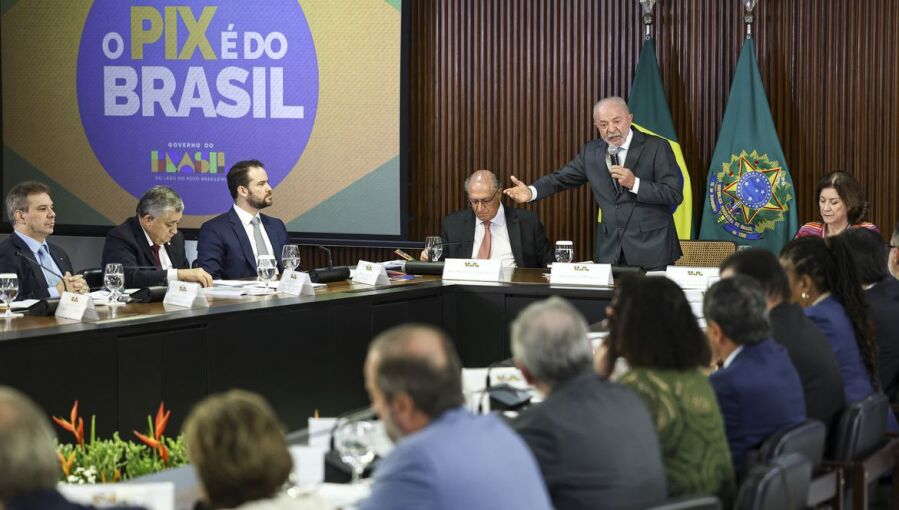
Brazilian President Luiz Inácio Lula da Silva vowed to pursue alternative trade partners and pledged to attend next month's G7 summit in France, as his government scrambled to contain the fallout from sweeping new US tariff proposals that could hit a broad range of Brazilian exports.

The US Trade Representative (USRT) proposed two separate tariff measures this week. The first, announced on June 2 and triggered by a Section 301 investigation focused exclusively on Brazil, would impose a 25% duty on a range of products that, according to the Planalto Palace, account for roughly a fifth of Brazil's sales to the US.

The investigation concluded that certain Brazilian government policies were "unreasonable" and imposed undue restrictions on US trade.

Among other issues, to justify the punitive levies, the agency accuses Brazil’s instant payment system Pix of “unfairly” harming US companies that provide electronic payment services, such as credit card operators MasterCard and Visa, Agencia Brasil reported.

The second measure, announced the following day, would apply a tariff of up to 12.5% on Brazil alongside 59 other countries over alleged failures to effectively ban imports produced with forced labour.

Both measures remain subject to public consultation and are not expected to take effect before July, according to O Globo.

Speaking to his cabinet, Lula made clear he did not intend to absorb the blow passively, and committed to diversifying trade routes.

“We will seek out other partners. If they don't want to buy, we'll sell to whoever does. We won't just sit around complaining. Brazil is its own master. This is a democratic and sovereign country," he was quoted as saying.

He also signalled a willingness to engage diplomatically, reversing an earlier decision to skip the upcoming G7 summit in France.

"I wasn't even going to the G7, but now I am. Someone needs to try to bring order to the house and stop this dismantling of multilateralism,” Lula said.

Behind the scenes, Lula's government has been working on a dual-track strategy, with July 15 emerging as the effective deadline for reaching a deal, O Globo reported.

Officials believe they have a stronger hand in fighting the 25% tariff — which targets Brazil specifically — than in escaping the forced labour measure, which covers dozens of countries including close US allies such as Argentina, making a bilateral carve-out difficult to secure.

The forced labour tariff may nonetheless prove useful as a negotiating tool: Brazilian officials plan to argue that, since the country is already subject to a 12.5% levy, there is no justification for an additional 25% surcharge.

Sectors on the table in bilateral talks include medical equipment and technology hardware, areas where Washington is keen to expand its foothold in the Brazilian market.

Tariff concessions by Brazil are also under consideration, according to sources cited by O Globo.

The government has reaffirmed it reserves the right to invoke the Reciprocity Law, passed unanimously by the National Congress in April 2025 in response to the first round of Trump tariffs, which allows Brazil to respond to foreign measures that "negatively impact Brazilian international competitiveness."

However, a Lula aide was quoted as saying the law was, for now, being treated as a last resort rather than an active instrument.

On the domestic economic front, in an electoral year in which the seasoned leftist leader is seeking a fourth term, the government moved in parallel to cushion potential damage to Brazilian firms.

In a joint decree, the Ministries of Finance and Development lowered the minimum export revenue threshold required to access financing under the Sovereign Brazil 2 (Brasil Soberano 2) credit programme from 5% of gross revenue to 1%, opening the lines to a far broader pool of exporters and their supply chain partners, Valor reported.

The move was described as independent of the new tariff threat, but officials acknowledged a fresh round of US levies could require additional measures, and that worsening trade tensions might improve the prospects of a provisional measure underpinning the programme — currently stalled in Congress amid disputes over amendments — finally being approved.

At risk is the operationalisation of up to BRL21bn ($4.15bn) in BNDES credit earmarked under the initiative.

The tariff saga is also rippling through Brazil's domestic politics, with analysts noting the awkward position it creates for the Bolsonaro camp ahead of October's congressional elections.

Right-wing candidate Flávio Bolsonaro visited the White House on the same day the 25% tariff was proposed, with President Trump posting a photograph praising Jair Bolsonaro's eldest son as "a smart young man who loves his country."

Political analyst Matias Spektor of the FGV School of International Relations cautioned against reading too much into the optics. "The idea that we will have Trump clearly on Flávio's side by October is premature and assumes he has a discipline that is not real," Spektor said, quoted by O Globo.

For now, Brasília is betting that the July window is wide enough to negotiate its way off the more damaging list, and that Lula's trip to Cannes could yet yield the face-to-face encounter with Trump that no formal agenda currently anticipates.

U.S. Terrorist Designation For Brazilian Gangs Takes Effect


June 6, 2026 
ABr
By Lucas Pordeus Leon

The US government’s decision to label Brazilian criminal factions CV (“Comando Vermelho”) and PCC (“Primeiro Comando da Capital”) as terrorist organizations took effect on Friday (Jun. 5), a move that could have economic and geopolitical consequences for the Latin American country. The measure had been announced on May 28.

The Brazilian government criticized the decision, arguing that it leaves room for Washington to interfere in internal affairs under the pretext of combating terrorism. According to a statement from the executive, the fight against crime should occur through international cooperation and with respect for the sovereignty of states over their territories.

The government and experts also argue that the measure could harm the country’s economy, with repercussions for tourism, investment, foreign trade, and the financial system.

Shield of the Americas

The Trump administration has designated Mexican cartels and criminal organizations in countries such as Venezuela, Ecuador, and Colombia as terrorist groups.

In March this year, the White House formed a coalition called the Shield of the Americas, bringing together governments ideologically aligned with Trump to theoretically combat drug trafficking, but also to counter the economic influence of geopolitical adversaries such as China and Russia.

The fight against drug trafficking was the justification used to kidnap Venezuela’s then-President Nicolás Maduro as well as to pressure Mexico – a move denounced by Mexico’s current President Claudia Sheinbaum as foreign interference in internal affairs.


Inside the far-right's secret for winning over working class Americans


What Jefferson and Madison would have thought about ‘rededicating’ the US to God
The Conversation June 06, 2026 | 07:50AM ET

Class has always mattered, and now social democratic parties that sprung from a working class — including the Australian Labor Party – are finding out why.

Over many years, and in many countries, a growing view among political actors and within political science was that class was losing its punch. The line was something like this. The working class once voted for labour parties. The middle class voted conservative. But over many years) that difference between how the classes voted got smaller and smaller. In some places it disappeared.

The “decline of class” narrative suited the leaders of labour and social democratic parties.

They could safely adopt market-based neoliberal policies, with a human touch added, in the knowledge their base wouldn’t desert them. But their base was changing. It was becoming more middle class, more individualistic, more awake to the benefits of market solutions to complex problems.

Now, those politicians are shocked by the rise of far-right political parties that now claim to represent the working class. In Australia, One Nation is close to matching Labor — in some polls, it is already ahead.

In the United Kingdom, Reform is leading in all the polls, while the governing Labour party is below 20%. In Germany, the neo-nazi AfD is presently leading in all opinion polls, while the Social Democrats are below 14%.

In the United States, the Republican Party has gone full Trump, on an agenda with aspects that look eerily reminiscent of prewar Germany. In France, the National Rally candidate is ahead in all opinion polls for the next presidential election.

‘Blue collar’ is not the same as ‘working class’

In many countries, the labour and social democratic parties are mere shadows of their former selves.

Perhaps the labour parties mistook the decline in “blue-collar” (manual) jobs for the decline of the working class. In Australia, the blue-collar share of jobs fell from 44% in 1979 to 28% in 2025. It’s fallen in the UK, the US and elsewhere.

Union membership, once a mostly “blue-collar” phenomenon, declined in most industrialised countries. It fell from an average of 30% of employees across the OECD in 1985 to 19% in 2005 and 15% in 2023. The fall was even greater in Australia.

But these changes did not reflect how likely people were to identify as working class.

In Australia, national attitude and election surveys give us a good idea of trends in people’s views. Between 1979 and 2007, the proportion of respondents in a standard national survey defining themselves as working class or lower class temporarily grew from 40%, to the low 50s in the 1980s and ‘90s, then back to 44% by 2007. In 2025, after a bit more movement, it was still 44% working class.

A British survey in 1983 found 58% of people claimed to be working class. By 2005, those identifying as working class had barely fallen to 57%. In 2023, still 53% of people identified as working class.

In the US, where the phrase “working class” appeared absent from public discourse for decades until Trump, a differently worded question showed that in 1976, 51% of Americans thought of themselves as either working class or lower class. In 2006, the same survey showed 52% identifying as either working class or lower class. Within this period, numbers had fluctuated from year to year — but always between 48% and 55% expressed working or lower class identity.

A Gallup poll added “upper-middle class” to the options, and the proportion claiming working or lower class status was only 39% in 2006. In 2024, that number was 43%.

In Canada, the proportion identifying as working or lower class was 36% in 1980 and still 36% in 1995. In 2017, a different poll found 37% identified as working class.

In short, while “blue-collar” jobs have sharply declined almost everywhere, the experience of “working class” has been relatively stable, within some fluctuating bounds. Differences in class identity between countries seem more notable than differences over time, perhaps due to how questions are asked or how different cultures interpret them.

This is not to say that giving a “working class” response to a forced-choice survey question is the same as a deeply thought position on class. But if people no longer thought of themselves as working class, you would expect to see some pretty big changes over time in answers to these questions.

How the working class was left behind

Sure, jobs changed, a lot. But there has never been much middle-class glamour in the “white collar” jobs at the checkout counter, behind the hamburger hotplate or in the call-centre factory.

Class relations didn’t weaken. In fact, inequality worsened in many countries. Neoliberal policies, including those adopted by social democratic parties, made the rich much richer, but they slowed the growth in the wellbeing of the majority of people, and left the working class behind.

The proportion that thought big business had too much power, and income and wealth should be redistributed, became larger.

Unions lost ground not because their ideas became unpopular with workers. It simply became much harder for unions to recruit and retain members in the face of increasingly hostile employers, governments and laws.

Working class voters didn’t have solutions to hand. But nor were they offered any by social democratic parties that barely spoke their language. Now the door has been opened to far-right parties, presenting alternatives that appeal to some facing those class problems.

There’s life in class voting yet, just not in the way we thought of it.

David Peetz, Laurie Carmichael Distinguished Research Fellow at the Centre for Future Work, and Professor Emeritus, Griffith Business School, Griffith University

This article is republished from The Conversation under a Creative Commons license. Read the original article.
As Ebola Virus Spreads, We See the Terrifying Effects of Trump Dismantling USAID


Trump slashed more than 30 CDC experts and 140 USAID staff who managed the 2018 Ebola outbreak on the ground in the DRC.

June 4, 2026

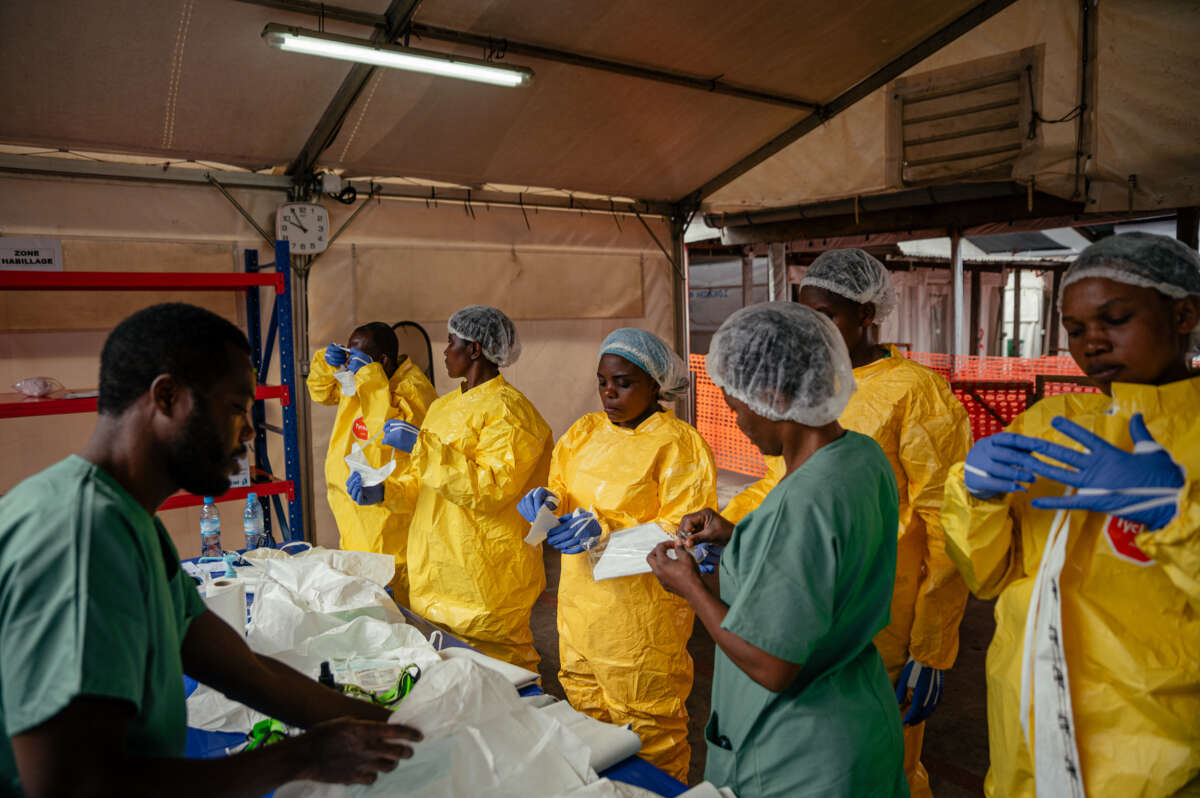
Health care workers put on personal protective equipment before going to examine patients at the Ebola Treatment Center in Munigi, Democratic Republic of the Congo, on June 2, 2026.Jospin Mwisha / AFP via Getty Images

In 2018, when the Democratic Republic of the Congo (DRC) experienced a severe Ebola outbreak, more than 30 experts from the Centers for Disease Control and Prevention (CDC), close to 20 disaster-response specialists from the U.S. Agency for International Development (USAID), and 120 additional USAID staff were on the ground attempting to manage the outbreak, according to estimates from Friends of USAID, an advocacy organization mainly made up of ex-USAID staffers. With that level of staffing in 2018, by and large, they succeeded in limiting the extent to which the disease spread.

This year, as a particularly virulent strain of the Ebola virus — the Bundibugyo strain, against which there is no approved vaccine and for which there are no medicinal cures — runs rampant in the Democratic Republic of the Congo, Friends of USAID estimate there is only one CDC staffer on the ground there, along with five additional State Department personnel. There are of course no USAID workers present, since the Trump administration dismantled USAID during the purges led by the so-called “Department of Government Efficiency” (DOGE) in 2025, summarily firing local health care contractors around the world, including in countries with extreme poverty rates such as the Democratic Republic of the Congo.

In addition, since Donald Trump signed an executive order pulling the U.S. out of the World Health Organization in early 2025 — a pullout that was completed in January of this year — CDC experts are no longer allowed to communicate with World Health Organization personnel. And despite a waiver having been granted for Ebola-related correspondence, in practice there has been a significant breakdown in communication between the two agencies over the past year — a breakdown promoted by the Trump administration, which recently sent out an email reminder to CDC staff not to correspond with the World Health Organization.

The consequences have already been devastating. In past Ebola outbreaks, even before mass testing of disease victims got underway, the CDC and USAID were able to tell when an epidemic was picking up steam based on on-the-ground medical observations and data about excess mortality figures. And, in response, they were able to position medical resources effectively.

In the current outbreak, the decimated remnants of the CDC were caught unawares, only finding out about the outbreak once hundreds, and possibly thousands, of people had already been infected — thus making it far more likely that this outbreak will prove particularly difficult to corral.


Trump Admin Cuts to USAID, WHO, Likely Stalled Response to Ebola, Experts Warn
“Facilities in affected areas are operating without basic protective supplies” due to cuts to USAID, one expert said. By Chris Walker , Truthout May 26, 2026


Because so many experts have been fired over the past 16 months, and because political overseers have been limiting what the remaining scientists can say and write, “the CDC is not really functional anymore,” Angela Rasmussen, professor of virology at the University of Saskatchewan in Canada, told Truthout. Rasmussen, who also serves as science chair for the Save America Movement, a nonpartisan organization that works to stop ongoing assaults on public health, added that the administration was no longer bothering to consult remaining CDC experts when making policy to respond to the outbreak. “It used to be an evidence-driven process and now it’s a political-driven process,” Rasmussen said.


“I equate it to having the mayor’s office taking on a fire without having a fire department or a fire hose.”

“I equate it to having the mayor’s office taking on a fire without having a fire department or a fire hose,” Demetre Daskalakis, former director of the CDC’s National Center for Immunization and Respiratory Diseases, told Truthout. Daskalakis, who resigned last August because he was so concerned about the direction that the Department of Health and Human Services was taking under Robert F. Kennedy Jr.’s leadership, says that when faced with grave public health challenges, the administration is simply resorting to “a lot of posturing, with, I think, bad consequences.”

Faced with the twin public health emergencies of the Ebola virus outbreak in the Democratic Republic of the Congo and Uganda, alongside the hantavirus outbreak on a cruise ship from which people disembarked to the four corners of the Earth, the Trump administration’s response has been, at best, ad hoc. Instead of implementing expert-driven protocols, it has leaned on its nativist instincts to simply attempt to lock the virus out. That attempt proved a colossal failure during the early days of the COVID-19 pandemic. And, according to Rasmussen and Daskalakis, the signs are not auspicious for it being a successful strategy against the global health crises of 2026.

For U.S. residents exposed to hantavirus, the Trump administration has ordered mandatory 42-day quarantines in a secure facility in Omaha, Nebraska — despite the fact that experts say the virus doesn’t spread easily and that home quarantine would be just as effective. For U.S. residents exposed to the Ebola virus in Africa, the response has been to refuse them entry back into the United States and to instead have them isolated and, if need be, treated in Kenya — a situation that Rasmussen and other experts say makes little sense given the huge investments made over the past decade in secure biocontainment units in the U.S. “They’re throwing evidence-based risk assessment out the window, and are trampling people’s 14th Amendment rights,” Rasmussen told Truthout. “If we’re going to take Americans’ freedom away, there should be a real basis for that — and there’s not.”

Telling people in the U.S. that if they get exposed to the Ebola virus, they won’t be allowed back into their home country for months is, experts believe, a surefire way to discourage U.S. doctors and public health professionals from heading to Africa to try to contain the outbreak. In other words, it is a strategy all but guaranteed to make a bad situation worse.

“It took so long for the CDC to say anything about hantavirus or to hear from the DRC about Ebola. Relationships that took decades to build have simply disappeared.”

At the same time, African victims of the disease, who could certainly benefit from access to the treatment center being established in Kenya, are being deliberately excluded from it. “There’s an equity issue,” Daskalakis says of this policy. This, too, will end up hurting public health, as the Ebola patients denied access to the Kenyan facility will, in all likelihood, end up spreading the disease further in their communities or in poorly resourced medical facilities to which some eventually may turn.

Aryn Backus, a CDC employee who has been on administrative leave for more than a year since her job was targeted by DOGE, and who is now deputy executive director of the National Public Health Coalition, told Truthout that the ham-handed U.S. response to the outbreak overseas makes it more likely that the disease will ultimately find its way to the United States. “Diseases don’t understand borders,” she said. And, without detailed international coordination, the likelihood of their spreading far and wide grows.

“We are seemingly not at the table anymore,” Daskalakis added, as he detailed the myriad ways that the U.S.’s role as global public health leader has been corroded. “It took so long for the CDC to say anything about hantavirus or to hear from the DRC about Ebola. Relationships that took decades to build have simply disappeared.”


Inside DR Congo’s Ebola Fight: Faith, Fear, And Trust


Health teams in personal protective equipment (PPE) respond to the Ebola outbreak in eastern DR Congo. Photo Credit: WHO/Joël Lumbala

June 6, 2026 
 UN News
By Vibhu Mishra and Cristina Silveiro

In a village in eastern Democratic Republic of the Congo (DRC), health workers arrived a few days ago to help bury a person who had died from Ebola. Instead, they were threatened, told armed rebels would be called if they stayed, and forced to leave.

The family carried out the burial themselves – potentially exposing dozens more people to the virus.

The incident offers a stark illustration of one of the biggest obstacles facing efforts to contain the latest deadly epidemic, which has infected 381 people and claimed 64 lives in DRC as of 3 June.


For Marie Roseline Belizaire, the World Health Organization’s (WHO) Emergency Preparedness and Response Director for Africa, the most challenging part is not always the virus itself – it can be sitting with families who believe the disease is caused by witchcraft, persuading traditional healers to work alongside health teams or health teams returning to communities that threatened them – only days earlier.

“We are not trying to overcome their culture,” she said. “We’re trying to involve the science in their own belief.”

Progress, but not yet control

The outbreak, caused by the rare Bundibugyo strain of Ebola virus – for which there is no vaccine or treatment – continues to spread in eastern DRC while cases have also been reported across the border in Uganda.

Speaking to UN News from Bunia, in Ituri province, Dr. Belizaire said the response has made significant gains in recent weeks, particularly in testing capacity.

At the start of the outbreak, laboratories could process about 40 tests a day. That capacity has now expanded to 800 daily tests, allowing suspected cases to be confirmed or ruled out much more quickly.

“All the tests that we are receiving, we are rolling them out at the same day, almost,” she said. “The time to expect your result has been reduced. Twenty-four, maximum 48 hours you have the result.”

Community alerts are first investigated in the field, with those meeting the outbreak’s case definition tested and either confirmed or ruled out – allowing suspected cases to be cleared from the system more quickly than at the start of the outbreak.

Firmer trace

Contact tracing rates have improved from around 25 per cent to 45 per cent, but that remains far below the 90 to 95 per cent coverage needed to effectively contain transmission.

“We still have a lot of challenges,” she said, adding that the outbreak’s regional dimensions remain a concern.

Uganda has recorded 15 confirmed cases and one probable case linked to the outbreak. One Congolese national also travelled through the United Arab Emirates before arriving in Uganda, highlighting how quickly infectious diseases can move across borders.

“When there is an outbreak and you have mobility, it is always a concern,” Dr. Belizaire said, stressing however that mechanisms such as WHO’s International Health Regulations help countries share information rapidly and coordinate responses.
Trust in public health

For WHO teams on the ground, one of the most complex tasks is building trust. Many communities in affected areas have experienced years of conflict and insecurity. Cultural beliefs and misinformation can also shape how people interpret illness and death.

“The disease symptoms are very malaria-like in the community,” Dr. Belizaire explained.


Some families attribute deaths to witchcraft or poisoning rather than infection.

Health workers therefore focus on coexistence rather than confrontation.

“We don’t stop them to believe in witchcraft, to believe any other things in their culture,” she said. “We just ask them to simultaneously believe in the disease existence also.”
Ancient and modern

Traditional healers are also being engaged as partners rather than excluded.

“We don’t stop them going to traditional healers,” she said. “We ask [the healers], if you see someone with those symptoms, refer it also to us.”

The approach reflects lessons learned from previous Ebola outbreaks, where mistrust often proved as dangerous as the virus itself.

WHO Director-General Tedros Adhanom Ghebreyesus, who recently visited the outbreak’s epicentre, warned that “misinformation is almost as dangerous as the virus itself, and spreads just as fast.”
Reasons for hope

Despite the difficulties, there have been encouraging signs. Seven people have recovered from Ebola, including six healthcare workers.

Most sought treatment early and received intensive supportive care, including rehydration and treatment for symptoms while their immune systems fought the infection.

“They recovered because they went early to the hospital,” Dr. Belizaire said.
Candidate vaccines under development

There is currently no licensed vaccine or approved treatment for the Bundibugyo strain, although candidate vaccines are under development.

But Dr. Belizaire stressed that even a vaccine would not replace the need for early detection and treatment.

“The key is, as soon as you have symptoms, you go to the healthcare centre,” she said.
A survivor’s determination

Among the encounters that have stayed with Dr. Belizaire most is that of a healthcare worker who contracted Ebola while caring for a patient. The female medic later recovered.

Rather than leaving the profession, she said she intends to continue serving others.

“She said she will not stop,” Dr. Belizaire recalled. “She said she was born to give care to others, and it is what she will continue doing.”


That story reflects the resilience of health workers and communities confronting the outbreak every day.