India raises gold and silver tariffs to 15% to curb imports, support rupee
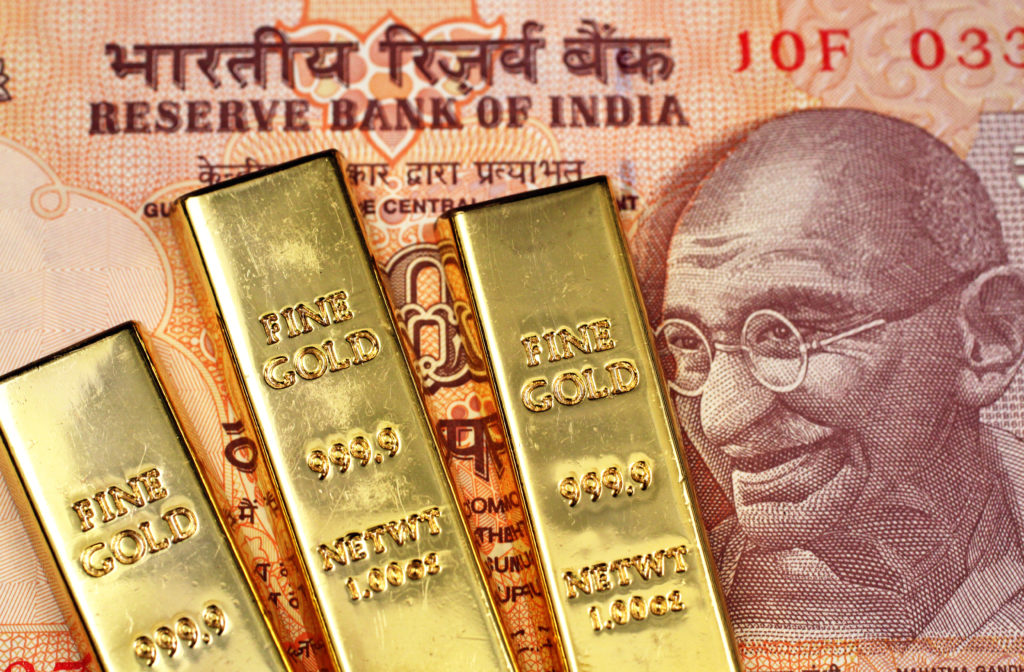
India has raised import tariffs on gold and silver to 15% from 6%, government orders said on Wednesday, as part of efforts to curb overseas purchases of the metals and ease pressure on the country’s foreign exchange reserves.

The higher duties could dampen demand in the world’s second-largest consumer of precious metals, although they may help narrow India’s trade deficit and support the rupee, one of Asia’s worst-performing currencies.
However, industry officials warned higher import taxes could revive smuggling, which had eased after India cut tariffs in mid-2024.
The government has imposed a 10% basic customs duty and a 5% Agriculture Infrastructure and Development Cess (AIDC) on gold and silver imports, taking the effective import tax to 15% from 6%.
“As expected, the government has raised duties to curb the current account deficit. However, this could affect demand, as gold and silver prices were already elevated,” said Surendra Mehta, national secretary at the India Bullion and Jewellers Association.
Prime Minister Narendra Modi on Sunday urged people to avoid gold purchases for a year to help protect foreign exchange reserves. India meets almost all of its gold consumption through imports.
Gold demand, particularly for investment purposes, has risen in India amid a recent rally in prices and negative returns from equities over the past year.
Inflows into India’s gold exchange-traded funds (ETFs) surged 186% year-on-year in the March quarter to a record 20 metric tons, the World Gold Council said last month.
India has been trying to curb gold imports in recent weeks and began levying a 3% integrated goods and services tax (IGST) on gold and silver imports, prompting banks to halt imports for more than a month.
As a result, April imports fell to a near 30-year low. Banks have since resumed imports after paying the 3% IGST, but imports are now likely to fall again following the increase in import duties, bullion dealers said.
“Grey markets are likely to become active, as the incentives to bring in gold illegally are high. At current price levels, smugglers could make significant profits,” said a Mumbai-based bullion dealer at a private bank, who declined to be named as he was not authorized to speak to media.
(By Rajendra Jadhav, Aditya Kalra and Mayank Bhardwaj; Editing by Mark Porter and Jamie Freed)
India’s top jeweler expects brief slowdown if gold buying curbed
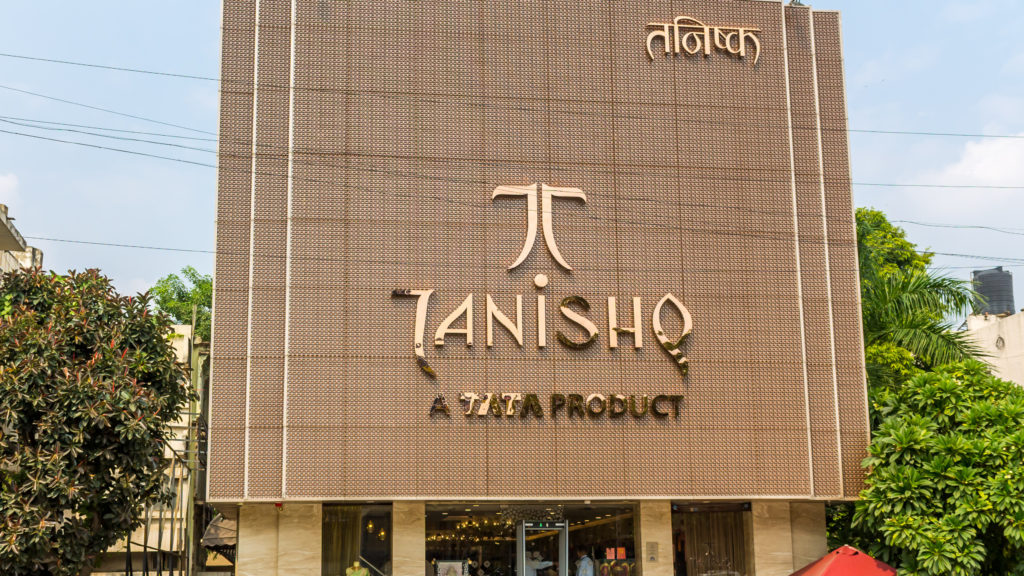
Titan Co. Ltd., India’s largest jeweler, expects a temporary slowdown in demand if the government implements any measures to curb gold-buying, but is confident that domestic consumption will remain resilient in the long term.
Titan is trying to assess how demand for the precious metal in the world’s second-largest consumer will change after Prime Minister Narendra Modi urged Indians to forgo gold-buying to ease pressure on foreign reserves. The firm does not expect a disruption in supply for as long as four months, chief financial officer Ashok Sonthalia told Bloomberg TV.
“We are waiting for policy announcements,” he said. “A temporary, short-term slowdown may happen if the government decides to do something but we don’t expect demand to get destroyed in India.”
The comments reflect a broader sentiment gripping India’s gold industry in the wake of Modi’s unusual appeal this week, in which he also urged citizens to cut fuel use, limit foreign vacations and work remotely where possible, as rising energy prices due to the Middle East war risk inflating the country’s import bill. India imported more than 700 tons of gold last year.
Titan’s shares dropped as much as 2.2% on Tuesday, extending a 6% decline that was seen after the premier’s announcement.
The conflict has also impacted Titan’s operations in the Middle East, according to Sonthalia. The company has slowed down a planned expansion in the Gulf until the current situation improves. March and April were difficult in the regional market, but the medium- to long-term outlook remains positive, he said.
(By Satviki Sanjay and Preeti Soni)

No comments:
Post a Comment