Chinese firms warn Indonesia’s nickel quotas, tax hikes threaten investment
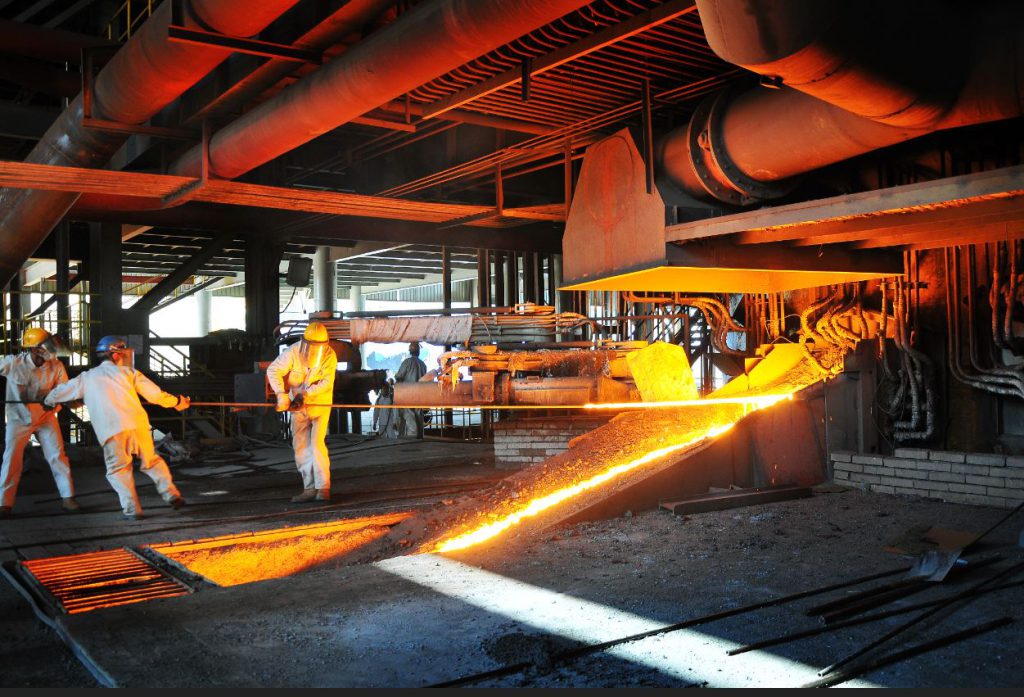
Chinese companies operating in Indonesia are urging more business-friendly policies, warning tighter nickel ore quotas, higher taxes and a new pricing formula are driving up costs and threatening investment in the world’s biggest nickel producer.

In a letter to President Prabowo Subianto, copied to China’s embassy and seen by Reuters, the China Chamber of Commerce in Indonesia said Chinese firms faced “excessively stringent regulation, over-enforcement”, and alleged corruption and extortion by authorities.
Five sources with knowledge of the matter confirmed the letter, requesting anonymity because they were not authorized to speak publicly.
The complaint highlights tensions between Jakarta’s push to extract more value from its natural resources and the Chinese capital that has powered Indonesia’s rapid expansion in global nickel supply.
The letter cited higher taxes and royalties, planned foreign-exchange retention rules, stricter forestry enforcement, work-visa restrictions and suspensions of major projects.
Its strongest warning focused on nickel, where Chinese firms dominate downstream processing after years of investment in smelters, stainless steel plants and battery-material projects.
Nickel ore mining quotas have been sharply reduced this year, with cuts for large mines exceeding 70% and total reductions reaching 30 million metric tons, the chamber said.
It also criticized Indonesia’s revised nickel ore benchmark pricing formula, known as HPM, saying the changes had raised costs and could undermine existing projects and future investment.
The government has delayed planned increases in mineral royalties and export duties while it works on what officials have described as a fairer formula for the state and miners.
Speaking earlier on Wednesday, Prabowo said many foreign investors had complained Indonesia required too many permits and approvals took too long, and called for deregulation to support investment, without naming any country.
The chamber did not respond to an emailed request for comment. A spokesperson for Prabowo did not respond to a text message seeking comment.
Tsingshan Group, Zhejiang Huayou Cobalt and Brunp are chamber board members that operate nickel facilities in Indonesia.
(By Dylan Duan, Stanley Widianto, Gayatri Soroyo, Gibran Peshimam, Christina Bernadette and Tom Daly; Editing by Mark Potter)
Indonesia delays plan to impose higher royalties, export duties on minerals
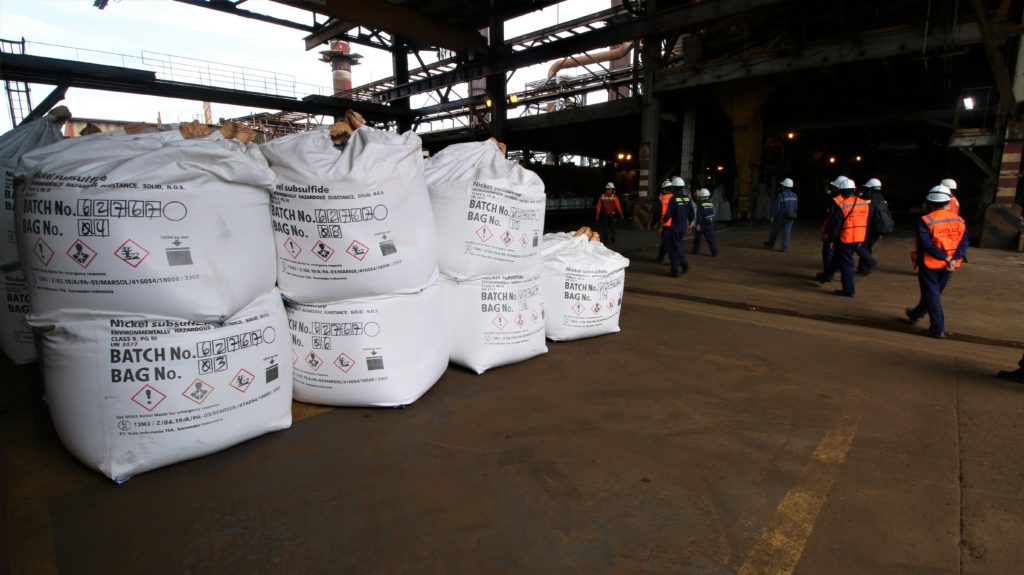
Indonesia has delayed plans to extract more revenue from the mining sector until it can figure out an “ideal formulation” that benefits both the government and mining firms, the country’s mining minister said on Monday.
The government planned to impose higher royalties on some mining companies, as well as an export tax on shipments of certain minerals, including coal.
The ministry is collecting feedback from miners to make sure the government arrives at a policy that will not burden the sector, Energy and Mineral Resources Minister Bahlil Lahadalia told reporters.
“After hearing input from the public and businesses, I will put this on hold to develop a good, mutually beneficial formula,” Bahlil said.
Officials have previously said that the government aims to increase revenue from the mining sector.
Freeport delays Grasberg full restart to early 2028
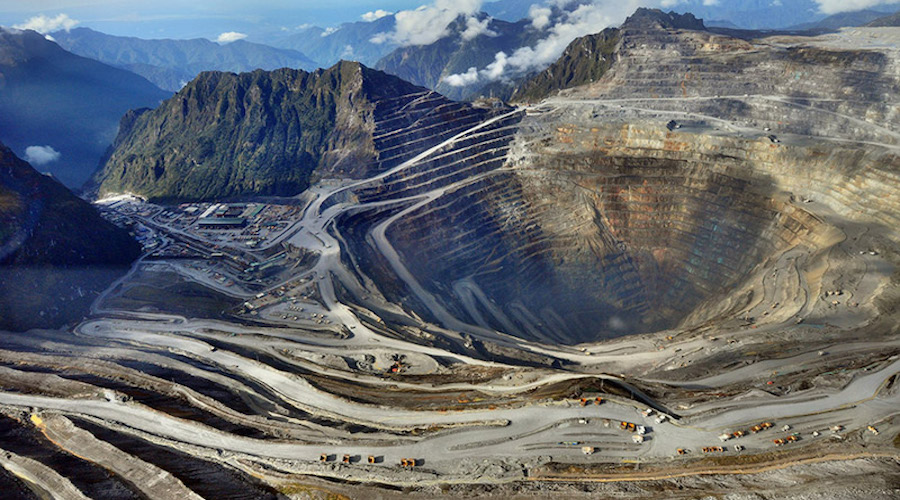
PT Freeport Indonesia has confirmed the delayed restart of full production at the Grasberg mine, as it continues to recover from a deadly accident last year that crippled the global copper supply chain.
In a statement on Thursday, the company said it now expects the giant complex in Central Papua province to return to full capacity by early 2028. Previously, it had targeted a full restart by end-2027.
A Freeport spokesperson told Reuters that this delay was due to “additional work on logistics and ore handling infrastructure” at the underground mine that was hit by a severe mudflow in September.
The incident, which occurred at Grasberg’s Block Cave underground mine portion, resulted in the death of seven workers, forcing Freeport to immediately halt mining activity and declare force majeure on shipments.
The suspension added further strain on the global copper market, as Grasberg accounted for about 3% of the world’s copper supply at the time, producing about 1.7 million lb. of the metal annually. It is also a major producer of gold, with annual production of 1.4 million oz.
Slowed ramp-up
As part of the recovery process, Freeport has laid out plans for a phased restart, beginning with areas that were unaffected by the mudslide. The Deep Mill Level Zone and Big Gossan underground mines had already resumed last year, while parts of GBC returned to operations last month.
Initially, the miner planned to ramp up to 85% capacity by the middle of this year, then 100% by end-2027. However, in its most recent earnings statement, the company said the trajectory to full production would slow materially, and now aims for 65% capacity in the second half of 2026, 80% by mid-2027, and near full capacity by the end of 2027.
Operations are currently in the recovery phase following the underground mine incident, “with production currently at around 40% to 50%,” Freeport Indonesia’s chief executive Tony Wenas stated in a press release on Thursday. “The company targets a return to full capacity by early 2028,” he added.
As a result of the delay, the company expects Grasberg’s copper production this year to be 700,000 lb., down from the 1-billion-lb. target it had forecasted in its fourth-quarter earnings report.
Earlier this year, the Freeport-McMoRan (NYSE: FCX) unit reached an agreement with the Indonesian government for a life-of-resource extension of operating rights.

No comments:
Post a Comment