Monday, March 03, 2025


Video: Cruise Ship Rescues Small Boat Adrift with Migrants in Caribbean

cruise ship rescue
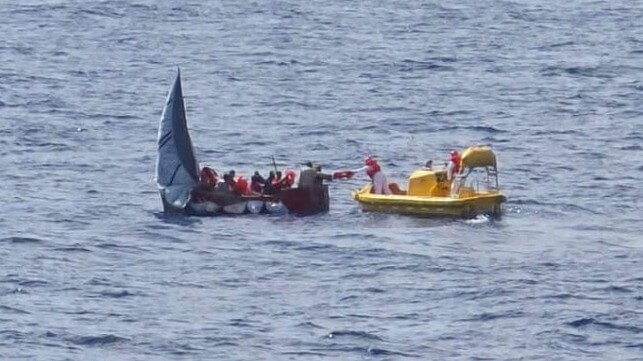
Cruise ship sent one of its boats to investigate after spotting a small boat drifting in the Caribbean (Randle Roper-Olson - Vacaya on Facebook)

Published Feb 28, 2025 2:45 PM by The Maritime Executive


Passengers aboard Royal Caribbean International’s cruise ship Brilliance of the Seas (90,000 gross tons) got a little extra excitement during what was to have been a relaxing day at sea. The cruise was traveling between Grand Cayman and Cozumel, Mexico on Wednesday, February 26, when the rescue took place.

According to the reports, the ship was cruising when the bridge crew spotted a small boat on the horizon and decided to investigate. They had to alter course and according to the reports as they got closer the bridge crew thought it saw at least 10 people packed in a small boat that seemed to be adrift. They also thought they could see the people on the small boat bailing water.

As the cruise ship got closer to the boat, passengers reported seeing the people in the small boat waving a white flag. Many of the more than 2,000 passengers on the charter cruise operated by Vacaya, an LGBTQ+ travel group, lined the rails to watch the drama unfold.

The Brilliance of the Seas crew launched one of its launches to investigate and determined the people required immediate aid. The cruise ship’s tender rescued 11 people who were later determined to be Cubans who had been at sea for one to two days. 


The cruise ship reports the individuals were dehydrated, malnourished, and exhausted. They were brought aboard and given medical attention and food while passengers offered to donate clothing and other supplies for the aid of the people who had been rescued. 

Working with the U.S. Coast Guard and the Mexican authorities, it was determined the cruise ship would disembark the survivors on Thursday when it arrived in Mexico on its regularly scheduled port call. For many aboard, it was the first time they had witnessed a rescue. The cruise is on its way back to its homeport in New Orleans with the passengers sharing pictures and videos on social media of the rescue.


Petrobras to Triple LPG Fleet Capacity and Support Brazilian Shipbuilding

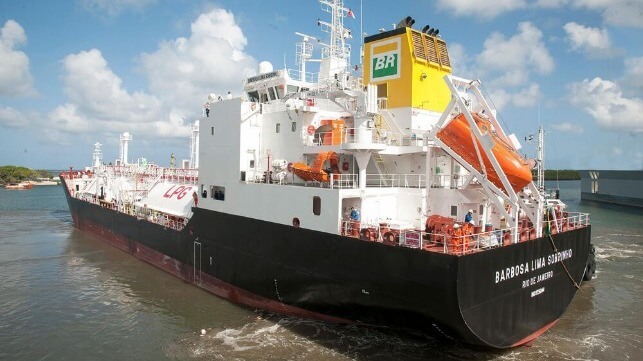
Brazilian gas carrier
Petrobras looks to nearly triple is LPG capacity (Transpetro)

Published Feb 28, 2025 1:46 PM by The Maritime Executive


Transpetro the shipping arm of Brazil’s energy major Petrobras (Petróleo Brasileiro) announced ambitious growth plans for its LPG fleet and its entry into ammonia transport at an event that also highlighted support for Brazil’s shipbuilding industry. President Luiz Inácio Lula da Silva, Vice President Geraldo Alkmin, and the Minister of Mines and Energy, Alexandre Silveira, attended to demonstrate the government’s commitment to the maritime, shipbuilding, and energy sectors.

Two initiatives were announced during the Brazilian Naval and Offshore Industry Business Fair with the federal government saying it will foster new opportunities in the sector. Petrobras CEO Magda Chambriard said the new initiative was in line with the gradual increase in natural gas production while predicting it would boost job creation and expand participation of Brazilian industry in the maritime and offshore sectors.

“We will consolidate Transpetro as the largest Brazilian shipowner in gas transportation, strengthening the company in a segment that is of great importance to the Petrobras System and all of Brazil,” announced Transpetro CEO Sérgio Bacci. He said it was part of the broader plan to renew and expand Transpetro’s fleet and provide less exposure to vessel charters.

The effort calls for increasing the number of vessels in the gas tanker fleet from six to 14 and increasing the transport capacity from 36,000 to 108,000 cubic meters. The companies launched a tender for eight new gas carriers split into two tenders. The first is for five vessels, with three vessels with a capacity of 7,000 cubic meters and two with a capacity of 14,000 cubic meters. These gas carriers will be pressurized and intended for the transport of LPG and derivatives. The second tender is for three semi-refrigerated vessels with a capacity of 10,000 cubic meters which would be the first for the company capable of transporting ammonia.

The design of the vessels calls for them to be 20 percent more efficient in fuel consumption which they said would reduce greenhouse gas emissions by 30 percent. They also need to be able to operate in electrified ports. Companies have 90 days to submit their bids but they can only win one of the two tenders. 

The tender calls for the first of the vessels to be delivered within 30 months after the contract is finalized. The others should be delivered at six-month intervals.  

Petrobras highlights it is a continuation of its newbuilding program which began in July 2024. In January, the company contracted for four new handy class tankers. At the end of last year, the company also contracted for 12 new support vessels (PSV) to transport equipment to its offshore locations. Petrobras plans to also hire 20 new vessels, including 10 for emergency support and response (OSRVs), eight for inspections (RSVs), and two for platform anchoring (AHTS). Petrobras is requiring 40 percent local contact in the construction of the OSVs to ensure the participation of Brazilian companies.

The company also said that it plans to decommission 10 platforms by 2029. They are now exploring the reuse of these units as they said it could reduce logistics costs, strengthen the supplier base, and promote sustainable business practices.

The new vessels are part of a group of 25 ships that Petrobras plans to add between 2025 and 2029. They noted that 16 have already been contracted. Transpetro reports in addition to the six gas carriers, it currently has 16 crude oil tankers, five product tankers, and nine shuttle tankers, making it the largest multimodal oil, derivative and biofuel logistics company in Latin America.


Petrobras Gears Up for Offshore Boom


 By Julianne Geiger - Feb 28, 2025


Petrobras is beefing up its offshore game, throwing four more support vessels into the mix by 2026—bringing the grand total to 48. Brazil’s state-run oil company is gearing up to boost production to 2 million barrels per day (bpd) at the Buzios field by 2030, cementing Brazil’s status as an offshore oil heavyweight.

Petrobras has faced challenging times in recent months. In Q4 2024, Petrobras’ production took a 10.5% hit, sliding to 2.63 million barrels of oil equivalent per day (boe/d), thanks to maintenance shutdowns. Exports tanked 22% year-over-year. The trade winds are shifting too—China’s share of Petrobras’ exports shrank to 30%, down from 44%, while Europe’s slice of the pie grew from 28% to 38%. The message? The global oil chessboard is always in motion.

Petrobras is now preparing its next move. The company trimmed its 2025 capital expenditure to $17 billion from $21 billion, but over the next five years, it’s still throwing $111 billion into the mix, including $77 billion, which is earmarked for oil and gas exploration and production activities. That’s a whole lot of cash aimed at keeping its foothold in Brazil’s oil game.

And Petrobras isn’t the only one making power plays. Private oil firms in Brazil are set to boost production by 75% by 2030, according to Wood Mackenzie. Heavy hitters like Shell, Equinor, TotalEnergies, and Repsol Sinopec Brasil are piling into Brazil’s pre-salt fields, chasing that sweet, low-sulfur crude.

A pre-salt field is a geological formation where oil was deposited before the salt layer formed, creating a reservoir protected from escaping to the surface.

Meanwhile, oil prices are doing their usual dance—Brent is hovering around $73.32 per barrel, while WTI is at $69.91. With Petrobras fortifying its fleet, cranking up Buzios, and facing stiffer competition, Brazil’s offshore showdown is just getting started. Buckle up.

By Julianne Geiger for Oilprice.com


Maersk Maps India Investment Strategy as it Names Boxship in Mumbai

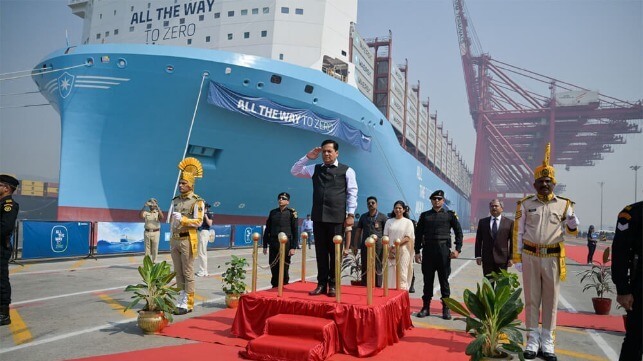
Maersk naming ceremony
Maersk named its 11th methanol containership in Mumbai (Maersk)

Published Feb 28, 2025 4:49 PM by The Maritime Executive


Maersk celebrated the naming of its eleventh dual-fuel methanol containership today, February 28, in Mumbai, India.  It was Maersk’s first-ever naming ceremony in India and coincided with the company mapping out an investment opportunity pipeline of $5 billion in ports, terminals, and landside infrastructure development in India.

The company has been using the rollout of its fleet of methanol containerships to build global relations and highlight its leadership in future technologies for shipping. The newest vessel named Albert Maersk was celebrated at APM Terminals Mumbai. Serving as godmother for the vessel was Raksha Nikhil Khadse, Minister of State for Ministry of Youth Affairs and Sports. 

The ship is part of the fleet being built by Hyundai Heavy Industries in Ulsan, South Korea. She has a rated capacity of 16,592 TEU, including 2,000 refer plugs. The vessel, which measures 350 meters (1,148 feet) can sail up to 23,000 nautical miles on methanol with two fuel tanks providing a total methanol capacity of 16,000 cbm.

“It is a privilege for India to host the naming of this advanced dual-fuel vessel, a historic first for a foreign shipping company in our country,” said Sarbananda Sonowal, India’s Minister of Ports, Shipping and Waterways. “With the demand for green vessels rising, India has the potential to become a major producer and supplier of green methanol, ammonia, and hydrogen-based fuels. Maersk’s decision to focus on green fuel production in India is a welcome step that will accelerate our journey towards a sustainable maritime future.”

As part of this week’s events, A.P. Moller – Maersk Chair Robert Maersk Uggla and APM Terminals CEO Keith Svendsen met India’s Prime Minister Narendra Modi to further discussions and the company’s future investments. Maersk reports it sees an investment opportunity pipeline of about $5 billion in India.

“Maersk looks forward to partnering with India on various aspects, such as exploring the potential sourcing of alternative fuels for low-emissions shipping and activities involving ship repairs and shipbuilding in the future,” reports the company. It highlights that the opportunities align well with the Indian Government’s ambitions to promote the shipping sector.

The company reports it facilitates the movement of one in every six containers imported or exported from India currently. APM Terminals has operations in Mumbai and Pipavav that handle over three million containers every year. The company also has 26 warehouses and a wide-reaching distribution network in India.


Report: HD Hyundai is Shopping for an Indian Shipyard

Hyundai shipbuilding
Hyundai is reported to be exploring locations in India as it plans shipbuilding of the future (file photo)

Published Feb 28, 2025 4:05 PM by The Maritime Executive


The Indian media is reporting that South Korea’s HD Hyundai is actively pursuing opportunities in India as it looks for either a location for a yard or a partnership arrangement. It coincides with a larger effort by the Indian government to make the country into a world-class shipbuilder.

A delegation from the South Korean shipbuilder was reported by The Times of India to be touring the country’s facilities and talking with different domestic shipbuilders. The newspaper links the Koreans to L&T among other companies for a possible partnership. In addition, it reports that the South Koreans are spurring competition among the Indian states to attract the possible investments as it assesses potential sites for a shipbuilding facility.

According to the newspaper, the visit by the delegation from Hyundai was in response to a visit by the Indians to South Korea in December. The paper reports India’s Ports and Shipping Ministry secretary T.K. Ramachandran led a delegation to meet with the three largest South Korean shipbuilders. They expressed the government’s interest in collaboration opportunities.

India’s Prime Minister Narendra Modi has declared plans to establish India on the international stage for shipbuilding. The government has said it will be a critical industry for the future while also citing the benefits of reducing international expenses while boosting foreign trade and increasing earnings from the international economies. India, the government declared, will rank among the top 10 shipbuilders by 2030 and the top five by 2047.

HD Hyundai which is the largest in South Korea continues to face strong competition from the Chinese shipbuilders. The South Koreans reported strong profitability in 2024 despite rising costs and capacity limits which see order slots full till at least 2026 or beyond. Hyundai attempted foreign partnerships in the past, including in the Philippines, without success. 

The company is mapping its long-term strategy focusing on automation and green technology orders. For its shipyard, it looks to dramatically increase productivity. The company in 2021 launched its plan for the shipyard of the future and cites its use of the latest technologies including AI and digital twins as it seeks to increase productivity and safety.

This week its partner in the shipyard of the future, Palantir Technologies released a video in South Korea highlighting the efforts to create an automated shipyard. Hyundai is quoted as saying it will increase productivity by 30 percent in shipbuilding while also cutting production time for new ships by 30 percent. The goal is to complete the Future of Shipyard project by 2030.

Russian Missile Attack Damages MSC Boxship at Port of Odesa

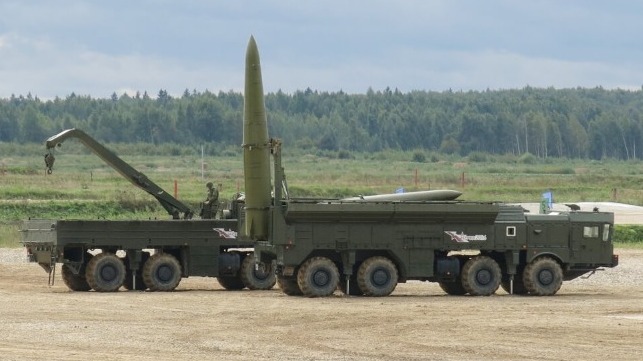
Russian Iskander theater ballistic missile launcher (Boevaya Mashina / CC BY SA 4.0)

Published Mar 2, 2025 2:08 PM by The Maritime Executive


On Saturday, a Russian ballistic missile strike damaged a foreign-flag boxship at the port of Odesa, Ukraine, according to the regional government. 

The feeder MSC Levante F was in port and was damaged by the blast, according to Governor Oleh Kiper. Two port employees sustained injuries in the attack. 

Odesa only recently resumed container shipping operations after years of shutdown caused by Russian targeting of civilian shipping. Russia has repeatedly attacked merchant vessels, particularly in the early months of its invasion in 2022, and it has used missile and drone strikes to damage port infrastructure in the Odesa region and along the Ukrainian segment of the Danube. 

"We witnessed a deliberate missile attack by the Russian Federation on a ship belonging to one of the leading European shipping companies. The Russian leadership is trying to intimidate European businessmen into stopping flights to Ukraine," said Alexei Sukhoi, a columnist for regional outlet Dumskaya. 

The MSC Levante F (ex name Maya 2) is a 2006-built boxship with a capacity of 1,100 TEU. She was acquired in October 2021,  MSC's ambitious drive to build market share.

Top image: Russian Iskander theater ballistic missile launcher (Boevaya Mashina / CC BY SA 4.0)


China and Russia Expand Cooperation on Antarctic Drilling

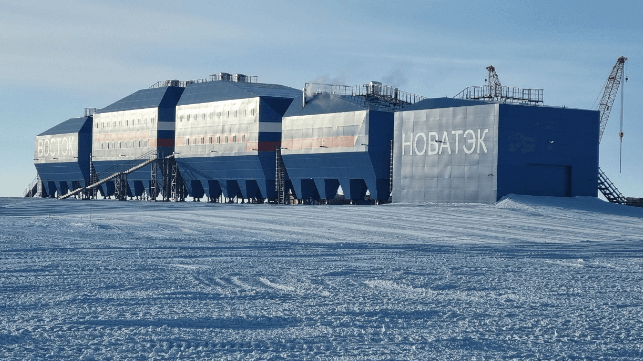
Russia's Vostok Station base in Antarctica (Russian Arctic and Antarctic Research Institute)

Published Mar 2, 2025 7:33 PM by The Maritime Executive


As international interest in the Polar regions mount, China and Russian cooperation in the Antarctica has achieved a new milestone. The two countries have begun joint Antarctic drilling, crucial in collecting data to understand the changing Earth’s climate system. This week, a Sino-Russian scientific team carried out a successful geophysical survey on an existing borehole in the Larsemann Hills region of East Antarctica. The well had been drilled into a 545-meter thick glacier during the Chinese 40th Antarctic expedition, from November 2023 to April 2024.

In this 41st expedition, involving some Russian scientists, the study involved measuring key parameters of the well. These include the borehole temperature, inclination and changes in borehole diameter. The researchers also collected ice core and bedrock samples. The current expedition begun in last November and ends in May.

Since last year, China and Russia have held talks over joint drilling in Antarctica. In September, Beijing and Changchun city hosted international conferences on Antarctic exploration, which were attended by Russian specialists from the Federal Agency for Mineral Resources (Rosnedra). With the successful geophysical survey this year, the cooperation is likely to extend to other sites in East Antarctica.

During the conferences, a proposal was made for a Russian-Chinese project to drill the Gamburtsev subglacial mountains in East Antarctica. The scientific results to be obtained from the drilling could be one of the most advanced of our time, said Rosnedra. Through its Kunlun station, China has been carrying out studies near Gamburtsev. The mountain range occurs beneath Dome A, the highest plateau in Antarctica, with an elevation of 4100 meters. In 2012, China drilled the first pilot well in this region. However, further work is needed to get to the bedrock of the Gamburtsev subglacial mountains.

Deep ice-core drilling in the Gamburtsev region remains one of the primary goals of modern polar research. Ice-core studies provide an excellent method for investigating past variations of global climate and forecasting the future.

Chinese and Russian cooperation in the Antarctic has taken various dimensions, with Antarctic drilling now presenting another important avenue. However, the two countries are seen as disruptors to the existing Antarctic governance system. Both seek to impose new views on resource exploitation in Antarctica. China and Russia have consistently opposed plans to expand marine protected areas (MPAs) in the Southern Ocean, which would mean reduced areas available for krill fishing.


Military Sealift Command is Wrapping Up 2025 Supply Mission to Antarctica

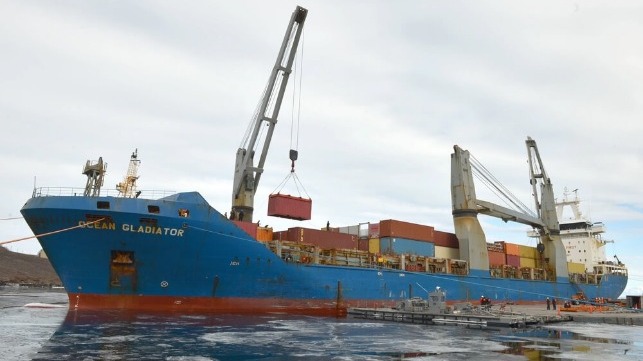
Ocean Gladiator in Antarctica during here 2023 mission (Navy Expeditionary Logistics Support Group photo)

Published Feb 28, 2025 6:04 PM by The Maritime Executive


The chartered general cargo ship Ocean Gladiator (17,700 dwt) arrived last week at the U.S.’s McMurdo Station, Antarctica in support of the annual resupply mission Operation Deep Freeze (ODF) 2025. The Military Sealift Command highlights the critical nature of the mission which has been conducted annually for the past 70 years since 1955 when the resupply mission was established.

The cargo ship which was built in 2010 and currently operates as part of Seabulk and its new joint venture with Crowley known as Fairwater is completing its portion of the annual effort. The ship is delivering 321 pieces of cargo, consisting of containers filled with mechanical parts, vehicles, construction materials including cement pilings for a pier project, food, electronics equipment, and comfort items; supplies needed to sustain the next year of operations at McMurdo Station, Antarctica.

She followed her running mate Ocean Giant which conducted the first portion of the mission. Only one of the ships at a time can be at the station. Ocean Giant arrived at the base on January 26 and completed her portion of the mission on February 11. She made a stop at Lyttelton, New Zealand, and is currently on her return trip to Hueneme, California where she is due in mid-March.

Following the offload, Ocean Gladiator will be loaded with 149 containers of retrograde cargo for transportation off the continent. This includes trash and recyclable materials for disposal and equipment no longer required on the station, as well as the 65-ton floating Modular Causeway System, which was used this year in place of the ice-pier for cargo operations.

Before departing McMurdo station, Ocean Gladiator will also be loaded with ice core samples that will be stored on the ship in a sub-zero freezer. The ice core samples will be delivered to the United States for scientific study.

While she was at the base, members of Navy Cargo Handling Battalion ONE were assisting with the offload. The teams live in barracks at McMurdo Station, or on the ships for the duration of the mission.

February is summer in the Southern Hemisphere, but weather is a constant factor in Antarctica. The continent is known for its extreme environment, particularly subzero temperatures and high winds. The MSC team headed by Marie Morriw, ship liaison to the Joint Support Forces Antarctica highlights there is a small window of just a few weeks for ODF to take place. Temperatures on the ice they report hover around freezing during the day and below zero at night. Cargo operations can move forward, despite the temperatures, but high winds can put a pause on work for hours, with the ships’ cranes unable to move cargo in winds over 25 knots.

Following operations in Antarctica, Ocean Gladiator will travel to Japan to deliver the floating modular causeway, before sailing for Port Hueneme, California, where they will offload cargo, completing their mission.


Compromise Proposed to Permit Cruise Ship Calls to the French Riviera

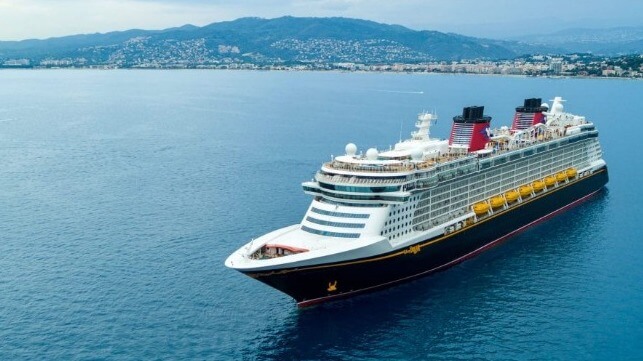
Disney cruise ship off Cannes, France
Midsize cruise ships will still go to Villefranche while the largest will have to use the port of Cannes (Disney Cruise Line)

Published Feb 28, 2025 8:49 PM by The Maritime Executive


After saying the French Riviera did not want large cruise ships, the mayor of Nice who also represents the region agreed to reconsider and provide a compromise to the industry. Like other destinations around the world, the mayor is now proposing daily limits to reduce but not eliminate cruise ship port calls.

Mayor Christian Estrosi of Nice who is also president of the Nice Côte d'Azur Metropolis signed a decree in January blocking cruise ships with over 900 passengers or over 190 meters (690 feet) in length as of July 1. He cited the negative impacts of overtourism and challenges to the marine environment declared “I don’t want these floating hotels putting down their anchors in Nice.”

While he received extensive press coverage it was quickly pointed out by many in the industry that Nice is not a major cruise ship port. It has a small dock only able to handle luxury cruise ships which the mayor was happy to have as they align with the exclusive image of the city. However, he sought to extend the ban into VIllefranche-sur-mer where large cruise ships regularly anchor. The mayor said cruise ships to go to the port of Cannes or Marseille which have the facilities to handle large ships but are more distant from the attractions.

“We are urging a reconsideration,” a spokesperson for the cruise line trade group CLIA Europe said. The group called for a “holistic tourist management approach,” while emphasizing its estimate that the ban would stop as much as two-thirds of the 90 scheduled cruise ship calls for the summer of 2025. CLIA said it would cost $10 million in local revenues and as much as $600 million regionally.

The mayor of Villefranche spoke out against the bad while experts also questioned if Estrosi had the legal authority to impose his restrictions. Large cruise ships anchor 300 meters (nearly 1,000 feet) offshore in Villefranche which it was pointed out places them in federally controlled not local waters. However, it was also pointed out that the cruise ships send their tenders into the local waters to ferry passengers ashore.

The French news agency AFP reported today, February 28, that after consulting with local leaders Estrosi offered up a compromise. The report said he will submit a new plan on March 7 to the local council which he said would balance the interests of public health and the local economy. 

The compromise calls for permitting cruise ships with up to 2,500 passengers to anchor in the bay and tender passengers ashore. The mega cruise ships would still be required to go to Cannes, while the smallest ships with under 450 passengers would also be permitted to call in Nice.  The compromise also limits calls to one cruise ship per day.

The port authority told AFP that this plan would permit about 65 of the planned 90 cruise ship calls scheduled for this summer. It noted originally that only about 20 of the ships would have had more than 2,500 passengers aboard.

Other destinations including Key West in Florida also sought in the past few years to limit the size of cruise ships and it was successful in reducing the number of ships in port in a day. Others such as Bar Harbor in Maine stopped all large cruise ship calls while in Greece the government’s solution was a cap on the top number of people per day on the busiest Greek Islands and an increased port tax to fund port improvements.


Thailand's Legal Reforms Could Bring Back "Bad Old Days" for Fishing

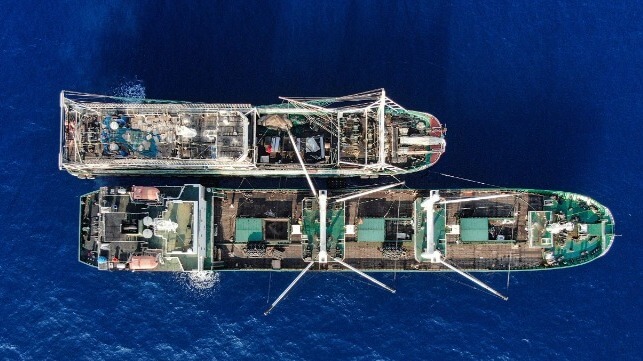
Transshipment operations are an excellent opportunity for hiding illegally-caught fish (file image courtesy Fernanda Ligabue / Greenpeace)

Published Mar 2, 2025 8:22 PM by Dialogue Earth


[By Tyler Roney]

Jirasak “Boot” Meerit left school before he was a teenager to become a fisher alongside his father. When he started a family, Meerit bought his own boat and set out to catch blue crab and spotted mackerel in Prachuap Khiri Khan province, western Thailand.

“There was fierce competition for marine resources in my day already, because large-scale commercial fishing boats were not well regulated,” Meerit says. The industry was also rife with fabricated fishing permits and destructive gear, he adds.

Thailand’s fisheries have a long history of overexploitation, dating back to the introduction of trawlers in the early 1960s. Following sanctions from the EU and criticism from the US, Thailand passed a landmark fisheries ordinance in 2015. This law introduced much-needed regulations to an industry rife with labour abuse, as well as illegal, unreported and unregulated (IUU) catch.

Fish populations in areas including the Andaman Sea have since begun to rebound. But proposed amendments to what has become known as the Fisheries Act are currently being debated by politicians. Some fishers and activists fear they will undo those gains.

On 7 February, Meerit joined dozens of other activists and fishers outside parliament in Bangkok to protest the proposed changes. They had passed a first reading in Thailand’s Senate in January and are now being debated in a special Senate committee. The Senate could approve the new legislation in a matter of weeks, sending it to the lower House for final approval. So, artisanal fishers and activists have little time to influence Thailand’s legislators.

Though far from Meerit’s own fishing grounds of Khan Kadai Bay, he is familiar with the area around the parliament. He is a member of the Federation of Thai Fisher Folk Association, which has been holding regular events in the capital to protest the proposals. Protesters decorated the area in front of parliament with fishing gear, and delivered speeches about the necessity of preserving both the ecosystem and current fishing regulations.

In a previous bout of protest, on 27 January, songs and speeches rang out in front of the Bangkok Art and Culture Centre on Bangkok’s busiest road, Sukhumvit. The Sarong Warriors, an activist group from southern Thailand, stitched nets into an artwork showing solidarity with fishers, and covered it in dried anchovies.

Industry and slavery

Thailand’s fisheries sector has long been plagued with allegations of labour abuse.

In 2014, the US downgraded Thailand to Tier 3 (the worst ranking) in its Trafficking in Persons report, in no small part due to reports of such abuse. Forced labor and child labor were found to be endemic on boats and in shrimp factories, and the current Fisheries Act is credited with helping to curb these practices. In 2015, the EU gave the country a “yellow card” over the issue, which was rescinded once the Fisheries Act had eased concerns.

But the labour issue has come to the fore again, as the government attempts to boost the industry by amending the Fisheries Act. The Department of Fisheries says the industry supported more than two million jobs in 2,500 fishing villages as of 2018.

Under current regulations, a factory identified to have forced or child labor must suspend operations until an investigation is completed. Dialogue Earth consulted Dominic Thomson, the Southeast Asia regional director for the Environmental Justice Foundation (EJF), an NGO that campaigns to uphold environmental and human rights protections. Thomson says the new draft act weakens those regulations, by permitting factories under investigation to continue operating normally.

Woraphop Viriyaroj, a member of parliament and deputy chair of the Senate committee, is considering amendments to the Fisheries Act. “For labor, make it clear that we did not change overall labor protection,” he tells Dialogue Earth. “We just amended some words.” Viriyaroj insists the Labour Protection in Fisheries Act, passed in 2019, is sufficient. But he also acknowledges that the punishments for violators are tougher in the 2015 act.

Night fishing and Article 69

Damage to the environment is a major concern of those opposed to the proposals. Changes to the existing act would include Article 69. Such tweaks would permit night fishing at more than 12 nautical miles from the shore, using nets with a mesh finer than 2.5 centimeters.

The Federation of Thai Fisher Folk Association claims this alone could cost Thailand more than 200 billion baht ($6 billion) per year in species lost to fine-mesh nets. This would in turn damage ecosystems upon which other fisheries rely. While the existing act allows for the use of these nets during the day, activists believe night operations are a step in the wrong direction.

“Now the public campaign is in a very important state. Article 69 has not been signed, not passed by the Senate,” Wichoksak Ronnarongpairee, president of the Thai Sea Watch Association, tells Dialogue Earth.

The use of fine nets at night, Ronnarongpairee says, means ships that aim to use high-intensity lights to attract squid will end up catching juveniles of many other species. The effects could ripple up the food chain.  

Jirasak Meerit with fellow fishers to protest outside Thailand’s parliament in February. He is worried changes to the Fisheries Act could bring back destructive practices, such as the use of finer nets that cause high levels of bycatch (Image: Tyler Roney / Dialogue Earth)

Meerit says he has seen these types of inadvertently destructive practices with his own eyes, even while the practice has been illegal: “The trawlers cannot differentiate species … When the animals are brought ashore for sorting, they are not just squids that they targeted, but juvenile crabs, mackerel and several others.”

Viriyaroj tells Dialogue Earth that measures to guard against overfishing, such as no new large trawlers being built, will ease overfishing concerns. He adds that fishing during the night “just makes more economic sense."

Bancha Sukkaew, director general of the Department of Fisheries, has said the law would improve incomes for fishers, and reduce reliance on imports by increasing catches. The National Fisheries Association of Thailand, which represents the large-scale commercial sector, has also strongly backed the changes. It says they will bring economic benefits.

Transhipment and the IUU problem

Last year, the EJF identified 18 concerning amendments in the proposed changes, 15 of which have since been amended. Remaining problems, the EJF claims, include labour rights and tariffs on low-value catch, also known as “trash fish." But Thomson says changes to rules on transferring catches between boats at sea are “the biggest red flag."

“It’s a practice that we have identified in investigations all around the world as being incredibly opaque, because you don’t have the authorities there, so you can transfer whatever you like. It could be illegal catch and you can mix it in with the batch that’s on the receiving vessel,” says Thomson.

“The new legislation … could result in potentially hundreds if not thousands of fishing vessels being able to suddenly tranship catch while they’re at sea.”

Viriyaroj says Thailand’s IUU measures are up to international standards and concerns are largely unfounded. Vessels wishing to tranship would have to register and comply with regulations, he insists.

“Many countries allow transhipment, just make that clear. It comes with regulations,” he tells Dialogue Earth. “We think transhipment should be allowed with regulation, it should not be totally banned.”

Last chance for changes

Activists and fishers say they do not expect to be able to halt the bill altogether, but pushing for changes is seen as crucial.

“The new act will turn the clock back, bringing us back to the bad old days when we were imposed with a yellow card under the anti-IUU policy,” Merrit says. “More importantly, our efforts to revive our sea would become zero, because marine animals will be overexploited once again.”

This article appears courtesy of Dialogue Earth and may be found in its original form here

The opinions expressed herein are the author's and not necessarily those of The Maritime Executive.
 

Somalia and Ethiopia Makes Progress on Talks for Port Access

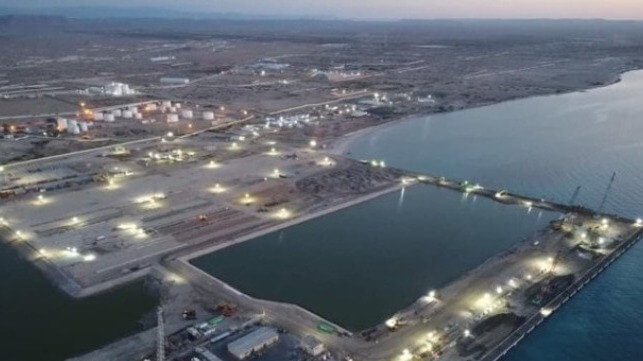
Port of Berbera in the breakaway region of Somaliland (file image courtesy DP World)

Published Mar 2, 2025 6:54 PM by The Maritime Executive


Ethiopia and Somalia are on a path for renewed cooperation after the two sides agreed to end the Somaliland port dispute. Last week, Ethiopian Prime Minister Abiy Ahmed toured Mogadishu and held talks with Somalian President Hassan Sheikh Mohamud. Top on the agenda of the meeting was Horn of Africa security as well as the start of technical negotiations for Ethiopia’s port access, as agreed on in Ankara last December.

With Turkey acting as the mediator, Ethiopia and Somalia agreed to reach a “mutually beneficial commercial arrangement, which ensured Ethiopia gains access to the sea under Somalia’s sovereignty. In an interview with local media last week, Somali foreign affairs minister Ali Mohammed Omar said that talks are ongoing, and he suggested that the aim is to reach a framework agreement by June.

“That framework will determine which type of port to offer, the exact area in the Indian Ocean and the overall cost of it,” said the minister.

This is remarkable progress in finding a long-term solution to Ethiopia’s ambitions for port access. Under the previous deal, Addis Ababa was planning to lease a 12-mile section of Berbera's coastline in the self-governing breakaway region of Somaliland, without Mogadishu's permission. Unfortunately, the decision stoked tension in the already-restive Horn of Africa region.

Ethiopia became landlocked in 1993 after Eritrea gained independence, marking the end of a three-decade war between the two countries. Currently, Ethiopia utilizes Djibouti's ports, through a network of roads and the 752-kilometer Addis Ababa-Djibouti Railway.

However, as one of the largest economies in Sub-Saharan Africa, Ethiopia is pushing to build its own port on the Indian Ocean. The port could also serve as a base for the Ethiopian Shipping and Logistics Services Enterprise (ESLSE), one of the largest African ocean carriers.

Currently, ESLSE has a fleet of ten bulk carriers but has announced plans to add an extra six, as Ethiopia’s import and export needs grow. According to a 2023/2024 performance report, ESLSE handles around 45 percent of Ethiopia’s dry cargo imported through Djiboutian ports.


Charting Key Regulatory Change Across Maritime Law in 2025 and Beyond

Stamatis Fradelos

Published Mar 2, 2025 4:12 PM by Stamatis Fradelos


A tidal wave of new regulations is set to hit the global maritime sector this year, representing fresh, highly-complex compliance challenges. From environmental performance to evolving security and safety standards, the shipping industry faces a raft of new rules intended to ensure safe operations and reduce greenhouse gas (GHG) emissions.

In this article, Stamatis Fradelos, Vice President of Regulatory Affairs at the American Bureau of Shipping, explains what the flood of new regulations really means, and how operators can navigate through the period of change.

A global outlook for regulatory updates

At a global level, the International Maritime Organization (IMO) has been publishing important new regulations for the past five years, with others under consultation, but many critical updates have only just or are expected to become applicable.

They have wide ranging implications that can be broken down into two key areas: first, environmental protection. This relates to international efforts to improve ship design, operational efficiency and reduce the world’s reliance on fossil fuels; therefore, lowering the sector’s environmental impact.

Second, a focus on maritime safety, specifically related to the use of alternative fuels, as well as the importance of robust cybersecurity protocols.

Cyber threats: navigating troubled waters

Cyber protection remains of critical importance for the maritime sector. The recent digitalisation of ships, combined with growing geopolitical tensions, have created the perfect storm.

There were reports of a spike in incidents in 2024 but the true scale of the impact today is yet to be revealed. Official statistics identified at least 64 cyber incidents targeting maritime organizations in 2023, according to the Netherlands’ NHL Stenden University of Applied Sciences. A decade earlier, there were three, and zero in 2003.

According to a 2023 report, on average a cyberattack within the maritime industry costs the target organization approximately USD$550,000 – up from USD$182,000 in 2022. Demands for ransom have increased by more than 350%, with the average ransom payment at USD$3.2m in 2023 – up from USD$3.1m the previous year.

In response to intensifying concerns over safety at sea in a digital world, IMO has published several standards in recent years with the aim of enhancing ship safety standards. These include a focus on improving crew training, implementing new technologies, and ensuring that international regulations keep pace with innovations such as autonomous shipping.

Working towards carbon-free journeys

In July 2023 the IMO adopted the "2023 Revised IMO Strategy on Reduction of GHG Emissions from Ships," which included targets to tackle harmful emissions. The targets are broken down into four key areas:

  1. To lower the carbon intensity of new ships, by strengthening their energy efficiency design requirements.
  2. To reduce CO2 emissions per transport work, as an average across international shipping, by at least 40% by 2030, compared to 2008.
  3. Uptake of zero or near-zero GHG emission technologies, fuels and/or energy sources to represent at least 5%, striving for 10%, of the energy used by international shipping by 2030.
  4. Reduce GHG emissions from international shipping compared to 2008:
  • By 20%, striving for 30% by 2030
  • By 70%, striving for 80% by 2040
  • To net zero by or around 2050.

Short to mid-term measures for environmental protection

The IMO’s Marine Environmental Protection Committee (MEPC) is expected to finalize and approve a series of short to mid-term measures that will underpin these ambitious environmental targets by April 2025, with an anticipated roll-out by 2027.

One element will likely focus on the measurement of the ship’s GHG intensity on a Well-to-Wake (WtW) basis per energy consumed on board — the GHG Fuel Standard (GFS) - combined with a phased reduction of the GHG Fuel Intensity (GFI) over time. This equation will relate to a possible correction factor for ships serving ports of developing countries.

Furthermore, there are plans to attach a price to carbon dioxide (CO2) emissions to incentivize shipowners and operators to reduce emissions by selecting cleaner fuels such as synthetic fuels derived from renewable sources, as well as adopting energy-efficient technologies.

We can also expect an increased governance of the fund under the IMO’s remit. This emphasizes the need for transparency, accountability and good governance of revenue management, and a balanced geographical representativeness of its membership.

Key priorities for the United States

1) Cybersecurity

In-line with the international agenda to safeguard shipping and port companies from bad actors online, The Vessel Cyber Risk Management Work Instruction (CVC-WI-027), which was published in October 2020 and revised in October 2023, provides guidance on the United States Coast Guard's (USCG) approach to assessing cyber risk in commercial vessels.

It outlines expectations for U.S.-flagged vessels and companies to integrate cyber risk management into their Safety Management Systems (SMS). Furthermore, foreign-flagged vessels calling at U.S. ports must have adequately addressed cyber risk management in their SMS.

Additionally, an executive order signed in February 2024 mandates that cyber threats be addressed through updates to Part 6 of Title 33 of the Code of Federal Regulations (CFR), which includes cybersecurity protocol. The executive order defines a "cyber incident" and establishes reporting requirements for them. This reporting requirement also applies to foreign-flagged vessels operating in U.S. waters and ports.

Furthermore, the USCG has taken steps to update its maritime security regulations. This proposed rule would introduce several requirements for owners or operators of U.S.-flagged vessels, facilities and Outer Continental Shelf facilities. It would mandate the implementation of cybersecurity measures aimed at identifying risks, detecting threats and vulnerabilities, protecting critical systems, and facilitating recovery from cyber incidents.

2) Increased environmental protection at sea

October 2024 saw the U.S. Environmental Protection Agency (EPA) publish its final rule under the Vessel Incidental Discharge Act (VIDA). It established federal performance standards for marine pollution control devices applicable to discharges into U.S. waters and the contiguous zone.

The USCG is required to develop corresponding implementation, compliance and enforcement regulations within two years. These regulations may include requirements for the design, construction, testing, approval, installation and use of devices necessary to meet the EPA standards.

The EPA’s rule took effect on 8 November 2024; however, the federal standards will only become enforceable once the USCG finalizes its regulations. Until then, existing requirements from the 2013 Vessel General Permit (VGP) and the USCG’s requirements under section 1101 of the Nonindigenous Aquatic Nuisance Prevention and Control Act (NANPCA) will remain in effect.

Two types of standards have been established under VIDA. The general standards are organized into these three categories:

  • General operation and maintenance
  • Biofouling management
  • Oil management

The specific standards address discharges of 20 different pieces of equipment and systems. The new requirements are at least as stringent as those in the VGP. We can expect these to transition into regulation that reflect national technology-based standards of performance, improve clarity, enhance enforceability and implementation, and incorporate new information and technology.

California Air Resource Board (CARB) 2020 At-Berth Regulation

Vessels visiting California must now report each visit within 30 days of departure and meet opacity requirements. Emissions controls compliance will also take effect. Two years ago, container and refrigerated cargo vessels, as well as passenger cruise vessels were required to comply with these controls, while roll-on/roll-off vessels and tanker vessels that visit the Ports of Los Angeles or Long Beach are now following the requirements as of January 2025, and finally, all remaining tanker vessels must comply by January 2027.

As well as communicating with the regulated terminal at least seven days prior to arrival, the vessels must comply by reducing emissions while at the terminal. This could mean connecting to shore power, employing a CARB-approved Emission Control Strategy (CAECS) or an approved innovative concept within two hours of the vessel arriving at the berth, continuing on until one hour before the pilot boards the vessel for departure.

Building Awareness to Manage Uncertainty

Uncertainty remains as the IMO, and country-specific regulators, work towards finalizing these safety and environmental policies. Maritime and shipping organizations should take a proactive approach to prepare for compliance by building their awareness of new regulations on the horizon. Awareness will help them to steer a smooth course to compliance in the long-term. The ABS Regulatory Trends and Impact report which provides updated guidance to help navigate the regulatory landscape can be downloaded here.

Stamatis Fradelos is Vice President of Regulatory Affairs at the American Bureau of Shipping.

The opinions expressed herein are the author's and not necessarily those of The Maritime Executive.