Thursday, April 16, 2026

Where is hydrogen energy useful? And where not? Report sheds light

16.04.2026, DPA

Is hydrogen energy a climate-friendly alternative or a dead end? It depends, says an analysis of more than 100 fact checks.


By Christof Rührmair

Hydrogen is becoming increasingly important as an alternative to oil and gas for energy, but whether it is really climate friendly depends on how it is produced.

The Fraunhofer Institute for Systems and Innovation Research (ISI) in Germany evaluated more than 100 fact checks about the substance and found where hydrogen will become the technology of choice, where it will not and what is needed for its success.

Hydrogen can be produced in many different ways. In the end, it is always a gas with molecules made up of two hydrogen atoms whose origin is not immediately apparent.

Where hydrogen comes from varies widely. Grey and black or brown hydrogen is produced using gas (grey) or coal (black or brown) and generates carbon dioxide (CO2).

Blue and turquoise hydrogen is also produced from gas, but the CO2 produced is either captured and stored (blue) or the carbon is produced as a solid (turquoise).

With red, orange or green hydrogen, the gas is produced by electrolysis. The key here is where the electricity comes from. The authors cite nuclear energy (red), biomass (orange) and renewable energy such as wind or solar (green).

Production method and costs are key

When it comes to hydrogen, origins matter, as today the gas is currently produced worldwide "almost entirely" from fossil sources, mainly natural gas and coal. For it to contribute meaningfully to climate protection, the share of production from climate-friendly sources would have to rise massively. The authors say sustainable hydrogen will "probably only be available on a larger scale in the 2030s."

"At present, green hydrogen in particular, produced using renewable energies, is significantly more expensive than fossil alternatives," the analysis says. The authors see grey hydrogen as the cheapest option, at $1 to $2 per kilogram. Green hydrogen currently costs around $7 to $19 per kilo and is therefore much more expensive. However, this figure is expected to fall. Forecasts differ on how quickly. The authors assume it will still be at least twice as expensive as grey hydrogen in 2030.

Today's biggest hydrogen users are refineries and plants that produce ammonia, which the authors say will remain important. They see steel production, the transport sector and the energy sector as further major future buyers.

"Hydrogen is particularly highly relevant where direct electrification reaches physical or economic limits," the authors write. In the transport sector, they see this above all in heavy goods transport, international shipping and aviation.

Lead author Nils Bittner does not believe hydrogen will be able to save gas heating. "Hydrogen heating systems are technically feasible but not cost-efficient for use in private households," he says. "For the foreseeable future, there will not be enough low-cost hydrogen available for widespread use." However, he says larger local use, such as in district heating or for combined heat and power plants could be considered depending on regional conditions.

Bittner is also sceptical about using hydrogen to store energy for the electricity supply. Producing green hydrogen with the aim of generating electricity from it again currently makes sense "only in exceptional cases due to the high conversion losses" - for example for emergency generators.

China the leader, Europe behind

There is much debate about using hydrogen-powered fuel-cell cars, with some saying they could help the climate, while others see the benefits as limited.

The authors put global hydrogen production of all types at around 100 million tons. The largest producer is China, where the gas is mainly produced using coal.

The European Union wants to produce 10 million tons of green hydrogen by 2030. Germany wants to produce about a quarter of that. However, that is not enough to cover demand.

On the industrial side, Europe would actually have a strong starting position. Europe has a "historically strong industrial base in the field of electrolysis technologies," the authors write. "Earlier analyses show that European companies at times held around 60% of global electrolyser manufacturing capacity and around 40% of the relevant patents." German companies were also very active.

But current developments point to a shift: "China in particular has significantly expanded its production capacities in recent years and has now taken on a central role in global electrolyser manufacturing."


EU approves billions in aid for energy-intensive German industry

16.04.2026, DPA


Photo: Julian Stratenschulte/dpa


By Doris Pundy, dpa

The European Commission on Thursday approved plans by the German government to support energy-intensive industries with €3.8 billion ($4.5 billion) in the coming years.

The funding is meant to temporarily relieve companies from high electricity prices in a bid to avoid moving activities outside the European Union where energy prices are often lower and environmental standards less strict, the commission said on Thursday.

The aid scheme allows eligible businesses operating in Germany to apply for relief payments and is set to support energy-intensive sectors until the end of 2028.

Beneficiaries will however be required to invest at least half of the aid received in measures aimed at reducing the company's electricity costs without increasing the use of fossil fuels.

The aid plans are linked to long-term competitiveness issues in the EU, but coincide with the recent rise in energy prices triggered by the war in Iran.

State aid in the EU is strictly regulated to ensure a level playing field between economically strong and less affluent member countries and, in many cases, requires the approval of the commission.

The commission also approved similar plans by Bulgaria for aid payments worth €334 million and by Slovenia over €90 million.

Manufacturing businesses in the EU have been under increasing pressure amid growing competition from the United States and China.

Alongside comparably high energy prices, red tape, fragmented rules across the bloc and low investments are seen as some of the reasons for the EU's faltering competitiveness.

Workers over 65 in Germany up 46% in just five years

16.04.2026, DPA


Photo: Jan Woitas/dpa

The number of people aged over 65 still in work in Germany has risen by about 46% over the past five years to around 1.9 million, official figures showed on Thursday.

The trend has been building for years, driven in part by a gradual increase in the statutory retirement age from 65 to 67, with the threshold reaching at least 66 years and two months in 2025.

Early retirement typically comes with reduced benefits, encouraging more older people to remain in the workforce.

Official figures show that 1.28 million people over 65 were registered as employed in 2020, rising steadily to 1.88 million in 2025.

Of these, 653,000 were aged 70 or older, up from 469,000 in 2020, while about 229,000 were over 75, compared with 175,000 five years earlier.

Experts cite multiple factors behind the rise, including labour shortages, personal motivation and financial necessity.

The data from the Federal Statistical Office was requested by the minor Sahra Wagenknecht Alliance (BSW) party.

Founder Sahra Wagenknecht said many older people were not working by choice but out of financial need, adding that the increase suggests hundreds of thousands of pensioners are compelled to supplement relatively low incomes.

She said Germany could look to Austria's pension system as a model, where payouts are higher on average, though contribution rates are also higher.

Despite the increase, older workers still represent a relatively small share. Around 18.4 million people in Germany were aged over 65 in 2025, while the total workforce was about 42.5 million.

Germany's Lufthansa cancels hundreds of flights as crews renew strike

16.04.2026, DPA


Photo: Hannes P. Albert/dpa


Hundreds of flights were cancelled again across Germany on Thursday as flight crew at flag carrier Lufthansa held a further round of strikes.

At the country's largest airport in Frankfurt, operator Fraport said 656 of 1,313 scheduled take-offs and landings were cancelled, with the overwhelming majority attributable to Lufthansa.

An attempt at arbitration in the deadlocked pay negotiations for pilots failed on Wednesday. Lufthansa and the pilots’ union Vereinigung Cockpit (VC) were unable to even agree on a list of issues to be resolved.

The employees’ protests overshadowed a ceremony marking the centenary of the German airline.

Flights were cancelled at the main Lufthansa airline, as well as subsidiaries Lufthansa Cargo and Lufthansa Cityline.

At the low-cost airline Eurowings, strikes were scheduled only for Thursday, while further industrial action was likely at the group's other German airlines on Friday.

A company spokesman said Eurowings is managing to operate more than 70% of its scheduled flights. While only part of the fleet is subject to German strike law, a three-digit number of pilots on German aircraft have also volunteered for duty.

New whale sighting on German-Danish border
DW 04/15/2026

A Beluga whale has made its way from the coast of Denmark towards the border with Germany, according to local media. The sighting comes after a humpback whale stranded in the Baltic Sea captivated Germany last month.

A white Beluga whale (like this one seen in Norway in 2019) has been spotted near the northern German city of Flensburg
Image: Jorgen Ree Wiig/Norwegian Directorate of Fisheries/AP/picture alliance

A white Beluga whale has been spotted in the narrow straits around the Flensburg Firth, the waterway which divides Germany from Denmark near the northern German city of Flensburg.

According to the local Nordschleswiger (North Schleswig) newspaper, a Danish publication serving Denmark's German-speaking minority in the region, the white whale was first spotted near Arosund last month and has since made its way south past the island of Als and into the firth, known as the Flensburger Förde in German or Flensborg Fjord in Danish.

Beluga whales are said to be friendly, social animals which often travel in groups. They are known for their varied methods of communication with a "language" made up of whistles, chirps and clicks, earning them the nickname "canaries of the sea."

Feeding on herring, salmon, squid and crustaceans, Beluga whales can grow up to six meters long and can weigh over a ton.

They are normally found in sub-arctic regions like Greenland and Norway, but it's not the first time that a Beluga whale has been spotted in southern Denmark, with previous sightings reported in 1903, 1964, the 1980s and 2012.

According to Danish whale researcher Carl Christian Kinze, Beluga whales like coastal areas and this particular individual will likely find its own way back out into more open waters.
What happened to 'Timmy' the humpback whale?

Unfortunately, the same couldn't be said for "Timmy" the humpback whale which has been repeatedly stranding, freeing and stranding itself again off Germany's northeastern coast for the past month, and is now to be left to die in peace after captivating the country.


Edited by: Elizabeth Schumacher


Germany expects further whale stranding's amid latest rescue attempt

16.04.2026, DPA

Photo: Philip Dulian/dpa

The environment minister of the German state of Mecklenburg-Vorpommern expects further whale strandings on German coasts in the future, after a high-profile saga involving a humpback whale that has repeatedly become stuck in the Baltic Sea.

"The next whale is bound to turn up," said Till Backhaus, before the start of a private rescue operation for the whale in the shallow waters off the small Baltic Sea island of Poel on Thursday.

The 12.35-metre animal has been stranded four times off Germany's Baltic coast since the beginning of March.

It most recently got stuck off Poel Island in the Bay of Wismar earlier this month. All rescue attempts for the struggling whale were called off, as experts said they expected the animal to die in the bay, but it has remained alive for more than a week.

Backhaus also referred to a beluga whale that has been sighted off Flensburg. "This means we will have to continue addressing the issue."

Backhaus called for inter-regional coordination to deal with future strandings, and told the television channel News5 that the Maritime Emergency Command was a suitable body for this.

The command was established by Germany's federal government and coastal states to deal with shipping accidents, and has scientists and technical resources at its disposal.

Backhaus said he had submitted a proposal concerning the issue for the conference of Germany's environment ministers in May. He was convinced that the proposal would be approved.

"Money must also be invested here," Backhaus continued, adding that the Federal Agency for Nature Conservation should "find solutions" for staffing and investment.

World's oldest gorilla celebrates birthday at Berlin Zoo
04/13/2026

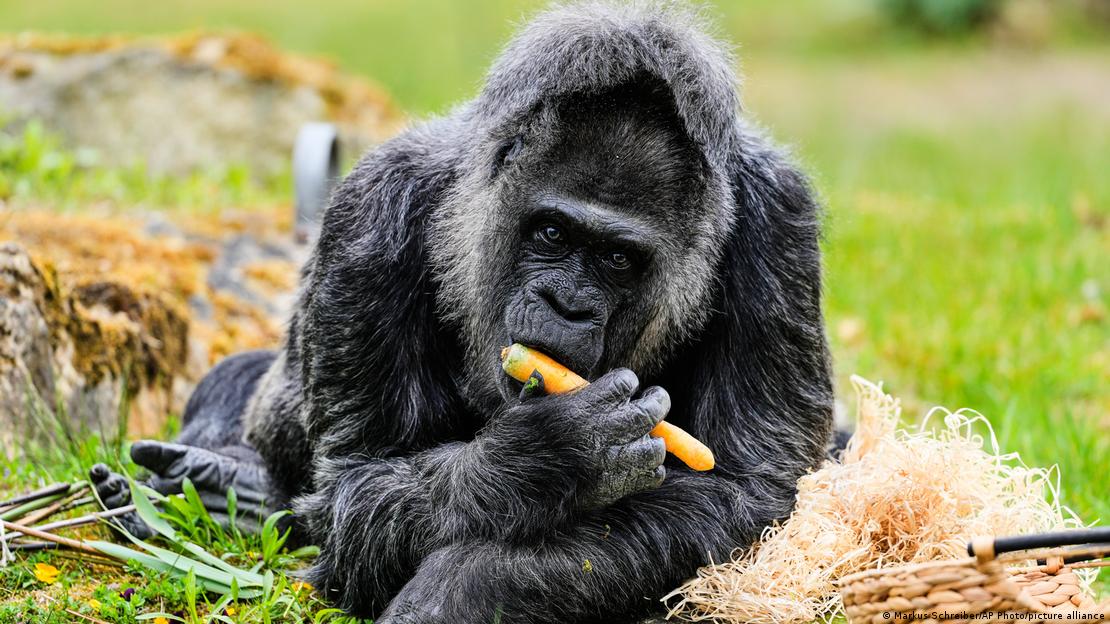
Lady Fatou, known as the "grand dame" of the Berlin Zoo, was certified last year by Guinness as the oldest living gorilla in the world.


When you're a 69-year-old gorilla, you get vegetables as a birthday gift
Image: Markus Schreiber/AP Photo/picture alliance

At 69 years old, Lady Fatou on Monday became not only the Berlin Zoo's longest-residing tenant but also maintained her title as the oldest gorilla in the world.

Born somewhere in West Africa in 1957, she arrived in Europe at the port of Marseilles in 1959 in the luggage of a French sailor. According to the Berlin Zoo, the sailor found himself unable to pay his bill at a tavern and gave Fatou to the landlady as payment. From there, she soon ended up in the German capital.

Fatou is a western lowland gorilla. In the wild they usually don't live past their 40s, and even in captivity 50 is considered advanced old age.

In 1974 she gave birth to Dufte, the first gorilla born at the Berlin Zoo. Although her daughter passed away in 2001, Fatou's granddaugther M'penzi still keeps her co
mpany in Berlin. She has at least three great-great-great grandchildren as of 2026.

Fatou's favorite foods are usually pre-cooked, as the grand dame no longer has teeth
Image: Markus Schreiber/AP Photo/picture alliance

"We are very proud to have been able to accommodate an animal with us now for more than half a century. We are pleased that Fatou is in such good health despite her age," zoo director Andreas Knieriem said on one of her previous birthdays.

Nowadays, Fatou has her own private enclosure and staff members dedicated solely to her care. She prefers to sit back and watch the other gorillas play rather than get involved in the action, zoo workers say.

Edited by: Louis Oelofse
 reports on gender equity, immigration, poverty and education in Germany.


OUTLAW PALM OIL

Critically endangered Borneo orangutan born at Madrid zoo

A Borneo orangutan in the Madrid Zoo Aquarium gave birth in early April to a healthy baby, the zoo said. Habitat loss and the illegal wildlife trade have severely curtailed the number of these gentle primates living in the wild.


Issued on: 15/04/2026
By: FRANCE 24

A critically endangered Bornean orangutan holds her newborn at Madrid Zoo Aquarium after the infant's birth on April 2. © Madrid Zoo Aquarium via AFP

A critically endangered Borneo orangutan has been born at Madrid's zoo, described by keepers as strong and developing normally.

After an eight-and-a-half-month pregnancy, mother Surya gave birth to a male weighing about 1.5 kilos on April 2, the Madrid Zoo Aquarium said in a statement.

The zoo released a video showing Surya cradling the newborn, which will be named through a public vote from a list of options proposed by the caretakers.

Surya has now given birth to four offspring, with keepers describing her maternal care from the outset as exemplary, and the baby feeding regularly, a key indicator of healthy development.

In this handout photo released on April 14, 2026 by Madrid Zoo Aquarium, Surya, a female Bornean orangutan, cradles her newborn shortly after its birth on April 2, 2026 at the Madrid Zoo Aquarium, in Madrid. © Madrid Zoo Aquarium via AFP


"When the baby is nursing, everything stops. She stays completely still until he finishes, and only then moves to eat or do anything else. She is a real supermom," said Maica Espinosa, a primate keeper at the zoo.

Orangutans usually give birth to a single baby or occasionally twins. They give birth, at the most, once every six years, and the interval between babies can be as long as 10 years.

Surya, a female Bornean orangutan (Pongo pygmaeus), cradles her newborn. © Madrid Zoo Aquarium via AFP

The International Union for Conservation of Nature classifies Bornean orangutans – known for their dark brown fur and gentle temperament – as "critically endangered", citing rapid habitat loss and illegal wildlife trade as major threats.

The species lives in the wild only on the Indonesian island of Sumatra and on the island of Borneo, which is divided among IndonesiaMalaysia and Brunei.

(FRANCE 24 with AFP)
Merck's Keytruda: A lifesaving drug, a global divide

Pelin Ünker
DW April 13, 2026

A cross-border investigation by DW and ICIJ reveals how pricing and patents helped turn a life-saving medicine into one of the world's best selling drugs while leaving many patients struggling to access it.

The cancer drug in question is manufactured by the US-based company Merck
Image: Rafael Henrique/SOPA Images/Sipa USA/picture alliance

A yearlong international investigation into one of the world's most important cancer drugs shows how a medical breakthrough has also become a fault line in global health, exposing how pricing systems, patent protections and regulatory frameworks determine who can access life-saving treatment and who cannot.

The Cancer Calculus, coordinated by the International Consortium of Investigative Journalists (ICIJ) with Deutsche Welle and 46 media partners, brought together 124 journalists in 37 countries. Drawing on hundreds of interviews with oncologists, patients and their families, lawyers, regulators, pharmacists, pharmaceutical industry insiders and others as well as exclusive pricing data and patent analyses, the project examines how Merck's cancer drug Keytruda became both a therapeutic milestone and a symbol of unequal access. ICIJ's media partners also obtained public health records, meeting minutes, and pricing and reimbursement data through at least 1,018 public records requests across 27 countries.

Partners including The Indian Express, De Tijd, El País, La Nación and DW Turkish documented how the drug's impact varies dramatically across regions — from hospitals forced to ration treatment to patients turning to courts or crowdfunding to survive.
A drug that changed cancer care

Keytruda (pembrolizumab), first approved in 2014, belongs to a class of immunotherapy drugs that enable the immune system to attack cancer cells. Now approved for at least 19 types of tumors, it has extended survival for millions and, in some cases, turned previously fatal diagnoses into manageable conditions.

Cancer immunotherapy drug
Image: SoniPhotography/Pond5 Images/IMAGO

But it has also become one of the most best sellings drugs in pharmaceutical history. Keytruda generated $31.7 billion (€27.1 billion) in sales in 2025 — nearly half of Merck's total revenue — and around $163 billion globally since its launch. About 60% of those sales come from the United States. Meanwhile, the company has funneled nearly $75 billion in dividends to shareholders and $43 billion into share buybacks.

Keytruda's global expansion has accelerated sharply in recent years. From 2020 to 2024, sales rose by 232% in France to $2.8 billion, 265% in Brazil to $753.7 million, 491% in Mexico to $137.3 million, and 584% in Turkey to nearly $100 million, according to exclusive data shared with ICIJ by the IQVIA Institute for Human Data Science.

As drug prices continue to rise, US President Donald Trump met with pharmaceutical executives in December and pledged to lower costs. While companies signaled price cuts, Merck did not publicly commit to reductions for Keytruda.

At the same time, the cost of treatment has placed growing pressure on health systems worldwide. Annual treatment costs — about $80,000 in Germany to $208,000 in the United States, $93,000 in Lebanon to around $130,000 in Colombia, and from roughly $65,000 in South Africa to $116,000 in Croatia — are straining government budgets, even in wealthy countries.

In the United Kingdom, research has shown that the National Health Service has overpaid for Keytruda in some cases, with one study finding that the drug cost up to five times more than its assessed value for certain lung cancer patients.

Prices, patents and power


The investigation found that Merck has relied on a combination of legal and commercial strategies to maintain its dominance.

One of the most significant is its extensive use of the patent system. Reporters identified at least 1,212 patent applications related to Keytruda across 53 jurisdictions. While the drug's main patents are set to expire in 2028, follow-on patents could extend market exclusivity until at least 2042, delaying cheaper alternatives for more than a decade.

Critics describe this as a "patent fortress" designed to deter competition. Merck rejects that characterization, saying its filings reflect ongoing innovation, including new uses, formulations and combinations.

The investigation also points to regulatory pathways and lobbying efforts that helped expand the drug's use, alongside financial relationships with doctors and patient groups. In the United States alone,records show that Merck made Keytruda-related payments to healthcare professionals totaling nearly $52 million between 2018 and 2024.

Merck says such collaborations help inform the medical community and improve patient care, and that any support for patient organizations is independent of prescribing decisions.

The scale of Keytruda's development costs is also contested. In 2024 congressional testimony, Merck CEO Robert M. Davis said the company had invested $46 billion between 2011 and 2023 to research, develop and manufacture the drug, citing more than 2,200 clinical trials and plans to invest another $18 billion in future studies.

But an analysis by Swiss nonprofit Public Eye estimates the drug's R&D costs at around $1.9 billion, or about 1% of its global revenue since launch. Even when costs of failed trials are included that estimate only rises to $4.8 billion, or roughly 3% of total revenue.
Extreme prices, opaque systems

Keytruda's list prices vary widely, from about $850 per vial (100 mg) in Indonesia to more than $6,000 in the United States, reflecting opaque pricing systems shaped by confidential discounts and negotiations.

Even where prices appear lower, affordability is often worse. In the United States, a patient earning the median income can afford fewer than five doses per year.

In South Africa, by contrast, a person earning the median income cannot afford even a single dose (200 mg) in a year, underscoring how differences in income — not just price — determine access.

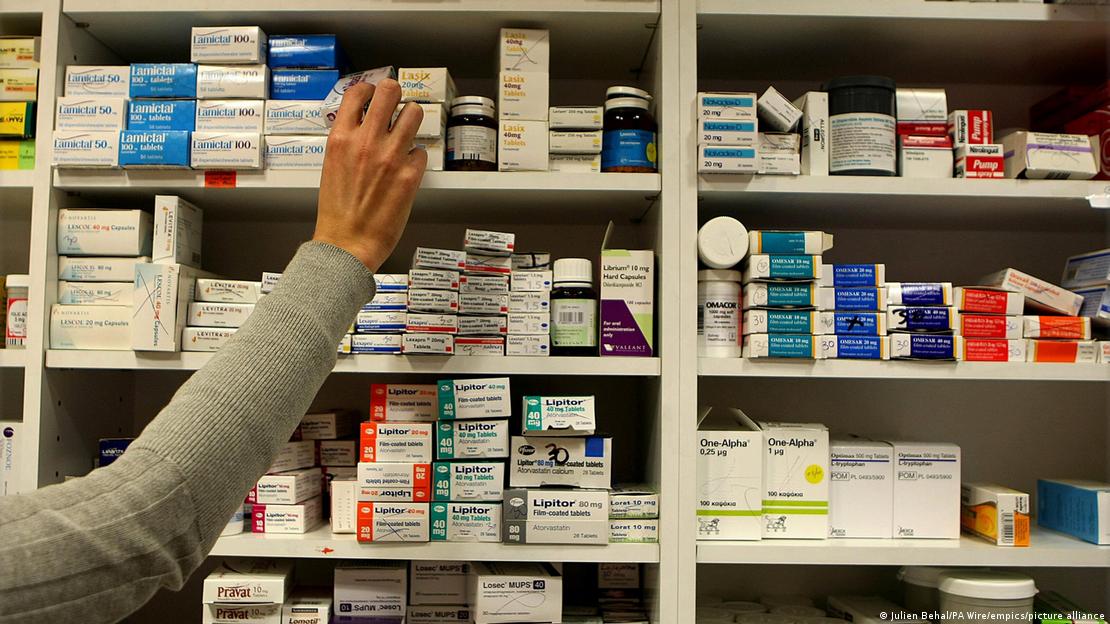
The drug pembrolizumab helps cancer patients
Image: Julien Behal/PA Wire/empics/picture alliance

According to ICIJ's analysis, people with median incomes in the United States can afford less Keytruda than those in some Western European countries such as France and Belgium, while the drug is even less affordable in lower-income Eastern European countries like Bulgaria and Hungary.

In India, where access largely depends on out-of-pocket payments or limited assistance programs, treatment costs can exceed a patient's annual income, effectively restricting access to a small share of the population.

In Brazil, the high cost of cancer drugs has driven a surge in litigation, with thousands of lawsuits filed in recent years as patients seek court-ordered access to treatment. Similar patterns have been observed across Latin America, where legal systems have become a critical pathway to access.

The investigation also documented cases in which limited supply forced doctors to make life-and-death decisions. In Guatemala, one oncologist described being forced to choose which patients would receive treatment, saying it felt like "playing God."

Since Keytruda came to market in 2014, ICIJ found at least 632 cases in which patients in 51 countries used GoFundMe and other crowdfunding sites to raise money for Keytruda treatments. In some cases, patients have turned to black markets, exposing themselves to counterfeit medicines. Others have taken governments to court — and in some cases died before their claims were resolved.

Across countries, a common feature emerges: secrecy. Authorities in several countries refused to disclose public spending or patient numbers for Keytruda, often citing "trade secrets," making it difficult to compare prices or assess fairness across health systems.

Turkey: Price policy, reimbursement gaps and litigation


Against this global backdrop, Turkey illustrates how pricing policy, reimbursement rules and judicial processes intersect in access to high-cost cancer drugs.

In Turkey, drug prices are calculated based on a government-set fixed euro exchange rate, which is typically below the market rate. As of April 1, 2026, the reference rate was increased to 29.11 Turkish lira, and the retail price rose to 88,783.52 lira per vial (approximately €3,049).

The drug is administered in two doses every three weeks, bringing the cost of a single treatment cycle to approximately 177,567 lira (€6,099). This corresponds to about 6.5 times the monthly net minimum wage in Turkey, which stands at 28,075.50 lira.

For years, Keytruda remained outside the Social Security Institution (SSI) reimbursement system, pushing patients to seek access through the courts. The drug entered reimbursement in July 2025 for six indications, but eligibility restrictions and off-label uses continue to generate disputes.

A DW Turkish analysis of 50 lawsuits filed in Turkey shows how legal processes themselves have become a defining factor in access. In 10 out of 34 open labor court cases, the patient died while proceedings were still ongoing.

This points to a structural problem: even where a legal right to treatment exists, delays in the judicial process can render that right ineffective, particularly in life-threatening conditions such as cancer.
Dosing debates and rising costs

The investigation also raises questions about how the drug is prescribed. Some researchers argue that Keytruda is often administered at higher doses than necessary.

The World Health Organization estimates that switching to weight-based dosing for lung cancer patients alone could save around $5 billion globally over 15 years, based on modeling scenarios.


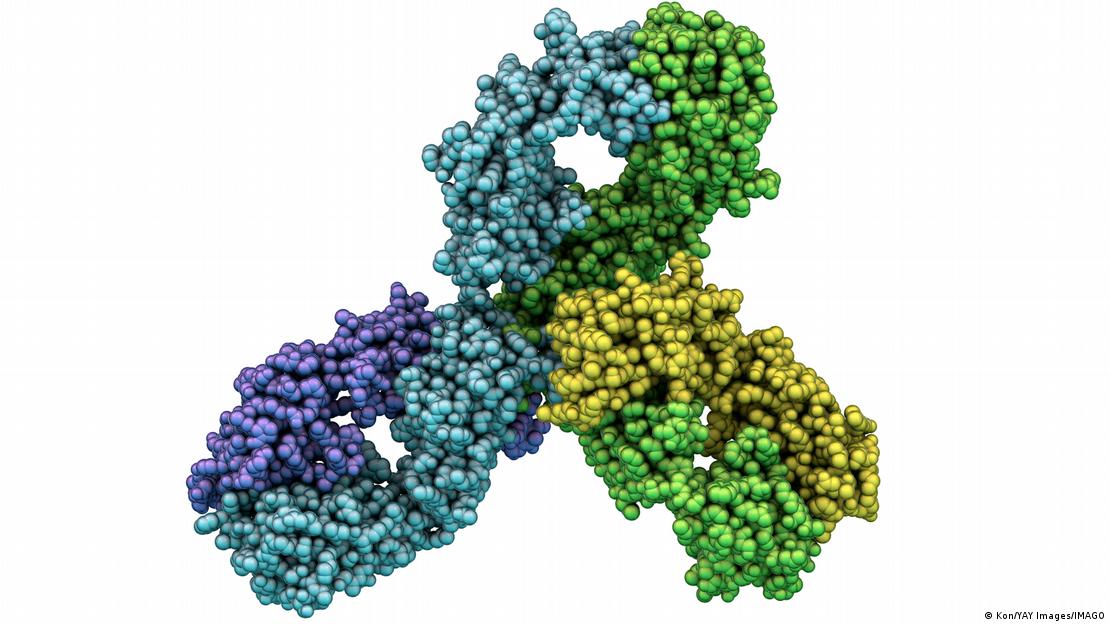
3D molecular model of the immunotherapy antibody
Image: Kon/YAY Images/IMAGO

Hospitals in several countries have begun testing lower-dose approaches, with early findings suggesting similar effectiveness. Hospitals in Singapore, Malaysia and Taiwan have arrived at the same conclusion, and several nations, including the Netherlands, Canada and Israel, have started to switch to weight-based dosing — in which a patient's body weight determines how much medication to use — with promising results.

Merck maintains that its dosing recommendations are based on extensive clinical evidence and regulatory approvals.

Merck: Prices reflect value

In responses to ICIJ, Merck defended its pricing strategy, saying Keytruda's price "reflects its value to patients and health care systems."

Merck also said that access to medicines is "multifactorial," depending on healthcare systems, reimbursement policies and infrastructure, not just price.

The company said it uses differential pricing across markets and operates patient assistance programs. It added that it actively engages in access programs in low- and middle-income countries to expand availability. In the United States, it reported providing $1.7 billion in free medicines across its portfolio in 2024, along with about $125 million in co-pay assistance.

Merck also pointed to broader systemic factors, including insurers and intermediaries, as major drivers of high costs, particularly in the US.

Merck has not publicly detailed how it calculates R&D costs for individual medicines but has consistently argued that pricing reflects long-term investments and risks across its portfolio.

At the same time, the company acknowledged "increasing political and business pressures" over pricing and access, especially in emerging markets, but said it is working to make healthcare more "affordable, efficient, equitable and sustainable."
A global system under pressure

The investigation concludes that Merck's practices are not unique, but reflect broader dynamics in the pharmaceutical industry where patent protections, pricing strategies and regulatory frameworks often favor manufacturers.

For patients, however, the consequences are immediate.


Access to a life-extending treatment often depends not only on medical need, but on geography, income and the ability to navigate complex legal and financial systems.

For Nasır Nesanır, chair of the public health branch of the Turkish Medical Association, these disparities point to deeper structural questions. Speaking to DW Turkish, he said the issue goes beyond healthcare itself.

"Should medical innovation be regarded as a common gain of humanity?" Nesanır asked. "Or should it remain a commercial asset under patent protection that deepens global inequality?"

The result is a deep global divide, where a breakthrough drug can mean survival for some, and remain out of reach for many others.

German health minister announces billions in cutbacks

$$$ FOR DEFENSE NOT HEALTHCARE

DW April 14, 2026

The comprehensive reform package aims to plug a multibillion-euro hole in Germany's expensive health care system. Reforms include mandatory second opinions for costly surgeries and no more coverage for homeopathy.


Health insurance contributions by Germans who pay into the public health insurance system rose by an average of 3% in 2026
Image: Ina Fassbender/AFP/Getty Images

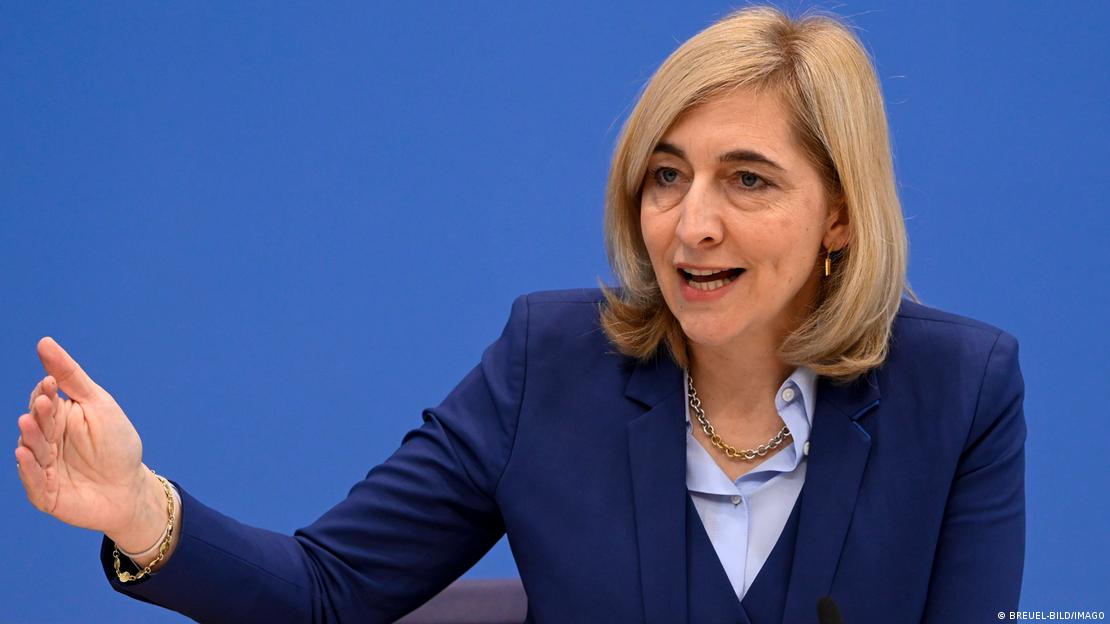
German Health Minister Nina Warken, of the ruling conservative Christian Democrats (CDU), has outlined key features of the government's planned reforms for ailing health care system.

Warken's draft legislation, on track to be passed this summer, aims to prevent further increases to the health insurance contributions. "We simply cannot spend more than we take in," Warken said at a press conference in Berlin on Tuesday.

Health Minister Nina Warken wants to prevent increases to public health insurance contributions
Image: BREUEL-BILD/IMAGO

Health insurance in Germany is mandatory, with 90% of the population paying into the income-dependent public insurance (Gesetzliche Krankenversicherung, or GKV). Contributions are roughly 14.5% of income shared evenly between employer and employee, plus a small additional premium depending on the provider.

Health insurance contributions by Germans who pay into the public health insurance system rose by an average of 3% this year, on top of a 2.5% rise in 2025. Meanwhile, public insurers' expenditures are increasing even more rapidly.

Without the cost-saving measures, Germany's public health insurance funds face a budget shortfall of over €15 billion ($17.7 billion) by 2027.


Germany has one of the world's most expensive health care systems. In March, a commission of experts presented a list of 66 cost-saving proposals to help curb spiraling costs. Warken has now announced which of these will be implemented. The measures include: Patients will have to pay between €7.50 and €15 (up to $18) for prescriptions, up from the current €5 to €10.Mandatory second opinions to approve expensive hip or knee surgery from doctors who do not benefit financially from the procedures.From 2028, spouses without their own source of income who are currently insured free of charge will have pay a flat rate of 3.5% of their spouse's income. This will be lower for low and middle-income earners and includes exemptions for those caring for children under the age of 7, parents of children with disabilities, caregivers and pensioners.Homeopathy will no longer be covered by health insurance.Increased mandatory discounts for public health insurance funds from the pharmaceutical industry.New limits on fees for health insurance executives, as well as their administrative and advertising costs.Extra-budgetary payments for family doctors for services such as walk-in consultation hours and referred patients will be eliminated.

The environmentalist Greens have criticized the plans, calling them "a real disappointment."

"Minister Warken is disproportionately shifting the burden of stabilization onto employees and employers — while she doesn't dare to confront influential lobbies on the expenditure side," Janosch Dahmen, the Green Party health policy spokesperson, told German news weekly Der Spiegel on Wednesday.

Oliver Blatt, the chairman of the National Association of Statutory Health Insurance Funds (GKV-Spitzenverband), said in a statement that he "expressly welcomed" the health minister's announcement that revenue will serve as a benchmark for health insurers' expenditures.


"The statutory health insurance funds currently spend over €1 billion per day on the care of the 75 million citizens insured under the statutory health insurance scheme. That is a lot of money, and it has to be enough. However, in the last year alone, hospital expenditures rose by almost 10%. for doctors by almost 8% and expenditures for medications by around 6%," the statement said.

The reform package does not include the commission's one recommendation with the greatest potential for savings, namely for the health insurance costs for welfare recipients to be paid out of state coffers. The commission estimated this could save the insurers €12.5 billion in 2027 alone.

Warken appears to have bowed to pressure from Finance Minister Lars Klingbeil, of the center-left Social Democrats, who threatened to veto such a move.

The proposals will now become a draft law, which is scheduled to be passed by the cabinet at the end of April. A vote is expected in the Bundestag and the Bundesrat — the legislative body representing Germany's 16 federal states — before the summer recess.

Edited by: Rina Goldenberg