Tuesday, June 02, 2026

France bans Israeli offensive weapons from major defence show


France has banned the display of Israeli offensive weapons at the 2026 Eurosatory international defence and security exhibition, organisers said Monday. While the Israeli defence ministry denounced the "disgraceful decision", Eurosatory organisers said Israeli defence systems were authorised to participate, according to a French government decision.


Issued on: 01/06/2026 - 
By: FRANCE 24


File photo of protesters in front of Eurosatory Defense and Security exhibition in Villepinte, near Paris taken on June 21, 2024. © Christophe Ena, AP

Israel's defence ministry said on Monday that France had banned Israeli government officials from a major weapons show in Paris, and had imposed ​restrictions on ‌companies from the country exhibiting there.

The Israeli ministry denounced the move, saying it would "be unable to participate in the exhibition or establish a national pavilion".

"This is a disgraceful decision, one that reeks of political and commercial calculation, ‌and regrettably, it comes as no surprise," the Israeli defence ministry spokesperson said.

"It fits ​a deeply troubling pattern in French conduct in recent years – a pattern that has consistently placed France on the wrong side of ​history."

The organisers of the 2026 Eurosatory international defence and security exhibition said Israeli defence systems were authorised to participate in the major weapons show.

"Only Israeli exhibitors presenting anti-ballistic and anti-air defence systems are authorised," said the president of COGES Events, Charles Beaudouin, responding to an Israeli defence ministry statement that protested the restrictions.

"This is a decision by the French government, by the Defence Council," Beaudouin added.

"There is no room for ambiguity: if an exhibitor is also a rocket manufacturer, they will not be allowed to display them. This ensures that no offensive weapons are present," he said.
Tense French-Israeli relations

France's defence ⁠ministry – which barred Israel from taking part in the 2024 Eurosatory arms exhibition over ‌the war in Gaza – later said Israeli companies would ⁠be limited to showing equipment and materials related to air defence and missile defence, but did not go into ​any detail on the reasons.

It did not address ‌the report that Israeli officials would not be allowed to attend.

Israeli-French relations have deteriorated since late 2023, with Paris criticising ​Israel's conduct in its wars in Gaza ​and Lebanon, and the decision by Israel and the US to launch a war against ​Iran earlier this year.

Israel's right-wing government, led by Prime Minister Benjamin Netanyahu, also protested at President Emmanuel Macron's decision last year to recognise Palestinian statehood.

On Sunday, France requested an emergency meeting of the UN Security Council after the Israeli military seized the crusader-era Beaufort castle in Lebanon, flying its flag over the strategic landmark.

More than 2,600 exhibitors are due to take ⁠part in this year's Eurosatory – one of the world's largest weapons shows – which runs from ⁠June 15 to 19, ​ at the Paris Nord Villepinte exhibition centre north of the capital.

(FRANCE 24 with AFP and Reuters)


Israel's Elbit Systems records $60bn order backlog

Israel's Elbit Systems records $60bn order backlog
Israel's Elbit Systems records $60bn order backlog. / bne IntelliNewsFacebook
By IntelliNews Tel Aviv bureau June 2, 2026

Israel-based Elbit Systems reported a $30bn order backlog in its latest quarterly results release in information seen by IntelliNews on June 2

Despite coming under international pressure during the Iran war, it appears as if international customers are still relying on Israeli arms exports, with Elbit becoming Israel’s largest publicly traded company.

The backlog is distributed across a diversified revenue mix spanning C4I, cyber, ISTAR, electronic warfare, ammunition, unmanned aerial systems and lasers, with approximately 71% attributable to orders outside Israel. About 49% of the backlog is expected to be executed through the remainder of 2026 and into 2027.

Recent contract momentum has been substantial. On May 26, Elbit announced a $1.4bn deal with an unnamed European customer for extensive military modernisation programmes over five years, encompassing uncrewed autonomous solutions, advanced land electronic warfare, precision-guided munitions, electro-optical systems and software-defined radios, Breaking Defense Europe noted.

The scope of the programme points to a central or eastern European customer requiring deeper modernisation than established Western militaries.

That followed a $750mn contract in April, through Israel's Ministry of Defence, to supply Greece's Hellenic Ministry of National Defence with its PULS artillery system, and an August 2025 deal worth $1.63bn, with Israeli media reporting the customer as Serbia.

Domestically, a $130mn contract to supply technological enhancements for 12 CH-53K helicopters for Israel's Ministry of Defence reflects record Israeli defence spending since the Gaza war and the broader military campaign against Iran.

President and CEO Bezhalel Machlis said the company was scaling production capacity and increasing use of robotics and AI in automation. "With demand rising well above historical levels, we continue to focus on order execution," he said in the company’s press release.


AI startup Anthropic files for IPO after reaching $965 billion valuation


Issued on: 02/06/2026 - 
Play (05:51 min)From the show


Anthropic, the firm behind AI assistant Claude, submitted a confidential filing to go public with the US Securities and Exchange Commission on Monday. The firm, valued at close to a trillion dollars, could make its market debut by the end of the year as it sees a surge in interest for its range of AI products. Also in this edition: as France welcomes new data centre investments, we see what's driving that interest and what impact it could have on local communities.


'Choose France' summit puts AI at heart of Macron’s €93 billion investment drive


Foreign companies have pledged a total of €93 billion in investment at France's annual Choose France summit, President Emmanuel Macron announced on Monday, with artificial intelligence and data infrastructure projects accounting for the bulk of commitments.


Issued on: 01/06/2026 - RFI

France's President Emmanuel Macron speaks during a joint statement with SoftBank group Chairman and CEO after a meeting at The Elysee Presidential Palace in Paris on 1 June 1 2026, ahead of the "Choose France" event. Some 200 top executives from around the world are expected at Versailles palace west of Paris for President's annual "Choose France" event. AFP - LUDOVIC MARIN

Around 200 senior executives from around the world were hosted at the famous palace southwest of Paris on Monday, with tens of billions of euros in investment already pledged or expected.

This year’s gathering has a strong focus on artificial intelligence, data centres and the infrastructure needed to power the next wave of digital growth.

The summit has become one of Macron’s flagship economic showcases since it was launched in 2018, a year after he entered the Elysee. Its purpose is to convince international companies that France is open for business – and that it can compete in high-tech industry, clean power and advanced manufacturing.

The 2025 edition set a record, with €20 billion in announced projects. This year’s pledges could prove even larger, thanks especially to major plans from technology and investment groups betting on France’s role in the AI boom.

AI takes centre stage

The biggest announcement has come from the Japanese technology investment giant SoftBank, which said at the weekend that it would spend €75 billion on artificial intelligence infrastructure. Its founder, Masayoshi Son, met with Macron at the Elysee palace on Monday.

The pledge underlines how quickly AI has become an economic priority for governments and companies alike. Training and running large AI models requires huge computing power, secure data capacity and reliable electricity – making data centres and advanced chips central to the new industrial landscape.

SoftBank group Chairman and CEO Japanese Masayoshi Son and France's President Emmanuel Macron make a joint statement as part of a signing ceremony and a meeting at The Elysee Presidential Palace in Paris on 1 June 2026, ahead of the "Choose France" event. AFP - LUDOVIC MARIN

France is keen to make itself a hub for that ecosystem. According to the business daily Les Echos, Canadian asset manager Brookfield is expected to announce a $10 billion of investment in a data centre in the Escaudain area of northern France. The same report said investment firm Ardian and Nordic data platform Verne would put $5 billion into a data centre in the Paris region.

Taiwanese manufacturing group Foxconn is also expected to invest €120 million in the western city of Angers, where it would develop a production line for motherboards dedicated to AI in partnership with Bull, the French supercomputer specialist.

The summit could also bring announcements on rare earths, the critical minerals used in a wide range of advanced technologies, from electric vehicles to wind turbines and defence equipment. That would fit with France’s wider effort to strengthen supply chains in sectors seen as essential to future economic sovereignty.

Since the first “Choose France” summit, more than 230 projects have been announced, representing some €87 billion and several thousand jobs, according to the Elysee. For Macron, that record supports his argument that pro-business reforms, lower corporate taxes and investment in skills and technology have made France more attractive.

Challenges remain

France has attracted the most foreign investment in Europe for seven years in a row, according to consultancy EY. Macron has argued that this success “does not come out of thin air”, pointing to the policy choices made during his presidency.

EY said France attracted 852 foreign investment projects last year out of 5,026 recorded across 47 European countries. That kept it in first place, although the figure also represented a 17 percent fall in a difficult international environment.

So the picture is encouraging, but mixed. France has been especially successful in attracting AI-linked projects, more than any other European country. Yet parts of its traditional industrial base remain under pressure, particularly the car, chemicals and metallurgy sectors.

That is where the upbeat tone of the Versailles summit meets the harder reality of the wider economy. Big announcements can generate headlines and confidence, but they do not automatically reverse years of industrial decline or weak business investment.

Macron has made no secret of his ambition to make France a world leader in artificial intelligence. He has also announced €1.55 billion of public investment to develop quantum technologies and semiconductors, two areas closely linked to the future of computing and industrial competitiveness.

The question now is whether France can turn the momentum from “Choose France” into a broader economic shift.

(With newswires)


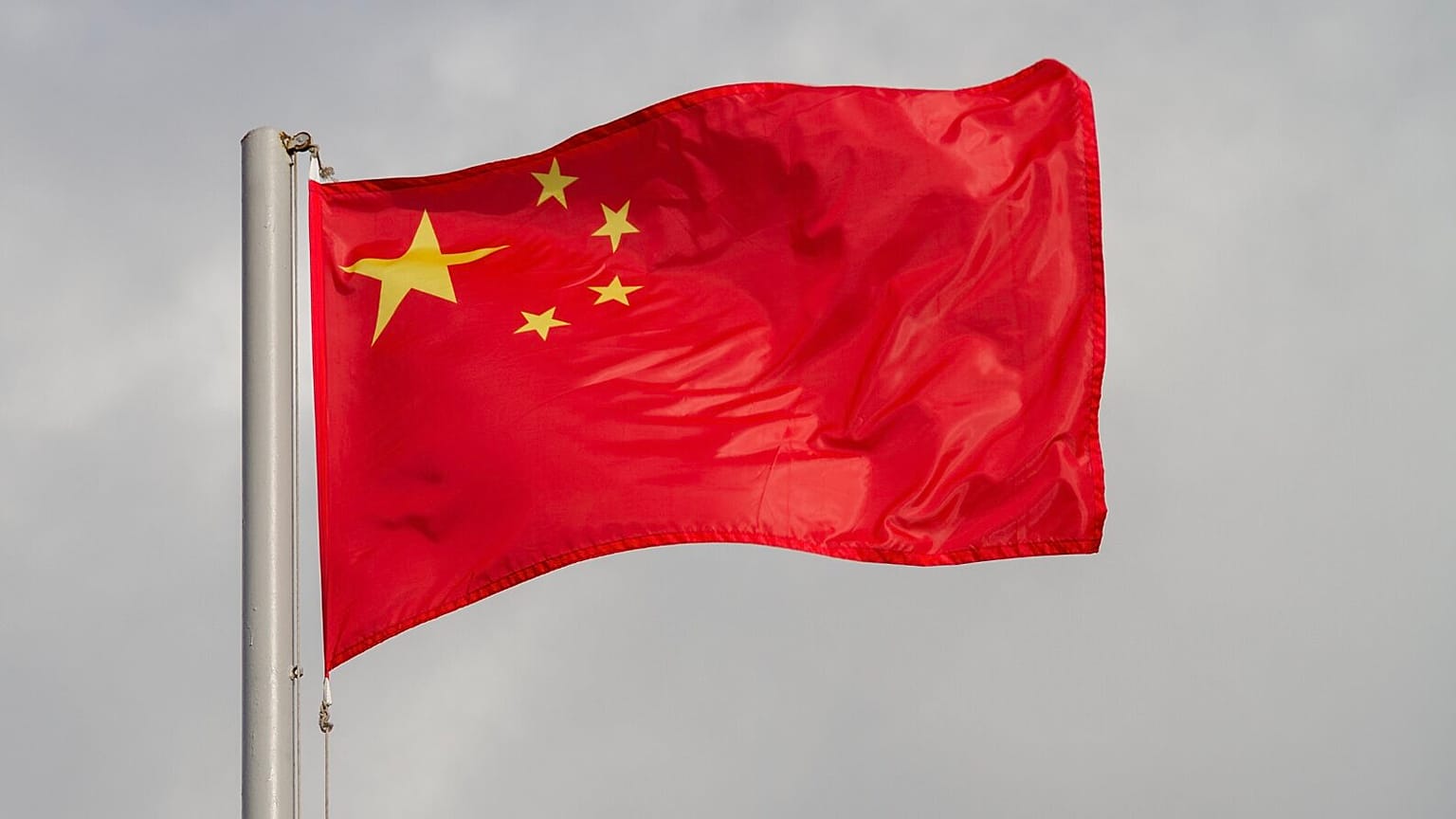
New trade secret rules: China says its AI data is none of your business

AI algorithms and data are now considered trade secrets in China and subject to tight restrictions
Copyright Canva

By Anna Desmarais
Published on

Under new Chinese regulations, any algorithm, dataset or program not publicly disclosed now counts as a trade secret.

Algorithms and computer programmes are now considered trade secrets by the Chinese government.

The new regulations, called “Trade Secret Protection,” went into effect on Monday. The rules say that any “information related to technology, such as structure, raw materials, formula, materials, samples, patterns, processes, methods, data, algorithms, computer programmes and codes,” is considered a trade secret.

Technical or business information that “is not publicly known, has commercial value,” and is confidential also falls under the regulation.

Anything that has already been described in the media or in open reports is not considered a trade secret.

The regulation sets out strict measures for remote work and cross-border collaboration, including access controls, data anonymisation to mask personally identifiable information, and detailed logs of who has accessed, copied or modified data.

People or companies can report whether their trade secrets have been divulged, and if an investigation by China’s State Administration for Market Regulation (SAMR) confirms that, a fine of up to 5 million yuan (€630,000) could be issued.

The regulations are China’s latest move to protect AI secrets. Earlier this month, Bloomberg reported that the government is restricting the movement of its AI talent and, in May, Beijing blocked Meta’s acquisition of China-founded Manus, one of the country’s top AI companies.

This week, China also issued sweeping new rules to tighten overseas deals that involve Chinese investors, technology, data and national security.

The new regulations are the first update to China’s trade secrets rules since 1998 and now explicitly mention AI and data as falling under the law.

The Chinese state is conducting what they call a “Enterprise Trade Secret Protection Capacity Enhancement Service,” month in June, as they have every year since 2023.

During the month, they will hold business trainings to “cultivate awareness” and conduct risk assessments with the new regulations.

PUTIN'S WAR ON CIVILIANS
Russian attacks kill several people and wound more than 100 across Ukraine


Russian air strikes hit several major Ukrainian cities early on Tuesday, killing at least 18 people and wounding more than 100, authorities said. Kyiv, Dnipro and Kharkiv were among the hardest hit, with residential buildings damaged and thousands of residents sheltering underground amid ongoing air raid alerts.


Issued on: 02/06/2026 
By: FRANCE 24

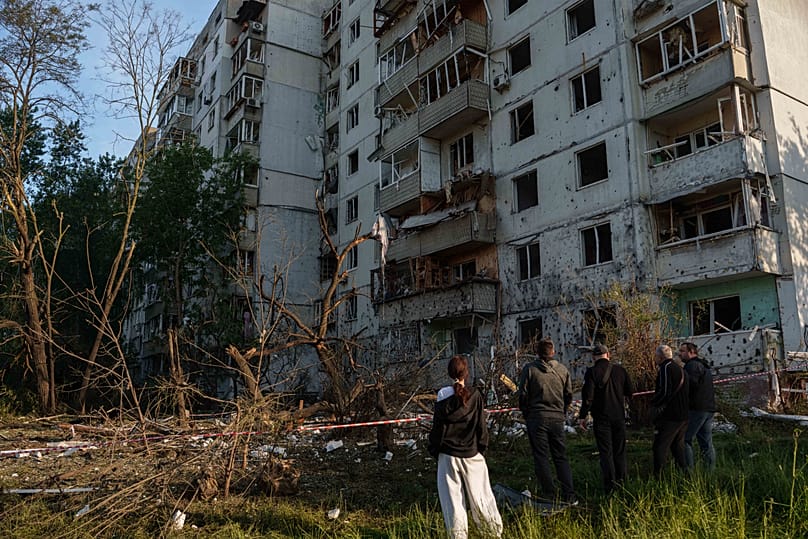
People look at the site of Russian missile strike that hit a residential building in Kyiv on June 2, 2026. © Efrem Lukatsky, AP
01:54


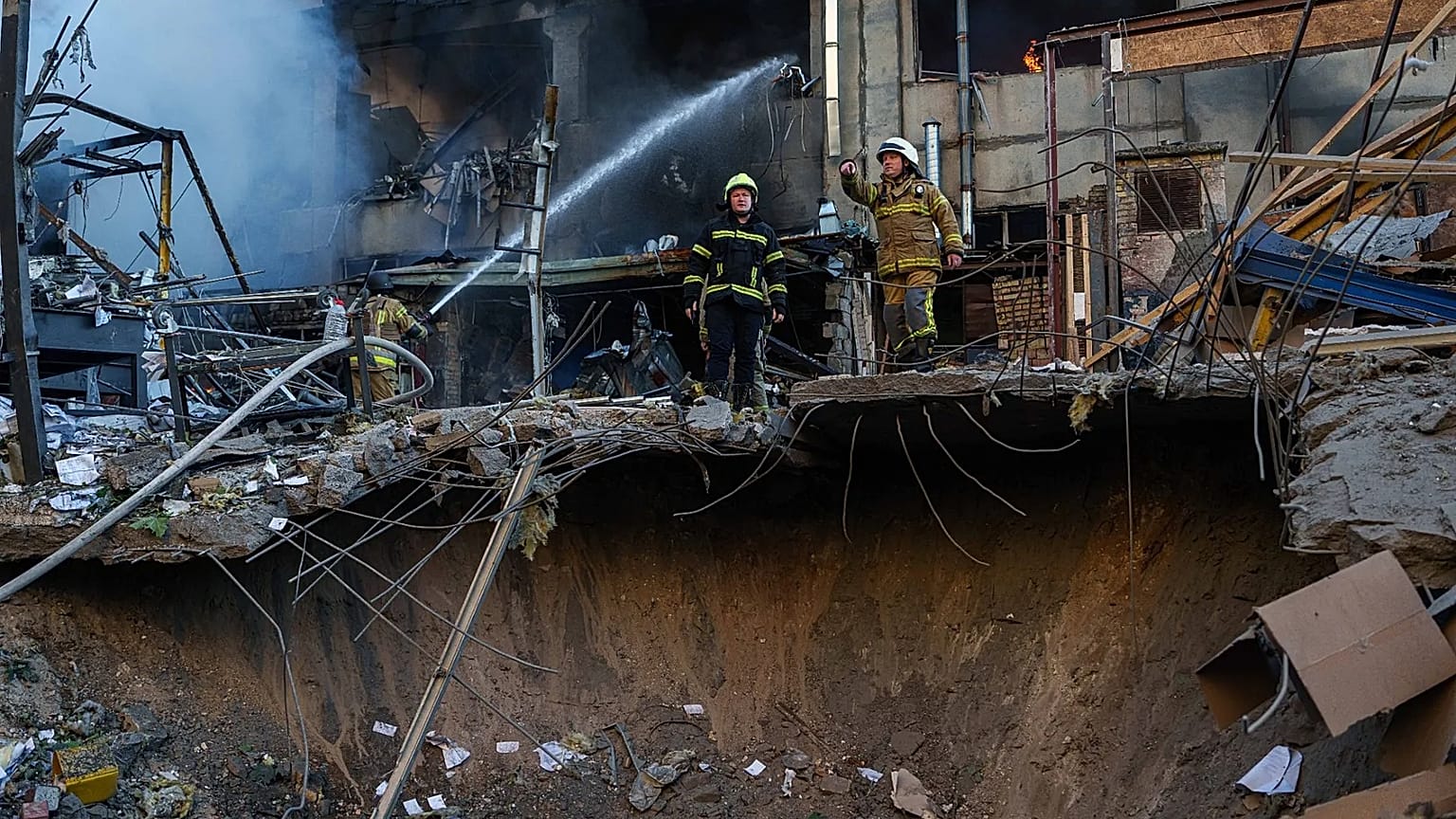
Russian air attacks on major Ukrainian cities including Kyiv, Dnipro and Kharkiv killed at least 18 people and wounded more than 100 early on Tuesday, authorities said, after days of warnings that Moscow was planning a major assault.

Russia has targeted Ukraine's power supply ​and infrastructure while Ukraine ‌has stepped up attacks this year on Russian oil facilities in a war that has now dragged on for more ⁠than four years, sometimes causing casualties. Both Kyiv and Moscow deny targeting civilians.

Twelve people were killed and 36 injured in a Russian missile and drone attack on the southeastern city of ‌Dnipro, regional governor Oleksandr Hanzha said on messaging app Telegram.

All those injured were hospitalised and were reported to be in a moderate condition, he said, posting pictures of heavily damaged residential buildings, burnt-out vehicles and a destroyed children's playground.


One of the dead was a rescue worker who had been killed in a "double-tap" strike targeting first responders, according to emergency services.

At least six people were killed and 66 injured, including children, across the capital of Kyiv, Mayor Vitali Klitschko said.

READ MORETalk to Russia? First, Europe needs to pick an envoy – and know what it wants to say

A suspected missile strike on a 24-storey apartment building triggered a collapse, with people likely trapped under the rubble.

Other buildings, including a nine-storey apartment block, caught fire from suspected missile debris, he said.

“In the Obolon district, cars are burning after being struck by falling missile debris. There are also fires at two locations in open areas, including one near a kindergarten,” Klitschko said.


Russia launches wave of deadly strikes across Ukraine
© France 24
04:41


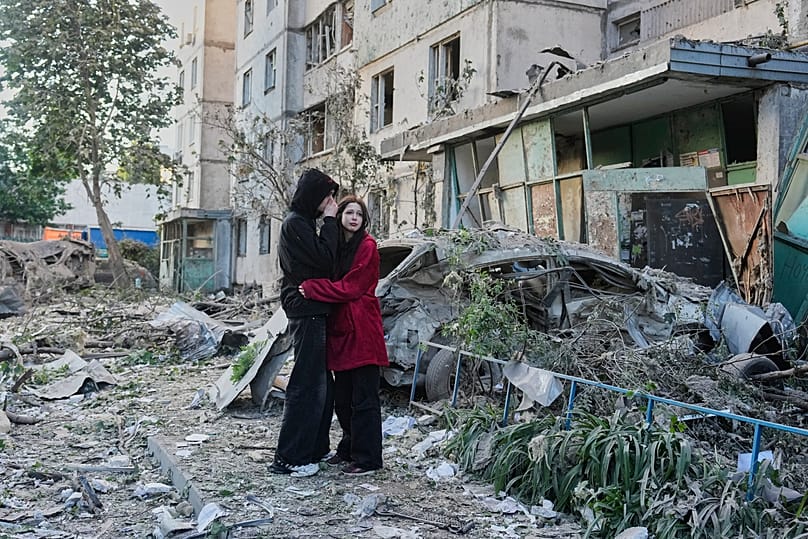
"We couldn't understand what was happening – some kind of apocalypse?" said Olha Mudra, speaking at the site of one strike, accompanied by her six-year-old daughter ⁠Natalia.

"Everything was covered (with debris), everything in smoke, you could see nothing," she added, as she stood in front of a destroyed residential building and damaged cars.

Thousands of Kyiv residents were taking refuge in metro stations and other shelters, witnesses said, after air raid warnings covered much of the country early on Tuesday.

The ⁠overnight ​​attack cut electricity to 140,000 residents ​of ‌Ukraine's ⁠capital, power company DTEK ⁠told Reuters on ​Tuesday.

Utility workers ‌had since restored ‌electricity to ​110,000 residents, DTEK said, adding that ​two ​of its ​engineers had ​been injured.


Residents take shelter inside a metro station during a Russian missile and drone strike in Kyiv on June 2, 2026. © Alina Smutko, Reuters

Warnings of a major attack


Ukraine's air force said Russia launched 656 drones and 73 missiles overnight, mainly targeting Kyiv. In a statement on Telegram, the air force said 40 ​missiles and 602 drones had been downed or neutralised.

An air force spokesman said the attack included eight Zircon hypersonic missiles, likely the largest number of those missiles used by Russia during the war. The Zircon has a range of 1,000 kilometres and travels at nine times the speed of sound, according to Moscow.

Russia's defence ministry said it had carried out ​a "massive strike" on Ukraine's defence industry facilities using high-precision long-range weapons.

Ukrainian President Volodymyr Zelensky on Monday reiterated warnings of a potentially major assault and urged residents to pay special attention to air raid alerts.

“Intelligence warnings regarding Russian strikes remain in effect. A massive strike is possible, they have prepared one,” Zelensky said in his nightly video address.

“Our defenders are ready 24/7 to the fullest extent possible with the supplies currently available.”

Russia last week warned that it intended to launch “systematic strikes” on targets in Kyiv linked to the Ukrainian military as well as decision-making centres, and urged foreigners to leave.

It said the action was in response to a drone strike last month on a student dormitory in Ukraine's Russian-held Luhansk region, which killed 21 people. Ukraine denied targeting civilians, saying that it had carried out a series of strikes on military assets.

In Ukraine's north-eastern Kharkiv region, 10 people, including a child, were injured in drone and missile attacks, Mayor Ihor Terekhov said on Telegram.

Russia's Ilsky oil refinery, in the southern region of Krasnodar, caught fire after a drone attack, local authorities said on Telegram on Tuesday.

Air defence systems were also repelling drone attacks ⁠over Sevastopol, a Russian naval fleet base, in Russia-occupied Crimea, authorities there said.

The war in Ukraine has ground on for more than four years since Russia launched its full-scale invasion in February 2022.

Efforts to end the conflict have made little progress, with the administration of US President Donald Trump focused on conflicts in the Middle East.

(FRANCE 24 with Reuters and AFP)


Ukraine's president says US air defence 'absolutely necessary' after Russian strikes

A rescue worker puts out a fire of a building damaged after a Russian strike on Kyiv, 2 June, 2026
Copyright AP Photo

By Gavin Blackburn
Published on

Russia launched a record 8,150 long-range drones at Ukraine in May, an AFP analysis of Ukrainian air force data showed, up 24% from April.

Ukrainian President Volodymyr Zelenskyy called on Europe on Tuesday to develop its own air defence systems and urged more support from Washington after Russia's latest deadly drone and missile barrage.

"Europe needs its own anti-ballistic defence so that this war can finally be brought to an end. And assistance from the United States in supplying missiles for Patriot systems is absolutely necessary," Zelenskyy wrote in a post on X.

"A large-scale attack and an absolutely clear statement from Russia: if Ukraine is not protected from ballistic and other missile strikes, these attacks will continue."

Zelenskyy’s remarks were echoed by his Foreign Minister Andrii Shyiiba who said that the wave of strikes showed that Russia’s President Vladimir Putin was running out of military options in his full-scale invasion of Ukraine.

"Putin is a war criminal and loser who has no cards except terror. Moscow is losing on the battlefield. No number of missiles can change this," Shyiiba said in a statement on social media.

"Terrorists in Moscow must realise that their brutal attacks won’t bring them anywhere. That the price for their regime will only increase. That the only way out for Putin is to immediately end this war."

Strikes on Ukraine

The remarks from the senior leadership came after a Russian barrage of Ukraine early on Tuesday which killed at least 13 people and injured 100 others.

Authorities in the Ukrainian capital had been sounding the alarm that Russia was preparing another massive barrage, the latest in a string of deadly strikes that have escalated the four-year war and dented already slim hopes for peace.

The Ukrainian air force said Russia had launched 73 missiles and 656 drones, adding it had downed 602 of the drones and 40 of the missiles.

Moscow has bombarded Ukraine almost daily since launching its full-scale invasion in February 2022, a war that is now the bloodiest on European soil since World War II, with hundreds of thousands killed and millions displaced.

Russia said on Tuesday that it had carried out a huge strike, including with hypersonic missiles, targeting Ukraine's military-industrial complex.

It denies that its forces target civilians.

People look at a residential apartment building damaged after a Russian strike on Kyiv, 2 June, 2026 AP Photo

'Protect your lives'

Last month, Kyiv and Moscow agreed a three-day ceasefire mediated by the United States. The truce was marred by allegations of violations on both sides but had raised the prospect of a longer halt in fighting.

An uptick in strikes since has dulled peace prospects, particularly with the White House distracted by the Iran war.

Meanwhile, a Ukrainian drone strike killed one person in Russia's Kursk region, near the Ukrainian border, regional governor Alexander Khinshtein said.

Another drone sparked a fire at an oil refinery in the southwestern city of Krasnodar, its operational headquarters said on Telegram.

People react as they look at the site of a Russian missile strike that hit a residential building in Kyiv, 2 June, 2026 AP Photo

Zelenskyy had said last week that Ukraine had learnt that Russia was preparing a new massive strike and urged people to heed the sirens, go to shelters and "protect your lives."

Russia launched a record 8,150 long-range drones at Ukraine in May, an AFP analysis of Ukrainian air force data showed, up 24% from April.

Kyiv intercepted about 90% of all incoming drones and missiles in May, according to air force data, but struggles to down ballistic missiles.


EU ready to 'step up' in Ukraine-Russia talks but ceasefire must come first, summit draft shows

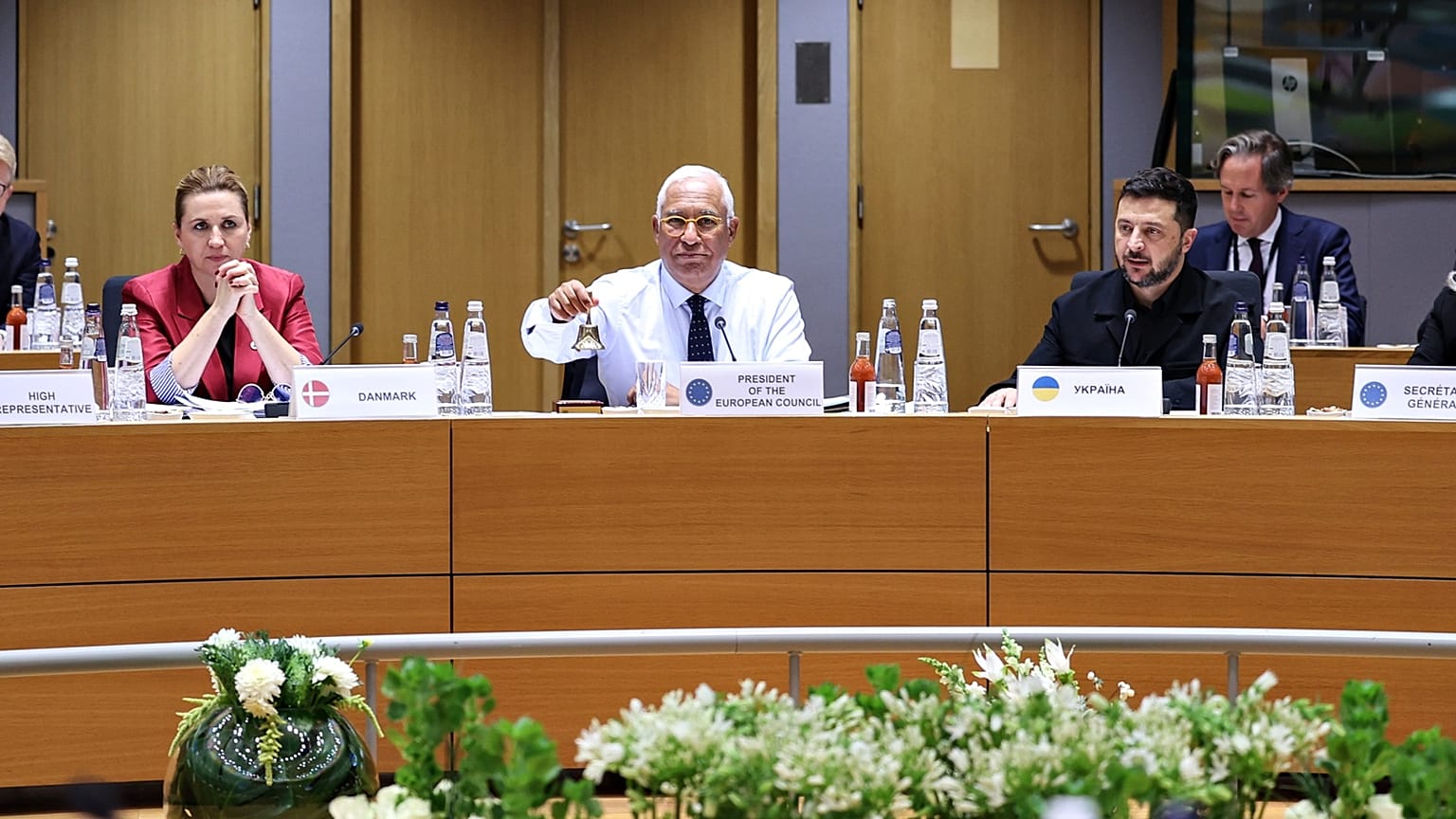
 European Council President António Costa (centre) will chair the summit.
Copyright European Union, 2026.


By Jorge Liboreiro & Maria Tadeo
Published on

EU leaders are set to discuss the possibility of engaging in direct talks when they meet on 18-19 June. But the latest draft of the summit's conclusions suggests a mandate for a special envoy is still far away.

The European Union is ready to "step up" its role in the diplomatic process to end Russia's full-scale invasion of Ukraine, but only when Moscow demonstrates a serious commitment to negotiations and establishes an "unconditional ceasefire", according to draft conclusions prepared ahead of a key leaders' summit on 18-19 June.

It marks the first time the conclusions speak of the bloc taking a hands-on approach to the peace process, which the United States has so far led and is currently stalled.

The provisional wording, subject to changes, falls short of endorsing the appointment of a special envoy, as some member states have demanded. The references could still change further before the summit takes place.

"The European Council supports diplomatic efforts to bring the war to an end and underlines the European Union's readiness to step up its engagement in peace negotiations," the draft, seen by Euronews and dated 1 June, says.

"However, Russia has not shown any genuine willingness regarding a fair and sustainable peace," the paragraph continues.

"The European Council urges Russia to agree to a full, unconditional and immediate ceasefire and engage in meaningful negotiations towards a just and lasting peace."

The document is used as a working basis for talks held by EU27 leaders.

The draft document also forcefully condemns Russia's deadly large-scale attacksagainst Ukraine and open threats against foreign citizens, diplomats and international organisations based in Kyiv, as well as last week's incident that saw a Russian drone with explosives crash in a residential building in Romania.

The series of escalatory developments has shifted the debate on whether the EU should break its diplomatic isolation and launch direct talks with Russia.

The matter gained momentum in early May after Ukrainian President Volodymyr Zelenskyy, frustrated with the White House's attention on the Middle East, called on Europeans to appoint a common representative and revive the negotiations.

Among the names casually floated for the high-risk job were European Council President António Costa, Finnish President Alexander Stubb, former Italian Prime Minister Mario Draghi and former German Chancellor Angela Merkel.

Costa, who will chair the summit, was one of the first leaders to speak publicly in favour of the direct talks, provided the circumstances are right.

Yet, divisions among capitals remain entrenched, as reflected in the wording of the draft conclusions. Germany, Poland, the Nordics and the Baltics believe the Kremlin's maximalist demands would make any outreach pointless.

Last week, High Representative Kaja Kallas said the EU would "never" be a neutral mediator between Ukraine and Russia.

"We can't be neutral, treating them equally, because we have been clearly on Ukraine's side," she said after hosting an informal meeting of foreign affairs ministers in Cyprus.

Instead, she argued, member states should strive to agree on a common set of concessions and conditions that Russia should fulfil at the negotiating table.

"All our efforts have to be complementary to US efforts. And the ministers were also very clear about this," Kallas said. "We are not coming in instead of the United States, but we are actually addressing the issues that haven't been addressed in these talks."

Zelenskyy is expected to speak with the 27 leaders at the June summit, even though it is not yet confirmed whether he will do so in person or remotely.

In a recent interview with CBS, the Ukrainian president name-checked the E3 format (made up of Germany, France and the United Kingdom), the Nordic countries and Turkey as potential mediators.

"Who will represent Europe after all? It's up to Ukraine and Europe to decide," he said. "But no less important is that Russia must be ready for dialogue and European presence."

Iran World Cup squad to head for Mexico via Spain

Tehran (AFP) – Iran's football team will leave for Spain this weekend en route to their World Cup base in Mexico despite still awaiting visas, the head of the country's football federation said.


Issued on: 02/06/2026 - 

Iran are currently preparing for the World Cup in Turkey 
© Oner SAN / AFP

The 2026 World Cup is being hosted jointly by the United States, Mexico and Canada.

Neither the United States, where Iran will play their three group stage matches, nor Mexico, where the team will be based throughout the tournament, have yet issued visas for the players.

"We will leave for Spain on Saturday, and from there the team will go directly to Tijuana in Mexico," football federation chief Mehdi Taj said on Monday on a sports programme broadcast on state television.

"We will obtain a Mexican visa tomorrow (Tuesday) or the day after, and then a US visa will be issued quickly," Taj said.

Iran have been drawn in Group G and will play New Zealand and Belgium in Los Angeles on June 15 and 21, followed by a game against Egypt in Seattle on June 26.

Taj said that the outbreak of the Middle East war on February 28, when the United States and Israel attacked Iran, "changed everything" for Team Melli.

"The situation in the country, and especially the war, has upended all our plans," Taj said.

"We had arranged good warm-up matches, including one against Spain, which was cancelled" in February.

The Iranians relocated their World Cup base, which initially was planned to be in Tucson in the US state of Arizona, to the northwestern Mexican border city of Tijuana due to tensions over the Middle East war.

Iran are currently preparing for the tournament in Turkey.

On Friday they beat Gambia 3-1 in a friendly in Antalya, where they will play another warm-up match against Mali on Thursday.

Taj complained that the team's World Cup preparations had been also dogged by "financial difficulties" because of the economic crisis in the country and the sharp depreciation of the rial against the dollar.

© 2026 AFP

Mexico's Tijuana: From gateway to the American Dream to dead end


Issued on: 29/05/2026 - 
16:13 min From the show

With Iran's national football team set to be based in Tijuana, Mexico, for the upcoming World Cup, our reporters Laurence Cuvillier and Matthieu Comin travelled to the Mexican city known for being one of the most dangerous in the world. Until recently, this border city with the United States was the main crossing point for Mexican migrants seeking the American Dream. But with US President Donald Trump's return to power, everything has changed. Tijuana has become a dead end.

It was one of the very first consequences of Trump's return to the White House. On January 20, 2025, right in the middle of the inauguration ceremony, the CBP One app suddenly stopped working. It had enabled migrants to enter the United States legally to submit their asylum applications. With its disappearance, the American Dream for hundreds of thousands of people had evaporated in a second.

If there is one city that epitomises the full impact of the tightening of US immigration policy, it is Tijuana, the main crossing point with Mexico. The Mexican border city has effectively become a dead end. In addition to migrants stopped in their tracks, others have been sent back there by the US authorities. These are often people with no legal status in Mexico either. Tijuana is still one of the most dangerous cities in the world, but it is also a place of intense solidarity.


UN warns world to prepare for El Nino extreme weather

Geneva (AFP) – There is an 80-percent chance of the warming El Nino phenomenon developing between June and August, increasing the risk of extreme weather events, the World Meteorological Organization said Tuesday.


Issued on: 02/06/2026 - FRANCE24

El Nino warms surface temperatures in the central and eastern equatorial Pacific Ocean © MARTIN BERNETTI / AFP

"Fuelled by unusually warm ocean waters in the tropical Pacific, El Nino conditions are developing and are set to influence global temperature and rainfall patterns," the United Nations' WMO weather and climate agency said.

Forecasts from the WMO global network "indicate a pronounced shift toward El Nino conditions, with probabilities reaching 80 percent for June-August", the Geneva-based organisation said.

El Nino is a natural climate phenomenon that warms surface temperatures in the central and eastern equatorial Pacific Ocean, bringing worldwide changes in winds, pressure and rainfall patterns.

It typically takes place every two to seven years and lasts around nine to 12 months.

The effects of El Nino © Nicholas SHEARMAN / AFP


Conditions oscillate between El Nino and its opposite La Nina, with neutral conditions in between.

The likelihood of El Nino developing by November is "near or above 90 percent", and most forecast models suggest it will be "at least moderate -- and possibly strong", the WMO said in its quarterly El Nino/La Nina update.

WMO chief Celeste Saulo said the world needed to get ready for an El Nino which could "exacerbate drought and heavy rainfall and increase the risk of heatwaves both on land and in the ocean".

The WMO says that even a moderate El Nino makes some weather and climate extremes more likely.

The last El Nino contributed to making 2023 the second-hottest year on record and 2024 the all-time high at around 1.55C above the 1850-1900 pre-industrial average.
'Urgent climate warning': Guterres

In late April to mid-May, the sea-surface temperature in the central-eastern Equatorial Pacific -- the area used as a monitoring reference -- was approaching El Nino thresholds, the WMO said, with sub-surface temperatures more than 6C above average.

Meanwhile, the Southern Oscillation Index -- the atmospheric component of El Nino -- is also consistent with the phenomenon developing.


El Nino is likely to develop in the coming months, forecasters say © Omar KAMAL / AFP


The WMO said there was no evidence that climate change increases the frequency or intensity of El Nino events.

However, the agency believes it can amplify the associated effects, because a warmer ocean and atmosphere increase the availability of energy and moisture for extreme weather events, such as heatwaves and heavy rainfall.

"El Nino is arriving on our doorstep," UN chief Antonio Guterres said in a video message.

"The world must treat it as the urgent climate warning it is. El Nino conditions will pour fuel on the fire of a warming world.

WMO climate prediction chief Wilfran Moufouma Okia said temperatures typically spike up to 12 months after an El Nino event © Fabrice COFFRINI / AFP


"The only effective response is climate action equal to the crisis -- ending the addiction to fossil fuels, accelerating the shift to renewables, protecting the most vulnerable, and delivering early warning systems for all."

Saulo said 128 countries now have multi-hazard early-warning systems in place, with the UN target being universal coverage by the end of 2027.
Temperatures above normal

While El Nino typically peaks between November and February, the resulting spike in temperatures typically comes later down the line.

The World Meteorological Organization has its headquarters in Geneva, Switzerland © Fabrice COFFRINI / AFP

Next month's forecast is likely to be more accurate as to the onset of El Nino and its strength.

The WMO said that for June to August, forecasts project "a nearly universal dominance of above normal temperatures in nearly all parts of the globe".

This increases the risk of compounding hazards in some regions and accelerating the onset of drought conditions where rainfall is reduced, it said.

Saulo said El Nino would have "cascading impacts", with a warming ocean in the tropics resulting in effects on global trade.

These go from "variability of the climate, into the economy and security of the people. That's why this information is so relevant and so important", she told reporters.

The WMO hopes advance warning will guide preparedness, especially in climate-sensitive sectors like agriculture, water management, energy and health.

Tegucigalpa, the capital of Honduras, and its surrounding areas are already facing a severe drought © JOHNY MAGALLANES / AFP

Regional climate centres are predicting "below-normal" rainfall during the critical June-September rainy season in the northern Greater Horn of Africa; below-average monsoon rainfall in south Asia; and drier and warmer summer conditions in central America.

During the northern hemisphere summer, warm waters associated with El Nino can fuel hurricanes in the central and eastern Pacific, while hindering their development in the Atlantic Ocean.

© 2026 AFP


El Niño: Almost everywhere will face above average summer temperatures, WMO warns

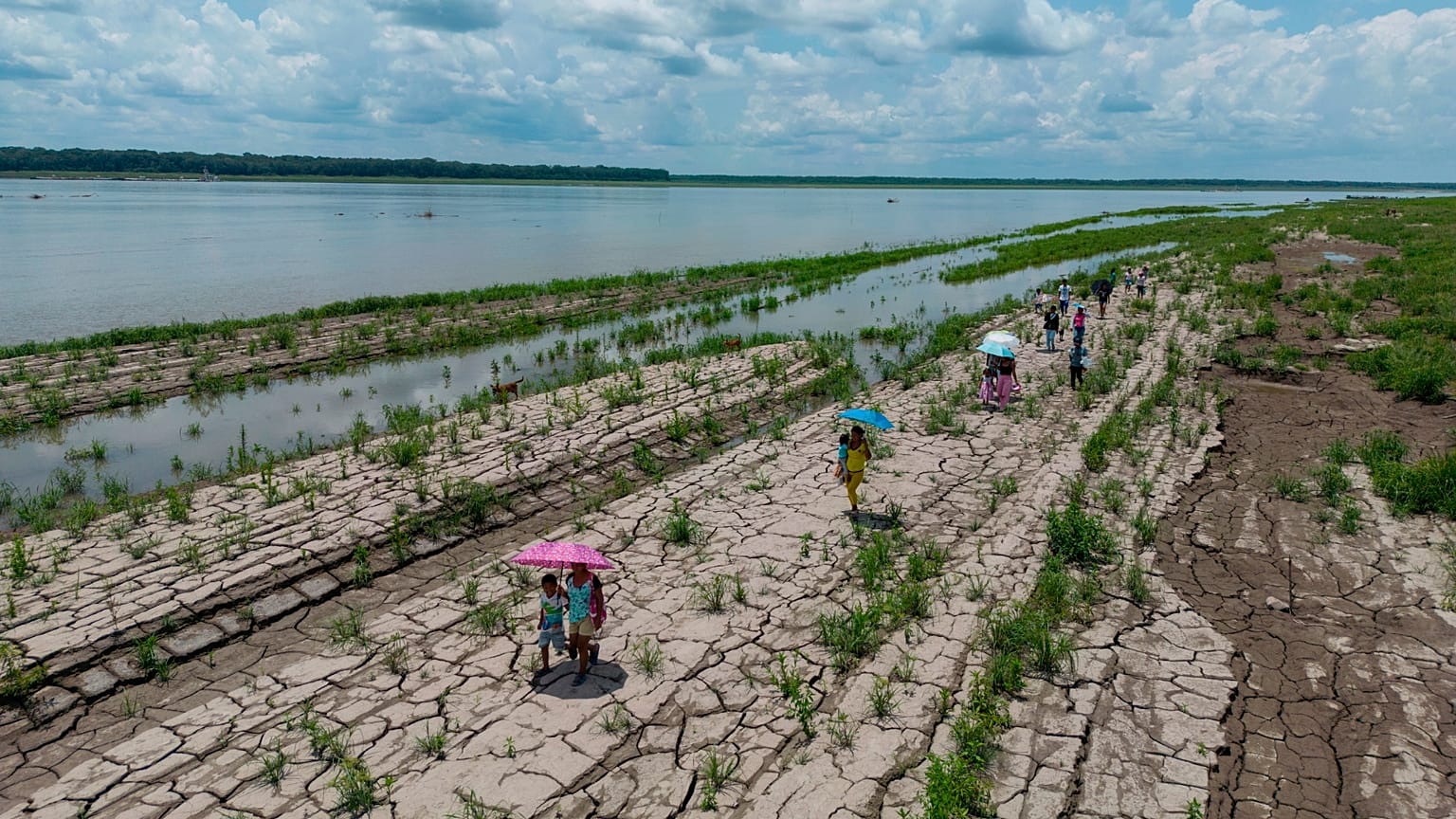
FILE - People walk through a part of the Amazon River that shows signs of drought in Santa Sofia, on the outskirts of Leticia, Colombia, Oct. 20, 2024.
Copyright AP Photo/Ivan Valencia

By Angela Symons
Published on

El Niño is a naturally occurring weather phenomenon but its effects are worse because of climate change.

El Niño will hit this summer with 80 per cent certainty, according to the latest forecast by the World Meteorological Organization (WMO) – and Europe should brace for more extreme heat, with some areas at heightened risk of drought and flooding.

Over the past week, parts of Western Europe suffered record-breaking spring temperatures as a powerful heat dome formed. Spells like this are likely to become more intense, longer and more frequent as El Niño takes hold – and scientists warn it could stretch all the way to 2028.

Although the strength of the weather phenomenon is still uncertain, WMO models suggest it will be at least moderate, and possibly strong, with a 90 per cent chance of it continuing until at least November.

“The world must treat it as the urgent climate warning it is. El Niño conditions will pour fuel on the fire of a warming world,” says UN Secretary-General António Guterres.

‘Prepare for hotter than normal temperatures’

Fuelled by unusually warm ocean waters in the tropical Pacific, El Niño is expected to leave virtually nowhere untouched, with above-average temperatures forecast around the globe for June to August.

“We need to prepare for a potentially strong El Niño event – which will exacerbate drought and heavy rainfall and increase the risk of heatwaves both on land and in the ocean,” says WMO Secretary-General Celeste Saulo.

The most recent El Niño, in 2023-24, was one of the five strongest on record and contributed to 2024 becoming the world’s hottest year on record. According to the European State of the Climate 2024 report, published jointly by the Copernicus Climate Change Service and the WMO, Europe experienced dramatic and contrasting conditions that year: while the east faced dry, scorching heat, the west endured heavy rainfall and flooding.

This year, “impacts will hit even harder, travel even farther, and cross borders with devastating speed,” Guterres warns.

The UN has previously cautioned that there is an 86 per cent chance the coming years will smash 2024’s heat record, with climate scientists warning that a “whole range of extreme weather events” are brewing as a strong El Niño collides with accelerating global warming.

While climate change is not thought to increase El Niño’s frequency or intensity, it can amplify its effects. A warmer ocean and atmosphere increases the availability of energy and moisture for extreme weather events such as heatwaves and heavy rainfall.

How long could El Niño last?

Sea-surface temperatures began approaching El Niño thresholds in late April to mid-May this year, according to WMO observations. Subsurface temperatures across the tropical Pacific are running more than 6°C above average, providing a substantial reservoir of heat feeding the surface warming.

The powerful naturally-occurring weather pattern typically forms every two to seven years and lasts around nine to 12 months. It usually reaches its peak intensity between November and February, with impacts on global temperatures often strongest in the second year after development.

Its effects vary depending on intensity, duration, the time of year it develops, and how it interacts with other climate variables.

This year, above-average temperatures are forecast by WMO nearly everywhere in June, July and August. Below-average rainfall is expected across South Asia, the Greater Horn of Africa and Central America, where drier and warmer conditions are anticipated during critical growing and rainy seasons.

“Advance seasonal forecasts and early warnings are vital to save lives and cushion the impact on our economies and our communities,” says Saulo. The time for informed decision-making, planning and preparedness is now, the WMO adds.

Guterres urges action on the human-caused elements of climate extremes, calling for “ending the addiction to fossil fuels and accelerating the shift to renewables”.