Water Is Becoming the Next India-Pakistan Flashpoint
May 29, 2026
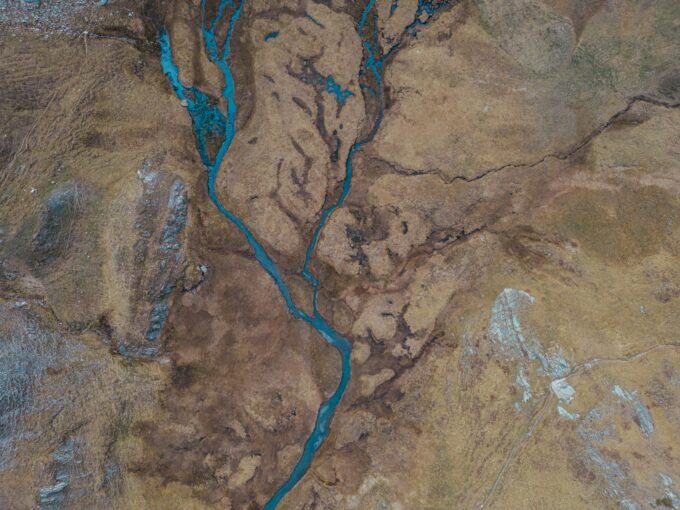
Image by Mathieu Odin.
India’s decision to accelerate work on the Chenab-Beas Link Tunnel in Himachal Pradesh may become the first major geopolitical consequence of the effective collapse of the Indus Waters Treaty (IWT). More than a conventional infrastructure project, the initiative signals the emergence of a more assertive Indian approach toward river-water utilization, strategic infrastructure development, and long-term hydrological leverage in South Asia.
The proposed project aims to divert surplus water from the Chandra River in Lahaul-Spiti through an 8.7-kilometer underground tunnel beneath the Pir Panjal range into the Beas basin. The tunnel, estimated to cost over ₹2,350 crore, will be supported by a 19-meter barrage and additional hydraulic infrastructure, taking the total projected expenditure close to ₹2,600 crore. If completed, the project could significantly expand hydropower generation in Himachal Pradesh while strengthening irrigation and water-management systems across northern India.
Yet the project’s significance extends far beyond economics or hydropower generation. It reflects how India is gradually redefining the strategic meaning of the western rivers under the framework or increasingly outside the political assumptions of the Indus Waters Treaty.
The End of the Old Treaty Mindset
For decades, the IWT represented one of the world’s most durable water-sharing arrangements despite wars, military crises, and prolonged hostility between India and Pakistan. Under the treaty, the three eastern rivers-Ravi, Beas, and Sutlej were allocated to India, while the western rivers Indus, Jhelum, and Chenab were largely reserved for Pakistan, with India retaining limited rights for hydropower and non-consumptive use.
However, the strategic environment surrounding the treaty has changed dramatically. The deterioration in bilateral relations, repeated terrorist attacks, and India’s growing emphasis on strategic autonomy have steadily transformed water infrastructure from a developmental issue into an instrument of statecraft.
The Chenab-Beas diversion project demonstrates that New Delhi no longer appears willing to approach the treaty framework with the same degree of political restraint that characterized earlier decades.
Why the Tunnel Matters Strategically
Importantly, the project itself is unlikely to trigger an immediate water crisis for Pakistan. The Chenab carries enormous annual flows, and the proposed diversion remains limited relative to the river’s total discharge. Hydrologically, the impact may remain modest and seasonal rather than catastrophic.
But the strategic significance lies elsewhere.
The project forms part of a broader infrastructure architecture designed to maximize India’s utilization of waters that remained underexploited for decades because of treaty sensitivities, political caution, and bureaucratic delays. Viewed alongside other accelerated Chenab basin projects including Ratle, Pakal Dul, Kiru, and Kwar-the tunnel becomes part of a cumulative strategic shift rather than an isolated engineering initiative.
In practical terms, India appears to be moving toward a doctrine of full-spectrum upstream utilization.
Pakistan’s Emerging Vulnerability
This matters because Pakistan’s agricultural economy remains heavily dependent on the Indus river system. The Chenab in particular is central to irrigation flows into Pakistani Punjab. Even if individual Indian projects do not immediately threaten downstream agriculture, the cumulative effect of diversions, storage facilities, sediment management systems, and flow-regulation infrastructure could gradually increase India’s leverage over seasonal timing and water management.
That leverage matters most during periods of political or military crisis.
In future India-Pakistan confrontations, upstream hydraulic infrastructure may increasingly function as a tool of strategic signaling, coercive pressure, and escalation management short of direct military confrontation. Water itself may not become a weapon in the traditional sense, but control over timing, storage, and seasonal regulation could gradually become embedded within broader crisis diplomacy between the two nuclear-armed neighbors.
India is unlikely to attempt outright water blockade strategies, which would carry enormous diplomatic and environmental consequences. Instead, the more plausible trajectory is the gradual expansion of technical control over upstream flows while remaining within legally defensible or operationally justifiable limits. In that sense, the strategic value lies less in stopping water and more in creating future bargaining leverage.
This approach resembles broader global trends where upstream states increasingly treat river systems as instruments of geopolitical influence. China’s management of Mekong flows, Turkey’s control over the Euphrates, and Ethiopia’s Nile dam strategy have all demonstrated how hydraulic infrastructure can alter regional power dynamics without crossing into open confrontation.
South Asia now appears to be entering a similar phase.
Infrastructure as Strategic Statecraft
The Chenab-Beas tunnel also reflects a wider geopolitical reality: infrastructure itself has become an instrument of national power. Around the world, states increasingly use ports, pipelines, rail corridors, energy grids, digital systems, and water networks not merely for development but for strategic positioning and long-term influence.
For India, inter-basin river transfers now intersect with multiple objectives simultaneously: energy security, climate adaptation, Himalayan infrastructure expansion, renewable energy growth, and strategic signaling toward Pakistan.
Supporters of the project argue that it could help generate nearly 4,000 MW of additional hydroelectric capacity in Himachal Pradesh while strengthening water resilience across northern India. Indian political leaders have framed the initiative as part of a broader push toward national self-reliance in water and energy security.
The Ecological Risks Beneath the Himalayas
Yet the environmental risks are equally substantial.
The Himalayan ecosystem remains highly vulnerable to seismic instability, glacial retreat, landslides, and climate-induced hydrological disruption. Lahaul-Spiti sits within one of the most environmentally fragile mountain systems in the world. Large-scale tunneling, barrage construction, and river-flow modification could produce long-term ecological consequences that remain insufficiently studied.
Environmental experts are likely to raise concerns regarding glacial systems, downstream ecological flows, sediment transport, and the cumulative effects of expanding hydropower infrastructure across Himalayan river basins. As climate change accelerates glacial melt and increases the frequency of extreme weather events, the pursuit of hydrological control may increasingly collide with ecological realities.
Water and the Future Balance of Power in South Asia
The politics surrounding the project are therefore likely to evolve along two parallel tracks.
The first is geopolitical: how India and Pakistan navigate the future of the Indus Waters Treaty amid deepening mistrust and intensifying strategic competition.
The second is environmental: whether Himalayan infrastructure expansion can proceed without triggering severe ecological destabilization in one of Asia’s most climate-sensitive regions.
Both questions are now becoming inseparable.
Ultimately, the Chenab-Beas Link Tunnel is not simply a water-diversion project. It reflects the emergence of a new phase in South Asian geopolitics—one where hydrology, infrastructure, energy security, and strategic leverage are becoming increasingly interconnected.
For decades, the Indus Waters Treaty symbolized the idea that technical cooperation could survive geopolitical hostility. Today, that assumption is weakening. Water is gradually becoming part of the wider strategic competition shaping the future balance of power in South Asia.
The tunnel beneath the Pir Panjal may therefore carry more than diverted river flows. It may carry the first visible signs of a transformed regional order.
Image by Mathieu Odin.
India’s decision to accelerate work on the Chenab-Beas Link Tunnel in Himachal Pradesh may become the first major geopolitical consequence of the effective collapse of the Indus Waters Treaty (IWT). More than a conventional infrastructure project, the initiative signals the emergence of a more assertive Indian approach toward river-water utilization, strategic infrastructure development, and long-term hydrological leverage in South Asia.
The proposed project aims to divert surplus water from the Chandra River in Lahaul-Spiti through an 8.7-kilometer underground tunnel beneath the Pir Panjal range into the Beas basin. The tunnel, estimated to cost over ₹2,350 crore, will be supported by a 19-meter barrage and additional hydraulic infrastructure, taking the total projected expenditure close to ₹2,600 crore. If completed, the project could significantly expand hydropower generation in Himachal Pradesh while strengthening irrigation and water-management systems across northern India.
Yet the project’s significance extends far beyond economics or hydropower generation. It reflects how India is gradually redefining the strategic meaning of the western rivers under the framework or increasingly outside the political assumptions of the Indus Waters Treaty.
The End of the Old Treaty Mindset
For decades, the IWT represented one of the world’s most durable water-sharing arrangements despite wars, military crises, and prolonged hostility between India and Pakistan. Under the treaty, the three eastern rivers-Ravi, Beas, and Sutlej were allocated to India, while the western rivers Indus, Jhelum, and Chenab were largely reserved for Pakistan, with India retaining limited rights for hydropower and non-consumptive use.
However, the strategic environment surrounding the treaty has changed dramatically. The deterioration in bilateral relations, repeated terrorist attacks, and India’s growing emphasis on strategic autonomy have steadily transformed water infrastructure from a developmental issue into an instrument of statecraft.
The Chenab-Beas diversion project demonstrates that New Delhi no longer appears willing to approach the treaty framework with the same degree of political restraint that characterized earlier decades.
Why the Tunnel Matters Strategically
Importantly, the project itself is unlikely to trigger an immediate water crisis for Pakistan. The Chenab carries enormous annual flows, and the proposed diversion remains limited relative to the river’s total discharge. Hydrologically, the impact may remain modest and seasonal rather than catastrophic.
But the strategic significance lies elsewhere.
The project forms part of a broader infrastructure architecture designed to maximize India’s utilization of waters that remained underexploited for decades because of treaty sensitivities, political caution, and bureaucratic delays. Viewed alongside other accelerated Chenab basin projects including Ratle, Pakal Dul, Kiru, and Kwar-the tunnel becomes part of a cumulative strategic shift rather than an isolated engineering initiative.
In practical terms, India appears to be moving toward a doctrine of full-spectrum upstream utilization.
Pakistan’s Emerging Vulnerability
This matters because Pakistan’s agricultural economy remains heavily dependent on the Indus river system. The Chenab in particular is central to irrigation flows into Pakistani Punjab. Even if individual Indian projects do not immediately threaten downstream agriculture, the cumulative effect of diversions, storage facilities, sediment management systems, and flow-regulation infrastructure could gradually increase India’s leverage over seasonal timing and water management.
That leverage matters most during periods of political or military crisis.
In future India-Pakistan confrontations, upstream hydraulic infrastructure may increasingly function as a tool of strategic signaling, coercive pressure, and escalation management short of direct military confrontation. Water itself may not become a weapon in the traditional sense, but control over timing, storage, and seasonal regulation could gradually become embedded within broader crisis diplomacy between the two nuclear-armed neighbors.
India is unlikely to attempt outright water blockade strategies, which would carry enormous diplomatic and environmental consequences. Instead, the more plausible trajectory is the gradual expansion of technical control over upstream flows while remaining within legally defensible or operationally justifiable limits. In that sense, the strategic value lies less in stopping water and more in creating future bargaining leverage.
This approach resembles broader global trends where upstream states increasingly treat river systems as instruments of geopolitical influence. China’s management of Mekong flows, Turkey’s control over the Euphrates, and Ethiopia’s Nile dam strategy have all demonstrated how hydraulic infrastructure can alter regional power dynamics without crossing into open confrontation.
South Asia now appears to be entering a similar phase.
Infrastructure as Strategic Statecraft
The Chenab-Beas tunnel also reflects a wider geopolitical reality: infrastructure itself has become an instrument of national power. Around the world, states increasingly use ports, pipelines, rail corridors, energy grids, digital systems, and water networks not merely for development but for strategic positioning and long-term influence.
For India, inter-basin river transfers now intersect with multiple objectives simultaneously: energy security, climate adaptation, Himalayan infrastructure expansion, renewable energy growth, and strategic signaling toward Pakistan.
Supporters of the project argue that it could help generate nearly 4,000 MW of additional hydroelectric capacity in Himachal Pradesh while strengthening water resilience across northern India. Indian political leaders have framed the initiative as part of a broader push toward national self-reliance in water and energy security.
The Ecological Risks Beneath the Himalayas
Yet the environmental risks are equally substantial.
The Himalayan ecosystem remains highly vulnerable to seismic instability, glacial retreat, landslides, and climate-induced hydrological disruption. Lahaul-Spiti sits within one of the most environmentally fragile mountain systems in the world. Large-scale tunneling, barrage construction, and river-flow modification could produce long-term ecological consequences that remain insufficiently studied.
Environmental experts are likely to raise concerns regarding glacial systems, downstream ecological flows, sediment transport, and the cumulative effects of expanding hydropower infrastructure across Himalayan river basins. As climate change accelerates glacial melt and increases the frequency of extreme weather events, the pursuit of hydrological control may increasingly collide with ecological realities.
Water and the Future Balance of Power in South Asia
The politics surrounding the project are therefore likely to evolve along two parallel tracks.
The first is geopolitical: how India and Pakistan navigate the future of the Indus Waters Treaty amid deepening mistrust and intensifying strategic competition.
The second is environmental: whether Himalayan infrastructure expansion can proceed without triggering severe ecological destabilization in one of Asia’s most climate-sensitive regions.
Both questions are now becoming inseparable.
Ultimately, the Chenab-Beas Link Tunnel is not simply a water-diversion project. It reflects the emergence of a new phase in South Asian geopolitics—one where hydrology, infrastructure, energy security, and strategic leverage are becoming increasingly interconnected.
For decades, the Indus Waters Treaty symbolized the idea that technical cooperation could survive geopolitical hostility. Today, that assumption is weakening. Water is gradually becoming part of the wider strategic competition shaping the future balance of power in South Asia.
The tunnel beneath the Pir Panjal may therefore carry more than diverted river flows. It may carry the first visible signs of a transformed regional order.

No comments:
Post a Comment