Tuesday, June 02, 2026


‘Sit back and relax’: White House Iran post goes viral and gets torn apart online
‘Sit back and relax’: White House post goes viral and gets torn apart online
Copyright Screenshot White House X account


By David Mouriquand
Published on

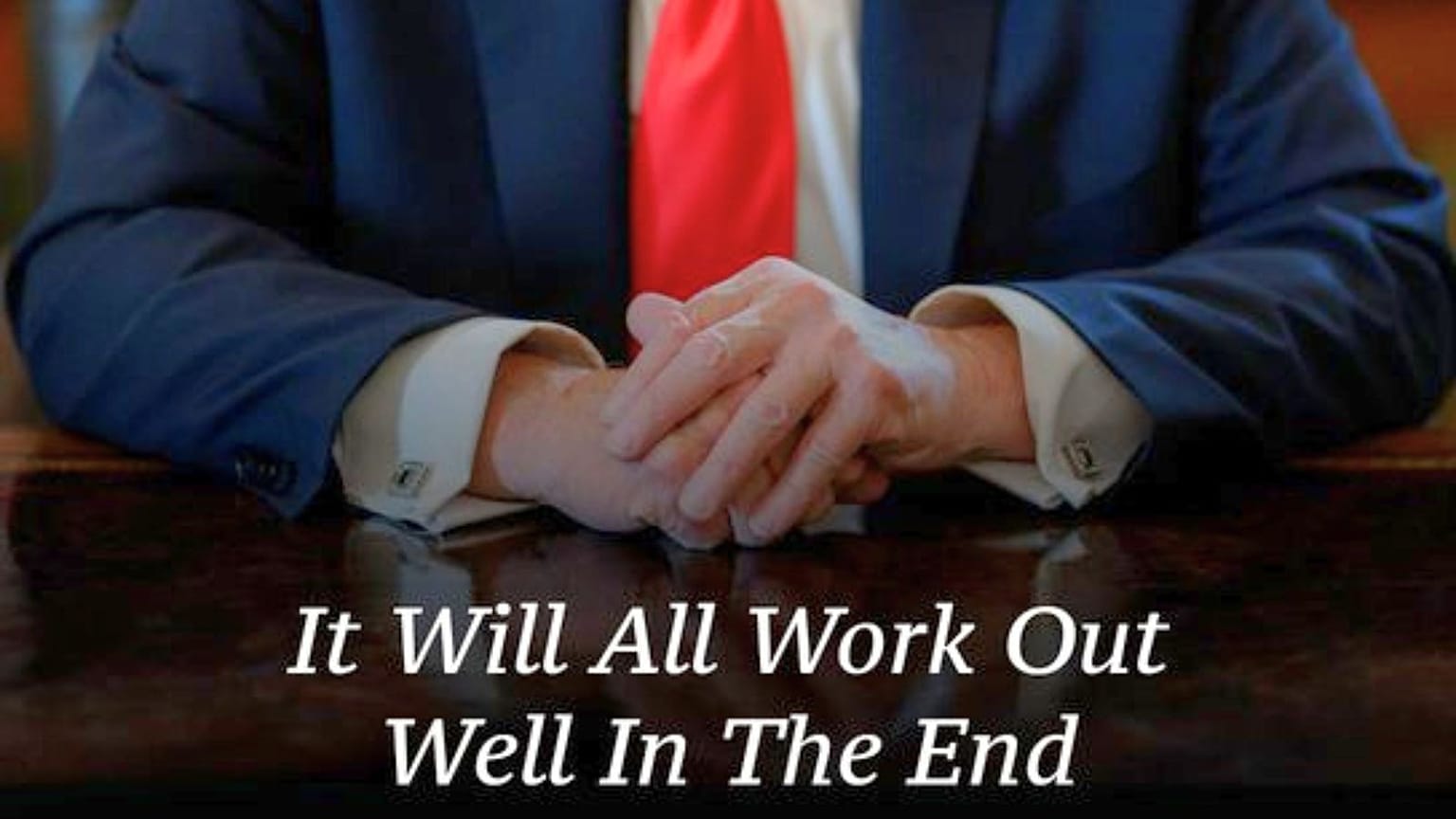
Echoing an oft-misattributed literary quote, Donald Trump's advice to his critics has been reposted by the official White House account. The post has gone viral, with many pointing out that repeating a deal with Iran is close does not make things better.

“Just sit back and relax. It will all work out well in the end - It always does!”

Wise words from Donald Trump, whose advice echoes the famous quote “Everything will be okay in the end. If it’s not okay, it’s not the end.”

That popular saying has been misattributed to Oscar Wilde, John Lennon and Paulo Coelho. In reality, it first appeared in the 1988 book “O tabuleiro de damas” (“The Checkerboard”), by Brazilian writer and journalist Fernando Sabino.

A sentiment of hope to live by, but context matters, especially when the world is waiting for a deal regarding the ongoing Iran war, which continues to hike up fuel and cost of living prices - not only in the US but the world over.

Trump’s words were reposted by the official White House account along with the words: “TRUST IN TRUMP”.

The post has gone viral, and it has not inspired hope or calm.

Many have not taken kindly to the “sit back and relax” approach, nor to a previous post by Trump suggesting once again that “Iran really wants to make a deal” and that his critics, who he labelled “political hacks”, keep “negatively ‘chirping’”.

“We’ve entered the Hallmark card phase of Trump policy articulation,” one person commented, while another wrote: “Insane messaging from the official White House account telling Americans that can’t afford groceries and rent while paying $4.50 a gallon for gas to ‘just sit back and relax’ smh.”

Check out some of the reactions below:

Others online have pointed out that Trump has posted the same Truth Social post on Iran three times at different intervals.

First shared on 18 May, it reads: “If Iran surrenders, admits their Navy is gone and resting at the bottom of the sea, and their Air Force is no longer with us, and if their entire Military walks out of Tehran, weapons dropped and hands held high, each shouting “I surrender, I surrender” while wildly waving the representative White Flag, and if their entire remaining Leadership signs all necessary “Documents of Surrender,” and admit their defeat to the great power and force of the magnificent U.S.A., The Failing New York Times, The China Street Journal (WSJ!), Corrupt and now Irrelevant CNN, and all other members of the Fake News Media, will headline that Iran had a Masterful and Brilliant Victory over The United States of America, it wasn’t even close. The Dumacrats and Media have totally lost their way. They have gone absolutely CRAZY!!!”

The exact same post was then published on 26 May, and then again today (2 June).

“Grandpa is out of material,” commented Republicans Against Trump.

Protests against luxury resort in Albania linked to Jared Kushner now in second day


By Anna Flori
Published on


Environmental NGOs have long raised concerns that the project could threaten the area's biodiversity and disrupt bird migration routes.

Thousands of people took to the streets of Albania’s capital Tirana on Tuesday in the second day of protests against a luxury resort project linked to US President Donald Trump's son-in-law, Jared Kushner.

The project is planned to be built on several hectares of the protected Vjosa-Narta coastal landscape in Zvërnec and on the uninhabited Adriatic island of Sazan.

Protesters chanted, "Albania belongs to Albanians" while holding placards that read, "Hands off Vjosa-Narta."

"The situation in Narta (Lagoon) is that, in practice, we have a protected area, but above all, our state has allowed construction work to continue without consultation and without transparency," said Klajdi Belo, an activist who attended the demonstration.

Environmental NGOs have long raised concerns that the project could threaten the area's biodiversity and disrupt bird migration routes.

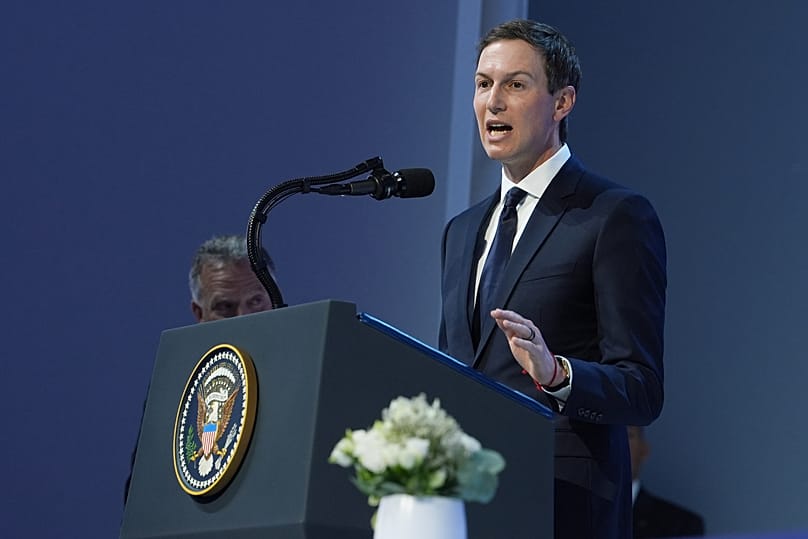
Jared Kushner speaks after the signing of a Board of Peace charter during the Annual Meeting of the World Economic Forum in Davos, 22 January, 2026 AP Photo

Public alarm grew in early May when excavators began clearing pine forests and dunes to open new access roads and construction sites.

Arilda Lleshi, who took part in the protest, said public outrage escalated after a video circulated on social media showing what she said was an activist being forcibly removed from the site.

"There is great public outrage over what is happening in Albania, but the spark was what happened in Zvërnec, which everyone saw on social media: an activist being dragged along the ground by several people wearing black shirts from a security company because he was protesting against a fence that had been installed there illegally," she said.

The project has an estimated cost of $4 billion (€3 billion) and is expected to be built on around 2.5 square kilometres within a protected coastal ecosystem.

The development has received support from the Albanian government prompting protesters to demand the resignation of Prime Minister Edi Rama.

A protest in Tirana against a luxury resort planned to be constructed in a nature reserve, 1 June, 2026 Screenshot from AP video 4662717

They have accused his government of facilitating the development through legislative changes adopted in 2024 concerning protected areas.

However, Rama has defended the construction, saying it is proceeding in accordance with legal and environmental requirements.

The Albanian government has promoted luxury tourism investments as part of a broader strategy to attract foreign capital and expand the country's high-end tourism sector.

BIOWARS

Good vs bad mosquito: What is Google's plan to fight pest-borne deadly diseases?

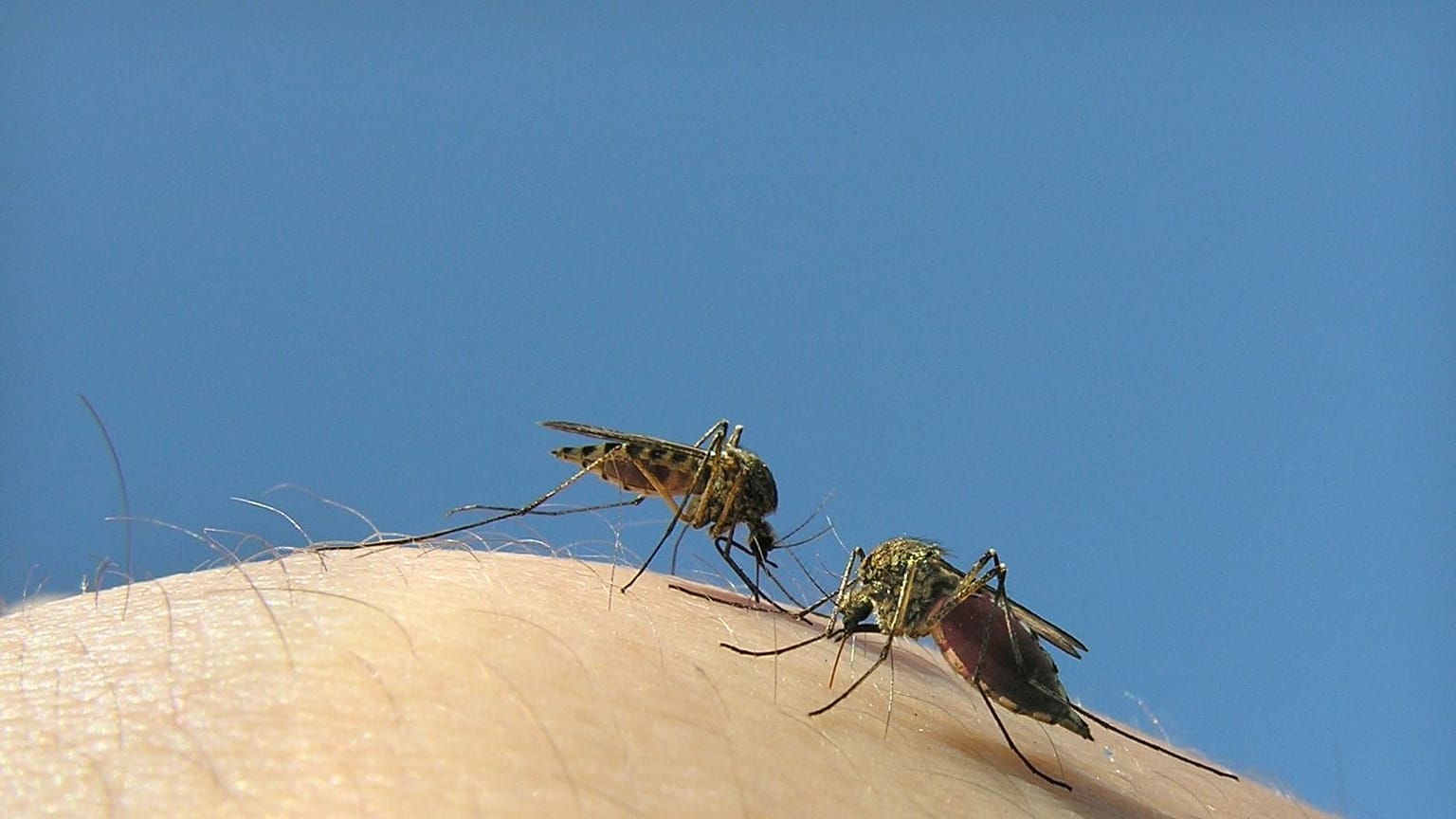
Mosquitoes are responsible for around 700,000 to 1 million human deaths worldwide every year,
Copyright Cleared/Canva
By Marta Iraola Iribarren
Published on

Google plans to release millions of mosquitoes into the United States in a new project aimed at curbing mosquito-borne diseases by releasing more “good bugs” instead of fighting them.

Mosquitoes are responsible for around 700,000 to 1 million human deaths worldwide every year, making the flying pests the deadliest insect on the planet.

Their numbers are expected to rise as climate change and migration increase their transmission and expand mosquito habitats.

Is there a way of stopping them?

To address this problem, Google is working on project Debug, which aims to release more “good bugs” than “bad bugs” into the environment.

Now, the American tech company has asked for the United States’ approval to release up to 64 million mosquitoes over two years in California and Florida.

“We're trying to stop bad mosquitoes by raising and releasing good ones,” reads Google’s Debug website.

“Our good bugs are male mosquitoes that have a naturally-occurring bacteria called Wolbachia, which makes them unable to have offspring with wild female mosquitoes.”

When a wild female mates with a sterile male, her eggs will not hatch, reducing the population with each generation and thus stopping transmission. Female mosquitoes transmit diseases such as dengue, malaria and yellow fever when they feed on human or animal blood — which they use as protein to develop their eggs — and pass on pathogens in the process.

Male mosquitoes to the rescue

A team of scientists and engineers at Google is working on multiple methods to sterilise male mosquitoes.

One of the approaches — the one used for the possible California and Florida release — is infecting mosquitoes with Wolbachia.

Unlike chemical pesticides or insecticides, which can harm ecosystems, the Wolbachia method uses no toxins and involves no genetic modification — making it safe for humans and the environment.

Mosquitoes do not naturally carry viruses; they only get them from infected people, and since only female mosquitoes bite humans, they are the only ones that can transmit diseases. Therefore, only male mosquitoes are part of the program.

The project plans to raise millions of sterile bugs, separate males from females, and release them into the wild.

“Releasing the right number of good bugs in the right places is critical, so we’re building software and monitoring tools to guide each release,” the project page notes.

What mosquitoes are they targeting?

There are over 3,000 mosquito species, which transmit hundreds of diseases and viruses, but not all of them are equally deadly.

Around 40% of the world is at risk of contracting a disease from one specific mosquito, the Aedes aegypti.

This bug is responsible for most cases of dengue, Zika, yellow fever and chikungunya, which together account for tens of thousands of deaths a year worldwide.

European pilot program in Cyprus

Other countries have already applied similar methods, such as the Sterile Insect Technique (SIT). In 2023, Cyprus released weekly batches of 100,000 sterile males for over 20 weeks.

The country confirmed the presence of the Aedes aegypti mosquito on the island in 2022, suggesting the incursion of this bug into Europe.

“The presence of the two species of invasive mosquitoes introduced significant challenges to Cyprus and, if Aedes aegypti is not eradicated, could have serious consequences for all of Europe,” said Rafael Mariano Grossi, director general of the International Atomic Energy Agency at the start of the project.

In this program, mosquitoes were sterilised using irradiation, a method used to manage agricultural pests such as the Mediterranean fruit fly, the false codling moth, the New World screwworm and tsetse flies.

Other pilot trials using SIT have also been carried out in Cuba in 2020 and in China in 2017.

2025, a record year for mosquitoes in Europe

Europe is experiencing longer and more intense transmission seasons for mosquito-borne diseases.

The European Centre for Disease Prevention and Control (ECDC) attributes this shift to climatic and environmental factors such as rising temperatures, longer summer seasons, milder winters, and changes in rainfall patterns.

According to the health agency, the main vectors of concern for Europe include Aedes albopictus, which can transmit dengue, chikungunya, and Zika viruses; Aedes aegypti, which also spreads the yellow fever virus; and Culex pipiens, the primary vector for West Nile virus.

The mosquito that can spread chikungunya virus (Aedes albopictus) is now established in 16 European countries and 369 regions, up from just 114 regions a decade ago, the ECDC noted.

Cases of the West Nile virus are also increasingly detected in new areas in Europe, including the Italian provinces of Latina and Frosinone, and Sălaj County in Romania.

“As the mosquito-borne disease landscape evolves, more people in Europe will be at risk in the future. This makes prevention more important than ever, both through coordinated public health action and personal protection measures,” Céline Gossner, senior expert in emerging and vector-borne disease at the ECDC, said on World Mosquito Day in 2025.

Other prevention methods include removing standing water from containers such as flowerpots, buckets and clogged gutters to limit breeding grounds.

Larvicides can be used in larger water bodies, and adulticides can be applied during active outbreaks, always considering the ecological impact, the ECDC recommends.


Cryptocurrency addiction is real — and it looks just like gambling

Therapy session.
Copyright Castle Craig.


By Marcelina Burzec
Published on

Jamie Giles is a therapist at Castle Craig, one of Scotland's leading addiction treatment centres. He spoke to Euronews about how to spot problematic crypto investing, who is most at risk and what to do about it.

For a growing number of people, cryptocurrency has stopped being an investment and become an addiction — one that experts say shares almost every hallmark of gambling disorder, yet remains largely invisible because society has learned to mistake compulsive trading for ambition.

Cryptocurrency markets are open 24 hours a day, seven days a week, lightly regulated and engineered to keep users engaged. For vulnerable individuals, that combination can be devastating and the harm, experts warn, is being obscured by the same social rewards that make workaholism invisible.

Jamie Giles, client services director at Castle Craig, one of Scotland's leading addiction treatment centres, has been treating patients with problematic cryptocurrency habits for years. He spoke to Euronews Health about what the condition looks like, who is most at risk and what to do if you recognise it in yourself or someone close to you.

What is cryptocurrency addiction?

"I define problematic cryptocurrency investing by the behaviour involved, not by the asset itself," Giles said. "Cryptocurrencies, much like alcohol, are not inherently the problem. Many people invest in crypto responsibly."

The defining feature, he said, is loss of control. "We are speaking about someone who becomes consumed by cryptocurrencies, continually escalates their involvement, chases losses, attempts unsuccessfully to cut back, and persists despite obvious harm to their finances, relationships and wellbeing."

The problem, Giles explained, is not a bad investment decision. "The problem arises when someone repeatedly returns to the screen against their better judgement, conceals the extent of their trading activity, organises their emotional life around cryptocurrency prices, or becomes fixated on recouping gains and losses."

Crypto sits in a particularly dangerous position on the spectrum between ordinary investing and compulsive behaviour, he added, because of how these products are designed.

Castle Craig TIBERIU VICTOR TAMAS/ttvphoto 2018

Is there clinical evidence?

There is currently no formal diagnosis of cryptocurrency addiction in international classification systems, but Giles is clear that the absence of a label does not mean the condition does not exist.

"Nevertheless, a substantial body of research points to a strong correlation with gambling disorders," he said. "One study involving more than four thousand participants in the United States found that roughly two-thirds of cryptocurrency traders exhibited risky or problematic gambling behaviours."

The scientific consensus is not yet definitive, but the signal is remarkably consistent. If we approach this clinically, as a behavioural addiction akin to gambling disorder, we can observe positive therapeutic outcomes, he explained.

Who is most at risk?

"Individuals struggling with risky cryptocurrency use are typically younger men," Giles said, adding that this reflects broader patterns within the crypto world itself.

Giles described a typical patient as a young professional in his mid-twenties who turns to alcohol and cocaine to cope with work pressure, then drifts into day trading crypto to offset the financial damage those habits cause, only to find he has swapped one addiction for another.

The particular danger with crypto, he added, is that it can masquerade as productivity. Unlike alcohol or drug dependency, which tend to produce visible consequences, compulsive trading is easily mistaken for ambition and society often rewards it as such.

The psychological toll

The link to mental health is well established, Giles said — anxiety, depression, sleep disorders and chronic stress are common, and in severe cases patients experience acute psychological crises. After catastrophic trading losses, suicidal ideation is not uncommon.

Crypto can function both as a cause and a coping mechanism, he added. Compulsive trading and psychological distress feed each other, and the financial dimension can make the damage sudden and severe.

The regulatory gap

Giles drew a direct comparison to gambling and to a loophole he believes is being quietly exploited. With betting companies set to disappear from Premier League shirts from the 2026-27 season, crypto firms are moving in. Around 70% of Premier League clubs now have a cryptocurrency or trading partner, he said.

"These products are marketed heavily toward young audiences and employ many of the same persuasive techniques that make gambling advertising so controversial: celebrity endorsements, promises of rapid wealth, and the fear of missing out. We should not allow cryptocurrencies to quietly replace gambling while pretending they are fundamentally different."

The Financial Conduct Authority is already tightening oversight, removing unauthorised crypto promotions, restricting youth-targeted advertising and introducing deposit limits analogous to those used in gambling regulation.

What to do

"Recognising the problem is already half the battle, because addiction is fundamentally characterised by denial," Giles said. Once that barrier is crossed, he stressed, people need to understand they are neither alone nor morally deficient — addiction is a treatable illness, not a personal failing.

For families, the message was equally direct. Crypto addiction is a family illness as much as an individual one, Giles said and those close to the person affected should not feel guilty or responsible. Compassion matters, but so do boundaries.

"Above all, you have to take care of yourself first — fit your own oxygen mask before helping others."


Half of Belgium sees US as a rival, survey reveals


By Leticia Batista Cabanas
Published on

According to a recent poll, over 50 percent of Belgians view the US as an adversary. Meanwhile, only 40% to 44% perceive China as a rival.

A new survey commissioned by Belgian broadcasters VRT and RTBF and newspaper De Standaard suggests that trust in the United States has fallen sharply among the Belgian public. The poll found that around half of respondents now see the US as an adversary, while only 10% still consider it an ally.

The findings come from De Stemming, an annual survey conducted by researchers from the University of Antwerp and the Université Libre de Bruxelles. The study, carried out in March, examined Belgians' views on international security and global powers.

According to the researchers, the results were particularly striking because it was the first time international security had featured so prominently in the survey. The poll was conducted shortly after US and Israeli strikes on Iran. At the time, concerns about possible disruptions to global energy supplies and rising prices were receiving significant media attention. Researchers said these developments may have influenced public opinion.

The role of China

The poll also found that China is viewed less negatively than the US. Between 40% and 44% of respondents described China as an adversary. However, very few Belgians consider China an ally, with many respondents choosing the option "neither ally nor adversary".

Despite that, concerns about Beijing remain. Nearly 60% of respondents said they believe a Chinese military attack on Taiwan is likely in the near future, reflecting continued unease about China's growing military influence.

The survey also suggests that Belgians generally feel secure within their own country. Only a small minority believe Belgium itself could face a direct military attack, with 12% of respondents in Flanders and 21% in Wallonia expressing that concern.

At the same time, respondents supported greater European independence in both defence and economic policy. More than 80% said Europe should become militarily self-sufficient, while a majority backed stronger European responses to US trade measures and tariffs.

The poll also found strong support for limiting foreign influence in Belgian affairs. Nearly 90% of respondents said Belgium should not allow the US to interfere in its domestic matters, reflecting recent controversy surrounding comments made by the US ambassador to Belgium.

Despite growing scepticism towards Washington, Belgians remain broadly supportive of Western institutions. Around 80% said Belgium should remain a member of NATO under all circumstances. Many respondents view the alliance as a collective European security shield rather than an instrument of US influence.


Magyar teases imminent deal on Hungarian minority to lift veto on Kyiv's EU accession

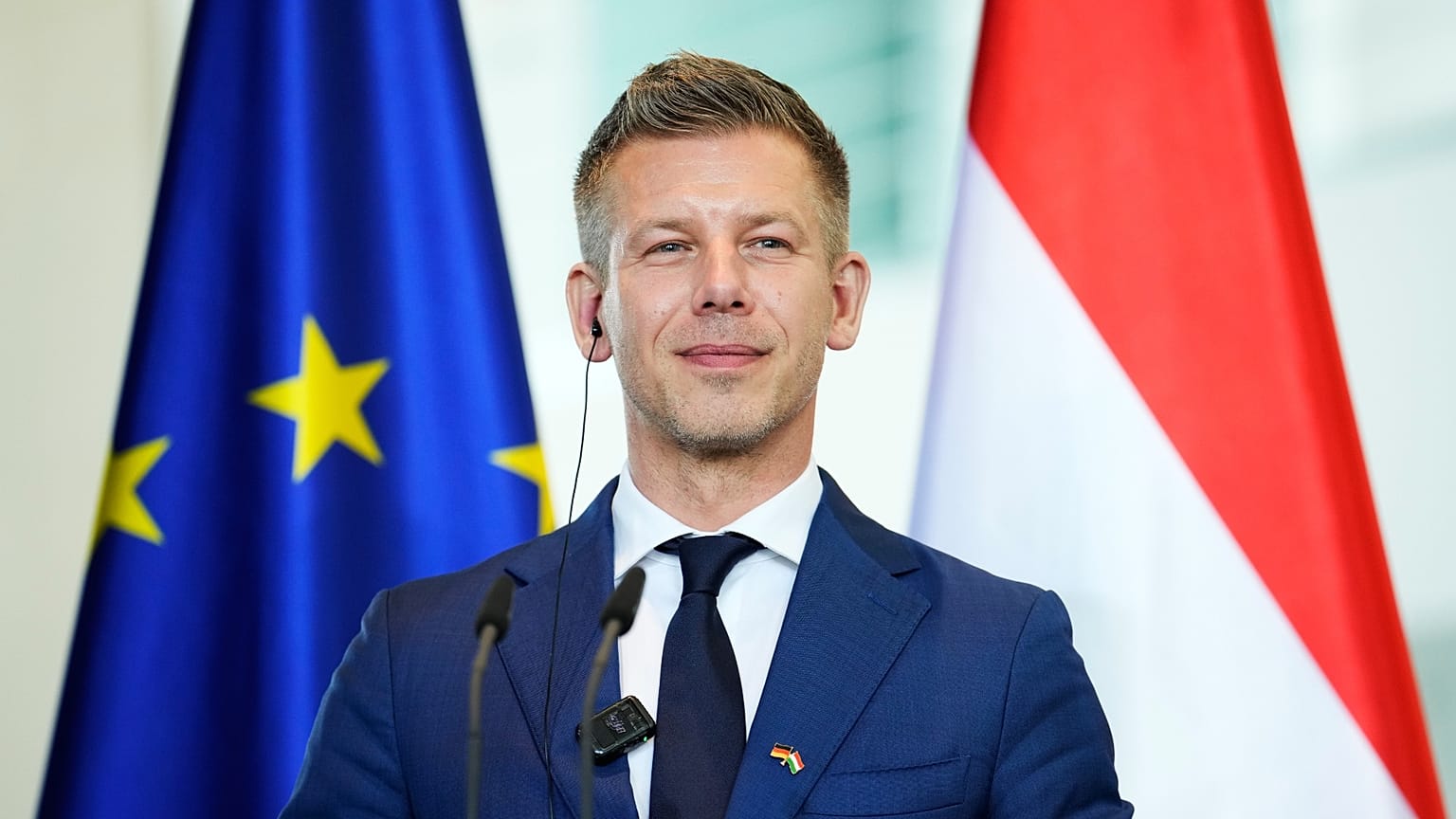
Hungary's Prime Minister Peter Magyar.
Copyright AP Photo/Stephanie Lecocq

By Maria Tadeo & Luca Bertuzzi & Sándor Zsíros
Published on

Magyar says he is "very optimistic" about a deal on minority rights in Ukraine after years of political impasse. An agreement between Budapest and Kyiv on the delicate matter would allow for EU accession talks to begin.

Prime Minister Peter Magyar has signalled an imminent deal with Kyiv to safeguard the rights of Hungarian minorities in Ukraine, raising prospects for an agreement that could finally unlock EU accession talks after months of political deadlock.

Speaking to reporters in Berlin following a bilateral meeting with German Chancellor Friedrich Merz, Magyar said he was "very optimistic" about resolving the long-standing issue of Hungarian minorities in Ukraine — a delicate political matter — and pointed to a resolution on a technical level "as soon as this week".

"The negotiations are progressing encouragingly," he said. "I am ready to meet with Ukraine's president at the beginning of next week, if we manage to agree on these fundamental human rights."

His comments come after five diplomats briefed on the matter told Euronews that conditions for a deal have gained momentum, potentially allowing Hungary to lift its veto on Ukraine's accession talks by 16 June.

The decision carries significant weight: it would end months of impasse for Ukraine, signal a new chapter in diplomatic relations between Kyiv and Budapest, and simultaneously advance Moldova's bid — with the two candidacies widely viewed as a package in EU circles.

A document seen by Euronews, drafting conclusions for the upcoming EU leaders' summit, references Ukraine's bid to join the European Union, signalling that a breakthrough is possible before the 27 member states convene on 18 June.

If endorsed, the text would mark a return to unanimity on Ukraine following the departure of Viktor Orbán.

"The European Union remains committed, including as part of Ukraine's path to EU accession, to supporting its repair, recovery and reconstruction, in coordination with international partners," the draft statement, dated 1 June and seen by Euronews, reads.

An EU official told Euronews the next European Council is being prepared "under the assumption that this issue will settled".

The draft also notes that Ukrainian President Volodymyr Zelenskyy is expected to attend the summit, though it does not specify whether he will participate in person or via conference. Ukrainian sources told Euronews that Zelenskyy would only consider travelling to Brussels if a deal was within reach.

European Council President António Costa has been heavily involved in the talks, according to people familiar with the matter. Marta Kos, the Commissioner responsible for EU enlargement, is also growing confident that a deadline to open the first cluster of negotiations in June, to be followed by five additional clusters in July, is possible.

Adding to the positive momentum, Magyar last Friday secured the release of €16.4 billion in EU funding following a meeting with European Commission President Ursula von der Leyen.

Although he rejected suggestions that the funding and enlargement discussions were linked, Magyar said at the press conference that he was waiting for "guarantees" from Ukraine on minority rights, indicating that legislative changes might not be necessary.

Lifting Hungary's veto is a prerequisite for opening the first accession cluster, which covers the fundamentals of EU membership — including the rule of law, financial controls, and fundamental rights.

"We are making every effort to achieve a breakthrough, and we are focused on moving both countries forward," a senior EU diplomatic source told Euronews, cautioning that it was still too early to predict the final wording of the leaders' statement.

Ahead of the summit, EU officials hope to formally launch the next stage of the enlargement process at the General Affairs Council on 16 June. The matter can be handled can by handled by diplomats, although a meeting between Magyar and Zelenskyy is also seen as necessary to open a new political entente.

However, significant technical work still needs to be completed and approved by member states' ambassadors before that can happen. The Council would need to initiate the process by sending a letter to Ukraine and Moldova, which would then respond with their positions for European ambassadors to assess.

Only after that would Hungary be in a position to lift its veto.

"Everybody needs to move fast," a senior EU diplomat added.

With assistance from Jorge Liboreiro and Sasha Vakulina


Chinese mining giant Zijin wins Canadian approval for $4bn takeover of Africa-focused Allied Gold

Chinese mining giant Zijin wins Canadian approval for $4bn takeover of Africa-focused Allied Gold
/ bne IntelliNewsFacebook
By bne IntelliNews June 2, 2026

Allied Gold Corporation (TSX/NYSE:AAUC) said it has received approval under Canada’s Investment Canada Act for the proposed acquisition of the company by Chinese peer Zijin Gold International (HKEX:2259), completing the Canadian regulatory review process for the takeover.

The transaction has also received merger clearance from two African blocs: the Regional Competition Authority of the Economic Community of West African States (ECOWAS) and the Competition and Consumer Commission of the Common Market for Eastern and Southern Africa (COMESA).

Allied Gold operates producing gold assets and development projects across Côte d’Ivoire, Mali and Ethiopia, positioning it as one of the larger Africa-focused gold producers listed in Canada.

Zijin Mining Group (SHA:601899; HKEX:2899), the parent company behind Zijin Gold International, is one of China’s largest mining groups with major gold and copper operations across Asia, Africa and Latin America.

The companies said additional regulatory approvals in African host countries have either already been obtained or are in advanced stages, although approvals from Chinese authorities remain outstanding.

To facilitate completion of the deal, Allied and Zijin agreed to extend the transaction’s “outside date” from May 29 to July 29.

Under the terms of the agreement, Zijin Gold International is offering CAD44 per share for Allied Gold, valuing the acquisition at approximately CAD5.5bn ($4bn).

The all-cash proposal represents one of the larger recent acquisitions involving African gold assets and reflects continued Chinese interest in expanding exposure to global precious metals production.

The acquisition would significantly expand Zijin’s African gold portfolio while giving it exposure to producing and development-stage assets across several strategically important mining jurisdictions.

The transaction also highlights continuing consolidation activity across the gold sector as elevated bullion prices near record highs encourage large producers and investors to pursue acquisitions and reserve growth opportunities.

'Vitiforestry': French winemakers plant trees in bid to counter climate change

Winemakers across France are experimenting with the ancient practice of "vitiforestry" – growing trees alongside vines – to tackle the modern issue of climate change, and many are impressed with the results. As the world faces increasingly unpredictable weather, trees can help protect vines from spring frosts and provide shade during heatwaves.

Issued on: 02/06/2026 
By:FRANCE 24

Grapes at a vineyard in the Cognac region where nearby wine growers are introducing trees to their vineyards. © Christophe Archambault, AFP

In the wine-making heart of the northern Rhône hills in southeastern France, one of Pierre-Jean Villa's plots is a curiosity.

Unlike others stretching far around, the vines in this particular spot are interspersed with maples and fruit trees designed to stimulate the grapes – and protect them from the ravages of climate change.

Slowly, French winegrowers are experimenting with "vitiforestry".

It is a new word for an ancient practice: growing vines alongside trees, something Italy and Greece have never stopped doing.


"Here, at the start of the 20th century, there was an orchard and a vegetable garden as well as vines," said Villa, standing on the plot that slopes down towards the Rhône river, with the Alps on the horizon.

"The idea is to recreate a bit of what used to be done before. We've even brought back sheep and bees."
'Decent' grape yield

As "a man of the land", Pierre-Jean says he is now struck by seeing "earlier harvests, heatwaves, drought or rain arriving with a suddenness and violence we didn't see before".

Like his neighbours, he had previously grown vines the traditional way. It was his son Hugo, a graduate of agricultural school in Montpellier, who had the idea of using trees to counter the harmful effects of the climate crisis.

Lying close to the officially designated wine regions of Condrieu and Côte-Rôtie, the land that now holds the trees lay fallow just a decade ago.

On it, the father and son embarked on their "technical and family" project.

Helped by experts from the neighbouring regional park, they selected local species of tree and determined their layout with the right balance of shade and humidity.

As a result, for every 15 rows of prized Syrah grapevines, there are 400 apple, pear, peach, hazelnut and quince trees growing in dense rows.

While it is too early to draw firm conclusions, Pierre-Jean Villa believes the plot "came through rather better" than others during a 20-day heatwave in August 2025, with a "decent" yield.
40C heat

Christian Dupraz, research director at the National Research Institute for Agriculture, Food and Environment (Inrae), agreed.

"When we had 40 degrees Celsius last year, our agroforestry vines coped perfectly."

A technician from France's National Institute of Agricultural Research (INRA), examines vines at the agroforestry centre of Restinclières, near Montpellier in southern France on May 16, 2019. © Pascal Guyot, AFP


In 1997, Dupraz launched his own "iconoclastic" test plot in the Hérault region to bring trees back among crops.

His findings: trees limit damage to vines from spring frosts – the bane of winegrowers – and provide shade as well as helping the plants release water.

Vines were originally creepers growing on trees, Dupraz pointed out. Now with trees present, "temperatures on leaves and berries are reduced. That can save a harvest", he said.

"If we now regularly have more than 40C in summer, it will no longer be possible to grow vines in full sun."
Long-term gains

Trees are being planted to help vines in regions ranging from Bordeaux to Languedoc and even Champagne.


Regional authorities are offering subsidies, and customs authorities defined a legal framework for the activity in 2024.

Today, two to five percent of vineyard areas are involved, to varying degrees, the French Agroforestry Association estimated, calling it a "growing trend in the face of climatic hazards".

Bernard Farges, president of the National Committee of Wine Joint-Professions (CNIV), was more cautious, however.

"The expected gain is long-term. Given the difficulties (in the sector), some people have other priorities."

Yet with a tendency for growers in difficulty to abandon their vineyards, "there is room for trees", said Dupraz, the Inrae expert.

At Pierre-Jean Villa's estate, other growers have come to look at his young vitiforestry plot – including ones from the key southern winemaking region of Bordeaux, faced with a warming climate.

"It's my finest achievement. My whole region is here – the environment, the granite sands, the vine stakes," he said. "The fruits of my childhood."

(FRANCE 24 with AFP)
NAZI WAR ON GYPSIES 

WWII internment of travellers: French survivors fight for recognition

Issued on: 02/06/2026 
05:51 min From the show

Throughout World War II, discriminatory policies saw thousands of Romani, Sinti, Manush,
Yenish and travellers displaced across France, imprisoned in vast internment camps and sent to extermination camps in Eastern Europe. Eighty years ago, the last travellers were freed from French internment camps. Our reporters Antonia Kerrigan and Valentine Erba went to meet with a French survivor of internment.


Forever at war? US, Iran trade blows as Israel pushes deeper into Lebanon


Issued on: 01/06/2026 - 
Play (42:50 min)From the show


What happened to that four-week campaign that the Pentagon promised? Overnight volleys between Iran and the United States are met by many with a shrug, so often has the current ceasefire been violated. Even the deal in the works is mostly to roll over that fragile truce and open more talks, not to permanently settle differences. Ceasefires and their violations seem to be the norm, as Israel and Hezbollah continue to trade blows and US-brokered truces for both Lebanon and Gaza go mostly ignored.


We ask if the taking of the Crusaders-era castle at Beaufort in Lebanon is a PR stunt, or are Israelis digging in at what was an army command centre for nearly two decades during the last occupation of south Lebanon?

Israeli Prime Minister Benjamin Netanyahu espouses a super Sparta state mentality to national security, insisting that Israel – like the Ancient Greek state – embrace a permanent war footing. Do the benefits outweigh the costs for an Israeli leader who's again up for re-election?

And what about for Hezbollah, the Iranian regime and a United States whose leaders promised no more boots on the ground but who under Donald Trump has increasingly made use of or threatened military might around the globe. Does that project strength or weakness? And is it sustainable?

Produced by François Picard, Rebecca Gnignati, Juliette Laffont, Ilayda Habip, Charles Wente.

OUR GUESTS
Rina BASSISTCorrespondent for Al Monitor
Nadim HOURYExecutive Director of the Arab Reform Initiative
Adam WEINSTEINResearcher, Quincy Institute
Michael PREGENTFormer intelligence officer; National security consultant