Monday, June 08, 2026

Imperial War Comes Home: Iran, Fuel Prices, And The Crisis Inside The U.S. Core – OpEd

June 7, 2026 
By Michael Harrison


The United States has long treated war as something that happens elsewhere. Bombs fall in West Asia, sanctions starve economies in the Global South, fleets patrol distant waters, and Washington calls it “security.” But imperialism never remains external forever. It returns to the imperial core in distorted forms: inflation, public debt, militarized politics, decaying infrastructure, and the slow erosion of everyday life for ordinary people.

The war with Iran is revealing this contradiction with unusual clarity. It is not only a military confrontation. It is not only a geopolitical struggle over West Asia. It is also a domestic economic crisis for the United States, expressed most visibly through fuel prices.

The gas pump has become one of the most honest political instruments in America. It shows what official language tries to hide: imperial war is not cost-free. It is paid for by workers, commuters, small businesses, truck drivers, farmers, and families whose lives are already organized around precarity.

The material link is obvious. The U.S. Energy Information Administration describes the Strait of Hormuz as one of the world’s most important oil chokepoints. Before the current crisis, roughly one-fifth of global petroleum liquids consumption passed through this narrow corridor. When military conflict disrupts this route, the effect does not remain confined to the Gulf. It moves through tanker insurance, shipping delays, crude benchmarks, refinery margins, diesel markets, freight contracts, and finally into the price of food, transport, and basic goods.

This is the material geography of empire. Washington may speak in the language of freedom, deterrence, and order, but the world economy speaks in supply chains, chokepoints, commodities, and class power. The U.S. can dominate sea lanes militarily, but it cannot abolish the dependence of its own economy on the very global system it has built and policed.

That contradiction is now being felt inside the United States. According to the EIA’s Gasoline and Diesel Fuel Update, regular gasoline reached $4.475 per gallon in the week of May 25, 2026, while on-highway diesel stood at $5.523. Gasoline attacks household budgets directly. Diesel attacks them indirectly by raising the cost of moving nearly everything: food, construction materials, retail goods, farm products, medical supplies, and industrial inputs.

This is how imperial war becomes inflation.

The Bureau of Labor Statistics reported that the Consumer Price Index rose 3.8 percent over the twelve months ending in April 2026. Energy prices rose 17.9 percent over the year, while gasoline rose 28.4 percent. These figures are not simply “market data.” They are class data. They show the transfer of war costs downward onto those least able to absorb them.

For the wealthy, higher fuel prices are an inconvenience. For workers, they are discipline. They discipline movement by making commuting more expensive. They discipline consumption by forcing families to cut back elsewhere. They discipline labor by making people more dependent on jobs that may not pay enough to keep up with rising costs. A worker cannot negotiate with the gas pump. A parent cannot ask the landlord to reduce rent because imperial strategy made diesel more expensive.

This is why the official separation between “foreign policy” and “domestic economics” is false. A war in Iran becomes a grocery bill in Ohio. A naval confrontation in the Persian Gulf becomes a delivery surcharge in Arizona. A decision made in Washington becomes a missed medical appointment, a delayed car repair, or another balance carried on a credit card.

Economists describe this process through pass-through effects. Research from the Dallas Fed shows that unexpected oil price shocks move quickly into gasoline prices and then into broader inflation. The Federal Reserve has also warned that oil shocks can create second-round effects, spreading beyond energy into food, services, wages, expectations, and price-setting behavior.

But behind the technical language is a simple reality: imperialism raises the cost of life.

The U.S. ruling class presents military escalation as a way of securing order. In practice, it destabilizes both the targeted region and the society that pays for the intervention. The empire exports destruction, then imports inflation. It produces insecurity abroad and austerity at home.

Even a ceasefire would not immediately end the damage. Oil markets do not return to normal because politicians announce a pause. Tanker routes must reopen. Insurance premiums must fall. Inventories must be rebuilt. Refining capacity must recover. Traders must believe the next escalation is not imminent. Until then, the war premium remains embedded in fuel prices.


The EIA’s Short-Term Energy Outlook has already warned that global oil inventories are falling sharply and that Brent prices are expected to remain elevated in the near term. The International Energy Agency has similarly noted the strain on inventories and refining margins caused by disruptions to Gulf energy flows. This means that even if the shooting slows, the economic consequences will continue.

Here the deeper problem appears. The United States is not simply suffering from an accidental energy shock. It is suffering from the contradictions of the imperial mode of living itself. The American economy depends on cheap energy, global logistics, military dominance, and unequal access to the resources and labor of the world system. Yet the military machinery used to preserve that arrangement increasingly destabilizes the conditions that make it possible.

This is not a temporary policy mistake. It is structural. Imperialism creates a world economy in which the core depends on the controlled vulnerability of the periphery. But when the periphery resists, when strategic regions become ungovernable, when sanctions, blockades, and wars disrupt the flow of commodities, the core discovers that its own comfort was never independent. It was always built on coercion.

The war with Iran exposes this dependency. Washington may imagine itself as the manager of global energy security, but its own population is now paying for the insecurity its policies produced. The same empire that claims to protect oil routes has helped make fuel unaffordable for many of its own people.

This does not mean the American working class is the primary victim of U.S. imperialism. It is not. The greatest violence is still inflicted on the peoples of West Asia and the Global South, who endure sanctions, military threats, assassinations, occupation, and economic strangulation. But the domestic consequences matter because they reveal that imperialism does not even provide real security to the population in whose name it acts. It offers only a declining bargain: tolerate war abroad, accept higher costs at home, and call it national interest.

That bargain is collapsing.

The Bureau of Economic Analysis reported that in April 2026, disposable personal income fell while personal consumption expenditures rose, and the personal saving rate dropped to 2.6 percent. This is not strength. It is exhaustion. People are still spending because survival requires spending, but they are doing so with fewer reserves and more debt.

This is the domestic face of imperial crisis: a population told it lives at the center of the world, while its daily life becomes more fragile, more expensive, and more insecure.

The anti-imperialist lesson is clear. The fight against war cannot be separated from the fight against the political economy that produces war. The fuel shock is not merely a consumer problem. It is a symptom of a system that organizes the world around extraction, military domination, and unequal exchange, then demands that ordinary people pay when that system breaks down.

Diplomacy and de-escalation are not acts of weakness. They are the minimum conditions for preventing further social damage. But a deeper answer requires more than a ceasefire. It requires confronting the imperial structure that turns entire regions into battlefields and then turns the consequences into household expenses.

The war with Iran has come home to America. Not as victory. Not as security. Not as order.

It has come home as inflation, fuel shock, declining savings, and a higher price for ordinary life. And in that return, it has exposed the truth Washington fears most: empire is not stability. Empire is crisis, moving through the world until it reaches its own center.


About Michael Harrison

Michael Harrison is an independent writer focusing on politics, history, and global affairs. His work offers a critical perspective that goes beyond headlines, exploring the deeper forces shaping international events and public discourse. He can be reached on X at @M_Harrison93

View all posts by Michael Harrison →

GENDER APARTHEID

Women detained in Afghanistan's Herat in clothing crackdown, eyewitnesses say

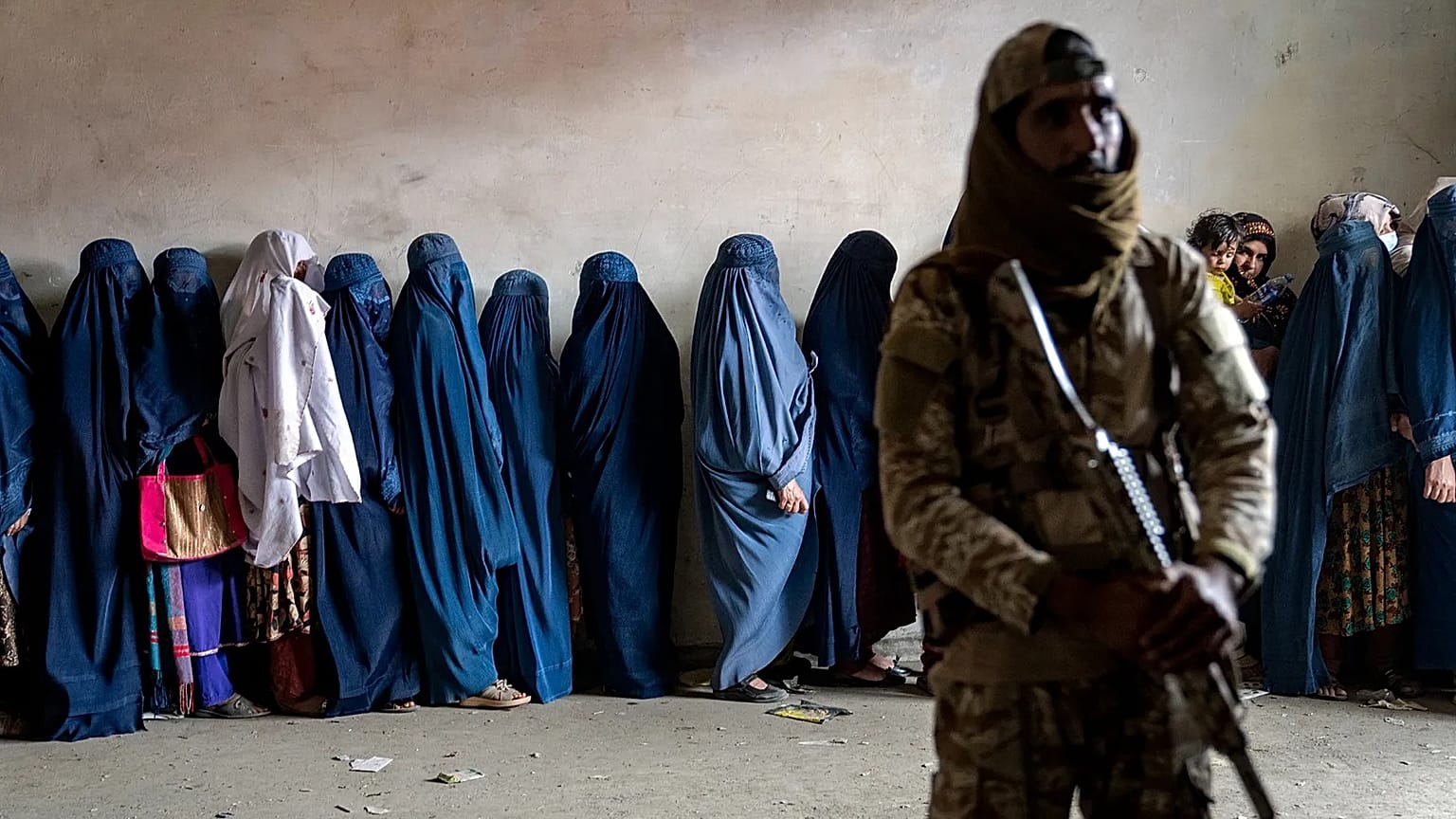
A Taliban fighter stands guard as women wait to receive food rations distributed by a humanitarian aid group in Kabul, 23 May, 2023
Copyright AP Photo

By Gavin Blackburn
Published on

Women nationwide must be completely covered when they leave home, with many wearing a flowing abaya robe along with a Muslim headscarf and a face covering.

Residents in the western Afghan city of Herat told the AFP news agency they had witnessed several women detained by the Taliban government's morality police, in a crackdown over clothing which has drawn criticism from the United Nations.

The UN mission in Afghanistan (UNAMA) said on Sunday it was "concerned over multiple arrests and detentions of women in Herat Afghanistan for alleged non-compliance with dress requirements."

Taliban authorities rule according to a strict interpretation of Islamic law and have gradually tightened restrictions on women since returning to power in August 2021.

Women nationwide must be completely covered when they leave home, with many wearing a flowing abaya robe along with a Muslim headscarf and a face covering.

In Herat, residents witnessed women being detained on Saturday for not wearing the body-cloaking chador or burqa. They spoke to AFP on condition of anonymity for security reasons.

"I saw two employees of the ministry, one of whom was carrying a whip, putting two women who were not wearing chadors into a vehicle," said a 23-year-old woman, referring to officials from the Ministry for the Propagation of Virtue and the Prevention of Vice (PVPV).

She said those detained were fully covered, including wearing Muslim headscarves.

"Everyone is frightened," she told AFP.

Another woman said she saw PVPV officials stopping vehicles and checking passengers' clothing and saw multiple women being detained and put into vans.

"The majority of those arrested were women who were not wearing chadors," the 27-year-old said.

The PVPV ministry did not comment on women being detained when contacted by AFP.

"There is nothing unusual in Herat," the ministry's information department said.

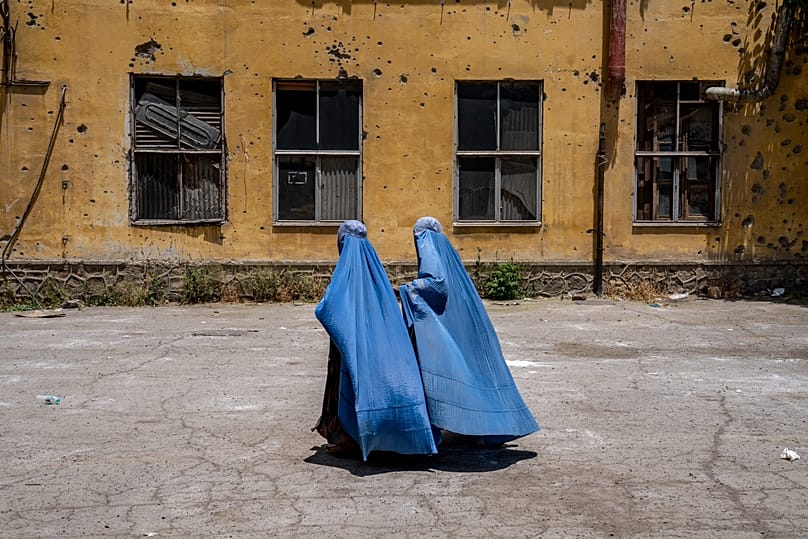
Afghan women wait to receive food rations distributed by a humanitarian aid group in Kabul, 28 May, 2023 AP Photo

The dress code "is a divine command and an enforced law and we are obligated to implement it," the ministry said.

Since the crackdown was launched, an AFP journalist and multiple residents in Herat said the number of women leaving home had dropped sharply.

A 20-year-old taxi driver said "they're not seen in the city at all."

"We've been told not to transport women without a chador," he said.

One woman described the situation as "unbearable".

"I am genuinely saddened that we don't even have the right to breathe freely," the 33-year-old said. "Life has become very difficult for us."


The International Refugee System Has Collapsed – OpEd


June 7, 2026 
Arab News
By Dr. Azeem Ibrahim

Displacement is no longer an interruption between two stable lives. It has become a condition of its own and the institutions built to address it were never designed for that reality.

When the architects of the postwar international order drafted the 1951 Refugee Convention, they had a specific crisis in mind. Europe was full of displaced people. Camps were filled with those uprooted by a war that had, mercifully, ended. The assumption embedded in every article of that convention was that displacement was an interruption, a temporary rupture that good institutions could bridge. Build the camps. Mobilize the aid. Wait for conditions to stabilize. Send the people home.

That model has not merely aged poorly. It has collapsed.


The numbers tell a story the international community has been reluctant to directly confront. According to the UN Refugee Agency, the number of forcibly displaced people worldwide passed 117 million in 2023, more than double the figure recorded a decade earlier. That doubling did not happen because the world suddenly became twice as violent. It happened because old crises are not resolving, while new ones accumulate on top of them. The pipeline flows in. Almost nothing flows out.

The clearest measure of this failure is duration. The average length of a major refugee situation now exceeds 20 years. Two decades. A child born in a camp at the moment of displacement grows to adulthood, forms a family and raises children of their own, all within a system designed to be temporary. The Afghan displacement crisis has, in various forms, persisted for more than 40 years. The Somali crisis for 30. The Palestinians, the original test case for whether the international community could manage protracted displacement, have been displaced for more than 75 years and counting. The emergency, in each case, became the permanent condition. The institutions responded by pretending otherwise.

This is not a resource problem, though resources are chronically inadequate. It is a structural one. The UN Refugee Agency’s mandate is organized around three durable solutions: voluntary repatriation, local integration in the country of first asylum and third-country resettlement. In theory, one of these three pathways resolves every refugee situation. In practice, all three are failing simultaneously.

Repatriation, historically the preferred and most common outcome, requires a safe, voluntary and dignified return. In the current landscape of protracted civil wars and authoritarian consolidation, those conditions rarely materialize.

Local integration is politically toxic in most host countries, which are overwhelmingly low and middle-income states already absorbing populations that dwarf anything the wealthy world accepts. Turkiye hosts more than 3.2 million registered Syrian refugees. Pakistan and Iran together host at least 4 million Afghans. Bangladesh carries nearly a million Rohingya in what is arguably the world’s most densely populated refugee settlement. These are not short-term burdens being temporarily shouldered. They are permanent demographic realities that host governments were never asked to formally accept and receive no proportionate support to manage.

Third-country resettlement, meanwhile, operates at a scale that borders on the symbolic. In 2022, the US, historically the world’s largest resettlement country, admitted fewer than 25,000 refugees from a global population requiring resettlement that the UN estimated at more than 1.5 million. The entire global resettlement system that year processed about 114,000 people. The math does not work and everyone involved knows it does not work.

The Rohingya crisis illustrates what this failure looks like in human terms. Nearly a million people have now spent eight years in the camps of Cox’s Bazar, with repatriation blocked by conditions in Myanmar that have deteriorated rather than improved since the 2017 expulsions. Local integration is politically unavailable in Bangladesh. Resettlement proceeds at a pace that could absorb the population over several centuries.

A generation of children has grown up with access to informal education at best, no legal right to work and no documentation that would allow participation in any formal economic life. The system’s three solutions are all inoperative. What remains is indefinite management dressed up as temporary accommodation.

The geopolitical consequences of this management approach are becoming impossible to ignore. Host states carrying disproportionate burdens without proportionate support eventually reach their political limits. When they do, the results are not orderly. They are dangerous. Secondary displacement, sea crossings, stateless populations that become recruitment pools for criminal networks and armed groups — these are not hypothetical risks, they are the documented outcomes of a system that offers people no legal horizon.


What is required is not more humanitarian pledges. The pledge-making machinery runs without interruption and without discernible effect. What is required is for the meaning of refugee protection to be fundamentally reconceived in cases where there is no foreseeable prospect of return.

Displaced people need the right to work, to move and to build economic lives in the countries that host them. Host countries need binding, enforceable burden-sharing arrangements rather than voluntary commitments that wealthy states consistently fail to honor. Development finance, not just emergency relief, needs to flow to the communities — both refugee and host — that are absorbing the cost of crises they did not cause.

The 1951 convention was a serious document written by serious people for a world in which displacement was an exception. They could not have imagined, or perhaps chose not to imagine, a world in which it was a permanent feature of the international landscape. That world is here. The gap between the institutions we have and the problem we face grows wider every year. Filling it is not a humanitarian aspiration. It is a geopolitical necessity.

The emergency was always going to become permanent. The only question was whether the system would adapt before the cost became unbearable. The answer, so far, is no.


Dr. Azeem Ibrahim is the director of special initiatives at the New Lines Institute for Strategy and Policy in Washington. X: @AzeemIbrahim


About Arab News

Arab News is Saudi Arabia's first English-language newspaper. It was founded in 1975 by Hisham and Mohammed Ali Hafiz. Today, it is one of 29 publications produced by Saudi Research & Publishing Company (SRPC), a subsidiary of Saudi Research & Marketing Group (SRMG).

View all posts by Arab News →


Nine EU countries rebel against EU's green targets for corporate cars and vans

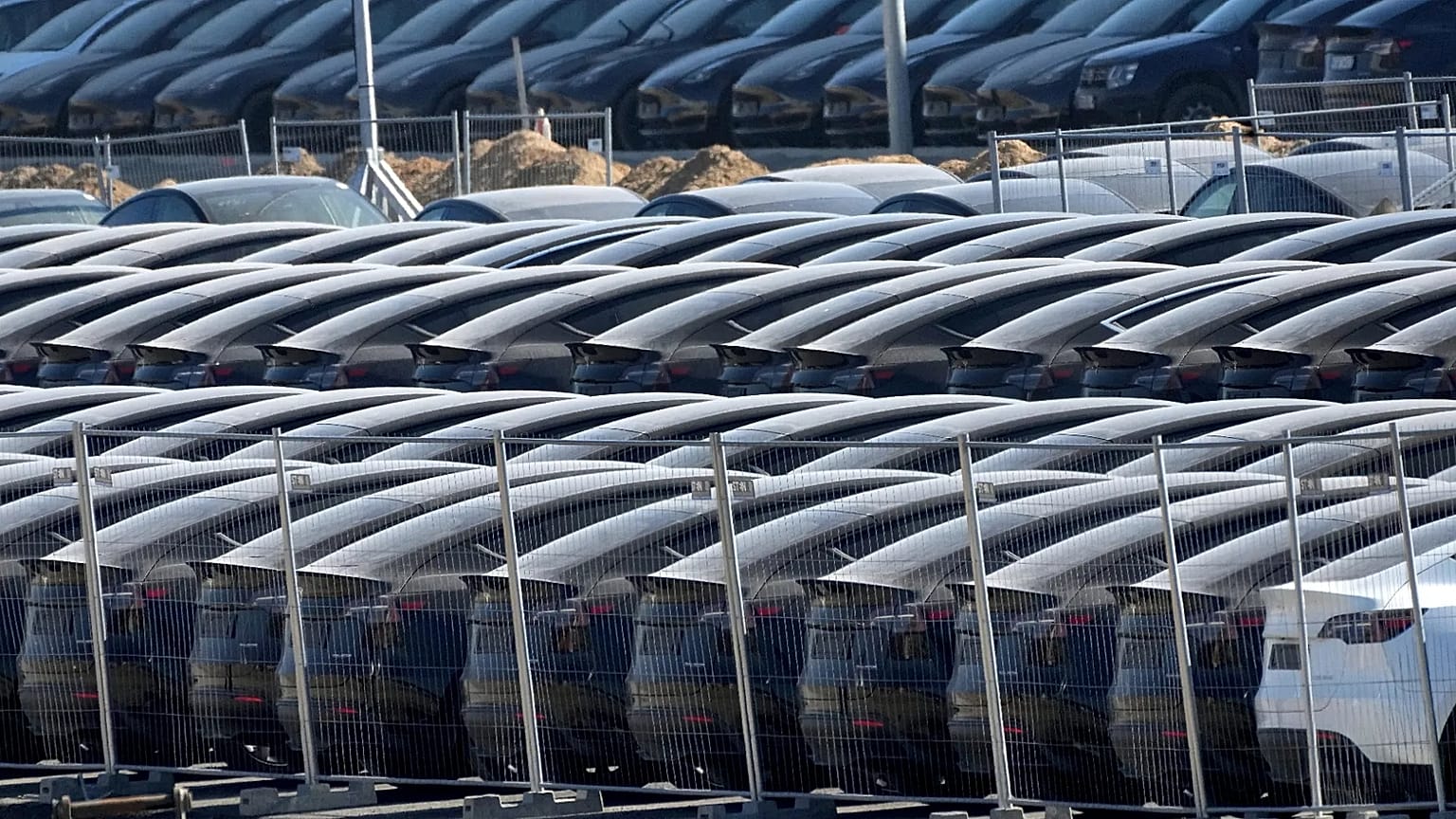
Tesla cars are parked at the new Tesla Gigafactory for electric cars in Gruenheide near Berlin, Germany, Tuesday, March 22, 2022.
Copyright AP Photo / Michael Sohn


By Marta Pacheco
Published on

While stopping short of opposing fleet decarbonisation itself, the member states argue that Brussels should resist the tendency to regulate and instead construct more incentives for large companies to invest in zero or low-emission cars and vans.

Nine European capital cities have joined forces to oppose a European Commission proposal that would require large corporate vehicle fleets to switch to electric vehicles, according to a document seen by Euronews.

A coalition led by Poland and including Bulgaria, the Czech Republic, Estonia, Hungary, Italy, Latvia, Slovakia and Romania has launched a coordinated challenge to the Commission's proposed law, which would compel companies with more than 250 employees or more than €50 million turnover to decarbonise their fleets of cars and vans.

The topic is set to be discussed at a gathering of EU transport ministers in Luxembourg on Monday.

The Commission is proposing that by 2030, large companies' fleets will be subject to two separate mandatory quotas: that roughly 69 percent of all new purchased vehicles be plug-in hybrids and that around 45 percent battery-electric or hydrogen-powered cars. The precise targets would vary by member state.

The nine EU governments acknowledge that corporate fleets can play a major role in accelerating the shift to cleaner vehicles and reducing Europe's dependence on imported oil, which accounts for almost 60 percent of the bloc's imports, but they also argue that mandatory quotas risk undermining competitiveness and placing additional burdens on businesses.

On that basis, they call for the bloc to use incentives instead of regulation.

"Priority should be given to an enabling EU framework based on guidelines, exchange of best practices, targeted incentives, and technical support, rather than the proposed regulation," they write.

A recent analysis by the campaign group Transport & Environment (T&E) claims that in 18 of 27 EU countries, the tax gap between electric and fossil-fuel cars is insufficient to offset higher EV prices.

Stef Cornelis, fleets and freight director at T&E, said the EU's largest car markets – Germany, Spain, Italy and Poland – are failing to incentivise companies to go electric.

“The EU fleets regulation is the catalyst needed to break this inertia. The EU Council and EU Parliament should inject more ambition into the Commission’s proposal to ensure Europe can reduce oil imports rapidly,” said Cornelis.

T&E noted that cars and vans linked to corporate businesses account for 59 percent of new car registrations and 78 percent of oil imports consumed.

Another major concern among the nine governments is the uneven readiness among EU countries. They point to significant differences across Europe in charging infrastructure, leasing markets, taxation systems, grid capacity and administrative frameworks, arguing that a one-size-fits-all target risks penalising countries where the supporting ecosystem for electrification remains underdeveloped.

"The preparation of Commission guidelines, combined with a structured exchange of best practices, could enable member states to tailor implementation to their specific circumstances," the document reads.

Avoiding collateral damage

Although the Commission's proposal formally targets large companies, the nine governments argue that the burden could cascade through leasing and rental markets because any small businesses rely on leasing rather than direct vehicle purchases. Fleet obligations imposed on leasing companies, they say, could effectively be imposed on SMEs.

"Covering leasing companies with targets, without exceptions for certain groups of their clients, would lead in practice to exposing SMEs to these targets," reads the document, noting that around 80 percent of cars acquired by SMEs are not purchased vehicles.

The dissenting capitals also insist that special-purpose vehicles and fleets linked to critical infrastructure, emergency response and public preparedness require greater flexibility than the Commission proposal currently appears to provide.

Operational readiness, they argue, must not become collateral damage in the pursuit of climate targets.

"The greening of corporate fleets should also be pursued in a manner consistent with the Union’s broader objectives of resilience, emergency preparedness and economic security, particularly in light of the current geopolitical situation," reads the document.

Raising Awareness Of Greener Chemistry


June 7, 2026 
By Eurasia Review

The COST Action Mechanochemistry for Sustainable Industry (MechSustInd) is a powerful example of how collaboration can support Europe’s ambition for a low-emission, circular, and resource-efficient industry. By rethinking how chemicals are produced, the Action helped place mechanochemistry at the centre of Europe’s transition to greener manufacturing.

Mechanochemistry replaces heat and solvents with mechanical energy to trigger chemical reactions. This simple but revolutionary approach has the potential to reduce waste and emissions while improving safety and efficiency across multiple industrial sectors.

The Action generated significant scientific output, contributing to over 200 research outputs, including publications in leading journals and open-access platforms. It also produced an educational book on practical mechanochemistry and created a database of experimental facilities, expertise, and skills within the network to encourage collaboration.

Direct contact with industry partners was particularly successful. Several companies opened their facilities to COST members, offering access to specialised equipment and large quantities of chemicals for testing and training purposes. This cooperation has bridged the gap between academic research and industrial application, providing scientists with hands-on experience of real production processes.


While the Action produced technical results such as new mechanochemical reactors and analytical devices, Dr Evelina Colacino, the Action Chair from the University of Montpellier in France, believes that its most valuable outcome was a change in mindset.

“For me, the most tangible output is the awareness we’ve raised around using mechanochemistry as a disruptive technology to make organic chemistry more sustainable.”

When the Action began, many companies regarded mechanochemistry as “strange or irrelevant” for its implementation in organic synthesis. Through consistent communication, workshops, and collaboration, this perception has shifted dramatically.

“Now, companies are curious. They want to know what this technology can do. That change in attitude is a long-lasting impact.”

Academia has done its job. Now it’s time for industry and policymakers to build on that foundation. COST paved the way.” Dr Evelina Colacino, Chair of MechSustInd
From COST to a €7.7 million project

This growing confidence led directly to the Horizon Europe project IMPACTIVE, a €7.7 million initiative which aims to make pharmaceutical production greener.

For science communicator Dr Fernando Gomollón-Bel, who is now a full partner in IMPACTIVE, the COST Action opened a door to a vibrant and collaborative research community.

Fernando also highlighted the growing importance of mechanochemistry in the wider scientific community, citing the COST Action as a model of cooperation across Europe: “COST is a great catapult for creating strong networks of collaboration. It helped turn an idea into a real European innovation ecosystem.”
Young scientists, big ideas

Beyond its scientific achievements, MechSustInd was above all about people. COST inclusive networking approach gave young researchers the tools, confidence, and visibility to help lead Europe’s green transition.

Many early-career scientists, particularly those from less research-intensive countries, gained access to new collaborations, facilities, and training opportunities that would otherwise have been out of reach. Working Group leaders reflect on this human dimension.

Dr Ivan Halasz, of the Ruder Boskovic Institute in Croatia, said: “We built a collaborative community that enabled experts from diverse fields to share perspectives and shape new approaches in process engineering.” It was particularly rewarding to see young researchers gain the tools, networks, and confidence to pursue innovative directions.”

Dr Bilge Baytekin of Bilkent University in Turkey adds: “Action gave me my identity as an organic chemist back, and of course, it planted new, captivating research questions in my mind.”

“I find working on green and sustainable chemistry very motivating. The chemistry of our project is for a good cause!”

Evelina Colacino is particularly proud of the Action’s impact on young scientists: “The first international prize for a young scientist in mechanochemistry came from our collaboration with the European Young Chemists’ Network. We showed that young scientists can build careers in this field.”


This strong and inclusive community nurtured new talent and laid the foundation for establishing mechanochemistry as a recognised discipline within the global scientific landscape.

According to Evelina, “Training a new generation of scientists in mechanochemistry is an unprecedented achievement for the field. Thanks to the COST Action, more and more academic institutions around the world are now implementing the teaching of mechanochemistry in undergraduate and graduate curricula, and five Action training schools are now a ‘source of inspiration’.”
Building bridges for a lasting legacy

The Action helped create the first Working Party on Mechanochemistry within the European Chemical Society (EuChemS) and collaborated with the International Union of Pure and Applied Chemistry (IUPAC) to develop international standards and terminology. These steps give mechanochemistry the structure and visibility needed for industrial adoption.

“COST allowed us to raise awareness about mechanochemistry and make the network sustainable,” says Evelina, “We now have an IUPAC task group setting definitions, EuChemS recognising mechanochemistry as a professional network, and an international association continuing our mission. That’s an extraordinary legacy.”

Today, mechanochemistry is no longer just a research topic. Thanks to the COST Action MechSustInd, it has become a recognised tool for achieving the European Green Deal and the European Mission to make industry climate-neutral and resource-efficient.

“Academia has done its job. Now it’s time for industry and policymakers to build on that foundation. COST paved the way.”
How overexploitation of sand is threatening ecosystems and livelihoods

In Morocco alone, an estimated 40 to 50 percent of sand extraction is believed to occur illegally.

Found on beaches, in rivers, across deserts and on the seabed, sand has long been seen as abundant and virtually inexhaustible. But it has become the world's second most exploited natural resource after water, and scientists warn rising demand will cause "enormous environmental damage".


Issued on: 07/06/2026 - RFI

Miners shovel sand into trucks in an area destroyed by sand mining on the outskirts of Gunjur in the Gambia. © AFP - JOHN WESSELS


From concrete towers and motorways to glass, microchips and cosmetics, modern economies depend on sand. Yet the vast scale of sand extraction remains largely ignored, despite mounting concerns among scientists over its environmental and social consequences.

According to the latest report from the United Nations Environment Programme (UNEP), nearly 50 billion tonnes of sand are extracted worldwide every year, and demand for buildings is expected to rise by 45 percent by 2060.

"To give an idea of the scale, it would be equivalent to building a wall 27 metres high and 27 metres wide that circles the entire Equator every year," says Pascal Peduzzi, director of GRID-Geneva, UNEP's environmental data centre. "You cannot extract that much material without causing enormous environmental damage."

Warnings of a sand shortage may seem counterintuitive. But not all sand is suitable for construction.


Desert sand, shaped by wind erosion, is too fine and too smooth to bind effectively in concrete. The construction industry instead relies on angular grains found in quarries or produced by the erosion of glaciers, rivers and coastlines.

As a result, extraction is concentrated in riverbeds, estuaries, coastal zones and shallow seabeds – areas that also play a vital role in maintaining ecosystems.


Damage beneath the surface

Sand performs essential functions in nature. It filters water, stabilises rivers and provides habitats for countless species, from crabs and turtles to birds and other wildlife.

"If you dig into a riverbed, you change its shape," says Peduzzi. "That alters how water flows."

The consequences can include increased flooding, drought, falling groundwater levels and the degradation of aquatic ecosystems.

Scientists also warn of implications for food security. Excessive extraction can increase water acidity, reducing soil fertility and making farmland less productive.

In some regions, the problem is already visible. Researchers have documented rising saltwater intrusion in major rivers, particularly in the Mekong Delta, where millions depend on fresh water for cultivating rice.

"With rising sea levels and riverbeds being lowered through sand dredging, the Mekong is becoming increasingly saline," says Nelo Magalhaes, an economist and environmental historian.

A similar process has been observed in France's Loire River since the 1970s, although the impacts are now far more pronounced in Southeast Asia.

A farmer pulls up dying rice plants from a paddy filled with salt water at Que Dien commune in Vietnam's Ben Tre province in July 2010. © AFP - HOANG DINH NAM


At sea, industrial dredging vessels pose another threat. By scraping the seabed, they destroy microscopic organisms that form the foundation of marine food chains. Fishing communities are already feeling the effects.

"In parts of Africa and Southeast Asia, beaches have been stripped down to the bedrock," says Peduzzi. "Virtually every major river system in Asia has been affected by large-scale sand extraction."

Sand also serves as a natural barrier against rising sea levels. As beaches are depleted, coastlines become increasingly exposed to erosion and flooding linked to climate change.

Small island states are among the most vulnerable. In places such as the Maldives, scientists say the consequences are already becoming apparent.

"Today, we can directly link the disappearance of some beaches to overconsumption of sand," Peduzzi says.

Cheap, yet valuable

The problem is often associated with developing countries, but Europe and North America are also major consumers of sand.

Researchers have documented large-scale river dredging across industrialised nations since the 1960s.

"When river levels fall, extraction intensifies," says Magalhaes. "That alters river profiles, damages ecosystems and destroys spawning grounds where fish lay their eggs."

The growing scarcity of suitable sand is also fuelling political tensions.

"There's a paradox," says Grégory Salle, a social scientist at France's National Centre for Scientific Research. "Sand is both a cheap, ordinary resource and, in some places, an increasingly valuable one."

Labourers transport sand from boats to the shore after excavating it from the bed of River Yamuna in Allahabad, India, 22 May 2007. © AP - Rajesh Kumar Singh

That value has led to disputes over access and supply. While unlikely to trigger conflicts on the scale of those linked to oil or water, sand has already become a source of diplomatic friction in Southeast Asia.

Singapore, which has expanded its territory through land reclamation projects, imports vast quantities of sand from neighbouring countries. The trade has generated tensions with countries including Cambodia, Vietnam and Malaysia, alongside allegations of environmental destruction and illegal trafficking.

Elsewhere, sand provides profits for organised crime. In countries such as India, Kenya, Morocco and Colombia, illegal networks known as "sand mafias" control parts of the trade.

Because sand is relatively easy to extract, enforcement is often weak and corruption widespread.

"People investigating these activities can face serious risks," says Peduzzi, citing cases involving violence and intimidation linked to illegal mining operations.

In Morocco alone, an estimated 40 to 50 percent of sand extraction is believed to occur illegally.

Overlooked resource

Experts disagree over whether the world is facing an actual shortage of sand.

UNEP argues that extraction has already exceeded the natural replenishment rate of some deposits.

China illustrates the scale of modern consumption. The country uses more than half of all the sand extracted globally and consumes around 33 times more than the United States each year.

Others urge caution. Magalhaes argues that vast reserves remain available, particularly offshore. The issue, he says, is not the imminent exhaustion of supplies but the increasingly destructive methods required to obtain them.


Ultimately, the debate goes beyond sand itself and raises broader questions about economic development and consumption.

Recycled concrete, alternative building materials and more sustainable construction practices are frequently proposed as solutions. But for some researchers, such measures will only go so far unless accompanied by a deeper reassessment of growth-driven models of development.

UNEP is now calling for stronger global governance of sand resources, including national inventories, improved monitoring and recognition of sand as a strategic material.

Yet when the European Commission recently published its list of critical raw materials, sand was notably absent – a sign, perhaps, that the world's dependence on this seemingly ordinary substance has yet to fully register among policymakers.

This article was adapted from the original in French by Claire Laville.
What Is El Nino And How Will It Affect Asia? – Analysis


June 7, 2026 
By P. K. Balachandran


El Nino is a periodic disturbance in the Eastern Pacific Ocean off South America, but its effects are felt acutely in many parts of the world, including Asia

On June 3, Sri Lanka’s Meteorological Department issued a warning about drought in the island during July and August this year due to El Nino. El Nino is a weather condition originating in the equatorial Pacific Ocean off South America. But it is so big that it affects the weather all over the world including Asia.

El Nino has an 80% chance of forming before September and a 90% chance before November, the World Meteorological Organization (WMO) said last week. Asia is predicted to be one of the regions most exposed, with intensifying heat and drought predicted to put major stresses on agriculture, power grids and water supplies.


What is El Nino

El Nino is a natural weather fluctuation, not directly caused by climate change or global warming. Essentially, it is a short-term alteration of atmospheric pressure and wind patterns, which shifts rainfall belts and causes extreme weather events worldwide.

El Niño means the “Little Boy”, or “Christ Child” in Spanish. It was first noticed in the 1600s by Spanish fishermen off the coast of South America near Peru and Ecuador. It was so named because it typically occurred around Christmas.

The weather depends a lot on ocean temperatures. Where the ocean is warm, more clouds form, and more rain falls in that part of the world. In the Pacific Ocean, near the equator, the sun makes the water especially warm on the surface in December and El Nino follows.

Normally, the trade winds blow from East to West, pushing the warm surface waters of the Pacific Ocean towards Indonesia and the Western Pacific. This process creates a pool of warm water in the Western Pacific and a cooler pool in the Eastern Pacific near South America. But during El Nino, something different happens. The trade winds weaken, or may even reverse, causing the warm surface waters to flow back eastward towards South America instead of going to Indonesia! As a result, the eastern Pacific becomes unusually warm.

Due to the heat, many fish that live in the normally cooler waters off the coast of South America move away or die. When El Nino happens, lots of rain clouds form over the warm part of the ocean. These clouds then move inland and dump a lot of rain in South and Central America and in the United States.

Meanwhile, weather patterns all over the world may take an unusual turn. Some places may see draughtand others may see floods and storms.

Impact on India

According to “The Guardian”, the core concern is that El Nino might intensify heat conditions and weaken the oncoming monsoon, the months of heavy rain that come every year around June, which is already predicted to deliver “below average” rainfall. That would be disastrous for India and the wider subcontinent, which has already been grappling with deadly heatwaves, and an energy crisis due to the crisis in the Middle East.

A shortage of rains would prove particularly devastating for farmers, who rely on the rains for their next crop planting season. The heatwave in May has already caused damage to wheat and mustard crops and it is feared El Niño could worsen drought conditions and have a worrying effect on food security in the country.

Farmers across India are already worried about an impending shortage of fertiliser for planting, due to the Middle East crisis.

El Niño could also have severe consequences for India’s cities, most Mumbai which relies solely on seven rain-fed lakes to provide water for its more than 22 million inhabitants. The lakes currently only have 45 days of water left, and if the monsoon rainfall is delayed in El Niño conditions, Mumbai could find itself facing a significant water crisis, “The Guardian” warned.

Impact on China


China often suffers from flooding as well as droughts in the summer months. This year the challenges will be bigger as El Niño is set to cause further havoc.

On Friday, the National Climate Centre said El Niño’s effects would peak in autumn and winter, and that it could lead to increased rainfall in southern China and higher temperatures across the country. Rainfall in some parts is expected to be 20% higher than average this year, according to “Xinhua”.

Certain parts of China are expected to experience extremely heavy rainfall this week, with some areas of southern and eastern China set to see more than 200 mm of rain. Parts of Hubei province have been particularly badly hit.

Impact on South East Asia


El Nino will make South-East Asian countries vulnerable to surging temperatures that jeopardise public health, overwhelm electrical grids, and rapidly deplete vital water reserves. Countries that depend heavily on agriculture, like Indonesia, Malaysia, Thailand, and the Philippines are particularly vulnerable.

The region is already in the midst of energy and fertiliser shortages due to the Middle East crisis and has had to turn increasingly to dirty fuels to cover the shortfall, “The Guardian” said.

Parched soils could threaten staples, particularly rice and palm oil, and spark food shortages and inflate market prices, dealing a heavy blow to local economies and threatening the nutritional security of lower-income households.

The region’s vital tourism sector could also be affected. Famed destinations from Bangkok to Da Nang are bracing for daytime temperatures climbing well past 40 degrees, rendering outdoor attractions, cultural sites, and beaches practically unusable during peak hours.

The dry spell could also ignite agricultural and peatland fires in places like Sumatra and Kalimantan. The resulting toxic smoke plumes could blanket financial and transit hubs like Singapore and Kuala Lumpur, “The Guardian” said.

Effects On Sri Lanka

According to the Acting Director General of Meteorology, Ajith Wijemanna, current forecasts indicate an over 82% probability of El Niño conditions developing in Sri Lanka in the coming months.

“If an El Niño condition develops, rainfall is expected to decrease significantly during July and August. We are likely to experience drought conditions during that period. Forecasts currently show more than an 82% probability of an El Niño event occurring during July and August,” Wijemanna told newsmen.

He noted that El Niño events typically last between 9 to 12 months, with impacts on Sri Lanka potentially continuing until early next year. “If such an El Niño event occurs, its effects could remain until around February next year,” he warned.

The Dry Zone in Sri Lanka may see a severe drought with reduced monsoon rains. Water for irrigation could be scarce. Crops like paddy, tea could be affected. Farmers in regions like Anuradhapura, Polonnaruwa, and Monaragala are particularly vulnerable to drought.

Since, Sri Lanka relies heavily on hydropower, reduced rainfall would mean lower water levels in major reservoirs like Castlereagh, Maussakelle, and Victoria. When these reservoirs run low, the ability to generate affordable electricity plummets, forcing reliance on more expensive and polluting thermal power.

El Nino can cause a drinking water shortage. Communities, especially those in rural areas, will face immense challenges in accessing clean water for domestic use.

Reduced agricultural output can drive up food prices, impacting household budgets across the country. Increased spending on thermal power generation would strain national finances, and the overall economic activity can slow down due to resource constraints.

Prolonged heatwaves due to El Nino can increase the risk of heatstroke, dehydration, and other heat-related illnesses. Water scarcity can also lead to poor sanitation and an increased risk of water-borne diseases.

Solutions


The website slbuilds.lk has given a list of do’s and don’ts during El Nino. Irrigation infrastructure should be improved, with leaks plugged. New water sources should be tapped. Development of new reservoirs should be undertaken. The Ministry of Agriculture should promote drought-resistant crops. Techniques like drip irrigation and precision agriculture should be promoted. Crop insurance schemes also help farmers recover from losses. Local government bodies and NGOs could urge the public to take to rainwater harvesting efficient water use practices

Steps could be taken to reduce reliance on hydropower, by going in for solar, wind and biomass. Rooftop solar power for homes and businesses, along with large-scale solar farms, should be promoted.

People should drink plenty of clean water, and keep Oral Rehydration Salts handy. They should avoid the midday sun, limit outdoor activities during the hottest parts of the day to prevent heatstroke. If water is to be stored, the containers should be clean and covered to prevent contamination.

More broadly, the overall eco-system of Sri Lanka should be preserved. Forests, wetlands, and coastal areas are natural defences against extreme weather and these should be protected.


About P. K. Balachandran

P. K. Balachandran is a senior Indian journalist working in Sri Lanka for local and international media and has been writing on South Asian issues for the past 21 years.

View all posts by P. K. Balachandran →
‘Cooling Poverty’ Affects 2Bln As Heat Risks Swell


Children cooling off with piped water in Khan Village, Lao PDR in 2015. The World Meteorological Organization has warned of hotter than normal temperatures across the globe in the coming months due to the El Niño effect.
Copyright: Asian Development Bank (CC BY-NC-ND 2.0)

June 8, 2026 
By Mohammed El-Said


More than 2 billion people in some of the poorest communities face significant levels of “cooling poverty”, where they are exposed to life-threatening heat without safe or affordable ways to cool themselves, according to new analysis.

Increasingly frequent and intense hot spells are causing spikes in health risks and deaths globally and those most at risk are those with the least resources to adapt, a study published in Nature Sustainability warns.

It comes as parts of India and Pakistan are grappling with temperatures topping 45 degrees Celsius.

The World Meteorological Organization has also warned of hotter than normal temperatures across the globe in the coming months due to the El Niño effect.

“Cooling poverty and what we call systemic cooling poverty refers to conditions in which individuals are prevented from attaining thermal safety, not simply because they lack an air conditioner,” Giacomo Falchetta, a scientist at the Euro-Mediterranean Center on Climate Change and the study’s lead author told SciDev.Net.

Heat risk is compounded when people lack not only cooling devices, but also adequate housing, healthcare and information about heat risks, he explained.

The study analysed data from more than a million households in 28 countries, most of them in low- and middle-income countries. Of nearly three billion people covered, about 1.2 billion live in areas with moderate cooling poverty, around 550 million face severe cooling deprivation, and about 600 million experience high deprivation across multiple dimensions, the study calculated.

Aziza Mohamed, professor of human geography and urban studies at Cairo University in Egypt, says the study shifts the debate on heat from a purely climatic issue to a developmental, social and spatial one.

“The real danger does not come from climate alone,” she told SciDev.Net. “It comes from the interaction between heat, poverty, housing quality, weak health services and the absence of suitable infrastructure.”

South Asia and Sub-Saharan Africa are the two regions most affected, for different reasons. In South Asia, almost 80 per cent of the population in the sample live in regions where the systemic cooling poverty index exceeds 55 out of 100.

In countries such as India, Nepal and Bangladesh widespread heat and humidity exposure combines with large outdoor labour forces and gaps in education, information access and cooling policy, says Falchetta.

Harjeet Singh, climate activist and founding director of the Satat Sampada Climate Foundation, says South Asia is “at the absolute frontlines of the climate crisis”, facing “a lethal combination of geographic vulnerability and systemic economic inequality”.

The danger is not heat alone, but humid heat, which makes the body less able to cool itself through sweating, explains Singh. In a region of high population density and informal labour, retreating into an air-conditioned room is not an option for most.

In Sub-Saharan Africa, the study finds that extreme heat risks are driven by weak protective infrastructure. Falchetta named Ethiopia, the Democratic Republic of Congo (DRC), Rwanda and Malawi as countries with extremely high deprivation in housing quality, water and sanitation, energyaccess, and cooling green and blue spaces.

Even where heat and humidity is less extreme, he warned, “the near-total absence of protective infrastructure means any intensification of heat would be catastrophic”.

The study estimates that about 1.5 billion people live in areas with inadequate infrastructure, and health conditions to deal with heat. More than 90 per cent of people living in Ethiopia, DRC, Rwanda, Malawi and Zambia fit this category.

In contrast, Egypt had relatively low levels of “cooling poverty” (40 out of 100), despite 82 per cent of its population being exposed to hazardous heat and humidity. It performed well across infrastructure, social and policy dimensions.

Risk factors

Poor housing multiplies heat risk, as homes built from rudimentary roof, floor and wall materials can become heat traps rather than refuges, the research highlights.

Singh points out that millions of urban poor people live in settlements with tin or asbestos roofs, which can make indoor temperatures up to five degrees Celsius hotter than outside. Unreliable electricity, unsafe water and poor sanitation also limit cooling, hydration and protection.

Weak healthcare further increases the danger, according to the study. It identified Nepal, Yemen, Pakistan, Bangladesh and Guatemala among the most deprived countries in this regard. Limited healthcare access, explains Falchetta, means treatable heat-related illness can be fatal.

Outdoor workers in agriculture, construction, transport and informal trade are particularly at risk, spending long hours under direct sunlight.

Women, ethnic and religious minorities, elderly people, poorer households and children are disadvantaged because they are more likely to live in poor housing, lack information and healthcare, and have fewer resources to adapt, Falchetta notes.

Education and working standards were the most widespread form of cooling poverty identified in the study. Around 2.2 billion people, about 75 per cent of those studied, live in deprived areas under this lens. India ranks highest, with 95 per cent of its population facing deprivation, followed by the DRC, Nepal, Rwanda and Malawi.

The study and experts agree that air conditioning, which consumes large amounts of energy and strains fragile grids, cannot solve the problem.

“Addressing cooling poverty by distributing air conditioners alone would be neither sufficient nor sustainable,” Falchetta said.

Singh is in no doubt: “We absolutely cannot air-condition our way out of this crisis.”
Cooling strategies

Instead, the study calls for coordinated, low-cost policies across housing, water, health, labour and urban planning.

Falchetta says better housing design can reduce indoor temperatures without energy inputs. Expanding trees, parks and water bodies can provide community-level cooling, while improving water and sanitation works as both a cooling and health intervention.

Coating tin or concrete roofs with solar-reflective white paint can reduce indoor temperatures by two to five degrees Celsius, says Singh, while straw and clay offer affordable insulation. He calls for public cooling shelters with free drinking water for outdoor workers, restoring urban green spaces and water bodies, and expanding efficient BLDC (brushless direct current) fans.


Chandni Singh, associate professor at the Indian Institute for Human Settlements, says policy is crucial. Protection of blue and green infrastructure and climate-sensitive building codes, such as India’s Cool Roofs Policy, can help, she says.

Falchetta believes heat-health action plans could reduce cooling poverty, especially in Sub-Saharan Africa, where they are largely absent.

Cities in India, Pakistan and Bangladesh have introduced heat action plans, but many lack legal force and budgets, says Harjeet Singh. Governments, he argues, should adopt mandatory rest breaks for outdoor workers, climate-resilient building codes for affordable housing, and financial compensation for daily-wage workers when heat advisories force them indoors.

But Chandni Singh warned: “You cannot adapt your way out of extreme heat endlessly. There are limits to extreme heat adaptation.”

This piece was produced by SciDev.Net’s Global desk.
Mohammed El-Said writes for SciDev.Net.
View all posts by Mohammed El-Said →


More than 1.5 million people die and 860 million fall ill from unsafe food, the WHO warns

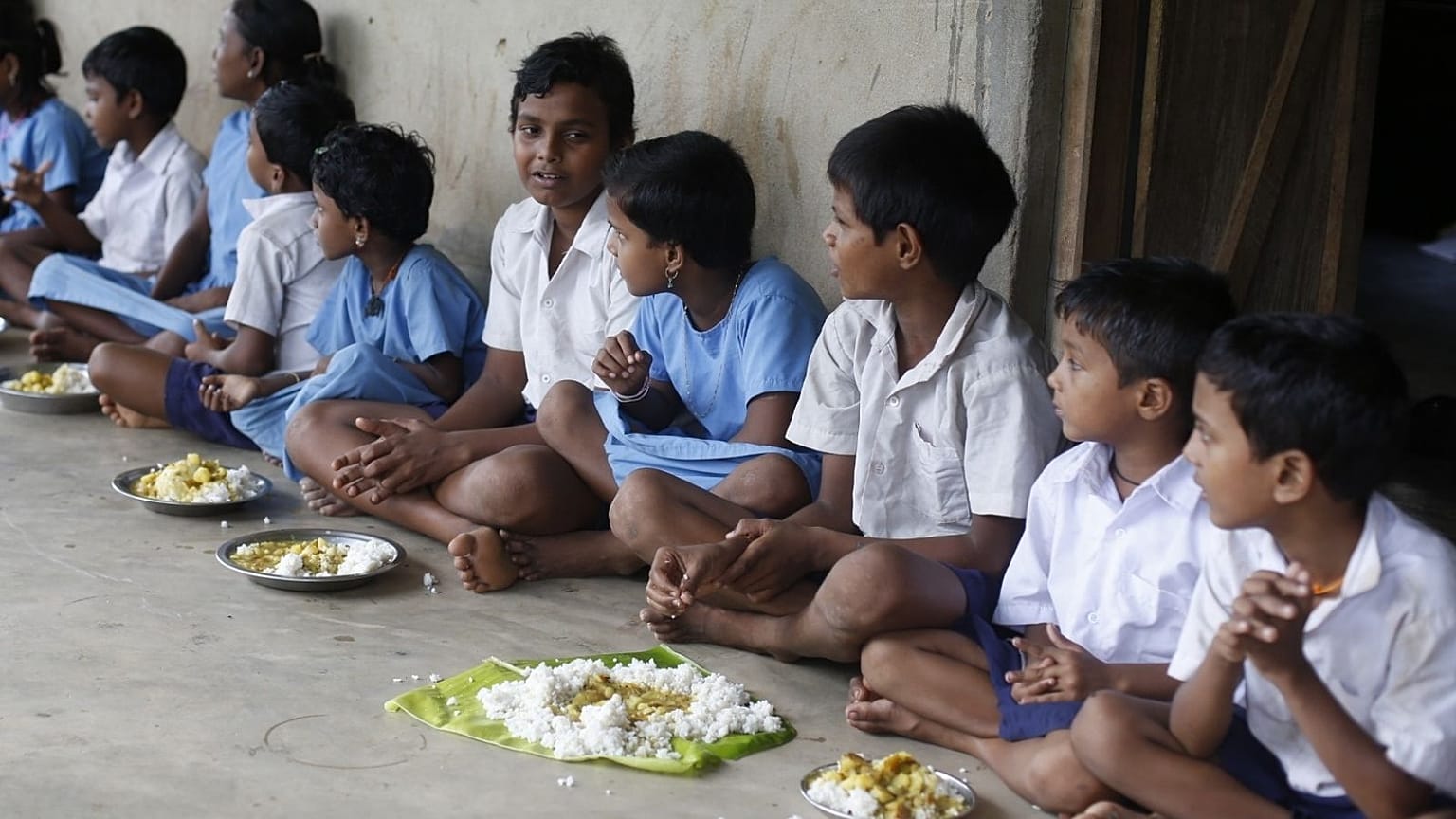
Unsafe food causes 866 million illnesses and 1.5 million deaths annually.
Copyright Cleared/Canva


By Marta Iraola Iribarren
Published on


The World Health Organization warns that unsafe food harms millions of people worldwide, with children being particularly impacted.

More than 860 million people fall ill and 1.5 million die worldwide every year due to unsafe food, the World Health Organization has warned.

In a new report published ahead of World Food Safety Day on 7 June, the WHO estimates that millions of people across the world suffer severe health consequences as a result of contaminated or poorly handled food.

“Food safety is not an abstract issue — it touches every meal, every family, every day,” said Dr Tedros Adhanom Ghebreyesus, WHO Director-General.

“Unsafe food has always been a major public health concern, but until now we lacked the bigger picture of its staggering human and economic toll.”

“For the first time, countries have their own data to see where the burden is highest. With that knowledge, governments can prioritize the actions needed to protect people’s health.”

The report estimates that in 2021, foodborne disease led to approximately $310 billion (€267bn) lost productivity due to illness.

Many of these illnesses and deaths, the organisation adds, could be prevented through improved water, sanitation and hygiene, food safety practices such as pasteurisation and access to health care for vulnerable populations.

The WHO also cautions that climate change is expected to have a large impact on food safety. Extreme weather events, rising air and water temperatures, and shifting precipitation patterns will heighten the risks posed by existing and emerging foodborne illnesses.

Children are especially vulnerable

The most affected are children younger than five years old, who face three times the risk compared with older children and adults. They account for 29% of the health burden linked to unsafe food and 143,000 deaths in 2021 alone.

“Despite being just 9% of the global population, young children suffer from nearly one third of all cases of foodborne diseases, particularly diarrhoeal diseases, which can be deadly for this vulnerable age group,” the WHO said.

Young children are also more susceptible to chemical exposure through food, which can impair brain development and cause lifelong neurological and developmental harm.

The report also highlights deep inequalities within food systems. Those living in low-resource communities bear the greatest health burden, particularly in low- and middle-income countries.

The African and South-East Asian regions together account for nearly three-quarters of all foodborne illnesses and 60% of deaths globally.

What are the main causes of foodborne illnesses?

Foodborne illnesses are infectious or toxic in nature, caused by bacteria, viruses, parasites, or chemical substances entering the body through contaminated food. In Europe, the most common include the following:

Campylobacteriosis: mainly linked to raw or undercooked poultry, unpasteurised milk, ruminant meat and contaminated water. According to the European Food Safety Authority (EFSA), this bacterium shows clear seasonality, with a peak of cases in the summer months.

Salmonellosis: most frequently associated with eggs and raw meat from pigs, turkeys and chickens. Symptoms include fever, diarrhoea and abdominal cramps. It can be life-threatening if the bacterium enters the bloodstream.

STEC infection: connected to the consumption of raw and undercooked meats, dairy products made from unpasteurised milk, raw leafy greens, and unpasteurised juices.

Listeriosis: a rare infection, often severe with high hospitalisation and mortality rates.