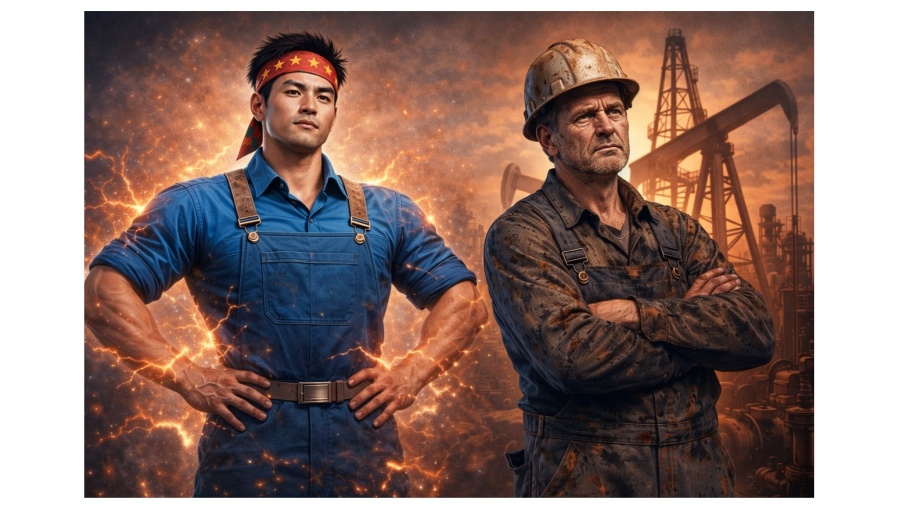
The world is switching from a carbon-based economy to a silicon-based one where electricity is the basis of growth and prosperity. China has embraced the change and is becoming the world's leading Electrostate. / bne IntelliNews
By Ben Aris in Berlin March 26, 2026
China is well on the way to becoming the world's first “Electrostate”. The nature of the global economy is changing. The carbon-based economy that has dominated since the industrial revolution giving away to a silicon-based economy which is driven by energy consumption and data.
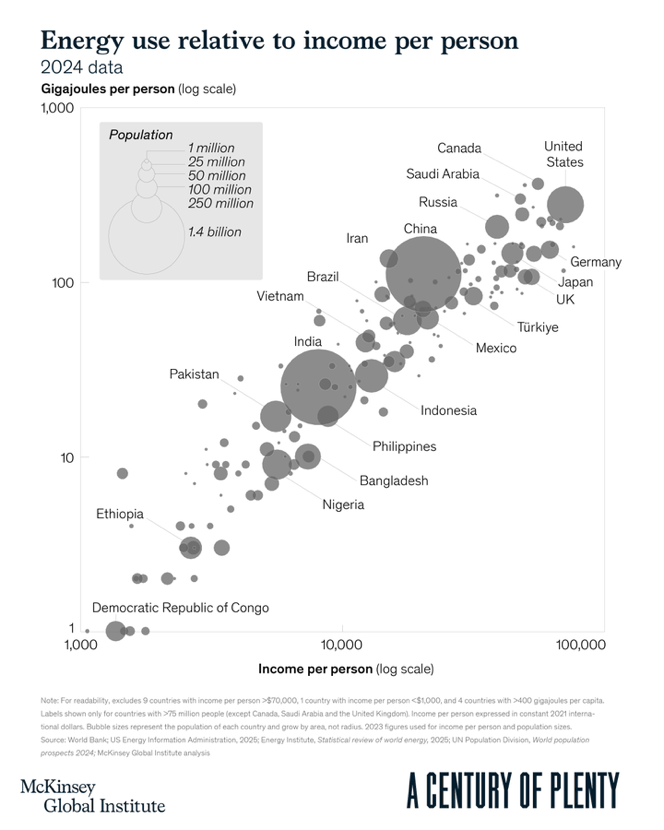
The old relationship between energy as an input necessary to drive industrial policy for growth that was at the heart of Adam Smith’s view of the world, has already been replaced by the consumption of power. Consultancy McKinsey found there is a direct relationship between economic prosperity and per capita power consumption. In the new paradigm, access to copious and cheap renewable energy is not simply a way of cutting costs and improving profits, but the basis for prosperity itself.
China has adopted this philosophy wholeheartedly and has already emerged as the global green energy champion. But as the cost of generating green electricity tumbles and is now being reinforced by the battery revolution, the entire Global South is skipping over the development of more traditional sources of generating energy and going straight to investing heavily in renewables.
What was a development bank sustainability nice-to-have, has become a hard-headed economic must-have simply because it is now the cheapest source of power on the planet that comes without geopolitical dependencies, pollution or emissions. The sun shines and the wind blows everywhere. The last step will be the appearance of the grid-level eight-hour battery that will solve renewables “baseload” problem and complete the revolution. Those have not arrived yet, but they are coming in the foreseeable future.
Electrificasiya
 \
\
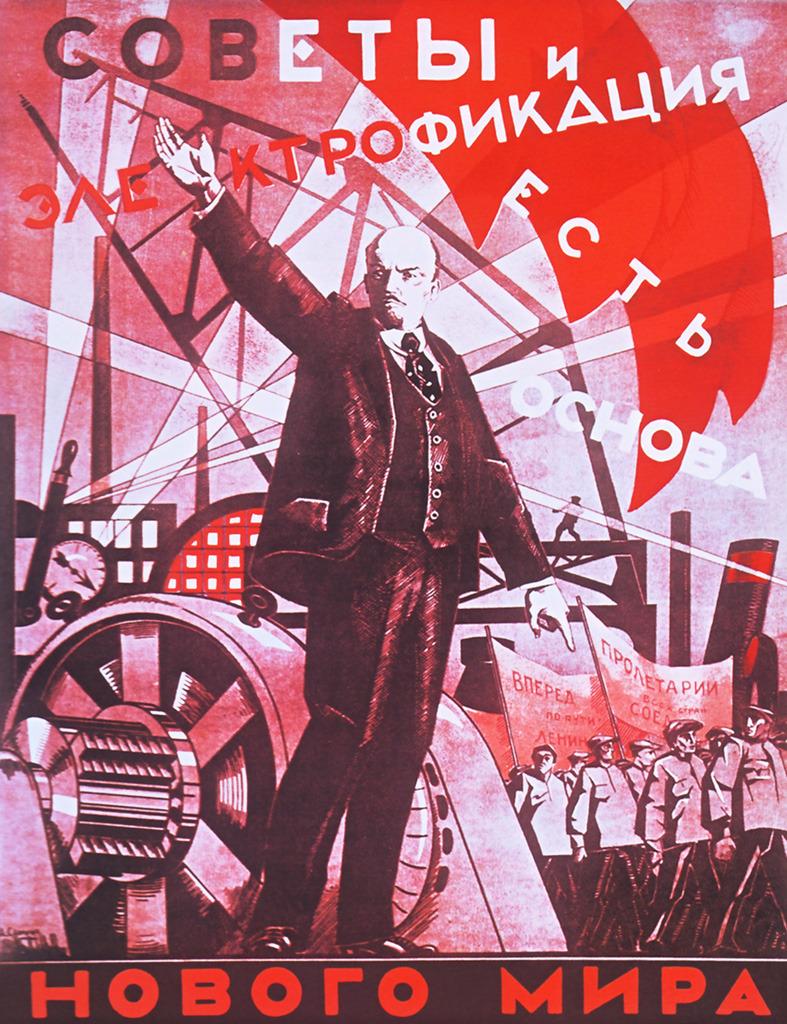
\In the Soviet Union there was a slogan “Communism is Soviet power plus the electrification of the whole country”. Some took the idea so seriously they called their daughters “Electrificasiya.” That idea is back.
Lenin contended that by electrifying the Soviet republics was the “basis of the new world!" He was not wrong, and one of the transformative changes the October Revolution brought to the USSR's rapid industrialisation, was to build out a power grid that covered the whole Soviet space.
The powering up of the 15 socialist republics transformed the bucolic Tsarist backwater into a global superpower. If anything the stakes are even higher now. Increasingly electrifying your country is the equivalent of geopolitical power. Once again the communists are taking the lead.
The war currently being fought in Iran may be the last one that's fought over oil. The speed of the green energy revolution is unrelenting. With oil and gas prices skyrocketing, the need to turn to the infinite resources of solar power has been underscored to every government and will only catalyse the green transformation. Those who have not adopted an aggressive renewables policy will do so now.
Gas vs green
The world is anticipating a major shock as the war in Iran goes from the mere disruption of hydrocarbon flows to the destruction of production facilities. Oil and gas prices are spiking and analysts say even if the war ends tomorrow, those increases will persist as the “crisis-virus” knock on effects spread down supply chains.
Take out Qatari gas production and you reduce fertiliser production. As farms go into this year’s planting season, crop yields will be drastically reduced in the autumn harvest. That will cause a renewed bought of food price inflation that will spill over into 2027 and central banks that were trying to cut rates to spur growth will be forced to hike. And that is just one of the multiple crisis-virus vectors. The disruption of the energy markets is going to have a multifaceted impact.
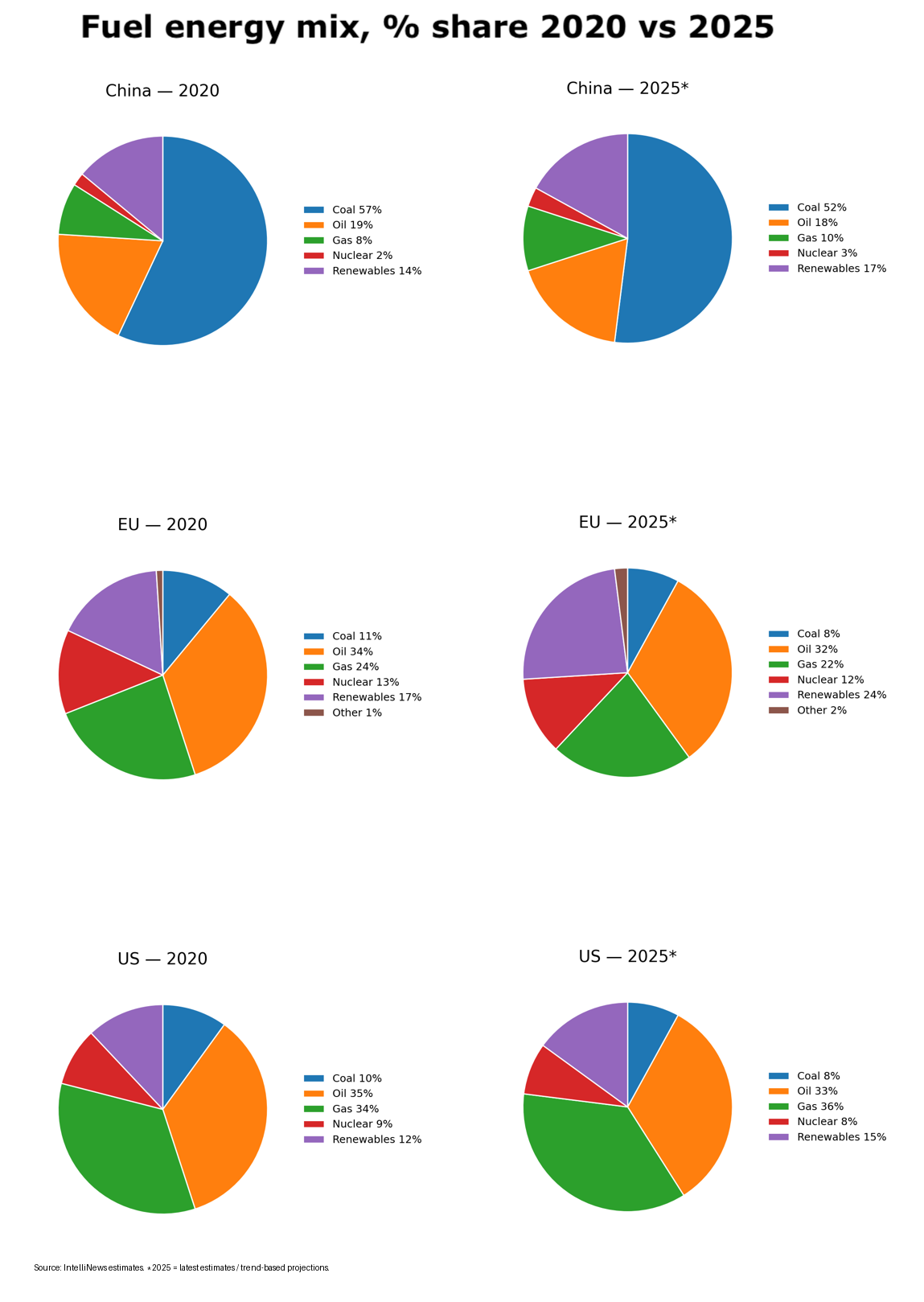
However, the 2026 energy shock is likely to be less severe than the last crisis in 2022 thanks to the rapid roll out of renewables over the last four years. Over Europe already generates just under half of all its power from renewables, with champions like Denmark generating 92% of its power from solar and wind, and Spain is also a poster boy for change. The EU has built up a green power buffer that leaves it less exposed to soaring gas prices than it was in 2022.
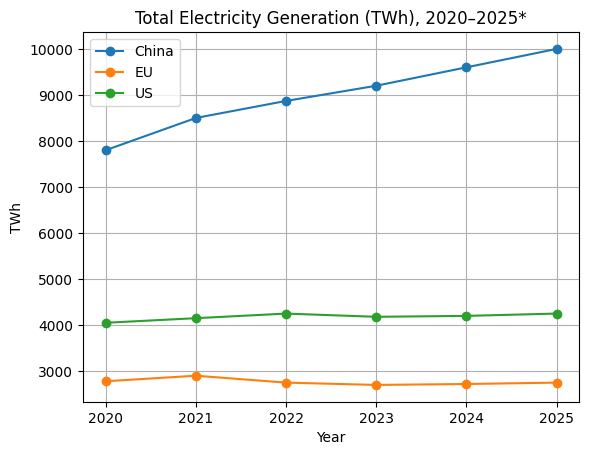
Asia is much more dependent on coal and gas, but there too the green transition is accelerating. China has rapidly diversified its energy mix and built up huge reserves of oil and gas. But it is also well protected from the energy shocks thanks to a substantial coal-fired power station reserves, but also the rapid expansion of green power generation which overtook coal-fired production two years ago. By contrast, the Trump administration is trying to expand its “beautiful clean coal” generating capacity, according to US President Donald Trump. China also has an extensive fleet of nuclear power plants (NPP) and is currently building 26 new nuclear power plants, while the US is building none and Germany not only shuttered its six large and extremely efficient NPPs, the previous government blew them up to ensure no government in the future could restart them.
China’s revolution is not over yet. China’s new disappointed in weakening its commitment to its climate ambitions and the pace of curbing its greenhouse gas emissions as it seeks to bolster flagging growth.
Nevertheless, Beijing sees its energy future in terms of solar generated electrons, whereas Trump’s vision is still of long carbon chains.
Lenin contended that by electrifying the Soviet republics was the “basis of the new world!" He was not wrong, and one of the transformative changes the October Revolution brought to the USSR's rapid industrialisation, was to build out a power grid that covered the whole Soviet space.
The powering up of the 15 socialist republics transformed the bucolic Tsarist backwater into a global superpower. If anything the stakes are even higher now. Increasingly electrifying your country is the equivalent of geopolitical power. Once again the communists are taking the lead.
The war currently being fought in Iran may be the last one that's fought over oil. The speed of the green energy revolution is unrelenting. With oil and gas prices skyrocketing, the need to turn to the infinite resources of solar power has been underscored to every government and will only catalyse the green transformation. Those who have not adopted an aggressive renewables policy will do so now.
Gas vs green
The world is anticipating a major shock as the war in Iran goes from the mere disruption of hydrocarbon flows to the destruction of production facilities. Oil and gas prices are spiking and analysts say even if the war ends tomorrow, those increases will persist as the “crisis-virus” knock on effects spread down supply chains.
Take out Qatari gas production and you reduce fertiliser production. As farms go into this year’s planting season, crop yields will be drastically reduced in the autumn harvest. That will cause a renewed bought of food price inflation that will spill over into 2027 and central banks that were trying to cut rates to spur growth will be forced to hike. And that is just one of the multiple crisis-virus vectors. The disruption of the energy markets is going to have a multifaceted impact.
However, the 2026 energy shock is likely to be less severe than the last crisis in 2022 thanks to the rapid roll out of renewables over the last four years. Over Europe already generates just under half of all its power from renewables, with champions like Denmark generating 92% of its power from solar and wind, and Spain is also a poster boy for change. The EU has built up a green power buffer that leaves it less exposed to soaring gas prices than it was in 2022.
Asia is much more dependent on coal and gas, but there too the green transition is accelerating. China has rapidly diversified its energy mix and built up huge reserves of oil and gas. But it is also well protected from the energy shocks thanks to a substantial coal-fired power station reserves, but also the rapid expansion of green power generation which overtook coal-fired production two years ago. By contrast, the Trump administration is trying to expand its “beautiful clean coal” generating capacity, according to US President Donald Trump. China also has an extensive fleet of nuclear power plants (NPP) and is currently building 26 new nuclear power plants, while the US is building none and Germany not only shuttered its six large and extremely efficient NPPs, the previous government blew them up to ensure no government in the future could restart them.
China’s revolution is not over yet. China’s new disappointed in weakening its commitment to its climate ambitions and the pace of curbing its greenhouse gas emissions as it seeks to bolster flagging growth.
Nevertheless, Beijing sees its energy future in terms of solar generated electrons, whereas Trump’s vision is still of long carbon chains.

No comments:
Post a Comment