Friday, June 19, 2026

Eleven Years After Landmark Nuclear Deal, US And Iran Are ‘Back To Square One’ – Analysis


US-Iran talks. Photo Credit: Mehr News Agency


US and Iranian diplomats are meeting in Switzerland on Friday to open a new chapter in negotiations over Iran’s nuclear programme – talks that could ultimately lead to a deal resembling the one abandoned by Donald Trump in 2018.

June 19, 2026 
SwissInfo
By Dorian Burkhalter

Representatives from the United States and Iran are convening at Bürgenstock, in canton Nidwalden, for initial discussions on implementing a peace memorandum of understanding signed on Wednesday evening. Mediators from Pakistan and Qatar will assist the talks, though the composition of the delegations has not been disclosed.

The MOU, the result of several weeks of negotiations and published immediately after its signing, outlines the broad principles of a final agreement. The finer details are to be negotiated over the next 60 days.

Key provisions include the reopening of the Strait of Hormuz – the closure of which has disrupted the global economy – and a halt to military operations on all fronts, including in Lebanon, the scene of fighting between Israel and Hezbollah. The document also addresses the lifting of US sanctions and the future of Iran’s nuclear programme.

Back to square one

Friday’s meeting marks the beginning of a new phase in negotiations, particularly on the highly contentious issue of Iran’s nuclear activities, the outcome of which remains uncertain. No immediate breakthroughs are expected.

“It’s back to square one,” says Marc Finaud, a research fellow at the Geneva Centre for Security Policy (GCSP).

Donald Trump has described the memorandum as “a bulwark against any possibility of Iran ever acquiring a nuclear weapon,” claiming it is “the opposite” of the 2015 Vienna agreement from which he withdrew in 2018. In his view, the deal negotiated under Barack Obama was too “weak” and overly favourable to Tehran.

“The 2015 agreement was highly detailed, based on mutual trust, and included systems of verification, inspections and strong involvement from the international community, the UN Security Council and the International Atomic Energy Agency (IAEA),” notes Finaud, an expert on nuclear disarmament.

The Vienna Agreement, formally known as the Joint Comprehensive Plan of Action (JCPOA), was concluded by Iran, the United States, China, France, the United Kingdom, Russia, and Germany. It placed strict limits on Iran’s nuclear programme in exchange for the lifting of international sanctions and introduced enhanced controls on the country’s nuclear facilities. However, several key provisions were designed to expire over time.

60 days to negotiate

The 60-day deadline, which the parties may extend by mutual agreement, appears particularly ambitious, given that the Vienna Agreement was the culmination of more than ten years of diplomatic efforts.

“This timeline is realistic only if expectations remain modest and the goal is to return to something broadly resembling the JCPOA,” Finaud explains. “But if the aim is to go further, for instance, by including ballistic missile capabilities, then it is not feasible.”

The issue of ballistic missiles was on the agenda of earlier rounds of talks mediated by Oman in Geneva this year, which ultimately ended in failure. Notably, the current memorandum makes no reference to it.

As it stands, the text signed on Wednesday simply reaffirms Iran’s commitment not to acquire nuclear weapons and addresses the dilution of its enriched uranium stockpiles. It also notes that “both parties have agreed to discuss the issue of enrichment.”

Back to Switzerland?


It remains unclear whether further rounds of negotiations over the coming 60 days will continue in Switzerland. The country has a long history of hosting such talks, dating back to the first discussions on Iran’s nuclear programme in 2003, as well as the talks between 2013 and 2015 in Geneva and Lausanne.

“Geneva is convenient for everyone because of its infrastructure and because there is a precedent,” says Marc Finaud. “But it remains to be seen whether the Pakistani and Qatari mediators will be willing to host these negotiations on their own territory.”

Speaking on Swiss public radio RTS on Monday, Hasni Abidi, a lecturer at the University of Geneva’s Graduate Institute and director of the Centre for Arab and Mediterranean Studies, expressed hope that Switzerland, which has so far been largely absent from the negotiations, could “move beyond its role as facilitator to play a part in consolidating the agreement.”

When contacted, the Swiss foreign ministry said that Switzerland “is acting as a facilitator, creating the practical and diplomatic conditions necessary for this meeting to take place on its territory.”

Switzerland has represented US interests in Iran since 1980, giving it a unique and longstanding intermediary role between the two countries.


About SwissInfo
swissinfo is an enterprise of the Swiss Broadcasting Corporation (SBC). Its role is to inform Swiss living abroad about events in their homeland and to raise awareness of Switzerland in other countries. swissinfo achieves this through its nine-language internet news and information platform.
View all posts by SwissInf

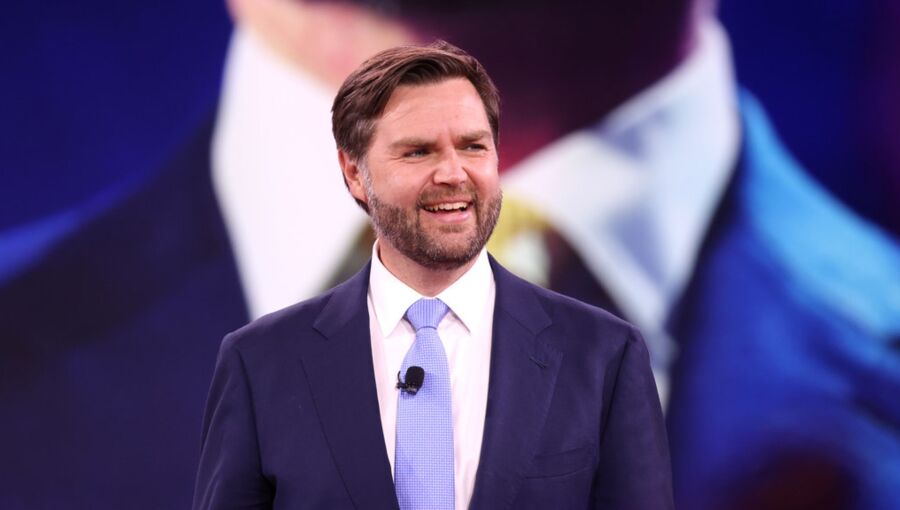
 

Israel and Hezbollah fighting reignites as Vance berates Israeli leadership following Iran deal

Israel and Hezbollah fighting reignites as Vance berates Israeli leadership following Iran deal
File: JD Vance / bne IntelliNewsFacebook
By IntelliNews Tel Aviv bureau June 19, 2026

Israel and Lebanese Hezbollah traded blows overnight on June 18 and June 19, despite Beirut officially being part of a peace deal between Iran and the US on June 19. 

The Israeli attacks on Lebanon come as Vice President J.D. Vance postponed his trip to Switzerland for US-Iran talks on June 19 over ongoing tensions between the two sides over Israel's actions in its fight with the Lebanese militia. 

The flare-up across the Israel-Lebanon border could prove to be a critical test of the fragility of the Memorandum of Understanding between the United States and Iran. It also raises questions about whether or not this fighting led to the cancellation of Vance’s trip to Switzerland. The MoU, which has been signed by both US President Donald Trump and Iranian President Masoud Pezeshkian, includes the immediate cessation of all fighting, including in Lebanon.

On the evening of June 18, the Israel Defence Forces (IDF) announced that the Israeli Air Force intercepted several rockets launched toward IDF soldiers in southern Lebanon.

“Following repeated violations of the ceasefire by the Hezbollah terrorist organisation, the IDF struck throughout the night and continues to strike Hezbollah terrorists and infrastructure sites in several areas across southern Lebanon,” the IDF wrote in a press statement.

A correspondent for Al Manar claimed that the IDF’s airstrikes targeted Al-Jabbour, Doueir, Habboush, Nabatieh, Toul, and Zebdine. Four people were killed, according to local Lebanese media.

Amid the exchanges, Hezbollah warned the Lebanese government against collaborating with Israel in an effort to combat the Shi’ite group, Al-Akhbar reported.

“To facilitate the success of the Iranian-American negotiations in Switzerland, particularly regarding the first clause of the Iranian-American memorandum of understanding, and with reference to US President Donald Trump’s statement about a ceasefire between Israel, Lebanon, and Hezbollah, I reaffirm Lebanon’s position and Hezbollah’s commitment to the ceasefire, as long as Israel adheres to it fully and comprehensively,” Lebanese Parliament Speaker Nabbi Behri announced in a public address.

During the late hours of June 18, the White House announced that Vance had decided to postpone his trip due to logistical reasons.

In a press conference on June 18, Vance said the ongoing fight between Israel and Hezbollah, noting that the deal with Iran includes Lebanon, but admitted skirmishes were ongoing between the two. 

Israeli critics of any deal, “My message to them would be twofold. ​No 1: Donald J Trump is the only head of state in the entire world ‌who is sympathetic to the nation of Israel at this ‌moment in time,” Vance told journalists.

“If I was in the cabinet of the Israeli government, I might not be attacking the only powerful ally that I have anywhere left ‌in the entire world.“

He said he would also remind those cabinet members that two-thirds of the defensive weapons that have protected Israel “have been built by American hands and paid for by American tax dollars”.

According to recent released military funding accounts, the US provides Israel with roughly $4bn in military assistance a year, but the two countries are negotiating a new agreement which would bring Israeli military gear under American control. 

“The problem for Israel is not Donald J Trump, and anybody in Israel who thinks their biggest problem is the president of the United States needs to wake up and smell the reality of the situation that the country is in,” Vance said.

"The US delegation has been prepared to depart at the first available opportunity. But the logistics of these negotiations have never been simple or predictable," the White House press statement read


Kallas Israeli ‘Apartheid’ Row Boosts Her Stature – Analysis


EU's top diplomat, Kaja Kallas. 

Photo Credit: Kaja Kallas, X video screenshot


June 19, 2026 
By EurActiv
By Eddy Wax

(EurActiv) — It has played badly in Berlin, but the diplomatic spat between Kaja Kallas and Israel might well end up playing in her favour.

The EU foreign affairs chief has been widely viewed as soft on Israel. But in recent weeks, that perception has begun to change, in no small part due to a row between her and Tel Aviv that exploded into the open as she was celebrating her 49th birthday in Brussels.

Gideon Sa’ar said he was cutting off all ties with the Kallas on Thursday, six days after Euractiv revealed she had likened Israel’s treatment of Palestinians to South African apartheid.


When asked about her stance on ‘apartheid’ in the West Bank at Thursday’s European summit, she refused to comment on remarks she made behind closed doors.

“I can’t fight the shadows all the time,” she said, urging journalists to focus on her public statements on Israel, which do not mention apartheid, as it is not official EU policy.

Kallas’ critics point to her native Estonia’s warm ties with Israel – a relationship that remains politically relevant because her party still governs in Tallinn – and her deal with Benjamin Netanyahu’s government to get humanitarian aid into the Gaza Strip without coordinating with the Berlaymont.

She has also been criticised for focusing exclusively on the war in Ukraine since taking the job in late 2024.

Her latest diplomatic row comes as Kallas fends off internal attacks from within the European Commission in a foreign-policy turf war that pits Ursula von der Leyen against her smaller, much less well-resourced European External Action Service.

The spat will help Kallas put more political distance between herself and the German von der Leyen, who is still viewed as resolutely pro-Israel.

Iratxe García, the European Parliament’s socialist chief, who is no natural ally of Kallas, even reposted her statement rebutting Sa’ar’s criticism.

Barry Andrews, a senior Irish MEP who argues that Israel is guilty of apartheid in the West Bank, said Kallas is “moving in the right direction”.

Kallas has stood up for the “many” foreign ministers she said this week have demanded that the Commission come forward with a list of legal options for banning trade with illegal Israeli settlements, something von der Leyen and other commissioners are reluctant to do.

Election mode

Antonio Tajani, the Italian foreign minister, put the Israeli diplomatic escalation in the context of the upcoming October elections in Israel. Netanyahu and his allies, like Sa’ar, are fighting tooth and nail to remain in power.

“It’s absolutely domestic politics… since the elections are coming and this is part of the campaign,” said Maya Sion Tzidkiyahu, director of Israel-Europe Relations Program, Mitvim Institute, an Israeli think tank.

“Yet it has to be said that the word ‘apartheid’ could not be ignored by any foreign minister in Israel,” she added.

The upcoming elections are also a reason why some EU governments are hesitating on imposing sanctions on two far-right ministers in Netanyahu’s government, Itamar Ben-Gvir and Bezalel Smotrich.


About EurActiv
EurActiv publishes free, independent policy news and facilitates open policy debates in 12 languages.


WAR IS FEMICIDE

UN Rights Chief Warns Of Impending Atrocities As Militia Closes In On El Obeid, Sudan


Displacement is widespread in war-torn Sudan. 
Photo Credit: UN Photo/Mona Elfateh


June 19, 2026 
By UN News


The UN’s top human rights official has issued an urgent warning that an imminent offensive against El Obeid, the capital of Sudan’s North Kordofan state, carries the risk of serious international crimes and threatens to deepen an already catastrophic humanitarian crisis.

Volker Türk spoke out on Thursday following reports of a significant build-up of Rapid Support Forces (RSF) militia and allied troops around the city, accompanied by intensified drone strikes and artillery shelling.

Sudan has been engulfed in war since April 2023, when fighting erupted between the formerly allied Sudanese Armed Forces and the RSF, plunging one of Africa’s largest countries into a conflict that has become one of the world’s worst humanitarian emergencies.

According to humanitarian affairs office, OCHA, the war has displaced more than 13 million people internally and driven millions more to the brink of famine, with humanitarian access severely constrained across much of the country.

UN chief calls for international intervention

UN Secretary-General António Guterres also issued an alert on Thursday via his spokesperson, expressing alarm over the possible “imminent ground offensive”.

“Far too many times in this conflict, clear warnings have failed to trigger concerted action by the international community,” the statement continued.

“The Secretary-General urges all those with influence over the parties to exert it to prevent further bloodshed. We must not allow the horrors of El Fasher to be repeated in El Obeid.”

Drone strikes multiply

Dozens of drone strikes have hit El Obeid over the past two weeks, particularly targeting fuel stations and trucks, killing civilians and cutting off access to basic services.

“The imminent offensive against El Obeid risks commission of serious international crimes and deepens the catastrophic impact on an already beleaguered civilian population,” Mr. Türk said.

“The States with influence have the duty to exercise it now to stop this madness in its tracks.”

El Obeid’s population has endured siege-like conditions for more than 18 months.

Repeat massacre threat

Mr. Türk drew a direct parallel with atrocities documented in El Fasher and the Zamzam displacement camp in North Darfur last year, warning that the same pattern was now unfolding in North Kordofan.

“We have seen this playbook before,” he said. “We cannot allow the repeat of the preventable atrocities we documented in El Fasher and Zamzam [internally displaced persons] IDP camp in North Darfur last year.”

The High Commissioner also urged all parties to ensure the safe movement of civilians who have repeatedly been forced to flee violence in search of basic services.

Mr. Türk’s warning was unambiguous. “Let this be a stark warning to the world about an impending human rights disaster and worsening humanitarian situation,” he said. “The world is watching, and those responsible for violations must be held accountable.”

Protect the aid effort

UN chief Guterres underscored that humanitarians are continuing to provide aid across the Kordofan region, “despite the deteriorating security situation”.

A humanitarian worker was among the civilians killed by drone strikes in residential neighbourhoods in El Obeid over the past week.

“The Secretary-General stresses that humanitarian workers and supplies must be able to move safely. Humanitarian operations must be protected and facilitated. El Obeid is a crucial hub for humanitarian response efforts across the broader Kordofan region.”


About UN News
News provided by UN News Centre
View all posts by UN News


Renewed Political Will Needed To End Sudan War – Analysis

Soldiers in Sudan. Photo Credit: Tasnim News Agency


June 19, 2026 
By Dr. Majid Rafizadeh


The protracted civil conflict in Sudan, which erupted in April 2023 between the Sudanese Armed Forces and the Rapid Support Forces militia, is one of the most devastating humanitarian catastrophes of this era. The power struggle has metastasized into a multifaceted crisis characterized by widespread violence against civilians, systemic sexual violence, famine-like conditions and mass displacement.

Unfortunately, the situation is worsening, with technological escalations such as the proliferation of drone warfare amplifying the lethality of hostilities and exacting an intolerable toll on noncombatant populations.

Recent data from the UN underscores the gravity of this escalation. More than 1,000 civilians were killed in drone strikes in Sudan during the first five months of this year alone. UN High Commissioner for Human Rights Volker Turk, addressing the UN Human Rights Council in Geneva on Monday, said “the horrific conflict has expanded and escalated, marked by a sharp increase in the use of drone warfare.”

This surge has transformed drones into the predominant instrument of destruction, often targeting or indiscriminately affecting civilian areas, markets, residential neighborhoods and humanitarian infrastructure.


Compounding the direct fatalities from aerial assaults are “rampant” levels of sexual violence, including rape, as reportedby the UN. Such atrocities are not incidental but appear instrumentalized within the broader dynamics of ethnic targeting and territorial control, particularly in regions like Darfur.

While the overall death toll from the conflict remains difficult to ascertain due to access constraints and underreporting, estimates range from tens of thousands to 150,000 to 400,000 when including indirect deaths from starvation, disease and lack of medical care. More than 150 humanitarian workers have been killed, making Sudan one of the deadliest environments for aid operations globally.

The Sudanese crisis is not merely a political or a military confrontation but a profound humanitarian emergency that has displaced millions and pushed vast segments of the population to the brink of survival.

With at least 33 million people — more than half the country’s population — requiring lifesaving assistance, Sudan hosts the world’s largest internal displacement crisis and one of its most acute hunger emergencies. More than 21 million people faceacute food insecurity, with famine conditions persisting in parts of Darfur and Kordofan. Disease outbreaks, collapsed healthcare systems, and disrupted water and sanitation infrastructure exacerbate mortality rates.

Women and children bear a disproportionately heavy burden. Estimates indicate that women and girls constitute the majority of the displaced, facing heightened vulnerabilities in overcrowded camps and during flight. UN Women reports that 12.7 million people — predominantly women and girls — now require support related to sexual and gender-based violence, a sharp rise from previous years.

In addition, more than 17 million children are in need of assistance, suffering from acute malnutrition, disrupted education, recruitment into armed groups and grave violations including death, maiming and abduction. In early 2026, hundreds of child casualties were recorded amid intensified fighting.

Amid this dire landscape, we need a genuine political will among Sudanese actors and the international community. A cessation of hostilities cannot be imposed solely through external pressure, it also requires internal commitment to dialogue, accountability and inclusive governance.

A modestly encouraging development occurred on Monday, when Transitional Sovereign Council Chairman Abdel Fattah Al-Burhan received a delegation of EU ambassadors in Khartoum — their first such visit since the outbreak of war. This engagement signals a potential reopening of diplomatic channels in the capital and an opportunity for the EU to advocate for de-escalation and humanitarian access.

Prior initiatives provide instructive precedents and foundations for progress. The Jeddah Declaration of Commitment to Protect Civilians, facilitated by Saudi Arabia and the US in May 2023, emphasized civilian protection, humanitarian corridors and short-term ceasefires.

Complementary efforts, including the Quad initiative involving the US, Egypt, Saudi Arabia and the UAE, have sought to build on this by proposing structured pathways with two core pillars: an initial humanitarian truce transitioning to a permanent ceasefire and a time-bound political process aimed at civilian-led governance. These initiatives highlight the potential for coordinated regional and global diplomacy.


A viable path forward necessitates robust collaboration between global powers and African-led institutions, particularly the African Union and the Intergovernmental Authority on Development.

In the interim, immediate priorities must include negotiated ceasefires, even if localized or time-limited, to facilitate humanitarian corridors. Safe, rapid and unimpeded access for aid delivery should be nonnegotiable, as should the protection of civilians, humanitarian personnel and critical infrastructure. Civil society, women’s groups and displaced communities must be central to these processes.

In a nutshell, as the violence and death toll continue to mount in Sudan — with drone strikes and other escalations making 2026 particularly deadly — it is incumbent on the international community to act. The failure to do so will continue to have ripple effects across the Horn of Africa and beyond, including refugee flows, instability and humanitarian spillover. Political will is needed. Humanitarian corridors must be opened and secured, a ceasefire agreed and enforced, and an inclusive political process — under African Union coordination with global partners — pursued.

This article was published at Arab News

About Dr. Majid Rafizadeh
Dr. Majid Rafizadeh is a Harvard-educated Iranian-American political scientist. X: @Dr_Rafizadeh
View all posts by Dr. Majid Rafizadeh →


Finance And Legal Professionals Fuel Money-Laundering In Western Balkans: Report


June 19, 2026 
Balkan Insight
By Predrag Milic

Lawyers, notaries, accountants and auditors “are playing a central role in enabling money laundering across the Western Balkans” by exploiting weak implementation of anti–money laundering rules, warns a new report by the Global Initiative Against Transnational Organized Crime (GI-TOC), published on Thursday.

The report, “Licence to Launder: Professional Money Laundering Enablers in the Western Balkans”, finds that although anti-money laundering frameworks are broadly aligned with EU standards, enforcement remains weak due to fragmented supervision and inconsistent reporting. The report covers Albania, Bosnia and Herzegovina, Kosovo, Montenegro, North Macedonia and Serbia, and is based on 89 interviews as well as legal and risk-analysis data.

The report claims that across the region, designated non-financial businesses and professions function as “professional enablers” who “at times deliberately construct a veneer of legitimacy by authenticating transactions without proper due diligence”.

The document highlights “high levels of cash use, cross-border property transactions, fragmented institutional databases and limited inter-agency coordination” as issues that complicate detection efforts.

Real estate is the dominant laundering channel, though the details differ from country to country.

The report indicates that in Albania, professional money-laundering networks use complex multi-layered corporate structures including shell companies and trusts to conceal the true beneficial ownership of assets.

These money laundering networks “exploit client confidentiality and professional secrecy to evade oversight and suspicious transaction reporting, and manipulate documentation through falsified contracts, fake invoices and misleading financial statements, particularly in real estate and high-value asset transactions”, the report states.

In Bosnia and Herzegovina, financial oversight is fragmented and the complexity of institutional structures across entities hampers enforcement.

The report cites “cash-intensive transactions, informal commission arrangements and limited scrutiny of the origin of funds used for high-value purchases” as characteristic of the real estate situation in Bosnia and Herzegovina.

In Serbia, authorities have recorded an increase in suspicious transaction reports, but the report also says that “notaries, brokers and accountants routinely formalize undervalued property sales, fictitious loans and inflated invoices, providing a legal facade for illicit funds”.

In Kosovo, the report states, “professional enablers form tight inter-professional linkages servicing both organized crime groups and politically exposed persons. Lawyers establish and manage companies on clients’ behalf; accountants maintain falsified records and annual statements; and notaries legitimize property and loan contracts that serve as vehicles for integration.”

In Montenegro there is a significant gap between the volume of property transactions and the number of suspicious transaction reports filed by notaries, suggesting weak detection and reporting mechanisms.

“Notaries often facilitate rapid title transfers, inflated property valuations and sales to off-shore linked buyers,” the report states, “while lawyers and accountants design corporate vehicles and financial structures to conceal beneficial ownership.”

North Macedonia has the most advanced notarial framework among the Western Balkan countries, but suspicious transaction reports submitted by notaries rarely lead to follow-up investigations.

Further, the legalisation of illegal constructions,“averaging more than 600 buildings annually” in North Macedonia, functions as “a main channel for integrating illicit funds”.

The report highlights increasingly complex laundering methods, including offshore structures, cross-border corporate arrangements, cryptocurrency and professional documentation used to construct a legal appearance for illicit flows.


The report notes that legal cases against professional enablers of money laundering are rare and difficult to prosecute due to “weak coordination between institutions, limited access to beneficial ownership data and uneven supervisory capacity”.

The GI-TOC report calls for stronger supervision of non-financial professions, improved inter-agency cooperation, risk-based monitoring and more effective sanctions.


About Balkan Insight

The Balkan Insight (formerly the Balkin Investigative Reporting Network, BIRN) is a close group of editors and trainers that enables journalists in the region to produce in-depth analytical and investigative journalism on complex political, economic and social themes. BIRN emerged from the Balkan programme of the Institute for War & Peace Reporting, IWPR, in 2005. The original IWPR Balkans team was mandated to localise that programme and make it sustainable, in light of changing realities in the region and the maturity of the IWPR intervention. Since then, its work in publishing, media training and public debate activities has become synonymous with quality, reliability and impartiality. A fully-independent and local network, it is now developing as an efficient and self-sustainable regional institution to enhance the capacity for journalism that pushes for public debate on European-oriented political and economic reform.

View all posts by Balkan Insight →


Toyota launches EV sport utility vehicle bZ4X in Kenya, following South Africa and Morocco rollouts

Toyota launches EV sport utility vehicle bZ4X in Kenya, following South Africa and Morocco rollouts
/ bne IntelliNewsFacebook
By bne IntelliNews June 19, 2026

Toyota Motor Corporation (TYO:7203; NYSE:TM) has entered Kenya's fully electric vehicle market with the launch of the bZ4X sport utility vehicle, marking the Japanese automaker's first battery electric offering in the country and signalling growing confidence in East Africa's emerging EV sector.

The vehicle was introduced on June 17 by CFAO Mobility Kenya, Toyota's local distributor, ending more than six decades during which the brand's presence in Kenya was dominated by petrol and diesel models. The launch positions Toyota alongside a growing number of manufacturers seeking to capitalise on rising demand for electric mobility in the country.

The Kenyan launch follows Toyota's broader rollout of the bZ4X in selected global markets – and comes a just weeks after the automaker introduced its first battery electric vehicle in South Africa and Morocco. The move reflects Toyota's gradual expansion into Africa's nascent EV sector as governments and consumers increasingly embrace electric mobility.

As IntelliNews reported, electric vehicle adoption across Africa remains concentrated in a small number of markets despite rapid recent growth, with regional electric car sales rising from about 4,000 units in 2023 to roughly 25,000 in 2025, according to the Global EV Outlook 2026 report, published by the International Energy Agency (IEA).

Last year, Egypt led the continent in total EV sales with around 7,900 units sold, followed by Morocco with 5,500 and South Africa with 3,800. Together, the three countries accounted for nearly 70% of Africa’s total electric vehicle sales during the year.

Chronology of Toyota BEV launches in Africa

  • April 2026 – Morocco
    Toyota Motor Morocco launched the bZ4X, the company's first fully electric model in the country, offering a long-range front-wheel-drive version as Morocco's EV market gathered momentum.
  • May 2026 – South Africa
    Toyota South Africa Motors introduced the bZ4X, marking the Japanese automaker's first battery electric vehicle in South Africa. The model became Toyota's first BEV offering in that market.
  • June 2026 – Kenya
    CFAO Mobility Kenya launched the bZ4X, bringing Toyota's first fully electric vehicle to Kenya and targeting corporate fleets, government agencies and environmentally conscious consumers.

Toyota has been slower than many rivals in embracing battery electric vehicles, instead focusing heavily on hybrid technologies, Techpoint Africa writes, but the bZ4X launch in Kenya suggests the company sees sufficient market maturity to support broader EV adoption. The model offers a driving range of up to 516km, all-wheel-drive capability, fast-charging support and an eight-year battery warranty.

CFAO Mobility Kenya said it is targeting corporate fleets, government institutions, development agencies and environmentally conscious consumers. The company plans to leverage its network of 43 service centres to provide maintenance and after-sales support, addressing one of the key concerns surrounding EV ownership.

The bZ4X was first unveiled globally in 2021 under Toyota's "Beyond Zero" strategy and entered major markets in Europe, North America and Asia in 2022. CFAO said the vehicles will initially be imported from Japan, although local assembly could be considered if demand reaches sufficient scale.

Kenya has become one of Africa's most dynamic electric mobility markets, supported by government incentives, rising fuel prices and increasing environmental awareness. Registrations of electric vehicles have risen steadily since 2022, driven by local assemblers and operators such as BasiGo, Roam Electric, Ampersand and Spiro, which have focused on buses, motorcycles and fleet solutions, while investment in charging infrastructure has accelerated.

Toyota's entry could prove significant because of the brand's dominant market position and strong customer base in Kenya. The launch comes as Chinese manufacturers, including BYD Company Ltd (SZSE:002594; HKEX:1211) and Neta Auto, intensify competition in emerging markets.

BYD has significantly strengthened its presence in Africa’s emerging electric vehicle (EV) market, increasing its market share to 35% in 2025 from just 4% two years prior, according to the Global EV Outlook 2026 report.

US electric vehicle maker Tesla (NASDAQ: TSLA) – BYD’s biggest rival globally –officially entered the Moroccan market in February, with a launch event in Casablanca, showcasing two of its best-selling models, the Tesla Model 3 and Tesla Model Y, alongside home charging solutions. Tesla said its new office at the Casablanca Marina “positions Morocco as Tesla’s strategic hub for Africa and energy innovation.” 


India faces twin threat of extreme heat and a slow moving monsoon

India faces twin threat of extreme heat and a slow moving monsoon
/ Prajwal Hiremath - UnsplashFacebook
By IntelliNews June 19, 2026

Most parts of India are facing unprecedented heatwave conditions. For several weeks, India’s capital, New Delhi, has been suffering under temperatures over 40 °C. Across the northern and eastern Indian states, temperatures as high as 45 °C have become, in the span of a few weeks, routine. Similarly, Mumbai has been facing severe humidity combined with heat. Half of June has already passed, but India’s financial hub is still waiting for the monsoon rains.

Kayly Ober, a visiting scholar with the Sustainability, Climate, and Geopolitics Program at the Carnegie Endowment for International Peace, recently wrote in an article that the 2026 heatwave in India is also being characterised by a significant rise in humidity. High humidity stops the body from cooling through sweat evaporation. Because sweating is the body's main defence mechanism against heat, high humidity can turn previously manageable heat conditions into something more serious. India’s average relative humidity rose from 67.1% between 2015 and 2019 to 71.2% between 2020 and 2024, with Delhi seeing the sharpest single-state increase of 8 percentage points, according to Ober. 

“Researchers have established that a wet-bulb temperature—the combined measure of heat and humidity—of 35 degrees Celsius is the threshold beyond which even a healthy, resting adult with ample water and shade will experience a fatal rise in core temperature within hours,” Ober said.

“Air conditioning is able to remove both heat and moisture to mitigate impacts of high wet-bulb temperatures, but the cooling methods available to most Indian households—such as fans and open windows—are not. And for workers labouring outdoors in the heat, physical exertion drives temperatures to cross dangerous thresholds well before the official heat index would indicate,” Ober added. 

With the monsoon rains now substantially delayed, the situation in India is not expected to change, for now at least. A June 15 report by India Today said satellite images showed the southwest monsoon had largely vanished, with vast areas of India experiencing a significant absence of rainfall activity just days after the seasonal rains advanced into southern and central regions.

According to the latest data from the India Meteorological Department (IMD), India has received just 19.2 mm of rainfall compared to a normal of 53.7 mm between June 4 and June 15, a nationwide rainfall deficit of 64%. The IMD has said that a gradual rise in maximum temperatures is likely over northwest India by 2-4 °C in the coming few days.

Meteorologists say that this year the progress of monsoon has slowed owing to western disturbances and significant atmospheric changes, NDTV said in a separate report. The monsoon hit the southern Indian state of Kerala on June 4, three days later than its normal onset date. Since then, its progress towards northern and central India has been sluggish.

In addition, the return of El Niño conditions in the Pacific Ocean and related climatic factors have influenced rainfall patterns, affecting the advancement of the monsoon, NDTV added.

Summer sowing season under stress

Indian farmers rely heavily on monsoon rains for the timely sowing of summer crops like rice. With rains now substantially delayed, the summer or kharif crop season looks to be under stress. The IMD in its June 1 advisory on the southwestern monsoon said that rainfall during the June-September season is most likely to be below normal, estimated at 90% of the Long Period Average (LPA). If this pans out, the impact on the Indian agriculture sector is going to be negative as yields may be affected.

High temperature and reduced water availability are also expected to decrease fertiliser-use efficiency, which could adversely affect crop productivity in areas receiving below-normal rainfall, Outlook quoted Abid Hussain, Senior Economist and Food Systems Specialist at Kathmandu-based International Centre for Integrated Mountain Development (ICIMOD), as saying. 

Kharif sowing has begun on a slower note in India, with farmers only planting 7.25mn hectares by June 5, 2026, about 200,000 hectares less than the same period last year, according to Indian government data.

Rice, one of India’s most important kharif crops, has been sown over 285,000 hectares so far, a little higher than 265,000 hectares sown during the same period of last year. However, paddy sowing is still at a very limited phase. Rice has a normal kharif area of about 412,000 hectares, and the bulk of sowing will depend - critically - on the monsoon’s pace and spread, according to a report by Down to Earth.

Other important kharif crops like pulses, oilseeds, maize and cotton are also in their early stages of sowing, with planting yet to achieve momentum as the monsoon advances. The season, however, is already unfolding under the shadow of a potentially powerful El Niño, Down to Earth said.

Kharif sowing usually gains speed as the monsoon advances across central, western and northern India.

Of the total 7.25mn hectares sown so far, 5.4mn hectares is under sugarcane, which makes up for the bulk of the early reported sowing. Pulses have been sown over 52,000 hectares, up from 35,000 hectares at the same stage last year.

Cotton shows the sharpest decline among major crops. Sowing stood at 751,000 hectares as of June 5, compared with 972,000 hectares last year, a fall of 220,000 hectares.  Whether this reflects delayed planting decisions or a deliberate reduction in area will become clearer as June progresses, according to Down to Earth

While the early sowing data is not yet enough to define the season, the combination of El Niño, below-normal early rainfall and soil moisture deficits means that what happens in the next few weeks is critical.

Central Asia’s Split Allegiance: People Still Look To Russia, Governments And Business Turn To China – OpEd

June 18, 2026
By Paul Goble

According to the Eurasian Development Bank, China has surpassed Russia and become the largest direct foreign investor in the countries of Central Asia; and as a result, businesses and governments increasingly look to China rather than Russia.

But at the same time, the importance of transfer payments home by Central Asian migrant workers who remain several orders of magnitude greater in the Russian Federation than they are in China mean that in many of these countries the population and especially its poorer rural segment continue to look to Moscow.

Consequently, experts in the region say, the shift to China by Central Asians is often overstated both in the Central Asian media and beyond because the existence of the migrant worker factor remains extremely important even as Russian direct investment falls (svoboda.org/a/biznes-estj-biznes-kitay-obgonyaet-rossiyu-v-tsentraljnoy-azii/33777438.html).

This has a large number of consequences in the politics of the Central Asian countries, but two are especially noteworthy. One the one hand, because migrant workers and their transfer payments are so important, the shift from Russia to China as the dominant foreign direct investor remains less than many have suggested.

And on the other, if Moscow does reduce the number of migrant workers from Central Asia in Russia dramatically as some in the Russian capital would like to do, that could change this equation and lead to a far more dramatic turn in the policies of Central Asian countries away from Russia and toward China.

Concern about that possibility is thus likely to be part of Moscow’s calculus on just how many Central Asian migrant workers to allow into the Russian Federation. If the Russian government reduces that number too fast or if it shows itself too hostile to such people, Moscow would almost instantly see its influence in Central Asia decline and that of China rise.
NASA Mission To Study Space Weather Impacts Of Earth’s Atmosphere

Artist’s rendition of the DAPHNE (Dynamic Atmosphere-Ionosphere Explorer) mission concept. The coloring represents auroras and atmospheric waves in Earth’s atmosphere. Credit: Laboratory for Atmospheric and Space Physics/Mary Tostanoski

June 19, 2026 
By Eurasia Review


NASA selected a mission concept to research how space weather and dynamics within Earth’s atmosphere influence the space environment and help improve prediction capabilities for impacts on crucial technology, such as GPS and low Earth orbit satellites, as well as astronauts in space.

The DAPHNE (Dynamic Atmosphere-Ionosphere Explorer) mission will enter Phase B of development, which includes planning and design for flight and mission operations. It will use identical twin satellites to study how changes in Earth’s lower atmosphere influence our planet’s upper atmosphere, where space weather is manifested.

“NASA is advancing the United States’ leadership as a space weather-ready nation, and by providing new insights into Earth’s atmosphere we can better predict and prepare for impacts in our daily lives on Earth and in space,” said Nicky Fox, associate administrator, Science Mission Directorate, NASA Headquarters in Washington. “As NASA sends astronauts beyond Earth’s magnetic protection to the Moon, Mars, and beyond, DAPHNE will join the NASA science fleet strategically located across the solar system to provide data that will help mission planners predict and mitigate the effects of space weather for the benefit of all.”

The DAPHNE mission’s low-risk high-return concept will provide coordinated, multi-point measurements of neutral winds, temperature, and composition in the thermosphere. The ionosphere and thermosphere regions are where Earth’s neutral atmosphere transitions into the ionized plasma of space. In this thin shell that surrounds the planet, the atmosphere is in constant motion, shaped by the influence of solar activity and changes in the lower atmosphere and in near-Earth space.


Fundamental observations and physical insights from the DAPHNE mission will incorporate lower-atmospheric energy data to advance space weather predictive capabilities. The mission is led by Aimee Merkel from the Laboratory for Atmospheric and Space Physics at the University of Colorado, Boulder.

The mission will be subject to a confirmation review in 2027, which will assess the progress of the mission and the availability of funds. If confirmed, the total estimated cost of the mission, excluding launch, will not exceed $250 million in fiscal year 2023 dollars, with a mission launch date of no earlier than 2029.

The DAPHNE mission was proposed as a concept study in response to the DYNAMIC (Dynamical Neutral Atmosphere-Ionosphere Coupling) mission announcement of opportunity. Funding and management oversight for this mission is provided by the Solar Terrestrial Probes program at NASA’s Goddard Space Flight Center in Greenbelt, Maryland.


The methodology of wickedness: Data reveals the most evil Disney villain

The methodology of wickedness: The most evil Disney villain unmasked
Copyright Walt Disney - Canva


By David Mouriquand
Published on

The House of Mouse has given audiences some cracking scoundrels over the years. Some heinous, some nightmarish, and some deeply misunderstood. And one is especially irredeemable...

“The more successful the villain, the more successful the picture.”

Alfred Hitchcock wasn’t wrong when he offered these words of wisdom.

Heroes are great and all that, but a great antagonist makes a film.

From Hannibal Lecter to Lots-o-Huggin' Bear, via Anton Chigurh and the Joker, it’s plain to see that devious bastards are the ones that stand out.

Disney is no different in this respect. Beyond loveable protagonists and, let’s face facts, very creepy princes who need to learn that an erection is not consent, the House of Mouse has given audiences some cracking scoundrels. Some heinous. Some nightmarish. Some deeply misunderstood.

But which Disney villain is the most evil?

Everyone has their favourites in this respect – with the Euronews Culture team split between the devious Jafar in Aladdin and the business-savvy octopus queen of sass that is Ursula in The Little Mermaid.

However, the good folks at PixlParade have taken it upon themselves to take a data-driven approach to the question.

They have compiled a list of the most popular Disney villains, included some deep cuts, and stressed that their focus is on original Disney antagonists. So no Star Wars or Marvel characters.

The team then established point values to the crimes, violations and prejudices the characters are guilty of. For example, mass murder gets you 50 points; child abuse / cruelty adds 15 points to the rap sheet; and arson will cost an extra 8 points... The points were totalled to produce a final score and a ranking of the 50 most evil antagonists.

You can check out the full villain scoring rubric point values and their sub-divisions here.

The number one villain may surprise you...

Before we get to the top spot, we can tell you that Cruella de Vil ranks surprisingly low considering her crimes against animals (35th spot). Snow White and the Seven Dwarfs’ Evil Queen is also quite low (33), despite attempted murder, abuse of power and assault. As for Master Control Program in 1982’s Tron, it comes in at 19 with charges including attempted genocide / mass murder, psychological abuse, and theft.

Trust AI, they said... It'll be fine, they said...

Now to the Top 10.

Sleeping Beauty’s Maleficent comes in at 10 with a total of 241 points; the Pirates of the Caribbean franchise’s Captain Hector Barbossa and Captain Salazar are at 9 and 8 respectively (242 / 253); The Nightmare Before Christmas’ Oogie Boogie is in 7 with 271 points; Scar from The Lion King just misses the Top 5 with an already impressive 284 tally; Mulan’s Shan Yu makes n°5 (313); Gravity Falls’ Bill Cipher is a surprisingly high entry at 4 (375); the Horned King from the lesser-known 1985 film The Black Cauldron steals the bronze with three extra points and a total of 378; and The Chronicles of Narnia: The Lion, The Witch and the Wardrobe’s Jadis the White Witch nabs the silver with 418 points...

Drumroll, please.

According to the analysis, the worst, most irredeemable, most evil Disney villain is... Judge Claude Frollo from The Hunchback of Notre Dame.

Judge Claude Frollo from The Hunchback of Notre Dame
Judge Claude Frollo from The Hunchback of Notre Dame Walt Disney

The religious fanatic and extreme xenophobe led a crusade of “moral cleansing” and earned the highest score of 425 among the Disney villains.

He is guilty of... Deep breath... Murder, genocide / mass murder, attempted genocide / mass murder, attempted child murder, attempted murder, assisting / ordering / conspiring murder, attempted domination, mass indoctrination / enslavement, attempted forced marriage, war crimes, child abuse / cruelty, terrorism, torture, tyranny, abuse of power, unlawful imprisonment, exploitation, kidnapping, attempted kidnapping, psychological abuse, psychological torture, stalking, animal cruelty, assault, hate crimes, mass arson, vandalism, mass property / environmental damage, deception / cheating / fraud, slander, treason / betrayal, harassment, sexual harassment, aaaaaaaaaaand conspiracy.

How does he find the time?? And good luck to any lawyer representing him. Not even Atticus Finch could get him off - especially when you recall his teaching methods with Quasimodo during that alphabet recital scene.

A is for Abomination. B is for Blasphemy. C is for Contrition. D is for Damnation. E is for Eternal damnation...

What do you think? Is Judge Frollo worthy of most evil Disney villain, or was another cheated of the top spot?

Just don't say Captain Hook. If ever there was a misunderstood "villain", it's the Captain of the Jolly Roger. How would you feel if some arrogant flying twink who kidnaps children chopped off your hand and fed the limb to a crocodile??

#JusticeForCap.