Saturday, May 30, 2026

CU


Column: Copper braces for another round of US tariff roulette
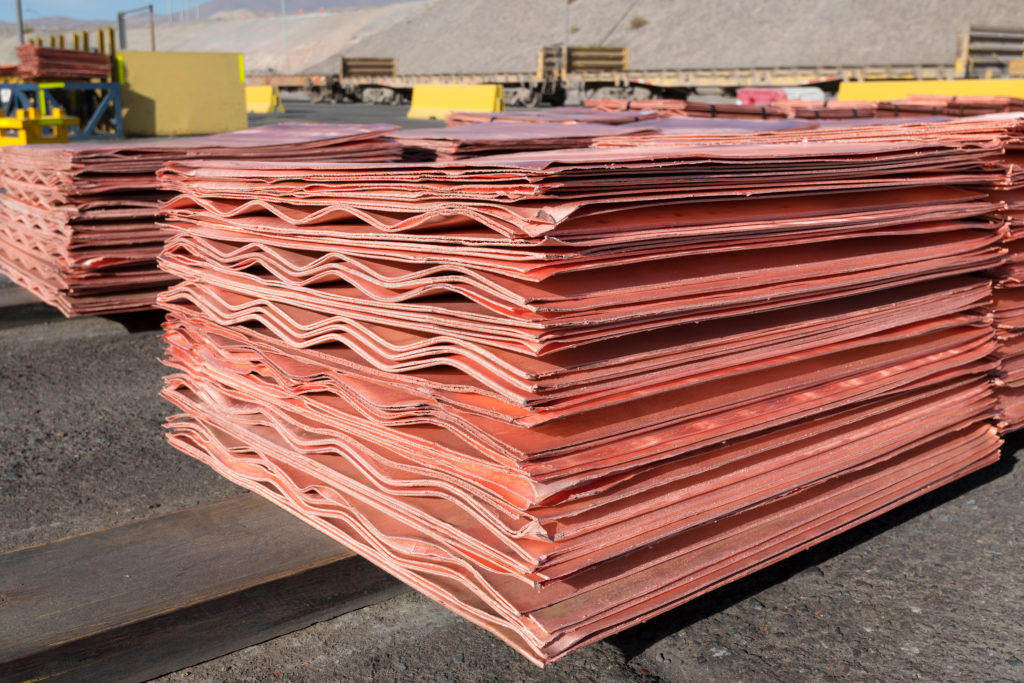


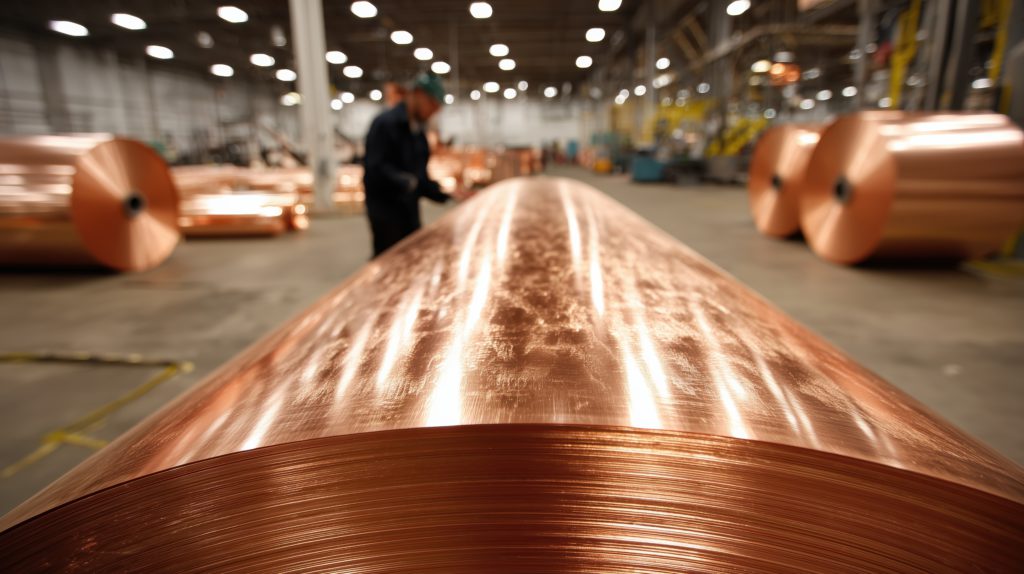
Stacks of refined copper cathodes. Stock image.

(The opinions expressed here are those of Andy Home, a columnist for Reuters.)

Here we go again.

The deadline for a US decision on whether to impose tariffs on refined copper imports is looming at the end of next month.

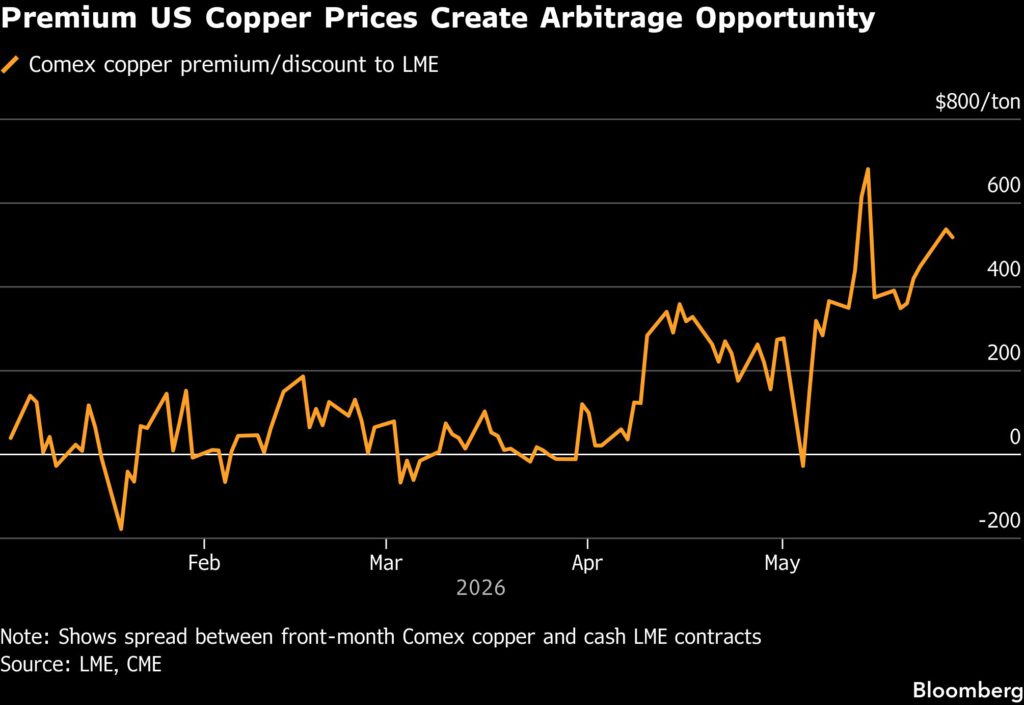
The market reaction is a widening in the arbitrage ​between the CME’s US duty-paid copper contract and the London Metal Exchange’s (LME) international price .

The rising premium for US delivery is drawing more metal into ‌the United States, tightening up availability everywhere else.

If all this sounds familiar, it’s because the copper market was in exactly the same state of nervous anticipation this time last year.

US President Donald Trump ended up confounding expectations by imposing tariffs on copper products but not on refined metal.

Left on the table was the option of phasing in refined copper tariffs from next year. A decision is due by the ​end of June.

CME premium to LME copper price

Minding the volatile gap

The CME premium over the LME price is smaller than this time last year, because back then traders were pricing in ​import tariffs of 50% to match those already imposed on aluminum and steel.

Trump’s July decision to exempt refined metal upended the trade. The CME premium ⁠imploded and the arbitrage eventually inverted, with LME even commanding a premium in the early months of 2026.

Now, the CME premium is back and widening once again.

The spot premium is a modest ​3% of the LME price. But the March 2027 forward premium is close to $1,000 per metric ton, equivalent to 7% of the LME price.

Given the US administration has flagged the potential for phased tariffs ​of 15% from the start of 2027 and 30% from the start of 2028, there is clearly further upside to the CME premium.

US imports of refined copper

Renewed tariff pull

Not that it matters too much for physical traders. The differential on the forward months is more than enough to cover the costs of shipping to the United States.

US imports dropped sharply in the closing months of 2025 as the tariff trade ​unwound.

But they’ve bounced back strongly so far in 2026. Inbound shipments more than doubled year-on-year to 533,000 tons in the first quarter, according to the World Bureau of Metal ​Statistics, which collects data from official customs figures.

More is on its way, judging by the renewed upward momentum in CME stocks, which now total 577,385 tons, accounting for 44% of global exchange ‌inventory.

Even that ⁠tells only part of the story. LME copper stocks have also been migrating to the United States with 222,000 tons sitting at US ports in a combination of registered and off-warrant inventory.

Last week’s cancellation of 33,275 tons at New Orleans suggests metal is being prepared for customs clearance as the arbitrage yawns wider again.

Global exchange copper stocks

Strategics stockpile

The US has over the last year or so built up its own strategic copper reserve thanks to the on-again, off-again threat of tariffs.

Including metal that is being stored off exchange, the stockpile is now ​likely over 1 million tons, not as ​large as that held by China’s ⁠state stockpile manager but bigger than any other country’s reserves.

Does the US need any more?

Probably not, but it’s not clear how the stock build will figure in Commerce Secretary Howard Lutnick’s thinking when he reports back to Trump at the end of June.

As with other ​metals tariffs, the stated aim is to reinvigorate US production capacity and in that regard the country still has only two ​primary copper smelters with ⁠no signs of that changing any time soon.

Thanks to last year’s import surge, the country’s import dependency rose to 57% from 45% in 2024, according to the United States Geological Survey.

On those metrics the case for tariffs looks strong given the parameters of the Section 232 national security investigation.

But as the copper market has found out to its cost, second-guessing the Trump ⁠administration is ​a hazardous business.

(Editing by Marguerita Choy)


Copper’s giant tariff trade is back and squeezing global market

Stock image.

Copper traders are once again scouring the world for metal to send to the US, as renewed speculation about import tariffs revives a trade that’s upended the $300 billion-a-year market.

The on-off threat of import tariffs from President Donald Trump has dominated the copper market over the past year, often driving prices on New York’s Comex above global benchmarks and creating a massive opportunity for traders to profit by shipping metal to the US.

In recent months, US copper imports had slowed after softer Comex prices made shipments unprofitable. But a pick-up in the spread between Comex and the London Metal Exchange in the past few weeks means that traders are now shipping every spare ton to the US, according to several executives, who predicted that imports could bounce back to historically elevated rates of 150,000 to 200,000 tons a month.

“There’s a bit of déjà vu. We’re in the same situation as last year, where all tons are being directed to the US,” said Henry Van, head of industrial metals analysis at Trafigura Group. “It’s very conceivable that we go back to imports of 200,000 tons a month in the near future.”

Front-month Comex contracts have risen to more than $500 a ton above cash prices on the LME for the first time since last autumn.

The outperformance is being driven by renewed investor enthusiasm for copper as well as speculation that the Trump administration will impose import tariffs on refined metal as part of its effort to protect US industry. The commerce secretary has a June 30 deadline to deliver an update on the US copper market that could pave the way for duties starting January 2027.

Trafigura last week moved to withdraw hundreds of millions of dollars of copper from LME warehouses, which was at least in part an attempt to capture premium prices on Comex, according to people familiar with the matter. The orders to withdraw were the largest the LME has seen since 2013.
The renewed rush to ship to the US is adding to a bullish cocktail of factors that traders say could drive prices to fresh highs, after copper climbed to a record above $14,500 a ton in late-January.

While the copper tariff trade is reviving, getting metal into the US is becoming harder. Shipping South American copper to major US ports is taking much longer than usual as disruptions tied to the Iran war ripple through global freight markets and intensify congestion at the Panama Canal.

The mere threat of future duties is enough to sustain inflows, said Gerardo Tarricone, managing director of London-based Arion Investment Management Ltd. “We are going to see momentum heading into the US, which is going to make the copper story even more interesting.”

Copper is already trading at historically elevated levels. It reached as high as $13,746 a ton in London on Wednesday, up about 43% in the past year. Enthusiasm about artificial intelligence has helped lift investor positioning on Comex to the most bullish since December 2020. And buyers in China, which had stepped back from the market when prices rallied earlier this year, have returned since the Chinese New Year holiday.

Should Trump decide to impose tariffs on refined copper, the impact could be to squeeze supplies on the LME, traders said. That would be reinforced if the US follows through on the Commerce Department’s recommendation last year that a tariff of 15% should be imposed from January 2027. That could potentially open a window in the second half of the year when there would be a huge incentive for traders to ship copper to the US.

The copper market outside of the US is in deficit, with inventories already starting to be drawn down in China, said Nicholas Snowdon, chief metals economist at Mercuria Energy Group.

“The focal point of that deficit should move to the LME. It’s a matter of time,” he said. “If you get a decision for tariffs from the start of next year, the drawdown of LME stocks would be very strong in the third and fourth quarter.”

(By James Attwood, Yvonne Yue Li, Jack Ryan, Annie Lee and Jack Farchy)


Codelco’s profit surges as strong copper prices offset output drop
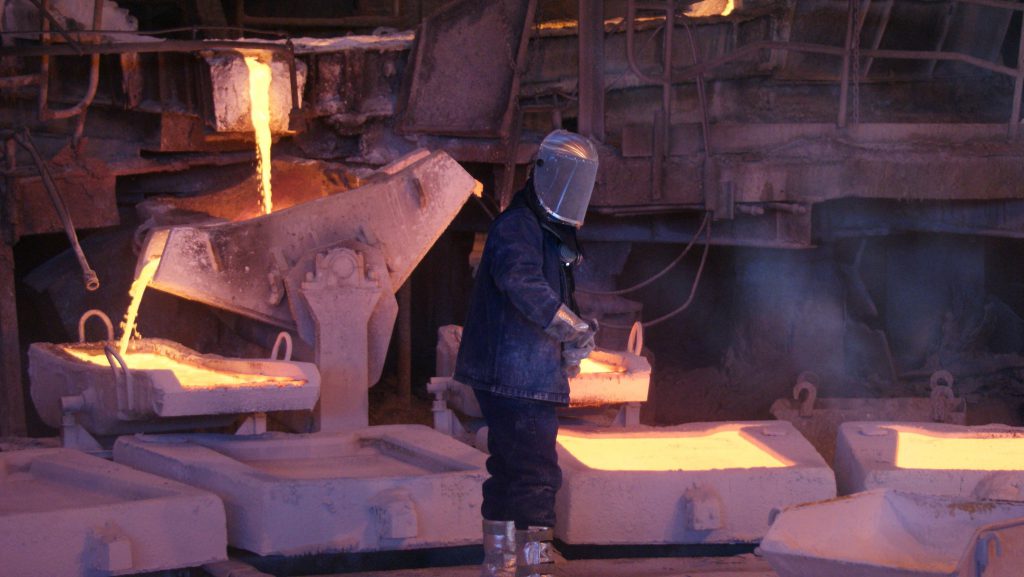

Image from Codelco.

Strong global copper prices helped Chile’s Codelco nearly quadruple its pre-tax profit in the first quarter of 2026, even as output declined at most of the state-run mining company’s operations.

Codelco, one of the world’s largest copper producers, on Friday reported a pre-tax profit of $825 million compared with $213 million in the same quarter last year. The company’s own copper production totaled 272,000 metric tons in the January-March period, down 8% from the year-earlier period.

The company benefited from higher global prices for copper and by-products like molybdenum, CEO Ruben Alvarado said.

Output, however, was weak at its major El Teniente and Chuquicamata mines, as well as at the smaller Ministro Hales, Gabriela Mistral and Andina operations.

Operations at El Teniente, where output fell 26%, remain limited after a collapse last year that killed six workers. Chuquicamata, where production was down 18% in the most recent quarter, experienced lower ore availability.

“These results reflect an operationally demanding quarter, in which the company had to face production constraints, lower ore grades and higher costs,” Alvarado said in a statement.

Production, however, increased at Codelco’s Radomiro Tomic mine due to better grades in oxidized ores and higher sulphide shipments. Output also grew in the company’s Salvador division due to the ramp-up of the Rajo Inca project.

Codelco did not announce any adjustments to its 2026 output forecast, which stands at 1.33 million to 1.36 million tons.

Fallout from 2025 production irregularities

Codelco also continues to deal with the fallout from production irregularities last year that were discovered by an internal audit. The matter led to the dismissal of one executive, other internal disciplinary actions, and a review by Chilean prosecutors.

Reuters reported in March that industry insiders raised concerns about discrepancies in the production figures Codelco reported at the end of last year and whether inventories had been used to help support performance targets.

The controversy has raised political pressure on Codelco as Chile’s new government reshapes the company’s leadership.

Earlier this month, President Jose Antonio Kast appointed Bernardo Fontaine, an economist and business executive, to replace Maximo Pacheco as head of Codelco, while ordering a broader investigation and external audit of the recent production problems.

Codelco is trying to rebound from its poor performance in 2022 and 2023, when copper production fell to two-decade lows. It hopes to produce 1.7 million metric tons per year by 2030.

(By Fabian Cambrero, Iñigo Alexander, Daina Beth Solomon and Kylie Madry; Editing by Natalia Siniawski and Paul Simao)


Fresh leadership at Codelco orders audit of 2024-2025 production figures
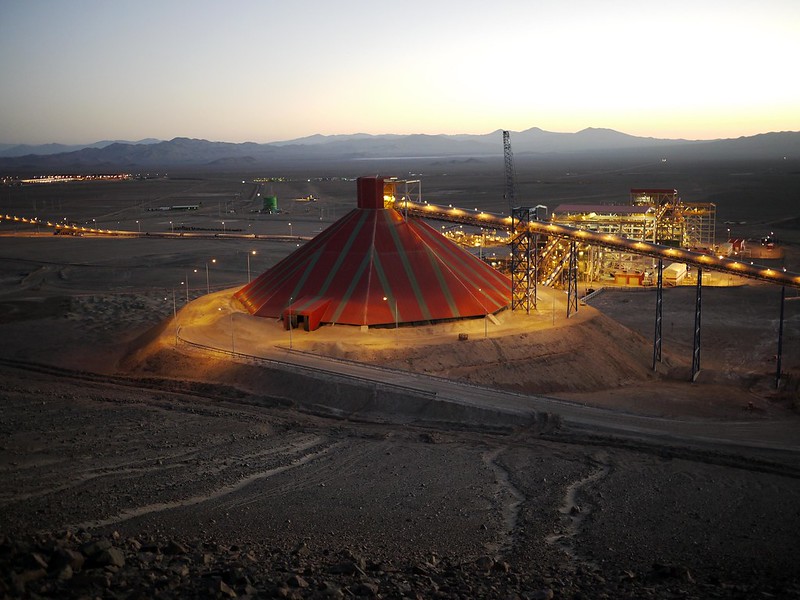

Credit: Codelco

Chilean state copper miner Codelco will order an external audit of production figures for 2024 and 2025, the firm said on Thursday, as its new chairman opened his first board meeting by pledging to restore trust and maximize returns without increasing debt.

The move marks an early attempt by chairman Bernardo Fontaine to tighten oversight at one of the world’s largest copper producers as it faces mounting scrutiny over production reporting and spending.

An internal audit, first reported by local media, found irregularities in production recorded in 2025. The matter led to the dismissal of one executive and internal disciplinary actions, and is also being reviewed by Chilean prosecutors.

Reuters reported in March that industry insiders had raised concerns about discrepancies in Codelco’s production figures and whether inventories had been used to help support performance targets.

Codelco’s audit, compensation and ethics committee will order an external audit of the 2024 and 2025 numbers, as well as costs tied to the renovation of the company’s headquarters, the firm said in a statement on Thursday.

Fontaine said he aimed to help Codelco “recover trust” and said the company’s priorities would be safety, maximizing contributions to the state without adding more debt and restoring order with transparency.

The firm has long relied on debt to fund much of its investment program, as the state miner turns over substantial profits to the treasury and has limited ability to retain earnings.

Codelco also created a safety committee to oversee issues related to the deadly collapse at its El Teniente mine last year.

The miner is set to report first-quarter results on Friday.

(By Kylie Madry; Editing by Jacqueline Wong and Jamie Freed)


Trafigura awarded $92 million in arbitration with Zambia’s ZCCM
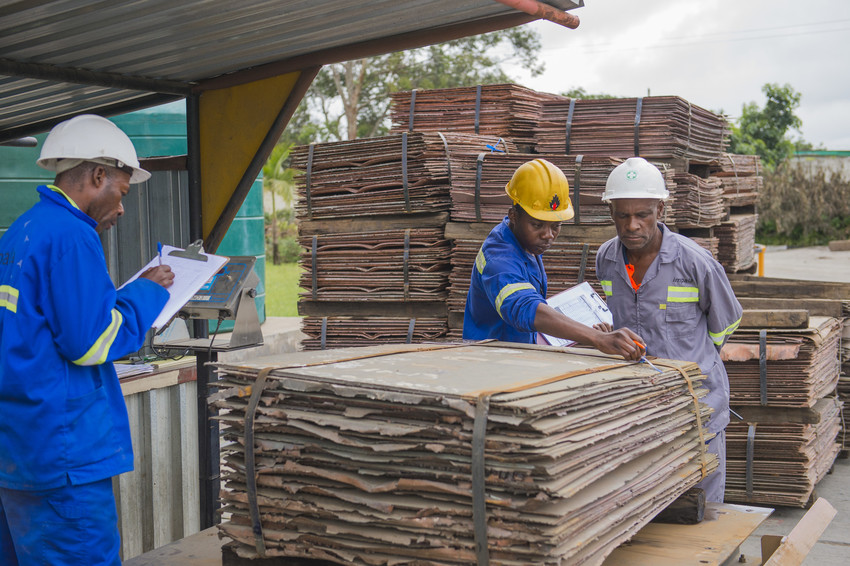
Image: Trafigura

A London arbitration tribunal ordered Zambia’s majority state-owned investment company, ZCCM Investments Holdings Plc, to pay Trafigura about $92 million in a long-running dispute over a prepayment agreement between the commodity trader and Konkola Copper Mines.

The award comprises $69.3 million in principal and $19.7 million in interest, plus arbitration costs and Trafigura’s legal fees, ZCCM said in a statement published on the Lusaka Securities Exchange.

ZCCM is evaluating its legal options regarding the final award, it said.

Trafigura initiated the case two years ago over a prepayment agreement with Konkola Copper Mines, which was operated at the time by ZCCM-IH.

(By Matthew Hill)


Copper startup in IPO talks ahead of Peru mining expansion
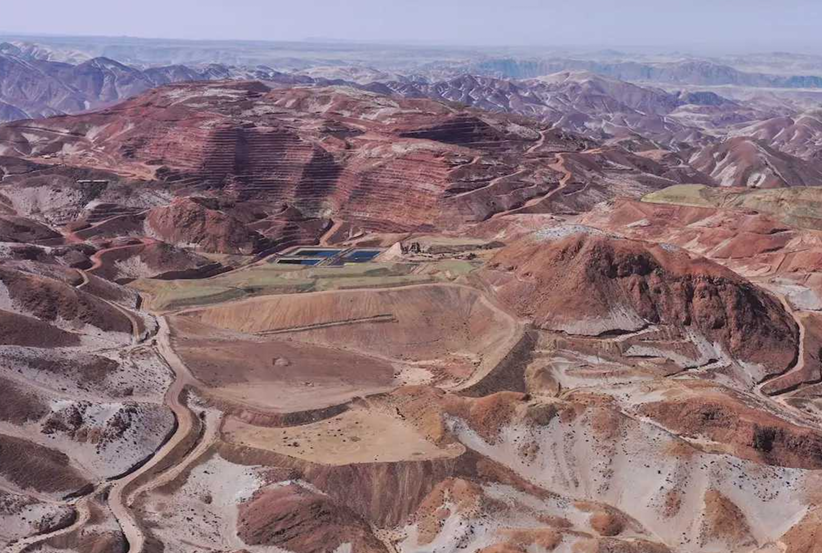

Copper startup Quilla Resources Inc. is in discussions with prospective advisers about listing shares in Toronto as it weighs expansion plans in Peru.

The company led by veteran Peruvian mining executive Victor Gobitz is considering an initial public offering next year after restarting the idled Chapi mine in southern Peru, Gobitz said.

“In Toronto there is an ecosystem specialized in mining,” he said, referring to the preference for a Canadian listing. “If Quilla continues growing, hopefully we will graduate to New York in a few years.”

Gobitz, the former boss of a mine owned by BHP Group and Glencore Plc, is pitching investors on a project that builds on an existing operation rather than a greenfield development. That means it can be expanded faster and at lower cost as miners struggle to bring on new supply for the energy transition and data centers. His team is also watching for other opportunities that may arise in Peru.

For now, the focus remains on restarting Chapi and advancing exploration across the broader land package near a major Freeport-McMoRan Inc. mine to determine whether a much larger deposit lies beneath the current operation. Quilla is arranging a new capital raise ahead of its anticipated IPO.

Chapi began ramping up in February and is expected to reach full capacity in the fourth quarter. Eventually, Gobitz wants to raise annual output to 30,000 metric tons, a plan that would require an investment of $200 million to $300 million. Tapping the deposit’s full potential could mean a new owner with deeper pockets, he said.

(By James Attwood and Carla Samon Ros)


Carney pitches US on closer ties in autos, aluminum and minerals

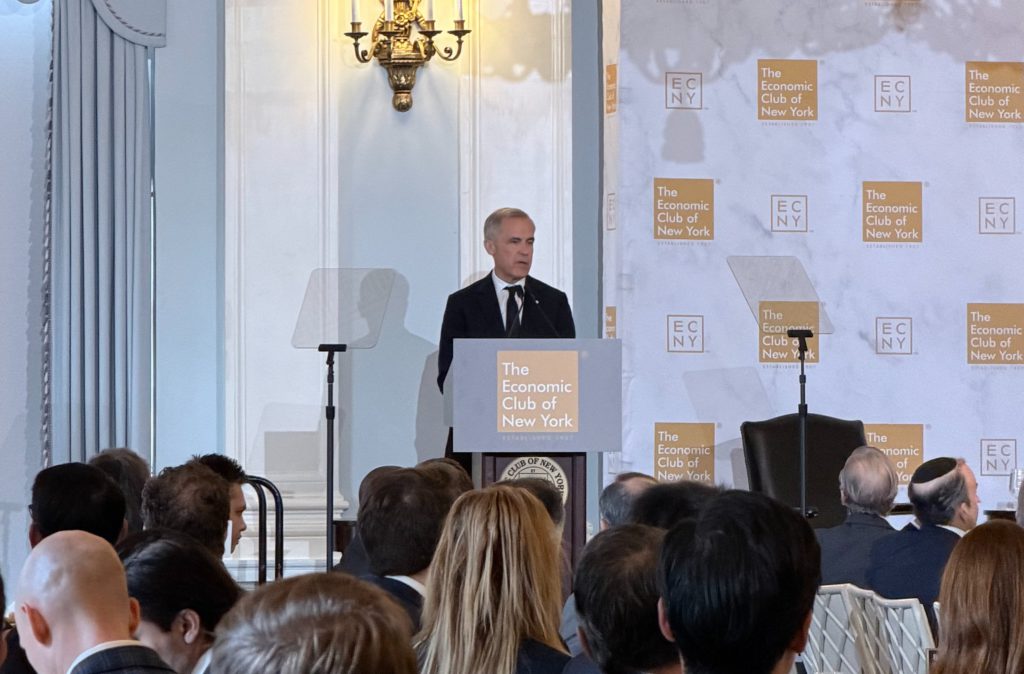
Mark Carney speaking to the Economic Club of New York. Credit: Economic Club of New York | X

Canadian Prime Minister Mark Carney used a speech in New York to make the case to the Trump administration for closer cooperation on aluminum, auto manufacturing and critical minerals.

The trip comes as pressure builds on Carney to show Canada is still engaged with the US on trade. American and Mexican negotiators began formal talks this week on potential changes to the continental trade pact known as the US-Mexico-Canada Agreement, but Canada is not at that table and there is no schedule yet for its own bilateral discussions.

Carney has lately begun pushing a “Fortress North America” message in his public remarks, including in another recent speech which he said Canada is “open to deeper integration” with the US.

“Let’s be absolutely clear, Canada Strong will help make America great again,” Carney told the Economic Club of New York on Thursday, combining slogans both leaders use for their own countries.

“Examples of where that’s true are legion, where we should work together and compete with the world together. And to those ends, we have made specific practical proposals to the US administration.”

It’s a more conciliatory tone compared to earlier this year, when he declared that Canada’s close integration with American supply chains was once a strength but has become a weakness.

On Thursday, Carney said aluminum is one clear example where it makes sense for the longstanding allies to cooperate, given the huge amount of production in Quebec using relatively cheap hydro electricity.

Canadian exports of aluminum to the US “are the energy equivalent of 10 Hoover Dams,” Carney said. “With America’s growing energy needs because of the incredible transformation here, does it make sense to build the gigawatts here needed to replace Canada?”

On autos, he noted that Canada is the biggest customer of American-built cars, and said an integrated North American market is still the best way to compete with the automotive sectors in other regions.

The auto sector is expected to be a difficult element of trade discussions with the US, as Trump imposed tariffs of 25% on Canadian-built cars, with an exemption for the percentage of US-made parts inside the car.

Carney has sought to alleviate this with counter-tariffs on US cars and a remission scheme for companies that build cars in Canada.

More controversially, he’s also slashed tariffs on a limited number of Chinese-made electric vehicles, a change from Canada’s previous policy of fully matching the 100% tariff on Chinese EVs that the US has in place.

Carney defended that move, noting the tariff break for Chinese EVs is initially capped at 49,000 annually, a small portion of the 1.8 million cars sold in Canada each year. He told the New York crowd that over time a broad range of cheaper Chinese cars are expected to come in under that system, “but in a controlled way.”

Meanwhile, Canada’s reserves of potash, nickel, copper and uranium can also be a major economic advantage for the US, Carney said. “Canada can be the most reliable supplier that America needs to put affordable food on the table, strengthen its national defense and meet the exploding demand to power AI.”

Much of Carney’s speech was spent outlining his government’s efforts to grow Canada’s energy exports and rapidly expand its military capabilities.

He ended by urging the US to forge a closer partnership with what he described as “a different Canada, a stronger Canada, a more confident Canada.”

(By Brian Platt)

Aluminum facts - Natural Resources Canada


Aluminum’s US comeback hinges on power, not tariffs, industry advocates say


Aluminum production facility. Stock image by ChrisTYCat.

The United States’ push to revive domestic aluminum production could stall unless smelters secure long-term access to industrial-scale electricity, according to policy advocates tracking the sector’s rapid transformation amid tariffs, reshoring efforts and rising global demand.

The global aluminum market is facing increased shortages as the closure of the Strait of Hormuz throttles supply, with spot prices for the metal spiking while exchange inventories slump. Aluminum prices climbed to a four-year high this week, driven by supply concerns and continued geopolitical instability affecting global shipping routes.

California-based environmental advocacy group Industrious Labs, dedicated to decarbonizing heavy industries, has released a new report with data that shows that since tariffs on primary aluminum were raised to 50%, imports — especially from Canada — dropped significantly.

Canada is the biggest foreign supplier of aluminum to the US, accounting for 44% of imports to its southern neighbor last year.

According to the Aluminum Import Monitor in the “unwrought” category as the proxy for primary aluminum In 2024, the US imported 2,745 kt of primary aluminum from Canada. In 2025, it was only 1,950 kt, a 29% decrease since Sec. 232 tariffs on aluminum were increased to 25% in February 2025 and then 50% in June 2025.

“Usual caveat that we believe the tariffs to have been the driving factor, but aren’t the only macroeconomic factors in play, Annie Sartor, senior campaigns director at Industrious Labs told MINING.COM.

Reshoring supply

But while the price surge and trade tensions have reignited interest in expanding US primary aluminum capacity, Sartor warned that electricity — not tariffs — remains the industry’s biggest bottleneck.

“There’s a really unpredictable commodity market right now around aluminum,” Sartor said in an interview this week.

While there are 10 primary aluminum smelters operating in Canada, there are only four operating primary aluminum smelters in the United States, down from over 30 plants in 1980. Alcoa operates smelters in Massena, New York and Warrick, Indiana, while Century Aluminum operates plants in Sebree, Kentucky and in Mt Holly, South Carolina.

Last year, Century said it will invest about $50 million to restart over 50,000 metric tons of idled production a Mt. Holly smelter in South Carolina. This year, Emirates Global Aluminium and Century entered into a joint development agreement to build the first new primary aluminum production plant in the United States since 1980 in Oklahoma, an emerging refinery hub.

But Sartor points out that building an aluminum smelter and bringing it online takes about five years.

“It would be great if you could just turn on an aluminum smelter in 30 days and start making metal. But the industry operates on much longer timelines,” she said.

Both the Biden and Trump administrations have pursued policies aimed at rebuilding US aluminum production after decades of decline.

While the Biden administration relied heavily on grants, loans and Inflation Reduction Act incentives, US president Donald Trump has instead emphasized tariffs as the preferred mechanism for protecting domestic producers.

Industrious Labs asserts that neither approach fully addresses the sector’s central challenge: access to reliable and affordable electricity.

Grid capacity

“Access to industrial-scale electricity — and increasingly industrial-scale clean electricity — is the pain point,” Sartor said.

Primary aluminum smelting is among the world’s most energy-intensive industrial processes. New facilities can require more than 500 megawatts of dedicated power supply a year, equivalent to the electricity consumption of a mid-sized city — once financing and power contracts are secured.

That challenge is becoming more acute as data centres and other large industrial users compete for grid access across North America.

“Aluminum producers are being scooped by data centers and hyperscalers,” Sartor said. “They can simply pay more for the power.”

The issue is already shaping the timeline for new projects, while US import tariffs haven’t been enough to stop the US losing another aluminum smelter.

Century Aluminum’s proposed smelter in Oklahoma — backed by a US Department of Energy grant and developed alongside Emirates Global Aluminium — remains dependent on securing a long-term electricity agreement before construction can begin.

The evolving trade relationship between Canada and the United States is also reshaping aluminum flows.

On Friday, the same day mining giant Rio Tinto (ASX: RIO) began a $1.5 billion expansion of its AP60 low-carbon aluminum smelter in Quebec, it also announced shipments of the metal to the US have now bounced back to levels from before President Trump’s tariff offensive.

Canada has historically supplied large volumes of low-carbon primary aluminum to the US market, leveraging extensive hydropower infrastructure in Quebec and British Columbia.

However, some Canadian producers are now increasingly redirecting shipments toward Europe, where demand for lower-carbon metals has strengthened under the European Union’s Carbon Border Adjustment Mechanism (CBAM).

“The aluminum industry sees itself as a North American market,” Sartor said. “Canada makes a lot of primary aluminum. The United States makes a lot of secondary or recycled aluminum. Together, when we’re working as a single market, that works great.”

The group warned that prolonged trade disruptions could permanently shift supply chains away from the United States.

“As time goes on, the stickiness of these new trade relationships starts to get stickier,” she said, noting that Canadian producers may become increasingly tied to European customers.

Despite the uncertainty, the firm believes 2026 could become a pivotal year for the North American aluminum industry, with additional smelter announcements possible if market conditions remain favorable.

“It’s an old, slow-moving industry operating in a really unpredictable market and political landscape right now,” Sartor said. “But I think this will be a big year for aluminum.”


Rio Tinto’s aluminum exports to US rebound to pre-tariff levels


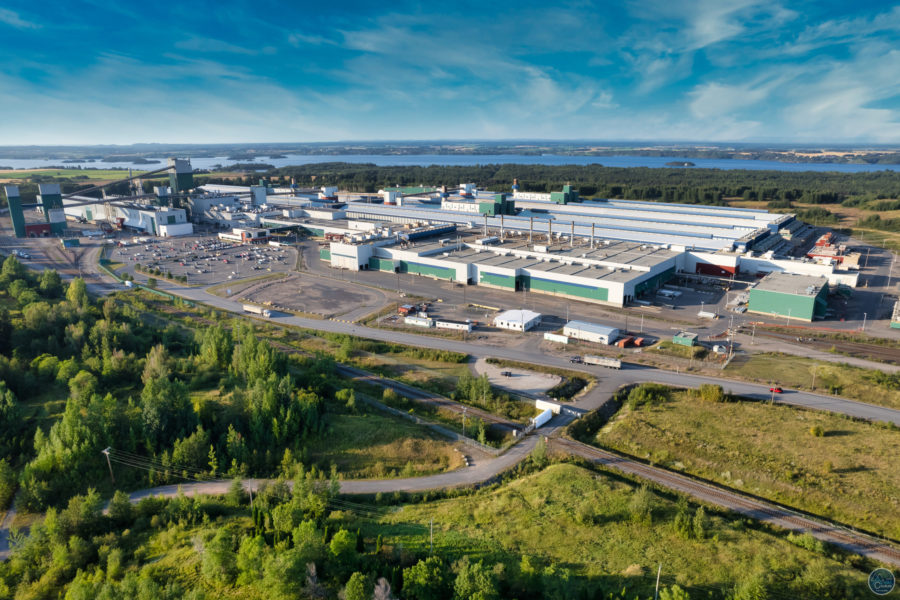
Usine smelter in Alma, Quebec. Reference image from Rio Tinto.

One of the world’s largest aluminum producers, Rio Tinto Group, says its shipments of the lightweight metal to the US have bounced back to levels from before President Donald Trump’s tariff offensive.

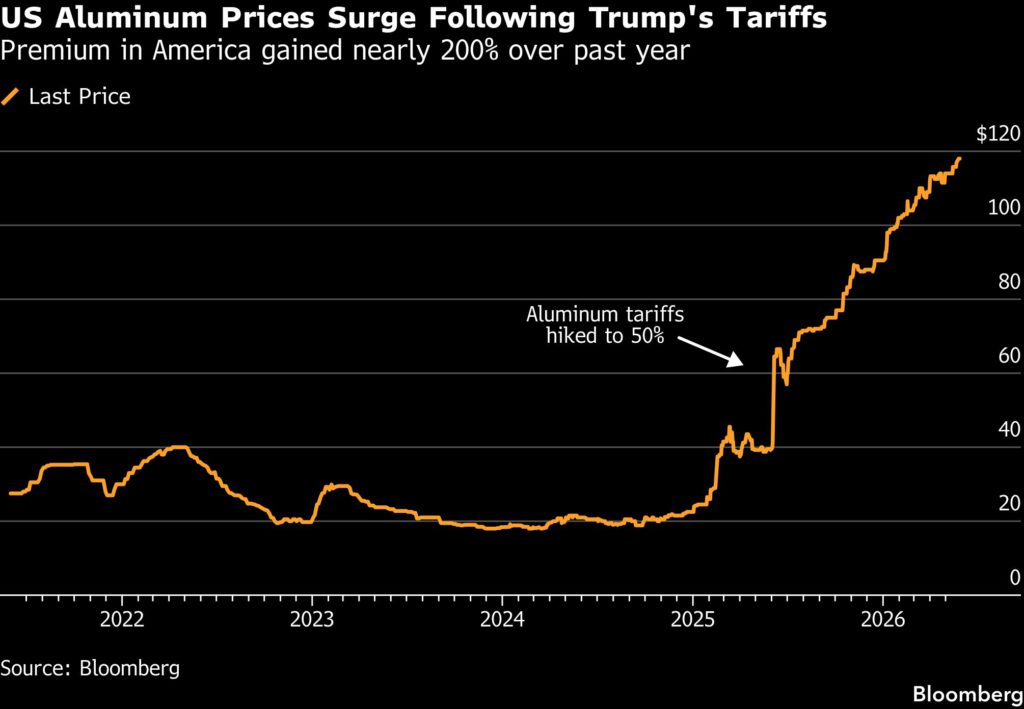
The White House has hiked the levy on the metal to 50% last year, pushing Rio Tinto to sell more of its Canadian-produced aluminum in the European market. In turn, North America shipments — headed mostly to the US — fell to the mid-60% range. Flows are now back to about 80%, the producer’s aluminum chief said.

“We progressively came back to the pretariff situation — meaning the US represents the vast majority of our sales from Canada today,” Jérôme Pécresse, who heads Rio’s aluminum business, said in an interview.

Canada is the biggest foreign supplier of aluminum to the US, accounting for 44% of imports to its southern neighbor last year. Soaring US prices due to Trump’s tariffs and tight North American supplies have created a windfall for producers like Rio Tinto and Alcoa Corp. About a third of Rio Tinto’s global output of the lightweight metal is from the eastern Canadian province of Quebec, where an abundance of cheap hydroelectric power is an industry draw.

The Iran war has added further pressure on the market for the metal, with producers in Gulf states idling smelters due to damage and the inability to ship materials through the Strait of Hormuz.

“There is probably 2.5 million ton capacity in Middle East, which is offline,” Pécresse said. The crisis, he added, has led to a marginal increase in sales to Europe from Canada, Australia and New Zealand, while demonstrating “the importance for the US to have a nearby source of very competitive low carbon aluminum.”

The so-called US Midwest premium — the amount added to global price benchmarks to deliver the metal to that region — has nearly tripled since early June of last year.

Pécresse said despite the surging premium, demand remains high.

At the same time soaring US electricity costs amid a massive data center buildout have given producers like Rio little incentive to build a new primary aluminum smelter in the US. That’s stymied President Trump’s hopes that tariffs would revive domestic metals production.

“Data centers can probably pay their electricity at two- to three-times the price you need to build a competitive smelter,” Pécresse said. “The reason we’re producing in Canada and Quebec today is because of the competitiveness of hydropower costs.”

While Rio has no plans to build US smelters, last year Emirates Global Aluminum confirmed plans to build the first new aluminum plant in the US since 1980. US producer Century Aluminum Co. joined as a partner in January for the new facility in Oklahoma, with construction expected to start by the end of the year.

Instead, Rio is focusing its North American aluminum efforts in Canada, where the producer started operations at its AP60 smelter expansion in Quebec’s Saguenay—Lac-Saint-Jean region on Friday.

The $1.5 billion expansion will offset the loss of production associated with the idling of older smelting pot rooms nearby. The area includes an alumina refinery, four smelters and six hydroelectric power plants.

(By Jacob Lorinc and Mathieu Dion)


RIO Starts $1.5B AP60 Smelter Expansion in Quebec, Targets End-2026 Completion


RIO Expansion To Boost Aluminum Capacity By 160,000 Tonnes


Aveek Bhowmik
Fri, May 29, 2026 


Commissioning began in March, with all 96 new pots expected to be operational by the end of 2026.


The expansion will add about 160,000 metric tonnes of annual primary aluminum capacity using advanced AP60 technology.


The project supports long-term regional employment and generated over $1 billion in economic activity for Quebec during construction.


Shares of Rio Tinto (RIO) were up in morning trade after the company announced that it has started commissioning its $1.5-billion AP60 smelter expansion at Complexe Arvida in Quebec. This marks a major milestone for the deployment of its state-of-the-art, low-carbon aluminium smelting technology.

At the time of writing, RIO stocks had gained around 1%.

RIO Expansion To Boost Aluminum Capacity By 160,000 Tonnes

The commissioning process is expected to be completed by the end of 2026. Once fully operational, the expansion will add around 160,000 metric tonnes of annual primary aluminum production capacity, bringing total output using AP60 technology to about 220,000 metric tonnes per year.

The project is expected to support around 100 permanent jobs in the region. During peak construction, it created more than 1,500 jobs and generated over $1 billion in economic benefits for Quebec.

Rio Tinto said the expansion marks a new chapter in its long-standing presence in Quebec and will strengthen its ability to supply North American customers with low-carbon aluminum used in transportation, construction, electrical applications and consumer products.

RIO Expects Up To 90% Reduction In Fine Particulate Emissions

Rio Tinto said its AP60 technology is among the most efficient and low-carbon aluminum production technologies available at commercial scale. Powered by hydropower in Canada, the technology produces about one-sixth of the greenhouse gas emissions of the industry average and roughly half the emissions of the older technology used at the nearby Arvida smelter. The company also expects the AP60 expansion to reduce fine particulate matter emissions by up to 90%.

RIO Stock: What Retail Sentiment Says

Retail sentiment on Stocktwits for RIO has been “neutral” on Thursday, but message volume has been “high,” unchanged in the past 24 hours.

The RIO stock has gained over 75% in the past 12 months.

For updates and corrections, email newsroom[at]stocktwits[dot]com.

Aveek Bhowmik has no position in any of the stocks mentioned in this article. StockTwits' news team content is for informational purposes only and is not intended as investment advice. For more, see our editorial policy. This article was originally published on StockTwits.


Global aluminum price rally could draw record exports from China


Stock image.

The rally in the global aluminum market could spur record exports of the metal from China, where elevated prices are capping consumption.

Aluminum on the London Metal Exchange is trading at its steepest premium to Shanghai futures since March 2022, after the war in the Middle East choked supplies from a key producing region and created a deficit on the international market.

Chinese exports rose 15% in April to 598,000 tons, the highest since November 2024. They could climb further to a record of more than 680,000 tons in the coming months, said Zhu Liangmin, an analyst with researcher Beijing Aladdiny Zhongying Business Consulting Co.

Aluminum rods for power grids — exempted from a recent tightening in China’s export rebates — and alloys used in wheels, are seeing particular demand, he said.

Although prices in China have been dragged higher by the LME’s surge, as the largest producer it’s largely immune from the shortage, particularly given a slowing economy and tepid domestic demand.

Many fabricators in the production hub of Henan province are running at full capacity to meet brimming orders for products such as ultra-thin battery foil, according to a local media report. It cited an executive at Henan Mingtai Aluminum Industrial Co., who reported a jump in overseas sales in the second quarter.

LME prices have hit four-year highs in recent days, but one complicating factor is that some of those gains have been driven by fears that Chinese supply could tighten if smelters are forced to cut output to meet the government’s energy use and emissions targets.


Aluminum price spike from Mideast war fans costs for US solar industry


Stock image.

Commercial US solar customers are seeing installation costs spike as the war in Iran chokes supply of aluminum and makes racking systems more expensive, compounding financial pressures on an industry already grappling with elevated silver prices.

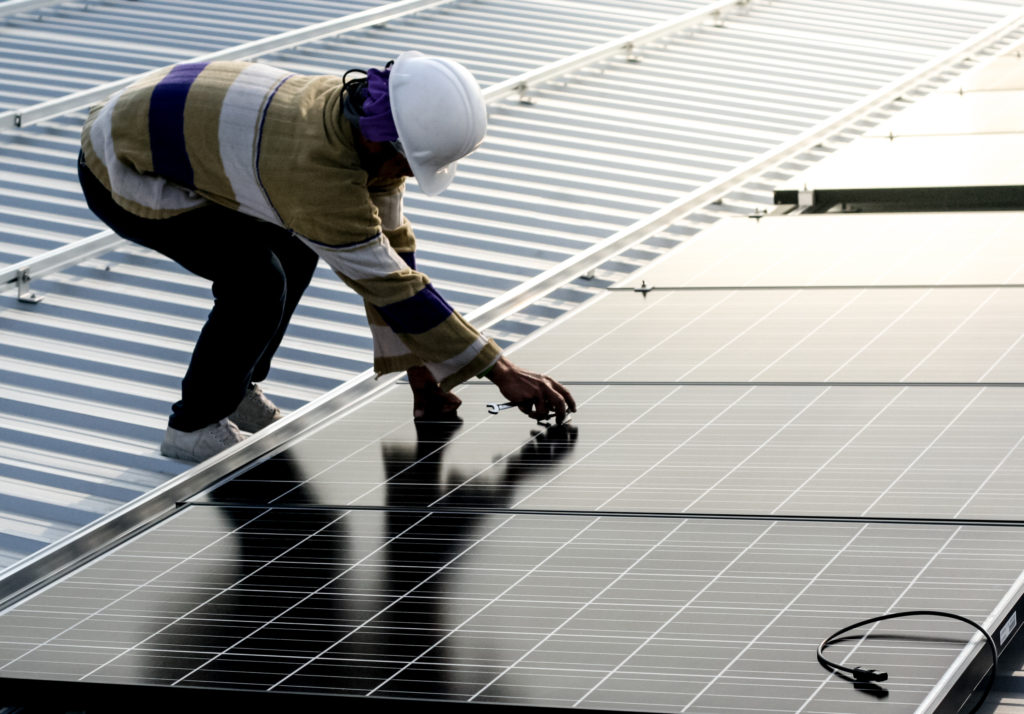
Aluminum is vital for solar racking components such as rails, clamps and brackets to mount solar panels.

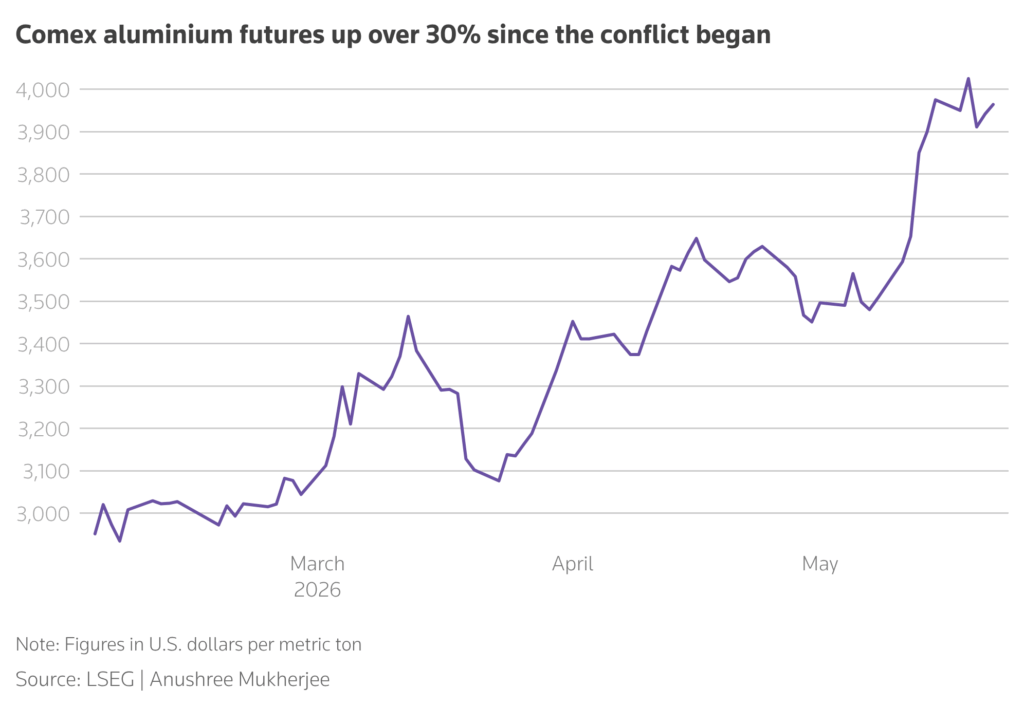
Damage to Gulf refining facilities and disruptions to shipping via the Strait of Hormuz, a conduit for over 5 million metric tons of aluminum annually, have pushed benchmark aluminum prices on the London Metal Exchange up 15% since late February, while CME’s COMEX aluminum futures contract has gained more than 30%.

“I’m seeing roughly a 20% increase in racking selling price across solar projects,” said Jim Wood, CEO of SEG Solar Inc. “I would expect some marginal projects—particularly those with very tight returns—to fall off.”

The United States imported over 5 million metric tons of aluminum in 2025, according to the US Geological Survey. Canada supplied over 50%, while the UAE and Bahrain accounted for 12% of US aluminum imports, USGS data showed.

However, since most aluminum is priced in reference to the global benchmarks, Gulf supply risks have translated into higher costs for Canadian imports as well.

“The US and Canada operate in a globally integrated market, Canadian producers will adjust their prices to match rising global rates,” said Derek Schnee, senior commercial solar consultant at JK Renewables.

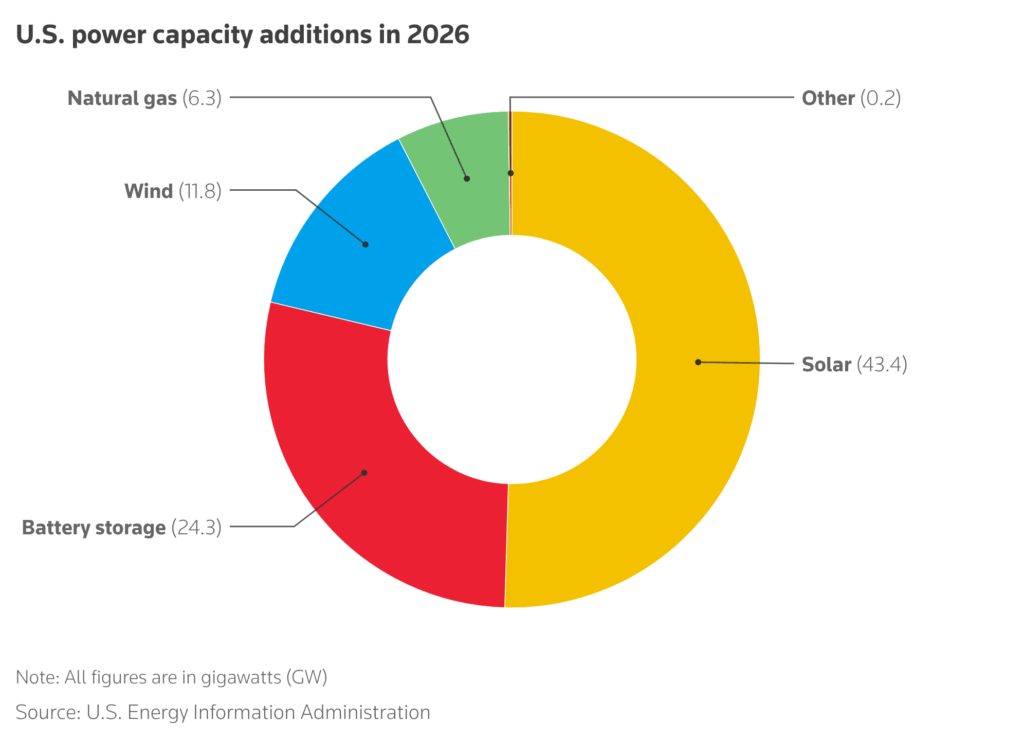
The aluminum price rally also comes against a backdrop of rapid US solar growth, with demand from the AI hyperscaler buildout also rising. The US Energy Information Administration expects developers to add 43.4 gigawatts (GW) of utility-scale solar capacity in 2026, a 60% jump from last year. The mounting equipment expenses could ultimately make some of these projects less profitable, analysts said.

The sector is also navigating tariffs on imported panels currently and Trump administration policies prioritizing fossil fuels over renewables.

Costs to trickle down

Aluminum accounts for about 9% to 10% of total project costs through mounting and structural components, said Linda Zeng, senior power & renewables analyst, BMI, a unit of Fitch Solutions.

“Assuming a 500-watt module, in general, the aluminum frame accounts for $10 per module in 2025 pricing. Aluminum usually accounts for about $0.02 per watt, or $10 per panel, but would increase by 50% to about $0.03 per watt, or $15 after the supply constraint,” said Ben Damiani, chief technology officer at Cherry Street Energy.

“So, for 500 gigawatts, this would represent $5 billion of increased cost,” he added.

One gigawatt can power about 750,000 homes.

Experts said even small per-watt increases in costs can become significant when applied across large volumes of planned solar capacity.

“I expect to see this have a direct cost to the consumer in Q3 and Q4 2026,” JK Renewables’ Schnee said, referring to higher costs being passed through to commercial end-users, including utility scale developers, office buildings, data centers and factories.

(By Anushree Mukherjee; Editing by Arpan Varghese and Devika Syamnath)


Petra shutters Finsch mine, cuts jobs as diamond slump bites


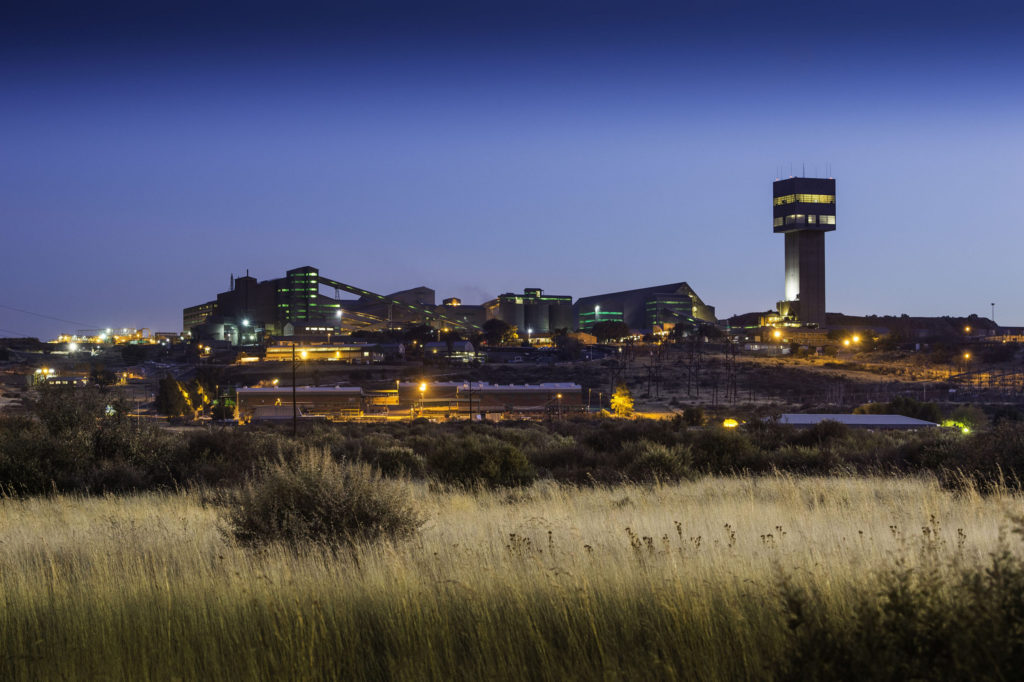
Petra Diamond’s Finsch mine in South Africa (Image: Petra Diamonds.)

Petra Diamonds (LON: PDL) is placing its Finsch mine into business rescue and cutting jobs across its South African operations as collapsing diamond prices and a strong rand threaten the miner’s liquidity and future.

The company said on Friday that worsening conditions in the natural diamond market, compounded by Middle East tensions and weaker prices for smaller stones, have forced it to take emergency measures. 

Finsch’s average realized price fell to about $47 per carat in April and May from $56 per carat in the third quarter, while prices at Petra’s flagship Cullinan mine dropped to roughly $81 per carat from $109 per carat. 

Petra said Finsch, which generated 34% of group revenue in fiscal 2025 and primarily produces diamonds of two carats and below, has been hit by what management described as a structural decline in prices for smaller stones.

The company has suspended capital development at Finsch, redirected equipment to support production and launched consultations that could lead to workforce reductions across the group. Petra, which employs more than 4,000 people, did not disclose how many jobs could be affected but said it had begun a consultation process with employees and unions.

“We are faced with an unprecedentedly weak diamond market, due to global macro factors as well as the recent Middle East tensions,” CEO Vivek Gadodia said. “We believe that there is now a structural shift on pricing of smaller sized diamonds and therefore do not foresee a significant price appreciation for the smaller sized diamonds.”

The company also halted production guidance for fiscal 2026 through 2030 pending a revised business plan expected by the end of September.

Industry shift

The restructuring highlights mounting pressure across the diamond sector as slowing Chinese luxury demand and the growing popularity of lab-grown stones weigh on prices. Producers have responded by curtailing operations, reducing inventories and reassessing expansion plans. 

Petra’s decision to place Finsch into business rescue underscores concerns that lower-value diamonds may face a prolonged decline in demand and pricing.

The Cullinan mine remains central to Petra’s future strategy because of its ability to produce rare, high-value Type II diamonds that command premium prices. The company is increasing mining in areas known to host those stones and is testing productivity improvements aimed at boosting recoveries and throughput. 

Liquidity focus

To support the restructuring, Petra secured lender consent to ensure the Finsch business rescue process does not trigger defaults under its senior bank facilities or second-lien notes. 

The company also warned it could breach minimum liquidity requirements later this year, prompting discussions with creditors and a formal bondholder consent process.

Investors reacted sharply to the announcement. Petra shares fell 17% in early afternoon trading to 11p, extending their decline to more than 30% this year. The company’s market capitalization has shrunk to about £42 million ($56 million).

The overhaul will bring leadership changes as well. Joint CEO Operations Juan Kemp will leave the company at the end of May following a mutual separation agreement with the board. Vivek Gadodia will become sole chief executive and join the board as Petra focuses on preserving liquidity and reshaping the business around Cullinan’s higher-value production.

Report: Israel’s Economy and Agricultural Ministers Oppose Zim Acquisition

Zim containership
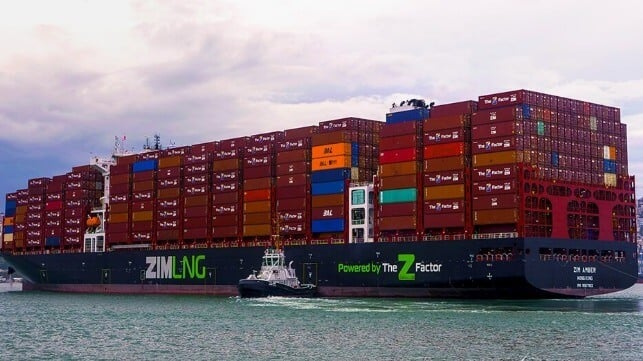
Opposition is being expressed as the government review's the planned acquisition of Zim (Zim file photo)

Published May 28, 2026 5:47 PM by The Maritime Executive


Media reports from Israel report mounting opposition to the approval of the sale of Zim to Hapag-Lloyd. Calcalist, which was the first to report that Hapag had been selected to buy Zim, now reports that key Israeli ministries are warning of the dangers of approving the sale.

Under the terms of the agreement, Hapag would take over the majority of Zim’s current operations and fleet. An Israeli investment firm, Ishay Davidi’s FIMI, would launch a new Zim Israel that would operate a small, regional carrier to meet the requirements of the Golden Share held by the government. Davidi asserts it would be a strong regional carrier able to meet the obligations to Israel and would have relationships with Hapag to maintain global access.

Calcalist reports it has seen an opinion submitted by the Ministry of Economy’s Foreign Trade Administration that, however, questions the new company and its abilities. It writes that the report calls the proposed structure, “a direct risk to maritime traffic, Israel’s economic and strategic interests.”

It highlights that the plan calls for Zim Israel to retain just 12 owned ships, a requirement of the Golden Share, with four additional chartered ships to maintain the regional routes. Zim currently has a fleet, it says, of 99 ships. Under the Golden Share, Zim must also be headed by an Israeli, and it gives the government the right to refuse a change in control of the company.

Calcalist says that the ministry’s written opinion concludes that the transaction “empties the state’s golden share of its content and endangers the national interests it was designed to protect.” It questions the structure of the new company, saying it “lacks a profitable asset base that would allow it to survive economically beyond a few years.” Calcalist writes that the Ministry concluded it could create a crippled company unable to stand independently.

The  Ministry also reportedly cites the investments in Hapag by the sovereign wealth funds of Qatar and Saudi Arabia, countries it notes that do not have diplomatic relations with Israel. It warns that the sovereign funds are not merely passive investors and that the countries use infrastructure and economic holdings to create geopolitical leverage.

Zim is a key part of the Israeli economy and participant in both imports and exports. It controls approximately a quarter (22 percent) of the container shipping market in Israel. 

Calcalist reports the Ministry of Agriculture has also voiced opposition, saying the transaction could threaten Israel’s food security. It notes the critical role of imports of goods, including wheat and fertilizers. It says 85 percent of Israel’s calorie consumption is imported. Zim reportedly controls roughly one-third of maritime food shipping activity.

Two weeks ago, there were reports that the Shipping and Ports Authority also voiced its formal opposition to the transaction. They reportedly called the proposed Zim Israel a “dependent and weakened entity,” saying it would endanger Israel’s national interest in shipping and supply chains.

Calcalist reports the Ministry of Transport is also expected to adopt a similar opinion. The concern is that Israel would lose maritime independence.

The shareholders of Zim have approved the takeover, and management of Zim has begun to resign anticipating the completion of the transaction. However, completion of the deal remains dependent on government and regulatory approval.


Marcura Husbandry Targets the Vessel OPEX Blind Spot

Marcura
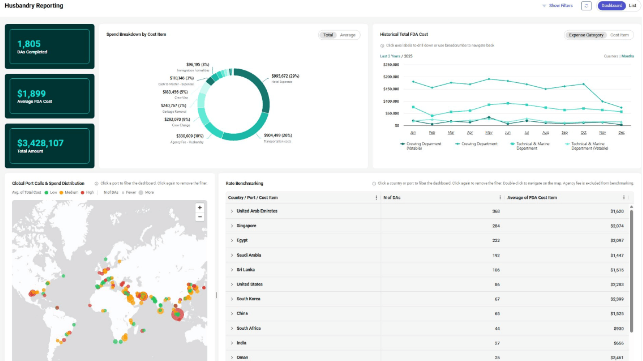
Marcura Husbandry Reporting

Published May 29, 2026 12:18 PM by The Maritime Executive


[By: Marcura]

For most ship managers, husbandry port calls sit in an uncomfortable gap. They are operationally critical: the crew changes, repairs, bunkering stops and maintenance calls that keep vessels running - yet they are routinely managed through email chains, informal coordination and judgment calls made without reliable data. The costs are real; the visibility is not.

Launching today, Marcura Husbandry is built to close that gap, bringing planning, procurement, execution and benchmarking into a single connected workflow.

Of the roughly 1.3 million port calls recorded globally each year, close to a fifth are classed as husbandry, according to Marcura’s analysis. Despite the significant number of calls that exist specifically to maintain vessels, the process governing them has barely changed in decades.

Masters scope services informally. Agents are appointed based on familiarity rather than contract compliance. Preliminary invoices are approved without benchmark context, and when the final disbursement account arrives higher than expected, which it routinely does, the cause is rarely identified and almost never recovered.

Janani Yagnamurthy, SVP, Product, Marcura, said: "Marcura has spent 25 years at the centre of port spend management, processing disbursement accounts and building the data that underpins how the industry understands port costs. That depth of proprietary data, combined with the expertise we have built internally, gives us unmatched insight that helps drive value. Marcura Husbandry brings this capability into the full vessel management lifecycle, and we believe it marks a fundamental shift in how ship managers approach non-commercial port call costs."

Marcura Husbandry brings cost intelligence into the workflow before any agent is appointed. The Estimator module draws on historical data, port profiles and vessel characteristics to set an expected husbandry cost, so teams can compare ports and budgets before procurement starts. Where contracted rates exist, they surface automatically at approval. Where they do not, a structured digital RFQ brings every agent quote into a standardised format and shows an accurate market benchmark alongside each one.

Once an agent is appointed, the PDA is screened against benchmark rates, contracted rates and historical spend before approval. The FDA gets the same check when it arrives. Every call feeds vessel and voyage spend analytics, PDA-to-FDA variance reporting and updated market benchmarks, giving teams the evidence to negotiate, renew contracts and report with confidence.

Marcura Husbandry is available now. Find more information and book a demo here.

The products and services herein described in this press release are not endorsed by The Maritime Executive.