Tuesday, April 28, 2026

Feds formalize enhanced oil recovery tax credit flip-flop in spring economic update


Published: 
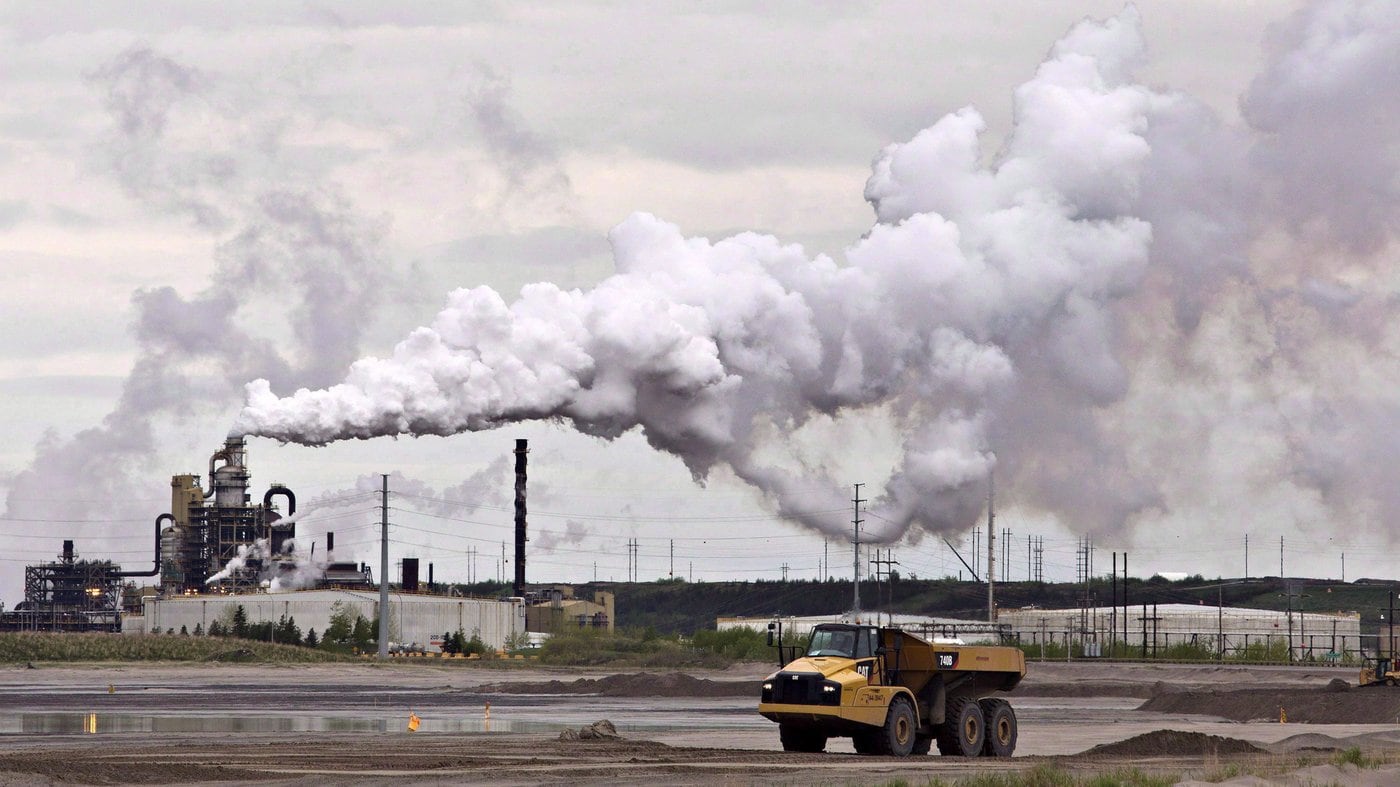
A dump truck works near the Syncrude oilsands extraction facility near the city of Fort McMurray, Alberta on Sunday June 1, 2014. THE CANADIAN PRESS/Jason Franson

OTTAWA — The spring economic update the federal government released on Tuesday seeks to formalize a pivot in climate policy that first appeared in last year’s energy agreement with Alberta.

In the 2025 budget, the Liberals promised to not make enhanced oil recovery eligible for a tax credit for the development of carbon capture and storage systems.

But 10 days after that budget passed the House of Commons, Ottawa extended that tax credit to enhanced oil recovery projects in its energy memorandum of understanding with Alberta.

The flip-flop cost Prime Minister Mark Carney a cabinet minister, as Steven Guilbeault resigned the day Alberta MOU was announced.

The spring economic update lays out the criteria for accessing the tax credit in Alberta and other provinces where there are “sufficient regulations to ensure CO2 is permanently stored,” such as B.C. and Saskatchewan.

Ottawa projects the measure, which takes effect immediately, will generate $395 million in federal revenue over the next three years.

Enhanced oil recovery is a carbon capture and storage technology — or CCUS — that captures carbon dioxide from industrial emitters and injects it underground at oilfields.

That increases pressure and pushes more oil out of the rock, while the carbon dioxide is trapped underground.

Environmentalists see the extension of the tax credits to enhanced oil recovery as a direct subsidy of oil production, while the industry says tax credits are not subsidies.

Mark Scholz, president of the Canadian Association of Energy Contractors, told reporters late last year that including EOR in carbon capture credits was a “game-changer” and would put Canada in a much better competitive position for investment compared to the U.S.

“We think that this measure will help to store more carbon,” federal Finance Minister François-Philippe Champagne told reporters at a news conference Tuesday.

“We need to do more in order to make sure that we would be able to store more carbon. But at the same time, if you look at the state of the world today, you realize that Canada is increasingly that stable, predictable partner of choice when it comes to energy security.”

In the spring economic update, the government said the credit rate for carbon capture and storage through EOR would be half of the rate for storing carbon geologically or in concrete.

Equipment being used for both conventional carbon capture and for EOR is also eligible for tax breaks “on a weighed-average basis” depending on how much carbon is being captured through each method.

Storage equipment in an EOR capture project, however, would not be pro-rated.

The issue of making EOR eligible for tax credits has been a political hot potato for Prime Minister Mark Carney. Guilbeault resigned from cabinet in November over it. He was the heritage minister when he resigned, but spent four years as environment minister and was the architect of much of the Liberal climate plan.

Guilbeault, a prominent climate activist, had received assurances from Carney’s office that the tax credits for EOR would not be in the budget or added to it afterwards, sources told The Canadian Press at the time. Guilbeault had also been dispatched to win the support of Green Party Leader Elizabeth May for Carney’s first budget.

May had heard rumours that the government was going to reverse that decision, and it was one of the things keeping her from supporting the budget — until Guilbeault gave her his word that would not happen.

May voted for the budget — a key vote the Liberals needed at that time, when they still had only a minority government.

May said the reversal amounted to a “significant betrayal” which had her questioning the worth of Carney’s word.

Carney no longer needs to pacify any opposition MPs as he now governs with a majority, with five MPs crossing the floor to the Liberals since November.

Tuesday’s economic update also included $3 billion over five years for Global Affairs Canada, and another $168 million to Environment and Climate Change Canada to deliver “climate-related supports to vulnerable countries.”

It also pledged money to the Canadian Climate Institute to host a “sustainable finance conference in the coming year,” to discuss investment opportunities in Canada.

The report by The Canadian Press was first published April 28, 2026.

Nick Murray, The Canadian Press

Legacy coal mines tied to toxic selenium levels in Alberta lake, as legal pressure mounts for cleanup


Published: 

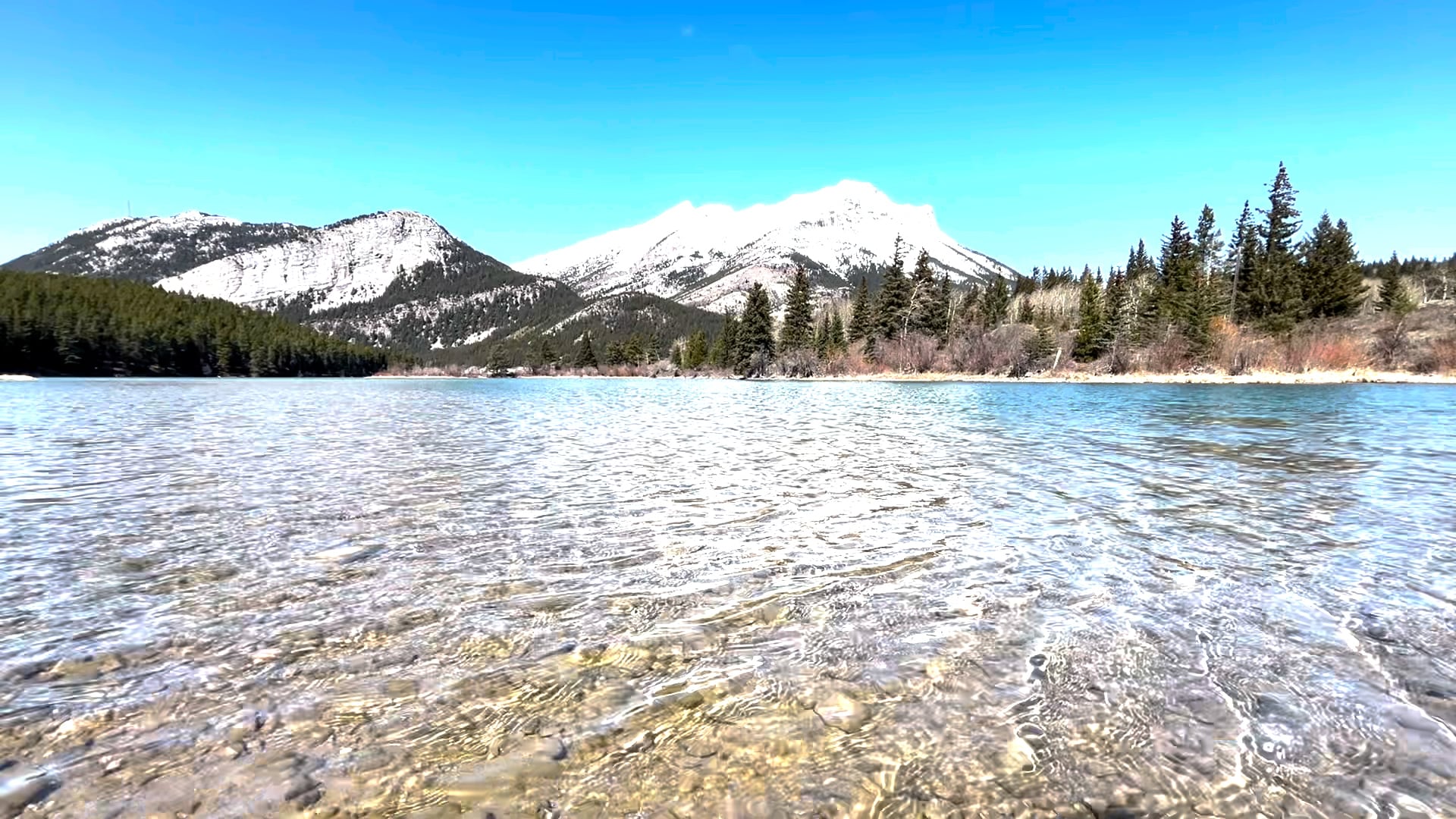
Crowsnest Lake in Alberta. (Kathy Le / CTV News)

A recently published scientific study is raising fresh concerns about the long-term environmental impacts of coal mining in Western Canada, finding that pollution from a mine closed decades ago continues to contaminate fish in an Alberta lake and could threaten its future.

The peer-reviewed research, released this month by the American Chemical Society, found elevated levels of selenium in fish from Crowsnest Lake in southern Alberta, tracing the contamination to runoff from the Tent Mountain coal mine, which ceased operations in the 1980s.

“This becomes a human health issue,” said Lorne Fitch, a retired fish and wildlife biologist.

“The results were quite striking in terms of levels in fish flesh that are higher than recommended for human consumption.”

The findings come as a legal demand letter, filed by a member of the Piikani First Nation, has been sent to provincial and federal governments, as well as the mine’s current owner, calling for immediate action to stop ongoing pollution and begin cleanup efforts.

The study, led by provincial aquatic scientist Colin Cooke, found selenium concentrations in multiple fish species that exceeded federal and provincial guidelines for safe consumption. Researchers warned that additional coal development in the region could push the fishery beyond sustainability.

Selenium is a naturally occurring element, but in high concentrations it can build up in aquatic ecosystems, accumulating in fish tissue and causing deformities, reproductive failure and population decline.

Fitch said the research underscores how the environmental effects of coal mining can persist long after operations end.

“The impacts of mining, even for a couple of decades, could have implications that reach far into the future in terms of water quality, biodiversity and risk to human health,” he said.

Legacy mines

Crowsnest Lake receives runoff from the former Tent Mountain mine, where waste rock continues to leach selenium into surrounding waterways. The site was partially certified as reclaimed decades ago, but contamination persists.

In a statement, Alberta’s Minister of Environment and Protected Areas Grant Hunter said the province has one of the world’s leading water monitoring systems and that water in Crowsnest Lake remains safe, with selenium levels staying low. The minister added that modern coal mining is subject to stricter standards and stronger environmental protections than in the past.

But experts say the province’s response focuses on water, not what’s happening in the fish.

Mandy Olsgard, a senior toxicologist with Integrated Toxicology Solutions, said the research shows selenium has built up in fish tissue, raising concerns about ecological and food safety risks.

“Water in Crowsnest Lake might be safe for humans, but selenium has accumulated in fish tissues, so it’s not safe for fish — that’s what this publication tells us,” she said.

Olsgard said the disconnect highlights a broader issue around enforcement.

“Yes, we do have stringent environmental quality guidelines in Canada, but we do not have a robust compliance and enforcement system,” she said.

She added that similar contamination has been documented at other former coal sites in Alberta.

“Where I’ve really focused my work is more into the northern mines, around the Grande Cache area and Cardinal River, which are showing the same thing for legacy mine sites,” she said.

‘For the next generations’

The issue is not isolated. In neighbouring British Columbia, coal mining in the Elk Valley — operated by Elk Valley Resources, a subsidiary of Glencore — has faced ongoing challenges controlling selenium pollution, despite significant investment in mitigation measures and regulatory oversight.

In Alberta, concerns are now intensifying as exploration continues for the proposed Grassy Mountain coal project in the same region.

“Grassy Mountain cannot be allowed to go ahead,” said Dave Thomas, a spokesperson for Crowsnest Headwaters.

“Any further coal mining could tip the fishery to the point where fish would no longer survive.”

He added the contamination has implications far beyond the region.

“You’re talking about source water for the Saskatchewan River system. This lake provides water all through the Prairies right to Hudson’s Bay. And that selenium contamination flows all the way through.”

The letter also argues that the pollution is infringing on the rights of Indigenous communities who have long relied on the lake for food.

A Piikani First Nation elder, who supports the legal action, said the impact is already being felt.

“This lake provided our way of life,” said Pale Horse Rider. “But today, the fish from this lake are not edible anymore.”

He said the issue affects both culture and survival.

“We have to maintain the quality of water to sustain our lives for the next generations,” he said.

Fitch said the findings should serve as a warning as debate continues over new coal development.

“This should be a huge warning light to us,” he said.

“About 80 per cent of Alberta’s population depends on water from these eastern slopes.”

The legal demand sets a deadline for governments and the company to respond, with the possibility of court action if no steps are taken.

Kathy Le

Kathy Le

Opens in new window

Journalist, CTV National News

Singapore-based company chosen as potential buyer for Yukon mine after collapse


Published: 


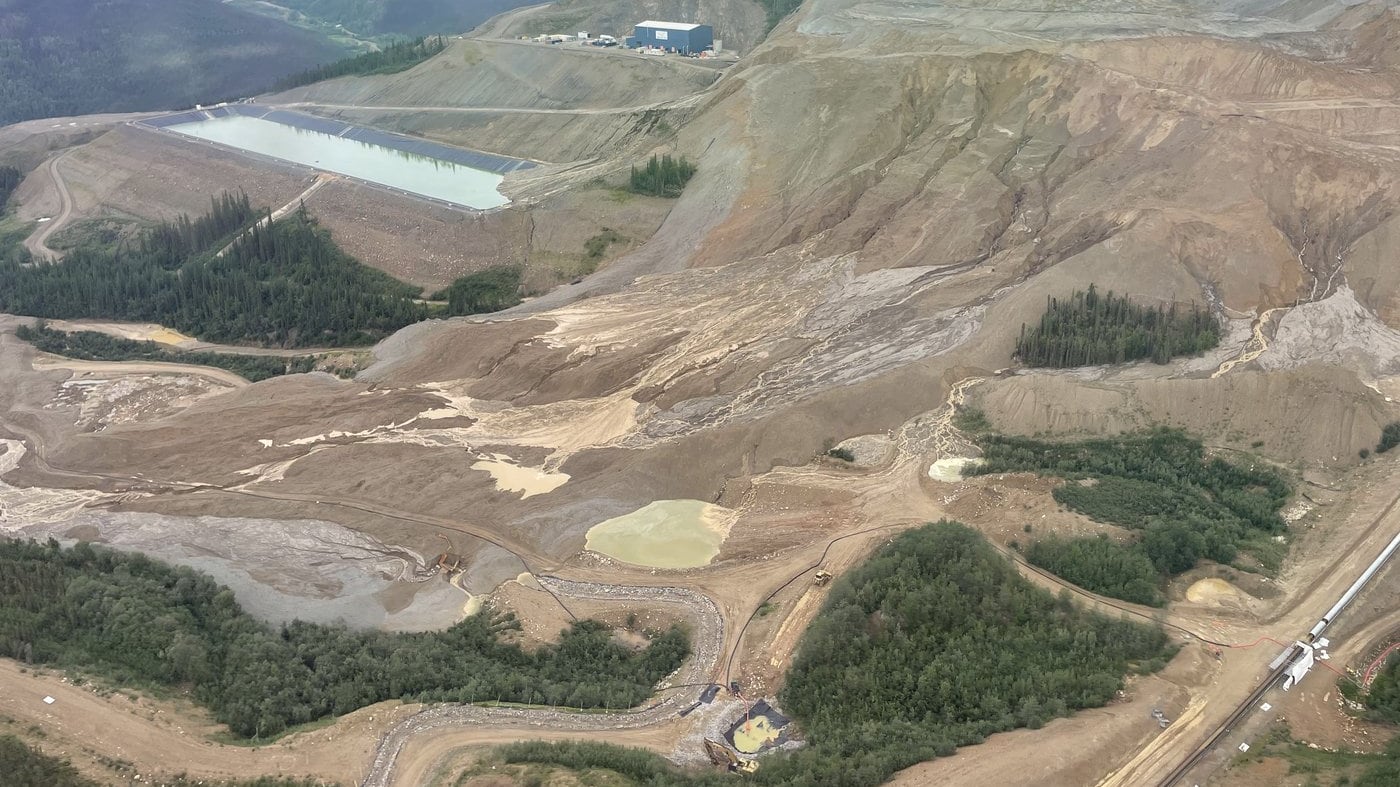
Victoria Gold's Eagle gold mine site north of Mayo, Yukon, is shown in this handout aerial photo taken Wednesday, July 3, 2024. THE CANADIAN PRESS/Handout — Yukon Government (Mandatory credit)


The Yukon government says a Singapore-based private company has been chosen as a potential buyer for the defunct Eagle Gold mine that was the site of a catastrophic storage failure in 2024.

A statement from the government says the court-appointed receiver has entered into an exclusivity agreement with Boroo Ltd. for the sale of the Eagle Gold mine and “certain related assets.”

No price tag has been disclosed, but the agreement signed on April 23 gives the potential new owner 90 days to complete additional due diligence and negotiate the terms of a potential sale.

The receiver’s website says that along with negotiating the sale, Boroo will start discussions with the Yukon government and the First Nation of Na-Cho Nyak Dun about agreements that would need to be in place for mining operations to restart.

The mine, near Mayo, Yukon, suffered a catastrophic failure in June of 2024 at a site used as part of extracting the gold, spilling about two million tonnes of cyanide-soaked ore into the environment.

Its previous owner, Victoria Gold, was put into receivership by a court months later and PricewaterhouseCoopers Inc. was appointed as receiver.

The PricewaterhouseCoopers website describes Boroo, as a private mining company that operates, develops, and acquires mining assets around the world, and is recognized as a specialist in operational turnarounds and responsible mine development.

The company’s website lists assets in Peru and Mongolia.

This report by The Canadian Press was first published April 28, 2026

Ashley Joannou, The Canadian Press