UK
One hundred days of turpitude
JUNE 7, 2026
The End Fuel Poverty Coalition has tracked the energy price crisis, called on the Government to act and warned that the damage to household finances will be significant.
Today marks the first 100 days of the US-Israeli military action against Iran, which triggered the UK’s second major energy price crisis of the 2020s.
The conflict has driven fossil fuel prices to fresh highs. Currently UK Natural Gas is around 38% higher and heating oil is 80% higher year on year. It has locked in a huge rise in energy bills from 1st July. At the same time, energy companies posted £26.2 billion in profits in just the first three months of 2026, and key figures linked to the energy industry saw their wealth grow.
KEY FACTS (click on the link for source information)
| July 2026 Ofgem average energy bill price cap increase | 13.5% / £221 per year | endfuelpoverty.org.uk |
| Gas unit rates (quarter-on-quarter, July Ofgem cap) | Up 28% | endfuelpoverty.org.uk |
| Typical household bill vs winter 2020/21 | Up 79% | endfuelpoverty.org.uk |
| Cumulative extra household energy costs since 2021 (ECIU) | £4,800 | endfuelpoverty.org.uk |
| Energy industry profits (Q1 2026, global) | £26.2 billion | endfuelpoverty.org.uk |
| Energy industry profits (Q1 2026, UK operations) | c.£3 billion / £102 per UK household | endfuelpoverty.org.uk |
| Increase in the stock market value (market capitalisation) of 15 leading energy firms (26th Feb to 29th May) | £52.4 billion | New analysis |
| Combined increase in value of shares of 10 energy CEOs (26th Feb to 29th May) | £6.6 million | New analysis |
| Combined wealth of 16 energy-linked Sunday Times Rich List individuals | £74.2 billion (up £2.8bn in a year) | endfuelpoverty.org.uk |
| Households potentially spending 10%+ of income on energy from 1st July | c.13.5 million | New estimate |
| Public saying energy firms are morally wrong to profit from Iran crisis | 74% | endfuelpoverty.org.uk |
| Public support for Windfall Tax vs opposition | Two to one | endfuelpoverty.org.uk |
| UK adults who have become more interested in home energy technology since the Iran conflict | 19.3 million | endfuelpoverty.org.uk |
Simon Francis, coordinator of the End Fuel Poverty Coalition said:“Behind every percentage point on the Ofgem price cap is a household whose direct debit is about to go up and an energy firm whose profits already have.
“One hundred days on from the start of the Iran conflict, the bill for Britain’s dependence on fossil fuels is landing on doormats across the country. The only people who benefit are the drill-more and bill-more brigade who would keep us hooked on gas to heat our homes, even after the North Sea industry has finished extracting the last drop of gas from the UK basin.
“Households need to know what support is coming, and they need a credible long-term plan that means the next foreign conflict or market shock does not send their bills even higher.”
He added: “The Iran conflict, like the Ukraine invasion before it, is a reminder that as long as our homes run on gas, our bills will be set by decisions made in Riyadh, Moscow and Washington. So while there is a cost to acting on climate change, the cost of not acting is even greater and is a cost already felt in energy bills.
“Staying on gas forever is not viable. Firms have already extracted 90% of commercially viable gas from the North Sea while posting billions in profits, and import dependence will only rise as the basin ages. Even industry figures admit that geological reality.
“But we cannot accept a transition that simply swaps one form of profiteering for another. The move to clean energy must not become a fresh opportunity for the market to extract profits from people who can least afford it. The benefits of change must flow to households, not disappear into the pockets of energy giants.
“A key policy that will deliver the transition is the Warm Homes Plan. This is the right vehicle for change, but delivery must be done right. We are calling on the government to adopt a Warm Homes Guarantee to underpin the Plan built around four commitments: real warmth and wellbeing outcomes, independent advice households can trust, strong rights and redress when things go wrong, and a measurable reduction in energy costs.”
Jonathan Bean, spokesperson for Fuel Poverty Action said: “Their billions come from our bills. This obscene profiteering from oil wars needs to stop, and our Government needs to focus on moving to renewables to give us greater independence and security. The benefits of cheap-to-produce wind and solar energy aren’t being harnessed to bring down our bills.
“The Government must take action to fix the rigged electricity market, cut excess grid and network profits, rapidly expand access to solar power and batteries, and give everyone access to the cheapest tariffs and free excess energy that is being wasted on sunny and windy days.”
Tessa Khan, executive director of Uplift, said: “The cost of living crisis – high energy bills, rising food prices and the cost of filling up the car – are all being made worse by soaring oil and gas prices. That’s why accelerating the transition to renewables is just common sense now.
“And yet some politicians still want to lock the UK into decades more oil and gas dependence, despite the fact every new drilling project deepens the climate crisis and does nothing to alleviate the many costs being borne by households. New developments like Rosebank are not compatible with safe climate limits. It’s beyond time we take climate risks seriously and stop fuelling the crisis with new oil and gas drilling.”
Timeline of the Iran conflict impact on Uk energy bills
Phase 1: Immediate Shock (Late February to early March 2026)
The conflict triggered an immediate market response:
- Wholesale gas prices rose 36% year-on-year by 3rd March, hitting levels not seen since 2023.
- Heating oil costs surged 39% year-on-year.
- Heating oil prices more than doubled in under two weeks, from 63.1p to 128.1p per litre.
Gas and electricity bills were protected until 1st July by the existing price cap, but the End Fuel Poverty Coalition warned the real risk lay ahead: if elevated prices persisted, they would feed directly into Ofgem’s May decision on the July cap. Around 1.5 million off-grid households, concentrated in rural areas and Northern Ireland, had no such protection.
Phase 2: Escalation and UK Government response (March 2026)
As the conflict deepened, gas prices spiked 124% month-on-month and 65% year-on-year by 19th March. Energy firm shares rose close to 10%, even as the FTSE 100 fell.
The Government announced a £53 million heating oil support package. EFPC welcomed it but warned it was limited in scale and slow to reach those suffering immediately.
On 18th March, EFPC wrote to ministers with an emergency support framework, including:
• A new Alternative Fuel Support Scheme for off-gas households
• Targeted unit rate reductions from July if the cap rose significantly
• A national energy debt relief scheme
• Reforms to Cold Weather Payments and the Warm Home Discount
By 20th March, projections pointed to a massive July increase what EFPC called a “Trump Tax” representing a 90% rise on pre-crisis levels.
Phase 3: Limited ceasefire (April 2026)
A ceasefire was announced on 8th April, but EFPC was clear: the damage was already done. Gas prices remained 38% up year-on-year and heating oil costs 78% above 2025 levels. Oil, LPG and gas had spent over five weeks at elevated levels, and all households would feel the impact from 1st July. The Resolution Foundation estimated the conflict would leave the typical working-age household around £480 worse off.
As the Government announced a further raft of policies designed to help the public move away from gas for heating, the crisis also accelerated a shift in public attitudes. Survation polling for EFPC found that 35% of the public (19.3m people) have become more interested in home energy saving technology since the Iran conflict began. The polling also found 77% agreed that “history just keeps repeating itself with energy prices” and 72% felt that reliance on oil and gas leaves the UK vulnerable to global price shocks.
Phase 4: Profits revealed (May 2026)
While households braced for higher bills, energy companies posted £26.2 billion in global profits in Q1 2026, with around £3 billion from UK operations: equivalent to £102 for every household in the country. Key figures include Equinor (£7.19bn), Shell (£5.07bn), TotalEnergies (£4bn) and BP (£2.4bn, more than double the year before).
EFPC’s analysis of the Sunday Times Rich List found the combined wealth of 16 energy-linked individuals grew by £2.8 billion in a year to £74.2 billion. A Survation poll found 74% of the public believed it was morally wrong for energy firms to profit from the Iran crisis, with support for the Windfall Tax running at two to one right across the country.
Phase 5: Energy bills rise (May 2026)
On 27th May Ofgem confirmed a 13.5% price cap rise from 1st July: £221 on the average annual bill, driven by gas unit rates up 28% on the previous quarter. Household bills are now 79% higher than before the energy crisis began in winter 2020/21. EFPC warned that any chance households had to reduce debts or build reserves before winter would be wiped out, and that the poorest neighbourhoods face a double burden: higher bills and homes seven times more likely to overheat in summer.
The way forward
One hundred days of higher prices and higher profits have left millions of households worse off through no fault of their own. The public have delivered a clear verdict: 77% say history keeps repeating itself on energy prices, and nearly 20 million people are now actively looking at ways to cut their exposure to fossil fuel markets.
The Government must match that appetite for change with action, confirming bill support for the coming winter, scaling up clean energy to get households off the fossil fuel rollercoaster and fixing the electricity pricing system so the benefits of homegrown renewables are felt in household bills, not just on energy company balance sheets.
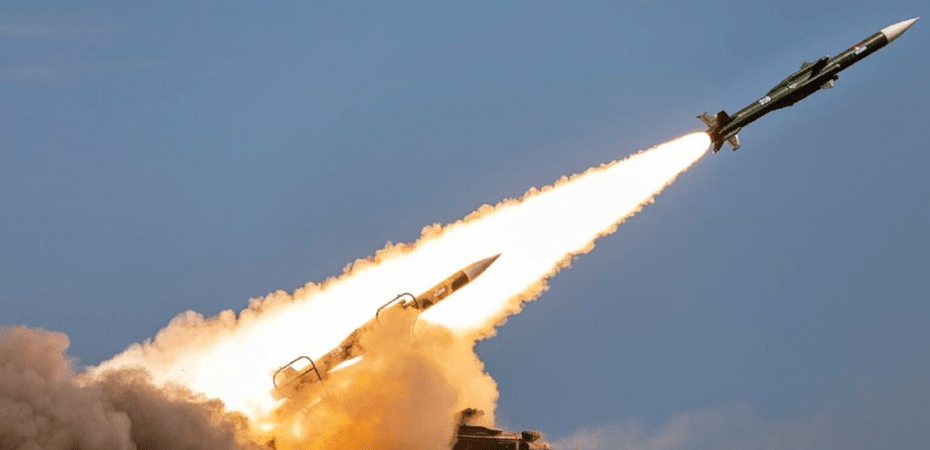
Image: https://www.amherstindy.org/2026/05/20/opinion-the-golden-opportunity-of-president-trumps-war-on-iran/ Photo: : AEBetako Gobernua, Rawpixel. (CC0 1.0 Universal)

No comments:
Post a Comment