European trade unions call for World Cup-style ‘cooling breaks’ for workers as temperatures soar
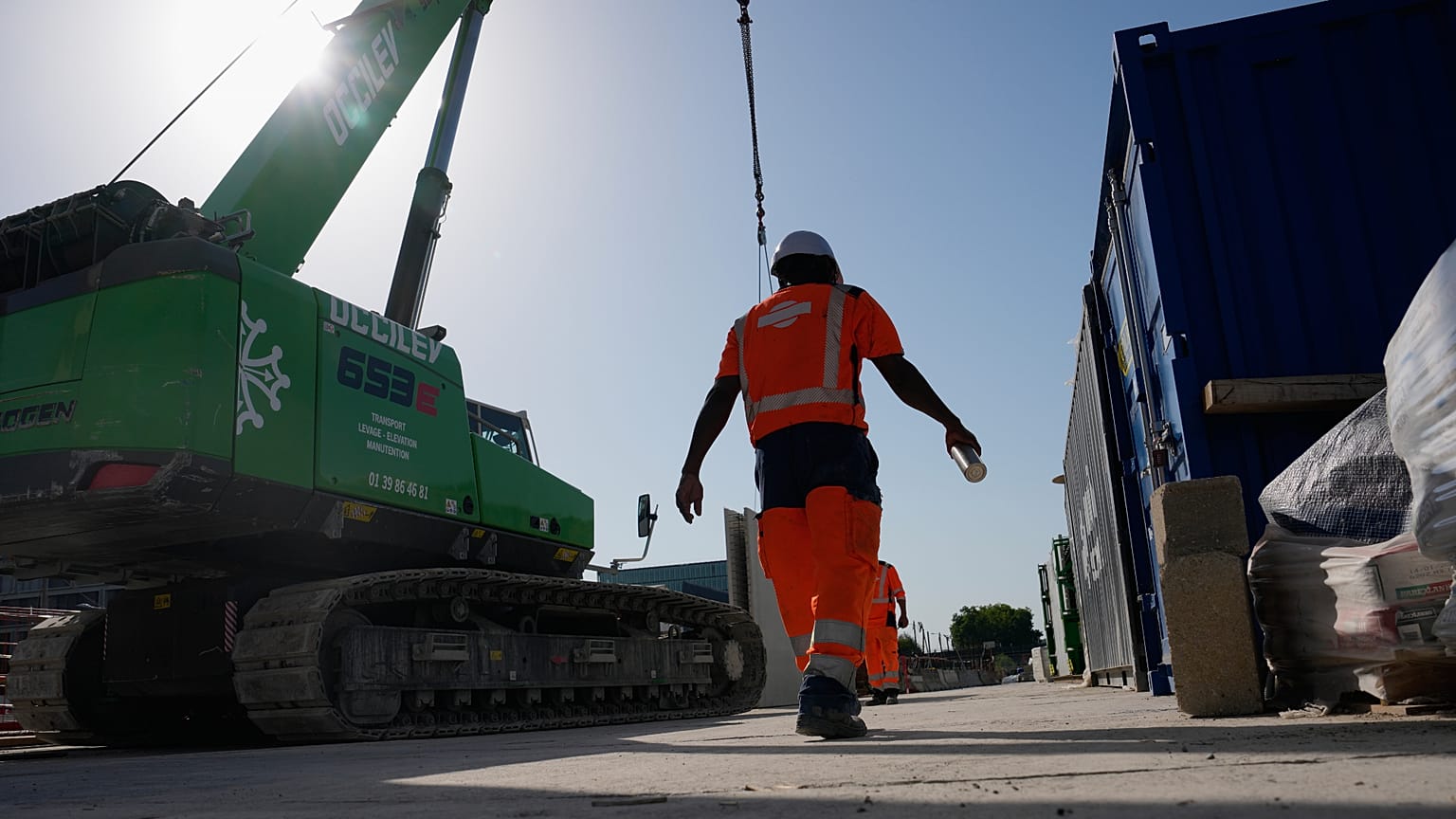
The European Trade Union Confederation is pressing the European Commission to set a maximum working temperature law, warning that extreme heat now poses a predictable and preventable threat to workers across the continent.
“Cooling breaks” for all workers? A European trade union organisation calls on the European Commission to introduce breaks for workers amid a record-breaking heatwave.
“The cooling breaks being used at the World Cup have put the spotlight on the danger posed to workers by extreme heat and the kind measures that can be taken to keep people safe,” Esther Lynch, General Secretary of the European Trade Union Confederation (ETUC), said.
She added that, while workers would need longer than three minutes to recover from heat exposure, the practice is a good example of how work can be adapted to the changing climate.
“We need a maximum working temperature law that gives all workers the right to paid breaks, water and toilets too,” Lynch told Euronews Health.
Workplace heat stress causes physiological strain in the body that can lead to exhaustion, pathological conditions and death.
Deaths at work due to extreme heat have increased across Europe over the past few years.
The latest data from the World Health Organization noted that more than 2.4 billion workers are exposed to excessive heat globally, resulting in more than 22.85 million occupational injuries each year.
According to the WHO, in order to sustain an eight-hour work shift, core body temperature should not exceed 38°C.
Long-term exposure to high temperatures carries significant health risks, raising the chances of cardiovascular conditions, worsening respiratory disease and contributing to other conditions such as chronic kidney disease or infertility.
Who is most at risk?
While heat affects all workers, some jobs and health conditions put people at a greater risk.
Older workers, people with chronic health conditions, pregnant women and those performing very intense physical jobs are more vulnerable to the high temperatures.
“People working outdoors in construction or agriculture are obviously at high risk of heat exposure, but almost half of all workers are exposed to heat at work,” Lynch said.
What can be done to help workers?
Heatwaves are expected to become increasingly common and workplaces are working to adapt to this new reality.
Adjustments such as flexible working time, regular breaks and job rotation are the most common measures to prevent heat stress and climate change-related risks at work, according to the European Agency for Safety and Health at Work.
“Employers need to recognise that heat is now a predictable work-related risk and must be prevented through planned protective measures being discussed in advance,” said Lynch.
She noted that the current problem across Europe is a “patchwork of inadequate and outdated national laws and voluntary guidance from the European Commission”.
“Climate change is not a problem that respects borders, so we need binding European legislation and investment in labour inspectorates to ensure it’s being respected,” Lynch added.
Heat stress threatens 130 million European workers, trade union body warns
The European Trade Union Institute (ETUI) has presented a proposal for European legislation to protect workers' health during heatwaves.
Europe is breaking heat records. These extreme events pose a threat to people's health both at home and at work. The European Trade Union Institute (ETUI), a research centre affiliated with the European Trade Union Confederation, presented a report on Thursday laying out solutions aimed at safeguarding workers' health in the face of climate change.
One of the report's authors emphasised that the danger is not limited to the south of the continent.
"The problem is the worst in the south, of course; that's where we see most of the accidents. At the same time, though, we have been recording the highest increases in accidents in central and northern Europe," said Andreas Flouris, professor of physiology at the University of Thessaly.
"The south is already hot, and it's a problem. But the centre and the north are catching up very fast."
According to the report, around 130 million workers across Europe are exposed to workplace heat stress, resulting in 277,000 related injuries and 230 deaths annually.
An EU-OSHA (European Agency for Safety and Health at Work) survey from 2025 found that around one in five workers in the EU reported exposure to extreme heat at work in the previous 12 months. Climate change is increasing the frequency and intensity of these heatwaves, which affect health and reduce work capacity.
"The optimum temperature to work at is 16°C. Beyond that, for every 1°C rise, there is an average productivity loss of around 2%," Flouris told Euronews.
"During an average heatwave in southern Europe, productivity losses reach around 20 to 25%. In central Europe, the figure is between 8 and 14%, and even in Scandinavia, we have recorded losses of 3 to 6% due to heatwaves over the course of a year," he added.
Based on scientific evidence, the report's authors propose that the European Union introduce legislation specifically targeting heat risks in the workplace.
"What we propose is a mandatory heat risk assessment, in order to oblige employers to assess and identify the risks related to heat exposure in their workplace. Only by knowing what we are dealing with can we protect workers and prevent the risks associated with heat exposure at work," said Marouane Laabbas-el-Guennouni, a researcher at the European Trade Union Institute.
The report also proposes using a broader index to assess heat stress exposure. The authors argue that temperature should not be the sole indicator, and that humidity and wind speed should also be factored in when determining exposure levels.
The researchers emphasised that heatwaves are a measurable, predictable, and therefore preventable phenomenon.
Cross-party group of MPs call for introduction of maximum working temperature
More than 20 MPs have backed the campaign
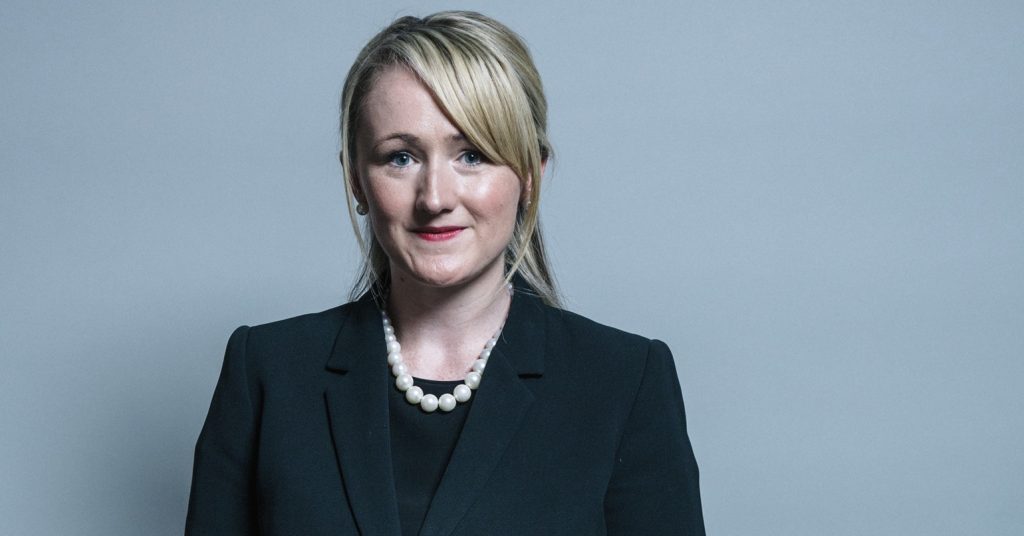
A cross-party group of MPs have backed calls for the introduction of a maximum working temperature. More than 20 MPs have signed an Early Day Motion (EDM) making the call as the UK endures record-breaking temperatures.
The EDM acknowledges the role that climate breakdown is playing in increasing the frequency and intensity of heatwaves in the UK and describes the major health issues that can arise as a result of extreme heat, including “dizziness, tiredness, asthma, throat infections and, in extreme cases, heat stroke and death”.
The signatories to the EDM state that they are “concerned at the increasing frequency and intensity of heatwaves being experienced in the UK, as a result of man-made climate change”, before going on to state: “that whereas the law specifies a minimum working temperature, no corresponding maximum figure exists in statute”.
Later, the EDM states that “current recommendations for employers to maintain a reasonable temperature within the workplace are impossible to enforce unless a worker is seriously injured or killed from heat stress”.
The EDM concludes by calling on the government to “back the TUC’s call for a maximum working temperature of 30 degrees Celsius, or 27 degrees Celsius for those doing strenuous work, beyond which employers would have a statutory duty to introduce effective control measures, such as installing ventilation or moving staff away from windows and sources of heat.”
The EDM has had the support of MPs from Labour, Your Party, the DUP and the Greens. Its primary sponsor is the Labour MP Rebecca Long-Bailey.
At the time of writing, 22 MPs have signed the EDM. They are as follows:Rebecca Long-Bailey – Labour
John McDonnell – Labour
Ian Lavery – Labour
Jeremy Corbyn – Your Party
Mary Kelly Foy – Labour
Ian Byrne – Labour
Jon Trickett – Labour
Kate Osborne – Labour
Bell Ribeiro-Addy – Labour
Nadia Whittome – Labour
Grahame Morris – Labour
Steve Witherden – Labour
Richard Burgon – Labour
Andy McDonald – Labour
Brian Leishman – Labour
Jim Shannon – Democratic Unionist Party
Neil Duncan-Jordan – Labour
Apsana Begum – Labour
Siân Berry – Green
Ellie Chowns – Green
Hannah Spencer – Green
Adrian Ramsay – Green
EDMs are rarely debated, but are used as a way for MPs to raise issues, highlight campaigns and illustrate the scale of support in the House of Commons for a particular issue.
Chris Jarvis is head of strategy and development
Image credit: UK Parliament – Creative Commons

No comments:
Post a Comment