SYRIAN KURDISTAN/ROJOVA
KJK calls on everyone to stand up against Turkish crimes in Rojava: It is time to take action
KJK stated that the Turkish state is committing genocide in North-East Syria, massacring people with warplanes, UCAVs and heavy weapons in front of the eyes of the whole world, and called on everyone to stand up in the spirit of uprising.
ANF
NEWS DESK
Thursday, 16 January 2025
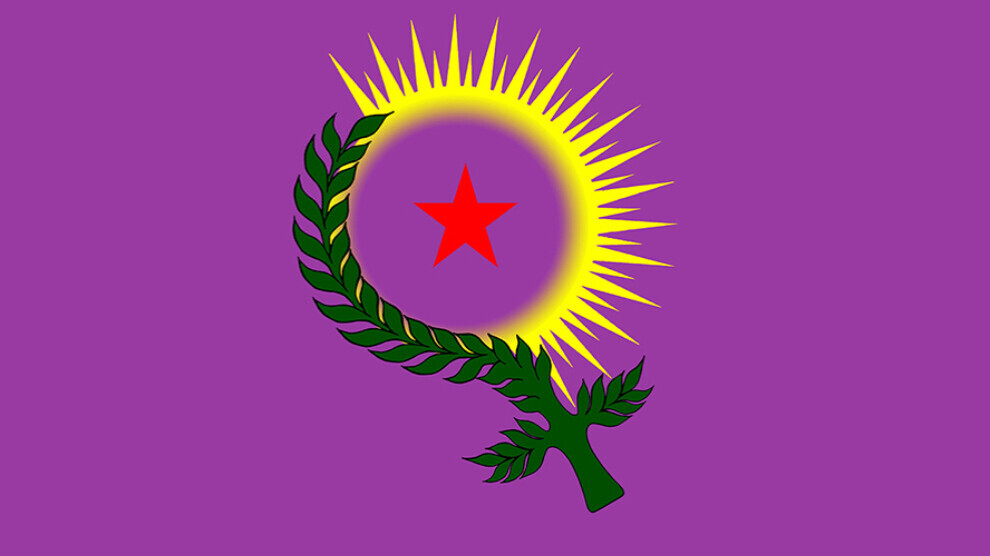
The Kurdistan Women's Union (KJK) released a statement denouncing the crimes committed by the Turkish state in North-East Syria and calling for an uprising against Turkey’s war on the values and achievements of the people.
The KJK statement on Thursday said the following:
In front of the eyes of the whole world, the Turkish state is committing genocide in North-East Syria and Rojava, massacring the civilian population, women, young people and those fighting for their land with warplanes, UCAVs and heavy weapons. It attacks the lands where Kurdish, Arab, Syriac, Turkmen and Armenian peoples live together, and commits war crimes openly and without hesitation, mainly in Tishrin, Qereqozax, Girê Spî, Tîl Temir and Kobanê.
In recent days, the Turkish state has been targeting convoys, ambulances and the civilian population who are resisting at Tishrin to protect their water and land. Dozens of our people have been massacred since yesterday as our people have been targeted and massacred in front of the eyes of the whole public in a very despicable and reckless manner. We commemorate our martyrs with gratitude and respect and wish a speedy recovery to the wounded.
The time for words, statements or appeals is over. It is time to resist and take action at the highest level. It is time for all our people, especially women, to stand up without hesitation and in the spirit of resistance and uprising in Bakur, Bashur, Rojava and abroad.
The Turkish fascist state is hostile to the Kurds and has declared open war on all the achievements and values of the Kurdish people. We call on all our people living in North-East Syria to flow to Tishrin and our people in Bakur to turn every place and space, especially the borders, into a field of resistance. It is the day to claim Rojava and the gains in North-East Syria. It is the day when women and youth must start resistance. Tomorrow may be too late.
We invite all sensitive circles and our friends to take part in this resistance.”
KJK stated that the Turkish state is committing genocide in North-East Syria, massacring people with warplanes, UCAVs and heavy weapons in front of the eyes of the whole world, and called on everyone to stand up in the spirit of uprising.
ANF
NEWS DESK
Thursday, 16 January 2025
The Kurdistan Women's Union (KJK) released a statement denouncing the crimes committed by the Turkish state in North-East Syria and calling for an uprising against Turkey’s war on the values and achievements of the people.
The KJK statement on Thursday said the following:
In front of the eyes of the whole world, the Turkish state is committing genocide in North-East Syria and Rojava, massacring the civilian population, women, young people and those fighting for their land with warplanes, UCAVs and heavy weapons. It attacks the lands where Kurdish, Arab, Syriac, Turkmen and Armenian peoples live together, and commits war crimes openly and without hesitation, mainly in Tishrin, Qereqozax, Girê Spî, Tîl Temir and Kobanê.
In recent days, the Turkish state has been targeting convoys, ambulances and the civilian population who are resisting at Tishrin to protect their water and land. Dozens of our people have been massacred since yesterday as our people have been targeted and massacred in front of the eyes of the whole public in a very despicable and reckless manner. We commemorate our martyrs with gratitude and respect and wish a speedy recovery to the wounded.
The time for words, statements or appeals is over. It is time to resist and take action at the highest level. It is time for all our people, especially women, to stand up without hesitation and in the spirit of resistance and uprising in Bakur, Bashur, Rojava and abroad.
The Turkish fascist state is hostile to the Kurds and has declared open war on all the achievements and values of the Kurdish people. We call on all our people living in North-East Syria to flow to Tishrin and our people in Bakur to turn every place and space, especially the borders, into a field of resistance. It is the day to claim Rojava and the gains in North-East Syria. It is the day when women and youth must start resistance. Tomorrow may be too late.
We invite all sensitive circles and our friends to take part in this resistance.”
SDF: We hold Turkey responsible for any serious repercussions affecting the Tishrin Dam
SDF calls upon the international community to end its silence regarding ongoing Turkish crimes, particularly the recent massacres at the Tishrin Dam.
ANF
NEWS DESK
Thursday, 16 January 2025
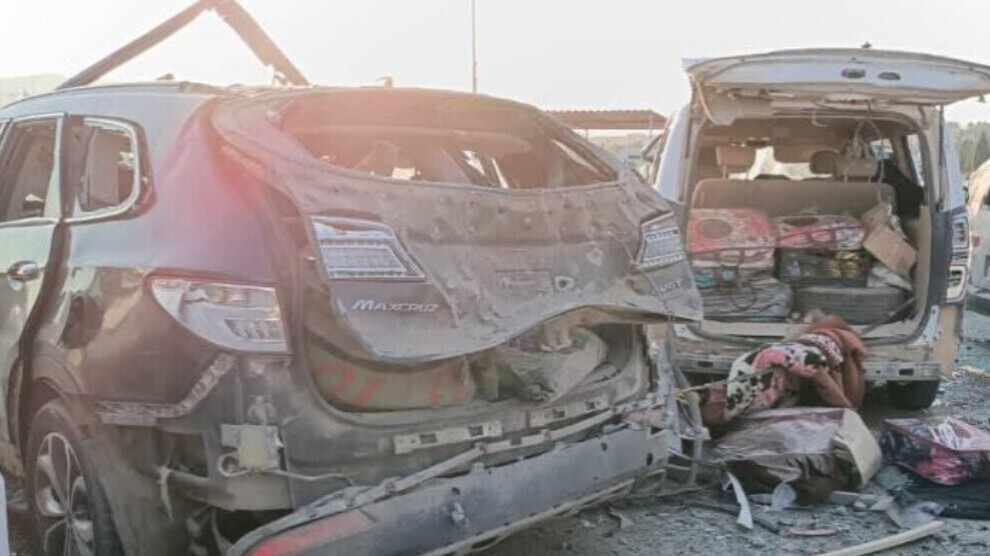
The Media Center of the Syrian Democratic Forces (SDF) released a statement calling for international action against the ongoing Turkish crimes and deadly attacks against civilians at Tishrin Dam.
“For the second day in a row, Turkish warplanes and UCAVs have targeted peaceful sit-ins near the Tishrin Dam, south of Manbij, where civilians have been demanding an end to the attacks of the Turkish occupation and its mercenary factions. The attacks on the Tishrin Dam have resulted in the martyrdom of six civilians and dozens injured, constituting a clear international crime committed by the Turkish occupation state,” SDF said.
The statement continued: “While we condemn these criminal and barbaric attacks, we hold the Turkish occupation state and its President, Erdoğan, directly accountable for any severe and catastrophic consequences to the structural integrity of the dam caused by these airstrikes that have inflicted significant damage on the dam.”
The SDF stressed that: “Additionally, we hold the Turkish state fully responsible for the ongoing war crimes it continues to commit against our people in the Tishrin Dam area and other regions without any humanitarian or legal deterrence.
We call upon the international community to end its silence regarding these ongoing Turkish crimes, particularly the recent massacres at the Tishrin Dam.”
SDF calls upon the international community to end its silence regarding ongoing Turkish crimes, particularly the recent massacres at the Tishrin Dam.
ANF
NEWS DESK
Thursday, 16 January 2025
The Media Center of the Syrian Democratic Forces (SDF) released a statement calling for international action against the ongoing Turkish crimes and deadly attacks against civilians at Tishrin Dam.
“For the second day in a row, Turkish warplanes and UCAVs have targeted peaceful sit-ins near the Tishrin Dam, south of Manbij, where civilians have been demanding an end to the attacks of the Turkish occupation and its mercenary factions. The attacks on the Tishrin Dam have resulted in the martyrdom of six civilians and dozens injured, constituting a clear international crime committed by the Turkish occupation state,” SDF said.
The statement continued: “While we condemn these criminal and barbaric attacks, we hold the Turkish occupation state and its President, Erdoğan, directly accountable for any severe and catastrophic consequences to the structural integrity of the dam caused by these airstrikes that have inflicted significant damage on the dam.”
The SDF stressed that: “Additionally, we hold the Turkish state fully responsible for the ongoing war crimes it continues to commit against our people in the Tishrin Dam area and other regions without any humanitarian or legal deterrence.
We call upon the international community to end its silence regarding these ongoing Turkish crimes, particularly the recent massacres at the Tishrin Dam.”
Şahin: Attacks carried out by Turkey and its proxies on Rojava should stop
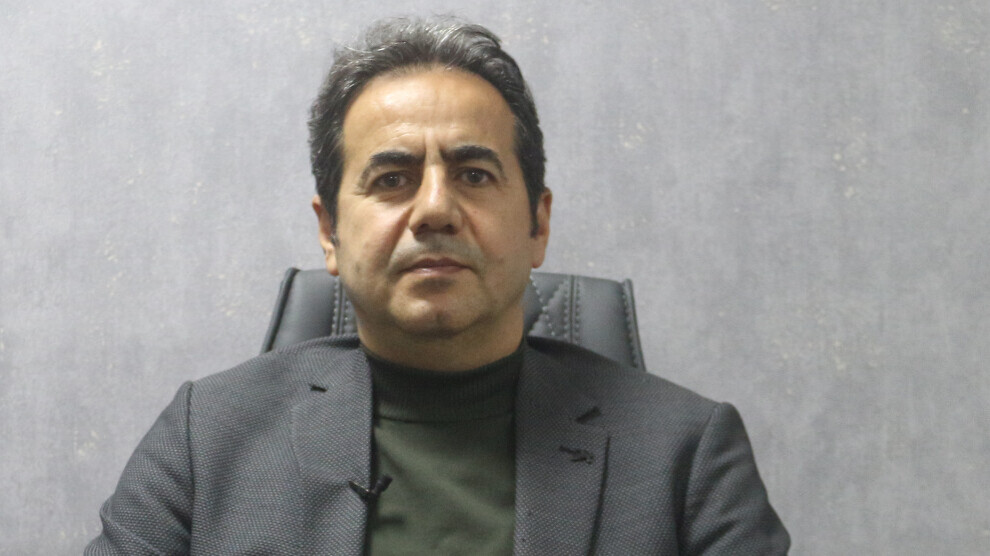
DEM Party Amed Provincial co-chair Abbas Şahin said that the attacks carried out by the Turkish state and its proxies on Rojava should stop.
ANF
AMED
Sunday, 19 January 202
DEM Party Amed Provincial co-chair Abbas Şahin told ANF that regimes designed to deny and destroy the Kurds also bring about their own end, and added: "Turkey needs to see this and needs to know that the Kurdish people are not going to give up their achievements."
Şahin said that the policies implemented for a century were designed to destroy and assimilate the Kurdish people, and noted that lessons should be learned from the fall of the Baath regime, that pursued the elimination of Kurds for years.
Targeting what Kurds have achieved
Şahin said that the current dominant Turkish politics is completely positioned against the Kurdish people, and added: "The regime is disturbed by the gains of the Kurdish people in Rojava. For this reason, it is trying to control that territory through its proxies in Syria. Turkey is organizing attacks in order to destroy the gains of the Kurdish people in Rojava. These attacks violate international law, and are totally unacceptable. Turkey is pushing the HTS to ignore the Kurdish identity. But the state itself knows very well that the key to the solution to the problems that have been accumulating for a century is Mr. Öcalan."
Sahin said: "The system established by the Kurds in Rojava is a structure that is a model not only for Rojava but for the entire world. Turkey must now make peace with the Kurdish people. In a place where there is no just and lasting peace, there is no end to policies designed to destroy the other side. We saw this in Saddam's Baath regime. Refusing to find a solution and engaging in war, in the end, brought those regimes to an end. We sat it in Iraq, we saw it in Syria."
DEM Party Amed Provincial co-chair Abbas Şahin said that the attacks carried out by the Turkish state and its proxies on Rojava should stop.
ANF
AMED
Sunday, 19 January 202
DEM Party Amed Provincial co-chair Abbas Şahin told ANF that regimes designed to deny and destroy the Kurds also bring about their own end, and added: "Turkey needs to see this and needs to know that the Kurdish people are not going to give up their achievements."
Şahin said that the policies implemented for a century were designed to destroy and assimilate the Kurdish people, and noted that lessons should be learned from the fall of the Baath regime, that pursued the elimination of Kurds for years.
Targeting what Kurds have achieved
Şahin said that the current dominant Turkish politics is completely positioned against the Kurdish people, and added: "The regime is disturbed by the gains of the Kurdish people in Rojava. For this reason, it is trying to control that territory through its proxies in Syria. Turkey is organizing attacks in order to destroy the gains of the Kurdish people in Rojava. These attacks violate international law, and are totally unacceptable. Turkey is pushing the HTS to ignore the Kurdish identity. But the state itself knows very well that the key to the solution to the problems that have been accumulating for a century is Mr. Öcalan."
Sahin said: "The system established by the Kurds in Rojava is a structure that is a model not only for Rojava but for the entire world. Turkey must now make peace with the Kurdish people. In a place where there is no just and lasting peace, there is no end to policies designed to destroy the other side. We saw this in Saddam's Baath regime. Refusing to find a solution and engaging in war, in the end, brought those regimes to an end. We sat it in Iraq, we saw it in Syria."
SDF: Turkish state is committing daily crimes against humanity in North-East Syria
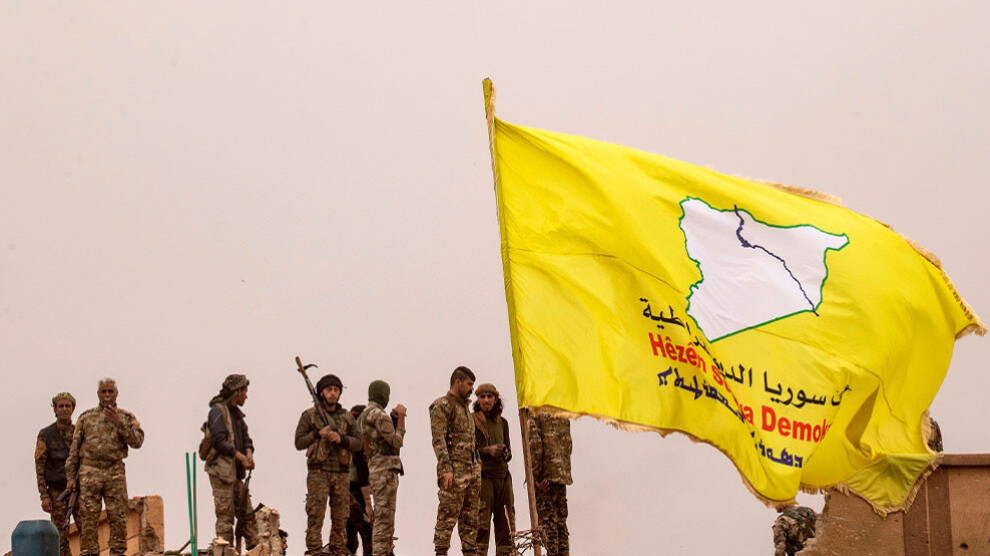
The Turkish state continues its blatant and overt aggressions against the regions of north and eastern Syria, the SDF said.
ANF
NEWS DESK
Sunday, 19 January 2025
The Syrian Democratic Forces (SDF) reported that the Turkish state continues its blatant and overt aggressions against the regions of north and eastern Syria, committing daily crimes against humanity through the bombing of villages, populated areas, and vital infrastructure.
In a statement on Sunday, SDF Press Centre said the following:
“On Saturday morning and continuing until midday, the Turkish occupation initiated heavy artillery shelling targeting al-Imam Hill near the village of Khirbet al-Zamala in the countryside of Tishreen Dam. Following the shelling, Turkish occupation mercenaries launched an attack on the al-Imam Hill. Our fighters repelled the attack, eliminating and injuring several mercenaries, and forcing the remaining mercenaries to flee.
The mercenaries attacked another point held by our fighters in the same area. They were met with significant resistance by our fighters, resulting in the confirmed elimination of three mercenaries and injuries to others. Clashes continued into the early evening hours.
When the mercenaries attempted to retrieve the bodies of their eliminated mercenaries, our Martyr Haroun Units targeted three gatherings of mercenaries and their vehicles. These included a personnel carrier vehicle and a pickup truck, resulting in several mercenaries being eliminated and injured, though the exact numbers remain unknown.
Additionally, near Syriatel Hill, our Martyr Haroun Units successfully targeted a tank and a vehicle equipped with a DShK heavy machine gun, causing significant damage. Two mercenaries were also targeted and seriously injured.
On the Deir Hafer front, the mercenaries targeted, using mortar shells, a checkpoint in the area, resulting in injuring one civilian. Our fighters responded to the source of the shelling.”
The Turkish state continues its blatant and overt aggressions against the regions of north and eastern Syria, the SDF said.
ANF
NEWS DESK
Sunday, 19 January 2025
The Syrian Democratic Forces (SDF) reported that the Turkish state continues its blatant and overt aggressions against the regions of north and eastern Syria, committing daily crimes against humanity through the bombing of villages, populated areas, and vital infrastructure.
In a statement on Sunday, SDF Press Centre said the following:
“On Saturday morning and continuing until midday, the Turkish occupation initiated heavy artillery shelling targeting al-Imam Hill near the village of Khirbet al-Zamala in the countryside of Tishreen Dam. Following the shelling, Turkish occupation mercenaries launched an attack on the al-Imam Hill. Our fighters repelled the attack, eliminating and injuring several mercenaries, and forcing the remaining mercenaries to flee.
The mercenaries attacked another point held by our fighters in the same area. They were met with significant resistance by our fighters, resulting in the confirmed elimination of three mercenaries and injuries to others. Clashes continued into the early evening hours.
When the mercenaries attempted to retrieve the bodies of their eliminated mercenaries, our Martyr Haroun Units targeted three gatherings of mercenaries and their vehicles. These included a personnel carrier vehicle and a pickup truck, resulting in several mercenaries being eliminated and injured, though the exact numbers remain unknown.
Additionally, near Syriatel Hill, our Martyr Haroun Units successfully targeted a tank and a vehicle equipped with a DShK heavy machine gun, causing significant damage. Two mercenaries were also targeted and seriously injured.
On the Deir Hafer front, the mercenaries targeted, using mortar shells, a checkpoint in the area, resulting in injuring one civilian. Our fighters responded to the source of the shelling.”
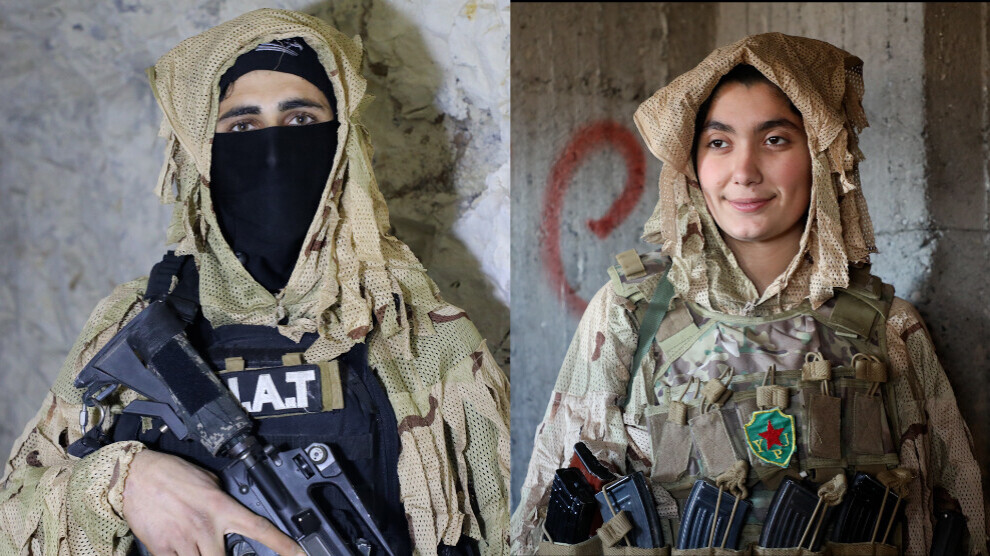
YPJ and HAT fighters, who have been confronting the attacks by the occupying Turkish state for 43 days, vowed that they would never allow the occupation of the peoples' lands.
XWÎNDA DIYAR
QEREQOZAX
Sunday, 19 January 2025
Fighters of the SDF (Syrian Democratic Forces), YPJ (Women’s Defense Units) and HAT (Anti-Terrorist Forces of the Internal Security Forces) are employing new war tactics as they frustrate the attacks by the occupying Turkish state against Tishrin Dam and Qereqozax Bridge. The fighters, who have been responding to the attacks that have been going on uninterruptedly since December 8, 2024, are inflicting great blows on the occupying Turkish state and allied mercenaries.
Speaking to ANF, fighters from the YPJ and HAT stated that they would avenge the resilient people of North and East Syria.
YPJ fighter Amargî Cûdî, who is taking part in both Tishrin and Qereqozax resistance, said: “The Turkish state is intensively attacking Northern and Eastern Syria. As YPJ fighters, we are duly responding and resisting the attacks at Tişrîn and Qereqozax. Our people also trust their fighters and have started resistance in Tishrin to protect their water and energy resources. With our commitment to the people's faith, we will resist the attacks by the Turkish state and ensure the freedom of our people. All the peoples who came to Tishrin to protect their water and energy resources and to stand with the fighters are the family members of those fighters. Although the Turkish state is actively employing sophisticated technology against the fighters, it has not been able to achieve results. On the contrary, it has suffered a great blow. The attitude of YPJ and SDF fighters is clear, we will not let the occupation pass. Let them know that each of their attacks will end up in defeat.”
Çekdar Kobanê, a member of HAT, highlighted the fighters' persistence in their resistance, saying: “As HAT, we are taking part in the resistance of the YPJ-YPG-SDF fighters in Qereqozax. There is a high level of resistance against the Turkish state’s attacks. We do not allow the invaders to advance even one step. They have seen how heavy the consequences of seeking to occupy our lands are. The fighters in the positions will never allow the occupation of the peoples' lands. In line with the promises we made to our martyrs, we will realize the dreams of the martyrs and protect our people against attacks.”
Fighters at Tishrin: We will resist as long as our people exist
The fighters confronting the attacks by the Turkish state emphasized that they are in good spirits and their morale is high despite the challenges they have been facing.
ANF
TISHRIN
Sunday, 19 January 2025
The occupying Turkish state has been attacking the Tishrin Dam since December 8. Unable to make progress against the resistance by the military forces led by the Syrian Democratic Forces (SDF), the Turkish state has repeatedly targeted civilians and committed grave war crimes since the launch of their attacks on the area.
Speaking to ANF, the fighters confronting the attacks by the Turkish state emphasized that they are in good spirits and their morale is high despite the challenges they have been facing.
Rojhat Amed, one of the fighters, stated that they have been resisting since the first day of the attacks against Tishrin and said, “The morale of the comrades is very good. Songs are being sung and accompanied by dance, slogans are being chanted and the enemy is being crushed by this resistance.”
Rojhat Amed added, “The enemy has been defeated here. We will resist as long as our people exist.”
Fighter Hemze Shiraz from Afrin stated that they have been waging a vigorous struggle despite all the difficulties and hardships.
Hemze Shiraz said, “We will never give the enemy a chance and we will not bow down before them. We have full confidence in our people and our morale is high. The resistance of our people at the Tishrin Dam gives us great morale. We exist with our people.”
The fighters confronting the attacks by the Turkish state emphasized that they are in good spirits and their morale is high despite the challenges they have been facing.
ANF
TISHRIN
Sunday, 19 January 2025
The occupying Turkish state has been attacking the Tishrin Dam since December 8. Unable to make progress against the resistance by the military forces led by the Syrian Democratic Forces (SDF), the Turkish state has repeatedly targeted civilians and committed grave war crimes since the launch of their attacks on the area.
Speaking to ANF, the fighters confronting the attacks by the Turkish state emphasized that they are in good spirits and their morale is high despite the challenges they have been facing.
Rojhat Amed, one of the fighters, stated that they have been resisting since the first day of the attacks against Tishrin and said, “The morale of the comrades is very good. Songs are being sung and accompanied by dance, slogans are being chanted and the enemy is being crushed by this resistance.”
Rojhat Amed added, “The enemy has been defeated here. We will resist as long as our people exist.”
Fighter Hemze Shiraz from Afrin stated that they have been waging a vigorous struggle despite all the difficulties and hardships.
Hemze Shiraz said, “We will never give the enemy a chance and we will not bow down before them. We have full confidence in our people and our morale is high. The resistance of our people at the Tishrin Dam gives us great morale. We exist with our people.”
German internationalist wounded in Turkish drone attack at Tishrin Dam
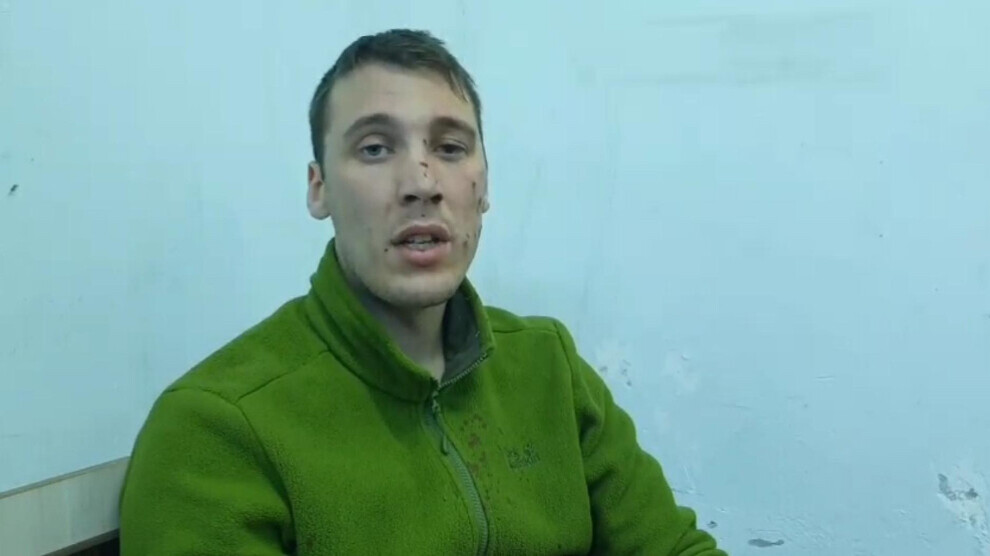
German physiotherapist Jakob Rihn was wounded in a Turkish drone attack on the Tishrin Dam on Saturday.
ANF
TISHRIN
Sunday, 19 January 2025
A German internationalist is among the numerous people wounded in the Turkish drone attack on the Tishrin Dam near Manbij on Saturday.
Jakob Rihn is a physiotherapist from Brandenburg and has been supporting the health committee of the Democratic Administration of North and East Syria (DAANES) as a humanitarian aid worker for two years. Since yesterday, he has been participating in the civil vigil, which is taking place in protest against the ongoing attacks by Turkey and allied mercenaries.
Rihn told the Kurdish television channel Ronahî TV that he wanted to document the situation on the ground for a call to end the aggression on the vital dam facility. Two bombs fired by a Turkish combat drone went off in quick succession in the middle of a crowd. Four people were killed and 15 others were injured, some of them seriously.
Jakob Rihn suffered various shrapnel injuries to his face and left side of his body, including his leg, as a result of the attack. He demands an immediate end to the attacks as well as a no-fly zone so that the people there have the opportunity to build a new Syria.
Twelve killed and 74 injured at Tishrin in three days
After Saturday’s attack, the number of people killed in Turkish air and drone strikes on the vigil at Tishrin Dam since last Wednesday has risen to twelve, and the number of injured to 74. The autonomous administration fears even more deaths, as the condition of some wounded is critical and they could not be evacuated to hospitals because ambulances were also bombed. On the first day of the peaceful initiative, the civilians partaking in the action were targeted by a deadly drone strike on a convoy. In the days that followed, the Turkish army and its mercenaries also attacked car convoys and the dam. Several people were killed and injured in these attacks as well.
Vigil at the Tishrin Dam under intense attack
The vigil at the Tishrin Dam was launched by the People's Councils in the DAANES – also in solidarity with the Syrian Democratic Forces (SDF), who are defending the dam against occupation attempts by Turkey and its proxy force SNA.
The Turkish and jihadist occupation forces launched their first attacks on the dam on December 8, 2024, the day of the overthrow of Syrian long-term ruler Bashar al-Assad. Turkey and its allies aim to push the SDF back from the western side of the Euphrates in order to be able to attack Kobanê, which lies to the east of it, more easily. The dam has been out of operation for weeks, leaving almost half a million people in Manbij, Kobanê and other areas of the DAANES without access to electricity and water. In addition, there is a risk of a dam burst due to the severe damage caused by Turkish shelling – which could trigger a disaster with effects as far as Iraq. Nevertheless, appeals to the international community to take measures to protect the energy facility and to end Turkish military violence were largely ignored.
German physiotherapist Jakob Rihn was wounded in a Turkish drone attack on the Tishrin Dam on Saturday.
ANF
TISHRIN
Sunday, 19 January 2025
A German internationalist is among the numerous people wounded in the Turkish drone attack on the Tishrin Dam near Manbij on Saturday.
Jakob Rihn is a physiotherapist from Brandenburg and has been supporting the health committee of the Democratic Administration of North and East Syria (DAANES) as a humanitarian aid worker for two years. Since yesterday, he has been participating in the civil vigil, which is taking place in protest against the ongoing attacks by Turkey and allied mercenaries.
Rihn told the Kurdish television channel Ronahî TV that he wanted to document the situation on the ground for a call to end the aggression on the vital dam facility. Two bombs fired by a Turkish combat drone went off in quick succession in the middle of a crowd. Four people were killed and 15 others were injured, some of them seriously.
Jakob Rihn suffered various shrapnel injuries to his face and left side of his body, including his leg, as a result of the attack. He demands an immediate end to the attacks as well as a no-fly zone so that the people there have the opportunity to build a new Syria.
ENGGLISH SUBTITLES
Twelve killed and 74 injured at Tishrin in three days
After Saturday’s attack, the number of people killed in Turkish air and drone strikes on the vigil at Tishrin Dam since last Wednesday has risen to twelve, and the number of injured to 74. The autonomous administration fears even more deaths, as the condition of some wounded is critical and they could not be evacuated to hospitals because ambulances were also bombed. On the first day of the peaceful initiative, the civilians partaking in the action were targeted by a deadly drone strike on a convoy. In the days that followed, the Turkish army and its mercenaries also attacked car convoys and the dam. Several people were killed and injured in these attacks as well.
Vigil at the Tishrin Dam under intense attack
The vigil at the Tishrin Dam was launched by the People's Councils in the DAANES – also in solidarity with the Syrian Democratic Forces (SDF), who are defending the dam against occupation attempts by Turkey and its proxy force SNA.
The Turkish and jihadist occupation forces launched their first attacks on the dam on December 8, 2024, the day of the overthrow of Syrian long-term ruler Bashar al-Assad. Turkey and its allies aim to push the SDF back from the western side of the Euphrates in order to be able to attack Kobanê, which lies to the east of it, more easily. The dam has been out of operation for weeks, leaving almost half a million people in Manbij, Kobanê and other areas of the DAANES without access to electricity and water. In addition, there is a risk of a dam burst due to the severe damage caused by Turkish shelling – which could trigger a disaster with effects as far as Iraq. Nevertheless, appeals to the international community to take measures to protect the energy facility and to end Turkish military violence were largely ignored.
Names of 5 civilians martyred in Turkish attack on Tishrin Dam announced
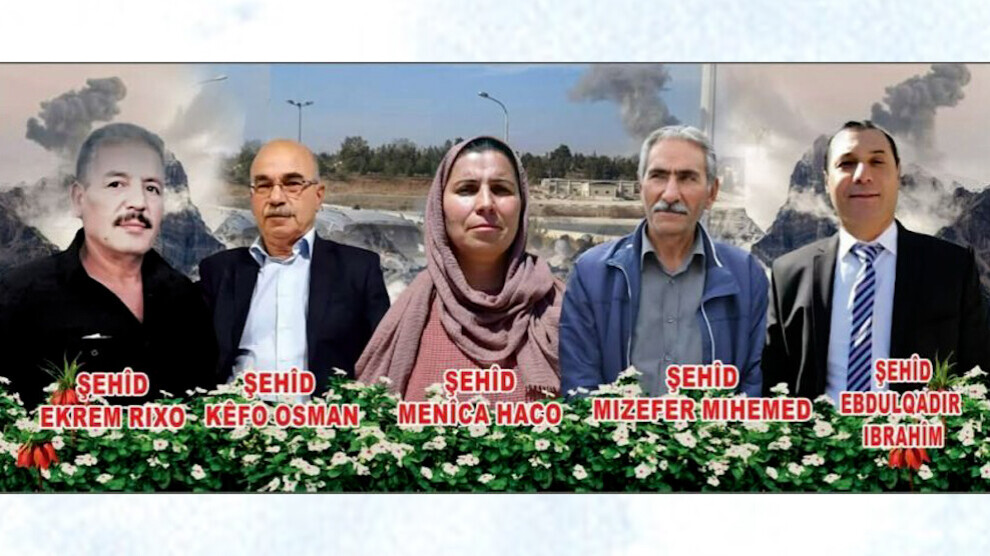
Qamishlo City Assembly of Martyrs' Families announced the names of 5 civilians who were martyred in the Turkish aerial attack on Tishrin Dam on Saturday.
ANF
TISHRIN
Sunday, 19 January 2025
People from North-East Syria have been holding a vigil at the Tishrin Dam since 8 January to protect their territory alongside the Syrian Democratic Forces (SDF) and Women's Defense Units (YPJ) who are confronting ever-increasing attacks by the Turkish army and allied Syrian National Army (SNA) mercenaries.
Residents from the Cizire, Raqqa, Tabqa, and Euphrates cantons are taking turns in the vigil. Meanwhile, the Turkish state and its proxies continue their relentless attacks on the protesters as well as the dam.
While the vigil continues on its 12th day, the people taking part in the action were targeted by another Turkish attack on Saturday.
Following an aerial attack which resulted in casualties, the people who rushed to the scene to rescue the wounded were targeted by a second attack.
The consecutive attacks resulted in the death of 5 civilians and the injury of 20 others.
Qamishlo City Assembly of Martyrs' Families announced the names of the victims, which are as follows: Ekrem Rixo, Kêfo Osman, Menîce Heyder, Mizefer Mihemed and Ebdulqadir Îbrahîm.
In a statement on Thursday, the SDF called for international action against the ongoing Turkish crimes and deadly attacks against civilians at Tishrin Dam.
SDF said they hold the Turkish occupation state and its President, Erdoğan, directly accountable for any severe and catastrophic consequences to the structural integrity of the dam caused by the airstrikes that have inflicted significant damage on the dam.
The SDF said they also hold the Turkish state fully responsible for the ongoing war crimes it continues to commit against the people in the Tishrin Dam area and other regions without any humanitarian or legal deterrence.
Qamishlo City Assembly of Martyrs' Families announced the names of 5 civilians who were martyred in the Turkish aerial attack on Tishrin Dam on Saturday.
ANF
TISHRIN
Sunday, 19 January 2025
People from North-East Syria have been holding a vigil at the Tishrin Dam since 8 January to protect their territory alongside the Syrian Democratic Forces (SDF) and Women's Defense Units (YPJ) who are confronting ever-increasing attacks by the Turkish army and allied Syrian National Army (SNA) mercenaries.
Residents from the Cizire, Raqqa, Tabqa, and Euphrates cantons are taking turns in the vigil. Meanwhile, the Turkish state and its proxies continue their relentless attacks on the protesters as well as the dam.
While the vigil continues on its 12th day, the people taking part in the action were targeted by another Turkish attack on Saturday.
Following an aerial attack which resulted in casualties, the people who rushed to the scene to rescue the wounded were targeted by a second attack.
The consecutive attacks resulted in the death of 5 civilians and the injury of 20 others.
Qamishlo City Assembly of Martyrs' Families announced the names of the victims, which are as follows: Ekrem Rixo, Kêfo Osman, Menîce Heyder, Mizefer Mihemed and Ebdulqadir Îbrahîm.
In a statement on Thursday, the SDF called for international action against the ongoing Turkish crimes and deadly attacks against civilians at Tishrin Dam.
SDF said they hold the Turkish occupation state and its President, Erdoğan, directly accountable for any severe and catastrophic consequences to the structural integrity of the dam caused by the airstrikes that have inflicted significant damage on the dam.
The SDF said they also hold the Turkish state fully responsible for the ongoing war crimes it continues to commit against the people in the Tishrin Dam area and other regions without any humanitarian or legal deterrence.
Kurdish artist Bavê Teyar wounded in Turkish attack on Tishrin Dam passes away
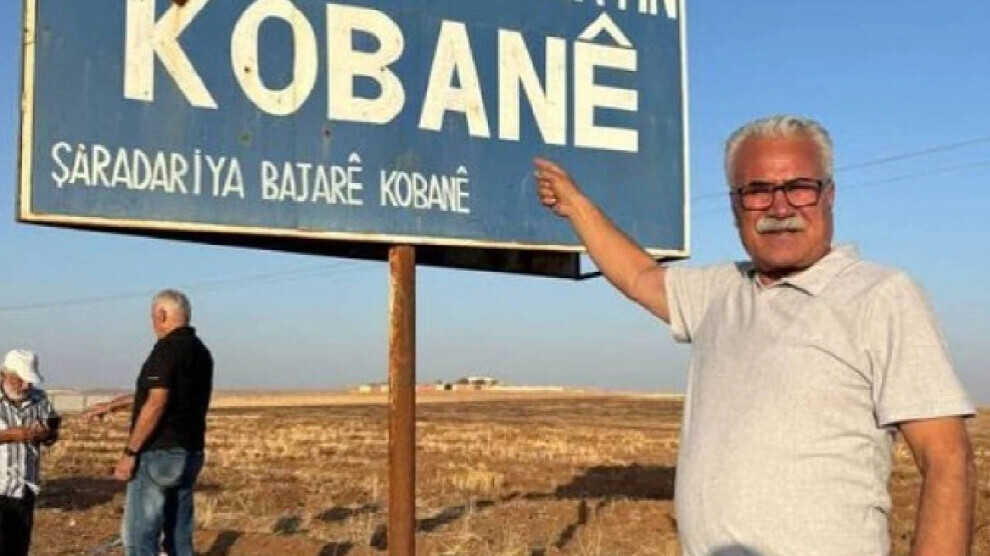
Kurdish artist Cuma Xelo, known as Bavê Teyar, who was wounded in a drone attack carried out by the occupying Turkish state against the Tishrin Dam on January 18, lost his life.
ANF
NEWS DESK
Sunday, 19 January 2025
The civilians holding a vigil at the Tishrin Dam near Manbij for 12 days have been subjected to repeated attacks by the invading Turkish army since the launch of the action on 8 January.
Two consecutive strikes by Turkish combat drones on Saturday claimed the lives of five civilians and left 20 others wounded.
Kurdish artist Cuma Xelo, known as Bavê Teyar, had joined the vigil on 17 January. The theater actor was seriously wounded as a result of Saturday’s attack and succumbed to his injuries today, bringing the death toll to 6.
Before he was injured, Bavê Teyar said in an interview with Rojnews: "We are not afraid of death, we will protect our lands until the end."
The other 5 victims, whose names were announced by the Qamishlo City Assembly of Martyrs' Families earlier today, were identified as Ekrem Rixo, Kêfo Osman, Menîce Heyder, Mizefer Mihemed and Ebdulqadir Îbrahîm.
The vigil at the Tishrin Dam was launched by the People's Councils in the DAANES – also in solidarity with the Syrian Democratic Forces (SDF), who are defending the dam against occupation attempts by Turkey and its proxy force SNA.
The Turkish and jihadist occupation forces launched their first attacks on the dam on December 8, 2024, the day of the overthrow of Syrian long-term ruler Bashar al-Assad. Turkey and its allies aim to push the SDF back from the western side of the Euphrates in order to be able to attack Kobanê, which lies to the east of it, more easily. The dam has been out of operation for weeks, leaving almost half a million people in Manbij, Kobanê and other areas of the DAANES without access to electricity and water. In addition, there is a risk of a dam burst due to the severe damage caused by Turkish shelling – which could trigger a disaster with effects as far as Iraq. Nevertheless, appeals to the international community to take measures to protect the energy facility and to end Turkish military violence were largely ignored.
Kurdish artist Cuma Xelo, known as Bavê Teyar, who was wounded in a drone attack carried out by the occupying Turkish state against the Tishrin Dam on January 18, lost his life.
ANF
NEWS DESK
Sunday, 19 January 2025
The civilians holding a vigil at the Tishrin Dam near Manbij for 12 days have been subjected to repeated attacks by the invading Turkish army since the launch of the action on 8 January.
Two consecutive strikes by Turkish combat drones on Saturday claimed the lives of five civilians and left 20 others wounded.
Kurdish artist Cuma Xelo, known as Bavê Teyar, had joined the vigil on 17 January. The theater actor was seriously wounded as a result of Saturday’s attack and succumbed to his injuries today, bringing the death toll to 6.
Before he was injured, Bavê Teyar said in an interview with Rojnews: "We are not afraid of death, we will protect our lands until the end."
The other 5 victims, whose names were announced by the Qamishlo City Assembly of Martyrs' Families earlier today, were identified as Ekrem Rixo, Kêfo Osman, Menîce Heyder, Mizefer Mihemed and Ebdulqadir Îbrahîm.
The vigil at the Tishrin Dam was launched by the People's Councils in the DAANES – also in solidarity with the Syrian Democratic Forces (SDF), who are defending the dam against occupation attempts by Turkey and its proxy force SNA.
The Turkish and jihadist occupation forces launched their first attacks on the dam on December 8, 2024, the day of the overthrow of Syrian long-term ruler Bashar al-Assad. Turkey and its allies aim to push the SDF back from the western side of the Euphrates in order to be able to attack Kobanê, which lies to the east of it, more easily. The dam has been out of operation for weeks, leaving almost half a million people in Manbij, Kobanê and other areas of the DAANES without access to electricity and water. In addition, there is a risk of a dam burst due to the severe damage caused by Turkish shelling – which could trigger a disaster with effects as far as Iraq. Nevertheless, appeals to the international community to take measures to protect the energy facility and to end Turkish military violence were largely ignored.
PYD General Assembly member Menice Haco Heyder falls a martyr in Tishrin
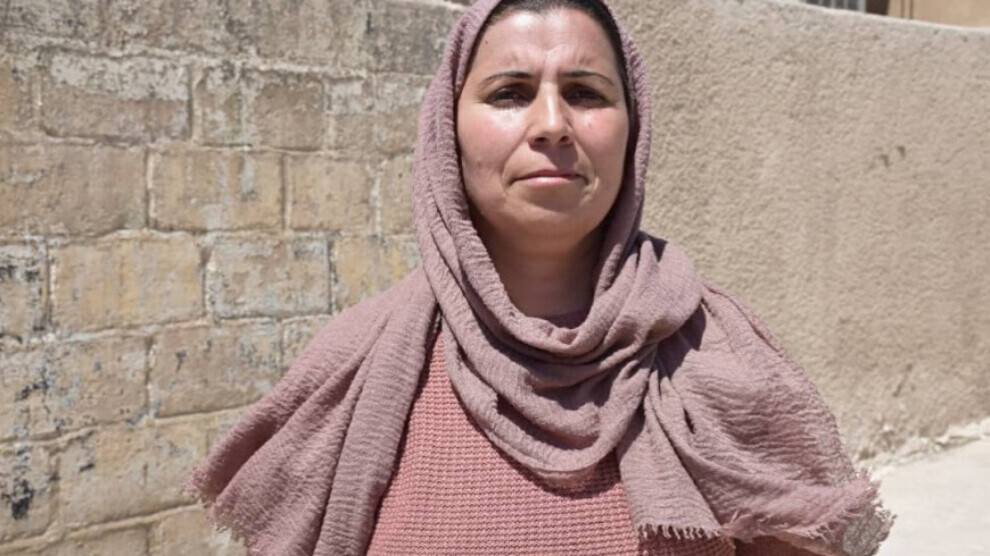
The PYD General Assembly announced that the party’s general assembly member and Qamishlo office co-chair Menice Haco Heyder was killed in the attack carried out by the Turkish state on the Tishrin Dam.
ANF
NEWS DESK
Sunday, 19 January 2025
The Democratic Union Party (PYD) General Assembly issued a written statement confirming that 4 civilians were killed in the attack carried out by the Turkish state on Saturday, 18 January, against Tishrin Dam, and added that PYD General Assembly member and Qamishlo office co-chair Menice Haco Heyder was among them.
The statement said: “A systematic attack has been carried out on the regions of Northern and Eastern Syria for 38 days. These attacks target the infrastructure of the region, especially the Tishrin Dam, which is the lifeblood of millions of people in this region. This attack is not only a threat to stability and peace, but also aims to carry out the exploitation plans of the New Ottoman Empire and destroy the elements of life of the people of Northern and Eastern Syria.”
The statement continued: "Despite these brutal and continuous attacks, the SDF and YPJ continue to write heroic pages of resistance every day. The SDF and YPJ derive this resistance from the will of the people who do not accept surrender and support their forces. The resistance carried out so far in the Tishrin Dam is not only a war to protect the region, but also a war of existence and history for freedom and honor.
The Turkish government is attacking civilians who are holding a vigil in the Tishrin Dam. On Saturday, the Turkish state attacked once again and carried out a brutal massacre. As a result, 4 civilians fell as martyrs and many others were injured. All of this is also happening because of international silence. These ongoing crimes are a clear violation of human values and international law, and are new to the genocidal crimes of the Turkish regime."
The statement confirmed that "in addition to the party’s general assembly member and PYD Qamishlo co-chair Menice Haco Heyder, 3 of our comrades were killed.
Comrade Menice was a symbol of struggle and sacrifice. She acted responsibly towards the cause of women and her people in her life. She did not hesitate to serve her people and her cause until the last minute of her life."
The PYD General Assembly "strongly condemn these brutal massacres carried out by the Turkish state against the people of Northern and Eastern Syria, and call on the international community, legal and humanitarian organizations to assume their responsibilities and put an end to these brutal attacks against our people.
We offer our condolences to the martyr's family and all the families of the martyrs of the Tishrin Dam resistance, and wish a speedy recovery to the wounded. We emphasize that the blood of the martyrs will be a light for us on the path to freedom. We reiterate our promise to our people and martyrs that we will continue the struggle and resistance until the goals of freedom, justice and peace are achieved."
The PYD General Assembly announced that the party’s general assembly member and Qamishlo office co-chair Menice Haco Heyder was killed in the attack carried out by the Turkish state on the Tishrin Dam.
ANF
NEWS DESK
Sunday, 19 January 2025
The Democratic Union Party (PYD) General Assembly issued a written statement confirming that 4 civilians were killed in the attack carried out by the Turkish state on Saturday, 18 January, against Tishrin Dam, and added that PYD General Assembly member and Qamishlo office co-chair Menice Haco Heyder was among them.
The statement said: “A systematic attack has been carried out on the regions of Northern and Eastern Syria for 38 days. These attacks target the infrastructure of the region, especially the Tishrin Dam, which is the lifeblood of millions of people in this region. This attack is not only a threat to stability and peace, but also aims to carry out the exploitation plans of the New Ottoman Empire and destroy the elements of life of the people of Northern and Eastern Syria.”
The statement continued: "Despite these brutal and continuous attacks, the SDF and YPJ continue to write heroic pages of resistance every day. The SDF and YPJ derive this resistance from the will of the people who do not accept surrender and support their forces. The resistance carried out so far in the Tishrin Dam is not only a war to protect the region, but also a war of existence and history for freedom and honor.
The Turkish government is attacking civilians who are holding a vigil in the Tishrin Dam. On Saturday, the Turkish state attacked once again and carried out a brutal massacre. As a result, 4 civilians fell as martyrs and many others were injured. All of this is also happening because of international silence. These ongoing crimes are a clear violation of human values and international law, and are new to the genocidal crimes of the Turkish regime."
The statement confirmed that "in addition to the party’s general assembly member and PYD Qamishlo co-chair Menice Haco Heyder, 3 of our comrades were killed.
Comrade Menice was a symbol of struggle and sacrifice. She acted responsibly towards the cause of women and her people in her life. She did not hesitate to serve her people and her cause until the last minute of her life."
The PYD General Assembly "strongly condemn these brutal massacres carried out by the Turkish state against the people of Northern and Eastern Syria, and call on the international community, legal and humanitarian organizations to assume their responsibilities and put an end to these brutal attacks against our people.
We offer our condolences to the martyr's family and all the families of the martyrs of the Tishrin Dam resistance, and wish a speedy recovery to the wounded. We emphasize that the blood of the martyrs will be a light for us on the path to freedom. We reiterate our promise to our people and martyrs that we will continue the struggle and resistance until the goals of freedom, justice and peace are achieved."


 T
T