Tuesday, April 15, 2025

SEA OF BALOCHISTAN

Turkey, Pakistan To Explore World’s Fourth Largest Oil & Gas Reservoir


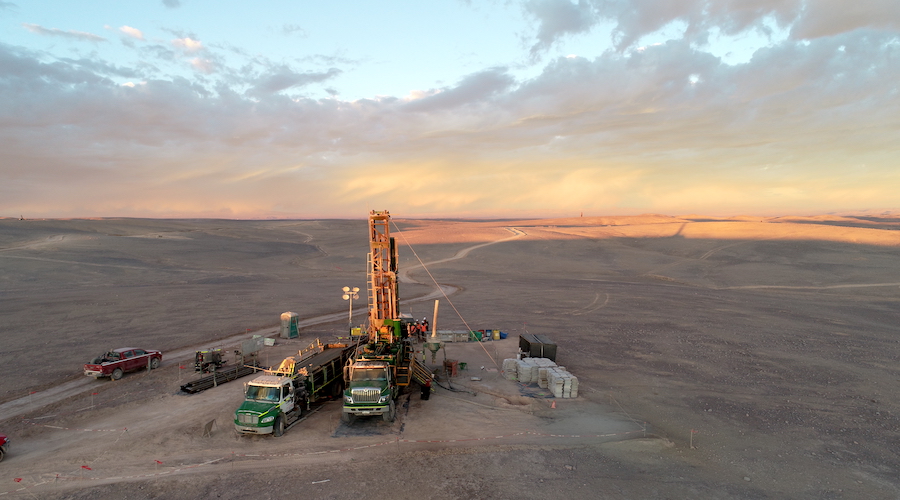
Newly discovered offshore oil and gas deposits in Pakistan’s territorial seas could be brought to surface by Pakistan and Turkey.

The two countries this week signed an agreement at the 2025 Pakistan Minerals Investment Forum in Islamabad to jointly bid on 40 offshore blocks. A bidding round for the granting of exploration licenses for the blocks, located in the Makran and Indus basins, was announced by the Pakistan government in February.

According to News.AZ, Pakistan’s Mari Energies Limited, Oil and Gas Development Company Limited and Pakistan Petroleum Limited will jointly participate in the offshore bidding round with Turkish state-owned enterprise Türkiye Petrolleri Anonim Ortakl??? (TPAO).

Modern Diplomacy said the finding, made during a three-year survey, compiled data that suggests it is the fourth biggest oil and gas reservoir in the world. Venezuela, Saudi Arabia and Canada are the three countries with the largest proven oil reserves.

The cache is reportedly so large it could change the economic direction of Pakistan, where one in four people live in poverty.

If Pakistan’s offshore reserves are that big, the obvious question is why haven’t the oil majors been pestering the Pakistan government to drill them?

In a January 2024 article, Oilprice said Shell announced it was selling its Pakistan business stake to Saudi Aramco in June 2023, and an auction for 18 oil and gas blocks got a muted response from international bidders, at best. No international companies even bid on 15 of the blocks, according to The Nation.

In July [2024], the country’s Petroleum Minister, Musadik Malik, told a parliamentary committee that no international companies were interested in offshore oil and gas exploration in Pakistan,and those in the country largely had the exit door in view.

It comes down to security, and risk versus reward with Malik explaining to the committee that the cost of security is a major deal-breaker because “in areas where companies search for oil and gas, they have to spend a significant amount to maintain security for their employees and assets”. And security is provided by Pakistan, which has not been up to the task.

In March [2024], five Chinese engineers were killed in a suicide attack in Pakistan’s northeast, when a vehicle rigged with explosives rammed into a bus transporting staff from Islamabad to the giant Dasu dam project in the Khyber Pakhtunkhwa province. The project is part of the $62-billion China-Pakistan Economic Corridor (CPEC). This incident sparked a series of temporary shut-downs across other projects, as well.

Earlier that same month, insurgents attacked Chinese assets in Pakistan’s southwest, storming the Gwadar Port Authority complex, which is run by China. The attacks were perpetrated by the Balochistan Liberation Army (BLA), separatists fighting for an independent Balochistan, as reported by the Lowy Institute.

According to Pakistan’s Energy Minister Mohammad Ali, Pakistan has 235 trillion cubic feet (tcf) of gas reserves, and an investment of $25 billion to $30 billion would be enough to extract 10% of those reserves over the next decade to reverse the current declining gas production and replace the import of energy.

The oil and gas discovery could yield additional benefits. Modern Diplomacy notes that Pakistan’s marine areas are rich in natural resources including minerals such as cobalt, nickel and rare earth elements. The idea is to leverage its “blue water economy”.

“The potential here goes beyond electricity, encompassing businesses such as fishing, marine biotechnology, and even ecotourism. A coordinated effort to expand these industries might give Pakistan a variety of revenue streams and employment generation, therefore strengthening its economy,” the publication stated.

While Pakistan may not have the technological capabilities for deep-sea mining, there is a growing global interest in this area, with some companies exploring the potential for mining polymetallic nodules that contain valuable metals.

By Andrew Topf for Oilprice.com


Google AI Tools to Optimize Connections to Biggest U.S. Grid

Google announced on Thursday an agreement with PJM Interconnection, the largest grid operator in North America, to deploy a new set of AI tools and models to manage and optimize interconnecting power generation to the PJM electric grid.

Google, Alphabet-incubated moonshot Tapestry, and PJM are collaborating for the intelligent management of connection queues to the PJM electrical grid, which spans the District of Columbia and 13 states across much of the industrial Mid-Atlantic and Midwest.

This is Google’s biggest step yet to use AI for building a stronger, more resilient electricity system, the company said in a statement.

The Google-developed technology is set to help PJM connect energy sources to its grid much faster. The ultimate goal is making electricity more reliable and affordable for the 67 million people PJM serves.

The multi-year joint initiative aims to drive key improvements in the PJM region by bringing more energy capacity onto the grid faster, driving efficiency and affordability, and integrating diverse energy sources, Google said.

“Innovation will be critical to meeting the demands on the future grid, and we’re leveraging some of the world’s best capabilities with these cutting-edge tools to further reduce completion times for New Service Requests,” said Aftab Khan, PJM’s Executive Vice President – Operations, Planning & Security.

“PJM is committed to bringing new generation onto the system as quickly and reliably as possible.”

Amanda Peterson Corio, Head of Data Center Energy for Google, commented,

“We see the opportunity to help secure America’s electricity needs with the many resources seeking to provide energy to the grid, and believe this work with PJM is a great catalyst for innovation across the United States.”

On the other hand, AI advancements have raised utilities’ estimates of electricity demand in the areas they serve. U.S. power utilities have announced billions of U.S. dollars in capital plans for the next few years and are getting a lot of requests from Big Tech for new power capacity in certain areas.

By Charles Kennedy for Oilprice.com

India’s polished diamond exports hit two-decade low, industry group says

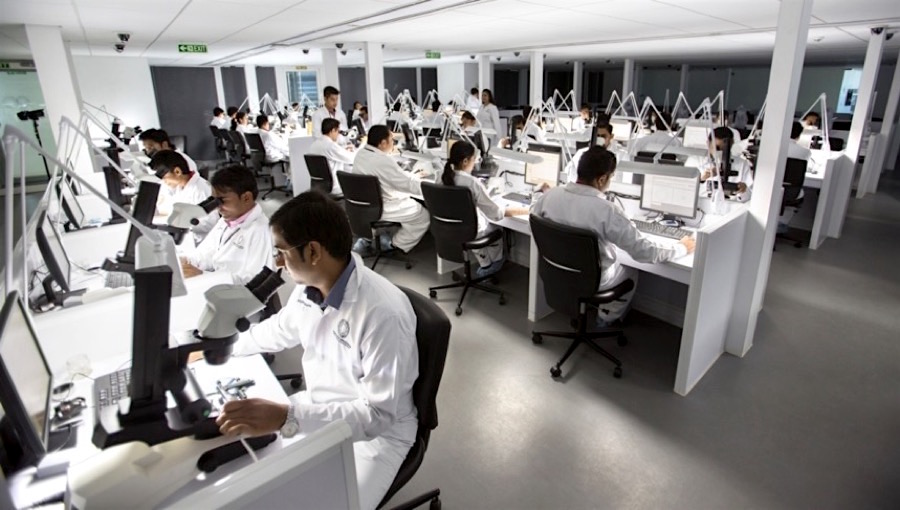
De Beers’ grading facility in Surat, an Indian city that is a major hub of diamond cutting and polishing. (Image courtesy of De Beers Group.)

India’s exports of cut and polished diamonds plummeted to their lowest level in nearly two decades in the 2024/25 fiscal year, which ended in March, on sluggish demand from the United States and China, a leading trade body said on Monday.

India is the world’s largest cutting and polishing hub, handling nine out of every 10 diamonds processed globally. But it is sensitive to economic uncertainty – particularly in the US, its biggest market.

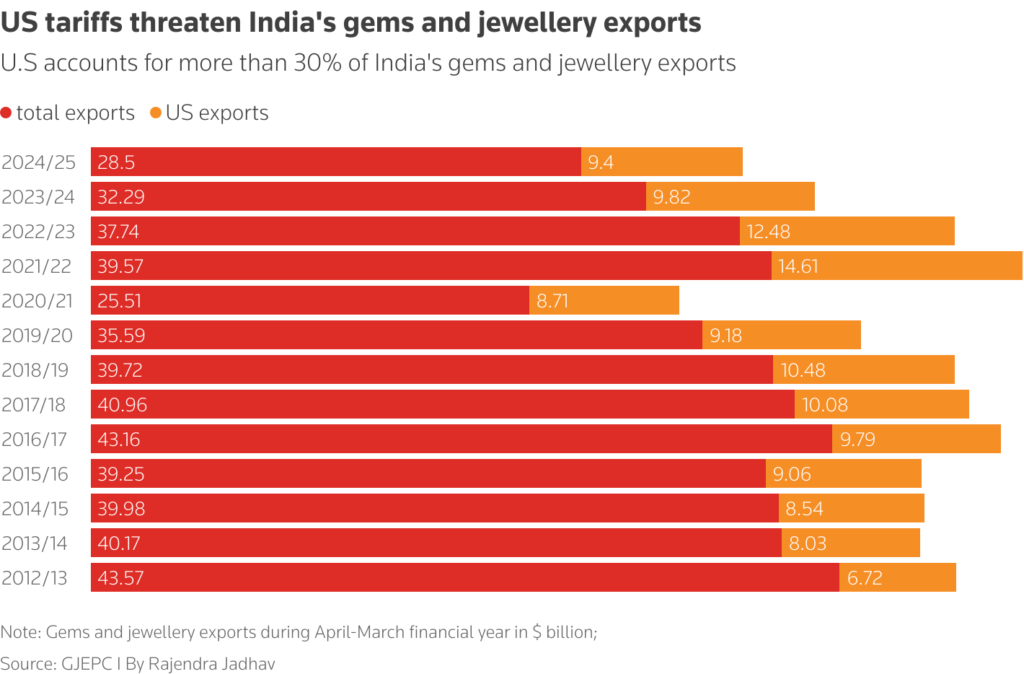
Cut and polished diamond exports, which usually account for nearly half of overall gem and jewellery shipments, fell 16.8% to $13.3 billion year-on-year, the Gems and Jewellery Export Promotion Council (GJEPC) said in a statement.

The slump dragged down overall gem and jewellery exports by 11.7% to $28.5 billion – a four-year low – from $32.28 billion the previous year.

The lower demand for polished diamonds also prompted Indian processors to reduce imports of rough diamonds by 24.3% to $10.8 billion, the trade body said.


Gems and jewellery exports rose by 1% year-on-year in March, however, to $2.56 billion, the GJEPC said, as exporters ramped up shipments ahead of announced US tariffs.

US President Donald Trump initially planned to place a 27% tariff on imported Indian goods from April 9 as part of duties targeting dozens of countries, but then declared a 90-day pause on the measure.

“US buyers were loading up in March before the tariffs kicked in. Indian exporters were also rushing to ship out US orders first, so they wouldn’t get hit with those extra costs,” said Shaunak Parikh, vice-chairman of GJEPC.

India’s gems and jewellery exports are unlikely to recover this year, one major Mumbai-based exporter told Reuters, as the US tariffs have roiled global markets and shaken buyer confidence.

(By Rajendra Jadhav; Editing by Joe Bavier)


China to keep building coal plants through 2027, state planner says


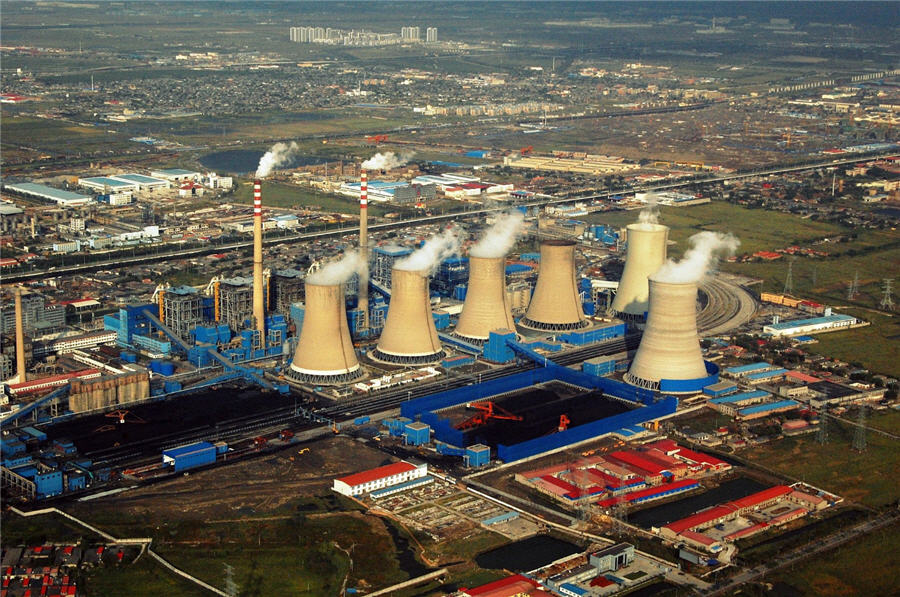
Tianjin power plant – Image courtesy of Wikimedia Commons

China plans to keep building coal-fired power plants through 2027 in regions where they are needed to meet peak power demand or stabilize the grid, according to government guidelines for upgrading the coal power system released on Monday.

That policy may raise questions about China’s commitment to phasing down coal use during the 2026-2030 period, although it says new coal projects are considered a back-up for renewable generation whose output depends on sunlight and wind conditions.

The guidelines, issued by the state planner and energy regulator, say that newly built coal plants should have 10-20% lower carbon emissions per unit of power output than the 2024 fleet, and also call for upgrades to some existing coal plants to meet those conditions.

Newly built and upgraded coal plants should also be able to safely and reliably adjust their output to help meet peak power demand.

The plan follows a report from the China Coal Association last week that said China’s coal consumption would not peak until 2028 – later than other forecasts that said China’s coal consumption could peak this year.

Rising coal usage in the power and chemicals sectors this year will support a small uptick in consumption, the association said, offsetting declining demand from the steel and building material industries.

(By Colleen Howe; Editing by David Holmes)


Mali closes Barrick Gold’s Bamako office over alleged tax dispute — report

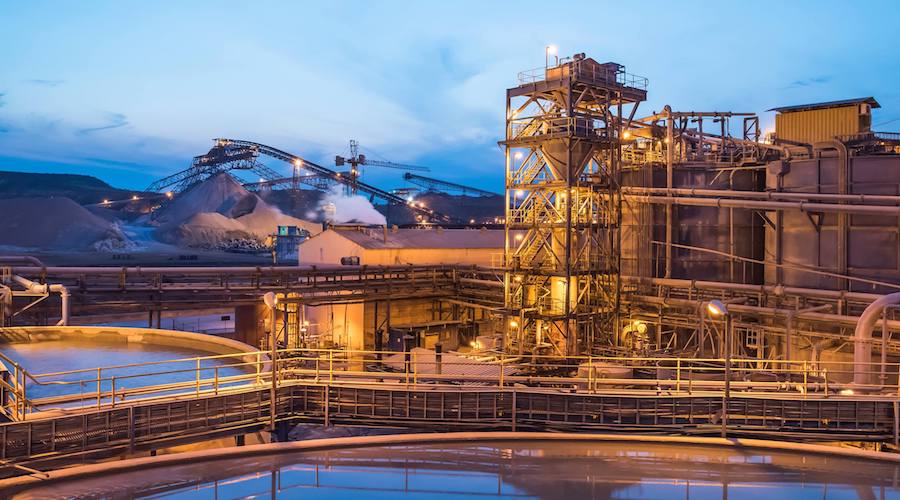
Mali-based Loulo-Gounkoto complex. (Reference image by Barrick Gold.)

Authorities in Mali have shuttered Barrick Gold’s (NYSE: GOLD) (TSX: ABX) office in the capital, Bamako, over what they claim is unpaid tax, Reuters reported, citing sources with knowledge of the situation.

Barrick has not yet issued a statement but has previously rejected accusations of wrongdoing.

The dispute stems from Mali’s updated mining code, introduced in 2023, which boosts the government’s ownership in mining ventures. Tensions between the two sides have persisted since the new rules came into effect.

Shares in Barrick Gold were up 0.5% on Tuesday in New York to $20.50 apiece. The company’s market capitalization is $35.3 billion.

One source told Reuters that Barrick employees in Bamako are currently locked out of the office. However, the closure does not impact the company’s Loulo-Gounkoto mine in western Mali, where operations have been on hold since mid-January.

Barrick CEO Mark Bristow said in February the company will resume mining once the government allows it to restart gold exports. He added that officials have confirmed gold worth about $245 million, previously seized by the state, still belongs to the company.

The Loulo-Gounkoto site is currently excluded from Barrick’s production guidance and is not expected to contribute to output until 2027.

In February, Reuters reported that Barrick had reached a settlement with the government, which remains subject to official sign-off.

The Loulo-Gounkoto shutdown followed the state’s January seizure of roughly three tonnes of gold, citing separate tax-related claims. That issue is distinct from the matter behind this week’s office closure, a source clarified.

Roughly 40 Malian employees from Loulo-Gounkoto are being temporarily relocated to Barrick’s Kibali mine in the Democratic Republic of Congo, according to Reuters.

Ghana orders foreigners to exit gold market by April 30

Ghana has ordered foreigners to exit its gold trading market by the end of the month, a new government body said on Monday, as the West African country looks to streamline gold purchases from small-scale miners, increase earnings and reduce smuggling.

Africa’s leading gold producer is shifting away from a system in which local and foreign companies with export licenses can buy and export gold from artisanal or small-scale mining.

Under the new system, the newly created gold board known as GoldBod is the only entity allowed to buy, sell, assay and export artisanal gold, Monday’s statement said, and older licenses have ceased to be valid.

Foreigners must leave the local gold trading market by April 30 although they can apply “to buy or take-off gold directly from the GoldBod,” the statement said.

Finance minister Cassiel Ato Forson said in January that the creation of GoldBod would allow Ghana to benefit more from gold sales while maintaining the national currency’s stability.

Ghana’s gold exports grew by 53.2% in 2024 to $11.64 billion, of which nearly $5 billion was from legal small-scale miners.

Gold prices vaulted on Friday over the $3,200-per ounce mark for the first time.

The trade war between the United States and China has rattled global markets and driven investors into gold, which is traditionally viewed as a hedge against geopolitical and economic uncertainty.

(By Christian Akorlie and Anait Miridzhanian; Editing by Robbie Corey-Boulet and Tomasz Janowski)

NATIONALIZATION REDUX

UK MPs pass emergency bill to rescue troubled British Steel

Bloomberg News | April 13, 2025 | 

Credit: British Steel via LinkedIN


The UK Parliament passed an emergency bill to give ministers control over Jingye Group’s British Steel, as Keir Starmer’s Labour government fights to preserve Britain’s last virgin steelmaker.


The legislation was approved on Saturday by the House of Commons and the Lords after both chambers were recalled from their Easter recess. It hands Business Secretary Jonathan Reynolds extensive powers to direct British Steel’s staff and operations and order raw materials to keep production going in Scunthorpe, the site of the UK’s last remaining blast furnaces that make steel from primary materials.

Neither Jingye nor British Steel responded to emailed requests for comment on Saturday. On Friday, the UK unit declined to comment about Parliament’s recall.

The new government powers were steamrollered through Parliament after Prime Minister Keir Starmer’s Labour government became concerned that Jingye was preparing to shutter the unprofitable furnaces, putting thousands of jobs at risk and leave the birthplace of the industrial revolution as the only Group of Seven nation without primary steel-making operations.

Jingye last month rejected a £500 million ($650 million) UK government rescue package. Opening the debate on Saturday, Reynolds told lawmakers that despite the government negotiating “tirelessly” with the Chinese firm, including making a “generous offer” to help keep the plant operational, the company had wanted an “excessive” amount.

“Over the last few days, it became clear that the intention of Jingye was to refuse to purchase sufficient raw materials to keep the blast furnaces running,” he said. “In fact, their intention was to cancel and refuse to pay for existing orders. The company would therefore have irrevocably and unilaterally closed down primary steel making at British Steel.”

Under the terms of the bill – which covers all steel facilities in England, not just those run by British Steel — any employee who fails to comply with the business secretary’s directions could face fines or as long as two years in prison. The legislation also provides for compensation for costs incurred by companies in complying with government orders.

Reynolds’ department said in a statement that the legislation meant that “anyone employed at the plant who takes steps to keep it running, against the orders of the Chinese ownership, can be reinstated if sacked for doing so.”

The move is the latest instance of the UK government falling out with a Chinese company over investments in critical national infrastructure. In 2022, the then-Conservative government announced it was buying out China General Nuclear Power Corp.’s investment in the Sizewell C nuclear plant in Suffolk, while the UK also in recent years excluded Huawei Technologies Co. from supplying next-generation technology to Britain’s 5G wireless networks.

Funding to keep the Scunthorpe plant running will come from an existing government pot for the steel industry totaling £2.5 billion, according to the Department for Business and Trade. Reynolds said he didn’t want to keep the new powers that would result from passing the bill “longer than necessary,” though he also added that the full nationalization of British Steel is an option that remains “on the table.”

Nevertheless, Labour rejected proposals from the Conservatives and Liberal Democrats to add a sunset clause laying out when the business secretary’s new powers would end. Similar efforts in the Lords were withdrawn following assurances from Labour.

Summing up for the government at the end of the Commons debate, Industry Minister Sarah Jones said adding a sunset clause risked reducing the government’s leverage in negotiations with Jingye. She promised, however, that the government would “repeal this legislation as quickly as we can” and that Reynolds would update Parliament about its implementation every four working weeks. In the Lords, another business minister, Maggie Jones, said she would keep the upper chamber updated every four weeks, promising the powers would only be used “judiciously.”

Britain’s steel industry had been struggling even before the announcement of US President Donald Trump’s 25% tariffs on imports of the alloy, with furnaces at Port Talbot shuttering last year. The closing of British Steel’s UK operations would jeopardize thousands of jobs in Scunthorpe and Teesside, also in northern England. The company employs around 3,500 people in total.

Trade unions last week warned that Jingye had canceled orders for iron ore, coking coal and other raw materials needed to make steel, raising concerns the Scunthorpe plant could effectively close within days.

Fuel shortages pose major operational and financial risks for steel mills, because blast furnaces need to be kept running continuously in order to stop molten metal from cooling and solidifying inside the furnace. Such events can severely damage the interior lining of a furnace and knock plants offline for months, and the cost of repairs can be sizable.

Recalls of Parliament from recess are rare events, with the last one taking place in August 2021 for a debate on the situation in Afghanistan. Saturday marked the 35th time it’s happened since 1948.

(By Alex Morales)

DURING SATURDAYS EMERGENCY DEBATE AND VOTE WELSH & SCOTS MP'S  SKEWERED THE LABOUR GOV OVER THEIR FAILURE TO SAVE STEEL WORKS IN THOSE COUNTRIES
Deadly landslide in Indonesia’s nickel hub signals supply risk

Bloomberg News | April 14, 2025 | 


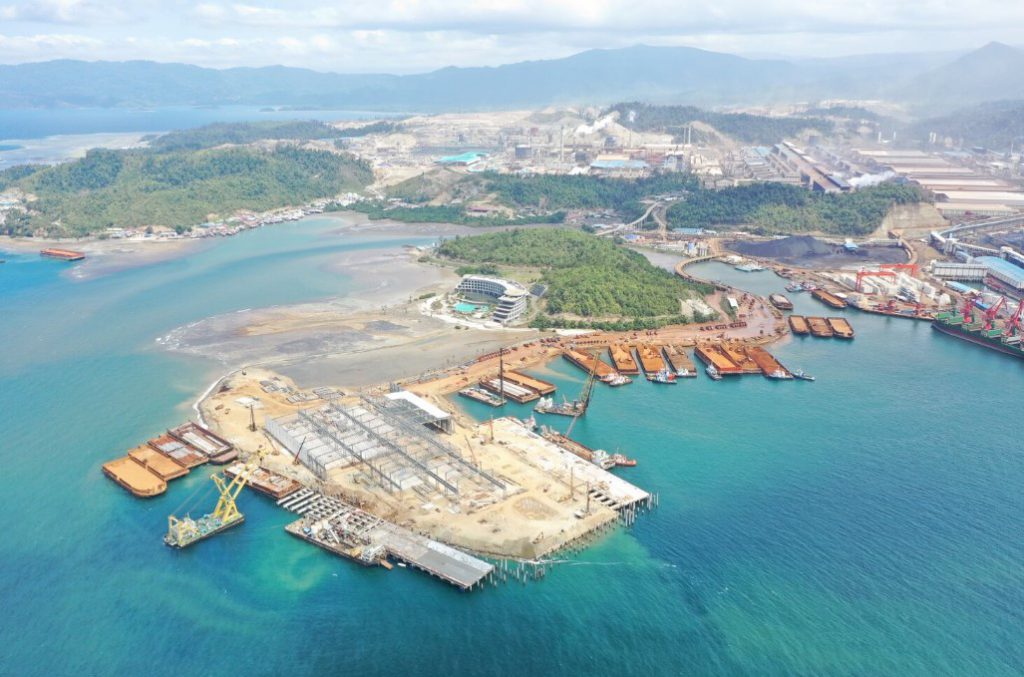
Aerial view of the Indonesian Morowali Industrial Park. Credit: IMIP


A deadly landslide at a top nickel-producing hub in Indonesia has heightened scrutiny of a method used to extract the battery metal from low-grade ore, spurring concern among buyers about the future of a vital source of supply.


Two workers were killed and one was left missing after the accident at the Indonesia Morowali Industrial Park on Sulawesi island last month. The incident occurred in a tailings area affiliated with Chinese producer PT QMB New Energy Materials Co. Ltd, and has forced the factory to halt almost all production, according to traders with knowledge of the situation.

Nearby peers have also had to reduce output, they said, asking not to be named as the matter is sensitive.

QMB’s biggest shareholder GEM Co. Ltd., responding to a Bloomberg query, said production was lower but attributed the drop to planned maintenance and national holidays for Eid al-Fitr, which fell in the first week of April. Park manager PT IMIP, confirming the landslide and casualties, said in a statement that there had been no disruption to output as a result, and blamed prolonged heavy rainfall.

Nickel traders in Southeast Asia and China acknowledged the short-term price impact of the stoppage would likely be limited, but said they were increasingly worried about the potential for repeated disruptions, as the use of high-pressure acid leaching, or HPAL, grows. The method allows producers to use lower-grade ore to extract metal, but comes with high volumes of waste.

Indonesia accounts for more than half the world’s output of nickel and continued outages could crimp global supply — a concern for battery makers even if the metal has been in a persistent surplus in recent years.

Indonesia’s metals sector has been plagued by a string of accidents since it began its breakneck nickel expansion a decade ago — the worst being a 2023 smelter explosion that killed 21 workers and drew reprimands from the government. With the growth of HPAL plants, a failure to properly manage associated waste could once again revive concerns over uneven environmental and safety standards.

In the last five years alone, the Southeast Asian nation has commissioned about 10 HPAL plants, of which half are already in operation, most of them thanks to Chinese investment and expertise. The nickel-extracting method is both cheaper and less carbon-intensive than others but generates nearly double the tailings, which are then dried out and compacted before being deposited at a designated site. Any breakdown in waste management is likely to disrupt normal production.

Experts have questioned whether HPAL, given the significant waste involved, can ever be used safely in the humid archipelago where torrential rain, earthquakes and landslides complicate storage efforts.

“These issues should not be treated as isolated cases in different companies. They reflect a broader industry problem,” said Putra Adhiguna, managing director at the Australia-based Energy Shift Institute. He added that with repeated incidents, supply risks are “always looming in the background”.

PT IMIP said the hub was implementing measures to improve standards and mitigate geological disaster risks in the area — one of many industrial parks spearheaded by former President Joko Widodo to accelerate manufacturing growth — using land reclamation, leveling, and reforestation.

While the exact extent of the current production loss is unclear, the people familiar with the matter said QMB — which also counts China’s Tsingshan Holding Group Co. and Guangdong Brunp Recycling Technology Co. Ltd. among its shareholders — would likely see lower output in April than in previous months given an ongoing government investigation into the accident.

The plant shipped more than 25,000 tons of nickel in the first quarter of the year, according to an emailed statement from GEM.

A spokesperson for Indonesia’s ministry of industry did not respond to messages seeking comment.

(By Alfred Cang, Annie Lee and Eddie Spence)

CU

US copper industry seeks export curbs instead of tariffs

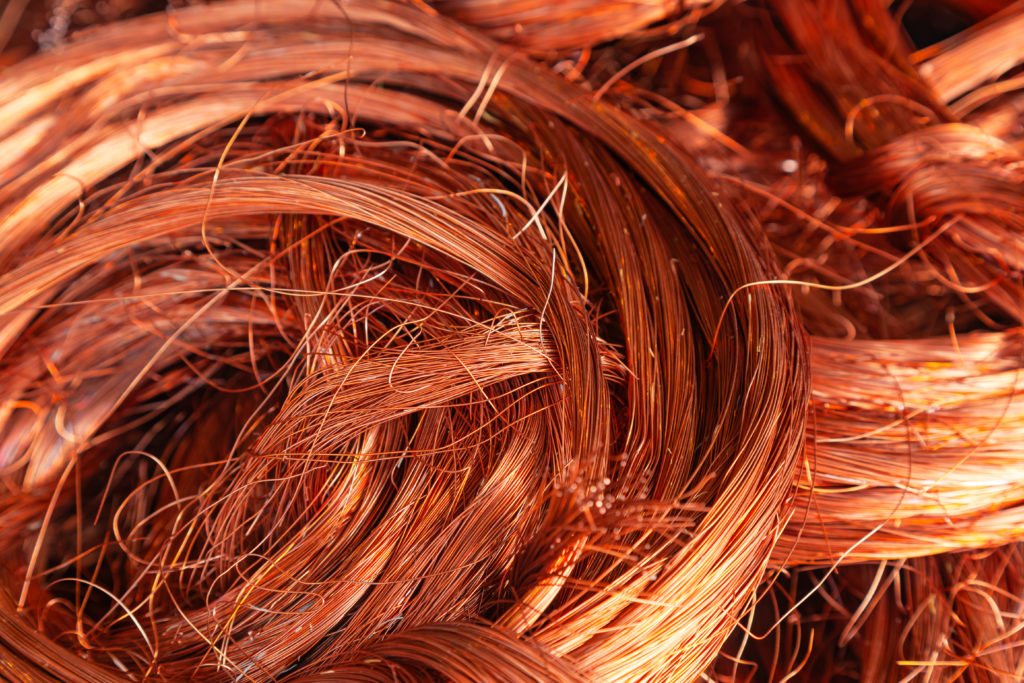
Stock image.

Major players in the US copper industry have called on President Donald Trump to restrict exports of ore and scrap metal rather than imposing tariffs on imports, in his efforts to boost domestic production. 

Trump’s executive order in February ordering an investigation into possible copper tariffs has upended the global market, driving US prices to a huge premium to international benchmarks and spurring a global race to get copper into the country before any potential tariffs are imposed.

The order called on the secretary of commerce to make recommendations on actions “including potential tariffs, export controls, or incentives to increase domestic production.”

In public comments in response to the US government’s section 232 investigation on copper, leading companies including miner Rio Tinto Group, fabricator Southwire Co. and trader Trafigura Group suggested that the administration should instead impose restrictions on exports of copper rather than tariffs on imports.

“The Trump administration should consider implementing export restrictions on domestically produced copper concentrate and copper scrap,” wrote Rio Tinto.

Southwire, which is the US’s largest manufacturer of copper wire, said: “The administration should focus on regulatory reform and restrictions on US copper exports as the primary tools to grow the US industry.”

Significant Importer

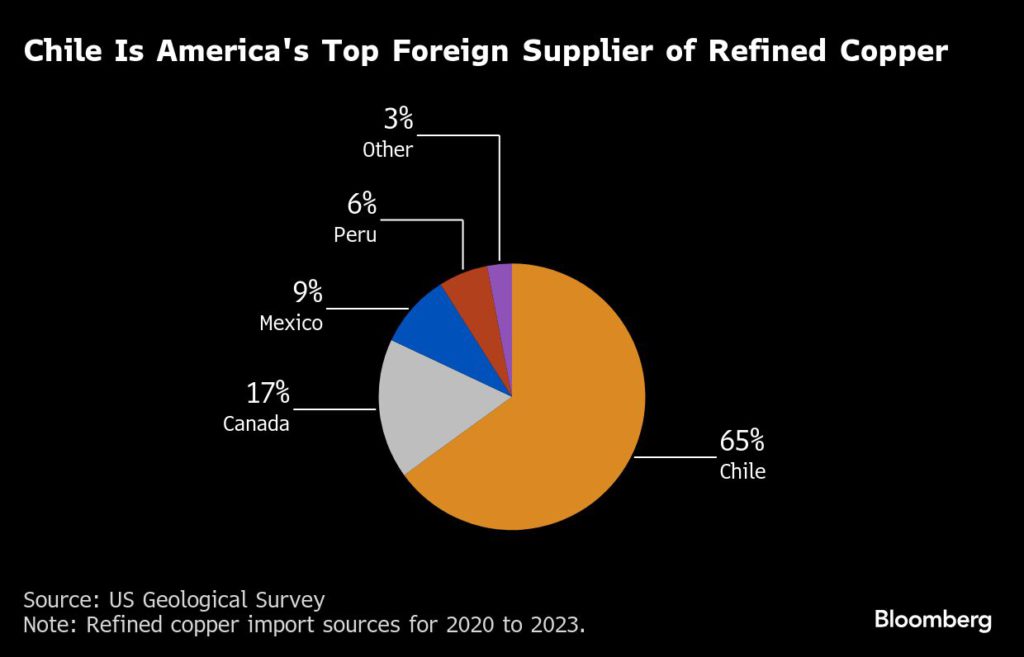
The US is the world’s largest exporter of copper scrap and also an exporter of copper ore, known as concentrates. However, a lack of sufficient domestic processing capacity means it is also a significant importer of refined copper metal.

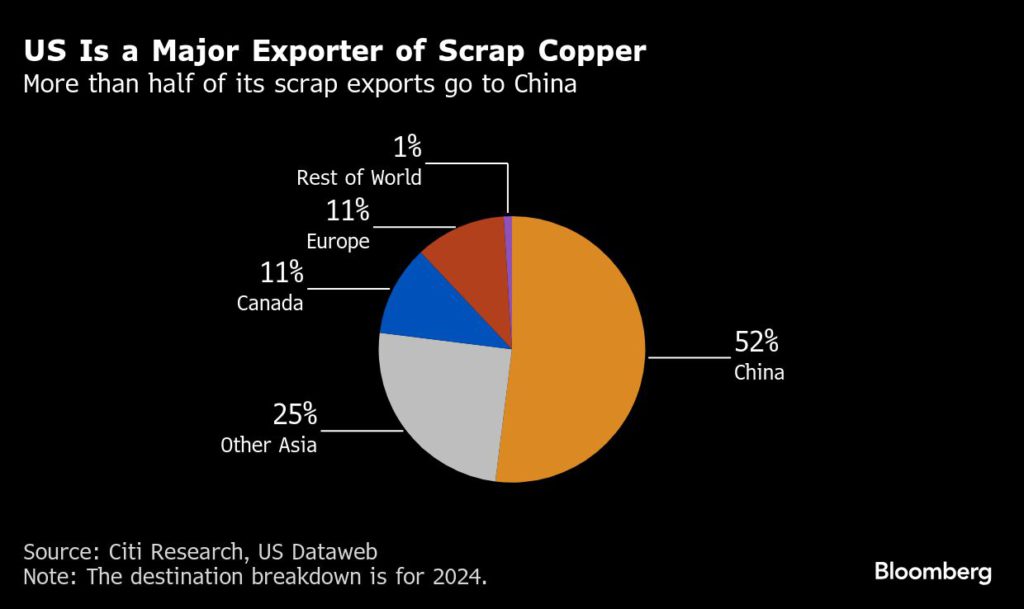
Any serious curbs on US scrap supplies would redraw the market for scrap, which accounts for almost a third of copper supply. US shipments of waste copper were about 600,000 tons last year, according to research from Citigroup Inc. — an amount equivalent to some of the world’s largest copper mines. More than half of that goes directly to China for processing.


While several responses called for the US to impose restrictions on exports of copper scrap, and in some cases copper concentrates, many urged the administration not to place import tariffs on copper metal. 

The Copper Development Association, the trade association for the US copper industry, called for exemptions from import tariffs for raw materials “including refined copper cathodes and scrap copper.” 

Trafigura, the world’s largest copper trader, argued that import tariffs should be imposed on manufactured copper products like wire rod, tube and strip, but that the administration should “keep refined copper imports free from tariffs for now, until new mining and smelting capacity has been constructed.”

US copper miner Freeport-McMoRan Inc. didn’t make any direct recommendation about tariffs, but argued the US should support free trade. 

“In 2024, the US imported approximately 50% of its copper cathode demand from Chile, Canada, Peru and other countries, which is necessary to meet current demand because there is no US latent production capacity,” the miner wrote. “Promoting free and fair trade with US allies will ensure US copper supply requirements are satisfied.”

To be sure, the industry’s lobbying push doesn’t mean that the Trump administration will heed its calls. 

The threat of tariffs has pushed US copper prices to large premiums to international benchmarks as traders bet that the president would impose tariffs of up to 25% on copper imports. While still large by historical standards, the premium has decreased in the past few weeks in a possible reflection of how unpredictable Trump’s tariff policies have proven. 

In late March, for example, December Comex copper was trading as much as 20% above copper for delivery in December on the London Metal Exchange. As of Tuesday, that premium had narrowed to around 13%. 

The industry responses included a range of other suggestions for boosting the US copper industry, including introducing tax credits, streamlining the permitting process for new mines, and imposing tariffs on imports of semi-fabricated products containing copper.

Several respondents highlighted the challenge of incentivizing investments into new US smelting capacity. There are only three copper smelters in the US, and one of them is the mothballed Hayden plant. In its submission, Asarco LLC, which owns the Hayden plant, asked for emissions testing requirements to be relaxed in order to allow it to reopen.


New Jersey warehouse filled with copper shows Trump tariff risk

Stock image.

Jay Richman, the owner of E.W. Berger & Bro, has been loading up on copper plumbing parts to get ahead of possible US import tariffs — filling his warehouse with extra fasteners, fittings and tubing made from the red metal.

The New Jersey wholesaler, which sells to mom-and-pop tradesmen as well as larger-scale builders, is taking a risk that it’ll be stuck with excess inventory if the economy takes a turn and buyers disappear. But Richman didn’t feel like he has much choice given the outlook for costs.

He’s already paying more for copper items because suppliers to his family-run business boosted prices as much as 12% in the past couple months in anticipation of tariffs. Richman — like others in his shoes — is passing on those higher costs to all but his most loyal customers.

“The consumer is the one who’s losing,” he said in an interview.

Richman’s situation is similar to what many businesses across the US are going through as President Donald Trump mulls imposing tariffs on copper imports, possibly within weeks. The levies threaten to inflict pain across a broad section of the US economy because of the myriad industries and applications that rely on the metal — everything from automobiles and data centers to home construction and consumer electronics.

Its widespread usage is the reason why the metal is dubbed “Doctor Copper” — a barometer for the health of the economy.

“At the end of the day, tariffs will make US copper more costly for consumers,” said Ewa Manthey, commodity strategist at ING Bank NV. “Higher copper prices might also feed into higher inflation.”

It isn’t certain they’ll be imposed, but Trump first talked about copper tariffs in late January. On Feb. 25, he ordered officials to consider trade measures on the metal, and days later, in a speech to Congress, the president suggested copper imports could be subject to a 25% tariff.

The US consumed 1.6 million metric tons of refined copper last year, with about half coming from abroad, according to US Geological Survey estimates. Chile, Canada and Mexico are the biggest foreign suppliers. Major metals producers including Freeport-McMoRan Inc. and Rio Tinto Group also fill US demand through mines in southwestern states including Arizona and Utah.


US copper prices already reflect the threat of tariffs — they started surging after Trump first floated the idea, with the price on New York’s Comex reaching an all-time high in late March.

Prices have since retreated amid a broad selloff across markets as Trump’s tariffs stoke concern that a recession is coming. Still, Comex copper is about 14% higher this year and carries more than a $700-a-ton premium to contracts on the London Metal Exchange.

RM-Metals, a distributor based in South Plainfield, New Jersey, has seen sales slow over the past two months with customers reluctant to pay higher costs, according to Vice President Sam Desai. The company imports copper wire, rod and strips from Asia and sells to US buyers such as appliance makers.

“For the short term, prices go up — that means everybody has to pay extra,” Desai said.

A 25% copper import tariff would add $68 to $275 in incremental raw material costs to the price of a car sold in the US, with electric vehicles particularly affected because they have about four times as much of the metal, according to Bloomberg Intelligence.

Data centers that help fill rising demand for artificial intelligence computing are also reacting to the tariff threat. DataBank, a data-center developer, is locking in contracts for copper cable, wiring, pipes and fittings earlier than it planned for projects that are still on the drawing board, and favoring local sources over foreign suppliers.

“This is definitely a high focus point,” said Tony Qorri, who’s vice president of construction at the firm. “Any trade uncertainty will inevitably cloud the outlook of AI development in the US.”

Since copper is a key input for so many products, adding import tariffs is bound to make things more expensive, according to Bart Melek, global head of commodity strategy at TD Securities.

“It ultimately means consumers consume less stuff with copper in it,” Melek said in an interview. “This whole tariff business is reducing consumer confidence broadly.”

First Quantum buys into Aussie explorer to boost Zambia copper

The Mumbezhi copper project. (Image courtesy of Prospect Resources.)

Canada’s First Quantum Minerals (TSX: FM) is acquiring a 15% stake in Prospect Resources (ASX: PSC), a battery and electrification metals developer based in Australia, as it deepens its presence in Zambia’s copper belt.

The deal sees First Quantum invest A$15.2 million ($9.7m) in a share placement at A$0.15 per share — a 36% premium to Prospect’s last closing price. The investment also gives First Quantum a seat on Prospect’s board and a role as technical partner.

Shares in Prospect soared on the news, closing 32% higher in Sydney at A$0.14 each, capitalizing the junior at A$83 million ($53m).

Prospect’s Mumbezhi copper project sits just 25km east of First Quantum’s Trident project, which includes the Sentinel and Enterprise mines. The funds will help accelerate exploration at Mumbezhi, aligning with Zambia’s push to triple annual copper output to 3 million tonnes by 2031.

Prospect recently secured two mining licences covering its entire 356 km² landholding at Mumbezhi for an initial 25-year term. It has announced a maiden mineral resource estimate of 514,600 tonnes of contained copper for the project.

In a parallel move, Prospect has entered a placement agreement with long-time shareholder Eagle Eye, subject to shareholder approval. The A$2.8 million raise, also at A$0.15 per share, allows Eagle Eye to maintain its 15.3% stake.

“This investment in Prospect supports our exploration strategy in Zambia and signals our continued commitment to the country,” First Quantum’s Zambia Director, Anthony Mukutuma, said. “With the upcoming launch of the Kansanshi S3 expansion, we’re reinforcing our long-term presence.”

Prospect chief executive Sam Hosack said the deal offers “considerable funding runway and serious regional exploration expertise” to advance the Mumbezhi program.

First Quantum has operated in Zambia for nearly three decades. It runs the Kansanshi mine and smelter in Solwezi, and the Sentinel and Enterprise mines in Kalumbila.

The $1.3 billion Kansanshi S3 expansion, set to open later this year, will boost ore processing by 25 million tonnes annually— up from 30 million — and extend mine life by over two decades.

First Quantum, with assets in Zambia, Spain, Mauritania, Australia, Finland, Turkey, Panama, Argentina and Peru, produced last year 431,004 tonnes of copper, 139,040 ounces of gold and 23,718 tonnes of nickel.


Antofagasta to invest $200M advancing Cachorro copper project

The Cachorro copper deposit is located at an altitude of 1,500 metres, in northern Chile.(Image provided by Antofagasta PLC.)

Chilean miner Antofagasta (LON: ANTO) has earmarked $200 million over seven years for a new exploration phase at its Cachorro copper project in the country’s north. 

The move follows the submission in January of an Environmental Impact Statement (DIA) for the project, which sits between the company’s Centinela and Antucoya operations. This proximity could create synergies with existing infrastructure and processing facilities, the largest pure-play copper miner listed in London said.

If regulators approve the DIA, Antofagasta will move ahead with surface and underground exploration to better define the deposit. The work will include over 700 drill holes, infill drilling to improve geological modelling, and construction of a horizontal tunnel reaching 300 metres deep.

As part of the environmental assessment process, Antofagasta will conduct baseline studies to protect nearby ecosystems, monitor groundwater, carry out archaeological surveys, and promote local employment and procurement.

Cachorro is located in the western Atacama Desert at an elevation of 1,500 metres, 100 km north-east of the city of Antofagasta. It is also situated 1,100 km north of the capital, Santiago. Since exploration began in 2017, Antofagasta has outlined a mineral resource of 255 million tonnes grading 1.26% copper, with silver as a by-product at 4 grams per tonne.

S&P Global Market Intelligence lists Cachorro as one of the largest greenfield copper discoveries of the past decade and one of the most significant manto-type deposits in Chile’s coastal belt.