Thursday, June 18, 2026


Poland arrests suspect in killing of Russian artist critical of Putin, PM Donald Tusk says

Police arrest a man suspected of links to the shooting of Russian artist Semyon Skrepetsky near Warsaw, 18 June, 2026
Copyright https://x.com/PolicjaLubelska

By Katarzyna Kubacka & Gavin Blackburn
Published on

Since it launched its full-scale invasion of Ukraine in 2022, Russia has been accused of trying to assassinate its opponents abroad, including targeting exiled activists in France and Lithuania.

Polish police have arrested a man suspected of participating in the murder of a Russian artist critical of President Vladimir Putin, Prime Minister Donald Tusk said on Thursday.

The suspect in the daylight murder, which took place on Monday, "is using a Georgian passport," Tusk wrote in a post on X.

"Services are working to establish the mastermind," he added.

Interior Minister Marcin Kierwiński confirmed the Georgian passport at a news conference in Warsaw and said the suspect is 36 years old.

Kierwiński said the man is suspected of links to organised crime and is being linked by police to other crimes committed in Poland, including some dating to 2022.

“We consider it possible that foreign intelligence services may have been involved,” said Tomasz Siemoniak, Poland’s security services minister, who spoke at the press conference alongside the interior minister.
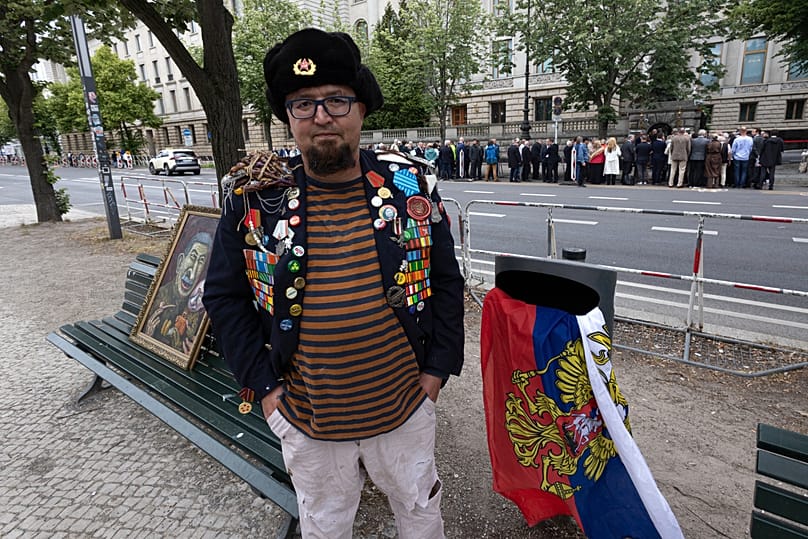
Semyon Skrepetsky poses for a photo with one of his paintings near the Russian Embassy in Berlin, 12 June, 2026
Semyon Skrepetsky poses for a photo with one of his paintings near the Russian Embassy in Berlin, 12 June, 2026 AP Photo

“Foreign services sometimes hire criminals to carry out operations. We have seen this in previous years. While those cases did not involve murder, criminals were hired to conduct assaults in other countries. We are therefore taking this possibility very seriously,” Siemoniak said.

Semyon Skrepetsky, whose real name is Robert Kuzovkov, was fatally shot three times by an unidentified man armed with a handgun in Biała Podlaska, eastern Poland, according to officials.

When the artist fell to the ground, he was approached by the assailant, who fired two more shots at close range.

Tusk said on Wednesday the artist's death was probably a "political murder."

"If it was commissioned by Russia, then this is also a very serious matter with an international dimension," he continued.
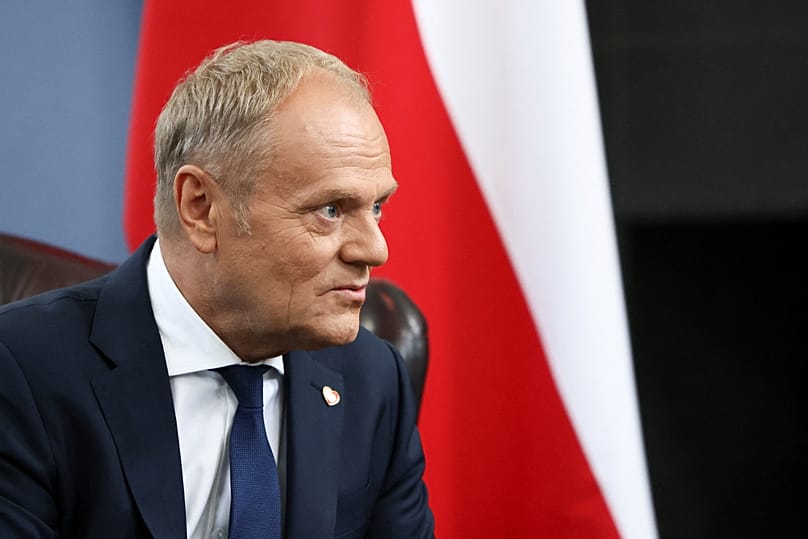
Poland's Prime Minister Donald Tusk at RAF Northolt near Uxbridge, 27 May, 2026
Poland's Prime Minister Donald Tusk at RAF Northolt near Uxbridge, 27 May, 2026 AP Photo

The Polish government says it offered Skrepetsky protection in the past, which he declined.

Two Belarusian citizens were detained in connection with the artist's death but they have since been released.

Skrepetsky was known for his sometimes provocative caricatures, which targeted prominent Russian political figures, ranging from Putin and Soviet leader Joseph Stalin to opposition figure Alexei Navalny and head of the Chechen Republic, Ramzan Kadyrov.

One of his best-known works reinterprets a classical Orthodox icon, depicting Stalin cradling Putin in place of the Virgin Mary holding the infant Jesus.

Skrepetsky moved to Poland in 2021, saying he feared political persecution in Russia.

In exile, he attended Russian opposition events while openly criticising the opposition itself.
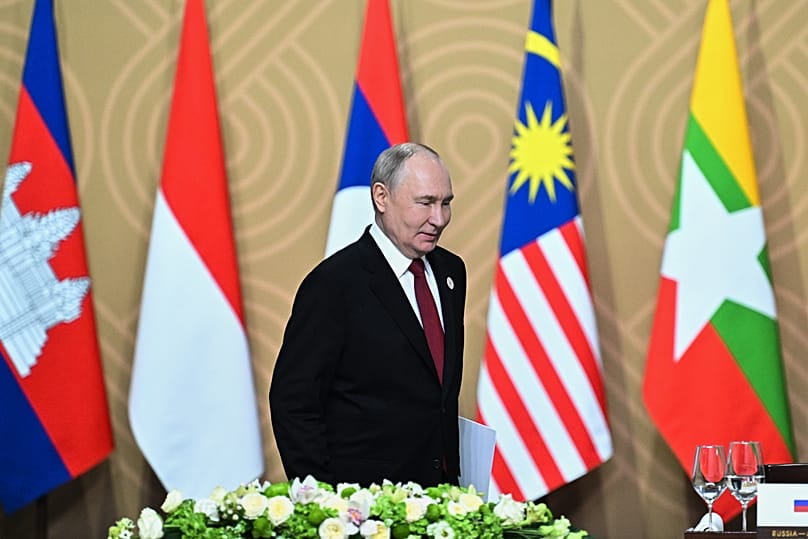
Russian President Vladimir Putin attends the Russia-ASEAN summit in Kazan, 18 June, 2026
Russian President Vladimir Putin attends the Russia-ASEAN summit in Kazan, 18 June, 2026 AP Photo

Since it launched its full-scale invasion of Ukraine in 2022, Russia has been accused of trying to assassinate its opponents abroad, including targeting exiled activists in France and Lithuania.

Officials in Germany have also broken up plots targeting the head of a German weapons supplier to Ukraine and a Ukrainian military official.

Moscow has denied any involvement in these attacks.


Bulgarian prime minister opposes EU sanctions on Russia's Patriarch Kirill

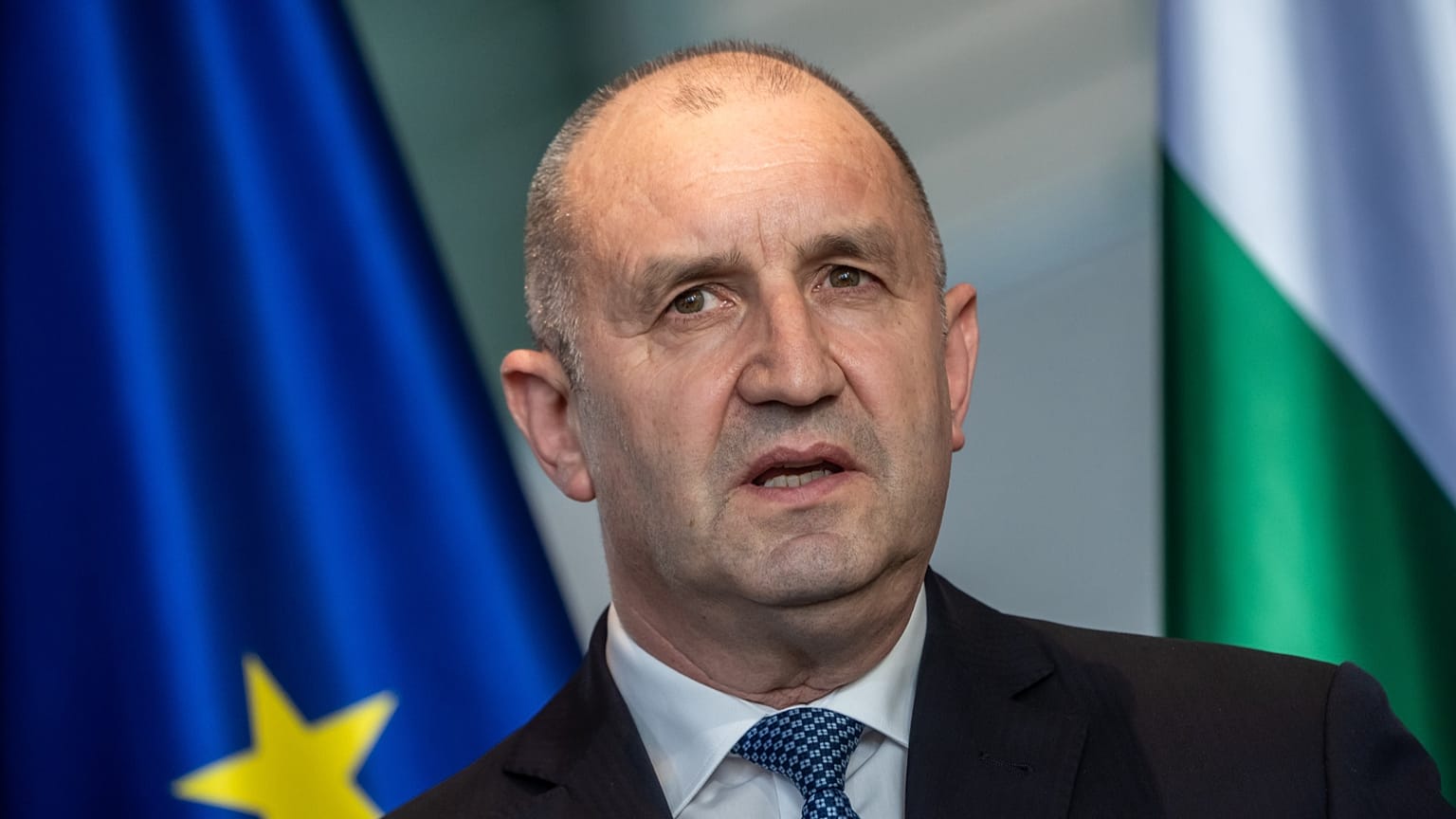
Bulgarian Prime Minister Rumen Radev.
Copyright AP Photo

By Jorge Liboreiro & Marina Stoimenova
Published on

"The era of the Crusades is over," the Bulgarian prime minister said on Thursday as he confirmed his opposition to the proposal.

The European Union will once again face an uphill struggle to impose sanctions on Patriarch Kirill, the head of Russia's Orthodox Church.

After Hungary lifted its long-standing veto, Bulgaria has emerged as the new obstacle in the decision, which requires unanimity.

The opposition was confirmed on Thursday by the country's new prime minister, Rumen Radev, before he flew to Brussels to attend his first-ever EU summit.

"What message are we sending when we extend sanctions and war into the sphere of religion? Do we realise where this leads?" Radev told reporters in Sofia.

"The era of the Crusades is over. I am not interested in the Russian Patriarch as an individual. I am interested in the fact that he is the head of the Russian Orthodox Church, which is Eastern Orthodox, just like our church. I am concerned about the millions of people who belong to that church."

The Bulgarian Orthodox Church and the Russian Orthodox Church are administratively independent, with different patriarchs, but both belong to the Eastern Orthodox Church, share the same faith and dogma, and are bound by cultural and historical ties.

The Eastern Orthodox Church is the primary confession in many Eastern European countries, including Russia, Bulgaria and Ukraine.

On Wednesday, Bulgarian Foreign Minister Velislava Petrova-Chamova voiced opposition to sanctioning Patriarch Kirill, arguing the proposal would be purely "symbolic" – even though the restrictions would introduce a travel ban and freeze EU-held assets.

The sanctions, she said, "have no economic effect but rather have the potential to be counterproductive, because they create an environment in which anti-European propaganda can be carried out, specifically along the lines that Europe is interfering in church affairs. Therefore, we do not consider this to be productive."

Kirill, a highly controversial figure with both religious and political influence, has been accused of spreading revisionist propaganda to justify the war in Ukraine.

Under his leadership, the Russian Orthodox Church approved a document that called for the annihilation of Ukrainian independence and described the invasion as a "Holy War".

The EU first tried to blacklist Kirill in 2022. But Hungary, under then-prime minister Viktor Orbán, blocked the move, calling it an issue of religious freedom.

The veto made headlines and caused outrage among other countries.

The matter lay dormant until last month, when the new Hungarian government of Péter Magyar voiced readiness to go ahead with the move, as Euronews reported.

EU officials seized on the U-turn and added Kirill's name to the latest list of individuals to be sanctioned.


Euroviews. The energy transition's next test is security

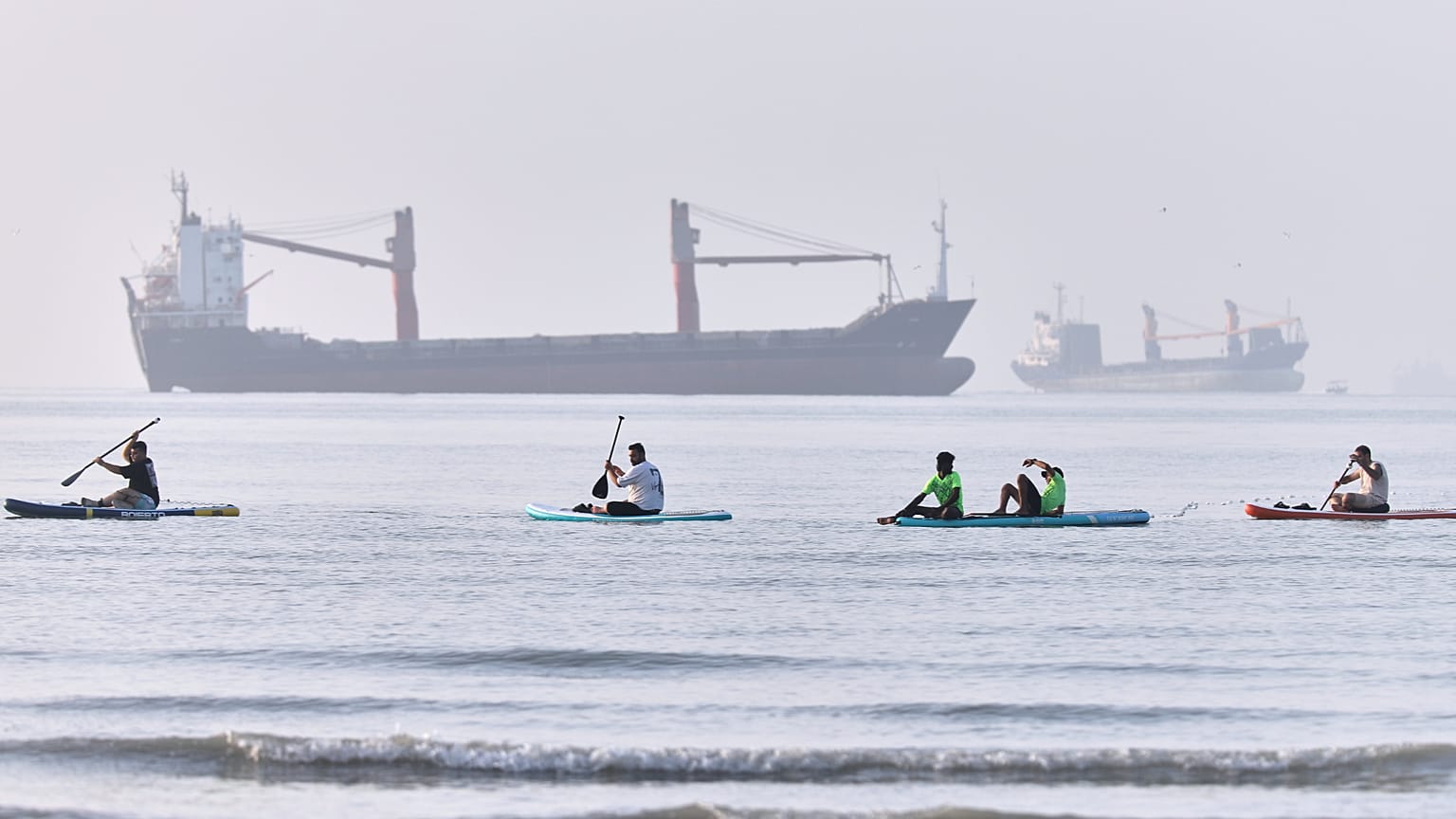
People paddle along the shoreline as cargo ships are anchored in the Strait of Hormuz off Bandar Abbas, Iran, Monday, June 1, 2026. (Amirhosein Khorgooi/ISNA via AP)
Copyright Amirhosein Khorgooi/ISNA via AP


By Roberto Bocca, Head of the World Economic Forum’s Centre for Energy and Materials
Published on
The opinions expressed in this article are those of the author and do not represent in any way the editorial position of Euronews.

'Countries that emerge strongest from the next phase of the transition will be those with diversified energy systems that remain secure, affordable and sustainable in a more uncertain world' writes Roberto Bocca from World Economic Forum’s Centre for Energy and Materials in an OpEd for Euronews.

The disruption to energy flows through the Strait of Hormuz sent shockwaves far beyond oil and gas markets. The effects quickly rippled through global shipping, industrial supply chains and household bills, while adding to inflationary and fiscal pressures.

But the crisis also reinforced an urgent reality: for many countries, the energy transition is as much about security and economic resilience as it is about sustainability.

For much of the past decade, the central question shaping the transition debate was whether clean technologies could scale quickly enough to compete with fossil fuels. In many sectors and regions, that question has been answered. In 2025, renewables and nuclear generated 42% of global electricity usage, renewable generation grew by 9%, and global investment in clean energy reached a record $2.3 trillion.

Energy systems that remain affordable, sustainable and resilient under stress

The harder question now is whether countries can build diversified and secure energy systems that remain affordable, sustainable and resilient under stress.

New World Economic Forum research suggests that many countries are struggling to succeed on all three fronts at once. While global progress on clean-energy deployment continued in the last year, the foundations that determine whether progress can last - investment, infrastructure, policy stability and innovation - came under pressure. Energy security showed the clearest signs of strain, as geopolitical tensions, infrastructure bottlenecks and supply-chain concentration grew more acute. The Hormuz crisis only accelerated this trend.

This vulnerability is increasingly shaping how governments think about the energy transition.

Investing in domestic capacity and diversified energy sources

In the past, progress was measured largely by deployment: how quickly or affordably countries could build renewable capacity, scale electric vehicles or attract investment. Today, security has become a more important measure of success: the ability to maintain reliable and affordable energy systems amid growing geopolitical uncertainty.

The countries responding most effectively are reducing their exposure to external shocks by investing in domestic capacity and diversified energy sources.

China offers an example. While it continues to partially depend on imported fossil fuels and domestic coal, it is also accelerating electrification and grid expansion with fast and large-scale renewable deployment. Wind and solar now generate 22% of the nation's electricity. The significance here is not only about pace and scale. It is the objective to reduce exposure to external shocks by building a more resilient and internally integrated energy system.

Europe wants to reduce exposure to potentially volatile imports

Europe is taking a different path towards a similar objective. Since Russia's invasion of Ukraine, investment in grids, storage, hydrogen, heat pumps and domestic clean-technology manufacturing has become as much a strategic autonomy and competitiveness imperative as a climate one. A key goal is to reduce exposure to potentially volatile imports – though the impact of the Hormuz disruption has reinforced the scale of the challenge.

Brazil, meanwhile, shows what greater resilience can look like. Decades of investment in biofuels, combined with a relatively clean domestic power mix, have left the country less exposed to recent volatility than many of its peers. Renewed investment in ethanol, biodiesel and sustainable aviation fuel are deepening that advantage. Together, these efforts help buffer the country from external shocks while advancing its decarbonisation goals.

Japan has set up a national system for stockpiling rare metals

Japan points to another dimension of the resilience challenge: supply-chain security and innovation. Energy security increasingly extends beyond fuels to critical minerals, batteries, semiconductors and grid equipment. A national rare metals stockpiling system helps protect against overseas supply disruptions, while decades of gains in energy efficiency, sustainability, and innovation show how security can be paired with industrial capability. The result is a model in which resilience supports competitiveness rather than simply guarding against risk.

Taken together, these examples underscore a shift in the competitive logic of the transition. Countries that can deliver reliable power from mixed sources, robust infrastructure and secure supply chains will be better placed to attract investment and strengthen industrial capacity. The ability to withstand disruption has become a strategic economic advantage.

Energy security is not separate from the transition

For governments, this will mean focusing not only on deploying renewables, but building the grids, storage and investment frameworks that make systems more resilient. For companies, energy strategy will become inseparable from competitiveness strategy. Manufacturers, data centres and industrial firms are already exposed not just to energy prices, but to grid reliability, fuel supply disruptions and infrastructure constraints. These factors are set to play a growing role in investment decisions, as companies place greater value on certainty and continuity of supply.

The key lesson from the Hormuz disruption is not how vulnerable global markets remain to fossil-fuel shocks. It is that energy security is not separate from the transition itself, but increasingly one of the conditions on which it depends. Without secure and reliable energy, affordability becomes fragile and sustainability becomes harder to sustain.

The countries that emerge strongest from the next phase of the transition will be those with diversified energy systems that remain secure, affordable and sustainable in a more uncertain world.


EU-backed green bonds risk financing Chinese clean tech in third countries

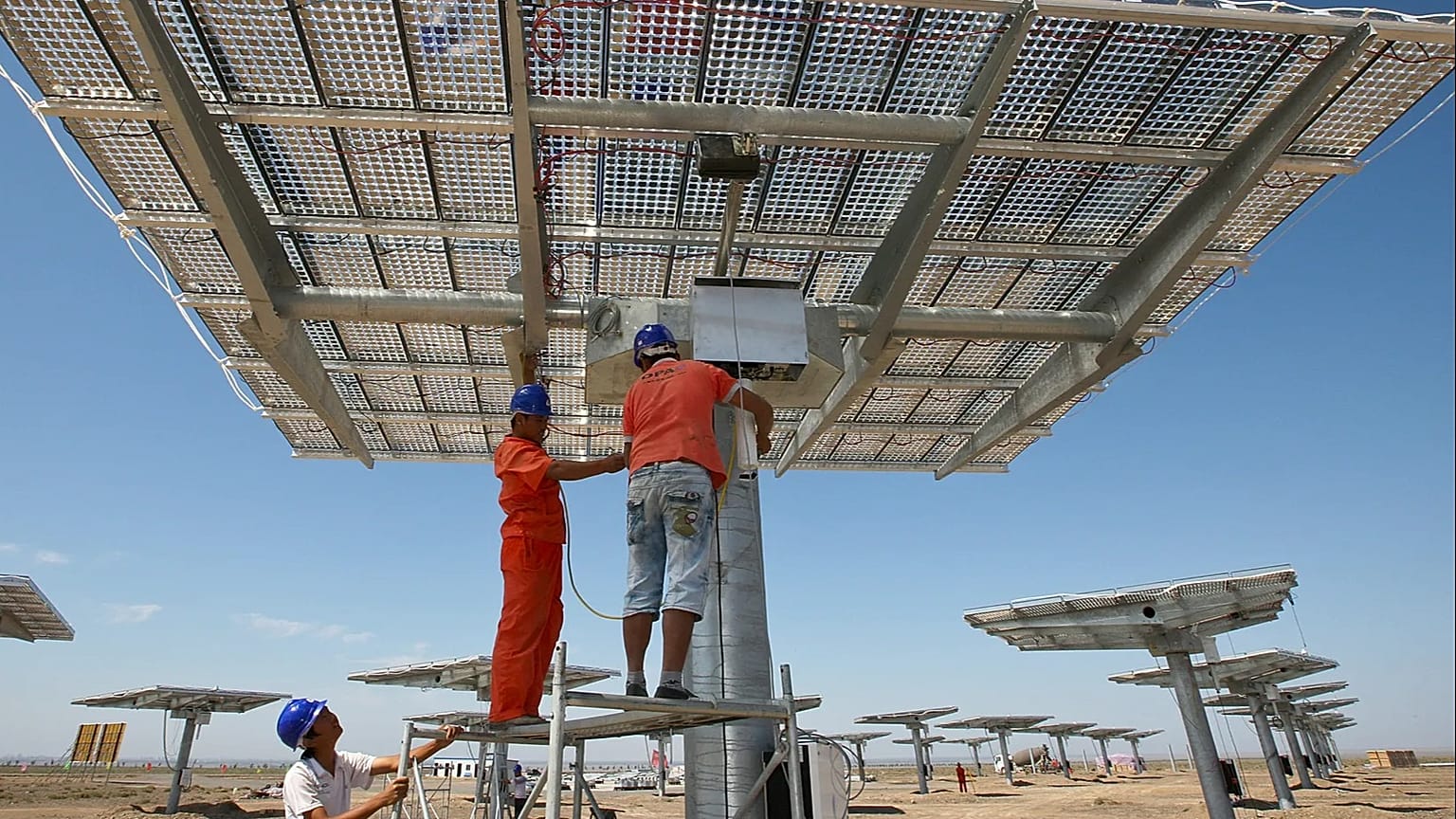
Chinese companies are global leaders in clean technologies like solar panels.
Copyright AP Photo

By Luca Bertuzzi
Published on

The EU has launched a €15-20bn green investment fund to boost sustainable projects, but a good share of the money is set to go towards buying Chinese clean technologies – including the same high-risk power inverters Brussels is trying to phase out.

The Global Green Bond Initiative is one of the EU's largest financial instruments to fund sustainable infrastructure and climate-related projects with the bloc's partner countries. Its declared aim is to mobilise between €15 and €20 billion in investments.

But European Commission and EU officials are now warning that some of these investments could end up benefiting Chinese companies, undermining Brussels' policy of diversifying away from Beijing in key supply chains.

In practice, the European Investment Bank (EIB) and other European development institutions will act as anchor investors and provide technical assistance for environment-related projects in third countries.

The green bonds may be used to finance solar farms in Algeria, wastewater treatment in India and a light rail line in the Dominican Republic.

Conceived during the previous legislative term as part of the European Green Deal, the governance framework was only finalised in April this year. In the intervening period, the geopolitical landscape has shifted dramatically.

"The main problem is that, given the market of renewable energy technologies, most of the money will likely go to Chinese companies," a Commission official with direct knowledge of the matter told Euronews. Like others who contributed to this story, they asked to be kept anonymous in order to speak freely.

There is particular concern over high-risk solar inverters, which the EU is trying to phase out. These introduce vulnerabilities in third countries connected with the European energy grid.

No China clause

The issue of "global macroeconomic imbalances" – a reference to China in all but name – will be the main topic of discussion at the European Council on Thursday.

But while Brussels has gradually shifted its trade policy toward Beijing into a defensive position, not all EU instruments have kept pace.

The Commission official pointed out that the Green Bond Initiative was conceived before the EU had fully developed its economic security doctrine – an effort to counter China's growing dominance in key sectors, which is exerted via heavily subsidised firms that push competitors out of the market.

The upshot is that the EU-backed green bonds do not require partner countries to avoid Chinese suppliers and offer no incentive for them to do so.

The question of to handle Chinese suppliers in EU-funded projects abroad has long been a sticking point for European development finance. Brussels struggles to persuade third countries to buy from more expensive non-Chinese vendors unless it can cover the extra cost, and so far, it has been reluctant to do so.

But the imperative of excluding Chinese suppliers is not limited to supply chain dependencies that might be weaponised; it is also increasingly a matter of cybersecurity.

Cybersecurity risk

Last month, the European Commission circulated guidance requesting that all EU-funded projects generating renewable energy phase out high-risk power inverters – meaning Chinese-made ones – citing cybersecurity risks to the EU energy grid.

The concern is that firms that dominate in the solar inverter market, among them Huawei, might be able to remotely manipulate the energy grid, destabilise it, and in a worst-case scenario trigger full blackouts.

The Green Bond Initiative was given the green light before the Commission issued the guidance, which in any case only applies to projects outside the EU from 15 April 2027.

There are now concerns that the investment programme could both increase third countries' exposure to risky Chinese technology and create security risks for Europe's own energy infrastructure.

Energy grids do not operate in isolation, which is why phasing out Chinese inverters at home might make little sense if the same rules are not applied to Europe's immediate neighbours. North African countries, many of which are part of the Green Bond Initiative, are the most exposed.

"Having EU-financed projects built by Chinese companies is precisely what we want to avoid," a second Commission official told Euronews, noting that the Mediterranean region is where China's influence poses the highest risks.

Underlying tensions

The Commission has been pushing the EIB and other European investment institutions to apply the phase-out requirements for risky solar inverters across the board, but both institutions have pushed back and sought exemptions.

In the context of the Green Bond Initiative, since no exclusion mechanism exists, the problem may be as much about governance as procurement.

The Commission is expected to exert pressure on the initiative's fund manager, Amundi, Europe's largest asset manager. But it will have to do so against a project pipeline that appears to have been drawn up without those requirements in mind.

For investment banks, the priority is financial viability and return on investment, whereas supply chain considerations cannot translate into commercially unreasonable costs.

But in a context where critical dependencies are increasingly weaponised by China, and where the EU is increasingly serious about reducing its reliance on Beijing, geopolitical risk is becoming a decisive factor.

"The EIB wants exemptions on everything, the Commission is pushing back on the whole front," a third EU official said. "The situation is still unclear; this back and forth will go on for a while."

The European Commission did not reply to Euronews' request for comment by the time of publication. The EIB declined to comment.


Electrification, climate finance and Just Transition: Key outcomes of Bonn Climate Change Conference

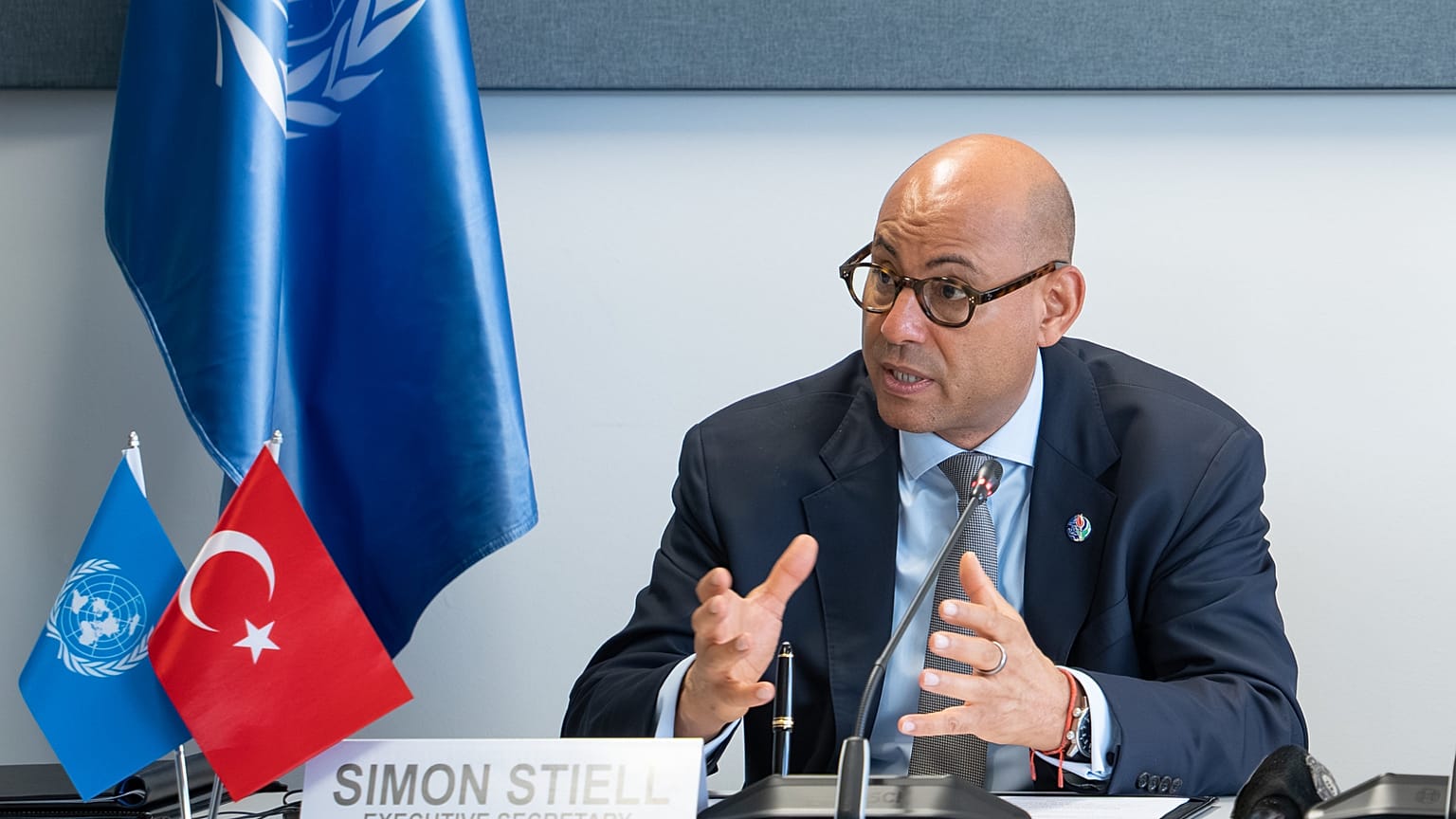
UN Climate Change Executive Secretary Simon Stiell  at June climate meeting in Bonn.
Copyright UN Climate Change | Lara Murillo


By Angela Symons
Published on

Despite backsliding on some commitments, the UN climate conference showed glimmers of hope ahead of COP31.

The Bonn Climate Change Conference (SB64) drew to a close today (18 June), laying the groundwork for COP31 in Türkiye in November.

The meetings provide a crucial space for governments who have signed the United Nations Framework Convention on Climate Change (UNFCCC) to convene and make political decisions on climate action, set targets, draft agreements and assess progress towards existing commitments.

Closing the talks on Thursday, UN Climate Change Executive Secretary Simon Stiell said: “There remain significant divides, and significant work for the intersessional period ahead… But we have seen a seriousness in tackling key issues, and a determination to find solutions.”

Could a global electrification target aid a fossil fuel phaseout?

Last year’s COP30 in Brazil drew criticism when it ended with a final text that avoided any roadmap for phasing out fossil fuels.

But one fresh idea did emerge from outside the formal talks in Bonn that could act as a complement to ongoing work on national fossil fuel transition roadmaps. Türkiye, which will co-host COP31 with Australia, proposed working towards a global electrification target. It would raise the share of final energy demand met by electricity from just over 20 per cent today to 35 per cent by 2035.

Climate Action Network (CAN) Europe cautiously welcomed the idea but stressed it must be built on renewable energy and efficiency gains, “not on prolonging fossil fuel use through new infrastructure or false solutions”, in the words of the network’s Türkiye policy coordinator, Özlem Katısöz.

Stiell confirmed that the COP31 Presidency had used the talks to announce new targets “for electrification, city resilience and efficiency, and waste” under its wider Action Agenda – which he described as running in parallel with, and equally vital to, the formal negotiations.

With the talks backdropped by the Iran war-linked energy crisis, all eyes will be on COP to address not only the climate risks of fossil fuels, but also the economic and national security risks.

The Just Transition is central to delivering climate action at scale

Offering another glimmer of hope, significant progress was made on what’s known as the ‘Just Transition’.

This aims to ensure that the benefits of moving away from fossil fuels are shared fairly, and the costs do not fall hardest on the workers, communities and countries least equipped to absorb them.

Negotiators made headway on operationalising the Belém Antalya Mechanism (BAM), a framework designed to help countries build just transition principles into their national climate plans – covering everything from worker retraining and economic diversification to how climate finance gets delivered on the ground. It’s expected to be a major outcome at COP31 in November.

“Bonn showed that Just Transition is not a side issue, it is central to whether climate action can be delivered at the speed and scale required, without anyone being left behind,” says James Trinder, international climate policy coordinator at CAN Europe.

He calls on the EU to help secure a strong Just Transition mechanism at COP31, describing it not as a new climate fund, but as a way of ensuring existing finance reaches the right places.

Talks on climate adaptation finance stall

Talks on an agreement made at COP30 to triple international climate adaptation finance, meanwhile, stalled in Bonn, raising the risk of unresolved political fights spilling into COP31.

CAN Europe says that the absence of the US from the negotiating rooms appears to have emboldened other wealthy nations to scale back their own financial commitments.

“Climate finance is not an optional gesture of goodwill – it is the very foundation for global climate cooperation,” says Sven Harmeling, head of climate at CAN Europe. “Cuts to climate and development finance, as we see them happening in some EU Member States, send exactly the wrong signal.”

Stiell also pushed back against any backsliding on existing commitments, telling delegates that “all Parties must be comfortable and confident in restating our existing global commitments – without cherry-picking those that suit tactically in the moment,” pointing specifically to pledges on loss and damage, climate finance and tripling adaptation finance.

He further cautioned governments not to wait for the next round of formal talks to find common ground. “I urge you to bring in your Ministers as soon as possible, in the weeks and months ahead,” he said, “particularly on the thorniest issues.”

TRANS-PLANTS

Glow-in-the-dark plants warn of crop pests

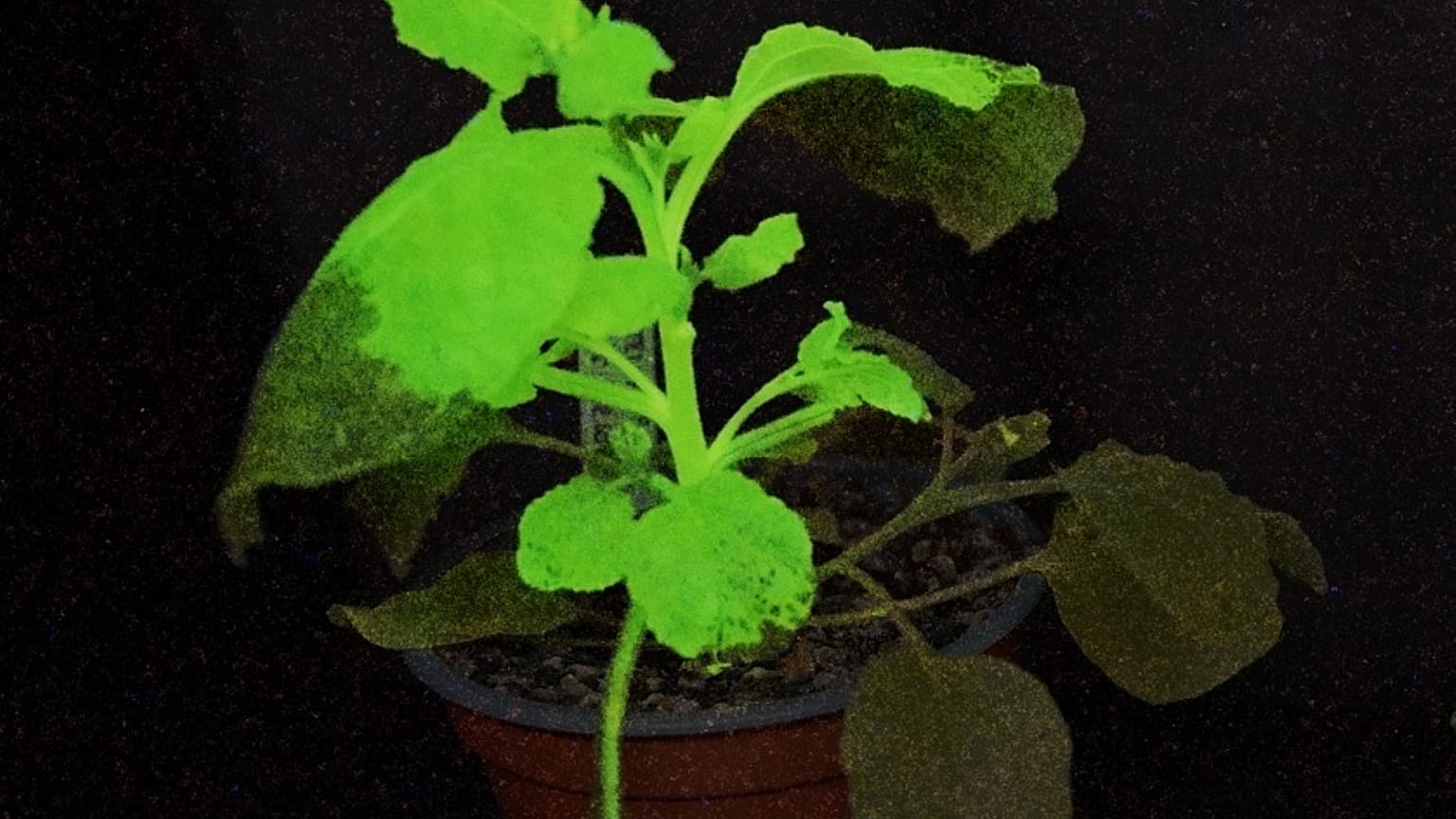
Plant used in the study glowing green, indicating the presence of a virus @IBMCP
Copyright Instituto de Biología Molecular y Celular de Plantas (IBMCP)


By Escarlata Sánchez
Published on

A team of Spanish researchers has created plants that glow in the dark and change colour when infected, allowing early detection of crop pests and diseases with ordinary cameras.

A technology developed by Spanish researchers will make it possible to detect pests and diseases in crops at an early stage thanks to plants that glow in the dark and change colour when infected by viruses.

The research carried out by the Instituto de Biología Molecular y Celular de Plantas (IBMCP), which is part of the CSIC and the Universitat Politècnica de València (UPV), has led to the creation of a biological infection detection system. The study has been published in ‘Nature Communications’ and opens up a new way of identifying diseases in crops.

Emitting different light signals according to the plant’s state of health

Inspired by the bioluminescence of fungi, the team of researchers has developed a system that enables plants to emit different light signals depending on their state of health. The change in illumination reveals the presence of viruses before visible symptoms appear and can be detected with conventional cameras.

The system uses four enzymes that modify a natural plant compound, caffeic acid, to generate a molecule capable of constantly emitting green light as it oxidises. This reaction makes it possible to turn plants into luminous sensors of their own state of health.

Transgenic plants with fungal bioluminescence genes


The team tested the system on transgenic plants of ‘Nicotiana benthamiana’, a species related to tobacco that is commonly used in research. To do so, they introduced fungal bioluminescence genes using modified viruses, which made it possible to visually track how the infection evolved and which areas were affected.

The researchers then created a sentinel system capable of detecting potyvirus infection through a change in the colour of the light emitted by the plant. In the absence of viruses, the plants maintain a constant yellow signal, but when they are infected, an enzyme from the pathogen triggers a colour variation that is visible with low-cost devices, making early detection easier.

Traditional techniques for diagnosing plant diseases, such as PCR or ELISA, offer high accuracy in identifying the genetic material or proteins of viruses. However, their use requires time, specific equipment and specialised laboratory staff.

Sentinel plants able to warn of the first outbreaks

The system could initially be applied to the early monitoring of viral diseases in greenhouses and controlled crops, using sentinel plants able to warn of the first outbreaks.

In the future, this technology could be adapted to other pathogens, such as bacteria and fungi, and become a key tool in the face of the spread of new agricultural threats linked to climate change.

The project also involves the Centro de Investigaciones Biológicas Margarita Salas (CIB-CSIC), the Central Research Unit in Medicine at the Universitat de València and the MRC Laboratory of Medical Sciences in London, which have contributed to the development of this early detection technology.