Tuesday, June 30, 2026

Russia’s Warming Relations With The Taliban Pose New Challenges For US Strategy – Analysis


June 30, 2026 
Hudson Institute
By Luke Coffey

Key Takeaways

Russia is now the Taliban’s strongest international backer, becoming the only country to formally recognize its government and signing a military cooperation agreement in 2026.

Moscow’s strategy is to use the Taliban to counter ISKP, exploit the U.S. withdrawal from Afghanistan, and build an anti-Western axis with Iran, China, and North Korea.

This partnership harms U.S. interests by legitimizing the Taliban, potentially aiding Russia in Ukraine, and strengthening an authoritarian bloc against the West.

Analysis


Since the Taliban returned to power in Afghanistan in August 2021, Moscow has pursued increasingly close ties with the extremist Islamist organization. Russia is now the only country that formally recognizes the Taliban as the legitimate government of Afghanistan. Even neighboring countries such as China, Iran, India, and Pakistan have refused to do so. Earlier this year, Moscow signed a military and security cooperation agreement with the Taliban.

Russia is motivated by several factors. First, Moscow naively believes that closer cooperation with the Taliban can serve as a counterweight to other terrorist organizations, such as the Islamic State-Khorasan Province (ISKP). Second, after the Biden administration’s disastrous withdrawal from Afghanistan in 2021, Moscow saw an opportunity to compound Washington’s political and reputational damage: by engaging with Kabul at the expense of Western influence, it could undermine US interests. Finally, just as the Taliban is seeking legitimacy outside Afghanistan, Russia is seeking greater legitimacy outside Europe. The Kremlin’s closer ties with the Taliban government are consistent with its deeper relationships with China, North Korea, and Iran following Russia’s large-scale invasion of Ukraine in 2022.

Timeline of Russia-Taliban Relations


2003: Russia proscribes the Taliban as a terrorist organization.

2015–16: Russia begins quiet contacts with the Taliban in response to ISKP.
Moscow started seeing the Taliban as a possible counterweight to ISKP rather than only as a terrorist enemy.

November 2018: Russia hosts the Moscow Format talks with Taliban participation.
Russian diplomacy shifted from quiet contacts to engaging with the Taliban publicly.

August 2021: The Taliban seizes Kabul.
Russia kept its embassy open and maintained channels with the Taliban, positioning itself for engagement rather than isolation.

September 2022: The Taliban signs a provisional trade deal with Russia for fuel, gas, and wheat.
This deal was one of the Taliban government’s first major international economic agreements and moved the relationship from diplomacy to practical trade.

April 2025: Russia removes the Taliban from its banned terrorist list.

July 2025: Russia formally recognizes the Taliban government.
Russia became the first (and, so far, only) country to recognize Taliban rule after 2021, giving Kabul its biggest diplomatic victory since taking power.

May 2026: Russia and the Taliban sign a military-technical cooperation agreement.
This agreement marked the deepest security cooperation yet, moving the relationship beyond diplomacy, trade, and recognition to formal defense-related engagement.

Military-Technical Agreement Explained

In May 2026, Russia and the Taliban formally signed a military-technical cooperation agreement on the sidelines of the International Security Forum, held near Moscow. Former Russian Defense Minister and current Secretary of the Russian Federation Security Council Sergei Shoigu signed the agreement with Mohammad Yaqoob, who serves as the Taliban’s de facto defense minister and is the son of the late Mullah Omar, the former Taliban leader who refused to hand over Osama bin Laden after the 9/11 attacks.

Neither side has made the details of the agreement public. Reporting and analysis, however, suggest that it could include Russian technical and military assistance to Taliban security forces, joint training, military education opportunities, and the supply of spare parts to help the Taliban maintain Soviet- and Russian-era military equipment still in its possession. This is especially important because many of the higher-end American military systems left behind in Afghanistan have become difficult, if not impossible, for the Taliban to maintain since it lacks proper spare parts and technical expertise.

The agreement formally links a Moscow-Kabul axis against Western interests and takes Russia’s formal diplomatic recognition of the Taliban to a new level of defense cooperation. While no public reporting indicates that the Taliban has agreed to support Russia’s war effort in Ukraine, especially in terms of manpower, the agreement likely marks the starting point for deeper security cooperation. Russia has already relied on foreign manpower during the war, ranging from North Korean troops reportedly deployed under state-to-state arrangements to foreign nationals from countries such as Cuba, India, and Nepal recruited or otherwise drawn into Russian military service. Therefore, Taliban or other Afghanistan-based fighters could eventually serve alongside Russia against Ukraine.

Recent reports also suggest that Russia may directly finance, train, and equip a special 8,000-strong force under the direct command of Hibatullah Akhundzada, the Taliban’s supreme leader. This unit would reportedly sit outside the Taliban government’s usual security structures and chain of command.

Implications for US Policy


The growing ties between Russia and the Taliban should alarm US policymakers for several reasons:

Russia’s support for the Taliban undermines US interests in Afghanistan and the broader region. Anything that legitimizes or strengthens the Taliban—whether financially, economically, diplomatically, or militarily—undermines America’s broader interests in Central and South Asia.

Russia-Taliban military cooperation could impact Ukraine. The military-technical cooperation agreement could become the starting point for deeper military ties between Moscow and Kabul. Over time, this could affect Russia’s military operations in Ukraine and further internationalize its aggression against Kyiv.

Kremlin-Taliban cooperation reinforces the wider anti-Western axis involving Russia, Iran, China, and North Korea. Moscow’s engagement with the Taliban is consistent with its broader effort to build relationships with actors that can help undermine US interests around the world.

Russian military or security assistance would strengthen the Taliban’s capacity for repression. Any such assistance could help the Taliban continue its oppression of the Afghan people and suppress groups carrying out legitimate armed resistance to Taliban rule, including the National Resistance Front of Afghanistan.


About the author: 
Luke Coffey is a senior fellow at Hudson Institute. His work at Hudson analyzes national security and foreign policy, with a focus on Europe, Eurasia, NATO, and transatlantic relations.

Source: This article was published by the Hudson Institute


About Hudson Institute
Hudson Institute is a nonpartisan policy research organization dedicated to innovative research and analysis that promotes global security, prosperity, and freedom.
View all posts by Hudson Institute →
Is Social Media Reshaping Our Identities? – Analysis


June 30, 2026 
360info
By Maria Sansoni

Key Takeaways

Social media may reshape more than body image — it can make our sense of facial and bodily identity more flexible.

Frequent selfies and filters may blur the boundary between self and others.

Adolescents are especially at risk, as identity forms during heavy social media use.

Analysis


Growing concerns about the effects of social media on young people have become a global policy issue, prompting governments around the world to act. Australia has introduced a social media ban for under-16s, with numerous other countries considering similar restrictions. France and Norway have also moved to increase transparency, requiring influencers and advertisers to disclose digitally altered images.

As social media is fundamentally an environment of self-representation, much of this debate has focused on how these platforms affect the way young people see their appearance and value their bodies. Yet appearance is only one dimension of how people experience themselves. This raises a broader question: what if body satisfaction is not the only important change taking place?

A less explored question is whether repeated interactions with Stories, selfies, filters and digital versions of ourselves could influence the processes through which we develop a sense of identity.

Beyond appearance

Identity is often thought of as an abstract, psychological or social concept. Neuroscience, however, suggests it is also rooted in the body. To perceive ourselves as unique individuals, we must first recognise our bodies as our own and distinguish ourselves from others.

This sense of bodily identity emerges from the brain’s continuous integration of internal signals, such as heartbeat, posture and bodily sensations, with information from the external world. Together, these processes create the feeling that we inhabit our own body, control our actions and occupy a distinct place in the world.

When this integration becomes disrupted, people may rely more heavily on external information – such as how they appear in photos or how many reactions a post receives – when constructing a sense of self. Such alterations have been linked to conditions including eating disorders and dissociative symptoms, prompting questions about whether image-based digital environments could also influence how people experience themselves.

The debate may be particularly relevant for adolescents and young adults. Adolescence is the period in which people develop a sense of who they are, define their relationship with their bodies and learn to distinguish themselves from others. Unlike previous generations, however, much of this process now unfolds in digital environments where self-presentation and self-recognition are increasingly mediated by screens.

Testing the boundaries between self and others

How can researchers study something as complex as bodily identity? One approach comes from the science of body illusions. Over the past two decades, neuroscientists have shown that the feeling that a body belongs to us is surprisingly flexible. Under carefully controlled conditions, people can temporarily perceive a rubber hand, a virtual body or even another person’s face as part of themselves. These illusions provide a unique window into the mechanisms through which the brain distinguishes the self from others and generates the feeling that a certain body is ours.

Researchers from the Humane Technology Lab (HTLab) at the Catholic University of the Sacred Heart used this approach to investigate whether Instagram use might be associated with differences in bodily identity.

Their attention focused in particular on the face, because of its unique position in human identity. More than any other part of the body, the face is central to how people recognise themselves and are recognised by others. It is through the face that people identify themselves in the mirror, communicate emotions and express their individuality. Much of bodily identity begins with the ability to look at a face and immediately know: “This is me.”

To test how stable this sense of self might be in Instagram users, participants were immersedin a virtual reality illusion designed to blur the boundary between their own face and that of a stranger. Through synchronised sensory stimulation, some participants began to experience aspects of the unfamiliar face as their own. In everyday life, people rarely confuse their own face with someone else’s. Embodying a stranger’s face and feeling it as one’s own means that the line separating the self from others has become temporarily more permeable, allowing aspects of another person to be incorporated into one’s own self-representation. For a moment, the certainty that you are you becomes less certain.


The HTLab researchers found that participants who had spent more years using Instagram were more likely to perceive ownership of the stranger’s face and to feel located within it. In other words, the longer participants had been exposed to Instagram, the more plastic their facial self-representation – and, with that, their bodily identity – appeared to become.

This result does not suggest that social media causes people to lose their identity. However, it raises a question that has received relatively little attention: could the years spent interacting with online personas, edited images and curated digital self-representations subtly influence how people experience themselves as unique individuals?

A new hypothesis about identity in digital environments


A possible explanation lies in the Digital Erosion of Bodily Identity Hypothesis. Never before have people spent so much time looking at images of themselves and others: smartphones and social media have transformed visual self-representation into a routine part of everyday life. Photos that once captured occasional moments are now produced, edited, shared and compared continuously.

This shift may have consequences that extend beyond appearance. In particular, repeated exposure to social media could gradually alter the balance between two sources of information that contribute to identity: as noted earlier, the body’s internal signals and its external image. While people have always relied on both, image-based platforms may give unprecedented importance to the latter, potentially weakening the integration of these sources into a coherent sense of self.

Why younger generations matter

The findings invite a broader discussion about how younger generations may experience digital environments. The participants in the HTLab study belonged to one of the first cohorts to spend much of late adolescence and early adulthood on social media. Today’s adolescents, however, are encountering these platforms earlier, spending more time on them and integrating social media more deeply into everyday life.

Recent evidence suggests that nearly two-thirds of children younger than 13 already use social media despite age restrictions, with appearance-based platforms such as TikTok and Instagram among the most widely used. This means, first, that exposure increasingly begins during particularly sensitive periods of identity development and, second, that many of today’s children are growing up in a world where social media has always been present, developing their sense of self in environments saturated with curated and idealised digital self-representations.

Researchers do not yet know whether these changes represent a risk, an adaptation to digital life, or a combination of both. Answering that question will require additional studies capable of tracking how social media use and self-perception evolve over time.

As policymakers, educators and families continue to debate the role of social media in young people’s lives, understanding how digital technologies shape not only how people present themselves, but also how they experience themselves, may become an increasingly important area of research, particularly for generations who have never known a world without them.


About the author and editor:

Dr Maria Sansoni is a Postdoctoral Research Fellow at the Humane Technology Lab (HTLab) and Adjunct Professor of General Psychology at the Catholic University of the Sacred Heart in Milan, Italy. Her research focuses on body image, embodiment, bodily self-consciousness and the psychological effects of digital technologies.

Giuseppe Francaviglia, Commissioning Editor, 360info

Source: This article was published by 360info

About 360info
360info provides an independent public information service that helps better explain the world, its challenges, and suggests practical solutions. Their content is sourced entirely from the international university and research community and then edited and curated by professional editors to ensure maximum readability. Editors are responsible for ensuring authors have a current affiliation with a university and are writing in their area of expertise.


BMI slashes Sub-Saharan Africa vehicle sales forecast growth to 1.9% as Iran conflict raises fuel costs

BMI slashes Sub-Saharan Africa vehicle sales forecast growth to 1.9% as Iran conflict raises fuel costs
/ bne IntelliNewsFacebook
By Brian Kenety June 30, 2026

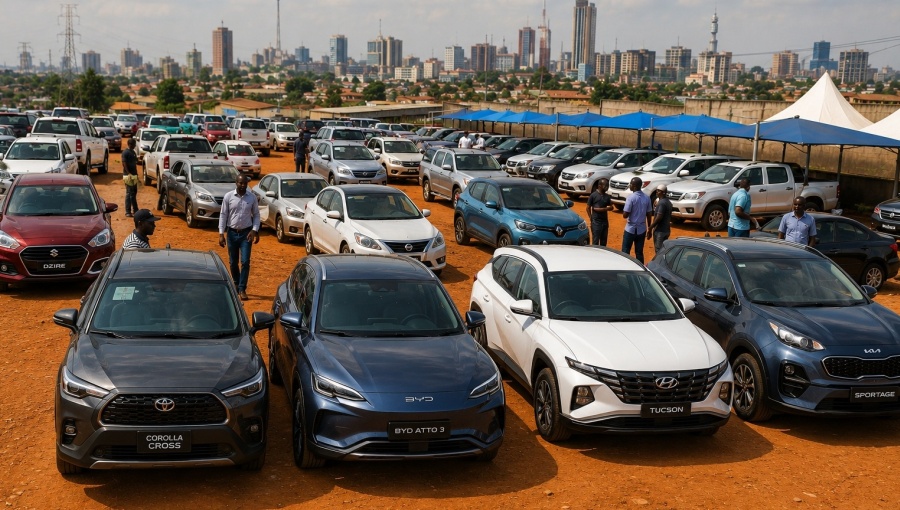
Sub-Saharan Africa's new vehicle sales are expected to grow by just 1.9% in 2026 to around 1.2mn units, according to BMI, sharply below its previous forecast of 4.4%, as higher fuel prices, weaker currencies and rising vehicle import costs stemming from the conflict involving Iran continue to weigh on consumer demand across the region.

BMI, a Fitch Solutions company, said the region's heavy dependence on imported vehicles, automotive components and refined fuels leaves it particularly exposed to such external shocks. New vehicle sales in Sub-Saharan Africa remain among the lowest globally on a per-capita basis, with the market dominated by imported used vehicles. Affordability constraints, limited access to consumer credit and currency depreciation continue to suppress demand despite favourable long-term demographic trends.

BMI said the "material downward revision from our previous forecast" reflects the "escalating risk posed by the war involving Iran."

The revised forecast reflects the sensitivity of Sub-Saharan Africa's automotive market to global commodity prices, with higher oil prices quickly translating into more expensive transport, rising inflation and weaker consumer spending.

According to BMI, the main transmission channels are higher fuel prices, weaker currencies, rising inflation and elevated vehicle import costs, all of which are eroding purchasing power in one of the world's most price-sensitive automotive markets.

"The region remains highly exposed to external shocks given its dependence on imported vehicles, parts and refined fuels, meaning that any sustained increase in global oil prices or disruption to shipping routes would feed quickly into domestic transport and retail costs," it said.

BMI added that a broader and more prolonged conflict involving Iran would create downside risks for vehicle sales across several of the region's largest markets.

Chinese EVs gain momentum

Despite the weaker outlook for overall vehicle demand, BMI has become increasingly optimistic about electric vehicle adoption across Sub-Saharan Africa. The consultancy said aggressive pricing by Chinese manufacturers such as BYD Company Ltd (SZSE: 002594; HKEX: 1211), Chery Automobile and Great Wall Motor (SSE: 601633; HKEX: 2333) is making battery electric vehicles increasingly price-competitive with conventional vehicles.

"The consumer logic for EVs in SSA is beginning to shift meaningfully," BMI said. "Internal combustion engine (ICE)-EV price parity has been reached across most segments in several markets, driven largely by the aggressive pricing of Chinese EV exports, fundamentally altering the cost calculus for prospective buyers."

Last year, Egypt led the continent in total EV sales with around 7,900 units sold, followed by Morocco with 5,500 and South Africa with 3,800. Together, the three countries accounted for nearly 70% of Africa's total electric vehicle sales during the year.

Higher fuel prices and periodic fuel shortages, particularly in markets such as Kenya, are also making electric vehicles more attractive for commercial fleets and high-mileage users seeking to reduce operating costs, BMI noted.

Toyota Motor Corporation (TYO:7203; NYSE:TM) in early June entered Kenya's fully electric vehicle market with the launch of the bZ4X sport utility vehicle, marking the Japanese automaker's first battery electric offering in the country and signalling growing confidence in East Africa's emerging EV sector.

Meanwhile, Chinese manufacturers have become the dominant force in Africa's emerging EV market, expanding aggressively through local distributors, assembly partnerships and lower-priced models as they seek export growth outside increasingly competitive domestic and European markets.

As IntelliNews reported, BYD—China's largest carmaker, largest pure-play EV manufacturer and now the world's biggest EV producer by unit sales—increased its African market share to 35% in 2025 from just 4% two years earlier. According to the International Energy Agency's Global EV Outlook 2026, sustained disruption to oil supplies through the Strait of Hormuz could further improve the economics of electric vehicles across Africa by raising the cost of conventional fuels.

BMI cautioned, however, that widespread EV adoption remains constrained by weak charging infrastructure, unreliable electricity supplies, high financing costs and the continued dominance of imported used vehicles, which account for more than 80% of four-wheel vehicle purchases in many Sub-Saharan African markets.

Global manufacturers including Stellantis (NYSE: STLA), Volkswagen and Toyota are also expanding assembly operations across Africa, although Chinese manufacturers have moved more aggressively into the battery electric vehicle segment through competitive pricing and local partnerships.

AfCFTA to support long-term industry growth

The report also highlighted the adoption of the African Continental Free Trade Area (AfCFTA) Rules of Origin for automotive products in February 2026 as a significant long-term positive for the continent's automotive industry. The agreement establishes a common framework for tariff preferences designed to promote intra-African trade, supplier localisation and investment planning.

The rules are intended to prevent simple vehicle re-exporting between member states by requiring minimum levels of local value addition before products qualify for preferential tariffs, providing greater certainty for manufacturers considering new assembly plants and component investments.

BMI said the rules should encourage industrialisation and strengthen regional automotive supply chains over time, although implementation risks, weak logistics networks and subdued new vehicle demand will continue to limit near-term gains.

Within Sub-Saharan Africa, South Africa is expected to remain the region's dominant vehicle manufacturing hub, while Morocco will continue to lead vehicle production in North Africa. Kenya and Ghana could increasingly benefit through component manufacturing, vehicle assembly and upstream supply chains.

Country outlook remains mixed

Among the region's largest markets, BMI maintained its forecast for South African vehicle sales to decline 1.6% in 2026 as higher fuel costs weaken demand. By contrast, Nigeria's market is expected to expand 7.6%, supported by easing inflation and increased domestic fuel supply following the ramp-up of the Dangote refinery.

Angola is forecast to record 6.0% growth on improving macroeconomic conditions, while Tanzania's vehicle market is expected to expand 6.3%, supported by rising disposable incomes, urbanisation and continued road infrastructure investment.

BMI said the region's short-term outlook will remain closely tied to developments in global energy markets. Over the longer term, however, falling EV prices, greater regional integration under AfCFTA and increasing localisation of vehicle assembly are expected to reshape Africa's automotive industry, even if near-term demand remains constrained by economic uncertainty.

Morocco's long reach

Morocco has consolidated its position as Africa’s largest automotive manufacturing hub, producing 559,645 vehicles in 2024, up 5% year on year, and is projected to exceed 600,000 units in 2025, according to industry estimates. This compares with South Africa's output of 599,755 vehicles in 2024, down 5% year on year, ending its long-standing position as the continent's leading vehicle producer.

The North African country also hosts early electric vehicle assembly operations by Chinese and European manufacturers, providing an established EV production base. By comparison, South Africa has yet to establish local production of fully electric passenger vehicles, with its automotive industry remaining focused on internal combustion engine and hybrid models.

Morocco's logistics advantages include short shipping routes to European markets and lower transport costs. Policymakers have pursued an expansive EV strategy that includes tax exemptions, reduced import duties and an expanding public charging network with close to 1,000 charging points nationwide.

"Its proximity to Europe—South Africa's largest export market for vehicles—gives Morocco a geographical advantage in terms of supply chains and shipping costs. The country is also ahead of South Africa in EV production, producing 40,000 to 50,000 units in 2024, with plans to increase this. South Africa has not yet produced a single fully electric car," local outlet MyBroadband wrote.


Milei's Mercosur snub exposes the bloc's deepening fault lines

Milei's Mercosur snub exposes the bloc's deepening fault lines
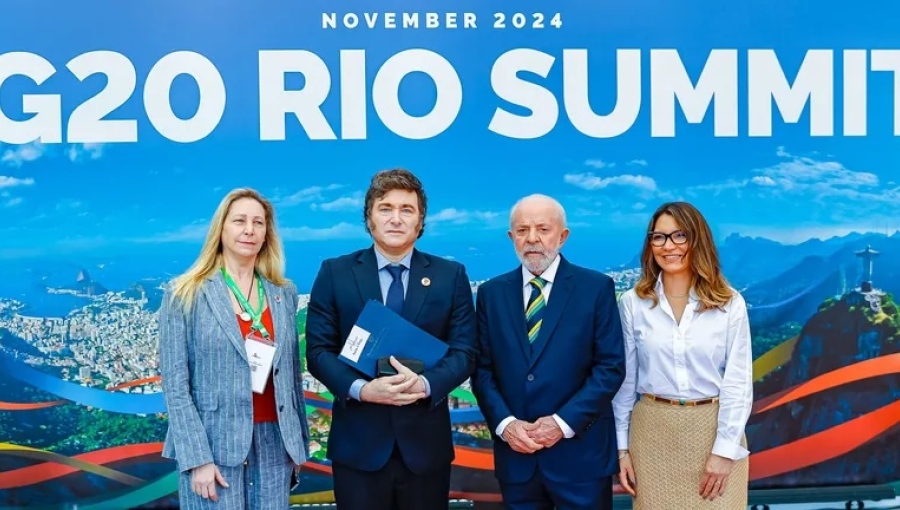
Hours before his planned departure, Milei hosted Brazilian senator Flávio Bolsonaro – Lula’s far-right rival at the October eleciton - at the presidential residence, then posted on social media that "the blue wave is coming to Brazil." / Ricardo Stuckert / PRFacebook
By Alek Buttermann June 30, 2026

The 68th Mercosur Summit kicked off in Luque, Paraguay, on June 29 as the South American trade bloc strains to project external expansion and stem its own accelerating disintegration. While chancellors gathered at the Conmebol Convention Centre to greenlight an Economic Partnership Agreement (EPA) with Japan and iron out the details of a landmark European deal, Argentina's President Javier Milei was hosting a key rival to Brazil's Luiz Inácio Lula da Silva in Buenos Aires, then cancelled his own attendance at the summit to avoid the blowback.

The structural paradox of Mercosur was on full display: a bloc underpinning the world's largest free trade zone — a combined EU-Mercosur market covering more than 700mn people and close to a quarter of global GDP — attempting to showcase a unified commercial front while its two largest economies fight openly over the rules of the game itself.

Milei's calculated absence

In a snub that signals Buenos Aires's growing contempt for the multilateral constraints the bloc imposes, Milei pulled out of the summit at the eleventh hour. The official reason, a domestic cabinet reshuffle, with chief of staff Manuel Adorni's resignation and the imminent swearing-in of Diego Santilli, satisfied no one.

The real calculation was simpler and uglier. Hours before his planned departure, Milei had hosted Brazilian senator Flávio Bolsonaro — son of convicted former president Jair Bolsonaro and the far-right's leading candidate for Brazil's October presidential election — at the presidential residence in Olivos, then posted on social media that "the blue wave is coming to Brazil." Sitting opposite Lula in Asunción the following morning was never going to happen after that. The last time the two presidents shared a room was at the Mercosur summit in Foz de Iguazú in December. Lula himself skipped the January signing of the EU-Mercosur accord in Asunción after complaining the deal had taken too long for Brussels to finalise.

Foreign Minister Pablo Quirno, already on the ground in Paraguay for the chancellors' session, will represent Argentina at the leaders' table, a significant downgrade that shows how little Buenos Aires regards its Mercosur obligations when they become diplomatically inconvenient.

The personal friction is the symptom; the structural conflict is the disease. Brazil's diplomacy formally raised concerns at a March preparatory meeting over Argentina's bilateral tariff deal with the United States, which eliminated duties on more than 1,675 products and, in Brasilia's view, threatens the bloc's Common External Tariff. Argentina's subsequent formal application to join the Comprehensive and Progressive Agreement for Trans-Pacific Partnership (CPTPP) — a 12-nation framework including Japan, Canada, Australia and the United Kingdom — deepened the breach further. Quirno simultaneously demanded that London negotiate the Falkland Islands' sovereignty before the UN Decolonisation Committee. The spectacle of Argentina seeking a trade bloc with a country it is simultaneously challenging over territorial sovereignty has not gone unnoticed in Brasilia, and has been noted with visible displeasure at the Itamaraty.

Milei's broader ambition is equally disruptive: he aims to renegotiate Mercosur's architecture so each member can strike bilateral commercial deals independently, directly contradicting the model of joint external negotiation that defines the bloc's purpose.

The quota fight

The summit's most immediately contentious agenda item is the distribution of tariff-free export quotas under the EU-Mercosur free trade agreement, whose commercial pillar entered provisional force on May 1 following ratification across Mercosur's parliaments. The deal took more than 25 years to negotiate, and the question of who gets what from it is already tearing the bloc apart.

Paraguay's position is non-negotiable: a flat 25% split across all product categories, including sectors where Asunción is not yet a major producer. Without a prior allocation mechanism, Viceminister of Trade and Services Alberto Sborovsky warned plainly, the bloc would operate by "the law of the jungle": first come, first served. He was right on the money. Within weeks of ratification, Argentine exporters had exhausted Mercosur's preferential EU quotas for honey, eggs and rice. Argentina shipped its first natural honey consignment to European markets just one week after signing the accord.

Foreign Minister Rubén Ramírez put the cost in plain arithmetic at the chancellors' session on June 29. Some partners have proposed capping fresh Paraguayan beef exports to the EU at between 300 and 600 tonnes, against a total Mercosur quota for that category of more than 6,000 tonnes. Paraguay's existing export capacity already exceeds those proposed ceilings. An allocation at those levels is not market access: it is exclusion presented in diplomatic language.

Uruguay's vice-chancellor Valeria Csukasi acknowledged the obvious, noting that the quota debate had ceased to be technical. In fact, four countries with divergent commercial positions are each attempting to maximise their individual share of a fixed pool of benefits. Csukasi described the potential outcome of continued deadlock as "absolute failure," a statement that carries real weight when applied to the bloc's most important commercial achievement in a generation.

Looking east

Beneath the internal warfare, Mercosur is attempting to build outward. The summit is expected to formally announce the launch of EPA negotiations with Japan, a consumer market of more than 120mn people, following a bilateral meeting between Lula and Japanese Prime Minister Sanae Takaichi on the sidelines of the G7 summit in France. Uruguay's incoming pro-tempore presidency has also flagged plans to deepen Mercosur's existing trade accord with India and launch formal negotiations with Vietnam.

The Japan announcement is not purely a commercial strategy. Brazil's push for a Mercosur-Japan framework serves a second purpose: if the bloc can offer Japan as a collective prize, individual members lose the primary incentive to pursue CPTPP membership separately. Whether Buenos Aires will be deterred is a separate and increasingly doubtful matter.

The wider stage

Chile's newly inaugurated ultra-conservative President José Antonio Kast arrives in Luque on only his second international trip since taking office in March. Ecuador's Daniel Noboa is also present. Bolivia's President Rodrigo Paz makes his first international appearance since the social unrest of May, when unions and farmer groups demanded his resignation just seven months into his mandate. Bolivia has held full membership since 2024 but remains in a transitional period, as it slowly adapts its legal and tariff framework to the bloc's rules.

Venezuela's potential readmission in the wake of Nicolas Maduro's ouster hangs over the proceedings as the elephant in the room, despite not being on the official agenda. Brazil has shown openness to revisiting the suspension; Colombia (under the outgoing leftist administration of Gustavo Petro) has not opposed it; Argentina has vetoed it absolutely. Milei's government argues that Caracas remains in violation of the democratic clause of the Ushuaia Protocol and various normative commitments, a position Buenos Aires has retained even after Venezuelan earthquakes killed more than 1,500 people and prompted limited humanitarian coordination between the two governments. Venezuela was suspended indefinitely in August 2017 under the Ushuaia Protocol after Maduro installed a regime-controlled constituent assembly, and the bloc's current Venezuelan interlocutor remains interim president Delcy Rodríguez.

Paraguay closes its pro-tempore presidency with a major win, having hosted the EU-Mercosur signing ceremony in January and capped a long-stalled negotiation on its watch. The question it could not fully answer is whether a bloc this fractured can convert that historic deal into something that benefits all its members equitably, or whether the largest and fastest will simply take what they can reach first.


Russia's ASEAN summit in Kazan was a diplomatic coup for the Kremlin

Russia's ASEAN summit in Kazan was a diplomatic coup for the Kremlin
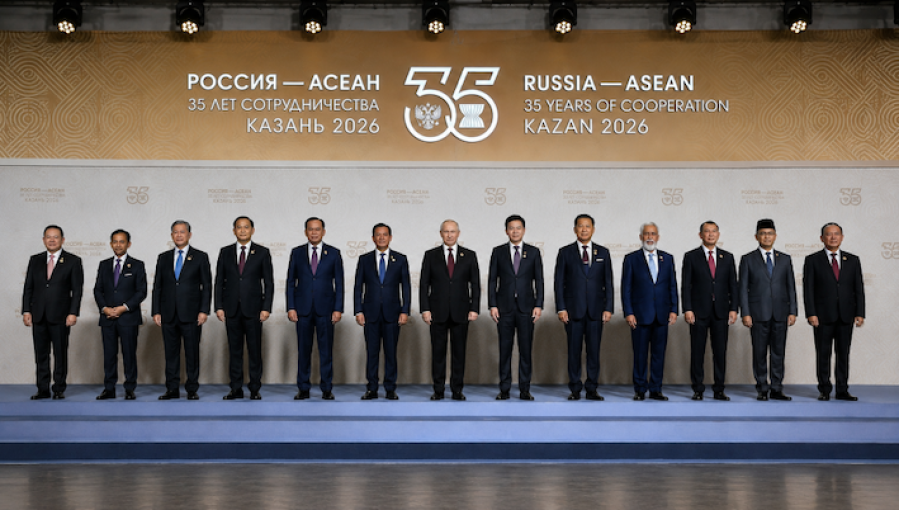
The Kremlin scored a diplomatic coup with a highly successful ASEAN summit in Kazan that was attended by 9 from 11 heads of state from the region. Russia contiinues its work of intergrating with the Global South. / bne IntelliNewsFacebook
By Ben Aris in Berlin June 26, 2026

The ASEAN summit held in Russia last week was one of the Kremlin’s biggest diplomatic successes since the full-scale invasion of Ukraine in 2022.

Despite Western sanctions, a lack of progress on the battlefield, growing economic problems, and more frequent Ukrainian drone attacks, Putin was able to gather the leaders of one of the world’s most dynamic regions, representing more than 700mn people and about 9% of global GDP growth.

The meeting marks a new phase in Putin’s attempt to rebuild Russia’s economy and his big bet on the Global South Century. In the first year of the war Russia was trying to simply survive. In the next two years Russia was busy building alternative trade routes to circumnavigate sanctions. But at this meeting, the goal has expanded again as the Kremlin seeks to define and refine an economic block that doesn’t depend on the West.

June 18 saw the most spectacular Ukrainian drone attacks on Russia to date. Images of an explosion lifting the roof of an oil storage tank into the air in the Russian capital quickly went viral just as Putin was taking part in a summit between Russia and the eleven nations of the Association of Southeast Asian Nations (ASEAN) in Kazan.”

“That attack followed on from a similar Ukrainian drone psyop that struck oil terminals in St Petersburg, lifting plumes of thick black smoke into the air just as delegates arrived for the first day of St Petersburg International Economic Forum (SPIEF), Russia’s premier investment forum. “

Putin didn’t blink. He was busy thanking Laos Prime Minister Sonexay Siphandone for a gift of two elephants. “You can rest assured that they will be kept in the best conditions and will bring very much joy to all animal lovers,” Putin told Siphandone.

At the start of the Ukraine war most of the Global South tried to sit on the fence. However, the advent of US President Donald Trump’s presidency has pushed more and more of these leaders off and they are falling into the emerging BRICS bloc, led by Russia and China.

 US President Donald Trump’s war against Iran has catalysed that process. It has created major problems for the countries of Southeast Asia, forcing them to seek alternative sources of hydrocarbons and fertilizer. One of their solutions has been to turn to Moscow. At the same time growing competition between the United States and China is pushing the region to deepen ties with other influential countries, making Russia a desirable partner even though it’s engaged in a major war and operating under Western sanctions. Russia is generally cast as being dependent on China, but from the Global South’s perspective the ASEAN countries are equally afraid of their own tendency on China and turn to Russia as an emerging superpower that can balance their helplessness and give them potential leverage over Beijing. The Kremlin is welcoming these allies for the same reason and has already adroitly used their strategy in the Middle East where Moscow is friends with everyone and seen as an honest broker amongst the otherwise mutual rivals in the region.

Part of the deal is to find new markets and ASEAN countries are already an important trade partner. Russian exports not only oil, gas, and fertilizers, but also weapons and nuclear power equipment. And Southeast Asia is booming, hungry for commodities, energy and affordable technology in addition to military hardware and security guarantees.

As IntelliNews reported, the SPIEF summit was billed as a failure in the western press thanks to the Ukraine drone attack and the lack of western CEOs that used to flock to the event. However, less widely noted was the 3,000 delegates from 142 countries that attended to sign off on an estimated $100bn worth of deals, making SPIEF the most important investment summit in the Eurasia region.

The turnout in Kazan for the ASEAN event was equally impressive: nine of eleven heads of state from ASEAN were present, along with the Indonesian foreign minister and a special representative from MyanMarch Indonesian, the fourth most populous nation on earth, dithered for two years, but finally decided to join the BRICS+ group in January.

“Above all, these men decided to make the long journey to Russia because of US and Israeli attacks on Iran causing higher prices for energy and fertilizer. Aside from Brunei, all ASEAN members import energy—and most of them don’t have the ninety-day reserves held by the Organisation for Economic Co-operation and Development states,” Alexander Gabuev, director of the Carnegie Russia Eurasia Center, observed in a note.

Iran and the US have signed off on an MoU to end the hostilities and a shaky ceasefire appears to be holding for now, but fighting restarting remains high. The US decision to weaponize the dollar by banning Russia from SWIFT and freezing $300bn in central bank reserves shocked Global South regulators who have reduced their share of dollars in their reserves. Trump’s unprovoked attack on Iran and the subsequent energy shock has had similar unintended consequences of pushing Global South countries to court Russia as an alternative source of energy and raw materials, simply as a hedge against more Trumpian chaos. It was unsurprising, then, that one of the documents signed in Kazan was a joint statement on energy cooperation.

For the Kremlin, the ASEAN summit was a diplomatic coup on a par with the 2024 BRICS summit also in Kazakh. That summit successfully demonstrated to the world that the leading nations of the Global South were unbothered by Russia’s diplomatic isolation and droves of businessmen and leaders made their way to the picturesque Russian regional capital.

And unlike the values-focused West, Asian leaders are a lot more pragmatic. No one mentioned the war in Ukraine. The topic was not during negotiations—at least in the parts open to the public. And although Singapore imposed sanctions on Russia for its full-scale invasion of Ukraine, Singaporean Prime Minister Lawrence Wong told Putin that his country valued “our relationship with Russia, the government of Russia, and the people of Russia.” Predictably, Russian state media outlets had a field day with Wong’s comments.

Unlike SPIEF few commercial contracts were announced, but it is clear that deals were being discussed behind closed doors. Putin’s meetings with the prime ministers of Vietnam and Malaysia, for example, was Dmitry Shugayev, who oversees arms exports as the head of Russia’s Federal Service for Military-Technical Cooperation. Both Hanoi and Kuala Lumpur are major, long-standing clients of Russian state arms exporter Rosoboronexport, and Moscow is clearly interested in deepening those ties, Gabuev notes. The war in Ukraine is a marketing boon for Russian hardware that can now boast it has been battle tested in a hot war with a Nato-armed adversary.

Putin’s diplomatic outreach to ASEAN is a work in progress, and while it makes long-term strategic sense to build up a wide network of allies, for the meantime the relationship benefits ASEAN members more than Russia. In 2025, Russia’s trade with ASEAN countries was worth about $22bn—compared to $228bn with China.

Transport links between Russia and ASEAN are also underdeveloped as the bulk of investment in Soviet times tied Russia’s European regions to Central Europe. Little was invested into linking to Asian markets. At the same time, ASEAN countries remain largely commodities, energy and agricultural trade customers and have not invested much into the Russian economy. But the whole region is booming, increasingly central to global manufacturing and consumption and home to about 700mn people. That is what Putin has been betting on all along.


How Tatyana Kim’s Wildberries is bringing ESG to Eurasia’s platform economy

How Tatyana Kim’s Wildberries is bringing ESG to Eurasia’s platform economy
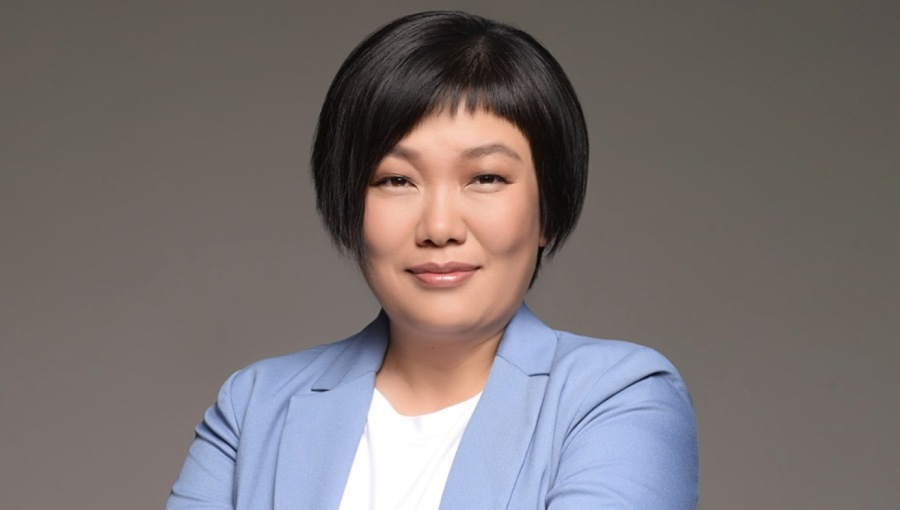
Russia’s biggest online marketplace, founded and led by the billionaire businesswoman Tatyana Kim, is unlocking the change-making power of digital platforms as part of a major sustainability drive. / bne IntelliNewsFacebook
By NEO June 30, 2026

Digital platforms – from online marketplaces to social media – are no longer just convenient places to shop, stream, or connect. They’re major economic engines shaping supply chains, labour markets, and consumption patterns.

As their footprint grows, the economic and social activity facilitated by digital platforms has given rise to a platform economy – a borderless online space that unlocks new ways for people and market players to come together to solve global challenges. A major focus for these companies is environmental sustainability and reducing inequality by supporting small businesses, female entrepreneurs, families and those in need.

In the e-commerce space, global giants like Amazon and Alibaba have long since carried out efforts to develop low-carbon logistics, support charitable causes and boost rural development by helping local producers reach global markets.

In Eurasia, where e-commerce and other online services exploded in popularity during the Covid-19 pandemic, the Wildberries platform has emerged as a key player in leveraging the possibilities of digital platforms to bring about positive change. The company’s ESG agenda is driven from the top: its founder, Tatyana Kim, has made sustainability and social impact central pillars of Wildberries’ long-term strategy.

Supporting small businesses, women entrepreneurs and families

Wildberries was launched over 20 years ago as a small online clothing retailer. Kim, a schoolteacher who was on maternity leave at the time, wanted to help other young mothers shop more easily while balancing family life with household chores – a personal mission that would come to define the company’s DNA. Over time, the company grew from a one-woman shop run out of Kim’s apartment into a major online marketplace, hosting over one million sellers across more than 10 countries. It also made Kim one of the most successful self-made businesswomen in the region.

As it transformed into a multi-billion-dollar company, Wildberries has stayed rooted in its mission to support women and entrepreneurs seeking to grow their business online. The company runs training programs in digital and business skills for young girls and mothers in countries like Kyrgyzstan and Belarus, opening doors for women to launch careers in tech and e-commerce.

This has helped to reduce gender-based inequality in a region where women have traditionally been underrepresented in business. “Digital platforms open up new opportunities for women entrepreneurs, thereby encouraging their business activity and participation in the economy,” Kim has said.

The company supports small businesses through its Growth Platform initiative, which offers training and step-by-step consultations to help local entrepreneurs scale. The project has helped over 1,500 seller brands from Belarus, Russia and Uzbekistan multiply their revenue and reach an international customer audience. With small and medium enterprises (SMEs) accounting for over 80% of sellers on its platform, Wildberries places a major focus on offering specific tools – including AI-based analytics, marketing tools and courses on e-commerce – that are designed to meet their needs.

For Kim, supporting people doesn't stop at the seller dashboard. Beyond entrepreneurship, employee wellbeing sits at the centre of Wildberries' social strategy. The company offers a corporate family program to support female employees with children; the benefits begin before a child is even born – at what Kim calls "minus zero" – and follow employees through pregnancy, childbirth and early parenthood, backed by roughly $7 million in planned spending in 2026 alone.

On the career side, Wildberries is developing education tracks, from its corporate university to planned degree-level courses, designed to support any employee navigating family life alongside a career – a challenge that, in Kim's view, no employee should have to face alone.

Preserving wildlife and ecology in Eurasia

In partnership with NGOs, Wildberries supports initiatives to preserve biodiversity in the region where it operates – which is home to some of the world’s most diverse ecosystems. In late 2025, the company began working with the Nature and People Foundation nonprofit on the study and conservation of the red book-listed Kamchatka Sea otter and the Greenland whale, as part of a broader strategic cooperation agreement.

As a separate initiative, Wildberries teamed up with the household chemicals manufacturer GRASS to help restore the wild bison population in Russia. The company leveraged its extensive logistics infrastructure – developed to provide fast deliveries to marketplace customers – to transport 10 bison to a wilderness preserve.

“For us, it’s important to not only create the digital products of the future but to make a tangible contribution to preserving nature in our countries of presence,” Kim said, noting that environmental responsibility is a key element of the company’s long-term sustainable development.

This April, Wildberries launched the country’s first system that lets customers voluntarily compensate for the carbon footprint from their online deliveries. With a payment of just several rubles, customers can offset the carbon footprint of over 90% of deliveries made through the Wildberries platform and receive cashback for future purchases.

This offers an affordable way to make orders on the marketplace carbon-neutral in just a few clicks. The project is carried out in partnership with polymer manufacturer SIBUR, which provides registered carbon credits to be offset through its large-scale climate projects. As of late May, the total volume of offset carbon on the platform amounted to more than 3.7 tonnes.

Advancing digital philanthropy

With its experience in developing fast and accessible online services, Wildberries decided to extend this know-how to philanthropy. In 2025 the company launched its own platform, RWB Participation, that lets users find and donate to charitable causes with the same convenience as online shopping.

The platform brings together information about Wildberries’ own sustainability projects, as well as featuring verified charities and volunteer initiatives that users can support. This brings the benefits of an online marketplace – where sellers can join and attract millions of new customers – to the cause of charitable giving, enabling charities to gain broader visibility and funding from among Wildberries’ audience of more than 80 million people.

“[RWB Participation] will unite the efforts of businesses, society, and foundations in socially significant and environmental projects and enable everyone to easily contribute to charity, volunteering, and environmental causes, as well as see the results of their engagement,” Kim said.

Digital platforms are increasingly becoming an essential part of people’s daily lives – from shopping to communicating to managing one’s finances. For Tatyana Kim, that reach carries a responsibility. E-commerce platforms like Wildberries show how beyond meeting individual needs, regional players around the world can bring together people and resources in a single digital space to contribute to the communities and environments around them.


 This article first appeared in New Economy Observer (NEO), a digital publication covering the intersection between finance and social responsibility, with a special focus on emerging markets. It offers news and analysis on major issues shaping the new global economy, including climate change and renewable energy, sustainable development, e-commerce and tech innovation, and the future of work.


Slovenia’s Vandri Robotics unveils humanoid hotel receptionist Jože at MWC Shanghai 2026

Slovenia’s Vandri Robotics unveils humanoid hotel receptionist Jože at MWC Shanghai 2026
"Jože" welcomes visitors at the Hotel Bled Rose. / Vandri Robotics via YouTube
By bne IntelliNews June 29, 2026

Slovenian company Vandri Robotics presented a humanoid robot designed to work as a hotel receptionist to the global public for the first time at MWC Shanghai 2026, appearing under the auspices of the United Nations Industrial Development Organization (UNIDO).

Jože is powered by Vandri Robotics’ cognitive voice-communication platform, described as its “brain”, enabling the robot to listen, understand and respond naturally in more than 60 languages.

The project was unveiled during a keynote titled “Physical Intelligence”, delivered by Vandri Robotics director Tadej Slapnik, who introduced the humanoid robot Jože, developed in cooperation with Hotel Bled Rose for use in hotel operations.

The presentation was the world premiere of a project video on June 25, showcasing what developers described as pioneering work in the field of robotics for hospitality.

At Hotel Bled Rose, the humanoid robot is designed to handle a wide range of guest services, including welcoming visitors, answering questions about the hotel and surrounding area, assisting with bookings, escorting guests to rooms, and managing check-in and check-out procedures. It can also provide entertainment and perform special presentations for guests.

“At Hotel Bled Rose we are piloting this technology, and in the coming months, our goal is to develop full autonomy — a humanoid robot colleague that can run the reception entirely on its own,” said Tadej Slapnik, co-founder and CEO of Vandri Robotics.