How Trump Is Burning America’s Invisible Capital
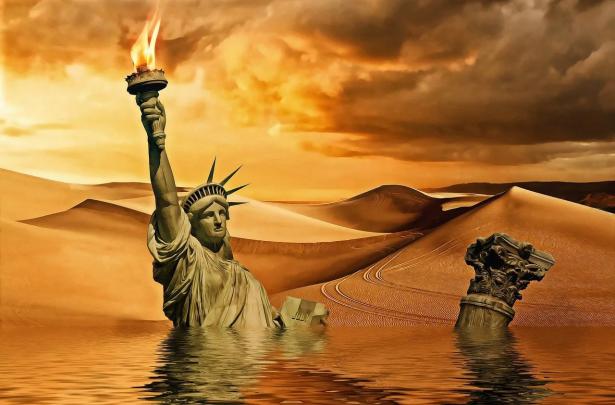
In global politics, decline doesn’t always announce itself with tanks rolling or markets crashing. Sometimes it starts more quietly—when a country that once drew people in naturally starts having to push and pressure instead. The United States seems to be hitting one of those moments. Its greatest long-term edge—the power to get others to want what it wants, without constant force—is slipping away. And the speed of that slide has a lot to do with the approach taken during Donald Trump’s time in office.
For a long time, America wasn’t just strong in the usual ways—military muscle, dollars, bases. It shaped how much of the world thought through its universities, films, music, tech, and the story it told about freedom, fair rules, and opportunity. Even governments that didn’t like Washington often ended up working inside a framework the U.S. had helped build. That kind of pull is incredibly efficient: people and nations move your way because they see it as legitimate, not because they’re being threatened.
Trump’s style flipped that script. To him, power is mainly about leverage, deals, and forcing outcomes. Attraction and image were secondary at best, sometimes even seen as weaknesses or distractions from “winning.” The result was a foreign policy that spent down America’s reputation faster than it built anything new in its place.
You saw it clearest with allies. Relationships that used to feel steady and based on shared trust turned into yearly transactions—how much are you paying, what’s the cut for us? The message got through: American commitments aren’t rock-solid; they depend on who’s in the White House and what mood they’re in. That uncertainty eats away at confidence. Alliances without confidence are fragile.
There’s also the growing mismatch between what America says and what it actually does. For decades it positioned itself as the champion of a rules-based international order. Under Trump, those rules started looking optional—applied when convenient, ignored when not. That gap kills credibility. Soft power lives or dies on whether people believe your actions match your words. Once that belief fades, so does the quiet influence.
Heavy use of sanctions, tariffs, and public threats can look tough in the moment, but over time it signals limits more than strength. The more you reach for the stick, the more others look for ways around you—new trade routes, alternative currencies, different partners. Short-term leverage creates long-term incentives to decouple. That’s a dangerous trade-off.
Inside the country, the old image of America as an open, dynamic, opportunity-filled place has taken hits too. To many outsiders now it looks bitterly divided, chaotic on culture and identity, and more inward-looking. That shift matters. It affects who wants to study there, invest there, or move there. Talent and capital are mobile; they follow perceptions of stability and promise.
The tricky part about losing soft power is that it happens slowly and quietly. Official statistics on military spending or GDP can still look impressive. But underneath, fewer countries and people are inclined to follow America’s lead just because it’s America. When voluntary cooperation drops, you have to rely more on coercion—which then accelerates the very erosion you’re trying to ignore.
At its core, Trump’s approach wasn’t just a tactical adjustment. It reflected a different philosophy of power: one that undervalues the invisible, accumulated advantages that make hard power cheaper and more effective. Once you lose that reservoir of goodwill and legitimacy, rebuilding it takes decades. It can be burned much faster.
Great power strategy has always worked best when hard and soft power reinforce each other. Coercion without legitimacy breeds resentment and resistance. Legitimacy without strength is hollow. The real skill is using both in balance. What we’ve seen instead is a tilt that weakens the overall position.
In the end, this isn’t about sudden American collapse. It’s about erosion—of trust, of appeal, of the ability to lead without always having to pay full price in pressure or money. The country can stay materially strong, but if it stops being a place others admire and want to emulate, it will find every goal more expensive, more contested, and less certain.
Trump’s period in power accelerated the spending of a strategic asset that took generations to create. Losing the ability to shape minds before you ever have to shape battlefields means operating in a harder, more expensive world—one where America remains powerful, but far less authoritative.

No comments:
Post a Comment