UAE Instructs ADNOC to Accelerate Pipeline Construction to Bypass Hormuz
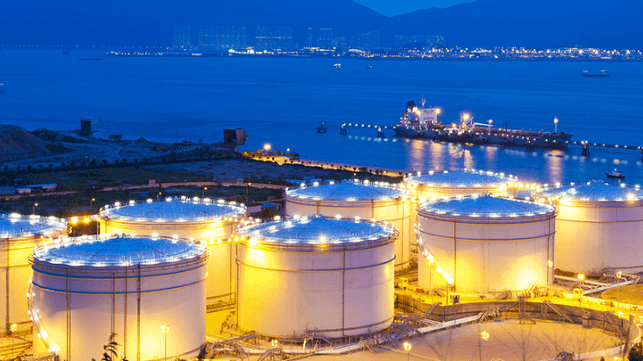
ADNOC, the Abu Dhabi state-owned energy company, reports it is working to accelerate development of a new oil pipeline that will double its export capacity and critically bypass the Strait of Hormuz. The UAE, which has been among the most targeted of Iran’s neighbors, looks to increase its independence and expand its oil exports while becoming less dependent on the Strait of Hormuz.
The company reports it conducted an Executive Committee meeting on Friday, May 15, during which the chairman of the committee, Abu Dhabi Crown Prince Sheikh Khaled bin Mohamed bin ?Zayed, directed the company “to accelerate delivery of the project.” The company reports construction is already underway on the new West-East Pipeline, which will transport crude oil to the port of Fujairah. The company said the project would double ADNOC’s export capacity through the port, while media reports say the project is believed to have a capacity for approximately 1.5 million barrels per day.
Abu Dhabi, like Saudi Arabia, has been depending on existing pipeline operations to maintain portions of its export capacities. The UAE has been repeatedly targeted by Iran with strikes on its oil operations, including at the port of Fujairah. The country has not been able to get tankers out via the Strait of Hormuz.
The UAE had previously said it was working to expand its production capacity and, early in May, reported it had officially resigned from OPEC and OPEC+ (Organization of Petroleum Exporting Countries). Officially, it said it was seeking greater freedom, while analysts reported it was a move to exceed the current production quota dictated by OPEC, which is just under 3.5 million barrels per day for Abu Dhabi. The UAE had said it was increasing its capabilities to 4.85 million barrels per day.
ADNOC has operated a pipeline for more than a decade from Habshan to Fujairah. It was put into operation in 2012 and is reported to have a capacity of approximately 1.5 million barrels per day. Since the outbreak of hostilities and the blockade of the Strait, ADNOC is reported to be running the pipeline at around 1.7 to 1.8 million barrels per day.
Fujairah, critically, is on the eastern shore of the UAE, accessed by the Gulf of Oman and below the Strait of Hormuz. While it continues to be a target, tankers can access the port without transiting the Strait. The company says it expects the new pipeline to be operational in 2027.
Executives at Saudi Arabia’s Aramco have called its pipeline, which runs to the Red Sea, a “critical lifeline” during the current crisis. Reuters reports it is moving 7 million barrels per day through the pipeline, permitting Saudi Arabia to maintain about 60 percent of its pre-war exports.
With the fate of the Strait of Hormuz uncertain and Iran asserting it will retain control, Saudi Arabia and Abu Dhabi/UAE will be the only two countries with the ability to bypass the Strait of Hormuz.
UAE Shipbuilders Launch a Consortium to Coordinate Projects
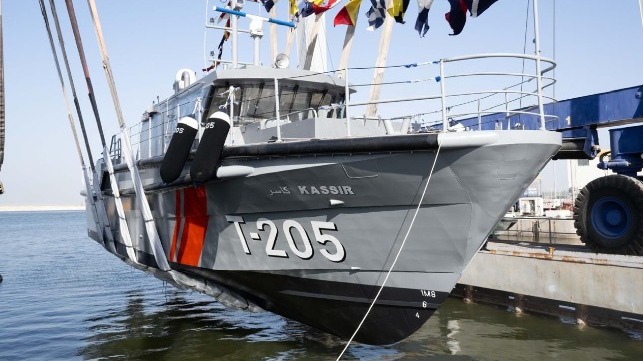
In the past few years, the UAE’s shipbuilding sector has been able to build an international client base resulting in an increase of exports. To protect these market gains in a region facing geopolitical tensions, UAE shipbuilders have announced an industry wide partnership. Last week, AD Ports Group said that it had joined hands with other shipbuilders to form a consortium. The aim is to create a unified platform cross shipbuilding, vessel repair, fabrication and marine engineering.
The consortium includes AD Ports Group, Safeen Drydocks, Premier Marine Engineering Services, Dubai Shipbuilding & Engineering (DSBE), Al Seer Marine, Dutch Oriental, Jome Engineering and MBK Marine Industries, among others. The consortium will be led by Noatum Maritime, the shipping and maritime arm of the AD Ports Group. As the lead entity, Noatum Maritime will guide in defining a governance and commercial framework for the consortium.
Among other objectives, the consortium hopes to improve visibility across the shipbuilding project pipelines in UAE, accelerating vessel delivery. Further, the consortium aims to increase participation by locally based small and medium-sized shipyards.
“By strengthening alignment in the sector, we are enabling greater scale, enhancing competitiveness and positioning the UAE to play a more prominent role in global maritime trade and manufacturing,” said Mohamed Juma Al Shamisi, CEO of AD Ports Group.
With rising defense budgets across the world, major shipbuilders in the UAE are winning record deals. Abu Dhabi Ship Building Co.(ADSB), the naval unit of the UAE-based defense conglomerate Edge Group, have seen its order book reach $3.6 billion, the highest in the yard’s 30-year history. Drydocks World, a subsidiary of DP World, is another UAE-based shipbuilder which has continued to elevate its global profile, winning large-scale contracts in the last one year. Last year, the yard won a contract from Amigo LNG for construction of what will be the world’s largest floating LNG facility off Mexico.
Last week during a state visit of Indian Prime Minister Narendra Modi to UAE, Drydocks World signed a MoU with Cochin Shipyard for setting up a ship repair facility in Vadinar, India. Drydocks World also pledged support for training of the Indian shipbuilding workforce, through a tripartite agreement with Cochin Shipyard and Centre of Excellence in Maritime & Shipbuilding(CEMS).

No comments:
Post a Comment