Wednesday, January 12, 2022

'We've never seen this kind of transmission before': Omicron cases dwarf official reports across Canada

Tyler Dawson 
With Omicron cases skyrocketing across Canada, figures from Alberta suggest that the official numbers, rolled out in data sheets and at press conferences, don’t capture the full extent of the fifth wave.

Alberta Health Services staff conduct drive-through COVID-19 tests at the Richmond Road testing site in Calgary on December 30, 2021. Gavin Young/Postmedia

On Monday afternoon, Dr. Deena Hinshaw, Alberta’s chief medical officer of health, said that there are roughly 57,000 active COVID-19 cases in the province.

“We’ve never seen this kind of transmission before,” said Hinshaw, adding that anywhere you go, someone is likely to have COVID-19. “We can’t stop this, but we still can slow the spread.”

The actual figure for active cases in Alberta could be at least 10 times higher, Hinshaw said, shedding light on the extent to which Omicron is spreading, undocumented by the strained testing system.

“It’s very clear with a 40 per cent positivity rate, transmission is higher than it’s ever been before and we should assume that, at minimum, we’re seeing about 10 times or more the number of cases than we’re diagnosing through PCR,” Hinshaw said.

Hinshaw said she was unable to provide an actual figure to go with that ratio, but 10 times Alberta’s active COVID cases would be about 570,000 cases, which eclipses the official active case counts for the entirety of Canada.

The Public Health Agency of Canada says that all of Canada currently has 404,000 active cases.

Isaac Bogoch, an infectious diseases expert at the University of Toronto, said it’s not surprising there’s a gap between the actual number of cases and cases found by testing. He said such a phenomenon likely exists everywhere in the country.

“No matter where you are, there’s always going to be a difference in cases captured by PCR versus the total number of cases; there’s always that delta,” Bogoch said. “I think it would be a fair assessment to say that everywhere in the country, the true number of cases dwarfs the number of cases that are detected by the limited testing capability that we have right now.”

It’s not clear what percentage of cases other provincial governments believe they are catching — and not catching — with their testing.

In recent weeks, a number of provinces across Canada have limited access to polymerase chain reaction testing — the more accurate testing provided by governments — to vulnerable populations, in order to conserve resources. A consequence of this decision is that testing captures a smaller percentage of the total number of positive cases while, by limiting testing to those who are most likely to be ill, amplifying the positivity rate.

British Columbia, Ontario, Alberta and Quebec have all limited testing to people at risk of severe disease or those who work around vulnerable populations, including at long-term care homes.

This comes as testing capacity, given the sheer number of active cases, has been unable to cope with demand. There are staffing shortages in the health-care sector, an issue across the country, because of Omicron, and other sectors of the economy, too.

“There’s a massive burden of community level infection and eventually it runs out of tinder and cases start to drop,” said Bogoch.

Officially, in Ontario there are roughly 140,000 active cases. In Quebec, which has instituted strict lockdown measures, the active case count sits just above 100,000. British Columbia has nearly 38,000 active cases.

“This is the nature of Omicron. It is a hyper-contagious disease that is ripping through the population,” said Raywat Deonandan, a global health epidemiologist at the University of Ottawa.

So far, in Alberta, hospitalization and intensive care numbers have not reached heights seen in the early fall, when the province nearly had to implement a triage protocol determining who would receive hospital care, as capacity limits had been strained to their breaking point.

Yet, said Bogoch, we know that some small percentage of those who catch COVID-19 will end up needing medical attention at a time when the system is dealing with burnout, staff shortages and overall capacity concerns.

“We know a very small percentage of people who get this infection will actually need to use health-care resources. However, a small percentage of a massive number of infected people still ends up being a lot of people requiring health care,” Bogoch said.

• Email: tdawson@postmedia.com | Twitter: tylerrdawson
Omicron 'tidal wave' could infect half of all Europeans within the next 2 months, WHO official says

Natalie Musumeci
Tue., January 11, 2022, 

People waiting in front of a pharmacy to get a COVID-19 test in Paris on January 9.
Francois Mori/AP Photo

Over half of all Europeans could soon contract the Omicron coronavirus variant, a WHO official said.

Omicron "represents a new west-to-east tidal wave sweeping across the region," Dr. Hans Kluge said.

He said IHME forecast Omicron would infect over 50% of the region's population within eight weeks.


More than half of the population in Europe could be infected with the highly contagious Omicron coronavirus variant within the next two months, a World Health Organization official said on Tuesday.

Dr. Hans Kluge, the WHO's regional director for Europe, said during a virtual press conference that the Omicron variant "represents a new west-to-east tidal wave sweeping across the region."

"At this rate, the Institute for Health Metrics and Evaluation forecasts that more than 50% of the population in the region will be infected with Omicron in the next six to eight weeks," Kluge said.

Kluge added that 50 of the 53 countries in Europe and central Asia had reported cases of Omicron, and that the variant was "quickly" becoming the dominant strain in Western Europe as it spread to the Balkans.

The WHO official said, "Currently approved vaccines do continue to provide good protection against severe disease and death, including for Omicron."

But he added, "Because of the unprecedented scale of transmission, we are now seeing rising COVID-19 hospitalizations."

"It is challenging health systems and service delivery in many countries where Omicron has spread at speed, and threatens to overwhelm in many more," Kluge said.

New COVID-19 cases worldwide are shattering records as the Omicron variant spreads.
Reduced hospitalization risk, shorter stays for Omicron patients: US study


Wed, 12 January 2022

"This study controlled for important key parameters such as age, sex, prior SARS-CoV-2 infection, prior vaccination and comorbidities," CDC director Rochelle Walensky told reporters on a briefing call (AFP/Greg Nash)

A preliminary US study of nearly 70,000 Covid positive people showed a substantially reduced risk of hospitalization and death from Omicron even after controlling for growing population immunity levels.

People infected with Omicron were half as likely to be hospitalized, about 75 percent less likely to need intensive care, and around 90 percent less likely to die compared to those infected with the formerly dominant Delta variant, according to the paper.

Of some 50,000 people infected with Omicron, none ended up on a ventilator.

Hospital stays lasted for a median of 1.5 days for Omicron compared to five days for Delta, and 90 percent of Omicron patients were discharged in three or fewer days.

The analysis was conducted on data from the Kaiser Permanente Southern California hospital system, which serves a population of around 4.7 million people, between December 1 2021, and January 2 2022, when both strains were circulating widely.

The findings build on accumulating population-level research from countries including South Africa and Britain, but also on animal and cell-based testing, which have found Omicron replicates better in the upper airways compared to the lungs.

The new paper, which has not yet been peer-reviewed, was carried out by researchers from the University of California, Berkeley, Kaiser Permanente and the Centers for Disease Control and Prevention (CDC).

"This study controlled for important key parameters such as age, sex, prior SARS-CoV-2 infection, prior vaccination and comorbidities," CDC director Rochelle Walensky told reporters on a briefing call Wednesday.

The results thus suggest that Omicron is "intrinsically less severe than Delta," and observed reductions in severe cases aren't only the result of more people being vaccinated and infected over time, the paper said.

In addition, while the study noted reduced vaccine efficacy against infection from Omicron, it also found substantial ongoing protection against severe outcomes.

Walensky warned that the results should not lead to complacency, since Omicron's extreme transmissibility is still stretching the United States' already over-extended health care system and its exhausted health workers.

The country is currently seeing an average of 750,000 cases a day -- though that figure is soon expected to exceed a million -- around 150,000 total Covid hospitalizations, and more than 1,600 daily deaths.

President Joe Biden's chief medical advisor Anthony Fauci predicted Tuesday that "Omicron, with its extraordinary, unprecedented degree of efficiency of transmissibility, will ultimately find just about everybody."

But he added that after the country emerged from its current wave, it would transition towards a future of living with the virus, with Covid vaccines moderating severe disease for the majority and effective treatments available for the most vulnerable.

ia/dw

AFP


COVID: Have we reached the peak of omicron infections?

Omicron may infect 60% of the world's population by mid-March. That may mean global infections of 5 million per day.


Whether we're at peak infection or not, experts say: Wear a mask, get tested, get vaccinated

The new year started with a doubling of COVID infections.

On Tuesday, the European Regional Director for the World Health Organization (WHO), Hans Kluge, said that the 53 countries in the region had seen over 7 million newly reported cases of COVID-19 in the first week of 2022.

Those figures had more than doubled over a two-week period, Kluge said.

As of January 10, 26 countries in Europe had reported that more than 1% of their population was getting infected with COVID-19 each week.

Projections through to March


The situation is "challenging health systems […] in many countries where Omicron has spread at speed and threatens to overwhelm in many more," said Kluge.

But he said that vaccines were providing good protection against severe disease and death, including for omicron. He said that immunization was preventing many people from needing hospitalization.

Citing hospitalization rates in Denmark, Kluge said there were six times as many unvaccinated COVID patients in hospitals over the Christmas week than COVID patients who were fully vaccinated.

The latest forecasts from the Institute for Health Metrics and Evaluation (IHME) seem to echo Kluge's assessment. The IHME is a population health research organization at the University of Washington School of Medicine, which the WHO references itself.

Its director and lead-modeler, Christopher Murray, says "hospitals need support."

Omicron projections: Should Europeans just accept what seems inevitable?


Daily global cases of coronavirus could reach 5 million, but that could "top out in the month of January," says Murray.

"We expect that by March, omicron will infect 60% of the world's population," Murray says. And "we are seeing a small increase in deaths at the global level because of omicron."

In Europe alone, it is estimated that more than 50% of the region's population could get infected with omicron in the next 6-8 weeks.
Some see cases falling

London's Regional Director for Public Health, Kevin Fenton, told Sky News in the UK that infection rates in the British capital appeared to have reached their peak at around New Year. He cited figures from the UK's Office for National Statistics (ONS).

However, while those ONS data from January 7 do show a drop in positive COVID-19 tests (on nose and throat swabs), that was only for the British capital, London.

Elsewhere in England, the ONS data show that infection rates continued to rise. And the same goes for the other three nations in the UK — certainly when it comes to the omicron variant of the coronavirus: Rates for omicron were up in England, Wales, Scotland and Northern Ireland. Delta infections were on a downward trend.

Infection rates remained "very, very high," said Fenton, with one in 10 Londoners infected. "We're not yet out of this critical phase of the pandemic, although we may well be passed the peak."

Fenton went on to say that London was not seeing a "rapid reduction" in infection rates yet, and that there was pressure on hospitals in London — largely coming from unvaccinated patients or those whose vaccinations were "incomplete."
An "ice pick" rather than a wave?

In the United States, health officials at the Centers for Disease Control and Prevention (CDC) say they see potential for a speedy drop in omicron infections, but they are saying that with a note of caution.

Speaking at a briefing on January 7, CDC Director Rochelle Walensky said the omicron trend in South Africa, where the variant was first reported in November 2021, had been described as more of an "ice pick than a wave."

Walensky said we could see more of a "precipitous increase, and then a precipitous decline." But, then, said Walensky, the situation in South Africa was different from that in the United States, and that makes a straight comparison difficult.

"They did have a huge proportion of their population with previous disease. We have a larger proportion of our population that is vaccinated and boosted. So, there are reasons to think that they may act similarly and reasons to think they may act differently," Walensky said. "I do think in places that we are seeing this really steep incline that we may well see a precipitous decline, but we're also a much bigger country than South Africa."

It would appear, then, that when and/or whether a country — or a region — has reached its peak infection for omicron is too hard to say for now.

And overall, infection rates continue to rise.

The IHME estimates global COVID-19 deaths of 6.4 million by May 1, 2022 — even with high rates of vaccination and up to 80% mask use. But bear in mind that this is a global projection and that situations will vary from country to country, region to region, and from community to community.
What do we do now?

Omicron appears in many cases to lead to milder infections than previous variants of the virus. About 90% of infections — as opposed to 40% of previous variants — may be asympotomatic, says the IHME's Christopher Murray.

That means you may never know you were or had been infected.

But if you're unvaccinated or have never had a COVID infection, you are at a higher risk than others to get seriously ill, Murray says.

So, what do we do now, while we wait for this omicron wave or "ice pick" to peak and fall? Murray offers three short answers: Wear masks, get vaccinated, and get tested.


IN PICTURES: INDIA'S FIGHT AGAINST OMICRON VARIANT
Virus thrives in crowds
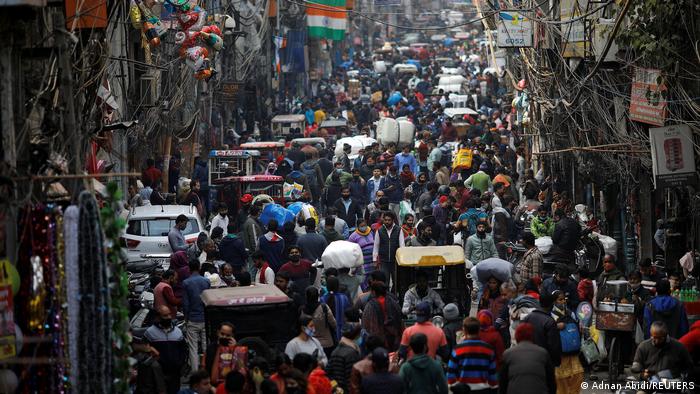
Densely packed streets like this one in Delhi provide fertile ground for the highly transmissible COVID-19 omicron variant. In just a week, the number of new infections in India has doubled to nearly 120,000 each day. Experts are warning that rising case numbers could soon overwhelm the country's hospitals.
123456


Edited by: Carla Bleiker

Opinion: Latin America's new generation of dictators

In the past, they wore olive-green uniforms and used military might to gain power. Today, they are "elected," as true democracies helplessly look on, writes Johan Ramirez.


It's easy to win elections if most contenders are in prison

Latin American dictators have learned to adapt. They've realized that they must renew and transform themselves and, above all, do without army revolts if they want to survive in the 21st century. That is why the tyrants who now rule the poorest countries in the region no longer wear military olive garb. They no longer seize power-wielding rifles as they did in decades past.

Since the turn of the millennium, they have resorted to democratic mechanisms to establish their modern totalitarian regimes — and they have done so openly. They have mainly resorted to three methods: elections, international bodies and regulated procedures. By manipulating these mechanisms at their own discretion, they have become strong without facing any significant resistance.

Make-believe democracy

Nicaragua is a good example. On January 9, the newly elected National Assembly began its work; a day later, dictator Daniel Ortega was sworn in for yet another five-year term as president. But unlike the traditional dictatorships that spread terror across Central America in the 1970s and 1980s, Ortega can point at the results of national polls.

Of course, the elections were a sham, but the November poll produced the result the dictator wanted due to his oppressive tactics. In the lead up the controversial elections, Daniel Ortega used state institutions to purge the electoral lists and remove from the race those who would have taken the power from him in a true democracy. He used the judiciary to jail his political opponents, prosecute inconvenient journalists, and ban civil society organizations that denounced his transgressions.

He used the right to vote guaranteed in the constitution to create a parliament that suited him and to get confirmed for another term.

Ortega is living proof that it is possible to become a dictator without a coup d'état.

Support from abroad

It is not enough, however, to manipulate just the domestic system. Present-day autocrats have learned to use international organizations for their own purposes. Venezuela under Hugo Chavez had already proven that, as long as it has the money, it can buy support at summit meetings in order to block international opponents. After all, many small Caribbean islands need someone to help build a road, a hospital or a power plant.

Chavez always presented himself as a humanist who showed solidarity, but in return, he made sure that the respective countries, along with a few allies that share his ideology, stood firmly by his side.

Time and again, they vetoed resolutions that would otherwise have prevented the consolidation of his absolute power and with it the transformation of the former oil power into an empire of misery.

Regulated proceedings

Contemporary dictatorships added a third element, that of regulated procedures, including, for instance, due process in investigations relating to allegations of arbitrary arrests, targeted disappearances, and extrajudicial executions among the security forces.

It is no one's fault that such investigations can take a lifetime — it's just that due process can mean anything under a dictatorship.

The victims continue to be victimized, but the investigations do not yield results. For appearances' sake, such modern dictators establish human rights bodies, appoint ombudspersons, they even cooperate with the International Criminal Court in The Hague, all the while protecting the torturers, mocking the dead, and filling their secret prisons with political prisoners.

Comforting certainty

Genuine democracies show themselves as naïve; they keep giving the despots new opportunities. They organize observation missions and contact groups — as if murderers in any way respected and appreciated sincerity.

The manipulation of democracy has allowed dictators to survive. Fidel Castro died of old age, Hugo Chavez died of cancer, Raul Castro simply retired, and Nicolas Maduro puts on weight as he sits in the Venezuelan presidential palace.

Daniel Ortega has put down roots in Nicaragua, and with no intention of ever relinquishing power. Ortega no longer needs to storm government buildings or bring in tanks. He uses what dictators who once overthrew revolutionaries like him once feared: elections.

The new dictators wear ties and attend international conferences and summits as a matter of course, in the comfortable certainty that (thanks to democracy!) they will get away with it forever.

This article was originally written in German.

Green groups target poisonings from rising pesticides sales

More and more pesticides are being sprayed worldwide with deadly consequences for humans and nature, a report finds.


Pesticides have poisoned millions of farmers across the world

The rising use of pesticides is at the heart of environmental damage across the world, according to a new report from environmental groups in Germany.

"You encounter the issue everywhere when you deal with agriculture, health, species loss and water pollution," said agricultural engineer Susan Haffmans from Pesticide Action Network Germany, who played a leading role in developing the Pesticide Atlas report. "It is a major cross-cutting issue."

Together with the green-affiliated Heinrich Böll Foundation, the German branch of environmental group Friends of the Earth and the international monthly newspaper LE MONDE diplomatique, the report was presented and published Wednesday in Berlin. Its 50 pages outline harmful effects of the billion-dollar pesticide business.

"We encounter pesticides everywhere, even if we don't live on the edge of the field," said Haffmans
.
Farmers are often poisoned

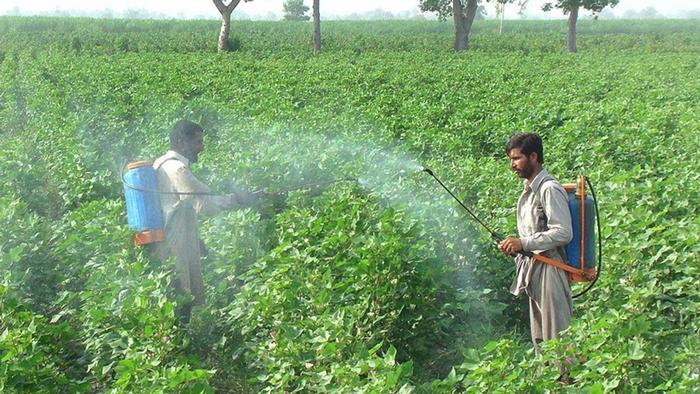
According to a recent study published in the journal Public Health, 385 million people in agriculture fall ill with acute pesticide poisoning every year. After poisoning, farm workers and farmers report symptoms that range from feeling weak and having headaches to vomiting, diarrhea, skin rashes, nervous system disorders and fainting. In severe cases, the heart, lungs or kidneys fail. About 11,000 people in agriculture die from acute poisoning every year, according to the study, which did not count deaths by suicide related to pesticides.

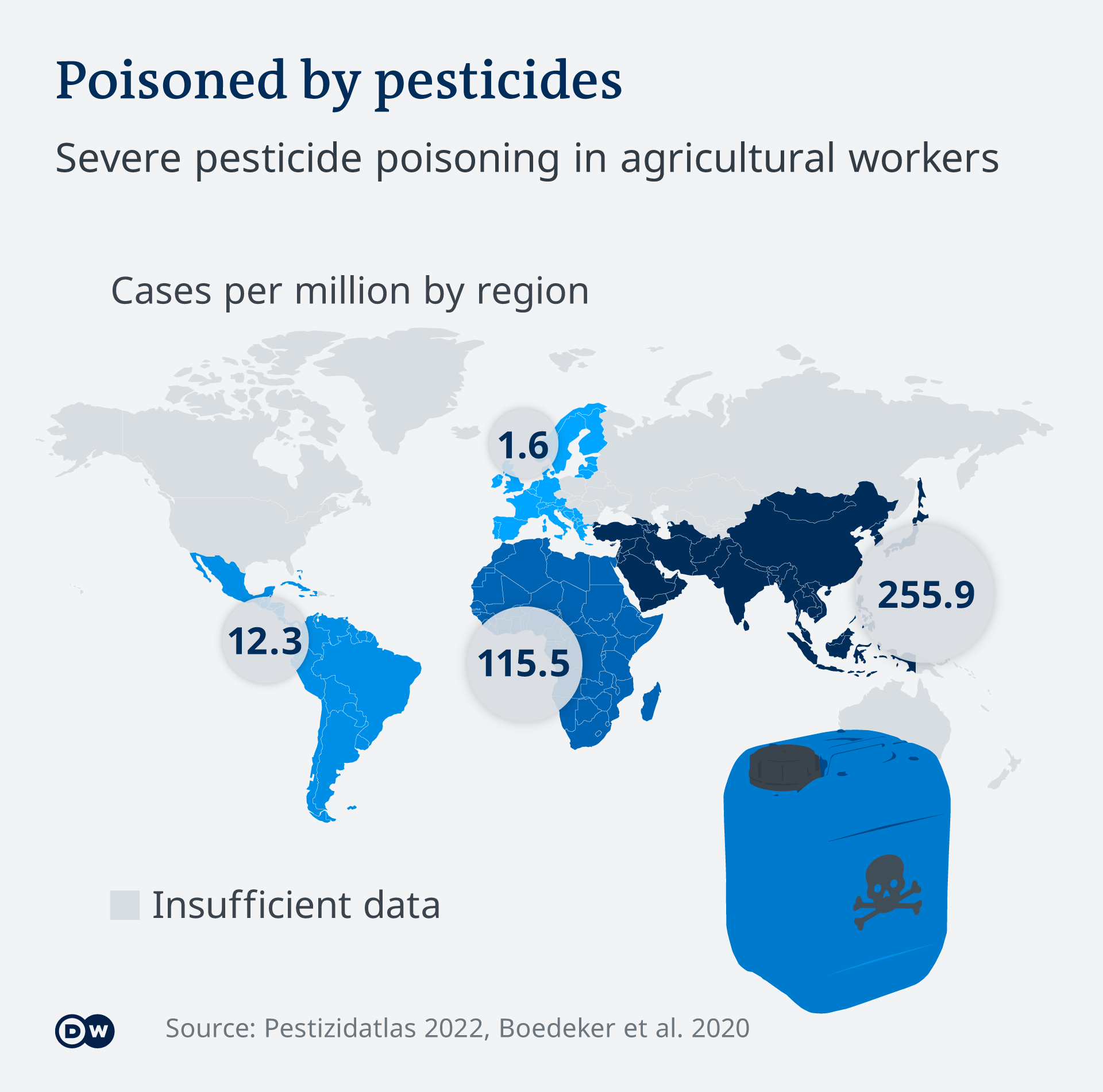
Agricultural workers and small farmers in the Global South are particularly affected by pesticide poisoning. According to the study, there are about 256 million acute pesticide poisonings in Asia, 116 million in Africa and about 12.3 million in Latin America. In Europe, the figure is far smaller at 1.6 million.


"We see that 44% of all workers worldwide suffer at least one poisoning per year," said Haffmans, "and in certain countries it is much more. In Burkina Faso, for example, 83% of farm workers get sick at least once from pesticides."

These are only the acute poisonings, she said, adding that the extent to which they occur is an indication of chronic long-term exposure, which is then in turn associated with completely different chronic diseases.

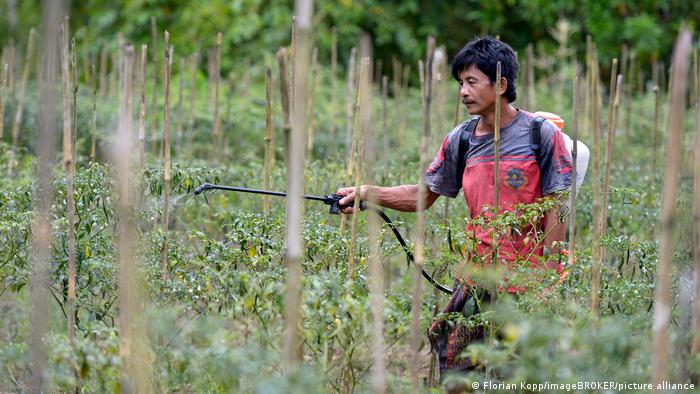
The Atlas highlights several reasons for the significantly higher number of poisonings in the Global South. First, a lot of dangerous pesticides are sprayed there, including some which are banned in Europe. In addition, many small farmers there do not wear protective clothing and are poorly informed about the dangers.

"In some cases, pesticides are simply filled into small plastic bags or bottles by traders, without labels, without safety instructions on how to use them and without warnings," said Haffmans. "Then there are always unintentional poisonings because the pesticide is used incorrectly or someone picks up the bottle thinking maybe there is a soda in it."


Many farmers lack protective gear to keep them safe from pesticides

According to the Atlas, fewer than 30% of smallholder farmers in Ghana wear gloves, goggles and mouth or nose protection when handling pesticides. In Ethiopia, only 7% of farmers are aware of the warning to wash hands after using pesticides.
Pesticides increase cancer risk

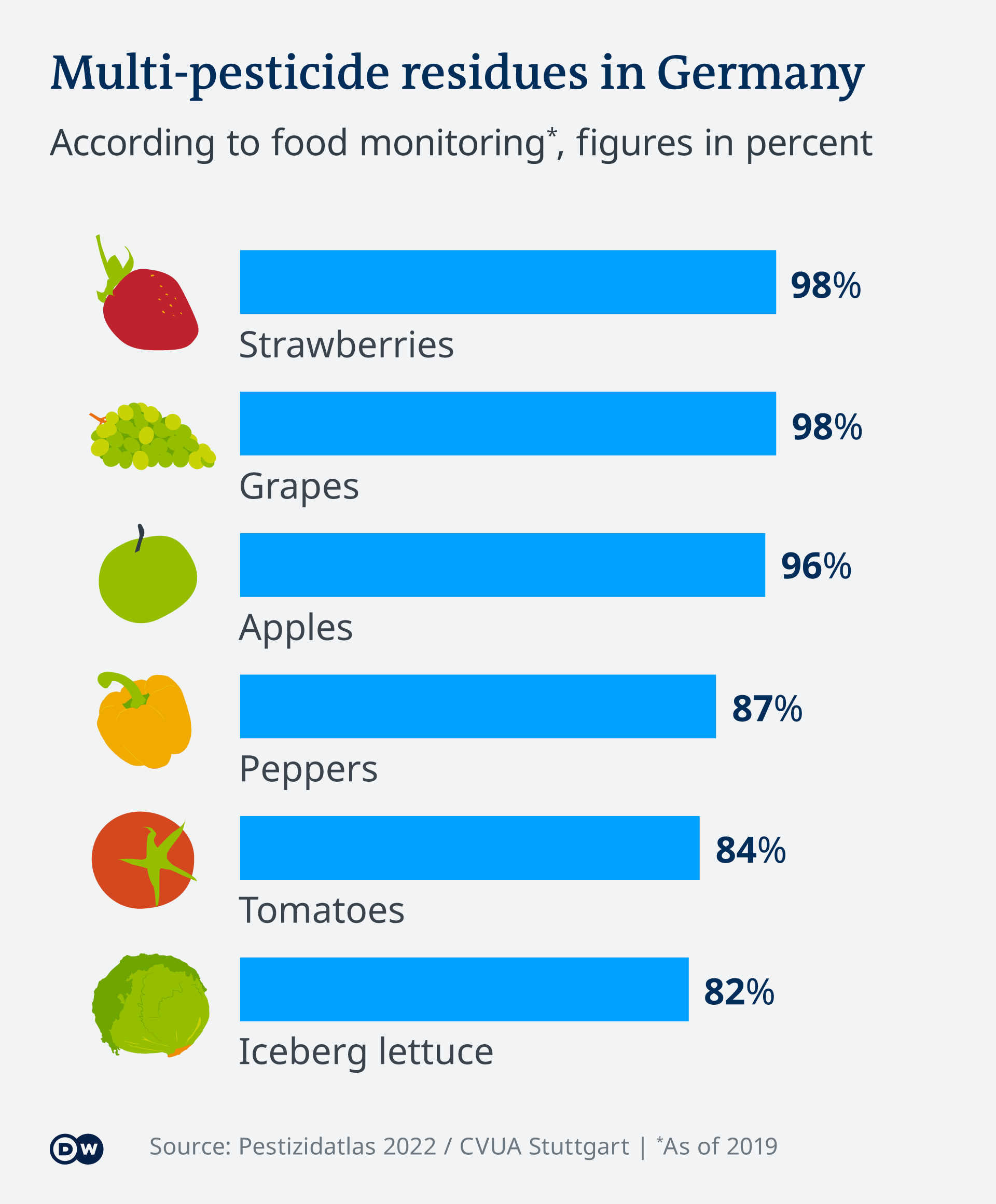
Pesticides can be spread by the wind hundreds of kilometers and are found in rivers and groundwater. They can kill insects, birds and aquatic animals, and their residue is often found in food.

The weed killer glyphosate, which is the most widely used pesticide, is among the most infamous. In 2015, the International Agency for Research on Cancer (IARC) classified glyphosate as "probably carcinogenic". A 2019 scientific meta-study by the University of Washington also identified an increased risk of malignant lymph node tumors from glyphosate, known as non-Hodgkin's lymphoma.

Pesticides have also been linked to asthma, allergies, obesity and endocrine gland disorders, as well as miscarriages and deformities in particularly polluted regions.

"Studies also show a connection with Parkinson's disease, Type II diabetes or certain types of cancer," said Haffmans.


Profits more important than health protection

The sale of pesticides is lucrative. The four largest producers — Syngenta, Bayer, BASF and Corteva — generated sales of €31 billion ($35 billion) in 2020, according to the Atlas. In recent years, global pesticide sales have grown by an average of 4% annually.

As a rule, however, the companies do not pay for damage to health and the environment, unless they are taken to court. In the US, 125,000 people who had sprayed the pesticide Roundup with the active ingredient glyphosate and become seriously ill sued Bayer. The company has already paid some of the plaintiffs, and around €10 billion have been set aside in Bayer's balance sheet to compensate for the damages.

Despite these cases, Bayer and other companies continue to sell highly toxic pesticides, including those that are banned in the EU because they are dangerous. Currently, pesticide manufacturers are also seeking a new authorization for glyphosate in the EU, although it is due to be banned in the bloc from 2024.


Movements for agricultural revolution

Environmental groups are pushing for a shift away from chemical pesticides. The 30 authors of the Atlas use articles to highlight policies that could lessen their impact.

"In the last two decades, Sri Lanka has demonstrably saved almost 10,000 lives by banning dangerous pesticides," said Haffmans. In India, "some regions there already farm completely or largely pesticide-free. This, in turn, encourages imitation in other regions."

According to a representative survey conducted in Germany for the Atlas, a majority of 16 to 29-year-olds want an agriculture that protects water, soil and insects, produces fairly without genetic engineering and pesticides, and uses natural pest control. The survey found 63% of respondents wquld like to see all pesticides banned by 2035, and farmers given support in switching to environmentally friendly production. 11% of respondents rejected this demand.

This article was originally in German.


PESTICIDES: FACTS AND TRENDS
Farm workers are poisoned
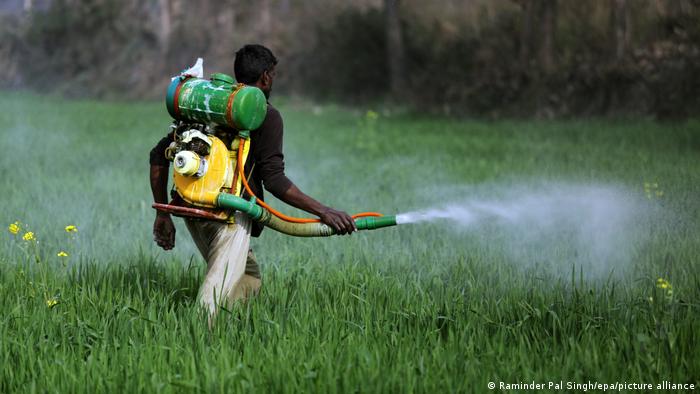
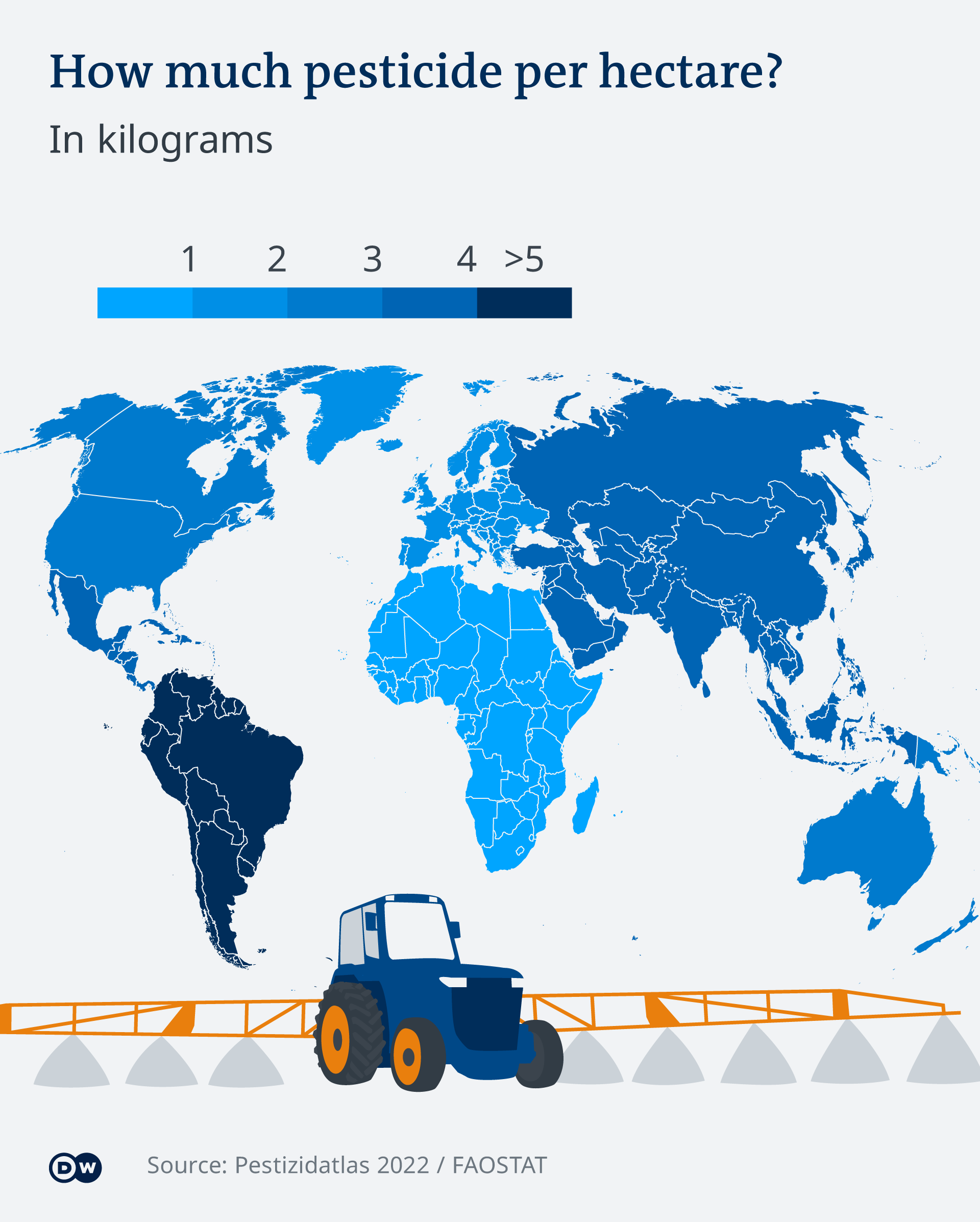
Around 385 million cases of poisoning by pesticides are reported every year. The numbers are highest in Asia, Africa and Latin America where more really dangerous pesticides are sprayed. Many workers do not wear protective clothing and few are properly informed about the dangers of using pesticides.
123456


SEE
Kenyan farmers embrace organic farming


Bookchin M. Our Synthetic Environment - Libcom
https://libcom.org/files/Bookchin M. Our Synthetic Environment.pdf · PDF file
Our Synthetic Environment Murray Bookchin 1962 Table of contents Chapter 1: THE PROBLEM Chapter 2: AGRICULTURE AND HEALTH Chapter 3: URBAN LIFE AND HEALTH


Silent Spring - Rachel Carson
rachelcarson.org/SilentSpring.aspx
Serialized in three parts in The New Yorker, where President John F. Kennedy read it in the summer of 1962, Silent Spring was published in August and became an instant best-seller and the most


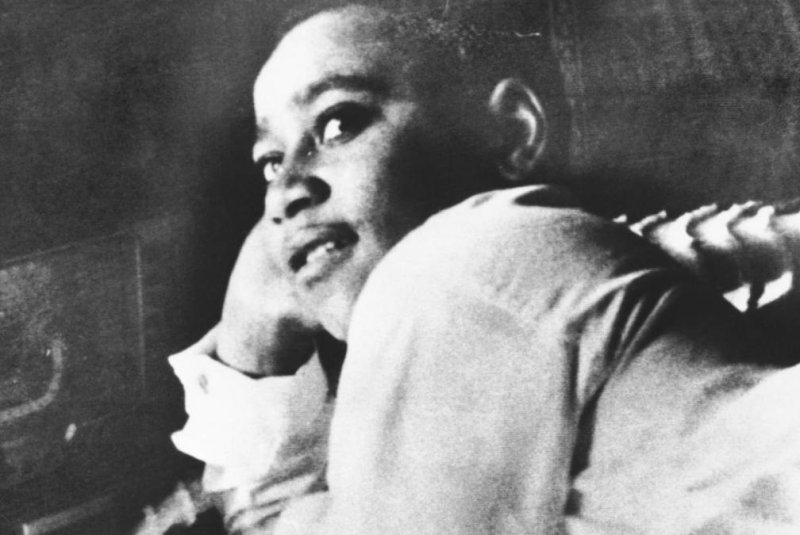
Senate votes to honor Emmett Till, Mamie Till-Mobley with Congressional Gold Medal

The Senate has agreed to posthumously award Emmett Till and his mother, Mamie Till-Mobley, the Congressional Gold Medal. File Photo courtesy of Rep. Bobby Rush

Jan. 12 (UPI) -- Senate lawmakers have passed a bill to posthumously award Emmett Till, who was abducted and killed by White supremacists in 1955, and his mother, Mamie Till-Mobley, the Congressional Gold Medal, the U.S. Congress' highest civilian honor.

The bill -- which was first introduced in September of 2020 by Sens. Cory Booker, D-N.Y., and Richard Burr, R-N.C. -- passed with unanimous consent, and calls for the posthumous presentation of the medals in commemoration of Emmett Till and Mamie Till-Mobley, after which they are to be given to the National Museum of African American History and Culture.

"More than six decades after his murder, I am proud to see the Senate pass long-overdue legislation that would award the Congressional Gold Medal to both Emmett and Mamie Till-Mobley in recognition of their profound contributions to our nation," Booker said in a statement Tuesday.

Emmett Till, a 14-year-old Chicago native, was kidnapped, brutally beaten and killed in the summer of 1955 in Money, Miss., where he was visiting his uncle.

Following his death, Mamie Till-Mobley demanded an open casket during his funeral so the more than 50,000 attendees could see the violence her son was subjected to while a graphic photograph of her deceased son in the coffin helped galvanize activists who were working for civil rights, Booker's office said.

Asked why she she wanted an open casket, Mamie Till-Mobley famously responded: "The whole nation had to bear witness to this."

Mamie Till-Mobley then spent the rest of her life seeking justice for her son. She died in 2003.

"The courage and activism demonstrated by Emmett's mother, Mamie Till-Mobley, in displaying to the world the brutality endured by her son helped awaken the nation's conscience, forcing Americans to reckon with its failure to address racism and the glaring injustices that stem from such hatred," Booker said.

The Congressional Gold Medal has been awarded to dozens as a sign of its "highest expression of national appreciation for distinguished achievements and contributions," according to the U.S. House of Representatives' website.

Last month, the Congressional Gold Medal was awarded to the 13 U.S. servicemembers who were killed in Afghanistan during August's evacuation of U.S. citizens and Afghan nationals.
Israel govt seeks 'compromise' after Bedouin unrest

Wed, 12 January 2022,


Israeli police detain a man during a Bedouin protest in the southern Israeli village of Sa'we al-Atrash in the Negev Desert against a tree-planting project (AFP/AHMAD GHARABLI)

Israel's government on Wednesday sought to ease tensions with Bedouin over a controversial tree-planting project in the Negev desert, following days of unrest marking the latest test for a fragile coalition.

Sixteen people were arrested earlier Wednesday and five officers were lightly wounded in clashes that saw "rioters" throw stones at security forces, police said in a statement.

Bedouin, who are part of Israel's 20 percent Arab minority, have long opposed tree-planting initiatives in the Negev, blasting them as a de facto government land grab in areas they call home.

The latest unrest in the decades-long dispute has attracted fresh attention given the make-up of Israel's coalition government, led by right-wing Prime Minister Naftali Bennett.

Bennett's government counts on backing from the leader of the Islamist Raam party, Mansour Abbas, whose core political support comes from Bedouin in the Negev.

Abbas told Israel's Channel 12 news on Tuesday that his party will not vote with the coalition unless the tree planting is halted and formal negotiations with Bedouin leaders are launched to seek a compromise.

"Trees are not more important than human beings," Abbas tweeted.

A statement from Social Affairs Minister Meir Cohen said "a compromise has been reached according to which the planting work will be completed today (Wednesday) as planned and starting tomorrow, accelerated negotiations will take place."

The right-wing Regavim environmental civil society group called on Bennett's government "to take a firm position against the Raam Party's threats, to ensure that tree planting projects... are carried out as planned."

Nearly half of Israel's 300,000 Bedouin live in unrecognised villages in southern Israel's arid Negev.

They face regular home demolitions and lack of access to basic services -- including electricity, water and sanitation -- challenges Abbas insisted be addressed in exchange for backing Bennett's government.

bur-yz/bs/it
AFP

Israel Seeks Compromise With Bedouins Over Planting Trees on Disputed Desert Land

Katie Wermus -


© Mahmoud Illean/AP Photo

Israeli security forces guard during a protest held by Bedouins against tree-planting by the Jewish National Fund on disputed land near their village of al-Atrash at the Negev desert, southern Israel, Wednesday, Jan. 12, 2022. The conflict in southern Israel, which is home to Bedouin villages unrecognized by the state, has divided the Israeli government with Foreign Minister Yair Lapid calling for halting the tree-planting while the Islamist Ra'am party has threatened to withhold its votes in parliament in protest.

Israel concluded its forestation work planting trees on disputed land in the Negev Desert on Wednesday after local Arab Bedouins protested because they believed it was an attempt by the government to displace them.

The Keren Kayemet L'Yisrael-Jewish National Fund (KKL-JNF) finished its forestry work in the desert where Bedouins staged protests for three days, saying the forestry work was an attempt to move them into planned communities, The Times of Israel reported.

Protests on Tuesday night over the forestry project turned violent. People set a reporter's car on fire and blocked a major highway with burning tires. They also threw stones at trains and vehicles on the freeway and blocked the railroads, according to The Times of Israel.

At least 18 people were arrested during the unrest and five officers were injured. Four of those officers were briefly hospitalized.

The Bedouins are upset over tree planting by the KKL-JNF and believe the project is a step toward forcing them to give up their grazing lands.

However, the KKL-JNF works on nature and conservation projects across the country and said it is just doing what the government asked by planting trees on public lands.

Critics of the move to stop planting trees said the KKL-JNF had "surrendered to terror"; however, the forestation was reported to only last three days to begin with.

The Israeli government announced a compromise in which it would complete the day's planting and launch negotiations on Thursday. Authorities withdrew heavy machinery from the area as the tensions appeared to ease.

The Bedouins view the forestry project as part of a larger attempt by authorities to move them into planned communities, which the group perceives as an assault on its traditional lifestyle. Israel says they need to move into planned towns so the country can provide public services.

The latest flare-up of the dispute, which goes back decades, risks dividing Israel's fragile coalition government, the first to include an Arab party whose main base of support is in the Negev.

Foreign Minister Yair Lapid had called for halting the planting and reassessing the situation while the Islamist Ra'am party had threatened to withhold its votes in parliament in protest. Both are members of the fragile eight-party coalition that runs the government.

Ra'am, the Islamist party, secured four seats in the 120-member Knesset, Israel's parliament, in last year's elections, with strong support among Bedouin citizens of Israel. Party leader Mansour Abbas wrote on Twitter that "a tree is not more important than a person."

More hawkish members of the diverse governing coalition had pledged to press on, undeterred. Regavim, a nationalist group that is opposed to normalizing the status of Bedouin villages, accused the government of capitulating to "political pressure, strongarm tactics and violence."

Prime Minister Naftali Bennett heads an unwieldy coalition of eight parties that joined forces in June to form a government and end Israel's protracted political deadlock. They range from the small Islamist and liberal parties to ultranationalists, and were united only in their opposition to longtime leader Benjamin Netanyahu.

The Bedouins are part of Israel's Arab minority, which makes up some 20% of the country's population. They have citizenship, including the right to vote, but face discrimination. Arab citizens of Israel have close family ties to the Palestinians and largely identify with their cause.

The Associated Press contributed to this report.
Brazil’s Best-Known Hedge Fund Stumbles to a Rare Annual Loss

Vinícius Andrade
January 5, 2022·


(Bloomberg) -- One of Brazil’s largest and most renowned hedge funds posted an annual loss in 2021, notching only the second yearly decline in its more than 20-year history.

Verde Asset Management’s flagship CSHG Verde FIC FIM fund fell 1.1% last year, dragged down by a poorly timed bet on Brazilian stocks. That marked its worst performance since a 6.4% loss amid the global financial crisis of 2008, according to data compiled by Bloomberg.

The fund, which is run by industry veteran Luis Stuhlberger and has Credit Suisse Group AG as a minority holder, saw its equity investments decline after President Jair Bolsonaro’s administration scrapped a spending cap that investors saw as crucial to the country’s fiscal health. One of the best-known hedge funds in Brazil, Verde has had a return of more than 18,300% in local currency terms since its inception in 1997 and the firm has about 50 billion reais ($8.8 billion) under management, according to its website.

Verde declined to comment on the fund’s annual performance.

The unexpected decline adds to the challenges Verde and its peers face. The country’s hedge-fund industry saw net outflows last year as surging interest rates lead investors to shift into less-risky, fixed-income bets.

Downfall of Star Hedge Fund Reveals Brazil at Tipping Point

The average return of a basket of 242 Brazilian hedge funds tracked by Bloomberg in the three-month period ended Dec. 27 was 0.78%, underperforming the benchmark interbank deposit rate known as CDI by about 1 percentage point.

In October, Verde boosted exposure to Brazilian stocks following a steep sell-off, on the view that a negative outlook was already priced in, according to a letter to investors in November. But losses mounted on signs the government would breach the nation’s fiscal rules to accommodate additional spending, weighing on the fund’s performance.

The fund, which had a bad start to the fourth quarter, climbed 2.1% in December, more than double the CDI, data show.
Renovations underway to convert 2 former Edmonton hotels into affordable housing units


Construction is underway to convert two former Edmonton hotels into permanent affordable housing units for the city's most vulnerable.
© Global News The former Days Inn Hotel at 10333 University Avenue in Edmonton is being transformed into affordable housing units.

Member of the federal and municipal governments spoke Wednesday morning about two projects currently underway in Edmonton that will see the addition of 138 new permanent, affordable housing units.

The former Days Inn Hotel on University Avenue at 103 Street is being converted into up to 85 hew spaces. The southside facility will be run by The Mustard Seed.

The former Sands Hotel on Fort Road at 123 Avenue is being renovated into 53 new homes for those experiencing homelessness in the city.

The northside property will be operated by Niginan Housing Ventures, a registered non-profit charity formed to address particular housing needs and requirements of Indigenous people in Edmonton.

"These homes will be Indigenous owned and operated, which is an important step in ensuring that we focus on offering programs that support Indigenous people," Mayor Amarjeet Sohi said.

Read more:
$1.5M Edmonton housing grant aims to turn problem properties into affordable housing


The federal government is investing $14.8 million in the two projects, through the Canada Mortgage and Housing Corporation’s rapid housing initiative — a $1 billion program aimed at addressing the urgent shelter needs of vulnerable Canadians by quickly create new affordable housing. The City of Edmonton has committed $6.7 million.

"We believe that each and every Edmontonian deserves a safe and affordable place to call home," Minister of Housing and Diversity and Inclusion Ahmed Hussen said.

"Today's investment is about protecting our most vulnerable. It's about ensuring folks don't have to worry about where they will spend their next night.

"It is about creating a solid foundation for people to build better lives. And it's about making sure people are given the opportunity to have a place to call home."

Existing housing challenges have only been made worse by the COVID-19 pandemic. Sohi said the number of people without homes in Edmonton has more than doubled in the last two years, with more than 2,800 Edmontonians currently experiencing homelessness.

Read more:
Increase in people experiencing homelessness in Edmonton: ‘No one should die alone in a cold dark ravine’


While grateful for the federal funding, the mayor said there is still more work to be done to ensure every Edmontonians has a safe place to call home.

The city has a goal of adding 900 new affordable housing units by the end of the year. Sohi said the city is currently 512 units short of that goal.

Video: Federal government commits $1B for cities to buy motels, hotels for rapid-housing program

The mayor is calling for significant investment in affordable housing from all levels of government.

"The number one priority for me in 2022, and has been since I've taken office, is to work with the province, to work with the federal government to do whatever we can to catch up and build as many units as possible, along with working toward having more services for harm reduction, for recovery and for everything else that is necessary for us to tackle the crisis that we are facing with houselessness, and related challenges of mental health, addiction and poverty," Sohi said.

"By investing in long-term, sustainable housing we will reduce harm, we will improve community safety, we will free up space in our hospitals, we will reduce costs for policing and the justice system and we build people's capacity to participate in our economy and in our community."

Work is underway at both sites, floor-by-floor. The goal is to be finished renovations at both properties and move residents in by this summer.