Tuesday, June 17, 2025

WAR IS RAPE

Survivors of Bosnia 'rape camps' come forward 30 years on

Sarajevo (AFP) – It took years for Zehra Murguz to be able to testify about what happened to her and other Muslim women in the "rape camps" run by Serb forces during the war in Bosnia.


Issued on: 17/06/2025 

Bosnian survivor Zehra Murguz brought her rapist to justice © ELVIS BARUKCIC / AFP

One of the awful memories that drove her to give evidence was of seeing a girl of 12 "with a doll in her arms" dragged into one of them.

Murguz felt she was also speaking "in the name of all the others, of that girl of 12 who will never talk... who was never found".

The horror began for her in the summer of 1992 when Serb forces took the mountain town of Foca and Murguz was taken to the Partizan gym, one of several notorious rape camps the Serbs ran.

For months dozens of Muslim women and girls were gang raped and forced into sexual slavery there. Others were sold or killed.

At least 20,000 people suffered sexual violence across Bosnia as Yugoslavia collapsed into the worst war Europe had then seen since 1945.

Most victims were Bosnian Muslims, but Serbs and Croat women also suffered.

In 2001 the International Criminal Tribunal for the former Yugoslavia became the first court in Europe to recognise rape as a crime against humanity in an historic verdict against three Bosnian Serb army officers from Foca.

While a handful of survivors driven by a thirst for justice continue to collect thousands of testimonies, many remain locked in silence more than three decades on.

Triple murder and rape

Murguz, 61, began her judicial journey when she returned to Bosnia in 2011 -- after years living in exile in Montenegro, Serbia and Croatia -- to bring her neighbour to book for raping her during the war.
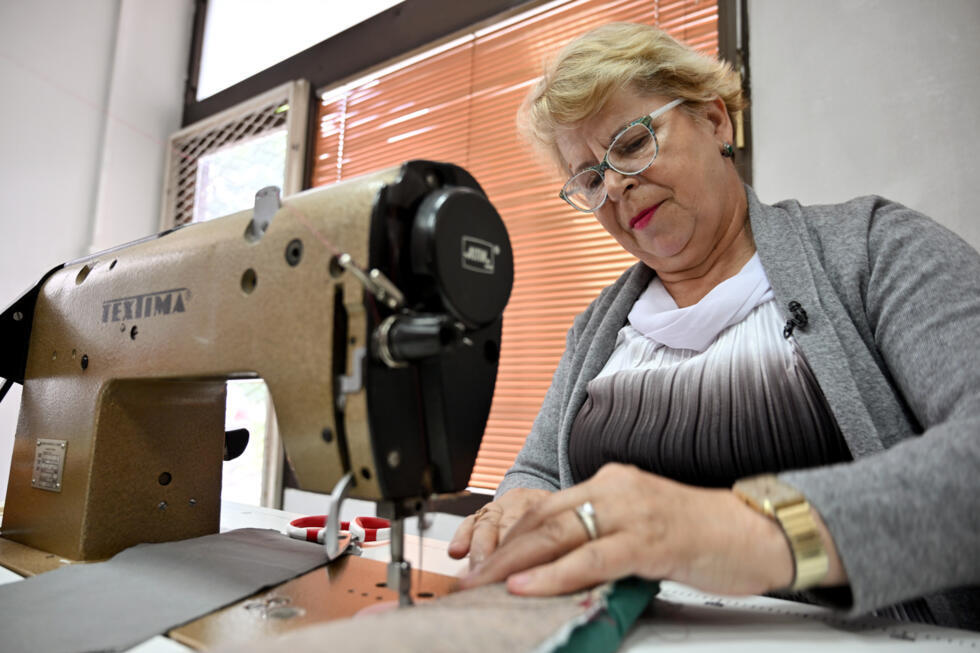
Stitching her life back together: Zehra Murguz © ELVIS BARUKCIC / AFP

"If I don't speak, it will be as if the crime never happened," she told herself. He was still living in Foca and "wasn't hiding", she said.

He was arrested and tried in the local court in 2012.

Going there was "like going back to 1992", to the "agony" of that time, Murguz recalled. "I came face to face with him, we looked each other in the eye, and justice won out," she said.

The man was jailed for 14 years, a "light sentence", said Murguz "for the murder of three people and a rape".

But the conviction at last "stamped him with his true identity -- war criminal", she told AFP from a sewing workshop in Sarajevo run by the Victims of the War Foca 1992-1995 group.

Around her other survivors wove fabric together, a form of collective therapy.

"To this day, only 18 verdicts have been delivered for crimes of sexual violence committed in Foca," said the group's president, Midheta Kaloper, 52.

"Three trials are ongoing. A lot of time has passed, and witnesses are exhausted."

She herself was a victim of "an unspeakable, inexplicable crime" in Gorazde, the "worst torture a girl can endure", she said.

She still hopes the suspect will be tried in Bosnia, not in Serbia where he now lives.
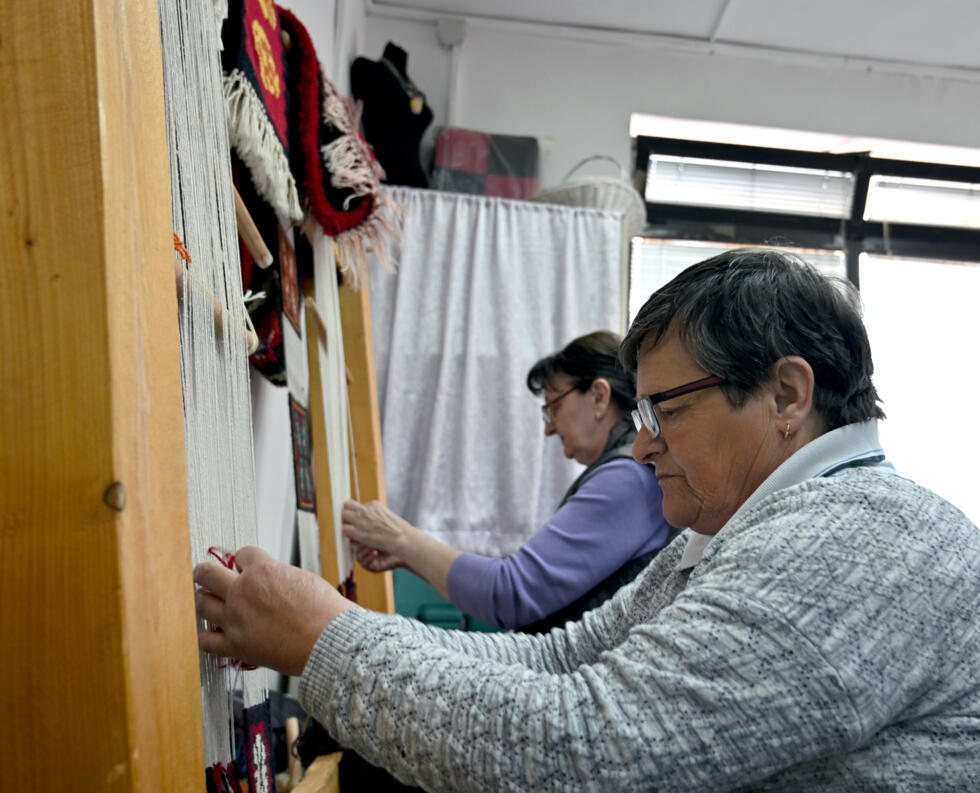
Bosnian rape survivors weave together in a therapy centre in Sarajevo 
© ELVIS BARUKCIC / AFP

But Kaloper warned that things have "stagnated" over the last five years, with 258 cases involving 2,046 suspects still needing to be judged, according to figures from the High Council of Magistrates.

Bosnian judges had tried 773 war crime cases by the end of last year -- over a quarter involving sexual violence -- according to the OSCE monitoring mission.

It said there had been "significant delays" in hundreds of others where the suspects have yet to be identified.

"What kills us most is the excessive length of these proceedings," said Kaloper.
'Timebomb'

"We have been fighting for 30 years, and our only real success has been obtaining the law on civilian war victims," under which survivors can be given a pension worth about $400 a month, she said.

However, the law only covers the Muslim-Croat half of Bosnia and those living there, and not those living in the self-governing Serb Republika Srpska (RS) and the small mixed Brcko District in the northeast, which have different judicial systems.
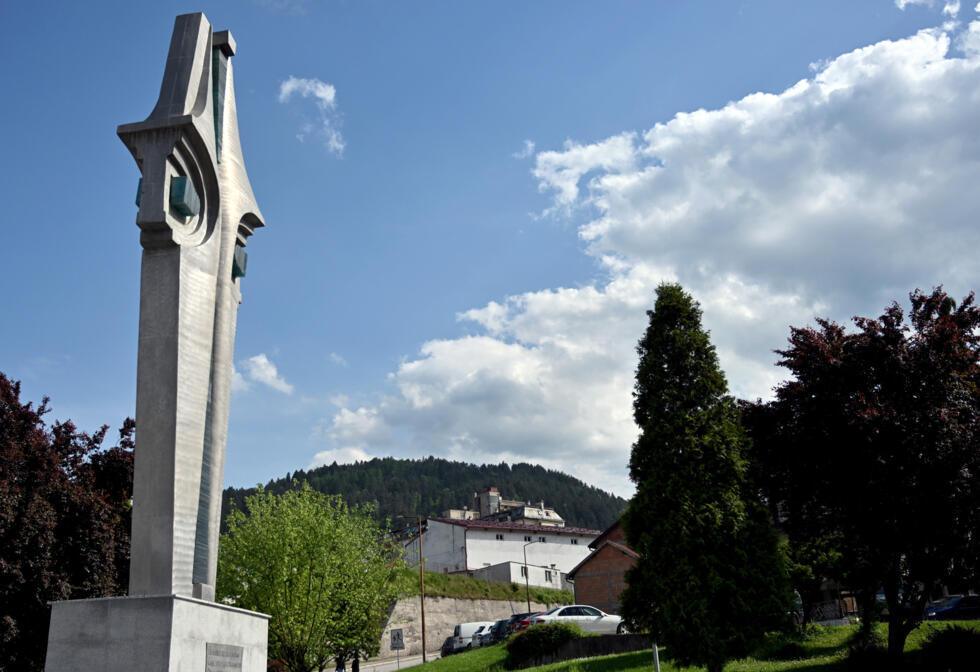
Glorifying guilty men: a monument to Bosnian Serb fighters in Foca © ELVIS BARUKCIC / AFP

Around 1,000 survivors have obtained war victim status in the Muslim-Croat federation and some 100 more in the RS and Brcko, said Ajna Mahmic, of the Swiss legal NGO Trial International.

Rape, she said, still carries a particular stigma. "Unfortunately, as a society we still put the blame and shame on the victims rather than the perpetrators.

"Many of the survivors do not feel secure," Mahmic told AFP. "Some of the perpetrators are still living freely and some are working in public institutions," some in positions of authority.

Not to mention the continued glorification "of war criminals (in the Balkans) and the minimisation of the suffering we have endured", Kaloper added.

Nearly half of ongoing cases are held up because the accused are abroad, an OSCE report said in January.

Another "worrying trend is the widespread failure of courts to grant victims compensation" in criminal cases, the OSCE added.

While witnesses could testify anonymously in The Hague, there is nothing to protect their identity in civil compensation proceedings in Bosnia.
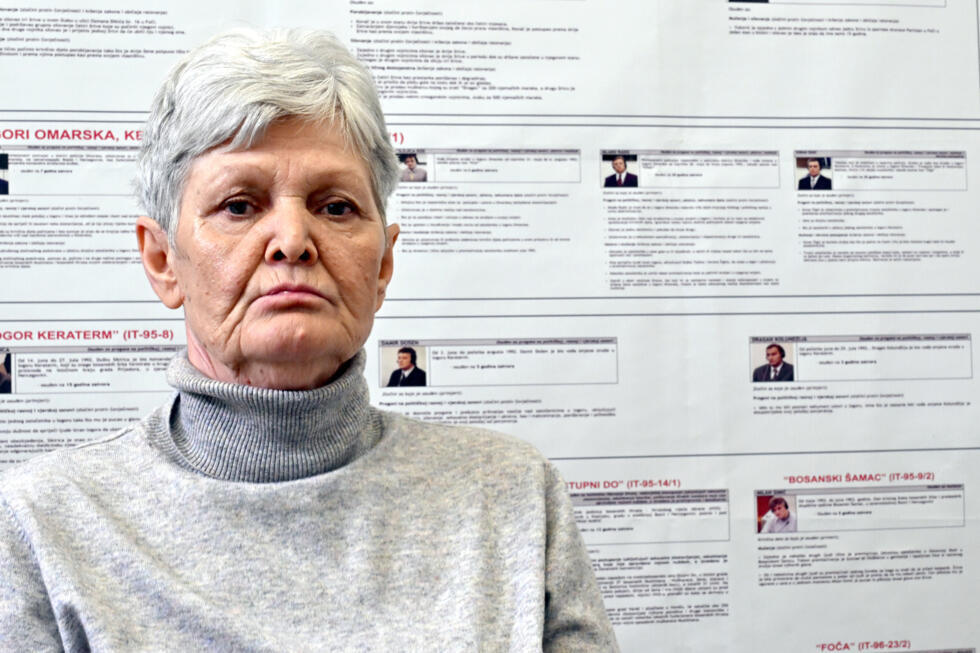
Bakira Hasecic: 'Even today it is very difficult for victims to speak' © ELVIS BARUKCIC / AFP

"Even today it is very difficult for victims to speak," said Bakira Hasecic, 71, head of the Women Victims of War group, and they keep the "weight of this tragedy in their hearts".

Many follow what their former torturers are up to on social networks.

It is an emotional "timebomb that can explode at any moment and drives some to call us", she said.

Though over 30 years have passed, 15 more victims stepped forward needing to talk in the last few months alone, Hasecic said.

© 2025 AFP


How Do Japan’s Electronics Giants Develop The Elderly Care Industry? – Analysis

Nursing Home People Old Love Care Seniors Health


By 

By Xia Ri


As a major global challenge, population aging is an imminent reality that many countries need to confront. Currently, Japan has the highest aging rate in the world. As of 2024, 29.3% of its population is aged 65 and over, 16.8% are 75 and over, and 10.4% are 80 and over. Due to the large scale and promising prospects of the elderly care industry, many major Japanese companies are actively entering the field. Among them, electronics giants Sony and Panasonic have leveraged their respective business areas and technological strengths to develop uniquely distinctive models for the elderly care industry.

In 2014, Sony established Sony Lifecare as an independently operated entity under Sony Financial Group, focusing on the elderly care sector. Subsequently, Sony accelerated its expansion through acquisitions. In 2017, it acquired a professional elderly care company that operated 28 nursing homes, quickly gaining operational experience and expanding its facility network. This marked the shift of the company from “trial-and-error at individual sites” to “chain-based operations”. By 2020, Sony had opened several high-end nursing homes in Tokyo and surrounding areas, with individual facilities reaching up to 66 rooms, such as the project in Saitama Prefecture.

Compared to Sony, Panasonic entered the elderly care industry much earlier and has been deeply involved for many years. In 1998, Panasonic established a subsidiary called Panasonic Age Free Services. In 2016, it was renamed Panasonic Age-Free Co., Ltd., marking the beginning of efforts to build a large-scale service network. By 2020, Panasonic had established 66 senior housing and nursing home facilities, 184 care service centers, 124 caregiving shops, and completed 29,000 home modifications for aging in place, creating a nationwide elderly care service network across Japan.

What then, are the common characteristics of these two electronics giants in developing the elderly care industry? According to analysis and summaries by researchers at ANBOUND, they can be mainly categorized into three key aspects.

First, both companies focus on high-end services. Unlike public elderly care, which is more inclusive and universal, these two electronics giants, despite differing in their specific approaches, primarily target the high-end elderly care market, offering highly standardized services. For example, Panasonic Age-Free operates a high-end nursing home in the suburbs of Tokyo, featuring 36 rooms, each measuring between 18 and 25 square meters. The facility accommodates both single individuals and couples. Some rooms are equipped with kitchens and private bathrooms, while the building also includes shared bathing facilities. Personalized nursing care and meal services are also provided.


However, the cost of living in these facilities is quite high. For example, at Panasonic’s high-end nursing home, even the smallest single room requires an initial payment of several hundred thousand yen, with monthly fees ranging from approximately JPY 240,000 to JPY 280,000. Additional services such as cleaning and laundry incur extra charges. Sony follows a similar model. At its nursing home in Saitama Prefecture, the monthly fee for a single room is about JPY 400,000, while a double room costs up to JPY 760,000. These facilities are targeted at Japan’s high-income retired population and are equipped with caregivers, physical therapists, personalized meal services, and dedicated activity spaces such as mahjong rooms and calligraphy areas.

Second, both companies leverage their own strengths to carry out elderly-friendly modifications. The two electronics giants actively incorporate their products and technologies into age-care settings, adapting them for aging populations and thereby unlocking new markets and enhancing the value of their offerings. For example, Panasonic takes into account the specific needs of seniors in all aspects, from overall spatial design to the smallest product details. Cabinet countertops are extended beyond the standard depth to make them more accessible for wheelchair users. Handrails are made of wood for a more comfortable touch, and their installation angles are carefully designed for each type of space. Walls and floors are made of non-slip, eco-friendly materials that can be quickly installed for localized renovations.

In addition, Panasonic has developed a range of elderly-friendly products, including smart toilets, foldable shower chairs, and electric adjustable beds. One example is the smart electric bed model PN-CG51M, which features back-lifting pressure-relief technology and a waterproof, non-slip surface. This design helps reduce pressure on internal organs and enhances comfort for bedridden users. Another product, the straight cane PN-GY04A(B/K) from Panasonic’s health and wellness line, features a non-slip base and soft rubber materials to improve walking safety. Sony, on the other hand, is working to adapt all of its products to be accessible and user-friendly for both the elderly and people with disabilities.

In 2023, Sony announced that by fiscal year 2025, it aims to make, in principle, all of its products and services accessible to these communities, improving overall ease of use. Additionally, Sony has incorporated specific considerations into its product quality standards, such as including text labels on the four color-coded buttons of remote controls to assist users who have difficulty distinguishing colors. By 2025, nearly all major product categories, including TVs, audio systems, cameras, and smartphones, are expected to comply with such accessibility standards. The number of supported product types is projected to reach several hundred, excluding small accessories.

Both Sony and Panasonic are leveraging their strengths in digital technology to provide smart elderly care services, enhancing safety and quality of life for seniors. Sony, for instance, has introduced intelligent health monitoring systems in its nursing homes, using smart mattresses or ceiling sensors to track heart rate, breathing, and activity in real time, generating health reports and issuing automatic alerts when abnormalities are detected. It also offers remote medical services, enabling video consultations and automatic measurement of blood pressure and blood glucose, with data sent directly to medical centers. Additionally, IoT-based safety measures, such as sensors embedded in shoes or bags to track dementia patients’ locations, and smart clothing like the Hamon line, which monitors vital signs and sends emergency alerts, further ensure comprehensive, tech-enabled care.

By comparison, Panasonic takes a slightly different approach. In its master bedrooms, Panasonic installs a deep-sleep and refreshed-wake system that uses smart monitoring to create an optimal sleep environment. Sensors analyze heart rate, breathing patterns, and sleep stages to provide personalized adjustments for better rest. In terms of safety, a 3D body posture sensor predicts fall risks, a smart electricity system ensures safe power usage, and location-tracking name tags monitor seniors’ movements. Finally, to enhance daily convenience, Panasonic offers a smart mirror with intercom and entertainment functions, as well as smart terminals that integrate medical, social, and other services to improve overall quality of life.

All in all, Japan’s leading electronics companies have responded to the country’s severe population aging by proactively entering the elderly care industry and developing their own distinctive models. This is reflected in three main aspects: first, targeting the high-end market to achieve differentiated positioning; second, leveraging their core strengths to carry out age-friendly adaptations; and third, harnessing digital technologies to deliver smart, tech-enabled care services.

Currently, China faces the same aging population challenges as Japan, arguably even more severe. On one hand, China’s aging population is characterized by its large scale, fast pace, and the reality of aging occurring before reaching economic prosperity. On the other hand, the country’s manufacturing sector is grappling with intense internal competition and external trade barriers amid an unfavorable macroeconomic environment. In this context, Chinese manufacturing companies should consider the realities of domestic aging and actively learn from the models developed by Japan’s electronics giants in the elderly care industry. By adapting and innovating based on these approaches, they can create elderly care models with distinct Chinese characteristics, unlock new market potential for their products, and drive new revenue growth for their businesses.

Final analysis conclusion:

As the country with the highest aging rate in the world, Japan’s leading electronics companies have proactively entered the elderly care industry, developing their own distinctive models. These models are mainly reflected in three areas: first, focusing on high-end services to achieve differentiated market positioning; second, leveraging company-specific strengths to carry out age-friendly adaptations; and third, accelerating digital empowerment to provide smart care solutions. Chinese manufacturing enterprises can adapt these approaches, taking into account the country’s specific demographic realities, and provide better services for the elderly population.

  • Xia Ri is an Industry Researcher at ANBOUND, an independent think tank.


Anbound
Anbound Consulting (Anbound) is an independent Think Tank with the headquarter based in Beijing. Established in 1993, Anbound specializes in public policy research, and enjoys a professional reputation in the areas of strategic forecasting, policy solutions and risk analysis. Anbound's research findings are widely recognized and create a deep interest within public media, academics and experts who are also providing consulting service to the State Council of China.


Pensioner poverty in Europe: Which countries have the highest rates?

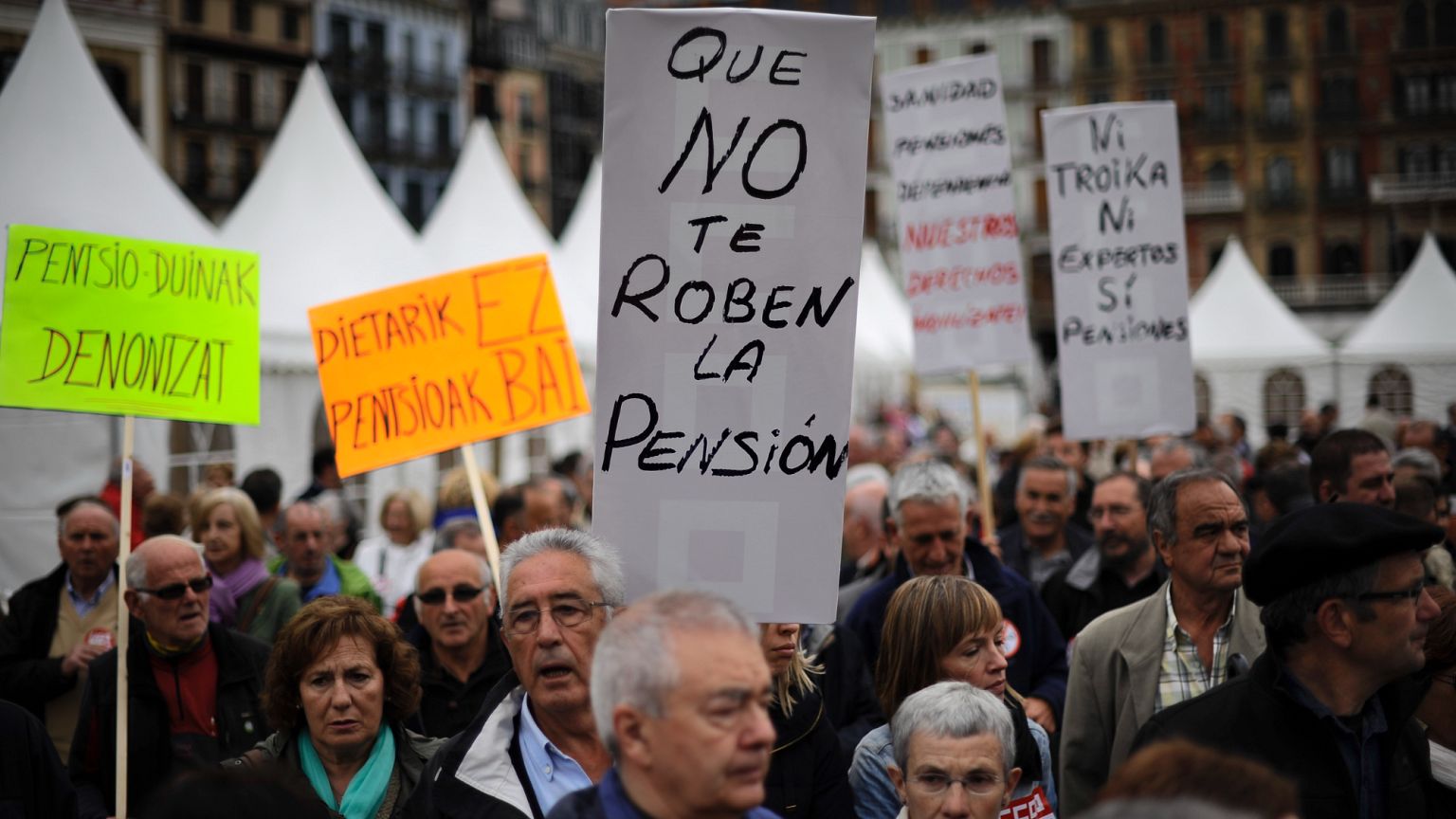
Pensioners holding a banner saying, ''Do not be stealing our pension'' in Spain in 2013.
Copyright AP Photo

By Servet Yanatma
Published on 

Pensioners tend to face greater financial difficulty in Eastern Europe, while poverty rates are generally lower in Nordic and Western European countries. Switzerland and the UK are outliers here, showing comparatively high levels of pensioner poverty.

In most European countries, the average income of people over 65 is lower than that of the total population, according to the OECD. In several cases, elderly incomes fall below 80% of the national average, contributing to significantly high poverty rates among pensioners.

So, how do these levels of financial precarity vary across Europe? In which countries do pensioners face the highest levels of poverty? And how does elderly income compare to the national average?

Income poverty rates measure the proportion of people at the lower end of the income distribution scale. Specifically, the poverty rate refers to the share of the population whose income falls below the poverty line. According to the OECD, this is defined as 50% of the median household income of the total population.

For example, in 2022, the median disposable household income in France — adjusted for household size — was €26,410. This means the poverty line stood at €13,205.

In 2022, the pensioner poverty rate across 30 European countries ranged from 3.1% in Iceland to 37.4% in Estonia, measuring the share of people over 65 with incomes below half of the median household disposable income.

Eastern vs Northern Europe

Pensioners tend to be more financially vulnerable in Eastern Europe, particularly in the Baltic states and several post-communist countries.

Following Estonia, the highest pensioner poverty rates were recorded in Latvia (33%), Croatia (28.5%), and Lithuania (24.6%).

Pensioner poverty rates tend to be lower in Western and Northern Europe. Iceland (3.1%), Norway (4.1%), Denmark (4.3%) and Finland (5.5%) have some of the lowest rates. These countries benefit from strong welfare systems and universal pension schemes.

However, Switzerland (19.8%) and the UK (14.9%) stand out with relatively high pensioner poverty rates.

Among Europe’s five largest economies, the UK has the highest rate, followed closely by Germany (14.1%) and Spain (13.1%). 

Italy performs slightly better at 12%, while France stands out with the lowest rate by far — at just 6%.

In general, the female pensioner poverty rates are much higher than those for men, partly due to higher life expectancies.

Key factors behind pensioner poverty

“Low pension payments are the main contributing factor to pensioner poverty,” Andrew Reilly, pension analyst at the OECD, told Euronews Business. 

“Even with relatively long working careers, pensions are low in Estonia, Japan, Korea, Latvia and Lithuania.”

Reilly noted that these countries have some of the highest rates of pensioner poverty.

“In the Baltic states, the high poverty rates are the result of low earnings-related pensions and relatively low safety-net benefits,” he added.

The strength of first-tier pensions — also known as state pensions — can lower poverty rates amongst older citizens by providing a guaranteed minimum income.

“Those countries that have large safety-net benefits for pensioners, whether targeted only to the poorest or universally paid to all, tend to have lower levels of poverty amongst the older age groups compared to the overall population figures e.g. Denmark, Iceland, and Norway,”  Reilly said. He added that Latvia and Lithuania have low levels of safety-net benefits.

Elderly income compared to the national average

The average income for people over 65, when considered as a percentage of the total population's average income, varies significantly across Europe.

In 2022, it ranged from 66.3% in Estonia to 107% in Luxembourg. This means that in Estonia, older adults received just two-thirds of the national average income.

Among 29 countries, the income ratio for people over 65 falls below 80% in several cases. These include Lithuania (66.5%), Latvia (71.4%), Croatia (73.4%), Belgium (76.2%), Czechia (76.7%), Bulgaria (77.2%), and Switzerland (79.4%).

At the top of the list, Luxembourg leads with 107%, followed by Italy (98.8%), Portugal (97.1%), and Spain (96.7%).

Among Europe’s largest economies, Italy and Spain have the highest elderly income ratios, closely followed by France at 94.3%. The UK stands lower at 82.1%. Despite Germany’s high pensioner poverty rate, the elderly income ratio there still reaches 90%.

For example, in 2022, the mean disposable household income in France — adjusted for household size — was €30,500. People over 65 received an average of €28,750.

This ratio can fluctuate significantly from year to year in some countries. For example, in Turkey, it was 97.3% in 2019. It then rose to 103% in 2020, and it dropped to 84.5% by 2022.

Purchasing power

On the other hand, the OECD’s Pensions at a Glance 2023 report notes that “these numbers are based on income data, and the considerable country differences in wealth (housing or otherwise) held by older people may not be reflected in income poverty rates”.

In other words, both the amount of pension income and its purchasing power should be considered when assessing which countries offer the best conditions for retirement.

EU targets Trump's 'Big Beautiful Bill' over tax provision in tariff talks

The EU has put on the table of the tariffs negotiation with the US a provision of the US budget bill targeting foreign investments to the US.
Copyright J. Scott Applewhite/Copyright 2025 The AP. All rights reserved

By Peggy Corlin
Published on 

The US budget bill could impose a tax of up to 20% on US-sourced income received by foreign investors. The provision of the bill, which has raised concerns within the EU, is currently part of the ongoing negotiations on tariffs, according to EU lawmaker Markus Ferber.

The EU is wrangling over a provision of Donald Trump's so-called "Big Beautiful Bill" for the US budget that could see European companies taxed higher than others in retaliation for certain taxes imposed on US enterprises overseas, the vice-chair of the European Parliament’s tax subcommittee has told Euronews.

The German European People's Party MEP Markus Ferber said the European Commission has raised the proposed legislation—already approved by the House of Representatives—in ongoing tariff negotiations with the Trump administration.

“We are concerned because within this ‘One Big Beautiful Bill’ there are special taxes aimed at jurisdictions that impose taxes on the US,” Ferber told Euronews.

He added that jurisdictions like the EU, which have already implemented the OECD agreement establishing a global minimum tax of 15% on multinationals, are directly targeted.

“It could also affect member states that have introduced a digital services tax,” he noted.

The OECD agreement, approved by 140 countries - though as yet unratified by the US - introduced a global minimum tax of 15% on the profits of multinational companies, regardless of where those profits are declared, with effect from 1 January 2024. The EU has transposed the agreement into law and applies it to multinationals operating within the Union, to the ire of the Trump administration.

Meanwhile countries such as Denmark, Portugal and Poland have implemented digital services taxes targeting US tech giants, while others are in the process of creating one.

The US is now looking to retaliate against taxes it deems unfair through a provision of the "Big Beautiful Bill” which would hit foreign investors with a bump in US income tax by five percent points each year, potentially taking the rate up to 20%, in addition to existing taxes.

The Commission is concerned, officials said.

According to Ferber, the EU executive has put this provision of the US budget bill on the negotiating table. “But we are not sure yet that the US agreed to put it in the basket,” the MEP said.

For several weeks, the EU and the US have been discussing a resolution to the trade dispute that has been ongoing since mid-March.

The US impose 50% tariffs on EU steel and aluminium, 25% on cars and 10% on all EU imports.

For its part, the EU has prepared countermeasures targeting around €115 billion worth of US products. These measures are either suspended until July or still awaiting approval by EU member states.

Volvo Cars CEO: dual tech for China and the West is new trade reality

Copyright AP/Virginia Mayo

By Eleanor Butler
Published on 

Tech restrictions and tariffs show “we’re going into a more regional world” said the head of the Swedish automaker.

Volvo Cars will develop different technologies for products offered to Chinese and Western customers as trade becomes more fragmented, said CEO Håkan Samuelsson on Monday. 

“It's our target now to have two versions of software and silicon components, the computer in the car,” he told Euronews at the EVS38 symposium in Gothenburg, Sweden.

“We need to have a Western version and a Chinese version. That’s something we just need to live with and adapt to.”

Volvo Cars has been headquartered in Gothenburg since its creation in 1927, although the firm has been majority owned by China’s Geely Holding Group since 2010.

If efforts weren't made to tailor products to different markets, the firm's Chinese R&D could complicate exports to the US, especially as Washington seeks to distance itself from Chinese tech.

In January, the Biden administration finalised a rule banning smart cars from China and Russia over concerns linked to potential US data leaks. Some feared that these cars could also be used by foreign states to interfere with the US electric grid or other critical infrastructure.

“We don't see any risk … that we will be using Chinese technology in the US. That will not happen,” said Samuelsson.

A focus on China and the US

In this year’s first quarter earnings report, Volvo Cars reported a drop in profits, which it partly blamed on the “current turbulence in the broader world economy”.

New US tariffs of 25% on foreign cars and car parts are notably causing a headache for the firm, dampening consumer appetite as well as raising import costs.

In the report, Volvo Cars announced an action plan to improve profitability, “focusing on the US and China markets, as priorities”.

Samuelsson told Euronews on Monday that he wanted to change the firm’s approach to the Chinese market, tailoring it to local demands.

“We need to listen more to the local people in the region and adapt to local habits and tastes — and perhaps also have some special cars for the Chinese market,” he said.

Samuelsson pointed to the new XC70, an extended-range plug-in hybrid recently launched in China, aimed at pulling market share away from competitors like BYD.

Volvo Cars’ retail sales decreased by 12% year-on-year in China in the first quarter, with electric vehicles and plug-in hybrids accounting for 10% of this total.

In the US, Volvo Cars’ sales jumped by 8% — potentially linked to tariff frontloading — with electric vehicles and plug-in hybrids making up 28% of that total.

Tech restrictions in Europe

Although the firm has signalled a desire to focus more on US and Chinese customers, Volvo Cars still relies heavily on the European market. The region represented nearly half of its total sales for 2024, as well as the same proportion of sales in Q1 2025.

When it comes to manufacturing these vehicles, some are made on Belgian and Swedish sites, while others are made in China and shipped to Europe.

This means that — on certain vehicles — Volvo is exposed to EU duties, introduced last year in response to alleged unfair subsidies from Beijing. 

“Tariffs are not going to help the European industry to be more competitive long-term,”  said Samuelsson.

“We should have an attitude of free trade and free competition…but realistically that will not happen. I think we're going into a more regional world.”

A recent action plan published by the European Commission suggested that Chinese carmakers operating in the EU may be obliged to enter joint ventures with European companies or license parts of their technology.

Asked how Volvo Cars would be affected given its ties with Geely, Samuelsson suggested the firm would be untouched, underlining that a significant amount of development is still happening in Europe.

“I don't see any problems with the Chinese technology in our cars in this respect…the software products in the car are to a large extent adapted and developed by Volvo,” he said.

Temperatures in Spain set to soar past 40C this week. Is climate change to blame?


Copyright AP Photo/Paul White

By Euronews Green
Published on 17/06/2025 -

With heatwaves on the horizon after a record-breaking May, here's how to keep yourself and others safe.


Spain is preparing for an unusually warm summer, hot on the heels of a record-breaking May.

In an update on Friday, national weather agency AEMET said there is a 60 per cent chance the country will be hotter than average from June through to August.

It follows searing temperatures at the end of last month, when the mercury climbed to 40.7C at the airports of Córdoba and Seville, and 37.5C in Zaragoza. Temperatures on 30 May averaged 24.08C - the highest reading for May since records began in 1950.

There is no doubt, as the Intergovernmental Panel on Climate Change (IPCC) has warned before, that “human-caused greenhouse gas emissions have led to an increased frequency and intensity of temperature extremes”.

The last three summers have been Spain’s hottest on record - and summer 2025 looks set to continue that trend.

Related


Where will be the hottest in Spain this summer?

The likelihood of a warmer than usual summer rises to 70 per cent along Spain’s Mediterranean coast and the Balearic and Canary Islands.

The eastern coast - including Barcelona, Valencia, and the Balearics - is expected to experience frequent “tropical nights”, with temperatures failing to drop below 20C, and many consecutive days above 35C.

The summer forecast comes as AEMET issued orange‑level warnings for heat for today (17 June) in Córdoba and Seville countryside - where temperatures could hit 41C - and Vegas del Guadiana in Extremadura.

After a very rainy spring, there is no clear trend for rainfall this summer, the agency adds, though the usual pattern is long dry periods occasionally interrupted by storms.

To help people prepare for its increasingly hot summers, last year Spain’s Ministry of Health released a new map with more detailed heat alerts. It breaks the country down from 52 provincial areas into 182 meteosalud (or metro health) zones, providing a colour-based warning system for each.

The hyper-local heat alerts range from Green or no risk through to Red or high risk to health and life. Alongside a colour, these alerts come with information about sun exposure, hydration and symptoms of heat-related illness. There is even an English language version of the official heat alert website, to help alert tourists, students and newly arrived residents to the risk.

This year, Spain’s annual heat plan supplements the new meteosalud areas with a guide advising different administrations, health professionals and citizens when intense heat strikes. It follows a study from the Carlos III Health Institute, which determined the threshold for heatwaves in these different areas, taking into account variables like heat-related deaths.


How is climate change turning up heatwaves?

Every heatwave in the world is now made stronger and more likely to happen because of human-caused climate change, World Weather Attribution (WWA) states.

This is borne out by numerous previous analyses - including one that found extreme heat felt in Spain and Portugal in April 2023 would have been almost impossible without human-caused climate change.

2024 was the warmest year on record and the first calendar year where the global temperature exceeded 1.5°C above pre-industrial levels. Carbon dioxide is the biggest contributor to global warming; its concentration in the atmosphere exceeded 430 parts per million (ppm) last month.

As average temperatures rise, the amount of weather at the ‘extremely hot’ end of the spectrum increases, making extreme heat events more frequent, longer, and more intense.
RelatedGlobal temperatures likely to exceed 1.5C limit over the next five years, WMO warns

How to stay safe during a heatwave in Spain

“Extreme heat is a silent killer, affecting people's health, social, environmental, and economic well-being, particularly women and vulnerable communities,” says Kathy Baughman Mcleod, CEO at Climate Resilience for All (CRA).

The women-led climate adaptation NGO shares five points to help people in Spain, Europe and beyond prepare for upcoming brutal heatwaves.

1. Know the signs of heat illness - for yourself and others

Recognise early symptoms like dizziness, headache, nausea, rapid heartbeat, and confusion. Heatstroke is a medical emergency. Watch closely for these in vulnerable groups:

Pregnant women may experience worsened dehydration and risk to the baby.
Low-income workers, especially outdoors, may ignore symptoms for fear of losing pay.
Older adults and children may not feel thirst or express discomfort clearly.
Co-workers can look fine in one moment, then collapse in the next. Learn to act fast.

2. Use trusted heat early warning systems

Download and follow AEMET for real-time, science-based heat alerts via app, SMS, or website. AEMET issues heatwave warnings by region, severity, and duration - use it to plan your day and check in on others.

3. Everyone's at risk now - even the fit and healthy

With rising temperatures, even healthy adults are suffering from heat exhaustion and heatstroke, especially during physical activity or prolonged exposure.

Don't assume you're immune. Hydrate constantly, rest in the shade or air conditioning and schedule demanding tasks for early morning.

4. Take action to protect your home and communityClose blinds and shutters during the day.
Use fans or create cross-ventilation in the evenings.
Check on neighbours, especially those living alone.
Advocate for cooling shelters, shaded workspaces, and water access points in your area.

5. Don't underestimate nighttime heat

When nighttime temperatures stay above 25C, the body can't recover from the day's stress. Poor sleep increases heart risk, reduces productivity, and worsens mental health.Use cool showers, damp sheets, or ice packs before bed.
Create a communal "cool room" with fans or AC if electricity is limited.
Let employers and schools know that heat affects performance and health - even when the sun goes down.
Portugese landowners face fines as wildfire inspections begin


Copyright Copyright 2019 The Associated Press. All rights reserved.

By Sertac Aktan with EBU
Published on 17/06/2025


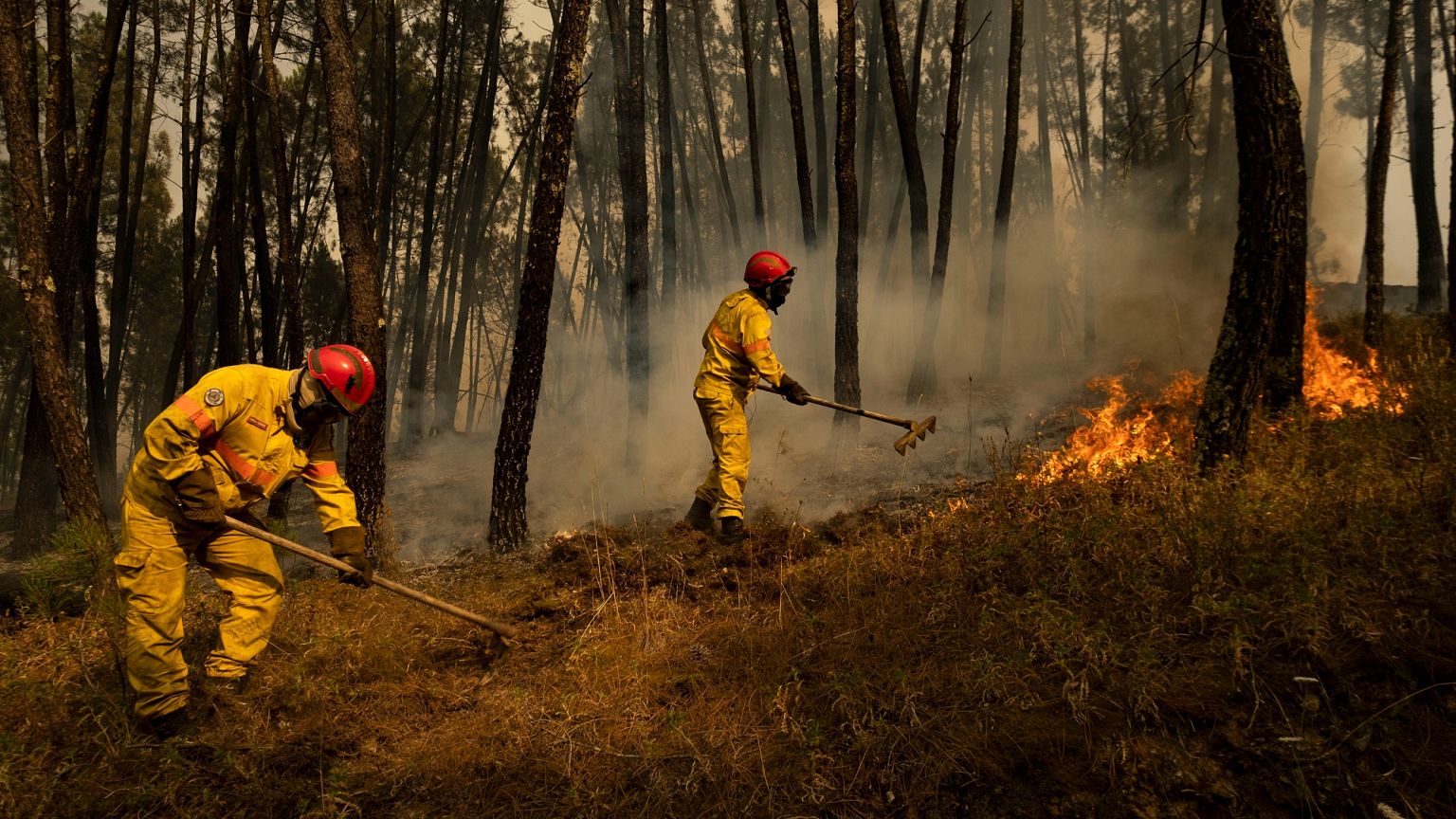
Portuguese landowners have been asked to clear any undergrowth on their properties in order to reduce the risk of wildfires. Those who fail to do so now face fines of up to €5,000.

Portugal's police force, the National Republican Guard (GNR), began nationwide inspections on Monday after the deadline passed for mandatory land clearing intended to prevent wildfires.

Landowners had until Sunday to clear undergrowth near properties, a deadline that was previously extended due to rainy weather. On the ground, GNR officers explained the specific regulations to property owners.

An officer from the GNR's Environmental Protection Unit in Coruche, Felizardo, pointed out an infraction: "In this case, the grass is a bit taller than the prescribed limits, and therefore, fuel management should have been carried out within 50 metres around your building to comply with the established regulations."For some landowners, the wet weather that led to the extension created its own problems. A landowner was asked if she knew she had to clear the land.

"Yes, we do know, but sometimes things don't happen the way we want. It rained a lot. My son was supposed to plough the land before going to the fields, but the soil couldn't support the tractor's weight, and it got stuck, so he had to leave it like that."

Those who have failed to comply now face significant fines, which can reach up to €5,000 for individuals and €60,000 for companies. By the end of April, authorities had already identified over 10,000 potentially non-compliant properties.

Education is the focus, not punishment

Despite the threat of penalties, the GNR's commander in Coruche, Mateus, expressed that the immediate focus is on education rather than punishment.

"At this time, and despite being authorised by law to carry out inspections and issue fines, our approach is always focused on prevention," he said, adding that the ultimate objective is clear: "What we want is for the land to be cleared and for there to be fewer forest fires in 2025."

The urgency of the campaign has increased in significance due to an impending heatwave. All of the Portuguese mainland's districts are already under a yellow weather warning, with maximum temperatures forecast to fluctuate between 33 and 40 degrees Celsius over the next few days.

Coal-hooked Poland constructs first ever offshore wind farm

Copyright Baltic Power

By Méabh Mc Mahon
Published on 17/06/2025 


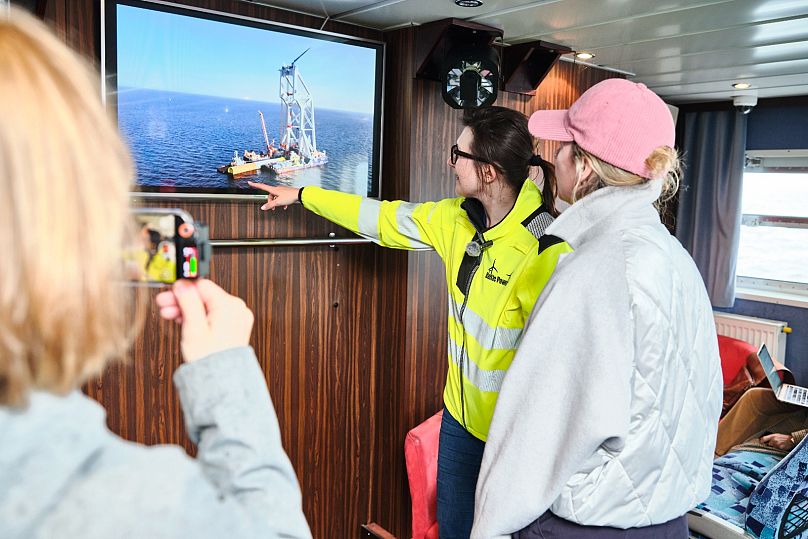
Poland, long known as one of Europe’s most coal-dependent countries, is embarking on a new journey towards clean energy. Euronews takes a boat trip through the Baltic Sea to visit the first ever offshore wind farm on Polish territory.

Once reliant on coal for the majority of its electricity, the country of 36 million that currently holds the EU rotating presidency is trying to reduce its dependence on the fossil fuel.

With many mines becoming unprofitable and old infrastructure in decline, the Polish government of Prime Minister Donald Tusk has planned a gradual closure of coal facilities in the south of the country. As the coal regions of the country come to terms with this shift, northern Poland adjacent to the Baltic Sea is booming.

Ignacy Niemczycki, the deputy minister in the Chancellery, briefed a handful of Brussels-based journalists on board the Jantar passenger ship, telling Euronews that the wind farm should have a lifecycle of up to 30 years and be a major part of the energy transition.

We don't have coal anymore and we don't want to be reliant on imports from third countries.
 Ignacy Niemczycki 
Deputy minister in the Chancellery of Polish Prime Minister Donald Tusk

“It’s in the interest of the Polish economy to invest in renewables, nuclear, and gas to stabilise the grid,” the minister told Euronews.

Baltic Power – a joint venture between ORLEN and Northland Power

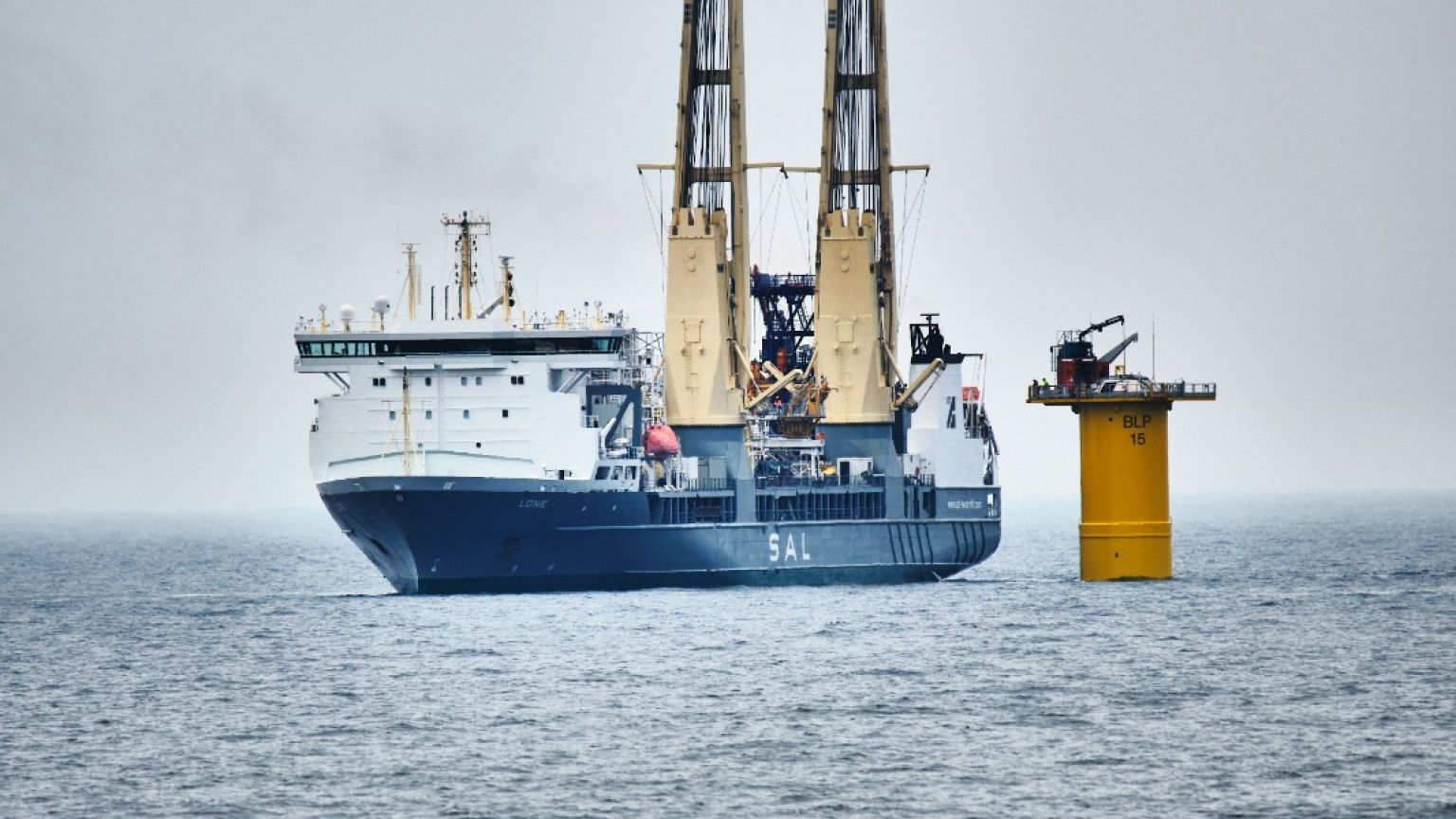
Situated 23 kilometres off the northern coast near Choczewo and Łeba, the wind farm is among the most advanced renewable energy projects in the Polish Economic Zone. The final installed capacity of the project is expected to reach 1140 MW, enough to supply electricity to approximately 1.5 million Polish households.

Méabh Mc Mahon speaking to Baltic Powers' Anita Ceglińska from Baltic Power
Méabh Mc Mahon speaking to Baltic Powers' Anita Ceglińska from Baltic PowerBaltic Power

Poland also to invest in nuclear

Renewables will only be one part of the Polish energy mix. Plans for the first ever nuclear plant, which will also be located on Poland’s northern Baltic Sea coast, were put in place under the former Law and Justice (PiS) government and have been continued by Prime Minister Donald Tusk’s current ruling coalition.

Niemczycki told Euronews that a second nuclear project is being considered and Poland is keeping a close eye on Canada as it experiments with the first ever mini nuclear plant, known as a Small Modular Reactor (SMR). SMRs could can potentially power up to 300 MW(e) per unit.

“We will see a major change in Poland’s energy mix over the next 15 years,” said Niemczycki. “Nuclear will become the new baseline, with renewables and gas providing flexibility and stability.”