Monday, May 25, 2026


Ebola outbreak threatens African economies, World Cup football plans

Ebola outbreak threatens African economies, World Cup football plans
/ bne IntelliNewsFacebook
By bne IntelliNews May 25, 2026

Health authorities across Central and East Africa are racing to contain a rapidly expanding Ebola outbreak centred in the Democratic Republic of the Congo (DRC) and Uganda, as the World Health Organization (WHO) warns that insecurity, weak health systems and the absence of an approved vaccine for the current virus strain are complicating containment efforts.

The outbreak involves the rare Bundibugyo strain of Ebola virus disease, a variant for which there is currently no approved vaccine or specific treatment. WHO on May 17 declared the outbreak a Public Health Emergency of International Concern (PHEIC), its highest global alert level.

According to the UN agency and the US Centers for Disease Control and Prevention (CDC), the outbreak was first officially confirmed in Ituri Province in northeastern DRC, near the borders with Uganda and South Sudan. Uganda later confirmed imported cases linked to cross-border transmission.

WHO Director-General Tedros Adhanom Ghebreyesus warned last week that he was concerned by the “speed and scale” of the outbreak as case numbers continue to rise.

As of late May, WHO, CDC and regional health agencies were reporting hundreds of suspected cases and well over 100 suspected deaths across affected areas in DRC and Uganda, although officials caution that figures remain fluid because surveillance and laboratory testing are still expanding.

Conflict and mistrust complicate containment

The outbreak is unfolding under particularly difficult conditions in eastern DRC, where armed conflict, population displacement and attacks on health facilities are hampering response efforts.

According to the Associated Press, angry residents in northeastern Congo last week stormed a hospital treating Ebola patients demanding the release of relatives’ bodies, while several treatment centres have been attacked in recent days amid growing mistrust toward health authorities.

“The more the outbreak spreads, the harder it becomes to control,” WHO officials warned during emergency briefings this month, while Africa CDC called for stronger regional coordination and cross-border surveillance.

The Bundibugyo strain presents additional complications because no licensed vaccine currently exists, unlike previous outbreaks involving the Zaire strain of Ebola.

WHO officials said promising vaccine candidates are under development but may not be ready for deployment for six to nine months.

“There is no vaccine available for the Bundibugyo strain currently spreading,” health officials told reporters as neighbouring countries intensified screening and preparedness measures.

Uganda has so far confirmed a limited number of cases linked to infected travellers from DRC. Authorities said aggressive contact tracing and border surveillance operations are underway to prevent wider community transmission.

Meanwhile, governments across the region have tightened health screening procedures at airports and border crossings. The US CDC has also introduced enhanced Ebola screening measures at selected international airports for travellers arriving from affected countries.

Medical groups including Médecins Sans Frontières warned that insecurity and shortages of protective equipment remain major obstacles to containing the outbreak.

“The outbreak is occurring in a challenging context,” WHO said, citing “humanitarian crisis”, insecurity and high population movement across affected regions.

Economic risks mount across affected countries

Beyond the immediate public-health emergency, economists warn the outbreak could inflict significant economic damage across affected countries if transmission accelerates further.

Previous Ebola outbreaks in West and Central Africa severely disrupted trade, tourism, mining operations and cross-border commerce as governments imposed movement restrictions and international investors delayed projects.

The World Bank estimated that the 2014-2016 West African Ebola epidemic cost Guinea, Liberia and Sierra Leone more than $2.8bn in lost economic output, while airlines, hotels and transport operators across the region suffered sharp declines in business activity.

Tourism operators in East and Central Africa are already monitoring the latest outbreak closely because of concerns that international travellers may avoid parts of the region if the crisis escalates. Airlines and border authorities have meanwhile increased health-screening procedures at several African airports.

African football calendars face disruption threat

The outbreak could also affect African football and regional sporting calendars if transmission spreads into major urban centres. During previous Ebola crises, Confederation of African Football (CAF) tournaments, World Cup qualifiers and domestic league fixtures were postponed, relocated or played behind closed doors because of health concerns and travel restrictions.

CAF and FIFA calendars over the coming months include multiple international windows that could be affected by any escalation in travel restrictions or cross-border health controls. African qualifiers for the 2026 FIFA World Cup are scheduled to continue during the September and October international windows, with decisive fixtures and playoff rounds due later in the qualification cycle.

Several African teams are scheduled to participate in high-profile 2026 FIFA World Cup fixtures beginning in June, increasing scrutiny around health protocols and cross-border travel measures.

The tournament opens on June 11 in the United States, Canada and Mexico, with African representatives including DRC, Morocco, Senegal and Nigeria national team expected to begin group-stage matches between June 12 and June 18, depending on final fixture allocations.

FIFA schedules also include African teams travelling across multiple North American host cities throughout June and July, raising logistical and health-monitoring concerns if the Ebola outbreak expands further across Central Africa.

The outbreak is already beginning to affect preparations linked to the 2026 FIFA World Cup. The DRC national team cancelled a planned pre-World Cup training camp in Kinshasa and moved preparations to Belgium because of the Ebola outbreak, according to FIFA and multiple media reports.

A FIFA spokesperson said the organisation was “aware of and monitoring the situation” and remained in “close communication” with the Congolese football federation regarding medical and security guidance.

US authorities have meanwhile imposed strict health protocols on the Congolese delegation ahead of the World Cup, which begins on June 11 in the United States, Canada and Mexico.

“We’ve been very clear to Congo that they should maintain the integrity of their bubble for 21 days,” Andrew Giuliani, executive director of the White House Task Force for the World Cup, told ESPN. “They need to maintain that bubble or they risk not being able to travel to the United States.”

According to FIFA schedules, DR Congo are due to play pre-tournament friendlies against Denmark on June 3 in Belgium and Chile on June 9 in Spain before entering the World Cup group stage later in June.

Health authorities in World Cup host cities are also preparing additional surveillance measures around the tournament. Toronto Medical Officer of Health Michelle Murti said officials were increasing infectious-disease monitoring ahead of the influx of international supporters.

“We are going to be doing extra wastewater surveillance at the games,” Murti said, while urging symptomatic supporters to avoid attending matches.

The Confederation of African Football is also preparing qualification campaigns and tournament schedules across several competitions during the second half of 2026, increasing pressure on football authorities to coordinate closely with regional health agencies over travel, crowd management and player safety protocols.

Several African football federations are reportedly reviewing contingency plans for upcoming CAF and FIFA fixtures, including the possible use of neutral venues, expanded medical screening and tighter travel protocols for players, officials and supporters travelling from affected countries.

Memories of the 2014-2016 Ebola crisis

Public-health specialists say the current outbreak is reviving memories of West Africa’s devastating 2014-2016 Ebola epidemic, which killed more than 11,000 people across Guinea, Liberia and Sierra Leone and exposed severe weaknesses in global outbreak preparedness.

However, WHO and Africa CDC stressed that the current outbreak does not meet the criteria for a pandemic and that the overall global risk remains low for now, despite elevated regional risk levels.


Philippines construction disaster leaves four dead, 17 missing

Philippines construction disaster leaves four dead, 17 missing
/ Etienne Girardet - UnsplashFacebook
By IntelliNews May 25, 2026

The death toll rose to four after a nine-storey building under construction collapsed in Angeles City, Pampanga, regional fire bureau spokeswoman Maria Leah Sajili reported on May 24, ABS-CBN News reports.

The incident highlights the perennial safety risks shadowing the Philippines’ regional construction boom, where regulatory oversight in rapidly expanding urban hubs outside Manila frequently lags behind the pace of development.

Emergency teams discovered two workers alive beneath the wreckage after the structure gave way and struck an adjacent hotel, killing a Malaysian guest, on May 24. However, both trapped labourers later died despite intensive rescue efforts.

The first worker was extracted alive but his body gave out and doctors could not resuscitate him, Sajili said. The second worker suffered cardiac arrest at approximately 3:00 am while still pinned down, preventing medical staff from treating him.

Another 17 people, mostly construction workers who were sleeping at the site when the disaster struck, remain missing. While up to 70 people were employed at the development, the majority had gone home for the weekend, preventing an even higher casualty count. The cause of the collapse is currently unknown.

"I have two cousins who are still trapped there," said construction worker Alfredo Albis, 55, who was sleeping in a barracks five metres from the structure when it collapsed. "They were working here to earn for their families and are missing. There's a possibility that my relatives are dead."

Rescue operations remain slow and dangerous. Any sudden shift triggered by rescuers can cause the debris to move and crush those trapped underneath, whilst also threatening to bury responders, Sajili noted. Consequently, this phase of the operation is being handled manually. Search teams will deploy thermal scanners to check for signs of life. If no further survivors are found, mechanical diggers and heavy equipment will be brought in to clear the debris and recover bodies.

At least four dead, 17 still missing after collapse of unfinished hotel in Philippines
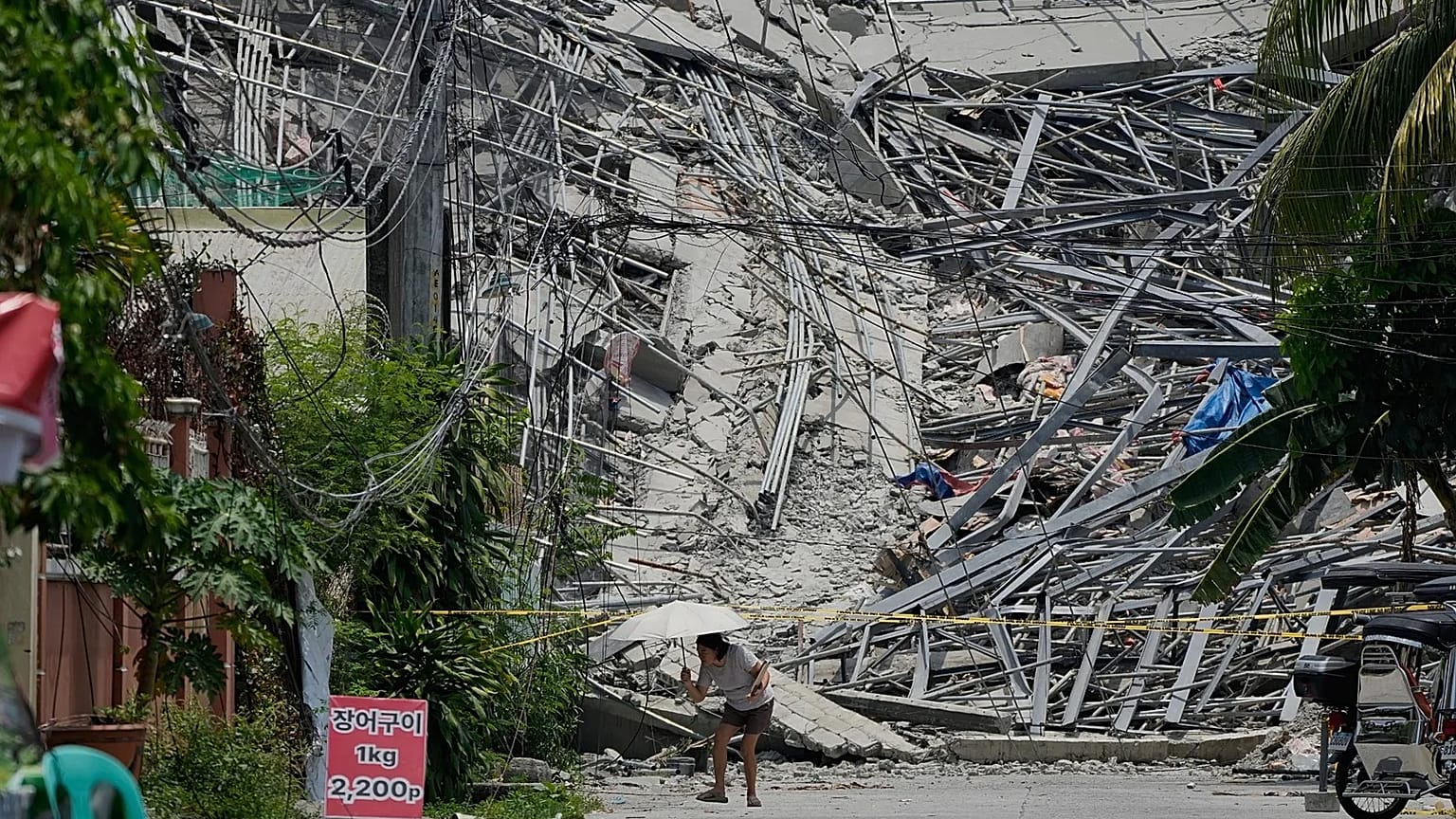
A woman walks past a collapsed building as search operations continue where multiple people are believed to be trapped in Angeles city, 25 May, 2026
Copyright AP Photo
By Gavin Blackburn
Published on

Officials said up to 70 people were employed at the construction site, though most had gone home for the weekend.

The death toll rose to four on Monday after the collapse of a hotel under construction near the Philippine capital, with more than a dozen people still believed missing, authorities said.

Two workers pinned beneath the wreckage were found alive after the nine-storey structure gave way on Sunday, hitting a nearby hotel and killing a Malaysian guest.

But two workers trapped at the site in Angeles, north of the capital Manila, died despite rescue efforts.

"The first of the two was pulled out alive, but unfortunately, his body gave out and he did not survive. Doctors could not resuscitate him," regional fire bureau spokeswoman Maria Leah Sajili told the AFP news agency.

"The other one suffered a cardiac arrest around 3:00 am. Doctors could not attend to him as he was still pinned down," she added.
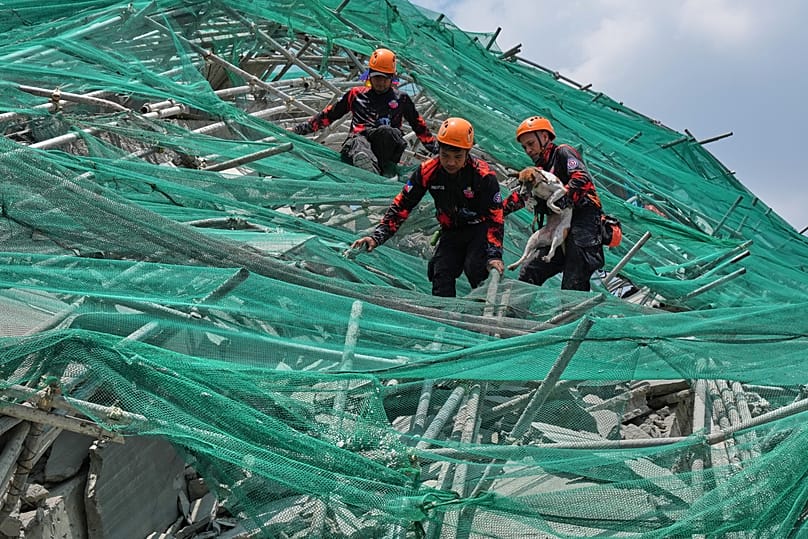
Rescuers carry a dog as they scale down toppled scaffoldings of a collapsed building in Angeles city, 25 May, 2026 AP Photo

Crews pulled another corpse from the rubble on Monday, but it was not immediately clear if the unidentified body belonged to a person listed among the missing, rescuers said in an updated toll.

Due to the uncertainty, authorities said approximately 17 other people were still considered missing, mostly construction workers who were sleeping at the building site when disaster struck.

Lea Casilao, girlfriend of a missing construction worker, told AFP she had taken a bus from her northern Manila home to Angeles with rice and canned goods on Sunday, unaware of the pre-dawn accident on the same day.

"It's very difficult, it is breaking my heart to wait for something uncertain," 47-year-old Casilao said, crying as she recounted how she slept alone at a local government building overnight Sunday.

Lacking safety gear

Stephanie Batar and her mother Noby told AFP they only learned about the accident on social media from their home in nearby Bulacan province early on Monday and have been unable to contact her 64-year-old father who had been hired only weeks earlier at the job site on a six-month contract.

"I couldn't breathe. I couldn't stand. It's very painful and we did not know what to do," the daughter said.

The cause of the collapse is not known.
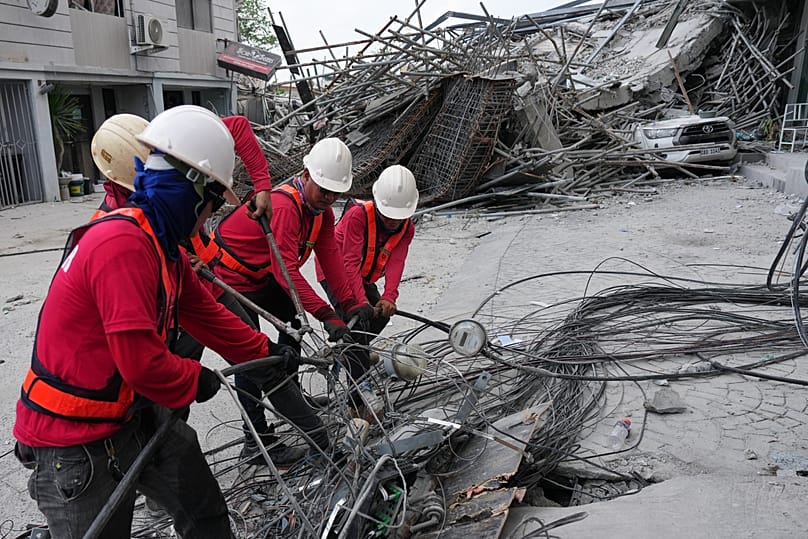
Workers cut cables during a search operation at a collapsed building where multiple people are believed to be trapped in Angeles city, 25 May, 2026 AP Photo

Regional labour department director Geraldine Panlilio said she had briefly shut the project down in September 2024 over violations of occupational safety standards.

"Our labour inspectors had monitored poor working conditions, a violation that would put our workers at risk," she said in an interview over Manila radio station DZMM.

The construction workers "lacked safety gear" like hardhats, boots, safety belts and lifelines, and worked under poor lighting and with no visible safety signages, she added.

Construction resumed a month later after the building contractor complied with requirements, Panlilio said.

Officials said up to 70 people were employed at the construction site, though most had gone home for the weekend.

Alfredo Albis, 55, told AFP he was asleep at a barracks for workers about five metres from the structure when it gave way.
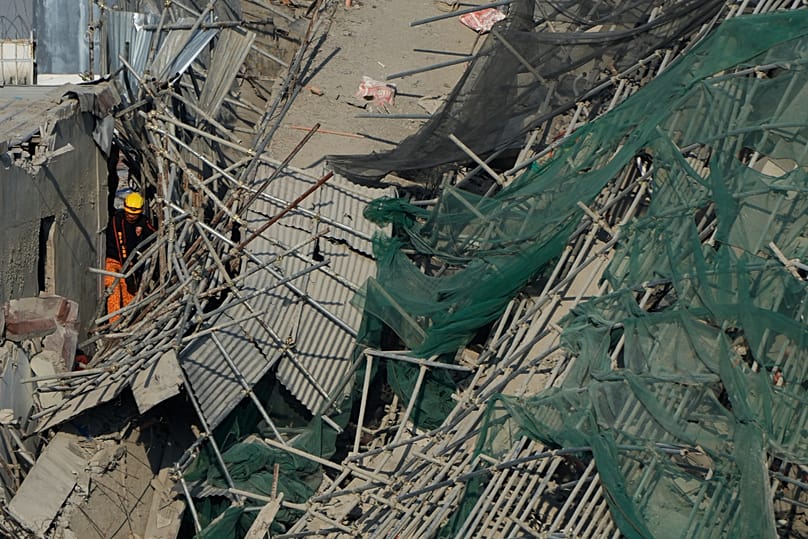
Rescuers continue search operations at a collapsed building where multiple people are believed to be trapped in Angeles city, 25 May, 2026 AP Photo

"I have two cousins who are still trapped there. They were working here to earn for their families and (they) are missing," he said, adding "there's a possibility that my relatives are dead."

Sajili, the fire bureau spokeswoman, said that "rescue in (a) building collapse is very challenging since any sudden shift triggered by the movements of our rescuers can cause areas to move and people under can get crushed."

If no more survivors are found after a search with thermal scanners, mechanical diggers and other heavy equipment will be brought in to clear debris and recover bodies, she said, but gave no timeline.


Philippine Coast Guard Helps Fight Major Fire Next to its Headquarters
Parola
Courtesy PCG

Published May 24, 2026 10:28 PM by The Maritime Executive


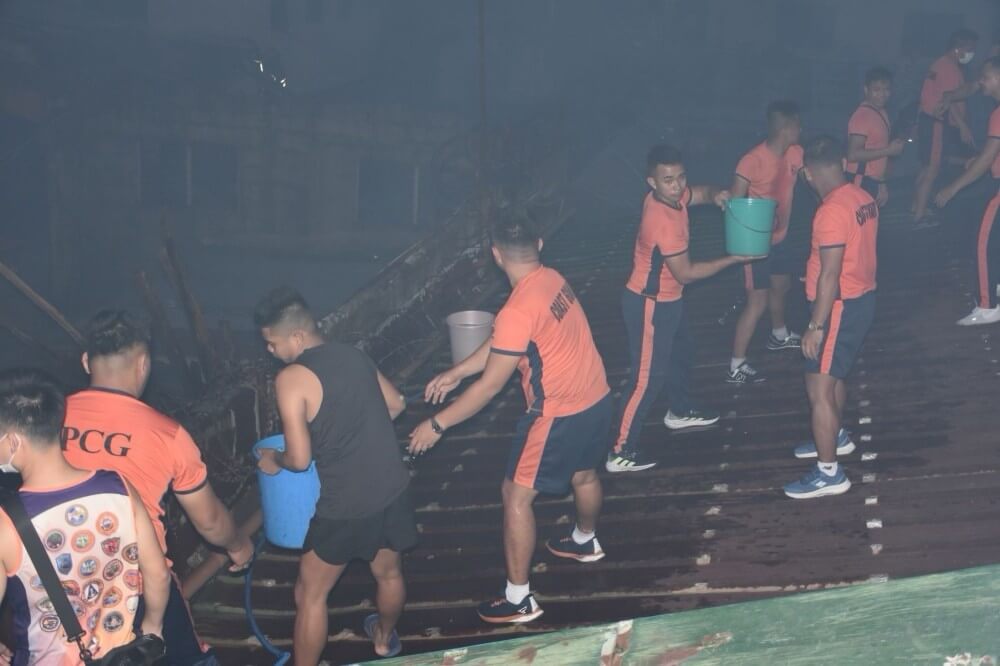
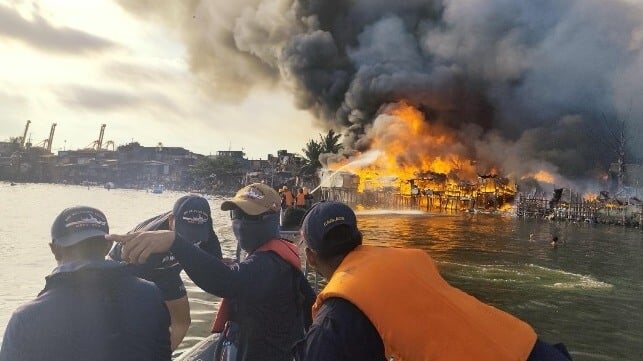
On Saturday, the Philippine Coast Guard played a part in responding to a major waterfront fire in the Tondo  district of Manila, providing support from the water side and helping administer first aid on shore. 

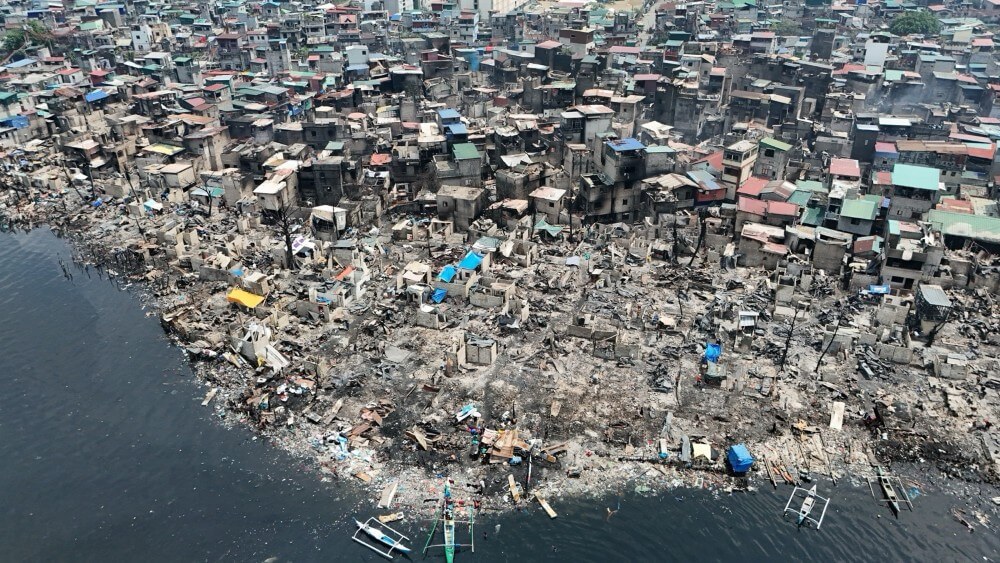
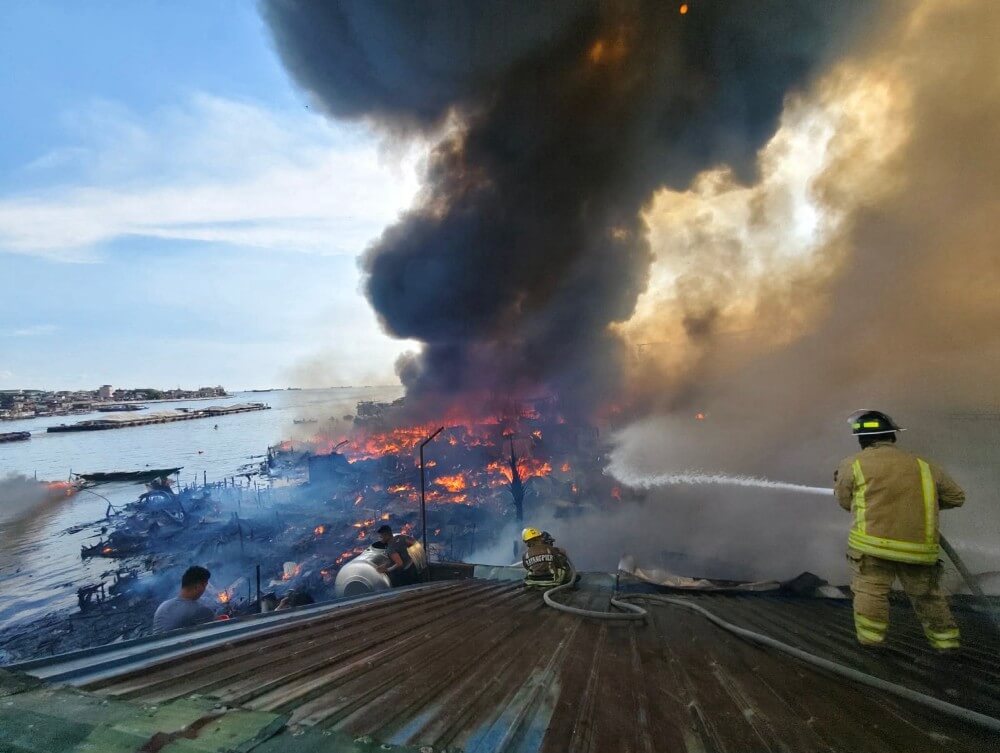
At about 1450 hours on Saturday afternoon, a large-scale conflagration broke out in the Parola district of Tondo, Manila, located in between the Philippine Coast Guard's Manila station and the Manila International Container Terminal. The Parola Compound is a tightly packed low-income neighborhood, walled off from the road network and largely inaccessible by car, and firefighters spent hours attempting to contain the spread. 

PCG servicemembers provided a physical bucket brigade to move water to the front lines of the fire. From the water side, three PCG RIB boats, two inflatable boats and a Metal Shark patrol boat responded to the scene, along with a local ferry boat and a fire boat from nearby Mandaluyong City. 
Courtesy PCG

The blaze was declared out at last at about 0015 hours on Sunday morning. Despite the high population density of the area, no fatalities were reported.

The fire has affected more than 7,000 people and 1,200 structures, according to Manila's fire inspectors. The city's mayor has pledged to provide housing for as many of the displaced residents as possible. Philippine President Ferdinand Marcos Jr. has also promised government aid; early deliveries include hygiene kits and about $160 in emergency food aid, and more assistance is coming, he said during a site visit Sunday. 

The cause of the fire is not yet known, and an investigation is under way. 


Stabilizing Philippines–China Relations Through Infrastructure Cooperation – OpEd

May 25, 2026 

By Rommel C. Banlaoi

Amidst continuing disputes in the South China Sea, the announcement that International Container Terminal Services Inc. (ICTSI), under the leadership of Enrique K. Razon Jr., has secured a $300-million loan from the Beijing-based Asian Infrastructure Investment Bank (AIIB) is a landmark in the trajectory of Philippines–China relations. This loan, the AIIB’s first non-sovereign-backed transaction in the Philippines, is a strategic development that underscores the growing interdependence between Manila and Beijing. The signing ceremony, attended by ICTSI Chairman and President Razon and AIIB President Zou Jiayi during her inaugural visit to the Philippines on May 20, symbolizes a new chapter in bilateral cooperation that deserves careful reflection.

The expansion and modernization of three container terminals across the country will significantly enhance the Philippines’ logistics capacity. In an era defined by global supply chain disruptions and the urgent need for resilience, this investment positions the Philippines as a vital hub in the Indo-Pacific.

Ports are not just gateways for goods. They are vital arteries of economic development. By strengthening these arteries, the Philippines can better integrate into regional trade networks, attract more foreign investment, and improve its competitiveness. This development is a reminder that infrastructure cooperation is not merely about steel and concrete abut also about building bridges of trust, stability, and shared prosperity between China and the Philippines.

However, this positive development unfolds against the backdrop of persistent maritime disputes in the South China Sea, which have strained Philippines-China relations and fueled mistrust and nationalist sentiment.


Sovereignty concerns remain non-negotiable for the Philippines, but it is equally imperative to recognize that economic cooperation can serve as a stabilizing force. The AIIB loan demonstrates that despite political frictions, there is space for pragmatic engagement that benefits both nations. It shows that economic pragmatism can coexist with security vigilance, and that cooperation in areas of mutual interest can temper the intensity of disputes.

To stabilize and strengthen Philippines–China relations, institutionalizing economic dialogue is essential. Regular high-level exchanges on trade, investment, and infrastructure can prevent misunderstandings and ensure that economic cooperation remains insulated from political turbulence and security tensions. Dialogue must be structured, consistent, and forward-looking. By creating institutional mechanisms for economic engagement, both countries can build predictability into their economic relationship. This predictability is crucial for investors, businesses, and policymakers who need assurance that development cooperation will not be derailed by sudden political shocks.

Beyond ports and terminals, the relationship between the Philippines and China must be nurtured at the people-to-people level. Cultural exchanges, academic partnerships, and tourism initiatives can foster mutual understanding and reduce the trust deficit. When ordinary citizens experience the benefits of cooperation, whether through educational opportunities, cultural appreciation, or economic gains, they become stakeholders in the relationship. This grassroots dimension of diplomacy is often overlooked, yet it is vital for building durable ties that can withstand political storms.

Balancing security and development is another critical pillar. The Philippines must continue to safeguard its national interests, particularly in the maritime domain, while recognizing that development partnerships with China is essential. Security and development are complementary. A strong economy provides the resources needed for national defense, while a stable security environment creates the conditions for economic growth. By pursuing both objectives, the Philippines can avoid the false dichotomy of choosing between sovereignty and development.

The security sector must, therefore, be more circumspect in its actions to support the stabilization and strengthening of Philippines–China relations. While vigilance in protecting sovereignty is indispensable, overly aggressive posturing or reactive measures can inadvertently escalate tensions and undermine economic cooperation. The armed forces, law enforcement agencies, and security institutions must calibrate their responses with strategic prudence, ensuring that national defense is pursued without foreclosing avenues for dialogue and partnership. A measured approach that balances firmness with restraint will help create an environment where economic initiatives, such as the ICTSI–AIIB loan, can flourish alongside efforts to safeguard territorial integrity.


The ICTSI–AIIB agreement is a reminder that the Philippines cannot afford to view China solely through the lens of maritime disputes. While vigilance in protecting sovereignty is necessary, reducing the relationship to a single contentious issue risks overlooking opportunities for cooperation that can uplift the nation. Economic pragmatism must complement security vigilance. By embracing cooperation where interests align, Manila can transform contentious relations into constructive engagement.

Stabilizing Philippines–China relations is not about choosing between sovereignty and development but pursuing both simultaneously. The AIIB loan is a step in that direction, offering a model of how pragmatic cooperation can coexist with principled defense of national interests.

The ICTSI–AIIB partnership is a strong demonstration that despite disputes, cooperation is possible. It is a reminder that infrastructure is not just about ports but about building bridges of trust toward a future where Philippines–China relations are stabilized and strengthened for the benefit of both nations and the wider region.


Op-Ed: America Needs Fully-Funded Hurricane Forecasting

Hurricane Hunters
To keep last year's Hurricane Hunter flights going, retired scientists volunteered to do safety-critical work for free (NOAA file image)

Published May 24, 2026 4:26 PM by The Conversation


[By Brian Tang]

The 2026 Atlantic hurricane season starts June 1, and while early outlooks suggest that a developing El Niño might result in a tamer season than in the past few years, with below-average hurricane activity, all it takes is one big storm hitting a populated area to make it a bad hurricane season.

Every year, Americans rely on accurate forecasts when hurricanes might be developing to know when to stock up on supplies, prepare for power outages or evacuate.

Those forecasts have improved dramatically in recent decades, but the improvements can’t be taken for granted. Over the past year, federal funding cuts and job losses in the very programs that are helping make Americans safer from extreme weather threaten to stall progress and stretch forecasting resources to the breaking point.

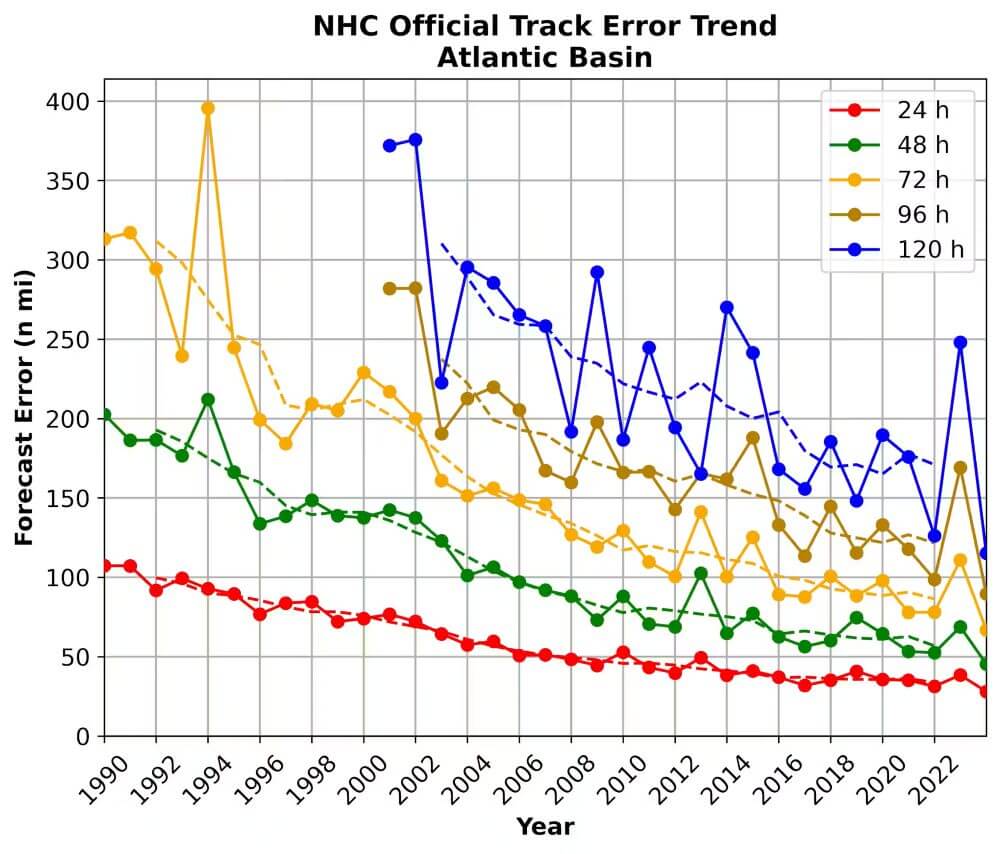
Hurricane track forecasts have become more accurate over the past three decades. For example, recent forecasts showing where a storm is expected to be in 96 hours have been, on average, about as accurate as a 24-hour track forecast was in the early 1990s. That gives people more time to evacuate. The lines show how many miles off the National Hurricane Center’s official storm tracks were. National Hurricane Center.

I am an atmospheric scientist whose research focuses on hurricanes, including how and why they intensify or weaken. I also work with scientists at the National Oceanic and Atmospheric Administration, NOAA, to analyze observations collected by reconnaissance aircraft and evaluate computer model forecasts of hurricanes.

Here’s what forecasters rely on during hurricane season and why investing in science, forecasting technologies and the people who run them matters.

Flying through hurricanes

To have the best chance of an accurate hurricane forecast, computer models and meteorologists need to know about the location, intensity and structure of a hurricane, along with the environment that surrounds it. Satellites are crucial for tracking storms from above, but many details can be collected only inside the storm, where satellites can’t see.

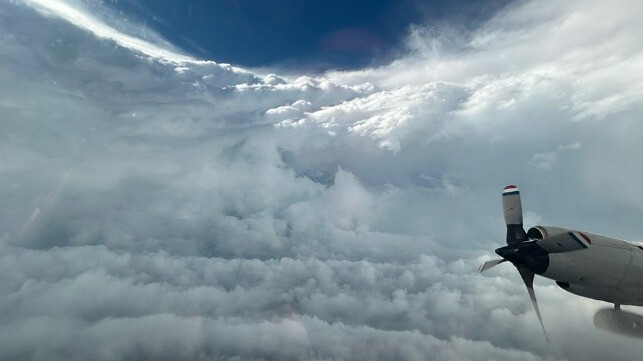
That’s why NOAA relies on “hurricane hunters” – a group of skilled pilots and scientists who fly through storms all season long to collect storm data, which is quickly transmitted to forecasters and computer models.

When storms are developing, the U.S. Air Force Reserve and NOAA conduct several hurricane hunter flights per day to provide the most up-to-date storm information. During these missions, the crews often fly directly into the storm, through screaming winds and heavy rain, to release instrument packages called dropsondes.

The dropsonde is a feat of science and engineering, able to accurately measure the temperature, humidity, wind and pressure in hostile conditions. This data is radioed back to the aircraft. From there, it is processed and transmitted to NOAA, where forecasters analyze it and computer models use it to initialize forecasts.

I and many hurricane scientists have used dropsonde data collected over the years to build a better understanding of how hurricanes behave. A recent study showed that computer model forecasts of hurricane tracks were up to 24% more accurate when they included dropsonde data than those that didn’t.

Simulating hurricanes

A big reason hurricane forecasts have gotten better has been federal investments in computer models that can simulate these storms.

In 2008 the U.S. government funded the NOAA Hurricane Forecast Improvement Project, leading to substantial advancements in computer modeling and forecast accuracy. Computer models got better at incorporating the observations gathered by aircraft, showing air movements and rain bands in greater detail.

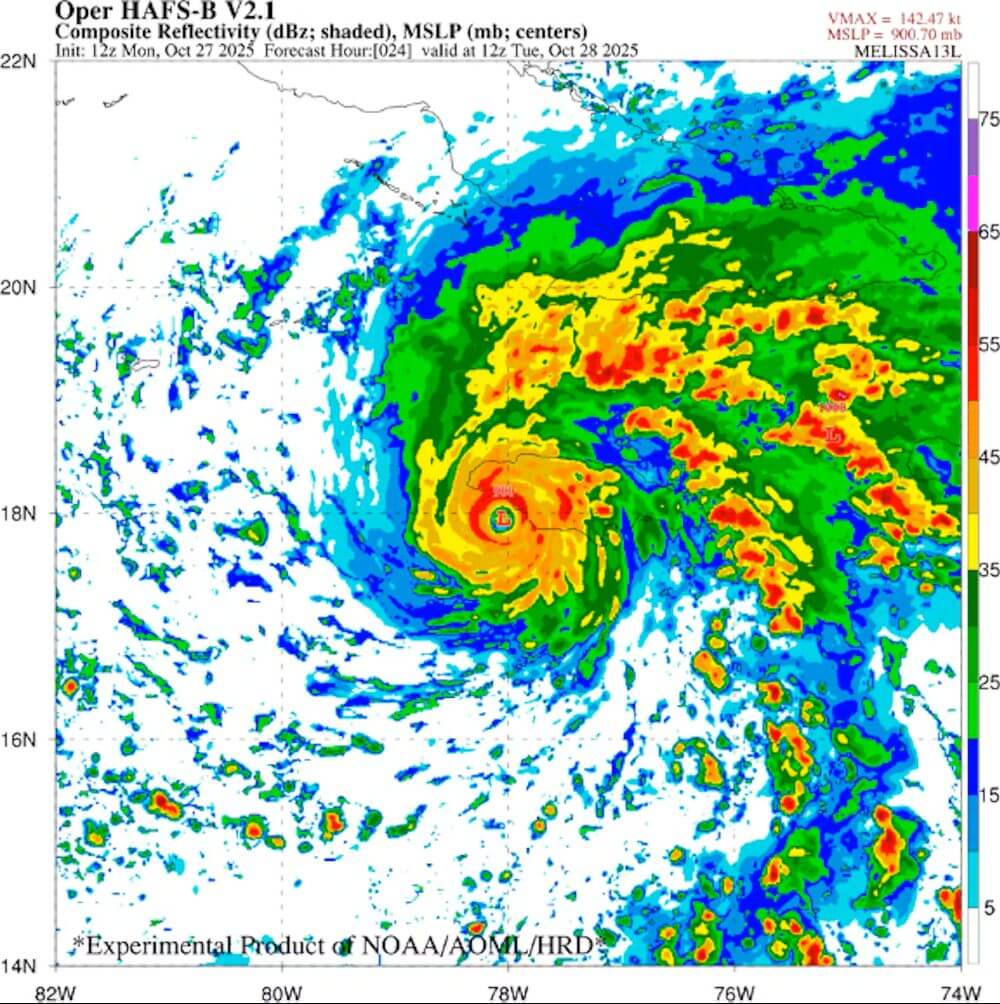
A HAFS radar forecast shows Hurricane Melissa as it approaches Jamaica in October 2025. The HAFS model performed well in forecasting the intensification and extreme strength of the Category 5 storm in the days leading up to its landfall in Jamaica. NOAA/AOML/HRD

The flagship NOAA hurricane model is now the Hurricane Analysis and Forecast System, which does a better job of predicting rapid intensification, among other things, than its predecessors.

When storms rapidly intensify, as several have done in recent years, they can pose an acute risk to coastal communities. More accurate forecasts give people and communities better information to decide how to prepare and when they need to evacuate. Improvements since 2007 have resulted in an estimated US$2 billion in savings per hurricane landfall and many lives saved.

That’s a huge return on investment. In 2024, NOAA’s entire budget was $6.7 billion.

Keeping an eye on the storms ahead

There are some exciting developments ahead in hurricane observations and modeling.

NOAA in 2024 ordered two new aircraft, expected to be delivered by 2030, to begin replacing its aging hurricane hunter fleet so fights and their data collection can continue.

Private companies working with NOAA have deployed and tested autonomous drones – both in the air and sail drones on the ocean surface – that can collect data in areas where quality observations are hard to get.

Additionally, artificial intelligence weather models have emerged, such as Google DeepMind, which made a big splash as the most accurate forecast model of the 2025 hurricane season.

Some lingering dark clouds

Despite these promising developments, a different storm is eroding the bedrock upon which the national weather forecast enterprise sits.

Cuts in funding and staffing have stressed NOAA’s ability to collect critical observations. Last year, retired NOAA scientists volunteered to staff hurricane hunter reconnaissance flights so the missions could still be flown.

The Trump administration proposed cutting NOAA’s budget by more than a quarter, including dismantling its Office of Oceanic and Atmospheric Research. Congress rejected many of the administration’s proposed budget cuts, ultimately approving a $6.1 billion budget in March 2026, still down from the previous budget.

The National Center for Atmospheric Research, which led the development of computer models and dropsonde technology, has also been targeted by the Trump administration to be dismantled. The American Meteorological Society warns this decision “will harm meteorological research and innovation in the United States with severe consequences to current and future efforts of the weather enterprise to protect life, property, and the nation’s economy.”

I worry about the funding and staff cuts stressing systems that keep scientific progress marching forward and warn Americans about hazardous weather. Losing staff and support raises the risk of critical failures, such as delayed severe weather warnings and broken equipment causing new blind spots when storms threaten. In the long run, failing to invest risks stagnation or even reversing the hard-fought progress the U.S. has made in advancing weather prediction.

With coastal populations and development expanding over the past few decades, and storms becoming stronger, the vulnerability of the U.S. to costly, damaging hurricanes has increased dramatically. It is more important than ever that public investment in hurricane science and forecasting continue.


Brian Tang is a Professor of Atmospheric Science at University at Albany, State University of New York.

This article appears courtesy of The Conversation and may be found in its original form here

The Conversation

The opinions expressed herein are the author's and not necessarily those of The Maritime Executive.


Microplastics Could Affect the Ocean's Ability to Absorb Carbon

Marine microplastics affect algae’s ability to grow and photosynthesize. Researchers have now calculated what impact this has on the ocean’s ability to absorb CO2.

Francesca Verones, NTNU

Published May 24, 2026 7:07 PM by Gemini News


[By Ingebjørg Hestvik]

“We study how plastic affects what we call ecosystem services, that is, the services we receive from ecosystems. When the ocean absorbs carbon dioxide from the atmosphere, we consider it as a service the ocean performs for us,” says researcher Francesca Verones. Photo: Francesca Verones, NTNU

You have probably heard this before: more than 70 per cent of our planet is covered by oceans.

Nearly half of all photosynthesis on Earth takes place in the ocean, and this is largely thanks to microplankton – tiny, single-celled plants that drift freely in the upper, sunlit layers of the water column.

When these tiny algae bloom, they do so by converting sunlight, water and carbon dioxide into oxygen and energy-rich sugars, the latter of which are used to build new algae cells.

Microplastics are everywhere

Unfortunately, algae have now got a new marine neighbour to contend with. Microplastics (tiny plastic particles) are currently found everywhere in the ocean – from the most densely populated coastal areas to remote waters in the Arctic and Antarctic.

“The ocean plays a crucial role in absorbing carbon from the atmosphere. Between 25 and 30 per cent of all human-generated CO2 is absorbed by the ocean. Phytoplankton plays an important role in this process. So, what happens if marine microplastics affect the plankton?”

The person asking the question is researcher Francesca Verones. She and her colleagues at NTNU’s Department of Energy and Process Engineering are working to quantify the impact of plastic on the ocean – not merely in terms of localized pollution, but in relation to everything the ocean means to us: as a source of food, as a carbon sink and as a recreational area.

“We are investigating how plastic affects what we call ecosystem services – meaning the services we receive from ecosystems. For example, we can view the fact that the ocean absorbs CO2 from the atmosphere as a service that the ocean provides for us,” explained Verones.

Blocking out sunlight

The researchers have collected phytoplankton data from various climate zones around the world and used laboratory data to determine the extent to which growth is limited by microplastics. They have then used this data to calculate the average impact that a certain concentration of microplastics will have on algae in different regions or climate zones, as well as on a global scale.

“We need to talk about plastic pollution,” says researcher Francesca Verones. “People are quite familiar with the fact that plastic in the ocean is a problem, but are still surprised when they learn that much of the plastic comes from our own local environment.”

“Microplastics affect algal growth in various ways. The toxicity of certain types of plastics, such as PVC, is a problem in its own right, but plastic can also reduce the amount of sunlight that penetrates deeper into the water column, causing physical damage or leading to oxidative stress in the algae cells,” explained Verones.

The results of the study show that the negative impact on carbon uptake was greatest in arid and tropical regions. These climate zones have the highest carbon uptake and are also the most vulnerable to the harmful effects of microplastics.

“In these areas, we found that microplastics could reduce carbon uptake by 25,000 and 48,000 tonnes, respectively, over the course of a year. Although it may sound a lot, it is not a huge percentage,” emphasized Verones.

The total amount of carbon absorbed by the ocean in a year is estimated at two billion tonnes.

“But we must bear in mind that the amount of microplastics in the ocean is increasing all the time. All the plastic that is discarded in the natural environment will eventually end up in the ocean. So the concentrations are going to keep on increasing,” she said.

Life cycle perspective

The aim of the study was to incorporate the effect that microplastics have on carbon uptake into a life cycle assessment of plastics.

A life cycle assessment provides insight into the overall environmental impact of a product – from the moment it is created or manufactured, through its use, until it is eventually discarded and breaks down.

“Life cycle assessment is a method in which all the different stages of a product’s life cycle are examined, enabling the various impacts to be assessed simultaneously. There could be thousands of factors involved. The goal is for it to be as comprehensive as possible,” said Verones.

This may involve how much water is used in production, how much energy is consumed during use, the extent to which the product can be recycled, and not least, how the waste generated affects the environment. The research is part of a broad EU-funded project that investigates how plastic affects the ocean from a life cycle perspective.

“The project has three focus areas.  We are studying how plastic affects biodiversity, for example when animals become entangled in or ingest plastic. We are also investigating how plastic affects the spread of invasive species, for example by species attaching themselves to plastic and being transported around the world. The third area focuses on how plastic affects ecosystem services, such as carbon uptake,” explained Verones.

A triple crisis

“This is the first time researchers have investigated how plastic affects carbon uptake in the world’s oceans and incorporated the findings into a life cycle assessment. The reason we choose to do it this way is that life cycle assessments are one of the few methodologies capable of covering all aspects of what the UN calls ‘the triple planetary crisis’,” said Verones.

The triple planetary crisis refers to the three most pressing, interrelated challenges facing humanity today: climate change, pollution and loss of biodiversity. Each of these challenges has its own causes and consequences, and according to the UN, all of them must be addressed if we are to have a viable future on this planet.

“There is a climate crisis, a nature crisis and a pollution crisis. Life cycle assessments are able to address all of these aspects. If we are to find a solution, we need to look at the big picture,” concluded Verones.

This article appears courtesy of Gemini News and may be found in its original form here

The opinions expressed herein are the author's and not necessarily those of The Maritime Executive.