Sunday, July 12, 2026

Fifteen years of independence for South Sudan, but still little to celebrate

South Sudan, the world's youngest country, on Thursday marks the 15th anniversary of its independence, following decades of war with Sudan, a 2005 peace agreement and a 2011 self-determination referendum in which almost 99 percent of voters backed statehood. But the hopes that came with it have given way to renewed conflict, economic collapse and political deadlock.


Issued on: 09/07/2026 - RFI

South Sudan, the world's youngest country, will again not be marking its independence. AFP - TIZIANA FABI


For several years now, the government of President Salva Kiir has cancelled large Independence Day celebrations, saying they are too expensive and the authorities have other priorities.

"Fifteen years after independence, the country is almost at a dead end," Daniel Akech, a researcher at the International Crisis Group, told RFI. "We have a financial crisis, which is really the main reason as to why they cannot celebrate."

He added: "And the country has not transitioned to what was expected... people are frustrated. People need to see some kind of transition, a peaceful democratic transition. Independence was meant to improve things. That achievement has not been realised. The country is risking basically disintegration”.

According to the International Monetary Fund, South Sudan was the sixth-poorest country in the world in 2025, with a GDP per capita of $470.

Oil revenues, the country's main source of income, have fallen in recent years – mainly because of the war in neighbouring Sudan, through which South Sudan's oil exports pass.

Edmond Yakani, director of the Community Empowerment for Progress Organization, told RFI that the country's civil servants received their first salary in two years last week.

Just 8 percent of the population has access to electricity, and South Sudan is ranked alongside Somalia as the most corrupt country in Africa.
Short-lived jubilation

Akech says the people feel they are being held hostage by the ongoing conflict between Kiir and his former vice-president Riek Machar.

Kiir and Machar both fought for South Sudan's independence from Khartoum as members of the armed group, the Sudan People's Liberation Movement/Army.

After decades of war with the north, South Sudan became an autonomous region in 2005. Kiir was appointed president and Machar vice-president. They remained in those positions as the country officially became independent on 9 July, 2011.

In Juba, there was jubilation. People who had long been marginalised within Sudan saw the day as the culmination of more than half a century of struggle.


South Sudan's independence day celebrations in 2011. © Reuters

Relations, however, between Kiir and Machar were difficult from the start. Rivalry, ambition, and mistrust quickly caught up with the two men.

In 2013, just two years after independence, Kiir dismissed his vice-president, accusing him of wanting to take his place as head of state. War broke out again.

The conflict lasted five years, during which 400,000 South Sudanese people were killed and more than half the population was displaced.

The international community and countries in the region put pressure on both sides. Several ceasefires were signed and later broken.

In 2018, the two men signed the Revitalised Peace Agreement, which was meant to begin a transitional period. Machar returned as vice-president.

Key parts of the Revitalised Peace Agreement are still yet to be implemented. The integration of Machar's forces into the national army, the demobilisation of militias, and the organisation of the country's first elections – originally scheduled for 2015 – have all been postponed several times.

Mistrust between the two men has continued to grow and their struggle for power has intensified. To strengthen their support, both leaders have relied on ethnic divisions – Kiir is Dinka, the country's largest ethnic group, while Machar is Nuer, the second largest.

From refugee to red carpet, the remarkable journey of Amine Benrachid
Peace agreement collapses

In March 2025, an attack on a government military base shattered an already fragile political peace.

The Nuer White Army, a militia linked to forces loyal to Machar, attacked in Upper Nile State and captured a military base in Nasir. More than 250 government soldiers were killed.

In the aftermath, Kiir ordered the arrest of several opposition figures. Machar was placed under house arrest before being removed from office.

He was accused of orchestrating the attacks on the national army and charged with treason, murder and crimes against humanity, alongside seven senior members of his party, the Sudan People's Liberation Movement-in-Opposition.

Machar’s party says the case is politically motivated and intended to remove him from politics.

By the end of last year, heavy fighting had resumed between government forces and militias close to the opposition, mainly in Jonglei State. Millions of South Sudanese have once again been displaced.

"There is an ongoing war, as we speak," said Akech – even if much of the international community is reluctant to use the term.

Machar sits in the dock with seven others charged with murder, treason, and crimes against humanity at Freedom Hall in Juba, 24 September, 2025. AP - Florence Miettaux

Despite the resumption of war and the trial of Machar, the government in Juba announced a few months ago that elections will be held at the end of this year, on 22 December.

For Yakani, however, this announcement is intended only to quell public anger. And the lack of celebrations on Thursday speaks volumes.

“Independence Day is now being described by citizens with bitter words instead of sweet words – like corruption, manipulation, lack of human rights, absence of rule of law, deadly violence. The beauty, the sweetness of independence is fading every year."

This article has been adapted from the original version in French by Alexandra Brangeon.
INTERVIEW

Capital punishment in Pakistan: 'Islam does not promote the death penalty'


Around the world, a total of 47 countries still retain capital punishment – including Pakistan. Barrister Sarah Belal founded the Justice Project Pakistan in 2009 to represent the most vulnerable Pakistani prisoners facing the death penalty, at home and abroad. RFI met her in Paris.

Issued on: 11/07/2026 - RFI
By:Zeenat Hansrod

RFI: You are a barrister and the executive director of Justice Project Pakistan. How do you reconcile your work on the abolition of the death penalty while operating in Pakistan, an Islamic state?

Sarah Belal: I don’t find the two to be contrary [to each other]. Islam does not promote the death penalty, and it is not banned under international law. It says the death penalty can only be prescribed for the most serious crimes.

Actually, under Islam the Quran only prescribes the death penalty for two offences, which broadly match the international human rights standard – intentional killing and Fasad-Fil-Arz, which covers various violent crimes including crimes against humanity. So, they’re not at odds with each other at all. You’ll see that international human rights law standards match with the Quranic ones.

Islam's concept of Tazkiyah al-Shahood is a very high evidentiary standard to determine the competency of a witness. Yet, in Pakistan, these standards are never upheld in court where witnesses regularly perjure themselves while never being held accountable.

RFI: Although capital punishment is legal in Pakistan, there hasn't been an execution since 2019. What does this say about the direction the country is taking?

SB: I think it's going in the right direction. This halt in executions shows that the various governments Pakistan [has had since then] have realised that there's a severe lapse in justice in who we are executing, and are trying to correct the system.

If you're going to have the ultimate punishment, you need to have the ultimate justice system. We come from a country that's plagued by a lot of problems.

One of my favourite quotes is from a visiting American professor who worked on the death penalty in the United States.

He said: "This is incredible to me how vibrant and dynamic the Pakistani society is. But, you know, since I've been here, I've seen the electricity go several times [due to load shedding] and I've seen the distrust that people have in paying their taxes because they don't trust the government to use their money in the right way. Yet we have this ultimate faith in the government that they can determine somebody's innocence or guilt to an extent that they can determine who gets to live or not. It seems to be a very paradoxical kind of a view."

RFI: There are 3,646 people on death row in Pakistan, their ages ranging from 16 to 70. What are the most common offences which lead to a death sentence?

SB: It fluctuates over time, but the top two crimes are murder and people convicted under the Anti-Terrorism Act.

RFI: What led you to create the Justice Project Pakistan in 2009?

SB: I was one year out of law school in Pakistan when I came across a letter from a death row prisoner. His name was Zulfiqar. He had written saying he was going to be executed in a week, and he was worried about his two girls who were going to grow up without a father. His wife had died while he was in prison.

He had spent nearly 16 years on death row. He educated himself and hundreds of other prisoners. He was actually called Dr. Zulfiqar Ali.

That letter really changed my life. I went on to represent him. He was executed in 2015. It was the first time I ever saw [an execution], and there were hundreds of people there.

What was beautiful was that in his mercy petition, 600 of the prisoners that he had educated wrote letters to the president saying, "this man deserves to live". He was a source of inspiration and a guiding light for how and why we are doing this work.

RFI: Among all the prisoners on death row you have met throughout your career, is there one whose story has stayed with you?

SB: All the people we represent are incredibly important to us – the clients that we've lost and the clients that we have now. To me personally, Zulfiqar is important because he was my first client and my entry into this field, and so he remains very close to me.

But there are so many. There are those who were wrongly sentenced to death as juveniles when clearly the law does not allow [it]. So, I'm thinking of Azam and Munawar, who are in prison in Sindh on death row, waiting for decades – 28 years for Azam, 24 years for Munawar – for the Supreme Court to revisit their decision.

They were under 18 at the time that they were convicted of the offence, but because they were incredibly poor and were represented by an inadequate state council, they were never able to bring evidence to prove that they were wrongly convicted. They are waiting for their mercy petitions to be accepted, or for the courts to take their case up again and commute their sentences.

RFI: When prisoners are being jailed for decades, how does this help their rehabilitation?

SB: It doesn't help. Prison is hyper-violent. Everyone comes out of prison with PTSD. It is not a place built to rehabilitate. It's just designed to punish and forget people.

I don't see any rich people in prison at all. And what does that say about the system? Do rich people not commit crimes?

I work in a country that purports to be a Muslim country, to uphold Muslim values and principles. Criminal justice in Islam focuses on the people and questions the responsibility of the State. Are you providing the social services that are necessary to ensure that your citizens are able to live good and dignified lives? It considers the circumstances when determining culpability and sentence.

When you look at women in prison in Pakistan, most of them are in prison for drug offences. When you do a profile of why these women are selling drugs, these are not high-level traffickers. These are women who, out of desperation, are forced to engage in this activity just so their children and themselves could survive.

Why is that being punished again and again? These are non-violent offenders. And why is our state and our community not looking at how can we better take care of these women and their children? But we spend an insane amount of money on building new prisons.


Sweeping victory for Europe as 15 nations top climate scoreboard – see the full list

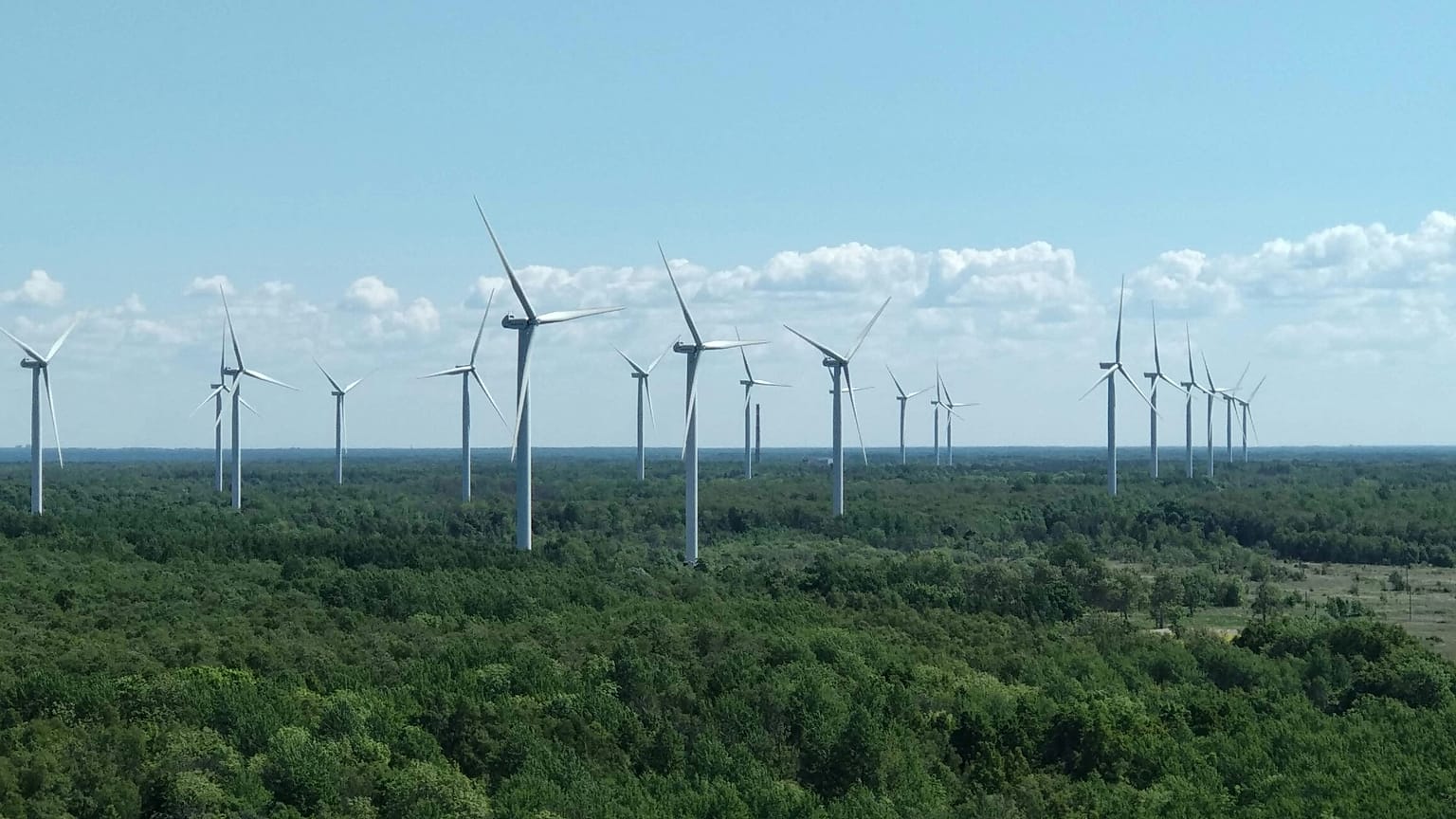
A wind farm located in Estonia.
Copyright Aleksandr Klepikov via Unsplash.

By Liam Gilliver
Published on

Europe has come top in the latest Environmental Performance Index, partly due to the boom in renewables. But experts warn that more progress is needed.

Europe has dominated new global sustainability rankings, but experts warn that all nations are “still far from critical goals” to tackle climate change.

The Environmental Performance Index (EPI) – produced by researchers at Yale and Columbia University – is released every two years and ranks countries from around the globe on their commitment to sustainability.

It focuses on 47 different indicators which are split into 12 categories, including climate change mitigation, air quality, forests, water resources, waste management and biodiversity.

Using data from major research institutions, international organisations and other information collectors such as the World Resources Institute and the EU’s Copernicus, each country is scored from zero to 100.

Estonia tops the climate leaderboard

Estonia topped the leaderboard, largely due to its substantial reduction of greenhouse gas emissions in power generation over the past decade.

In recent years, Estonia has lowered its reliance on electricity generation from domestic oil shale, an energy-rich sedimentary rock.

While oil shale remains the main energy source in the country, a boom in renewables is helping Estonia wean off fossil fuels – primarily through the power of solar.

According to the International Energy Agency (IEA), Estonia is aiming to accelerate its clean energy transition with a target to cover 100 per cent of annual electricity with renewables by 2030. It’s part of the country’s wider target to achieve climate neutrality by 2050.

Estonia also won out thanks to efforts to bolster biodiversity and ecosystem protection. More than 50 per cent of its land mass is covered by forests and protected wetlands – making it home to more than 300 bird species.

At a conference held yesterday (9 July) in New York by the United Nations University - Centre for Policy Research (UNU CPR), Andres Sutt, Estonia’s Minister of Energy and the Environment said he was “very proud” that the country’s sustainability drive was being recognised.

However, Estonia only achieved 75 points out of a possible 100, showing that even as the winner – it is far from where it needs to be.

“If countries aim to maintain a trajectory toward net-zero emissions by 2050, they will need to continually achieve large emissions reductions which will require additional policies in the future,” says Zach Wendling, lead author of the report.

Yale’s global environmental ranking – see full list

Luxembourg came a close second, scoring 74 points, followed by the United Kingdom (72), Finland (71) and the Netherlands (71).

In fact, European countries hold all but one of the top 20 positions in this year’s ranking – despite many EU nations scoring low in the agricultural sustainability category.

At the bottom of the league tables is Laos, followed by India, Bangladesh, Mali and Vietnam. Experts warn that all of these nations face “serious environmental degradation that represents a direct threat to human health and critical ecosystems”.

At the conference yesterday, experts said that India could be doing so much better – but it ranked second to last due to its struggle to deal with ambient particulate matter. These tiny droplets, which come from fuel combustion, construction, dust, and natural sources like wildfires and sea salt, can cause major respiratory and cardiovascular issues.

The Environmental Performance Index 2026

  1. Estonia, 75
  2. Luxembourg, 74
  3. United Kingdom, 72
  4. Finland, 71
  5. Netherlands, 71
  6. Germany, 70
  7. France, 70
  8. Norway, 69
  9. Sweden, 69
  10. Austria, 67
  11. Denmark, 67
  12. Spain, 66
  13. Greece, 66
  14. Slovenia, 65
  15. Switzerland, 64
  16. Japan, 63
  17. Czechia, 63
  18. Portugal, 63
  19. Slovakia, 62
  20. Poland, 62

The US slips to 27th place

The report warns that China and the United States – the world’s biggest greenhouse gas emitters – look likely to “fall far short” of the global target of net-zero GHG emissions by 2050.

The US ranked 27th place, just behind Australia (25th) but ahead of Canada (29th). However, the rankings use data up to 2024, representing the last part of Joe Biden’s presidency rather than Donald Trump’s.

Since returning to the White Office, Trump has consistently tried to boost polluting coal, stop the expansion of offshore wind farms, and pulled the US out of several key UN climate targets.

The US score reflects strong results on environmental health issues, but under-performance on biodiversity protection and climate change metrics.
 The Environmental Performance Index 2026 

China came 129th, due to poor outcomes on climate change measures despite improving indoor air pollution, water sanitation and solid waste management.

A list of wealthy nations?

While Europeans may celebrate topping the leaderboard, wealthier nations tend to have more access to capital to improve their environmental credentials – such as investing in large-scale green energy projects.

Low-income countries are contributing less to climate change, despite facing greater consequences of global warming, and may struggle to build funds to accelerate the green transition.

Many wealthy countries also offshore their manufacturing and waste to other countries, skewing their true progress. In 2022, for example, the EU exported 12.4 million tonnes of waste to Türkiye and 3.5 million tonnes to India.

Earlier this year, the bloc also announced it will start allowing countries to cut five per cent of their emissions based on “high-quality international credits”. You can read more about how the scheme will work, and why experts are sceptical, here.

France must speed up climate action, as watchdog warns current efforts fall short

France is not prepared for the pace and scale of climate change, the country’s climate watchdog has warned in a report that calls for a significant acceleration of both emission reduction efforts and adaptation policies, as the country faces its third heatwave since May.


Issued on: 10/07/2026 - RFI

A construction worker resurfaces a road in Bordeaux during the heatwave in May when temperatures hit record highs across France, 28 May 2026. © Alice Sacco/Reuters

France must rapidly expand the ambition, scope and speed of its response as the effects of global warming become more severe, the High Council for Climate (HCC), an independent body created in 2018 to assess the government's climate policies, said in its annual report published on Thursday.

Mainland France and Corsica have warmed by 2.2C between the periods 1900-1930 and 2016-2025, the report said.

Summer temperatures have risen even more sharply – by 2.9C – contributing to increasingly frequent and intense heatwaves, like the one currently hitting large parts of the country.

'Dangerous range'

"We are entering a tragic period,” JCC president François Soussana said at the presentation of the report, referring to the heat waves in May and June this year, which caused thousands of additional deaths in France.

Climate researcher Valérie Masson-Delmotte said France has entered what she called a "dangerous range", with temperatures above 40C now affecting large parts of the country on a regular basis.

France must “increase the scale of the amount, scope, reach and speed of implementing adaptation measures”, said the report.

The HCC says heatwaves are just one result of climate change, with droughts, wildfires and extreme rainfall also becoming more common, bringing increased health, social, economic and environmental consequences.


France unprepared for new climate

The country’s infrastructure, land planning and economic activity “had been developed and were set up for a climate that no longer exists”, said Masson-Delmotte, who worked on the Intergovernmental Panel on Climate Change, the UN climate science panel.

The HCC says current adaptation measures are inadequate to face the new climate reality, as homes become dangerously hot, students at schools and universities are unable to study and cities have too few cool public spaces for vulnerable people to seek relief.

The agricultural sector has yet to make climate adaptation a sufficient priority despite repeated climate-related shocks.

“Current adaptation efforts favour incremental, technology-based solutions that address some impacts while worsening or shifting risks onto others, creating a recurring, systemic risk of maladaptation,” said Masson-Delmotte.

Recommendations

The watchdog offers six recommendations that the government must respond to within the next six months.

These include extending the time frame for official heatwave plans, to cover May through to September, as well as introducing a temperature and humidity threshold beyond which outdoor work would become unsafe.

Other proposals include modifying energy performance certificates for buildings to include assessments of summer comfort, instead of just recording heat loss in winter.

The report also recommends upgrading hospitals, care facilities, schools and universities with shaded and greener outdoor spaces, improved ventilation, window coverings, ceiling fans and permanent cooling systems where appropriate.

While air conditioning may be necessary in some cases, the HCC says the priority should be on installing heat pumps to “reduce unwanted consequences”.


Decarbonisation is key

But adaptation alone will not be enough. Cutting greenhouse gas emissions remains essential to limit future climate impacts.

Without decarbonisation efforts, “heatwaves could become five times more frequent in 2050 and ten times in 2100, which would be intolerable,” warned Soussana.

Ten years after the Paris Climate agreement, in which countries agreed to cut emissions to keep global temperatures under 2C higher than pre-industrial levels, France has made progress, but “it is completely insufficient”, said Soussana.

Emissions in France fell by 2.1 percent in 2025, a slower rate than the previous year, and not nearly fast enough, according to the HCC, which says annual reductions will need to exceed over 4 percent to remain on track.

Current climate policies will not get France there, according to the HCC. There is not enough funding and some recent policy reversals, particularly on water management and land development, risk undermining progress.

The report calls for stronger guarantees that the investment needed for the green transition will be delivered, including doubling funding for decarbonisation and expanding the green fund, which was established in 2023 to support local energy transition efforts.

Sector-specific policies should be brought into line with climate goals, while promoting greater restraint in transport and agriculture, the two top sources of emissions in France, accounting for 34 percent and 21 percent, respectively.

The HCC also calls for a "fair transition" to avoid widening inequalities and climate vulnerabilities.

Support schemes such as MaPrimeRénov', which helps homeowners improve energy efficiency and France's social leasing scheme for electric vehicles are too small to meet demand.

(with AFP)
French farmers race to adapt as repeated heatwaves hit crops and livestock

After weeks of sweltering heat and drought, farmers and analysts fear France's maize crop could be down by a third this year – making it the smallest in 35 years. Poultry farmers are also counting their losses as many as 3 million broiler chickens died within a few days in in June. The damage is a result of three heatwaves that have already hit France this year, and is only set to intensify as climate change disrupts agriculture across Europe.


Issued on: 11/07/2026 - RFI

An irrigation sprinkler sprays water on a corn field in Parigne-l'Eveque near Le Mans on 8 July, 2026, as drought worsens in Sarthe department during a heatwave affecting a large part of the country. © Benoit Tessier / REUTERS


Temperatures have climbed above 40C in parts of France and elsewhere in Europe, affecting both crops and livestock.

Harvests have started much earlier than usual in several regions, reflecting a longer-term trend linked to global warming.

"The weather station on the farm is showing 38.8C," says David Vincent, who grows almost 200 hectares of cereals in the southern department of Aude.

"The heatwaves since May have accelerated the end of the growing cycle for all our crops. So we started harvesting 15 days earlier than we used to. Clearly, our yields are down today," he told RFI.

Winter rainfall helped replenish soil moisture, allowing crops to grow normally through spring. But the rain stopped in April.

The harvest could potentially have been good at the beginning of May, Vincent said, but "by June, when we started harvesting, it was down by 10 percent to 30 percent in my area".

Vincent grows a wide range of crops – durum wheat, soft wheat, barley, protein peas, sorghum, maize, sunflower and rapeseed.

He said diversifying crops had become the best way to adapt to increasing climate uncertainty in the southern Occitanie region.

'I thought I was ready'

Livestock farmers have also been badly affected. Agriculture Minister Annie Genevard told the Senate that 9,127 tonnes of dead animals, mainly poultry, had been collected by the state after the heatwave at the end of June.

The worst-hit livestock farms are in western France, and with a third heatwave now affecting much of the country, many farmers fear further losses.

Pig farmer Bertrand Feugnet, from Rouillac in western France, said he had been anxious when temperatures of 43C were forecast.

"It's true that 15 days ago, when they announced 43C – which we did get – I was really worried about how the animals were going to react."

He said one neighbouring farmer lost 17 sows while they were giving birth in buildings where temperatures reached 34C. Thanks to a cooling mist system that lowered temperatures inside his buildings, Feugnet himself lost only three of his piglets.

Organic cattle farmer Éric Germon, who raises Limousin cattle, said even his more traditional farming model was no longer protected from extreme heat.

"I thought I was ready for 2050 and I realise that even I am suffering. But we'll still have a head start, we'll suffer less than others," Germon said.

His working day now starts at 5:30 in the morning so he can move his cattle before temperatures rise. Although he rests during the afternoon, he said the long days were becoming exhausting.


'We'll face shortages'

Extreme weather including flash droughts and torrential rain is expected to become more common as the climate warms, said Inaki Garcia de Cortaza Atauri, an agronomist and research director at the French National Research Institute for Agriculture, Food and Environment (INRAE).

"Within five or 10 years, these types of events are going to become more and more the norm and if we don't adapt, we're going to have problems, such as plants stopping growing," he said. "The quality of harvests will deteriorate, and production in general. At some point, we'll face shortages."

He said farmers would need to diversify crops, change crop rotations, alter growing cycles and improve soils so they retain water for longer.

The challenge, he said, is to spread those practices as widely as possible so farming can continue despite rising temperatures.

Firefighters work to extinguish a fire near a farm in Grand-Auverné, in the west of France, 30 June 2026. @ REUTERS - Stephane Mahe


A Europe-wide issue

The European Union estimates that recent heatwaves have caused 3,500 excess deaths.

Climate Commissioner Wopke Hoekstra said productivity had fallen, schools had closed, harvests had been damaged, hospitals had come under pressure and roads and railways had been damaged.

On Wednesday, the European Parliament debated the EU's response to increasingly frequent wildfires. Beyond emergency measures, the bloc is also reviewing how it adapts to climate change.

The EU has activated its Civil Protection Mechanism nearly 20 times in recent months to respond to wildfires linked to heatwaves. It is also funding projects including urban greening to reduce heat in cities.

The European Environment Agency says Europe is the fastest-warming continent and faces 36 major climate risks covering ecosystems, food, health, infrastructure, the economy and finance.

The EU's 2021 climate adaptation strategy, which is not legally binding, is due to be replaced in 2026 by an integrated climate resilience framework. It is expected to include recommendations for protecting workers during periods of extreme heat.

After oat milk, Europe turns to pea milk: the Greek scientist leading the way


By Symela Touchtidou
Published on

Angeliki Triantafyllou, winner of the 2026 European Inventor Award, explains to Euronews why the future of plant-based food lies not in diet fads but in products with high nutritional value and a smaller environmental footprint.

How will the planet be fed in the coming decades, as the global population keeps growing and natural resources become scarcer?

The answer to that question lies at the heart of European research into next-generation foods. The goal is not simply to develop more plant-based substitutes, but to create products that combine high nutritional value with a smaller environmental footprint.

This need is becoming increasingly urgent, since the production of cow’s milk is among the most resource-intensive forms of agriculture in terms of land, water and feed consumption, and is also accompanied by significant greenhouse gas emissions.

One of the scientists at the forefront of this effort is Greek biotechnologist Angeliki Triantafyllou, president of Cerealiq AB and winner of the European Inventor Award 2026 in the “Industry” category. Triantafyllou was a co-founder of Oatly, the world’s largest producer of oat-based drinks, and for more than 20 years she led the company’s research.

The patented enzymatic method she developed significantly improved the taste, colour, texture and foaming ability of oat drinks, while at the same time increasing their nutritional value compared with previous technologies.

This innovation played a decisive role in transforming oat drinks from a niche product into a global market.

Today, however, her research is focused on a new product: pea milk.

As she reveals to Euronews, her team is developing a technology that uses the whole pea, preserving all its nutrients, instead of relying only on isolated protein as is the case in most current applications:

“Our method, with our enzymatic technology, preserves all the properties and the full nutritional value of the pea. And of course it is an environmentally friendly method.”

No more food fads

Angeliki Triantafyllou believes that the future of plant-based foods does not lie in indiscriminate market expansion or in chasing the next trendy product.

The challenge now is to ensure good quality across the entire range of animal and plant-based products. We should not be following fads, but creating foods that genuinely have high nutritional value and a real reason to exist.
 Αγγελική Τριανταφύλλου 
Biotechnologist, Winner of the European Inventor Award 2026

As an example, she indirectly refers to products that have enjoyed great commercial success (such as almond milk) without offering comparable nutritional value.

By contrast, she argues that new plant-based raw materials should be chosen for their nutritional profile and for how much they contribute to more sustainable food production.

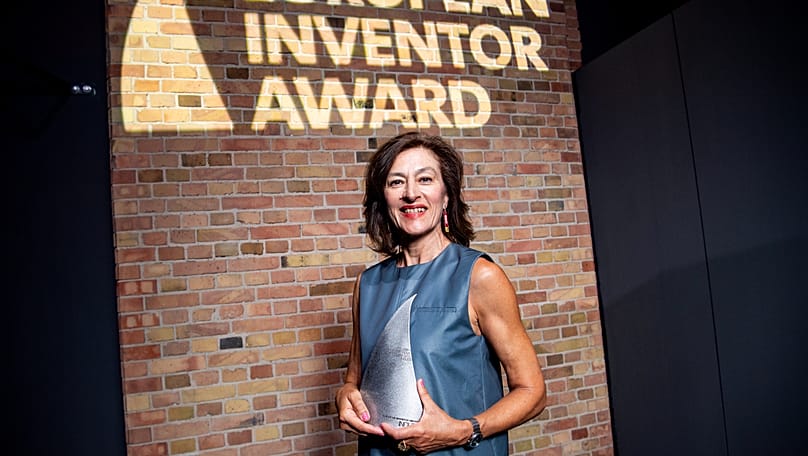
Angeliki Triantafyllou won the European Inventor Award 2026 in the “Industry” category European Patent Office

Why we need plant-based alternatives

According to Triantafyllou, plant-based products are not intended to completely replace animal products, but to cover part of the nutritional needs of a planet that will have to feed billions of people over the coming decades:

“Animal production cannot increase indefinitely to meet the needs of a constantly growing population.”

As she explains, peas contain high-quality protein, while oats provide valuable beta-glucans and dietary fibre, which most people consume in quantities far below the recommended levels.

At the same time, plant-based crops generally require fewer natural resources and can offer solutions in regions that already face problems such as water scarcity, soil degradation and the impacts of climate change.


Obesity drugs bring weight loss but not better quality of life, study finds

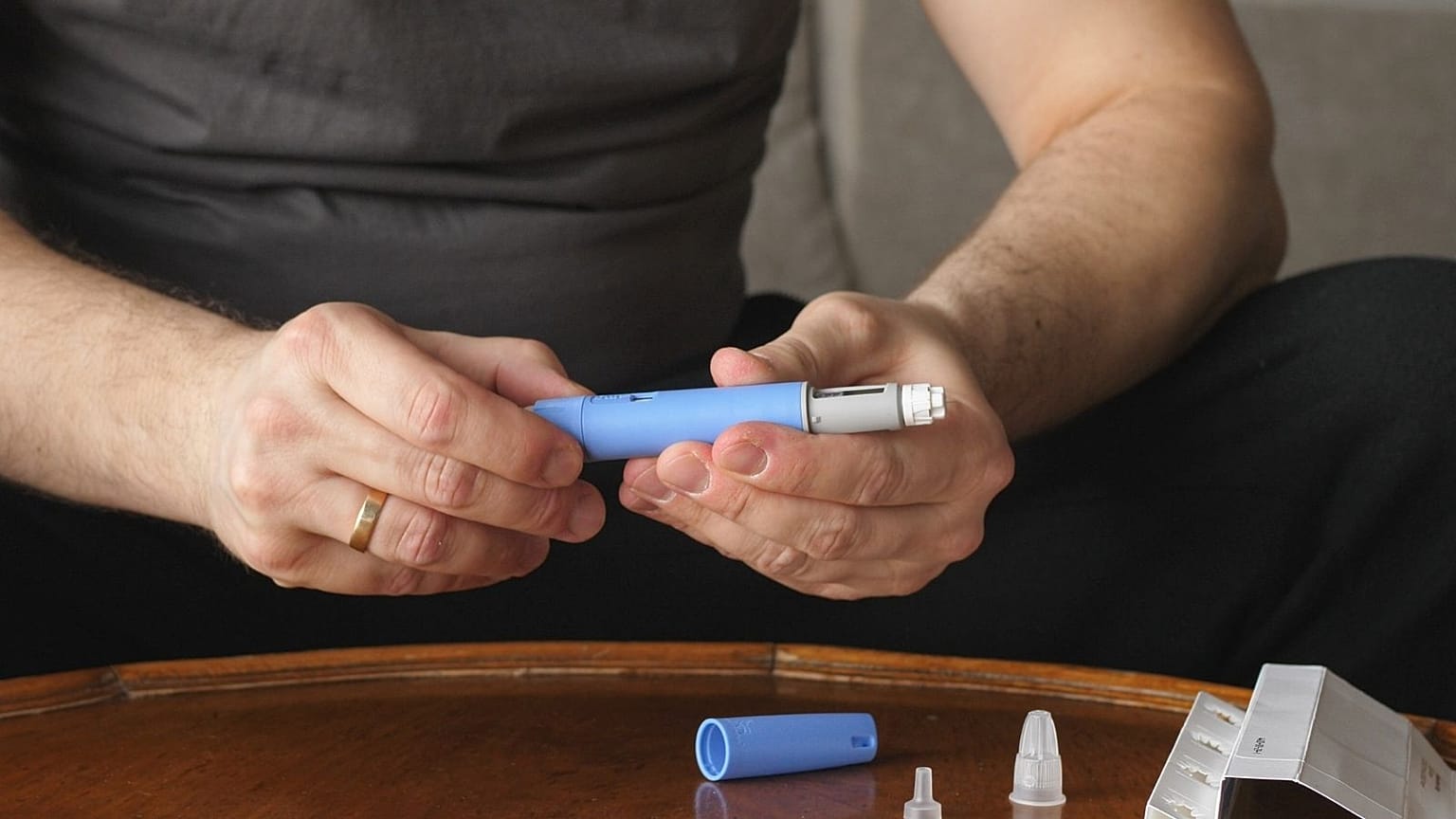
Obesity drugs bring weight loss but not better quality of life.
Copyright Cleared/Canva

By Marta Iraola Iribarren
Published on

Obesity drugs are growing in popularity worldwide, but a new study has found that, beyond the weight-loss results, most of these medications do not bring broader quality-of-life benefits after one year of use.

Millions of people have used weight loss drugs such as Ozempic and Mounjaro in the past year — but a new study suggests that lifestyle benefits may not extend much further than the number on the scale.

Published in The BMJ, the study analysed 262 clinical trials involving around 100,000 participants and 19 different drugs.

The researchers found that greater weight loss was consistently associated with higher rates of adverse events and treatment discontinuation.

“Most agents [active ingredients] do not improve quality of life meaningfully and few show cardiovascular benefits,” the authors of the study wrote.

In the trials, participants completed standard health‑related quality‑of‑life questionnaires. Researchers compared how much these scores changed with the weight‑loss drugs versus lifestyle changes alone and found that across the main treatments there were no clinically meaningful improvements in quality of life.

Out of all the treatments studied in the clinical trials, tirzepatide — the active ingredient in Mounjaro and Zepbound — and CagriSema — which is not currently approved for clinical use — provided the greatest reductions in body weight among drugs for overweight adults.

Subcutaneous semaglutide — used in Ozempic and Wegovy — currently has the strongest evidence for reductions in mortality and major cardiovascular events, the study found.

However, both tirzepatide and semaglutide were also linked to a harmful reduction in lean mass, the total weight of the body minus fat mass. Low lean mass has been associated with a higher risk of falls, bone fractures, and early death.

The study's authors noted that most of the trials analysed had short follow-up periods and that more research is needed into newer drugs to fully understand their long-term impact.

Researchers not involved in the study warn, however, that findings on quality of life require particularly careful interpretation, as the way it is measured can vary widely.

“Quality of life is complex and varies between individuals. While standardised measures provide valuable information, they may not capture all aspects of treatment experience that matter to people living with obesity,” noted Marie Spreckley at the University of Cambridge.

Treating obesity is more than losing weight

Obesity is increasingly recognised as a complex chronic disease, and relying on weight loss alone as a measure of treatment success may oversimplify its benefits and harms while reinforcing stigma around the condition, the authors warned.

“The study fits with what we already knew: some medications lead to substantial weight loss, but losing weight does not automatically mean improving every aspect of health,” said José M. Ordovás at Tufts University, who did not participate in the study.

“The scale tells part of the story, but not all of it,” he noted, adding that in obesity, success should not be measured only in kilos but in health, function, and quality of life.


UK took 'unlawful' decision on migrants sent to France, High Court judge rules

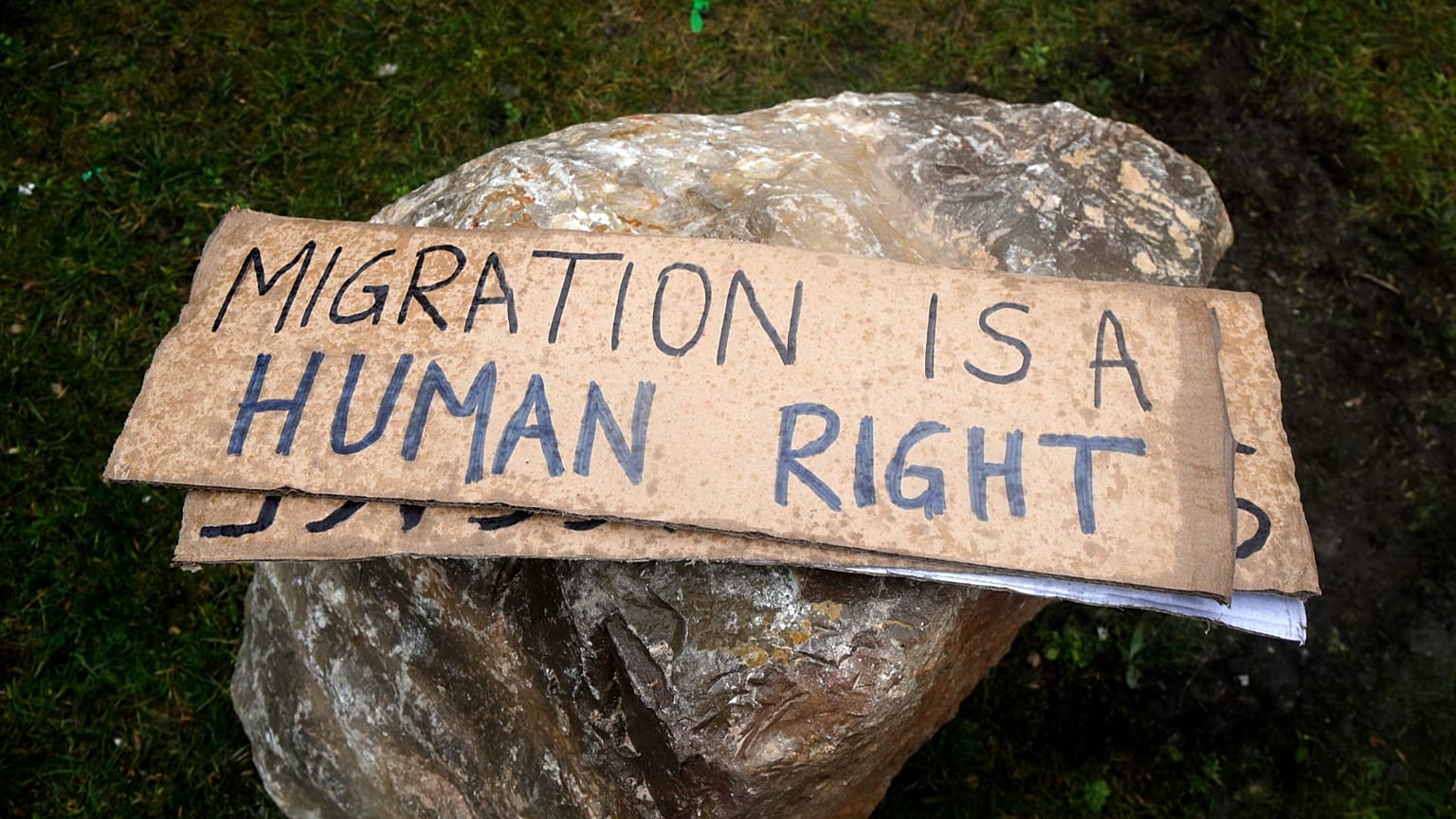
Placards are pictured as activists attempt to remove rocks placed by the townhall to avoid gatherings of migrants in Calais, 6 March, 2023
Copyright AP Photo

By Gavin Blackburn
Published on

As of early March, 377 people had been returned to France and 380 people had arrived in the UK under the "one in, one out" scheme, according to the Home Office.

A High Court judge ruled on Friday that the UK government took an "unlawful" decision that restricts the legal rights of migrants facing removal to France under the countries' one-in one-out deal.

The ruling was a victory for a group of five asylum seekers and other people returned to France under the controversial deal who brought the legal challenge against Britain's interior ministry.

The ministry vowed to appeal the judgement, insisting the removal of migrants could continue.

Under the treaty, which came into force in August last year, the UK can forcibly return irregular migrants who crossed the Channel if they are deemed ineligible for asylum.

In return, London will accept an equal number of migrants from France who have not taken the small boat route.

The judgement concerned the UK government's decision to curtail the possible legal process for those migrants facing removal who claim to be victims of human trafficking.

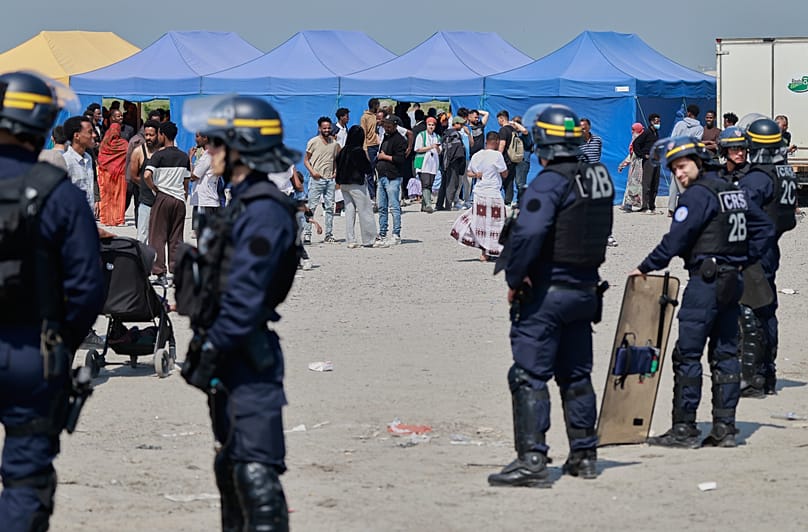
Police conduct a search operation at a makeshift camp of migrants who want to cross the English Channel to Britain near Dunkirk, 27 May, 2026 AP Photo


Judge Clive Sheldon ruled the government in September made an "unlawful" change to its modern slavery guidance to say those facing removal to France and some other European countries could not request that a negative decision on a trafficking claim be reconsidered.

The Home Office responded to the judgement by saying "last-minute modern slavery claims must not be used to frustrate the removal of illegal migrants."

But the judge said removing the right to request reconsideration "was unlawful."

Initial decisions on trafficking claims made by those arriving in small boats are taken "at considerable pace," usually within five days, the judge argued.

The government's decision meant potentially decisive evidence could be disregarded because it arrived after this cut-off point, he warned.

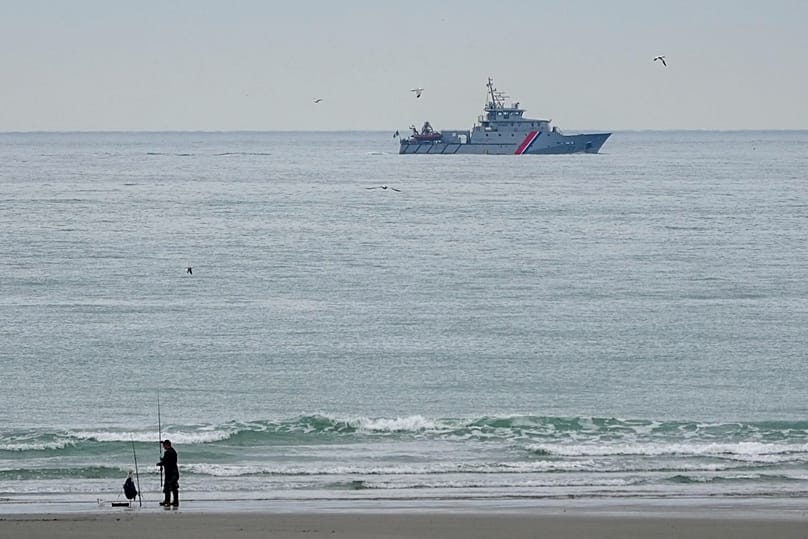
A vessel of the French Gendarmerie Nationale patrols in front of the Wimereux beach, 4 September, 2024 AP Photo


The Guardian daily reported the ruling "was likely to have significant implications" since many arriving in small boats were potentially victims of trafficking.

The interior ministry said it was "not a systemic challenge" to the deal with France, however, and "operational activity can continue."

As of early March, 377 people had been returned to France and 380 people had arrived in the UK under the "one in, one out" scheme, according to the Home Office.

More than 41,000 migrants landed on England's southern coast last year, the second-highest annual number since records began in 2018.


Congo Ebola deaths rise to 600, as new cases are suspected in a previously unaffected province

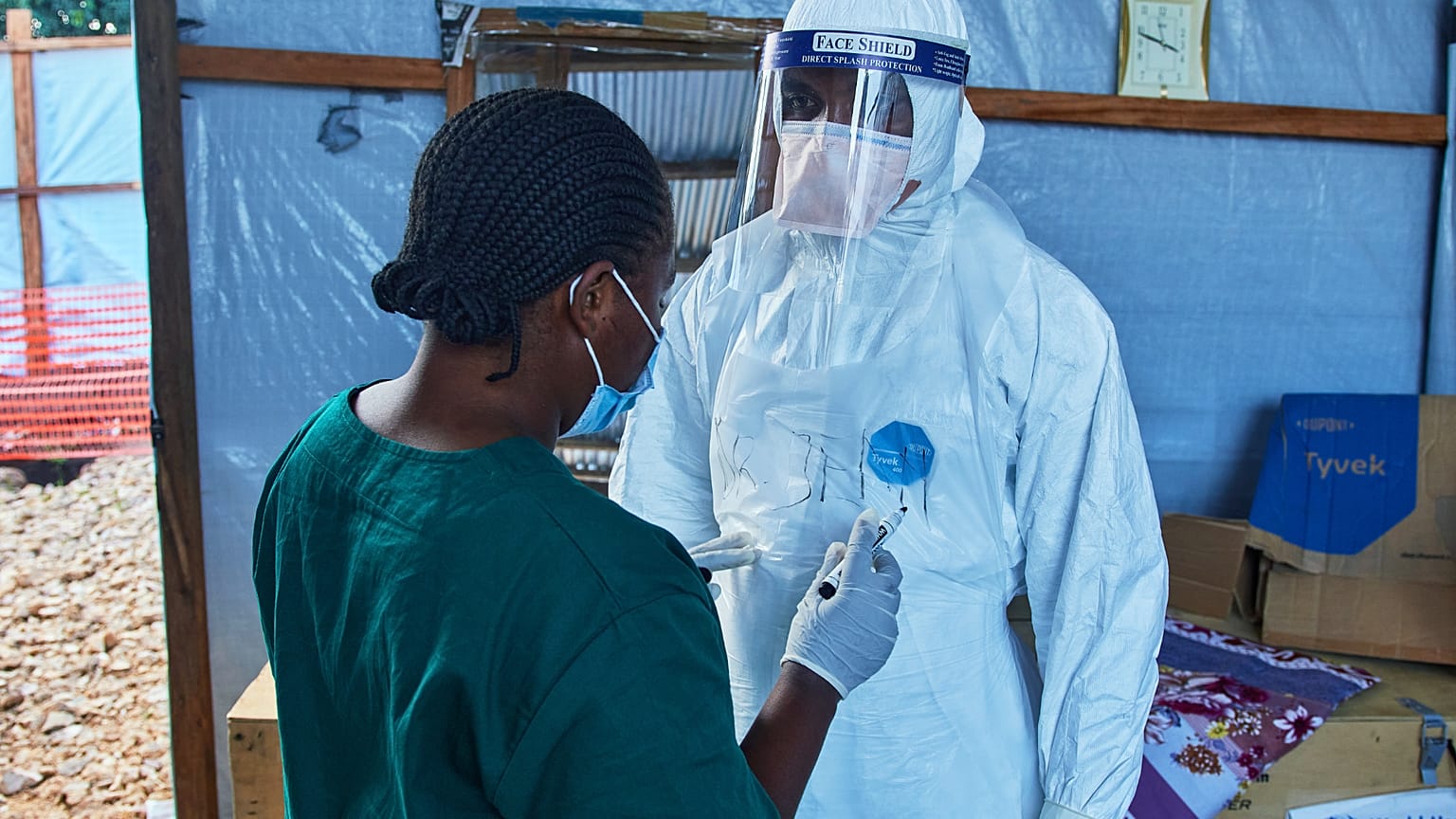
Health workers interact at the Evangelical Medical Center, in Bunia, eastern Congo, Friday, July 3, 2026, where Ebola clinical trials are scheduled to take place.
Copyright AP Photo/Dirole Lotsima Dieudonne

By Marta Iraola Iribarren with AP
Published on

Previously unaffected Congo regions report suspected Ebola cases as oubtbreak keeps spreading faster than the response, while healthcare workers are walking off their jobs amid payment delays.

New suspected cases of Ebola have been reported in parts of Congo that were previously unaffected, the government said, as the death toll in the country's latest Ebola outbreak reached 600. The total number of confirmed cases across the country has now reached 1,759

The Congolese government's latest report said two new cases were suspected in Kisangani, in Tshopo province, in the north-central part of the country, which borders Ituri province, where the outbreak started and where cases had not previously been recorded.

One of the two suspected cases was linked to the Nia-Nia health zone in Ituri, while the other case “has no apparent geographical connection to known outbreaks,” according to the report.

The virus continues to spread, fuelled by population movements and insecurity, while some treatment centres are at near-full capacity, according to Anne Ancia, WHO’s representative in Congo.

Healthcare workers protest salary delays

Moreover, some healthcare workers in Ituri say they haven’t been paid since the outbreak was declared.

“Since the Ebola virus disease outbreak was declared, we've been demanding payment for our work,” Biensi Kano, a member of the epidemiological surveillance committee in Ituri’s capital, Bunia, told AP.

The non-payment of benefits “exposes us and our families to significant socio-economic difficulties and seriously undermines our living conditions,” said Kano.

Healthcare staff also alleged they were working with limited equipment and were being treated unfairly by authorities as well as response teams.

Congo’s government did not immediately respond to a request for comment about the situation. Officials in Ituri, however, said they’ve met with the workers and their concerns are being addressed.

“The fact that Bunia airport is closed is hampering the very implementation of the response, particularly certain aspects of the flow of funds. This is one of the reasons that may account for the delay in payment,” Akilimali Pierre, incident manager at Congo’s National Institute of Public Health, told AP.

Health workers face other challenges as well, including attacks from angry residents and scepticism about the virus.

The Congolese authorities declared the Ebola outbreak on 15 May, after the disease had been transmitted for weeks without official detection, according to the World Health Organization (WHO).

The latest outbreak is caused by the rare Bundibugyo virus, which has no approved vaccine or treatment. Last week, researchers launched a highly anticipated clinical trial in the hope of finding a treatment for the virus.


Ebola outbreak in DR Congo leaves hundreds dead and children orphaned

Issued on: 10/07/2026 - FRANCE24


Health officials say DR Congo is facing its fastest-growing Ebola outbreak ever, with nearly 1,800 confirmed cases and at least 600 deaths. In the epicentre of the crisis, children who have lost their parents to the virus are left to rebuild their lives while communities struggle to contain the disease.


Italy's poorest region relies on Cuban doctors despite US pressure to cut ties

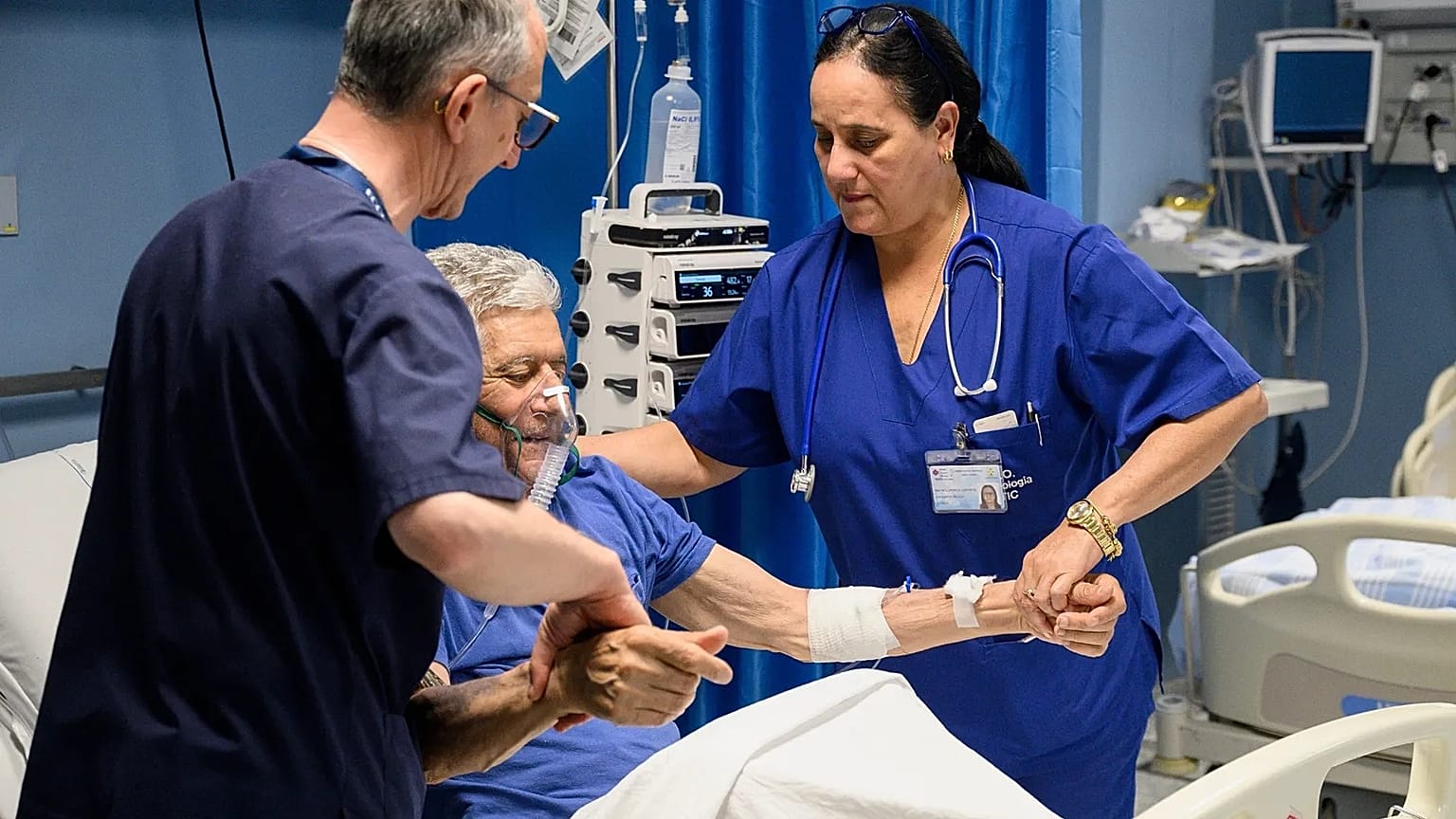
Cuban doctor Daysi Luperon Loforte helps lift up a patient hospitalized in Polistena.
Copyright AP Photo/Valeria Ferraro

By Marta Iraola Iribarren with AP
Published on

Calabria is opposed to the US push to end Cuba's medical missions in the region, saying the region can't afford to lose the doctors.

Italy’s southern Calabria region is the rare place in Europe where Cuba sends medical professionals under a long-running programme that the United States wants to stamp out.

Cuba has more doctors per person than almost any country on Earth — around 9.5 physicians per 1,000 people according to WHO data, nearly three times the OECD average — and its community-based prevention model is studied by health systems worldwide.

The country has sent its doctors to developing nations such as Gambia and Venezuela for decades, particularly due to their skills in providing care with scarce resources.

Over 200 are working in remote hospitals across Calabria, Italy’s poorest region, where shortages of homegrown healthcare workers had forced some hospital departments to close.

“It was a disaster. I was keeping the emergency room open all by myself,” the chief physician of Polistena hospital, Francesco Moschella, told The Associated Press, recalling the days before the Cubans arrived in January 2023.

Their presence triggered a visit from United States officials amid criticism from Washington, which calls the programme a moneymaker for the socialist government that the Trump administration has isolated and sanctioned.

Calabria’s president has refused to shut down the programme. Even if Cuba’s socialism doesn’t fit with his political views, he says the region depends on the doctors.

Countries under US pressure

United States Secretary of State Marco Rubio has accused the Cuban missions of being a “form of human trafficking” — a reference to Cuba's government keeping most doctors' salaries and allegedly confiscating some passports.

The US head of mission to Cuba, Mike Hammer, flew to Calabria in February alongside the American consul-general in Naples.

“I had some pressures also during the Biden administration. But pressure grew under Trump,” Occhiuto said. He told Hammer his government is working on incentives to lure Calabrian doctors home.

“But at the same time, I have also reiterated to the US Ambassador Hammer that I needed to keep hospitals open and that I intend to keep the Cuban doctors who are currently in Italy in their posts,” Occhiuto said.

Italy is not the only country under US pressure to stop collaborating with Cuba. In March, Jamaica ended its 50-year medical cooperation agreement with the country, affecting nearly 300 healthcare workers. In the same month, Honduras expelled more than 150 Cuban medical staff.

Calabria’s strained healthcare system

Despite growing tourism and a strong farming economy, wages in Calabria are about 30% lower than the Italian average, and the unemployment rate is double the national rate.

The region ranks last in Italy in public healthcare access, according to the health ministry.

During the COVID-19 pandemic, Cuba sent doctors to several areas of Italy and Calabria continued employing them after the health emergency ended.

“For a first-world country, Europe, we had a completely different idea. We didn’t think that the shortage of doctors was so serious,” said Zoila Yakelin Arevalo Cruz, an emergency medicine specialist who left Cuba in 2023.

The emergency room where she works in Polistena sees 30,000 patients annually, and six Cuban doctors make up half its staff.

“In this hospital there were lines that lasted up to eight or 12 hours. Now, thanks to our work, in less than an hour a doctor visits you.”

The region pays Cuban doctors directly

Calabria signed individual contracts with the doctors and makes deposits in their Italian bank accounts rather than paying the Cuban government agency that runs the medical missions.

Cuban doctors told the AP they still send as much as half their salaries back to their government.

“We are all aware of the economic situation Cuba is going through. It’s a contribution that we make voluntarily because Cuba trained us, educated us and made us doctors,” Arevalo Cruz said.

Daisy Luperon Loforte, Cuban cardiologist, echoed that sentiment: “We do not consider ourselves modern-day slaves at all, as somebody called it. We love our country, we give an economic contribution and we are happy to do so.”

Occhiuto confirmed that 63 Cuban doctors, some of them previously involved in Cuba’s international medical mission, recently applied to work in its healthcare system independently.