'Capitalism for all'
Bolivia’s president-elect Rodrigo Paz vowed Monday to restore diplomatic ties with Washington, signaling a pro-business shift after nearly 20 years of socialist rule blamed for deep economic troubles. The 58-year-old economist-turned-senator won Sunday’s run-off, defeating a right-wing rival after the socialist MAS party was barred following the August vote.
Issued on: 20/10/2025
By: FRANCE 24
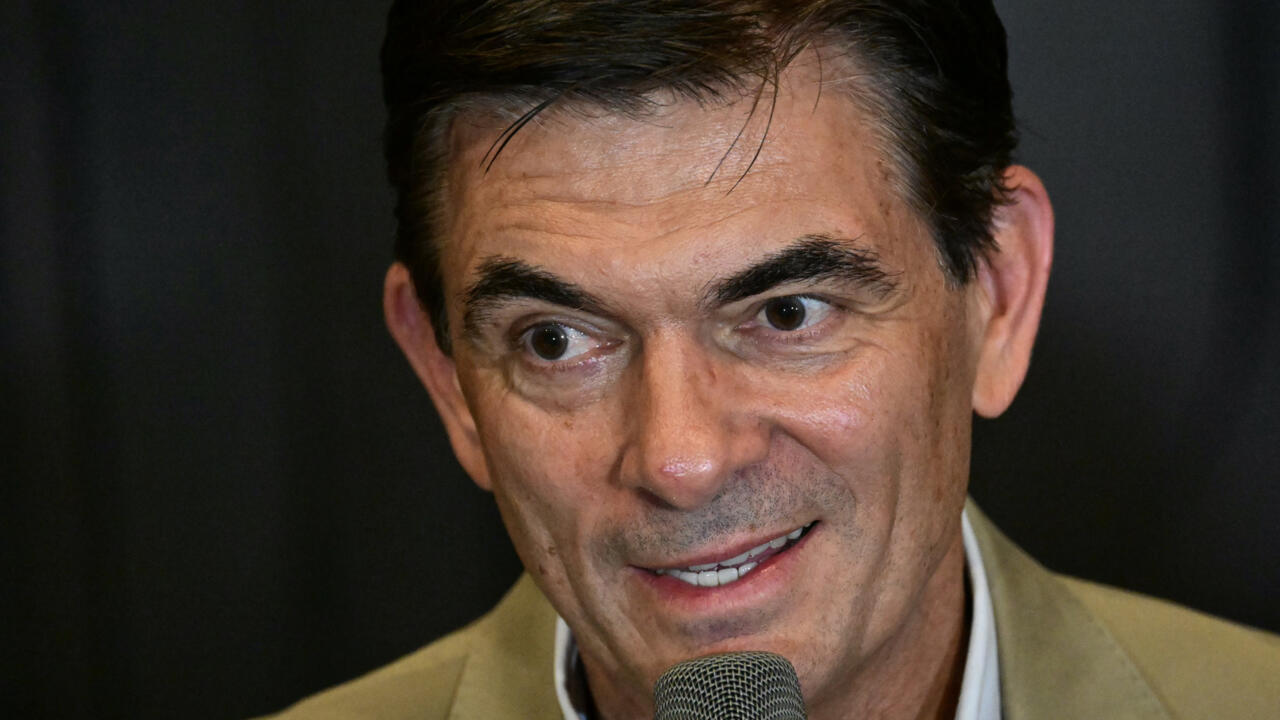
Bolivia's President-elect Rodrigo Paz wants to reinstate diplomatic ties with Washington
© Martin BERNETTI, AFP
Bolivia's new pro-business president-elect vowed Monday to renew diplomatic ties with Washington as the South American country veered right after nearly two decades under socialist rule blamed by many for its myriad economic woes.
Rodrigo Paz, a 58-year-old economist-turned senator, emerged victorious in a run-off election Sunday, beating a fellow right-wing rival after a first voting round in August saw the socialist MAS party founded by ex-leader Evo Morales ousted from the race.
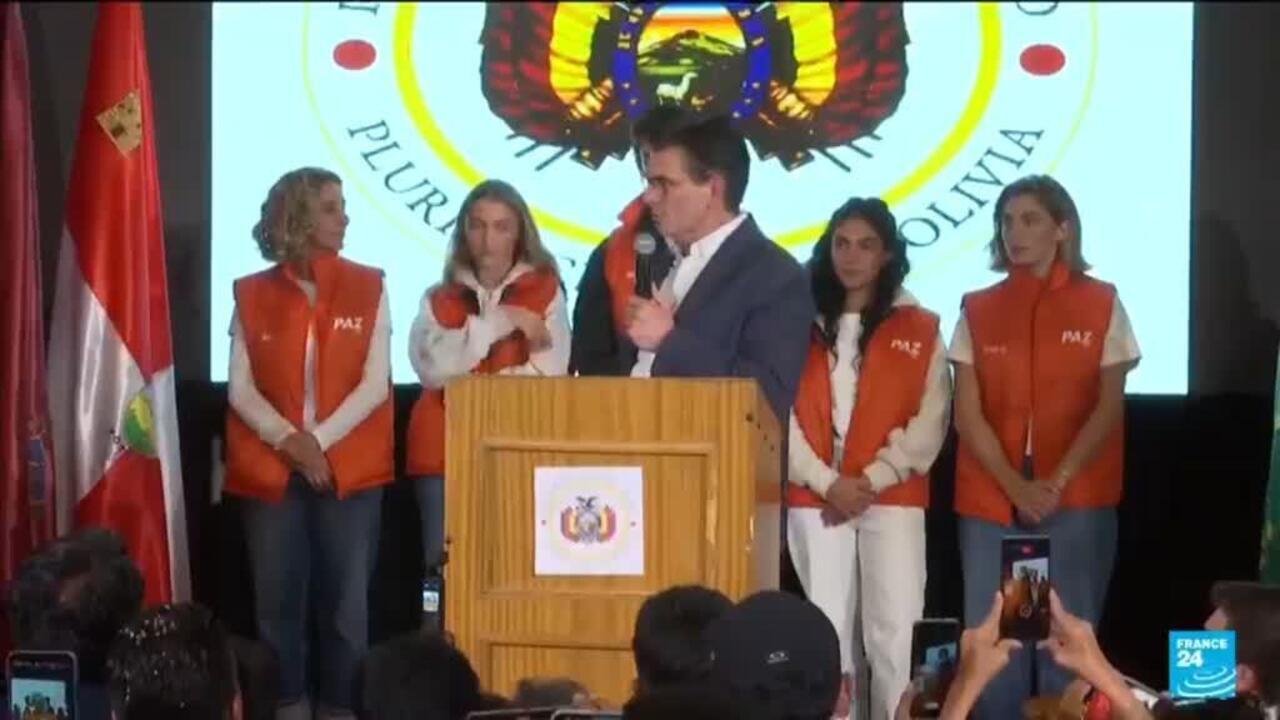
In his victory speech Sunday night, Paz proclaimed Bolivia was "reclaiming its place on the international stage."
And on Monday, he told reporters Bolivia's relationship with the United States "will be resumed" nearly 20 years after Morales kicked out Washington's ambassador.
"We have been talking with the US government in particular. I believe this is very important," he said.
Paz is set to take office on November 8 facing an uphill task.
Read moreBolivia turns page on Socialist era, elects great-nephew of 1952 revolution leader
Bolivia's economy is in recession, according to the World Bank, and long queues for fuel have become a way of life. Dollars are in short supply and annual inflation is over 20 percent.
Under Morales, in office from 2006 to 2019, Bolivia took a sharp turn to the left -- nationalizing energy resources, breaking ties with Washington and making alliances with China, Russia and fellow leftists in Cuba, Venezuela and elsewhere in Latin America.
In 2008 Morales expelled the US ambassador and officials of the US Drug Enforcement Administration (DEA), accusing them of interference in Bolivia's affairs. USAID officials followed in 2013.
Washington expelled Bolivia's ambassador in retaliation, and the envoys were never replaced.
Paz's election victory was welcomed by US Secretary of State Marco Rubio, who said in a statement Washington "stands ready to partner with Bolivia on shared priorities."
Rubio added that "after two decades of mismanagement, President-elect Paz's election marks a transformative opportunity for both nations."
Paz said he had also received a congratulatory message from President Donald Trump, who is embroiled in bitter public feuds with Latin American leftists including Venezuela's Nicolas Maduro and Gustavo Petro of Colombia.
© France 24
01:40
01:40
'Capitalism for all'
On the campaign trail, the Christian Democratic Party candidate had vowed a "capitalism for all" approach to economic reform, with decentralization, lower taxes and fiscal discipline mixed with continued social spending.
He promised to maintain social programs while stabilizing the economy, but economists have said the two things are not possible at the same time.
Paz said Monday his interim government has had talks with US Deputy Secretary of State Chris Landau about measures to find a solution to Bolivia's fuel shortage "along with friendly countries like Brazil, Uruguay, Paraguay, and Argentina."
Sunday's election closed out an economic experiment marked by initial prosperity funded by Morales's nationalization of natural gas reserves.
The boom was followed by bust, notably with critical shortages of fuel and foreign currency under outgoing leader Luis Arce.
Successive governments under-invested in the hydrocarbons sector, once the backbone of the economy.
Production plummeted and Bolivia almost depleted its dollar reserves to sustain a universal subsidy for fuel that it can no longer afford to import.
(FRANCE 24 with AFP)

No comments:
Post a Comment