Tuesday, June 17, 2025

Mali junta takes control of Canadian-owned Barrick Gold mine amid tax dispute

Barrick Gold’s giant Loulo-Gounkoto gold complex in Mali has been placed under the provisional administration of the country's military junta amid an ongoing tax dispute. The Canadian-owned complex is home to one of the world’s largest gold mines.


Issued on: 17/06/2025
By:FRANCE 24

Gold bullion at the ABC Refinery smelter in Sydney on April 29, 2025. 
© David Gray, AFP


A judge in Mali on Monday ordered Barrick Gold’s Loulo-Gounkoto gold complex to be placed under provisional administration for six months in an ongoing dispute between the Canadian mining company and the West African nation’s military government over unpaid taxes.

Zoumana Makadji, an accountant and a former Malian minister of health has been appointed as the company’s provisional administrator within 15 days, Judge Issa Aguibou Diallo said in a statement to Barrick’s lawyers.

Barrick is Africa’s largest gold producer. The Loulo-Gounkoto complex and its Kibali mine – located in Congo – rank among the top 10 gold mines globally, according to the company’s website.

Barrick Gold has been in conflict with Mali’s military rulers over alleged unpaid taxes and unfair contracts with past governments. The dispute culminated in an arrest warrant in December for Barrick CEO Mark Bristow and the company’s offer to pay $370 million to the government.


“While Barrick’s subsidiaries remain the legal owners of the mine, operational control has been transferred to an external administrator,” Barrick said in a statement on its website following the ruling.

'National economic interests'

A source representing the Mali government told AFP that the ruling “protects national economic interests” and avoids “the sudden closure of the mine in the absence of a revised agreement”.

In December, Barrick submitted a request for arbitration to the International Center for Settlement of Investment Disputes to address disagreements with Mali concerning the Loulo-Gounkoto complex, where the mines are located.

Despite this, the government took a series of escalatory measures, including the arrest of Barrick Gold employees, who remain detained, and the suspension of gold exports.

Barrick, which has been present in Mali for three decades, emphasized that the arbitration process was still ongoing and reaffirmed its commitment to “engaging with the government of Mali, in parallel, to identify a constructive, mutually acceptable solution.

Detained staff 'used as leverage'

The company’s statement on Monday added: “The ongoing detention of (our) employees – who remain unjustly imprisoned and used as leverage in this process – is deeply concerning and inconsistent with the trust, transparency and accountability required for a genuine long-term partnership.

“To date, no credible rationale has been presented to justify this detention and the Government’s position, and the Government’s ever-increasing demands have lacked both factual and legal foundation.”

Mali is one of Africa’s leading gold producers, but it has struggled for years with jihadi violence and high levels of poverty and hunger. The military seized power in 2020, and the government has placed foreign mining companies under growing pressure as it seeks to shore up revenues.

In November, the CEO of Australian company Resolute Mining and two employees were arrested in Bamako. They were released after the company paid $80 million to Malian authorities to resolve a tax dispute and promised to pay a further $80 million in the coming months.

(FRANCE 24 with AFP)
🌟The Bright Side: Viking burial site discovered by accident in Denmark


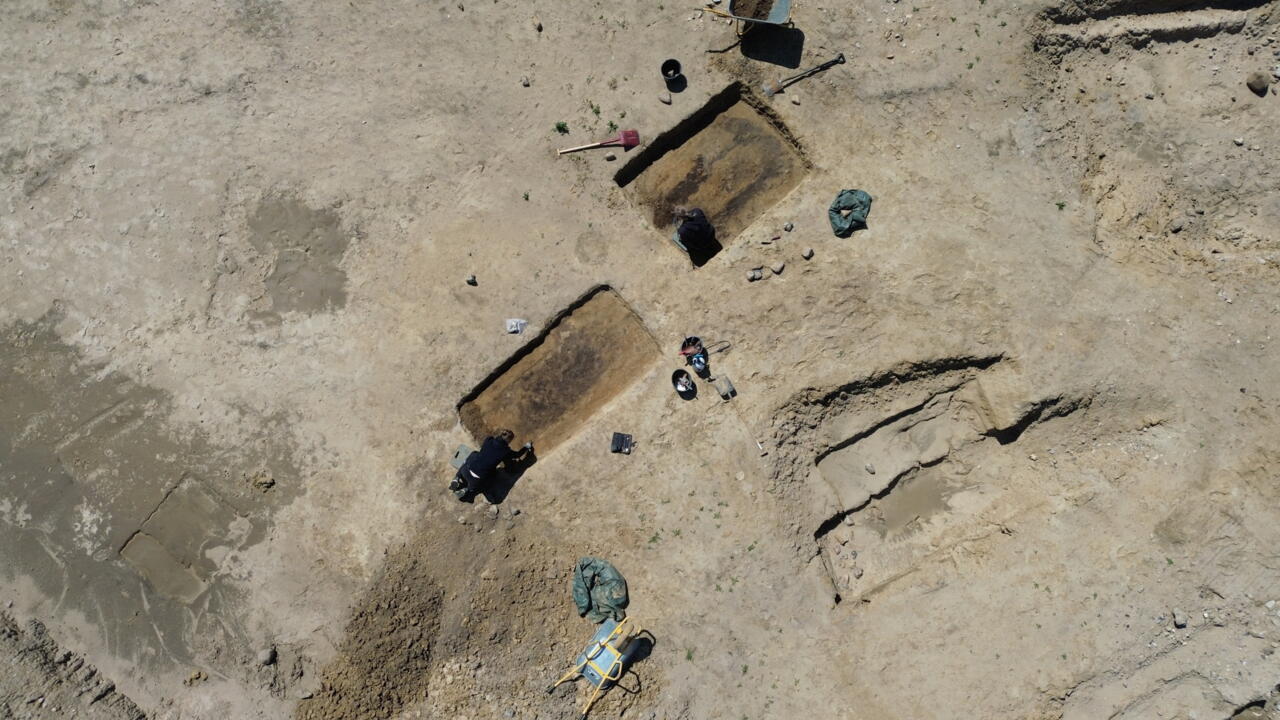
Around 30 graves from the Viking Age were found by accident when pearls, coins, ceramics and a box containing gold thread were unearthed in a construction site near Lisbjerg near the city of Aarhus in Denmark. Archaeologists believe that the burial site most likely belonged to a noble family that lived during the reign of King Harald Bluetooth in the 10th century AD.


Issued on: 17/06/2025 - 
By: FRANCE 24


An aerial photo shows archaeologists working at a Viking Age burial site in Lisbjerg, a village seven kilometres north of Aarhus, Denmark's second-largest city, on June 13, 2025. © James Brooks, AFP


A 10th-century burial site believed to have belonged to a Viking noble family has been discovered by accident in northern Denmark, packed with a "spectacular" trove of ancient objects, a museum announced Tuesday.

The discovery came when pearls, coins, ceramics and a box containing a gold thread were unearthed during construction work near Lisbjerg, a village located seven kilometres north of Aarhus, Denmark's second-largest city.

Archaeologists found the site contained around 30 graves dating from the second half of the 10th century, when the famous King Harald Bluetooth reigned, said the Moesgaard Museum in Aarhus.

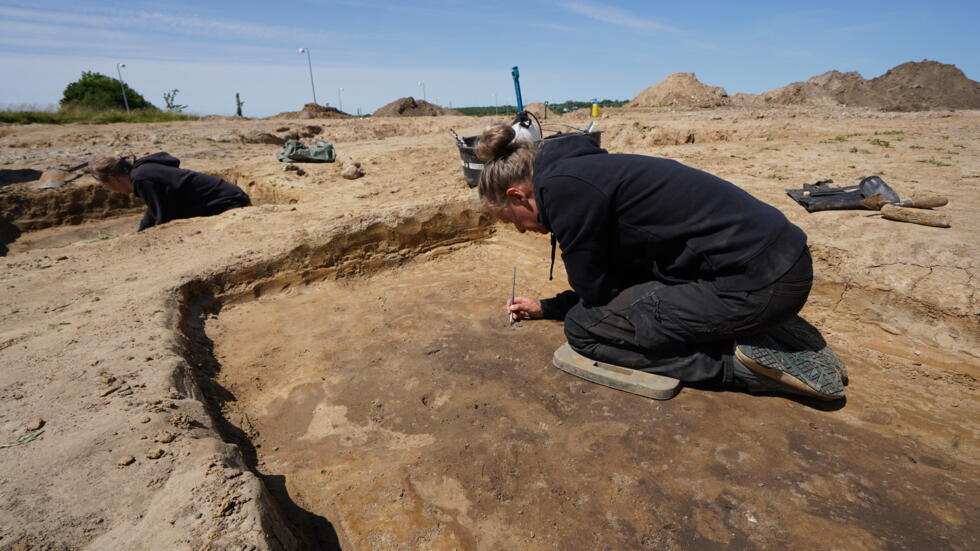
An archaeologist works at a Viking Age burial site in Lisbjerg, a village seven kilometres north of Aarhus, Denmark’s second largest city, on June 13. © James Brooks, AFP

According to the museum's archaeologist Mads Ravn, the graves are most likely linked to a noble family from the Viking Age – which lasted between the eighth and 11th centuries – whose farm was discovered less than a kilometre from the burial site in the late 1980s.


"This could have been one of Harald Bluetooth's earls or stewards," Ravn told AFP.

Ravn noted that the king, who introduced Christianity to what is today Denmark, tasked nobles with managing certain regions.

Researchers also discovered some human remains, such as teeth and bones, at the site.

"People basically took what was important to them into the grave because they wanted to transfer it to the other world," the archaeologist said.

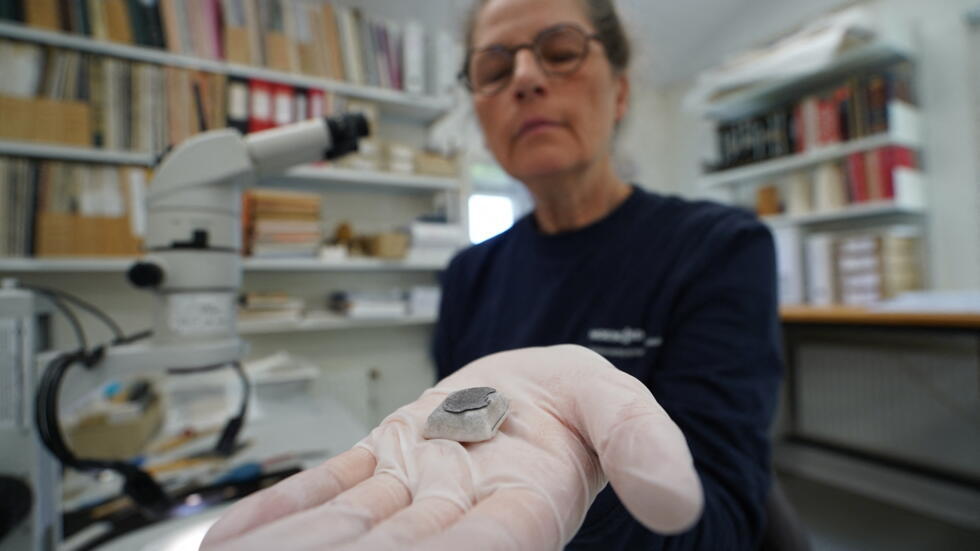
Conservator Helle Strehle holds a Viking Age silver coin discovered at a Viking Age burial site in Lisbjerg, a village seven kilometres north of Aarhus, Denmark's second largest city, on June 13. © James Brooks, AFP

One of the graves, which scientists believe belonged to an important woman, contained a box filled with decorative objects and a pair of scissors.

The "magnificent" box is a remarkable find, according to Ravn, with only a few having been discovered before, including one in southeastern Germany.

"It's very rare, there's only three of them we know of," he said.

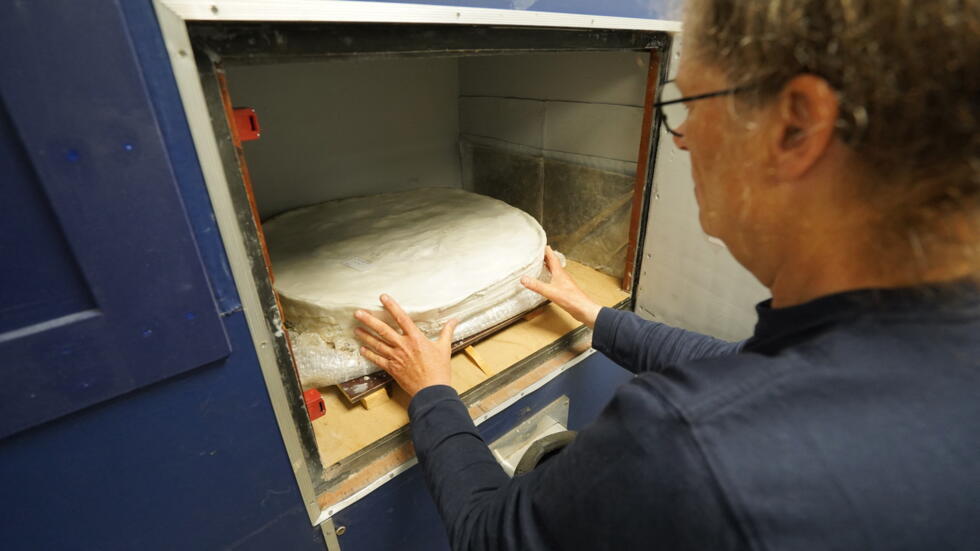
Conservator Helle Strehle places a preserved Viking Age casket discovered at Lisbjerg into an x-ray machine at Moesgaard Museum's labs in Aarhus, Denmark, on June 13. © James Brooks, AFP

The excavations at Lisbjerg are due to be completed this week, after which experts will begin a thorough analysis of the objects recovered.

Wooden objects in particular should help them accurately date the burial site.

As a royal and commercial centre, Aarhus was one of Denmark's most important cities during the Viking Age.

(FRANCE 24 with AFP)
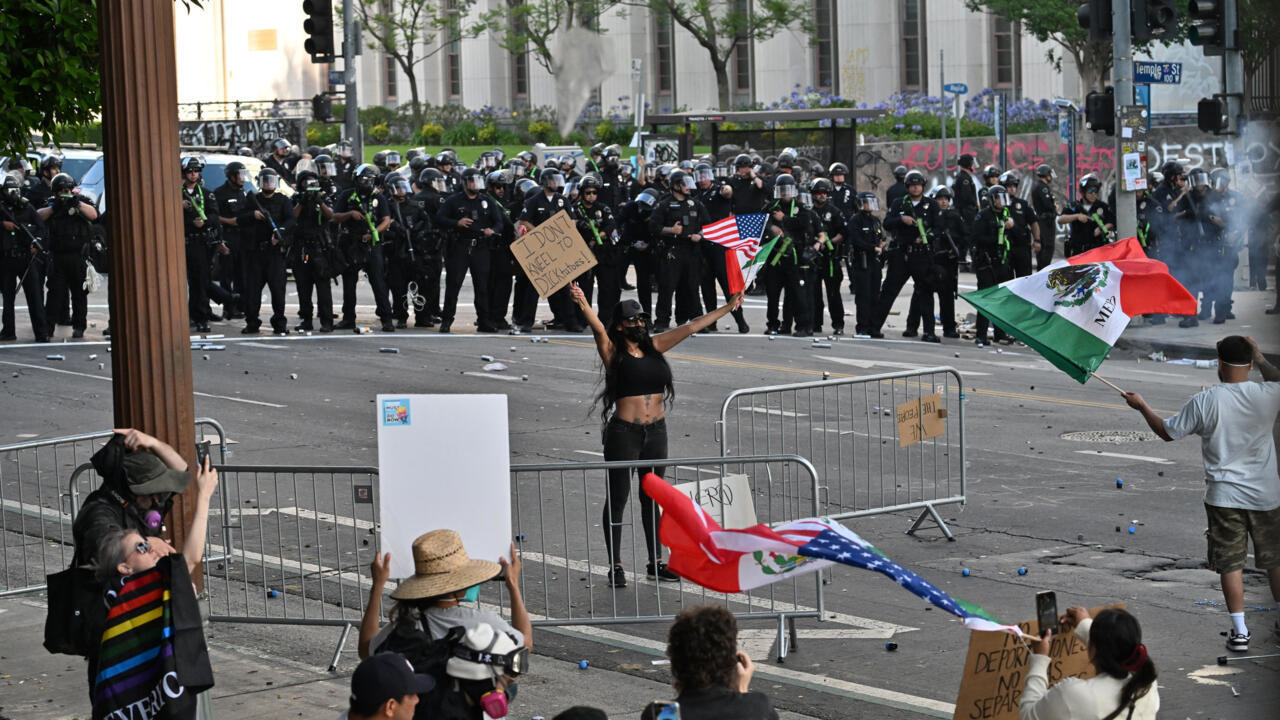
AFP photographer recovers after being shot in face with rubber bullet at LA protest

An Agence France-Presse photographer was recovering Monday after he was shot in the face with a rubber bullet by law enforcement during their standoff with protesters in downtown Los Angeles.


Issued on: 17/06/2025 

The AFP photographer was injured as police moved to clear protesters in Los Angeles. © Robyn Beck, AFP

An Agence France-Presse photographer was recovering Monday after he was shot in the face with a rubber bullet by law enforcement during their standoff with protesters in downtown Los Angeles.

The photographer was covering demonstrations on Saturday – part of the many rallies across the country against US President Donald Trump.

He was struck twice by rubber bullets fired by authorities when they abruptly moved in to disperse protesters, and had to be treated in hospital for his injuries.

"I was covering the protest ... approximately 90 feet away from the police when I received the impact of a rubber bullet in my face and another one in my right arm," he recalled.

The photographer, who asked to remain anonymous, said he was clearly identified as a journalist.

"I was working with two cameras, a helmet with AFP stickers on it and also, I had a big patch on my chest that said 'Press,'" he added.

Los Angeles Police Department did not acknowledge firing at the photographer but said it had sought to clear protesters after declaring an unlawful assembly.

"Following the dispersal order, less-lethal munitions were used to clear the area of those who refused to comply and leave the area," it told AFP in a statement.

Watch moreLos Angeles protests: How AI and chatbots are feeding fake news

Los Angeles County Sheriff's Department, which also policed the protest, said it was reviewing footage of the incident but added it was "not clear whether our personnel were involved".

"The LASD does not condone any actions that intentionally target members of the press," it said.

Saturday's rally was the largest of the protests that began in Los Angeles on June 6 and have continued daily ever since.

They first erupted in anger at raids by Immigration and Customs Enforcement (ICE), which has been ordered by the Trump administration to target undocumented migrants across the sprawling, heavily Latino city.

The demonstrations have been mostly peaceful and confined to a small section of downtown Los Angeles.

But at times they have spiralled into violence that Trump has pounced on to send 4,000 National Guard and 700 Marines into the city – a move loudly protested by local officials.

Other journalists have also been injured during the protests.

The Guardian newspaper reported that a British photographer had to undergo emergency surgery after he was shot in the leg by a non-lethal round on June 7.

Meanwhile, an Australian reporter was hit in the leg by a rubber bullet while she was reporting on live television on June 8, an incident slammed by the country's prime minister as "horrific".

And the New York Post said its photographer was shot in the head with a rubber bullet, also during the June 8 clashes.

(FRANCE 24 with AFP)
At least 50 Palestinians killed by Israeli army while waiting for Gaza aid trucks, rescuers say


More than 50 Palestinians have been killed by the Israeli military in Gaza’s Khan Younis while waiting for aid trucks to come through, health officials in the enclave said Tuesday. “It was a massacre,” an eyewitness said, adding people were shot at as they tried to flee the scene.


Issued on: 17/06/2025 -
By: FRANCE 24


Palestinians react to people wounded in an Israeli strike while waiting for aid, according to the Gaza Health Ministry, at Nasser hospital, Khan Younis, southern Gaza Strip, June 17, 2025. 
© Hatem Khaled, Reuters


At least 51 Palestinians were killed and more than 200 wounded in the Gaza Strip while waiting for UN and commercial trucks to enter the territory with desperately needed food, according to Gaza’s Health Ministry and a local hospital.

Palestinian witnesses told The Associated Press that Israeli forces carried out an air strike on a nearby home before opening fire toward the crowd in the southern city of Khan Younis. The military did not immediately respond to a request for comment.

It did not appear to be related to a new Israeli- and US-supported aid delivery network that rolled out last month and has been marred by controversy and violence.

Yousef Nofal, an eyewitness, said he saw many people motionless and bleeding on the ground after Israeli forces opened fire. “It was a massacre,” he said, adding that the soldiers continued firing on people as they fled from the area.

'Aren't we human beings?'

Mohammed Abu Qeshfa said he heard a loud explosion followed by heavy gunfire and tank shelling. “I survived by a miracle,” he said.

The dead and wounded were taken to the city’s Nasser Hospital, which confirmed the toll.

Samaher Meqdad was at the hospital looking for her two brothers and a nephew who had been in the crowd.

“We don’t want flour. We don’t want food. We don’t want anything,” she said. “Why did they fire at the young people? Why? Aren’t we human beings?”

Palestinians say Israeli forces have repeatedly opened fire on crowds trying to reach food distribution points run by a separate US and Israeli-backed aid group since the centers opened last month. Local health officials say scores have been killed and hundreds wounded.

In those instances, the Israeli military has acknowledged firing warning shots at people it said had approached its forces in a suspicious manner.
'New system'

Israel says the new system operated by a private contractor, the Gaza Humanitarian Foundation, is designed to prevent Hamas from siphoning off aid to fund its militant activities.


UN agencies and major aid groups deny there is any major diversion of aid and have rejected the new system, saying it can’t meet the mounting needs in Gaza and that it violates humanitarian principles by allowing Israel to control who has access to aid.

Experts have warned of famine in the territory that is home to some 2 million Palestinians.

The UN-run network has delivered aid across Gaza throughout the 20-month Israel-Hamas war, but has faced major obstacles since Israel loosened a total blockade it had imposed from early March until mid-May. UN officials say Israeli military restrictions, a breakdown of law and order, and widespread looting make it difficult to deliver the aid that Israel has allowed in.

Israel’s military campaign since October 2023 has killed over 55,300 Palestinians, more than half of them women and children, according to Gaza’s Health Ministry. Its count doesn’t distinguish between civilians and combatants.

Israel launched its campaign aiming to destroy Hamas after the group’s Oct. 7, 2023, attack on southern Israel, in which militants killed around 1,200 people, mostly civilians, and taking another 251 hostage. The militants still hold 53 hostages, fewer than half of them alive, after most of the rest were released in ceasefire agreements or other deals.

(FRANCE 24 with AP)
Rwanda adopts 70 South African white rhinos under rewilding initiative

Rwanda said on Tuesday that 70 white rhinos had been successfully relocated to the Great Lakes nation, after a journey of some 3,000 kilometres from South Africa.


Issued on: 15/06/2025 - RFI

Two white rhinos in South Africa. AFP PHOTO / STEPHANE DE SAKUTIN

It was the largest ever relocation of rhinos, which can weigh up to two tonnes, Rwandan officials said.

Once abundant across sub-Saharan Africa, rhino numbers have dramatically fallen due to hunting by European colonisers and large-scale poaching.

The animals were transported in two loads of 35 – first aboard a Boeing 747, then by road – from South Africa's Munywana Conservancy to Akagera National Park in Rwanda, according to the Rwanda Development Board.

"A dedicated veterinary team will closely monitor their health and behaviour for several weeks to ensure proper adaptation to their new environment and management of any stress associated with the move," it added in a statement.

Breeding stronghold

The move was part of the African Parks rhino rewilding initiative, supported by the Howard G. Buffett Foundation, which aims to support population growth and secure a new breeding stronghold in Rwanda.

According to the International Rhino Foundation, rhino poaching in Africa rose by 4 percent from 2022 to 2023, with at least 586 rhinos poached in 2023.

South Africa is home to most of the world's rhinos, including the critically endangered black rhino, and is a hotspot for poaching – driven by demand in Asia, where the horns are used in traditional medicine.

Rhino horn is highly sought after on the black market, where the price by weight rivals that of gold and cocaine.


The southern white rhino, one of two subspecies, is now listed as "near threatened", with roughly 17,000 individuals remaining, according to the International Union for Conservation of Nature.

The northern white rhino has all but vanished, with just two females left alive, in Kenya.

At least 34 rhinos were killed each month, the South African environment minister said in May.

Fatu, 19, and her mother Najin, 30, are the last of the subspecies of white rhino, and live under 24-hour armed guard. AFP/File

Dehorning to ward off poachers

In a bid to tackle the problem of poaching, conservationists in South Africa have turned to the procedure of "dehorning" rhinos.

The practice resulted in a nearly 80-percent reduction in the poaching of the animals during a seven-year study in a major South African conservation area, according to a report published in the journal Science last week.

Sawing off the sought-after horns also comes at a fraction of the cost of other counter-poaching measures such as deploying rangers or tracking dogs, according to the study.


Workers attempt to bring a tranquillised rhino to the ground before de-horning it, at a farm outside Klerksdorp, South Africa. REUTERS/Siphiwe Sibeko/Files

The study was carried out between 2017 and 2023 in 11 reserves around South Africa's famed Kruger National Park.

During this period, some 1,985 rhinos were poached in the reserves, despite €64 million being spent – mostly on reactive law enforcement measures which netted around 700 poachers.

In contrast, dehorning 2,284 rhinos cut poaching by 78 percent at just 1.2 percent of that cost.

(with AFP)
AFRIKA IS A COUNTRY

US envisages adding 25 more African countries to travel ban


US President Donald Trump’s administration is considering significantly expanding its travel restrictions by potentially banning citizens of 36 additional countries from entering the United States – 25 of which are on the African continent – according to an internal State Department cable issued over the weekend.


Issued on: 16/06/2025 - 10:38
2 minReading time
The Trump administration is considering extending the travel ban to a further 36 countries, most of which are on the African continent
. © Alex Brandon / AP

Earlier this month, Trump signed a proclamation banning the entry of citizens from 12 countries, saying the move was needed to protect the United States against "foreign terrorists" and other national security threats.

In an internal diplomatic cable signed by US Secretary of State Marco Rubio, the State Department proposed extending the restrictions to a further 36 countries, including 25 on the African continent.

The cable, first reported in the Washington Post, outlined a dozen concerns about the countries in question and sought corrective action.

"The Department has identified 36 countries of concern that might be recommended for full or partial suspension of entry if they do not meet established benchmarks and requirements within 60 days," the cable sent out over the weekend said.

Targeted countries

Among the concerns the Trump administration raised was the lack of a competent or cooperative government by some of the countries mentioned to produce reliable identity documents, the cable said. Another was "questionable security" of that country's passport.

Other concerns related to visa overstays, lack of cooperation over deportations, nationals involved in acts of terrorism in the United States, or antisemitic and anti-American activity.

The cable noted that not all of these concerns pertained to every country listed.

African Union condemns Trump travel ban amid strained Africa-US relations

It instructs US diplomats to give listed countries until 8 a.m. Wednesday to submit initial action plans to meet the new requirements.

The countries that could face a full or a partial ban if they do not address concerns within the next 60 days are: Angola, Antigua and Barbuda, Benin, Bhutan, Burkina Faso, Cabo Verde, Cambodia, Cameroon, Côte D'Ivoire, Democratic Republic of Congo, Djibouti, Dominica, Ethiopia, Egypt, Gabon, The Gambia, Ghana, Kyrgyzstan, Liberia, Malawi, Mauritania, Niger, Nigeria, Saint Kitts and Nevis, Saint Lucia, Sao Tome and Principe, Senegal, South Sudan, Syria, Tanzania, Tonga, Tuvalu, Uganda, Vanuatu, Zambia, and Zimbabwe.

The ban that came into effect earlier this month applied to Afghanistan, Myanmar, Chad, Congo Republic, Equatorial Guinea, Eritrea, Haiti, Iran, Libya, Somalia, Sudan and Yemen. The African Union expressed its "deep concern" over that bill.


(with newswires)
Macron says he is in Greenland to express 'France and EU's solidarity'

On 15 June, French President Emmanuel Macron visited Greenland, the strategic Arctic island coveted by U.S. President Donald Trump, carrying a “message of solidarity and friendship” from France and the European Union.


Issued on: 15/06/2025 - RFI

French President Emmanuel Macron (C) speaks to journalists next to Danish Prime Minister Mette Frederiksen (L) as he arrives at Nuuk Airport in Nuuk, Greenland, on June 15, 2025. © Ludovic Marin / AFP

Macron reiterated his criticism of Trump’s intention to take control of the territory.

“I don’t think that’s something that should be done between allies,” he said as he was greeted at Nuuk airport by Danish Prime Minister Mette Frederiksen and Greenlandic Prime Minister Jens-Frederik Nielsen.

“It’s important to show that Denmark and Europe are committed to this territory, which has very high strategic importance and whose territorial integrity must be respected,” Macron said. He was making a stop on his way to a summit of the Group of Seven leading industrialised nations in Canada, which will also be attended by Trump.

Macron, who is visiting Greenland for the first time, said, “It means a lot to me to convey a message of friendship and solidarity from France and the European Union to help this territory face its various challenges: economic development, education, as well as the consequences of climate change.”


French President Emmanuel Macron arrives at Nuuk Airport in Nuuk, Greenland, on Sunday, June 15, 2025. AP - Mads Claus Rasmussen

In a speech last week at the UN Ocean Conference, Macron also mentioned Greenland and the deep seas, saying they are not “up for grabs” in remarks that appeared largely directed at Trump.

Macron's role in Europe


In recent months, Macron has sought to reinvigorate France’s role as the diplomatic and economic heavyweight of the 27-nation European Union.

The French president has positioned himself as a leader in Europe amid Trump’s threats to withdraw support from Ukraine as it fights against Russia’s invasion. Macron hosted a summit in Paris with other European heads of state to discuss Kyiv, as well as security issues across the continent.

Sunday’s visit was also be an occasion to discuss how to further enhance relations between the EU and Greenland on matters such as economic development, the low-carbon energy transition, and critical minerals. The leaders will also exchange views on efforts to curb global warming, according to Macron’s office.

Later on Sunday, Macron, Frederiksen, and Nielsen held a meeting on a Danish helicopter carrier, underlining France’s concerns over security issues in the region.


Trump and Greenland


Last week, US Defence Secretary Pete Hegseth appeared to acknowledge that the Pentagon has developed plans to take over Greenland and Panama by force if necessary, but refused to answer repeated questions during a heated congressional hearing on Thursday about his use of Signal chats to discuss military operations.

Hegseth’s comments were the latest controversial remarks made by a member of the Trump administration about the Arctic island. The president himself has said he will not rule out military force to take over Greenland, which he considers vital to American security in the high north.

The Wall Street Journal reported last month that several high-ranking officials under the US Director of National Intelligence, Tulsi Gabbard, had instructed intelligence agency heads to learn more about Greenland’s independence movement and attitudes towards US resource extraction there.

Director of National Intelligence (DNI) Tulsi Gabbard testifies before a Senate Intelligence Committee hearing on worldwide threats, on Capitol Hill in Washington, D.C., U.S., March 25, 2025 REUTERS - Kevin Lamarque

Nielsen said in April that US statements about the island have been disrespectful and that Greenland “will never, ever be a piece of property that can be bought by just anyone.”

(With newswires)


U$ AUSTERITY

UNHCR Forced To Make Deep Cuts, Despite Rising Needs Worldwide

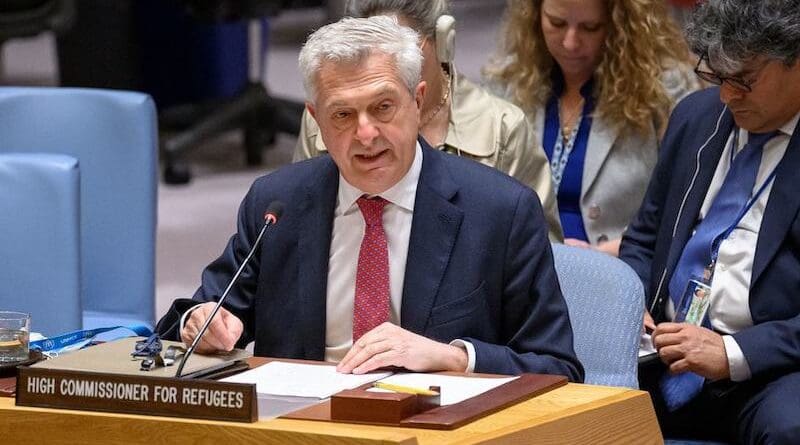
Filippo Grandi, UN High Commissioner for Refugees (UNHCR), briefs members of the UN Security Council. Photo Credit: UN Photo/Loey Felipe


By 

The UN refugee agency (UNHCR) announced on Monday that it is cutting global staffing costs by around 30 per cent, following a comprehensive review of its activities, spending, staffing and structure, prompted by major funding shortfalls.


This will entail cutting just under half of all senior positions at the agency’s Geneva headquarters and regional bureaux. 

Around 3,500 permanent staff posts have been discontinued, hundreds of temporary staff positions have been terminated, and some offices have been downsized or closed worldwide.

According to the report, decisions on where to cut costs were guided by the priority to maintain operations in regions with the most urgent refugee needs.

Financial realities

The announcement follows a warning in March from UNHCR that severe funding cuts were putting millions of refugee lives at risk, with immediate and devastating consequences.

The agency anticipates it will end the year with available funding at roughly the same level as a decade ago – despite the number of refugees forced to flee having nearly doubled in that time to over 122 million.


“In light of difficult financial realities, UNHCR is compelled to reduce the overall scale of its operations,” said Filippo Grandi, the United Nations High Commissioner for Refugees. “We will focus our efforts on activities that have the greatest impact for refugees, supported by streamlined headquarters and regional bureau structures.” 

‘Unshakeable’ commitment to refugees

Despite the prioritisation of refugee needs, key programmes – including financial assistance to vulnerable families, health, education, and water and sanitation – have been significantly impacted. 

In response, UNHCR is coordinating with UN partners, aid groups and host countries to mitigate the impact on those who rely on its support by streamlining operations, exploring new models and utilising technology to enhance efficiency.

“Even as we face painful cuts and lose so many dedicated colleagues, our commitment to refugees remains unshakeable,” said Mr. Grandi. 

“Although resources are scarcer and our capacity to deliver is reduced, we will continue to work hard to respond to emergencies, protect the rights of refugees and pursue solutions.”  

'Brutal' funding cuts push UN to slash humanitarian operations

Millions of vulnerable people face heightened risk after the UN announced it would scale back aid programmes amid unprecedented global funding cuts. OCHA chief Tom Fletcher called for more solidarity to prevent needless suffering.


Issued on: 16/06/2025 -


“Announcing the deepest funding cuts in the UN’s history on 16 June 2025, OCHA chief Tom Fletcher said the organisation would be forced to scale back humanitarian operations worldwide, potentially leaving tens of millions in urgent need without help.” © AP Salvatore Di Nolfi

The United Nations has announced it is drastically scaling back its global humanitarian operations due to what it describes as the most severe funding shortfall in its history – a move that could leave tens of millions without crucial support.

The UN Office for the Coordination of Humanitarian Affairs (OCHA) revealed on Monday that it now seeks $29 billion (€25 billion) in funding for 2025, a significant drop from the $44 billion originally requested in December.

The pared-down appeal is described as “hyper-prioritised”, focusing only on the most life-threatening crises.

The funding squeeze comes at a time when global needs are soaring.

The return of Donald Trump to the White House in January has seen the United States – historically the world’s largest donor – slash its foreign aid budget dramatically, sending shockwaves through the humanitarian sector.


'Brutal cuts'


Other major donor countries have followed suit, tightening their purses amid economic uncertainty.

“Brutal funding cuts leave us with brutal choices,” said OCHA chief Tom Fletcher in a statement.

“We’re asking for just one percent of what the world spent last year on war. But more than money, this is an appeal for humanity, for global responsibility and solidarity to prevent needless suffering.”

While visiting a hospital in Afghanistan’s Kandahar province earlier this year, Fletcher warned that cutting support to those most in need is not something to celebrate.

“The impact of aid cuts is that millions die,” he said plainly.

UN brands record 110 million displaced people an 'indictment' of the state of the world
'Difficult decisions'

So far this year, the UN has received only $5.6 billion of the $44 billion initially requested – just 13 percent of what it needs to help the world’s most vulnerable communities.

Originally, the plan was to reach 190 million people across more than 70 countries.

Even then, the UN acknowledged it would still leave 115 million people beyond its reach.

With the funding gap widening, aid officials are now forced to make difficult decisions.

“We have been forced into a triage of human survival,” Fletcher admitted. “Too many people will not get the support they desperately need, but we will save as many lives as we can with the resources at hand.”

In practical terms, this means aid will now target the most severe emergencies first, prioritising those in “extreme or catastrophic conditions”.

Fletcher emphasised that every dollar must go where it can save the most lives, as swiftly as possible.

Macron calls malnutrition a 'fight for peace' as donors pledge €25bn
'Catastrophic hunger'

Monday's announcement came alongside a stark joint report by the UN’s Food and Agriculture Organization and World Food Programme, which highlighted worsening hunger in 13 global hotspots.

Five countries – Sudan, the Palestinian territories, South Sudan, Haiti and Mali – are on the brink of famine, with millions at risk of starvation.

“This report is a red alert,” said WFP chief Cindy McCain. “Without urgent funding and safe access, we simply cannot save lives. The window to prevent catastrophic hunger is closing fast.”

The WFP itself is grappling with a 40 percent cut to its budget for 2025, threatening critical food assistance for 58 million people worldwide.

Despite the scale of the challenge, Fletcher insists the world must not lose hope.

“Human solidarity can still turn this tide,” he said. “With swift, united action, we can prevent the worst and protect the most vulnerable among us.”

(With newswires)


WAR! ON THE MEDIA


BREAKING: Israel strikes Iran's state broadcaster during live transmission

BREAKING: Israel strikes Iran's state broadcaster during live transmission
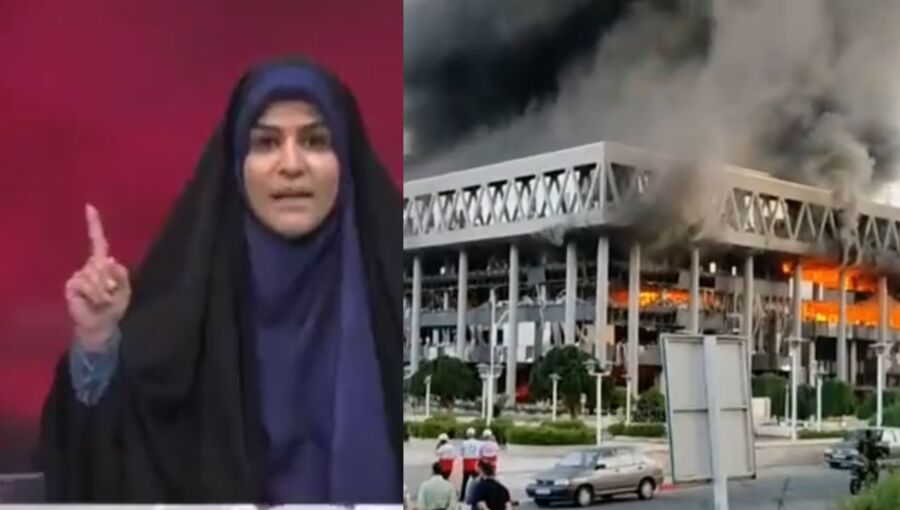
VIDEO: Iran state television IRIB news channel 5 hit by Israeli missile. / bne IntelliNewsFacebook
By bnm Tehran bureau June 16, 2025

Israeli forces targeted Iran's state broadcasting headquarters on June 16, with explosions occurring during a live television transmission that forced presenters to evacuate.

The attack struck the Islamic Republic of Iran Broadcasting building, destroying the news network's studio whilst programmes were being aired, according to Iranian reports.

News presenter Sahar Emami continued broadcasting immediately after the strike, stating that national media transmission would continue with full strength despite the attack.

"What we witnessed moments ago in the news building is a clear and obvious example of the fight against freedom of expression," Emami said during the broadcast.

IRIB's public relations department advised viewers to follow programmes through Telewebion if they experienced signal disruptions from provincial or national networks.

Several employees were reportedly killed in the attack on the broadcasting facility, though casualty numbers could not be independently verified.


Israeli Defence Minister Israel Katz had previously warned that Iran's state television and radio, which he described as the "propaganda and incitement megaphone," were targets for elimination.

The strike represents a direct attack on Iran's primary state media infrastructure and its ability to communicate with the domestic population.

Iran's state broadcaster serves as the government's main communication channel with citizens and the international community.

The attack occurred as tensions between the two countries reached new heights following reciprocal military strikes over recent days.

Broadcasting continued from alternative facilities as Iranian authorities worked to restore full transmission capabilities across the country.

The targeting of media infrastructure marks an escalation in the scope of military operations between Iran and Israel.

Iranian officials described the attack as an assault on press freedom and civilian media facilities.

Israel strikes Iran's 'propaganda' state TV station taking broadcast off the air


Copyright Copyright 2025 The Associated Press. All rights reserved


By Sertac Aktan with AP
Published on 16/06/2025 - 

Israel's Defence Minister confirmed the attack, which followed an Israeli evacuation warning. An anchor reported 'bodies of reporters' at the site.

An Iranian state television reporter had to stop a live broadcast on Monday when an explosion occurred an hour after Israel issued a warning to evacuate the area of Tehran where the TV studios are located.

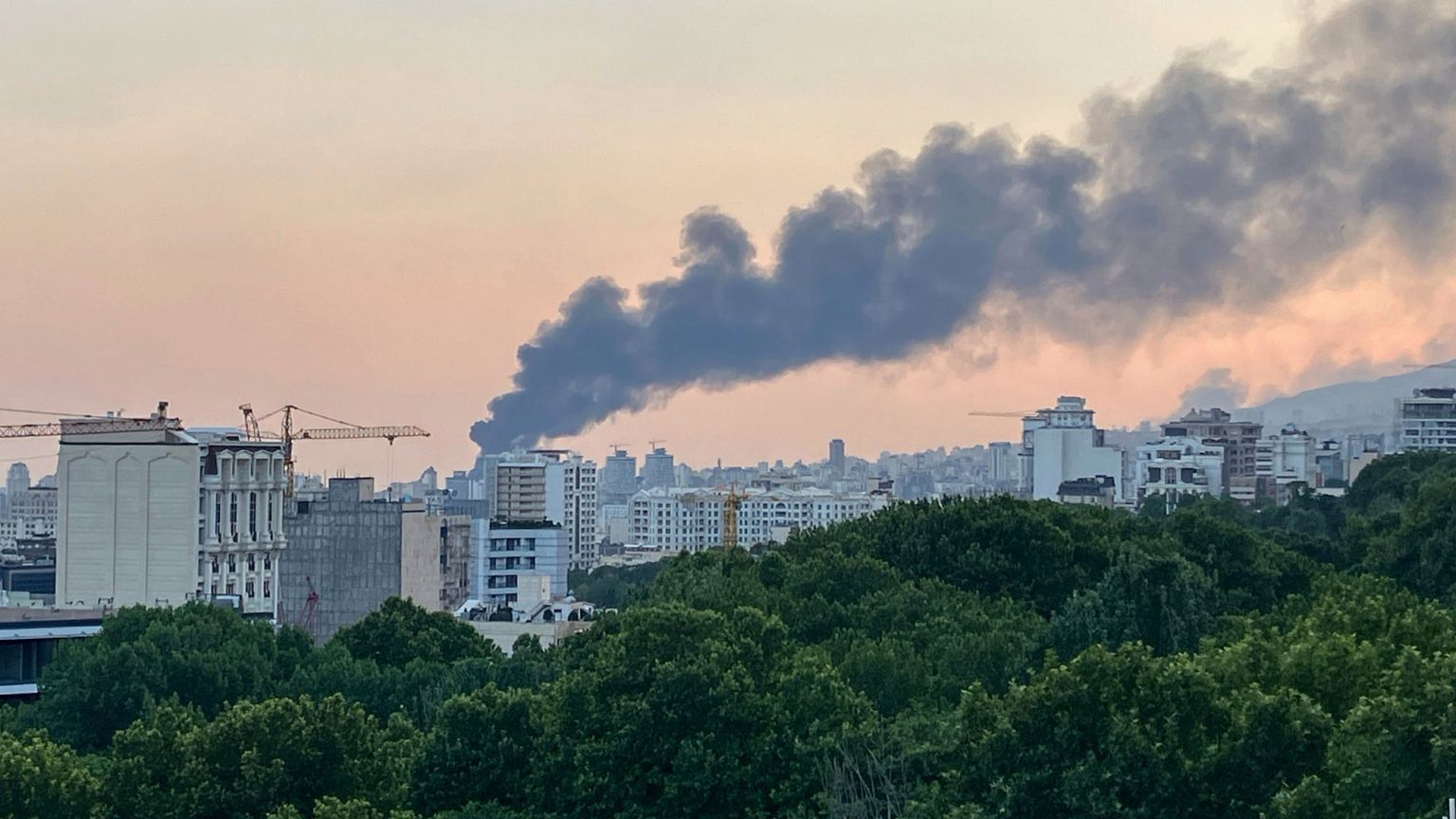
Smoke was seen rising from at least three sites in the Iranian capital.

The reporter for the Islamic Republic of Iran News Network said the studio was filling with dust after "the sound of aggression against the homeland, the sound of aggression against truth and righteousness."

Anchor Sahar Emami rushed off-camera as the screen behind her cut out and people were heard saying "Allahu akbar," Arabic for God is great.

The broadcast quickly switched to pre-recorded programmes. Later, state TV aired live video of the building on fire.

Soon, Emami came back live from another studio and was seen speaking with another anchor. She said that "bodies of reporters" were at the site of the initial broadcast, and images showed smoke and flames in the sky.

Israel's defence minister Israel Katz took credit for the attack as he called it a strike on the "propaganda broadcast authority."

"The Iranian regime's propaganda and incitement broadcasting authority was attacked by the IDF after a widespread evacuation of the area’s residents. We will strike the Iranian dictator everywhere," he said in a statement.

An hour earlier, the Israeli military had issued an evacuation warning affecting up to 330,000 people in a part of central Tehran that includes the country's state TV and police headquarters, as well as three major hospitals.

In response to the attack, Iran also issued evacuation warnings for Israeli news channels, Iranian state TV reported.

The attack came on the fourth day of the escalating conflict, as the IDF claimed it had achieved air superiority above the Iranian capital and could fly over the city without facing major threats.


STATIST CENSORSHIP

Togo suspends French broadcasters RFI, France 24 for three months


Togo late Monday announced it was suspending French public broadcasters RFI and France 24 for three months, for an alleged lack of impartiality in their reporting.


Issued on: 17/06/2025 -

Members of the Togolese Gendarmerie are seen operating in Lome on 6 June, 2025. Gendarmes and police officers were deployed in force in several locations in the Togolese capital, Lomé, on Friday, after dispersing anti-government protesters earlier in the day.

 AFP - -

"This measure follows repeated failings, already reported and formally recalled, in matters of impartiality, rigour, and fact-checking," according to a statement from Togo's High Authority for Audiovisual Communication (HAAC).

"Several recent broadcasts have relayed inaccurate, biased, and even contrary to established facts, undermining the stability of republican institutions and the country’s image," it said in the statement.

"Freedom of the press cannot be synonymous with disinformation or interference."

The agency didn’t provide any details on what reporting by the French networks led to the decision.

'Serious attack' on press freedom


In a statement, the management of RFI and France 24 stated that they were "surprised to learn of the suspension of their broadcasts without notice".

RFI and France 24 "reaffirm their unwavering commitment to the ethical principles of journalism, as well as their support for their teams who deliver rigorous, independent, verified, impartial, and balanced information every day, in compliance with the provisions of the agreement signed between the HAAC and France Médias Monde," the statement concluded.

Camille Montagu, from the independent organisation Reporters Without Borders (RSF) Sub-Saharan Africa Desk told RFI that tje decision by the Togo authorities "constitutes a serious attack on press freedom and the right to information".

"Suspending these two international media outlets, which have only professionally covered the country's recent political developments, will not erase the turmoil facing Togo," she says.

The move to censor foreign media outlets comes as President Faure Gnassingbé faces increasing pressure from critics over recent changes in the constitution that could effectively keep him in power indefinitely. Critics have called the changes a constitutional coup.

Fabrice Petchez, chair of the Togolese Media Observatory told The Associated Press that while he understood the ruling, they did not support the decision. "We hope steps will be taken to quickly restore these media operations in the country.

"But since early June, tensions have been rising, particularly on social media," he continued. "I do hope, however, that a dialogue can be opened between the media concerned and the authorities."

Mali suspends French news channel LCI for two months

The broadcasting ban comes against a tense political backdrop, with anti-government protests scheduled for next week following a crackdown on protests earlier this month.

Dozens of people were arrested in the capital, Lomé, after police dispersed protesters with tear gas on the night of 5-6 June in several districts, including near the presidential palace.

The government swiftly said it had released more than 50 people but several remain in police custody.

Civil disobedience campaign

The state prosecutor slammed the demonstrations as "clearly part of a revolt against the institutions of the republic".

Togolese opposition parties and civil society groups on Thursday demanded Gnassingbé step down.

Togo opposition cries foul as election vote count favours government

He "must return power to the Togolese people to whom national sovereignty belongs", the National Alliance for Change (ANC), Democratic Forces for the Republic (FDR) and civil society groups said in a statement.

The groups urged citizens to launch acts of civil disobedience from 23 June to thwart the "illegitimate" regime.

Protests have been banned in Togo since 2022, following a deadly attack at Lomé's main market, though public meetings are still allowed.

(with newswires)