Tuesday, June 23, 2026


Aluminum’s war shock blunted by dark transits and Chinese supply
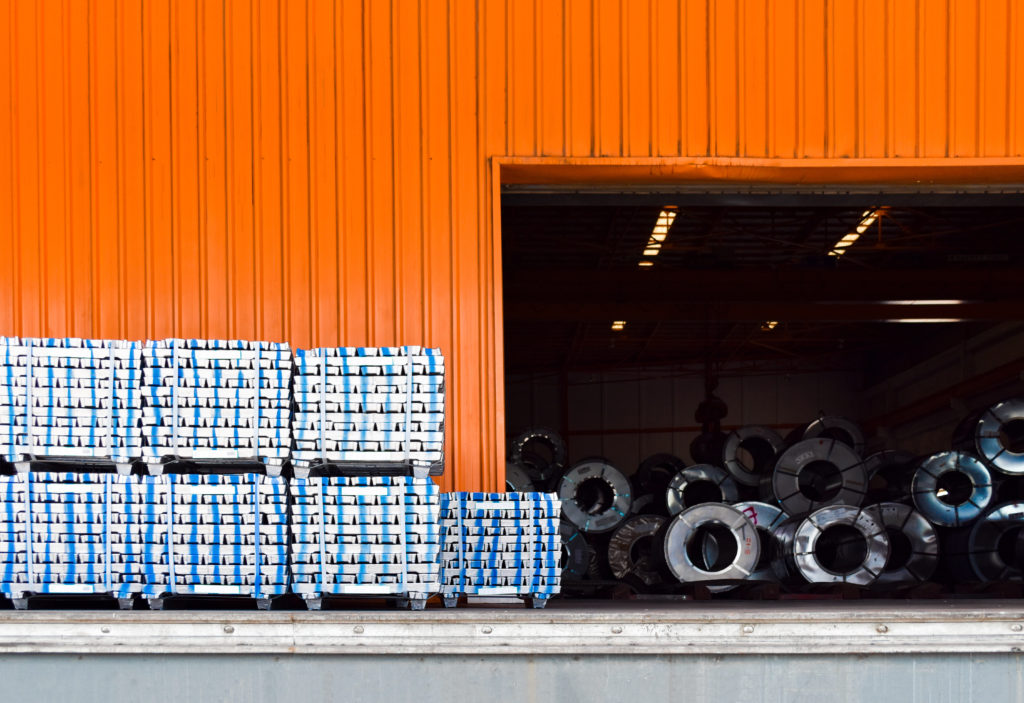
Stock image.

The Iran war caused one of the biggest supply shocks to ever hit the aluminum market, but the runaway price surge that many were bracing for has been blunted by the ingenuity of producers from the Middle East to China.

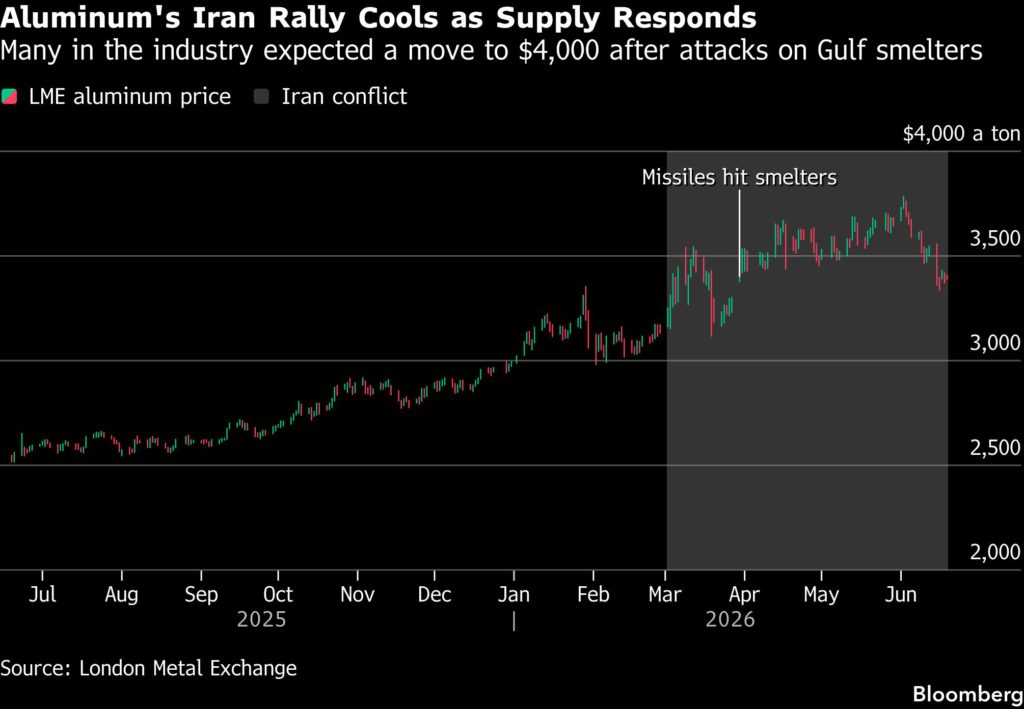
When the conflict began, market watchers warned that unless the Strait of Hormuz reopened quickly, smelters were likely to run out of raw materials within weeks, potentially forcing widespread shutdowns that would plunge the global market into crisis and send prices to record highs above $4,000 a ton.

Those fears escalated dramatically when Iran targeted smelters in the region in missile strikes, and there was broad agreement that aluminum looked set to be one of the worst-hit commodity markets outside of oil and gas.

However, in recent weeks Middle Eastern smelters have carried out a series of complex logistical operations — including daring voyages through the strait — to replenish reserves of alumina and other raw materials, helping to avert widespread closures in a region that accounts for nearly 10% of global supply. And outside the Gulf, smelters in China and Indonesia have been instrumental in keeping the global market in check as buyers wait for exports to rebound.

Now, with analysts, traders and investors staking their bets on where prices are heading next, stark disagreements are emerging on how quickly the market will recover from the squeeze.

“A full-blown physical supply freeze has been averted thanks to a combination of rerouted Middle Eastern alumina imports, rising Chinese exports, and ramping Indonesian production,” said Amelia Xiao Fu, head of commodities strategy at Bank of China International. “While the market managed to survive the last few months by drawing down inventories, these operational buffers have now been decreased.”
Middle Eastern smelters have been forced to make heavy cuts to output, but the clandestine nature of their efforts to shore up their supply chains means the precise scale of the losses is tough to quantify. Meanwhile, a regulatory cap on production in China and power constraints in Indonesia are only adding to the challenge of assessing how quickly supply and demand will rebalance.

Some of the market’s biggest bulls have trimmed their price forecasts in recent days, with JPMorgan Chase & Co. saying that a move to $4,000 a ton is taking longer than expected due to a strong supply response in Asia and an aggressive drawdown in the industry’s hidden inventories.

At the other end of the scale, Goldman Sachs Group Inc. sees prices moving towards $3,000 a ton over the coming year, even after raising forecasts it made at the start of the conflict to reflect a slower rebound in Middle Eastern supplies than anticipated. Futures in London are currently trading around $3,400.

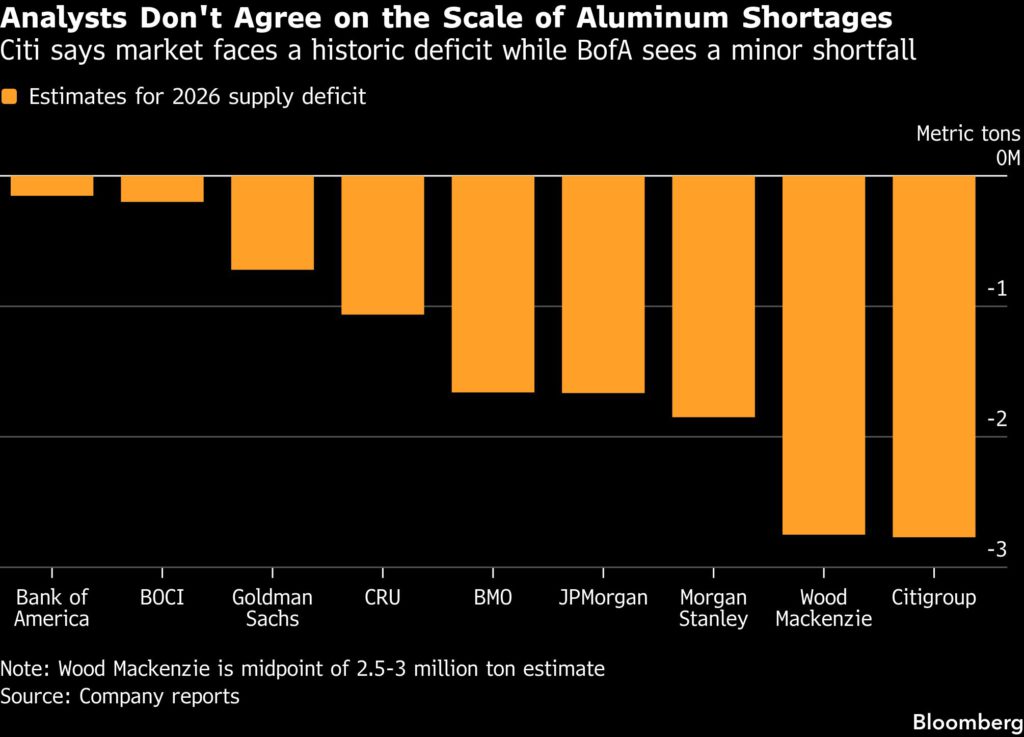
Differences in estimates for aluminum’s underlying supply balance are even starker, with Citigroup Inc. expecting the biggest supply shock in more than 50 years, while Bank of America Corp. expects supply and demand in the 76-million-ton market to be more or less balanced.
Alumina flows

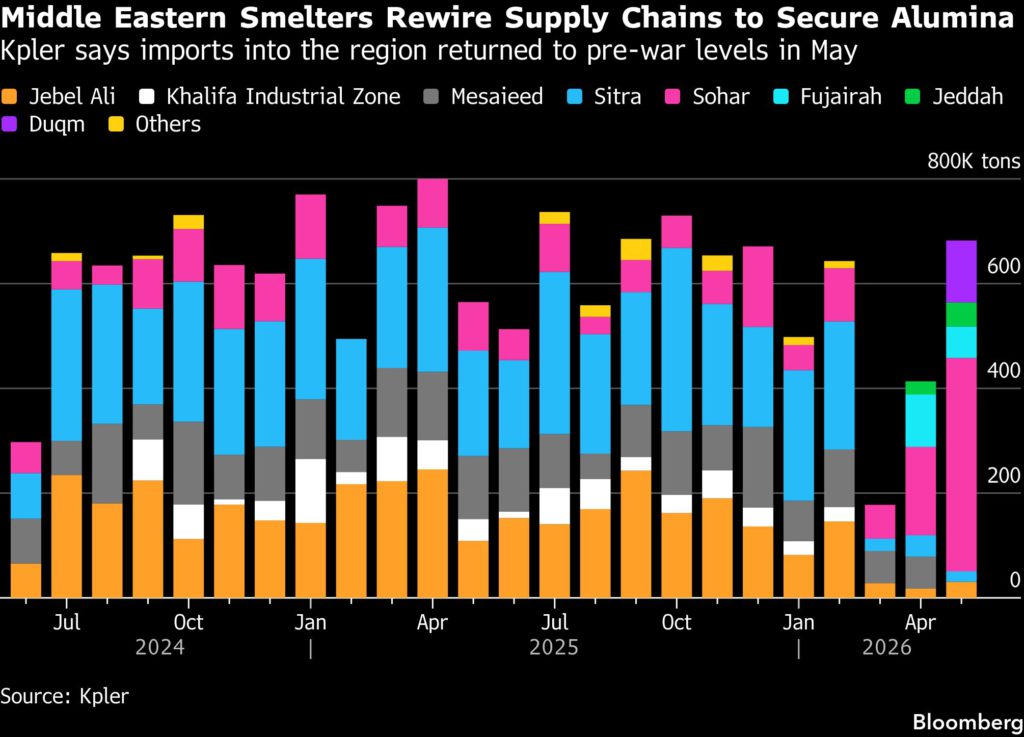
Part of the discrepancy stems from expectations that raw-material shortages have inflicted deeper supply losses on Persian Gulf smelters than they’ve publicly disclosed. But for Ben Ayre, an analyst at ship-tracking firm Kpler, a growing stream of alumina flows into the region signals that, even with Hormuz closed, smelters have made strides in replenishing their reserves.

In recent weeks, a handful of vessels have shown an appetite to move in alumina directly through the strait, switching off their tracking systems to undertake the kind of dark transits that have kept a trickle of oil flowing to global markets through the crisis, according to Kpler’s analysis.

Even greater volumes of alumina have been unloaded in ports in Oman and dispatched to smelters via trucks, in a major test of the region’s logistical capabilities. Thanks to those efforts, imports of the raw material into the Persian Gulf returned to pre-war levels in May, data from the firm show.

“It has resulted in some really novel solutions, and we’ve had to work quite hard to keep up,” Ayre said in an interview. “It’s not unique, but it is somewhat exceptional in terms of its reflection of the value of keeping these operations running.”
Shadow stocks

The challenge in assessing the scale of the supply squeeze doesn’t end in the Gulf, and JPMorgan says the market impact of global shortages has also been blunted by an aggressive drawdown in privately held inventories that are notoriously hard to monitor.

“When we speak with clients there’s a clear sense that it is tight out there, but the first port of call is those invisible stocks,” said Greg Shearer, the bank’s head of base and precious metals research. Still, he believes that it’s only a matter of time before those reserves are depleted and exchange stocks will start being drawn too, driving prices higher. “It’s taking longer than expected, but there are significant deficits that need to be covered.”

China shock

The behavior of Chinese smelters has added another analytical headache. Before the conflict, a bullish mood had swept through the aluminum industry, as smelters in China started to bump up against a regulatory cap on production that looks set to bring a long era of oversupply to an end.

Since the war started, however, official statistics have suggested that Chinese smelters are producing comfortably above that 45-million-ton cap, with April figures pointing to an annualized run-rate of 47 million tons. With exports surging, some analysts are betting that Chinese smelters could solve the global shortage single-handedly if they keep their plants running in overdrive.

In assessing whether they will, analysts need to take a view on how strictly China will enforce the cap, and how far engineers can go in feeding plants with more power than they’re designed to handle. That’s a process that one industry veteran likens to trying to balance an elephant on a finger.

Indonesia wildcard

A final wildcard is a prospective wave of new supply in Indonesia. A surge in Indonesian aluminum exports has sharpened the industry’s focus on its emerging role as a major global supplier, and there’s a growing expectation that producers there will divert scarce power to aluminum plants at the expense of less-profitable nickel operations.

“We always knew there would be capacity additions, but the view up to now was that production would lag because power wasn’t available,” said Amy Gower, head of metals and mining strategy at Morgan Stanley. “We haven’t changed our models yet, but the risk now, with power being reallocated from nickel, is that new supply could come even quicker.”
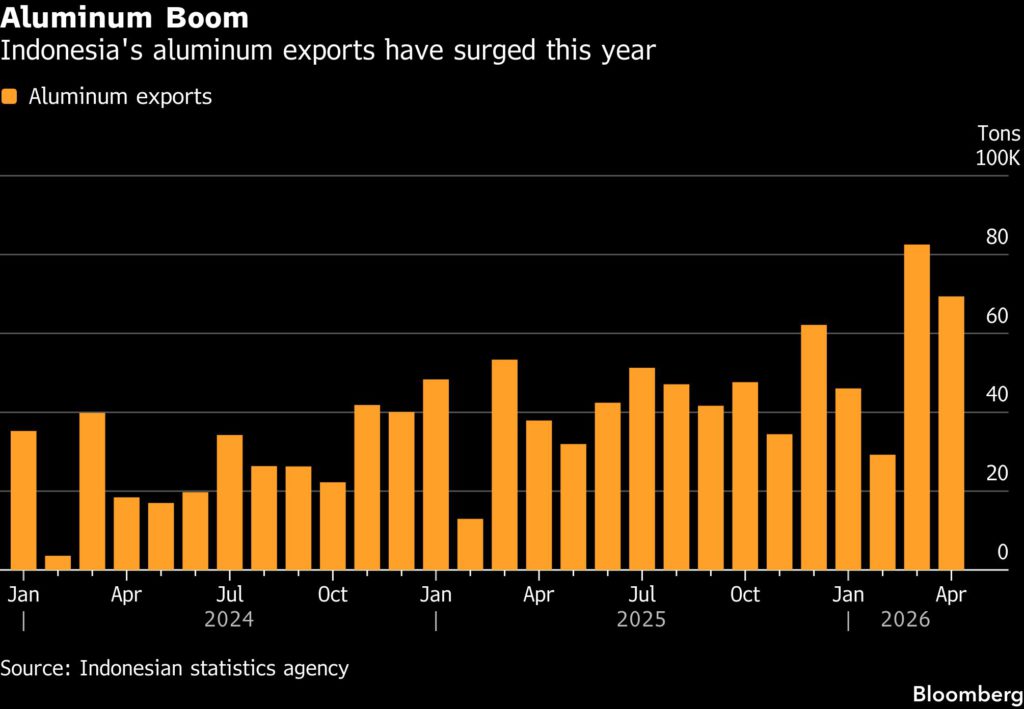
Taken together, the combination of rebounding Middle Eastern supply, elevated Chinese production and skyrocketing Indonesian output is creating a consensus in the industry that prices will head lower in the long term. But as the US and Iran negotiate a deal to end the war permanently, a debate is still raging about whether the market will face a final squeeze as inventories run dry before the new supply arrives.

“I think if it was going to happen, it would have happened by now,” said Helen Amos, head of commodities research at BMO Capital Markets. “It’s likely that aluminum is past the peak point of the deficit.”

(By Mark Burton and Julian Luk)


Column: Guinea bets bauxite dominance can reshape aluminum supply
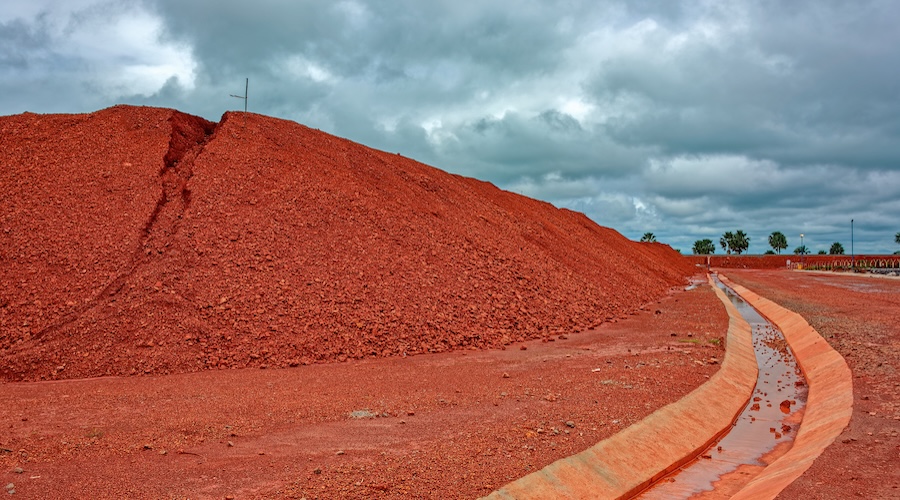


Large piles of bauxite ore sit at a treatment area storage in Guinea. (Stock image by Igor Groshev.)

The West African country of Guinea has grown to be the world’s largest supplier of bauxite, the raw material ultimately transformed into aluminum.

It’s now looking to use this newfound dominance to exert greater control over both price and industry structure, just as Indonesia has done in nickel and the Democratic Republic of Congo is attempting to do in cobalt.

All three resource giants are struggling to rein in mining sectors that have grown too big too fast, swamping global markets and crashing prices.

Indonesia is using mining quotas, the Congo export quotas, and Guinea looks minded to implement a mix of both as a way of stopping operators exporting more than their mining quotas allow them to produce.

For Conakry, it’s also a chance to emulate Indonesia by capturing more of its resource value by moving from bauxite mining to alumina refining.

Chinese state aluminum producer Chalco’s commitment to a new $1 billion refinery in the country is a sign the strategy is working.

Bauxite price fob Australia from SMM
Guinea’s over-production crashes bauxite price.

Bauxite boom

Bauxite is the third most abundant element in the Earth’s crust but is mostly too dispersed or too low quality to allow for conversion into alumina.

Guinea not only boasts the world’s largest reserves of metallurgical bauxite but also produces a high-purity product prized for its natural low silica content.

Thanks to heavy Chinese investment, the country overtook Australia as the world’s largest bauxite producer in 2023 and now accounts for around 40% of global output and 70% of the seaborne export market.

Guinea’s exports jumped by 25% year on year to 183 million metric tons in 2025, which unsurprisingly caused prices to slump by almost half over the course of last year and the first part of 2026.

That is why the government is searching for the most effective way of hitting the brakes without generating the sort of market disruption caused by Congo’s cobalt export quota system.

Chinese imports of bauxite
China has grown increasingly dependent on Guinea’s bauxite.

Chinese dependency

China has become increasingly reliant on Guinea for bauxite to feed its huge aluminum production sector.

Imports of Guinean material mushroomed from just 334,000 tons in 2015 to 149 million tons in 2025, by which point they accounted for 74% of all bauxite imports.

China has its own bauxite reserves but they’ve been depleted by decades of mining and are lower quality than those in Guinea.

Moreover, the country has massively expanded its aluminum smelting capacity this century, requiring a similar build-out in alumina refining, far beyond its domestic bauxite mining capacity.

Guinea’s planned crackdown on its runaway bauxite sector has been well flagged, and Chinese buyers have had plenty of time to build precautionary stocks. March imports from Guinea hit a monthly record of 18 million tons.

But there’s little prospect of breaking the dependency, given the scale of the material flow. What will change, however, is the nature of that dependency.

Alumina ambitions

Chalco’s commitment to building the new 1.2-million-ton-per-year alumina refinery shows how seriously China takes the threat to the flow of raw materials.

It’s the first major overseas investment in alumina by China’s state giant. It’s also the third Chinese-backed alumina refinery project to be announced in recent months.

Guinea’s only existing refinery is the Friguia plant, built in the 1960s and owned first by France’s Pechiney, then by US producer Reynolds and since 2008 by Russia’s Rusal. It was out of action between 2012 and 2018 but is operating again, albeit below its 650,000-ton-per-year capacity.

The Conakry government is aiming for five or six more processing plants with a combined capacity of 7 million tons of alumina by 2030.

The seizure of mining assets from Emirates Global Aluminium last year for its failure to follow through on a commitment to refining has served as a stark warning for other operators.

New industry hub

Guinea is following closely in the footsteps of Indonesia, which banned bauxite exports in 2023 as a way of forcing miners to build out processing capacity.

While Indonesia has plenty of coal-fired power to both refine alumina and smelt the intermediate product into aluminum, Guinea doesn’t currently have sufficient energy resources to go beyond the alumina stage.

But if Guinea can successfully implement its strategy, it will turbo-charge the creation of a West African alumina hub.

Not least because other African bauxite producers are travelling the same value-added pathway to keeping more of their mineral revenues.

Nigeria has signed a $1.3 billion investment deal with Africa Finance Corporation (AFC) to build an alumina refinery, while Ghana is looking to do the same under the auspices of the Ghana Integrated Aluminium Development Corporation.

The African shift from mining to first-stage processing could have transformative effects on the aluminum supply chain.

The seaborne bauxite market will shrink. The global alumina export market will expand and China’s domestic alumina refineries will find themselves in competition with their largest raw material supplier.

(The opinions expressed here are those of Andy Home, a columnist for Reuters.)

 South Africa

Exxaro working to transport more manganese by cheaper rail


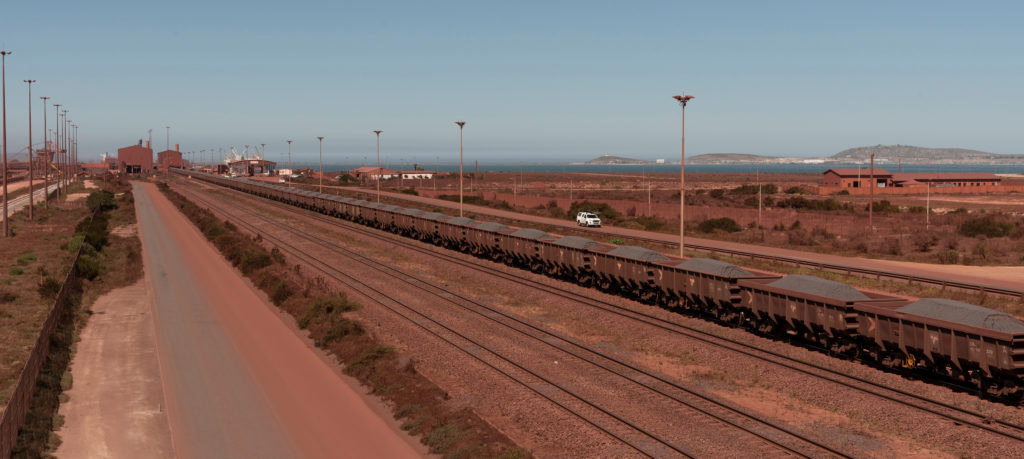
Saldanha Bay, West Coast, South Africa. Stock image.

South African miner Exxaro Resources said on Monday it wants to haul more manganese to ports by rail rather than road to cut costs and make efficiency savings at its newly acquired assets.

Exxaro CEO Ben Magara said the company and its peers were working with state-owned freight transport firm Transnet, which is opening up parts of its network to private investment, to boost freight capacity.

Hauling manganese by road is 37% more expensive than using rail, Exxaro said. Logistics costs account for 43% of free-on-board costs for the bulk mineral, it added.

“We’re going to work with Transnet to see whether we can issue more on rail,” Exxaro head of metals Johan Meyer told analysts.

Exxaro, predominantly a coal miner, completed the acquisition of multiple South African manganese assets worth 10.6 billion rand ($645.68 million) in March, as it diversifies away from the fossil fuel.

Vital to energy transition

South Africa holds 80% of the world’s manganese resources and is the top exporter, accounting for 42% of global shipments of the metal mostly used in steelmaking. Manganese also has increasing use in batteries which are vital in renewable energy applications.

Bulk mineral exports from South Africa have been throttled by Transnet’s chronic underperformance, which is blamed on under-capitalization as well as cable theft and vandalism of infrastructure.

This has forced some exporters to curb output, while others opt for the more expensive trucking option.

Exxaro’s new Tshipi Borwa manganese mine has exports of 3.5 million metric tons annually, which is mostly bound for China. About 46% of the manganese is hauled to ports by road, the miner said in a capital markets presentation.

“We need to make sure that we have a strategy long term to say, can we not put everything on the rail?” Meyer said.

($1 = 16.4167 rand)

(By Nelson Banya and Olivia Kumwenda-Mtambo; Editing by Jan Harvey)


Indonesia orders miners to provide more coal amid blackouts

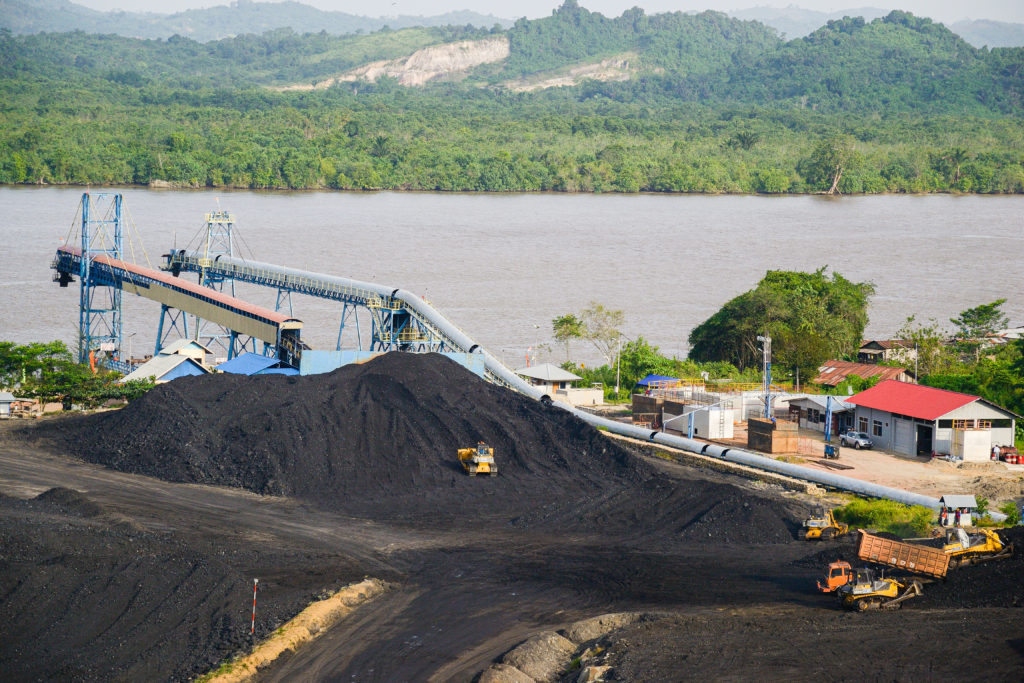
Stock image.

Indonesia’s energy ministry directed miners to urgently boost domestic coal supplies just before the country was hit by rolling blackouts, the latest strain on President Prabowo Subianto’s administration following a week of protests.

The Energy and Mineral Resources Ministry told miners to supply an additional 2.7 million tons of coal to power plants this month, according to a letter dated June 12 seen by Bloomberg News. It cited a ministerial decree allowing the government to force producers to prioritize domestic sales if local needs are not met.

The extra demand amounts to about 2% of the total coal contracted so far this year by state power firm Perusahaan Listrik Negara.

The Energy Ministry didn’t immediately respond to a request for comment.

Rolling blackouts last week across Java — Indonesia’s most populous island — are the latest setback for Prabowo, whose administration has been rocked by protests, corruption scandals and the economic fallout from the US-Iran war. The former general has unnerved investors with his fiscal expansion and policy making, leading to a sharp decline in the local currency.

Indonesia, the world’s top exporter of thermal coal, sharply cut its production this year by tightening government-issued mining quotas in an effort to boost prices. Power blackouts have triggered scrutiny over that policy.

Energy Minister Bahlil Lahadalia, though, said in a Sunday statement that the power outages were caused by technical issues rather than a shortage of coal. Darmawan Prasodjo, president of PLN, said the power disruptions were caused by problems at two large power plants on Java.

Indonesian miners are required to sell a proportion of their coal to domestic consumers, including power plants, each year, usually at below-market prices. Their obligations are often set at the start of the year.

(By Eddie Spence)


Sibanye expects 15% drop in global platinum output by 2034


Demand for palladium, mainly used by the auto industry, is dropping.(Stock image: Ivan Traimak.)

South Africa’s Sibanye Stillwater sees mined platinum output falling 15% from current levels by 2034, an executive said on Tuesday, and a slower than projected uptake of electric vehicles supporting demand, tightening the market.

Platinum, mostly used in autocatalysts, faces a threat from the growing use of electric vehicles, which do not need the emission control devices.

South African miners, who account for 70% of global platinum output, are wary about adding new production due to uncertainty over long-term demand, leading to declining output as mineral reserves deplete.

“For platinum, we were looking at about 6.2 million ounces a year in 2019, and we see that moving down to 4.7 million ounces by 2034,” Kleantha Pillay, Sibanye’s executive vice president for sales and marketing, told analysts.

Global platinum output is forecast to decline to 5.46 million ounces in 2026, from 5.56 million ounces last year, according to Johnson Matthey.

Palladium output also expected to fall

Production of palladium, a platinum group metal that can substitute for platinum in some applications, is also projected to decline by 15% from current levels to 5.6 million ounces in 2034, she said.

Sibanye forecasts that electric vehicles will make up 35% of global car sales by 2034, Pillay added. This is lower than projections by the International Energy Agency that EVs will have a 50% share of global car sales by 2035.

“Every year for the last four years, the battery electric vehicle forecast has been tweaked downwards,” Pillay said.

She added that the easing of emissions targets by the European Union last December, as well as the US Environmental Protection Agency’s proposal to delay enforcement of vehicle pollution regulations, “buys a little bit more time for combustion engines”.

Sibanye said it expects recycled PGMs, a secondary source of the metals, to remain at current levels around 5 million ounces, and not materially alter market balances.

(By Nelson Banya and Olivia Kumwenda-Mtambo; Editing by Jan Harvey)


Zimbabwe platinum producers owed $228 million in unpaid export earnings


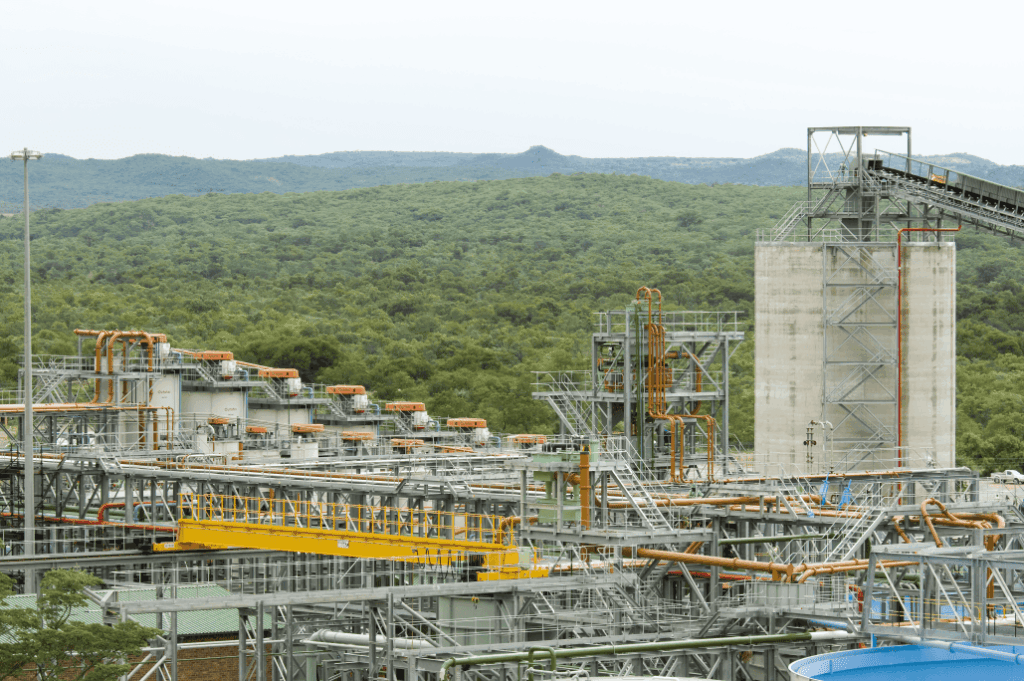
Unki platinum mine in Zimbabwe. Credit: DRA Ltd.

Zimbabwe’s government owes platinum miners $228 million in unpaid export income under its foreign currency retention system, exerting pressure on a sector recovering from a price collapse, an industry executive said on Friday.

The southern African country requires all exporters to convert 30% of their proceeds into local currency via government channels, but the government is frequently behind in paying out the local currency to exporters.

Zimbabwe, the world’s third largest producer of platinum group metals after neighbour South Africa and Russia, says it needs the foreign currency to fund capital projects, vital imports and repay foreign loans.

Platinum Producers’ Association chairman Alex Mhembere told a mining conference that the payment delays were compounding problems for firms that have also been battling high costs and erratic electricity supply.

The industry was pleading with the government for faster payments, Mhembere said.

“These engagements have not resulted in significant change to the situation, with latest statistics showing that PGM producers are owed more than $228 million as of May 2026,” he said.

The finance ministry has confirmed owing the miners, saying the government was facing revenue constraints.

Second most valuable mineral export

In February, Valterra Platinum said it was owed $100 million in 2025 export proceeds by Zimbabwe’s government from its Unki operations in the country.

Impala Platinum, which owns Zimbabwe’s biggest platinum miner Zimplats, has also said the government owes it $78 million.

Platinum producers in Zimbabwe owned by South African miners including Sibanye Stillwater earned a combined $1.8 billion export revenue in 2025.

Platinum group metals, used to make catalytic converters that curb vehicle emissions, are Zimbabwe’s second most valuable mineral export behind gold.

Gold producers also complain about Zimbabwe’s foreign currency retention rule, which they say eats into their income when part of their export proceeds are converted into an overvalued local currency.

(By Chris Takudzwa Muronzi; Editing by Nelson Banya and Jan Harvey)


Panama audit boosts Cobre Panama restart hopes


The Cobre Panama mining complex included two open pits, a processing facility, two power plants and a port. (Image courtesy of Cobre Panama.)

Panama’s environment ministry said a final audit found First Quantum Minerals’ (TSX: FM) suspended Cobre Panama mine complied with most environmental requirements, though deficiencies remain in biodiversity management, ecological restoration and environmental monitoring.

The long-awaited audit, conducted by Société Générale de Surveillance (SGS), reviewed the project’s legal, fiscal, environmental and operational performance, including 370 commitments under its Category III Environmental Impact Assessment and environmental management programs. The report found overall compliance approaching 88%, which removes one potential obstacle to a mine restart.

“The findings do not represent insurmountable structural failures, but rather specific points that require monitoring and corrective action,” the ministry said, according to local newspaper La Estrella de Panamá.

“We trust that this report will contribute to a more informed and evidence-based discussion about the next steps, allowing the country to responsibly, transparently, and with full information [decide] on the future of the project,” the company said.

The report could play a key role in determining the future of Cobre Panama. Earlier this month, Panama’s government created an inter-agency task force to evaluate the mine’s legal, economic, technical and environmental implications.

The review is expected to help guide the group’s recommendations and any broader decision on whether to restart one of the world’s largest copper mines.

The operation produced about 350,000 tonnes of copper in 2022 and accounted for roughly 5% of Panama’s gross domestic product before it was shut down in 2023 when Panama’s Supreme Court ruled that First Quantum Minerals’ contract to operate the giant Cobre Panama mine, the only mining operation was unconstitutional.

Key gaps

The review found the project generally complied with environmental and operational requirements but recommended stronger administrative controls, improved biodiversity management, enhanced ecological restoration efforts and better coordination of environmental monitoring. It also examined environmental risks, cumulative impacts and mitigation measures, alongside infrastructure performance and maintenance standards.

Opposition to a restart remains significant. Dozens of demonstrators marched in Panama City last month, rejecting any effort to reopen the mine and urging President José Raúl Mulino’s government to respect public opposition. The protests revived tensions seen during the mass demonstrations of October and November 2023 that culminated in the mine’s closure.

First Quantum has argued the shutdown has imposed a steep economic cost on Panama. The company estimates the suspension has resulted in about $3.5 billion in lost economic contribution over the past two years, underscoring the financial stakes as the government weighs the project’s future.


Panama receives final audit of First Quantum’s Cobre Panama mine


Updated:


PANAMA CITY -- Panama’s government-commissioned audit of First Quantum Minerals’ Cobre Panama copper mine has found the project broadly compliant with its legal, environmental and operational obligations, but flagged shortfalls in reforestation commitments and identified possible future environmental liabilities, the environment ministry said on Friday.

The audit found there had been issues related to administrative matters, biodiversity, ecological restoration and the coordination of environmental monitoring, despite the mine’s overall compliance rate nearing 88 per cent, the ministry said in a statement, placing the Cobre Panama mine in the “compliant” category but below the “optimized” threshold.

The audit covered the period between 2019 and 2023, the year the mine was shuttered following widespread protests from residents over concerns about its environmental impact and its tax contributions to the Panamanian state.

Now that the audit has been delivered, the government plans to make a decision on the mine’s future “based on data, evidence and technical rigor,” Commerce and Industry Minister Julio Molto told journalists.

First Quantum did not immediately respond to a request for comment.

The audit identified a range of potential future environmental liabilities, including the stability of the tailings dam, surface and groundwater quality, acid drainage, biodiversity loss and the effectiveness of ecological restoration efforts.

The Cobre Panama mine is one of the world’s largest open-pit copper deposits. Upon its closure, it accounted for approximately five per cent of Panama’s GDP and was its second-largest revenue source after the Panama Canal.

(Reporting by Elida Moreno in Panama City and Iñigo Alexander in Mexico City; Editing by Kylie Madry)

China’s Antimony Ban Sent Prices Up 2,600%. Rare Earths Are Next

In 2024, China announced export controls on antimony.      It’s a metal most people have never heard of, but antimony goes into more than 200 types of military munitions.

Within weeks, the price went from $1,400 per ton to $38,000 — a 2,600% spike — and shipments to the United States fell 97%.

Today, Beijing is setting up for something bigger. And REalloys (NASDAQ: ALOY) — a U.S.-based mine-to-magnet rare earth company — has spent years getting ready for it. 

The company holds an exclusive 80% offtake from the only non-Chinese rare earth processing plant in North America capable of processing heavy rare earths. And it operates its own metallization facility in Euclid, Ohio, and plans to source feedstock from the U.S., Canada, Brazil, Kazakhstan, and Greenland, which means no Chinese inputs at any step. 

The heavy rare earth materials at the center of China’s next mineral weaponization, like dysprosium and terbium, are precisely the ones REalloys has spent years positioning to supply. 

While they’re less widely discussed than light rare earths, heavy rare earths are the metals inside every drone motor, every missile guidance system, and every fighter jet engine the Pentagon fields. And in recent years, we’ve already seen Beijing tightening the screws on what are quickly becoming the most important elements on earth.

China’s Pattern Is Years in the Making

What happened with antimony wasn’t an isolated incident. It was just the latest chapter in a long history of escalations from China that have only been picking up steam over the past three years.

In July 2023, Beijing imposed export licensing on gallium and germanium — two metals critical to semiconductors and infrared optics.

In August 2024, they did the same with antimony before prices spiked 2,600% and shipments collapsed. In December 2024, China escalated to an outright ban on gallium, germanium, and antimony exports to the United States.

Then in April 2025, Beijing put seven heavy rare earth elements under export licensing — including dysprosium and terbium, the two materials that keep magnets stable at the extreme temperatures inside jet engines and drone motors.

And in October 2025, China went even further, restricting the export of rare earth processing technology itself and asserting jurisdiction over any foreign-made product containing even trace amounts of Chinese-origin rare earth content.

Every one of those moves has made REalloys’ supply chain — built entirely outside China’s reach — more valuable than it was the day before.

Each wave has been bigger than the last. And each one has targeted materials deeper in the supply chain, harder to replace, and more critical to Western defense, which is why the pricing data is already starting to tell the story.

It’s Already Showing Up in the Numbers

You don’t have to guess what the rare earth version of the antimony spike will look like. The early signals are already in the pricing data.

Terbium — one of the two heavy rare earths at the core of military-grade magnets — is up 103% just this year. Dysprosium and terbium from non-Chinese sources are now trading at three to four times Chinese domestic prices — a split that didn’t exist two years ago.

Meanwhile, China’s rare earth magnet exports to the United States fell 22.5% year-over-year in the first two months of 2026, even as overall magnet exports rose.

A two-price world is forming, which threatens militaries all across the Western world. It’s one where you’re charged one rate if you buy from China, and a dramatically higher one if you don’t. That gap? It’s only widening.

REalloys operates entirely on the non-Chinese side of that divide. That means its output could be priced at a premium, and its supply chain is one of the only ones that can actually deliver.

How Far Ahead is REalloys?     

Antimony showed what happens when a single mineral gets weaponized and there’s no backup supplier. REalloys has been building the backup for heavy rare earths, and the head start has put them as far as three to seven years ahead of the competitors trying to start today.

The processing side runs through the Saskatchewan Research Council’s Rare Earth Processing Facility, where REalloys has already secured the majority of output under an exclusive operating agreement. From there, the Company plans to send the oxides to Euclid, Ohio, where the company plans to convert them into the defense-grade metals and alloys as magnet-ready inputs that contractors actually purchase.

On the feedstock side, REalloys (NASDAQ: ALOY) has already signed an agreement with the highest-grade rare earth deposit in the United States, adding to its existing sources in Canada, Brazil, Kazakhstan, and Greenland. That means there’s no single point of failure and no Chinese technology, chemicals, or equipment at any critical step.

Plus, earlier this year, the company demonstrated a patent-pending process that eliminates dangerous hydrofluoric acid from a key stage of rare earth metal production — potentially cutting costs further, simplifying its infrastructure, and removing one of the world’s most hazardous chemicals in the process.

Put it all together, and you've got a company with a processing facility already in staged commissioning     , a heavy rare earth metallization plant in development,           feedstock diversified across Western-allied nations     , and a patent-pending breakthrough in its lab. And the deadline that makes it all matter even more is now less than a year away.

The Deadline That Makes All of This Urgent

After years of watching supply chain cracks expand across the defense sector, the Pentagon finally drew a line in the sand. 

That's because the new DFARS procurement rules taking effect January 1, 2027, will ban Chinese-origin rare earths from the entire U.S. defense supply chain — every stage from mining through finished product.

Billions in annual Pentagon contracts are expected to require fully compliant sourcing by the cutoff, forcing every defense prime from Lockheed Martin to Northrop Grumman to prove their heavy rare earth supply chains are clean before the clock runs out.

For Lockheed Martin (NYSE: LMT), that means the rare earth materials needed in everything from F-35 fighter jets and missile defense systems to military satellites will need to be sourced from outside China. The company got a preview of these risks in 2022, when F-35 deliveries were temporarily halted after a Chinese-origin alloy was discovered in a magnet used in the aircraft. But the Pentagon's 2027 rare earth restrictions go much further, extending scrutiny across the defense supply chain rather than a single component.

All of this is happening as the Pentagon’s demand for rare earth magnets is expected to triple by 2030 to roughly 10,000 tons annually.

That demand surge is already showing up in production schedules of the defence giants. Northrop Grumman (NYSE: NOC) is currently ramping up manufacturing of the B-21 Raider stealth bomber, one of the Pentagon's most important modernization programs, while simultaneously expanding output across its missile and space systems businesses. Every additional aircraft, missile, and satellite ultimately increases demand for the same rare earth materials that REalloys has zeroed in on.

In March, the company closed an upsized $50 million public offering, directing roughly $40 million toward building the largest heavy rare earth metallization facility outside China.

Just days later, the company appointed Joe Kasper — the former Chief of Staff to the U.S. Secretary of Defense — as Chair of its Advisory Board. He will be advising Board Members like highly decorated retired U.S. Army four-star general and foreign policy expert, General Jack Keane, and Board Chair, Steve duMont, who serves as President of GM Defense.

And all of that happened in a single month — the capital, the facility, and a former Pentagon Chief of Staff leading the advisory board. It seems that while REalloys has been building for this moment for years, it's arriving at exactly the right time, with the DFARS deadline arriving just 9 months from now.

What the Antimony Spike Should Have Taught Us

Antimony wasn't exactly a mineral that kept anyone up at night before 2024. But when China cut exports, prices jumped 2,600%, and suddenly every weapons manufacturer in the country realized they were holding a single thread connected to Beijing. 

The problem is, heavy rare earths make antimony look small by comparison. Dysprosium and terbium are woven through every major weapons system in the American arsenal, including drone navigation, missile guidance, and fighter jet engines running at extreme temperatures. 

Meanwhile, defence companies are aggressively increasing weapons production and driving demand for these critical resources. General Dynamics (NYSE: GD)’s Virginia-class propulsion motors are named outright in the Pentagon’s new rare earth magnet procurement rules, the same NdFeB and samarium-cobalt magnets at the center of this entire supply chain push, and the Navy has been steadily shifting toward permanent magnet motors on later submarines for quieter, more stealthy operation. 

And China doesn't just control most of the ore—they control the refining as well, which means they have the same leverage with rare earths that they just showed they're willing to use with antimony.

With the DFARS deadline now months away, defense contractors could soon be cut off from Chinese rare earths across the entire supply chain. Most of them still don't have a domestic source ready to go. 

REalloys has been building the answer while everyone else is just now becoming aware of how severe the problem is. It has the metallurgical expertise and the operational partnerships. As 2027 gets closer and the supply pinch hits, that's the kind of position that could change the entire landscape for domestic rare earth production.

By. Michael Kern