Saturday, July 25, 2026

The Strait of Hormuz Closure Is Already Hitting Supermarket Prices

  • Crop prices just hit a three-year high as Black Sea attacks and heat waves squeeze the global grain supply.

  • The Strait of Hormuz closure has blockaded 3.9 million tonnes of Middle East urea exports, about 30 percent of the region's annual fertilizer trade.

  • A new UN report warns that conflict-driven energy and fertilizer costs could push 9 to 18 million more people into hunger worldwide.

Crop prices just hit a three-year high, indicating major downstream pain soon to come at the supermarket. There are two major factors leading to high crop prices and a potential global food crisis: heat waves and intensifying conflict in the Black Sea threatening to disrupt global grain trades, and volatility in fertilizer markets stemming from the war in Iran and the closure of the Strait of Hormuz.

The International Food Policy Research Institute (IFPRI) is referring to the unfolding situation in fertilizer supply chains as an “input crisis” that could soon develop into a full-blown food crisis, especially in poor countries. Synthetic fertilizer is a petroleum product, and markets for fertilizers and fertilizer components like urea and phosphate are therefore extremely sensitive to oil shocks and supply disruptions. About one-third of the world's urea imports come from the Middle East. Since the Strait of Hormuz closed to shipping traffic earlier this year, 3.9 million tonnes of urea exports, or about 30 percent of the region's annual fertilizer exports, have been effectively blockaded.

Fertilizer prices spiked in the months after the Strait initially closed at the end of February, but had since stabilized. However, prolonged conflict in the region threatens to create sustained volatility in the market as factories cut back on fertilizer production and stockpiles threaten to spoil. “Most production facilities in the region continue to operate at reduced rates to prevent excessive stockpiling,” IFPRI reports. “While urea can generally be stored for several months, high temperatures and moisture can damage its quality. The risk of substantial fertilizer supply shortages is rising as the conflict prolongs and the Strait of Hormuz stays closed.”

In addition to the supply chain disruptions in the Middle East, Ukrainian ports in the Black Sea are now the site of renewed conflict, causing major supply chain disruptions for staple grains. Moreover, Ukraine's exports of corn, barley, wheat, and meslin already remained far lower than their 2020 levels, before Russia's invasion. This deficit has also had a considerable and ongoing impact on global food security, as Ukraine is a major agricultural exporter.

A new United Nations report warns that the effects of rising energy and fertilizer prices, driven by global conflict including the United States and Israel's war in Iran as well as Russia's ongoing war in Ukraine, could result in an additional 9 to 18 million people going hungry around the world. The report found that, on a global level, the average cost of a healthy diet increased by nearly 25 percent between 2021 and now, from 3.44 purchasing power parity (PPP) dollars per person per day to 4.28 PPP. Latin America and the Caribbean face the highest average costs, at a painful 4.91 PPP.

The most recent oil and fertilizer shock emanating out of the Strait of Hormuz hit markets at a vulnerable time, when they are still contending with the fallout of Russia's war in Ukraine and facing mounting pressure from climate change. “We are in a current era where we have the highest number of conflicts and are still increasing,” International Fund for Agricultural Development (IFAD) President Alvaro Lario told the Associated Press earlier this month, adding that “Whenever there is a conflict, also hunger, displacement and refugees increase.”

Solving the problem will require sustained efforts in a time of unprecedented global uncertainty and insecurity. “Ending hunger and making healthy diets affordable requires political commitment, sustained investment and enabling policies,” QU Dongyu, the Director-General of the United Nations Food and Agriculture Organization, was quoted by EuroNews. “Recent crises – from natural disasters like the COVID-19 pandemic to man-made disaster like hotspots of conflicts, the war in Ukraine, the Gaza crisis, and the recent Strait of Hormuz disruption - have demonstrated both the resilience of agrifood systems and the need to strengthen them further to better serve the world's most vulnerable people, farmers and consumers,” Dongyu went on to say.

By Haley Zaremba for Oilprice.com


Hormuz Tanker Crossings Sink to Lowest Level Since May as War Risk Spikes

Only one oil tanker transited the Strait of Hormuz on Thursday, the lowest number of crossings since May 7, as war risks spiked this week to hike crude oil prices above $100 per barrel again.

Three tankers transited the Strait of Hormuz on Wednesday, but this number crumbled to just one on Thursday, according to Kpler’s vessel-tracking data cited by Reuters on Friday.

The New Giant, a supertanker loaded with about 2 million barrels of Basrah crude from Iraq, exited the Strait of Hormuz on Thursday, with China’s Rizhao port expected to welcome it in the middle of August, the data showed.

At the same time, no tanker made an inbound transit through the Strait into the Persian Gulf on Thursday.

Traffic at the Bab el-Mandeb Strait in the Red Sea held relatively high despite the Houthi attacks on vessels and threats of blockade at Saudi Arabia’s key export valve in the absence of Hormuz traffic.

However, some tankers were observed to have turned north in the Red Sea, toward the Suez Canal, to avoid being targeted by the Houthis, the Iran-aligned group in Yemen which emerged as the new threat to oil supply from the Middle East.

Voyages from the Red Sea through the Suez Canal, the Mediterranean, and around the southern tip of Africa make the delivery time of energy commodities to Asia three times longer than through the Bab el-Mandeb Strait.

Aramco, the Saudi oil giant that had managed to re-route most of its shipments away from Hormuz via Bab el-Mandeb, has begun offering crude loadings at Sidi Kerir, the Egyptian port on the Mediterranean, Reuters reports.

“Further escalation in the Persian Gulf and fears of a widening conflict are putting a significant amount of oil supply at risk,” ING commodity analysts said in a note on Friday, pointing out the Houthis’ attacks on Saudi tankers in the Bab el-Mandeb Strait and President Trump’s fresh threats against Iran.

By Tsvetana Paraskova for Oilprice.com


The Hormuz Crisis Is Driving a Geopolitical Shift Across Asia


  • Rising tensions around the Strait of Hormuz are making energy security a central strategic concern for Southeast Asian governments.

  • Analysts argue that dependence on Middle Eastern oil could push ASEAN members toward greater energy cooperation with Russia while creating diplomatic opportunities for China.

  • The crisis highlights how economic security and national security have become increasingly intertwined across the Indo-Pacific.

For years, policymakers in Washington have viewed Asia primarily through the lens of Taiwan, the South China Sea, and China's military rise. Russia's full-scale invasion of Ukraine has only reinforced that perspective, cementing Europe and East Asia as the principal arenas of geopolitical competition.

But security experts in Southeast Asia increasingly argue that another crisis thousands of kilometers away in the Middle East may ultimately reshape the regional balance of power far more profoundly than either Ukraine or Taiwan.

The strategic importance of the Strait of Hormuz, through which roughly a fifth of the world's oil passes, has become impossible for governments across Southeast Asia to ignore.

As tensions involving Iran threaten one of the world's most important energy chokepoints, analysts say the consequences are already altering regional calculations about security, diplomacy, and alliances.

"We're already seeing ASEAN (the Association of Southeast Asian Nations) moving toward Russia, not in security but in energy reliance," Lester Joseph Buitizon, a Manila-based threat intelligence analyst with Aldebaran Threat Consultants whose work focuses on international security and politics in the Middle East and North Africa (MENA), told RFE/RL.

Military operations between the United States and Iran in recent days have renewed attention on the Strait of Hormuz.

Iran is claiming control of the strategic transit route, while the United States says it has been launching air strikes aimed at targets in southern Iran "to further degrade Iranian military capabilities used to attack commercial shipping in the Strait of Hormuz."

Despite a significant US military presence, shipping companies remain reluctant to transit the strait, highlighting a reality that extends beyond naval power: The greatest challenge may be restoring confidence among commercial operators.

Oil transit in the Strait of Hormuz is of critical importance to Southeast Asia because it remains deeply dependent on Middle Eastern energy.

The Philippines, for example, imports more than 90 percent of its oil from the Middle East, making disruptions in flow an immediate economic and political concern rather than a distant foreign policy issue.

Although Manila remains one of Washington's closest treaty allies and public opinion continues to favor the United States over China, the Marcos administration has sought to increase Russian crude access and expanded discussions over long-term energy cooperation.

For Buitizon, the message is simple. If even America's closest regional ally is forced to engage Moscow to safeguard energy supplies, countries with more neutral foreign policies such as Indonesia and Malaysia are likely to do so even more readily.

"If Russia successfully reorients its economy eastward," he argues, "Western sanctions become structurally less effective."

While Russia may gain economically, China may see diplomatic gains amid the same situation.

There was a time, according to Vincent Kyle Parada, a defense research analyst with the Philippine Navy's Office of Naval Strategic Studies and Strategy Management, when ASEAN could successfully hedge East and West: China provided economic growth, while the United States guaranteed regional security.

Today, Parada said, that distinction is becoming increasingly blurred. He pointed to the Iran crisis as evidence that economic security and national security have become inseparable.

"The overlap between economics and security has become much greater than it was 10 or 20 years ago," Parada told RFE/RL.

He added that recent US policy decisions, including reductions in regional development assistance, trade tensions, and intervention in Iran have weakened Washington's foothold across Southeast Asia while creating opportunities for China to expand its economic influence.

"China doesn't really need to do anything but wait," he said.

By RFE/RL


Oil Shock Could Turn Super El Niño Into an Inflation Problem Again

THE POLITICKAL ECONOMY OF WEATHER

The world isn't just staring down another weather event. It's staring down a weather event colliding with a supply-driven oil shock.

JPMorgan warned Friday that a "super" El Niño combined with higher energy prices from the Middle East conflict could slow the decline in global inflation next year, adding roughly 0.3 percentage points to headline inflation worldwide. The bank puts the odds of the current El Niño strengthening into a "very strong" or "super" event at 81% by the end of the year, with a 97% probability conditions persist into 2027.

Neither development would be especially alarming on its own. Together, they become considerably more expensive.

A super El Niño typically disrupts agricultural production across Asia and Latin America through droughts, excessive rainfall, and shifting growing seasons. JPMorgan estimates that would lift global food inflation by about 0.7 percentage points at its peak. Layer on $100 oil, tighter diesel supplies, more expensive fertilizer, higher transportation costs, and elevated packaging costs, and the increase in food inflation could reach 1.3% to 1.5%.

The oil market is already supplying the second half of that equation.

Brent crude climbed above $100 a barrel this week after renewed fighting around the Strait of Hormuz and Houthi attacks on tankers in the Red Sea threatened the two export routes Gulf producers have relied on for months. At the same time, Kazakhstan has begun cutting oil production after drone attacks halted tanker loadings at the Caspian Pipeline Consortium terminal on the Black Sea, removing another source of internationally traded crude.

Diesel prices remain under even greater pressure than crude. Middle Eastern refining capacity has yet to fully recover from the war, Russian fuel exports remain constrained following months of Ukrainian drone strikes on refineries, and global refining margins remain near record highs.

JPMorgan expects emerging markets to absorb most of the inflation shock because food accounts for a larger share of household spending. India, Indonesia, Brazil and Colombia rank among the most exposed economies.

Advanced economies won't escape either. Europe and the United States may avoid the worst crop losses, but they would still import higher food costs through more expensive fuel, fertilizer, transportation, and global commodity markets.

By Julianne Geiger for Oilprice.com

Russia's Biggest Black Sea Oil Port Goes Quiet as Drone Threat Grows


Russia's largest Black Sea oil export terminal has effectively gone offline just days after drone attacks shut down the neighboring Caspian Pipeline Consortium terminal, tightening another artery that moves crude onto the global market.

The Sheskharis terminal at Novorossiysk hasn’t loaded a crude tanker since July 21, according to Bloomberg.

Sheskharis exported an average of about 650,000 barrels per day during the first half of the year. Losing those barrels, even temporarily, comes on top of the disruption at CPC, which normally handles more than 80% of Kazakhstan's crude exports and roughly 2% of global oil supply.

The two terminals sit only a few miles apart. Together they form one of the most important oil export hubs on the Black Sea.

The disruption is already showing up upstream. Kazakhstan cut oil production this week after CPC suspended tanker loadings, with output at Chevron's giant Tengiz field reportedly falling by more than half as storage filled and producers were forced to reduce pipeline flows. If Sheskharis remains idle, another major export outlet disappears from an already stressed market.

Ukraine has expanded drone attacks beyond refineries and storage facilities to commercial shipping and export infrastructure in the Black Sea and Sea of Azov. Russia has responded by warning vessels operating in its Black Sea economic zone that navigation is no longer considered safe because of the threat from air and sea drones.

The market is running out of places to absorb supply disruptions.

Brent crude climbed above $100 this week as renewed fighting around the Strait of Hormuz and Houthi attacks in the Red Sea threatened Gulf exports. Now the Black Sea is becoming another source of lost barrels instead of replacement supply.

Unlike earlier in the year, inventories are no longer providing much of a cushion. Strategic reserves have been drawn down for months, commercial stocks have fallen sharply, and refining margins remain elevated as diesel supplies tighten.

The oil market entered the summer worried about oversupply. It is ending July watching another export terminal fall silent.

By Julianne Geiger for Oilprice.com

Pakistan Transporters Threaten Nationwide Strike Over Fuel Price Hikes

Pakistan’s alliance of goods transporters has warned it could launch a nationwide strike over soaring fuel costs in another economic pressure that the South Asian country is feeling from the Middle East crisis.

“Transporters across Pakistan should remain prepared; a nationwide strike call can be given at any time,” Malik Shehzad Awan, president of the Pakistan Goods Transport Alliance, said in a statement carried by local media on Friday.

The alliance slammed the Pakistani government’s decision to hike fuel prices in the wake of the return of hostilities in the Middle East and the spike in crude oil prices. The new decision to review and potentially change fuel prices on a daily basis was branded by the alliance as “anti-transport policies” of the federal government.

Many road freight businesses face closure due to the frequent hikes of diesel prices, Awan said.

Earlier this week, Pakistan started revising gasoline and diesel prices on a daily basis, effective July 21, as international crude prices surged amid the re-escalation in the Middle East.

The Pakistani government claims the new fuel pricing mechanism is more transparent and would allow domestic fuel prices to reflect the price action on international oil markets. However, the road freight industry is revolting against the daily changes and is seeking dialogue with the authorities to address its concerns.

Meanwhile, Pakistan’s refiners are reportedly inquiring traders about potential crude oil supply from the U.S., Nigeria, Singapore, and central Asia, amid the escalating crisis in the Middle East that threatens supply from both the Strait of Hormuz and the Red Sea.

Following a meeting with the federal minister for petroleum and natural resources, who briefed industry representatives on the growing threats to crude oil supply, refiners have intensified efforts to secure cargoes from non-Middle Eastern producers, local outlet The News reported on Wednesday.

By Tsvetana Paraskova for Oilprice.com


Norfolk Southern Posts Record Revenue as Freight Demand Strengthens

Norfolk Southern Corporation reported record second-quarter railway operating revenue of $3.5 billion, up 11% year over year, as freight volumes increased and fuel surcharge revenue climbed alongside higher fuel prices.

The U.S. freight railroad said railway operating revenue reached an all-time quarterly high after 4% volume growth, with fuel surcharges contributing roughly six percentage points of the revenue increase. Chief Executive Officer Mark George said demand improved across key markets during the quarter, allowing the company to outperform its own expectations while maintaining its focus on safety and operational execution.

On a reported basis, income from railway operations declined 4% to $1.12 billion, while the operating ratio worsened to 67.6% from 62.2% a year earlier. Diluted earnings per share also slipped 4% to $3.26.

Excluding merger-related expenses, restructuring charges, and the financial impact of the 2023 Eastern Ohio derailment, however, the company's underlying performance improved. Adjusted railway operating income rose 5% to $1.20 billion, adjusted diluted earnings per share increased 7% to $3.52, and the adjusted operating ratio was 65.5%.

Norfolk Southern said higher fuel expenses weighed on profitability during the quarter, although these costs were largely offset by increased fuel surcharge revenue, which created a 110-basis-point headwind to the operating ratio compared with the prior year.

Looking ahead, management said it expects encouraging freight demand trends to continue into the second half of 2026. The company said it remains focused on operating a safe and reliable railroad, delivering consistent service to customers, and executing with financial discipline as market opportunities emerge.

Norfolk Southern operates a freight rail network spanning 22 U.S. states and is one of the largest rail carriers in the eastern United States. The company continues to manage the financial effects of the East Palestine, Ohio derailment while also incurring costs related to its pending merger efforts, both of which were excluded from its adjusted earnings metrics.

By Charles Kennedy for Oilprice.com


Matador Expands Delaware Basin With $1.28 Billion Paloma Acquisition

Matador Resources has agreed to acquire privately held Paloma Permian LLC for $1.275 billion in cash, significantly expanding its footprint in the Delaware Basin while strengthening its long-term inventory through a separate acreage acquisition and a successful Woodford shale test in New Mexico.

The acquisition from EnCap Investments-backed Paloma includes 16,235 net undeveloped acres in Eddy and Lea counties, New Mexico, along with producing assets expected to deliver approximately 11,100 barrels of oil equivalent per day during the third quarter of 2026. The transaction also adds an estimated 55 million BOE of proved reserves and more than 156 net drilling locations, primarily targeting the Bone Spring and Wolfcamp formations. The deal is expected to close in the fourth quarter of 2026.

Separately, Matador agreed to acquire primarily undeveloped acreage from another EnCap portfolio company, Ridge Runner Resources II. The purchase expands the company's position in the emerging Woodford play, bringing its total contiguous Woodford acreage to roughly 50,000 net acres and increasing Matador's overall Delaware Basin holdings to approximately 240,000 net acres.

Supporting its confidence in the play, Matador reported strong initial results from its first exploratory Woodford well in southeast Lea County. The Rae's Creek well produced more than 2,200 BOE per day, consisting of 72% oil, during its official 24-hour production test and has continued to outperform the average Texas Woodford well on a 60-day cumulative oil production basis. The company said the results validate the commercial potential of the Woodford formation in this part of the Delaware Basin.

Chief Executive Officer Joseph Foran said the Paloma assets are expected to contribute to cash flow, production growth and reserve additions, while the expanding Woodford position provides additional long-term development opportunities. The company also expects drilling and completion efficiencies to lower Woodford well costs by 30% to 40% over the next 12 to 18 months.

Matador plans to finance both acquisitions using cash on hand and borrowings under its reserve-based lending facility. The company said it expects to generate approximately $1 billion in adjusted free cash flow during 2026, based on its existing guidance and July commodity price assumptions, allowing it to reduce acquisition-related debt and return leverage toward 1.0x within 12 to 18 months after closing.

The transactions continue the consolidation trend in the Permian Basin, where operators are pursuing bolt-on acquisitions to expand high-quality drilling inventories and improve development efficiency as the most attractive acreage becomes increasingly scarce.

By Charles Kennedy for Oilprice.com

Orezone restarts Quebec mine after wildfire pause

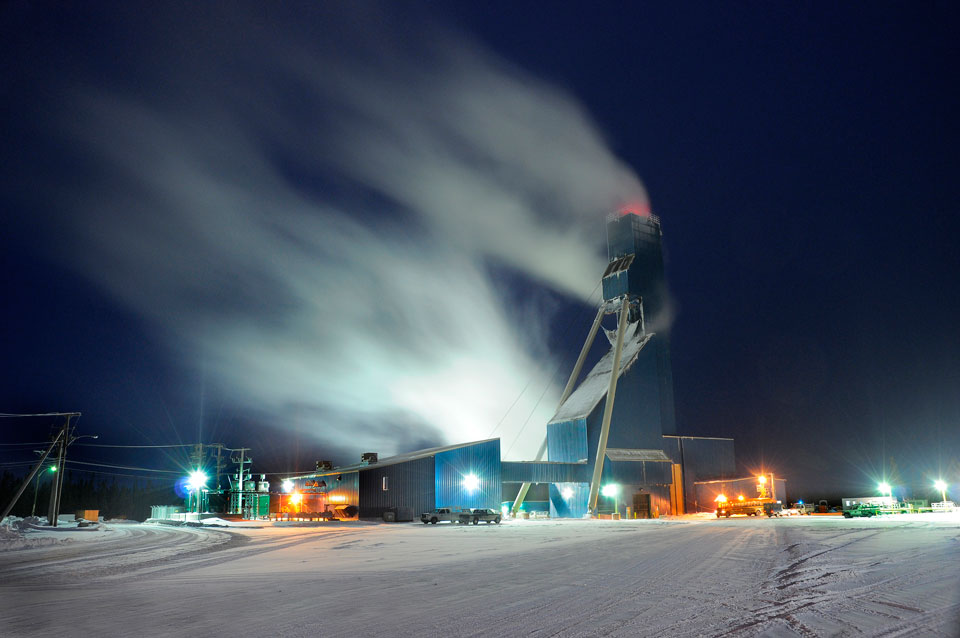
The Casa Berardi mine in western Quebec. (Credit: Hecla Mining Company)

Orezone Gold (TSX: ORE) resumed operations at its Casa Berardi gold mine in Quebec on Friday evening after a three-day voluntary suspension prompted by nearby wildfire activity, while maintaining its full-year production outlook.

A skeleton workforce remained on site during the temporary shutdown to preserve the operation, the company said Monday. Crews also completed planned maintenance that had been scheduled for later this year, a move Orezone expects will reduce maintenance downtime in 2026.

The crew also advanced certain planned maintenance activities that were originally scheduled to occur later in the year.

The company continues to forecast 62,000 to 67,000 oz. of gold production from Casa Berardi this year.

The restart removes a short-term operational interruption at the mine, which Orezone acquired earlier this year as part of its transformation into a multi-mine producer.

The mine produced 20,500 oz. in the second quarter, Orezone’s first full reporting period with two operating mines. The company expects production to soften in the third quarter before rebounding in the fourth as higher-grade ore reaches the mill.


Eramet signs MOU with Gabon on manganese ore processing

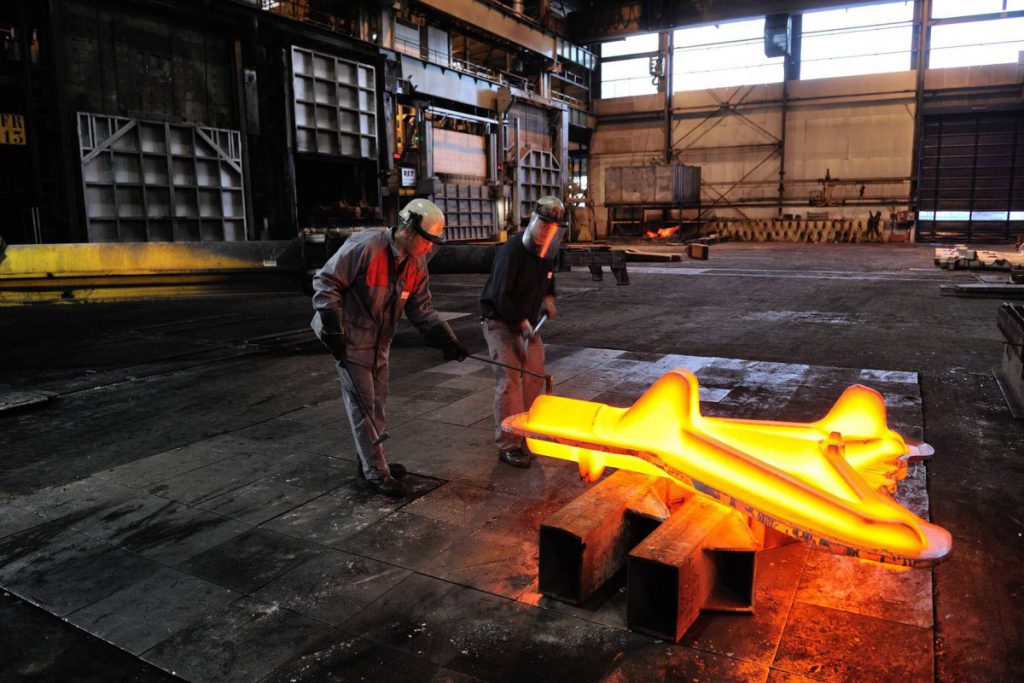
Image from Eramet.

Eramet and its Gabonese subsidiary Eramet Comilog signed a memorandum of understanding on Monday with the Gabonese government, targeting a road map to enable the processing of up to 700 kilotons per year of manganese ore by end-2031 in Gabon, the company said in a statement.

The nickel, manganese ​and lithium producer said the agreement is aimed at increasing the share of manganese ore processed by Eramet Comilog in the Central African country.

Eramet and its Comilog subsidiary will also commit to developing a local biochar production sector, it added.

As part of the MOU, Eramet and Eramet Comilog will also launch “Made in Gabon,” a seed fund that aims to create 3,000 jobs in the industrial sector.

(By Hyunsu Yim; Editing by Matthew Lewis)


Sibanye fights to save US palladium output from ‘dumped’ Russian metal


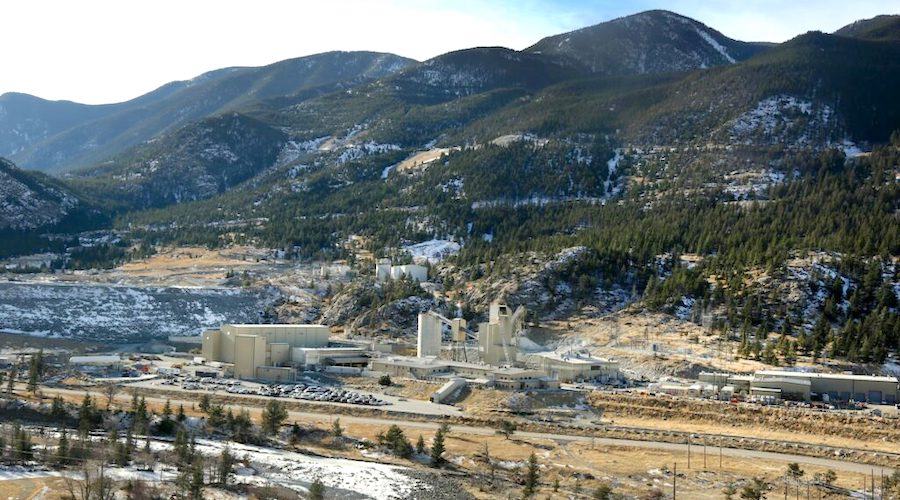
Stillwater and East Boulder mines are located on the front range of the US Beartooth Mountains. (Image courtesy of Sibanye-Stillwater.)

Sibanye-Stillwater (JSE: SSW) (NYSE: SBSW) is appealing a US trade ruling that found Russian palladium imports do not threaten domestic production, arguing the decision overlooks evidence of illegal dumping and subsidization that have depressed prices.

The South African miner, the only primary producer of palladium in the US, said the International Trade Commission (ITC) failed to properly consider legal issues surrounding Russian imports. 

The commission ruled on May 29 that the US industry was “not materially injured or threatened with material injury” by Russian palladium shipments. 

Sibanye-Stillwater first petitioned US authorities in July 2025 to impose tariffs on Russian imports to support the long-term viability of domestic production.

“Given the ongoing importance of ensuring a resilient and responsibly sourced domestic supply of this critical mineral, the company will continue to pursue all available US trade remedies to protect and sustain a viable domestic palladium industry,” Sibanye said in a statement.

Price pressure

The appeal comes as low palladium prices continue to pressure North American producers. 

US imports of Russian palladium climbed 35% between 2022 and 2024 while palladium prices fell about 50% over the same period. The metal, widely used in automotive catalytic converters, has largely escaped US sanctions imposed on Russia following its 2022 invasion of Ukraine.

Weak prices have already forced Sibanye to restructure its US palladium business by suspending production in parts of its Montana operations and focusing on higher-grade mining areas to reduce costs.

Spot palladium has fallen about 22% since the start of the year and traded near $1,285 an ounce on Tuesday.


Kalshi seeks approval to list perpetual futures tied to gold


Stock image.

Kalshi Inc. is seeking approval to expand precious metals trading on its platform with a popular type of derivative that never expires for gold, silver and platinum.

The company filed for regulatory approval with the Commodity Futures Trading Commission to expand its perpetual contracts outside of crypto.

Kalshi’s request was filed under a process that gives the regulator 45 days to approve or disallow the contract. Typically most event contracts are “self-certified” by exchanges as meeting CFTC requirements, but new products such as perps on registered exchanges have become subject to greater scrutiny by the agency.

The precious metals contracts would initially trade 24 hours a day, five days a week, matching the hours of the underlying markets, rather than the 24/7 schedule offered for crypto-linked perpetuals, Kalshi chief risk officer Udesh Jha said. The prediction-market platform will also assess whether to expand those hours, he said.

A representative for the CFTC didn’t immediately respond to requests for comment.

Perpetual futures, or “perps,” are a type of derivative with no expiration date and built-in leverage that allow customers to amplify the risk they are taking with each trade. The contracts, largely confined to crypto markets for a long time, have surged into the mainstream during the Iran war, when they became one of the only ways for retail investors to trade oil while traditional futures exchanges were closed.

Most perpetual products are offered on offshore exchanges and aren’t regulated in the way traditional commodity exchanges such as Intercontinental Exchange Inc. and CME Group Inc. are in the US. Competition from upstart venues such as Hyperliquid, which offers contracts tied to real-world assets including gold and crude oil, has accelerated traditional exchanges’ efforts to widen their trading hours.

The never-expiring contracts have also become a source of tension between CME and its top regulator. The Chicago-based exchange sued the CFTC in June after the agency allowed Kalshi to launch crypto-linked perps, making it the first US-regulated venue to offer the products.

“We have spent a huge amount of time looking at these products and determining the appropriate classification,” Kalshi Chief Compliance Officer Sudhir Jain said in an emailed statement. “CME’s lawsuit does not change that.”

Not long after its lawsuit, the CFTC blocked a CME bid to offer round-the-clock trading in oil futures, contracts that would expire unlike perpetuals. The regulator said it’s still reviewing a separate request for continuous oil futures trading that CME filed through a different process that allows the regulator to give formal approval over a longer timeline.

Separately, the Chicago-based exchange is also launching gold futures trading 24/7 this week, putting them in competition with Kalshi’s new perpetuals offering. Representatives for CME didn’t immediately respond to a request for comment.

Kalkshi’s Jha said there are different use cases for each product.

“The marketplace has different needs,” he said. “Perpetuals are very important, and will thrive because they will help improve risk-management, alongside a lower cost to traditional futures.”

The company is seeing growing demand for perpetual contracts in other asset classes such as foreign exchange and equities, and is actively evaluating those areas, according to Jha.

“The market is evolving on all aspects,” he said. “We have to evolve, and be ready to evolve.”

(By Katherine Doherty and Mia Gindis)