DW, AFP, AP
06/06/2026
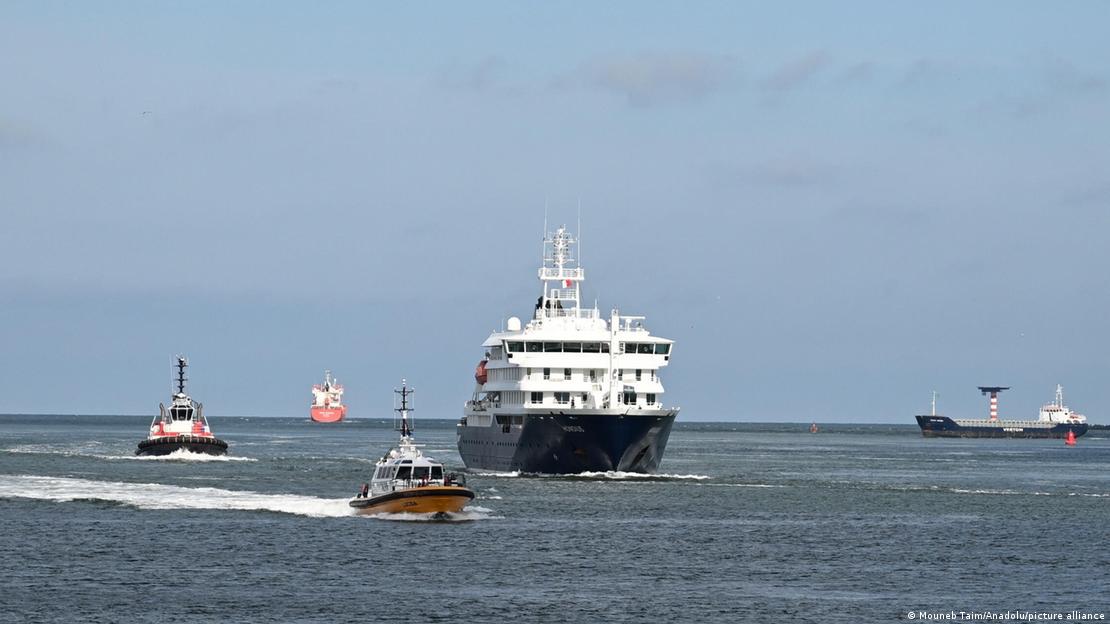
Experts say tracing passenger movements before and after boarding the ship is critical to preventing the virus from spreading [FILE: May 18, 2026]Image: Mouneb Taim/Anadolu/picture alliance
Argentine and US scientists will test rodents in Mendoza as investigators try to trace the source of a hantavirus outbreak that killed three people.
Argentina is expanding its investigation into the source of a deadly hantavirus outbreak in April to the western province of Mendoza, the Health Ministry said on Friday.
Hantavirus is a rare rodent-borne illness that has multiple strains of varying severity.
The outbreak aboard the cruise ship MV Hondius is linked to the Andes hantavirus strain, endemic to parts of Argentina and Chile, though not in Mendoza.
It infected at least 11 people aboard the ship, killing three, after it departed from the southern Argentine city of Ushuaia in April.
Scientists reconstructing how the virus spread
Authorities said scientists from Argentina's leading center for infectious diseases, the Malbran Institute, and the US Centers for Disease Control and Prevention would conduct field studies in the city of Malargue, Mendoza, from June 8-12.
Argentine scientists, along with experts from the CDC, will trap and test rodents to trace the origin.
Laboratory analysis is also continuing on more than 100 rodents captured in Ushuaia and Tierra del Fuego last month.
Investigators are trying to reconstruct how the virus spread, including tracing the movements of a Dutch couple believed to be among the first infected.
They had travelled through Argentina and Chile before boarding the cruise.
The MV Hondius was sailing from Ushuaia in Argentina to Cape Verde when its journey was disrupted following the outbreak.
Experts suspect exposure to infected rodent droppings or urine caused the outbreak.
WHO says no pandemic threat
Officials said it may never be possible to determine the exact origin of the outbreak, but tracing the chain of transmission would help to understand the spread and management of the disease.
Ushuaia authorities have rejected suggestions the virus originated there, saying that Tierra del Fuego has not recorded a hantavirus case in three decades.
Although the Andes hantavirus has a mortality rate of up to 30% and no approved treatment or vaccine, the World Health Organization (WHO) has said the outbreak does not pose a pandemic threat.
Edited by: Rana Taha
Shakeel Sobhan Covering politics, social, and environmental issues in India.
The MV Hondius was sailing from Ushuaia in Argentina to Cape Verde when its journey was disrupted following the outbreak.
Experts suspect exposure to infected rodent droppings or urine caused the outbreak.
WHO says no pandemic threat
Officials said it may never be possible to determine the exact origin of the outbreak, but tracing the chain of transmission would help to understand the spread and management of the disease.
Ushuaia authorities have rejected suggestions the virus originated there, saying that Tierra del Fuego has not recorded a hantavirus case in three decades.
Although the Andes hantavirus has a mortality rate of up to 30% and no approved treatment or vaccine, the World Health Organization (WHO) has said the outbreak does not pose a pandemic threat.
Edited by: Rana Taha
Shakeel Sobhan Covering politics, social, and environmental issues in India.

No comments:
Post a Comment