How a trans activist and a priest are creating inclusion in India's Catholic Church
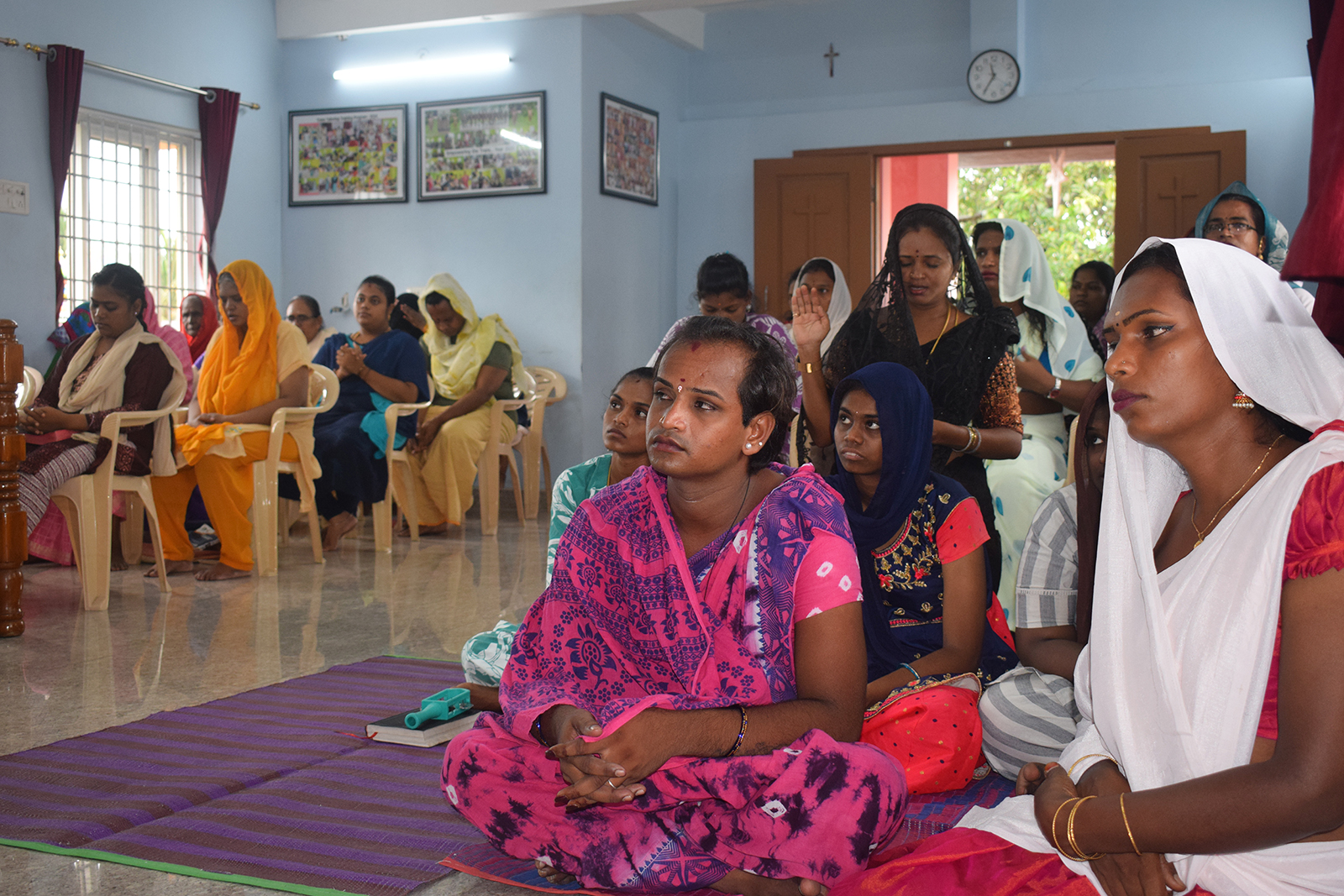
CHENNAI, India (RNS) — Twenty years ago, Inba Ignatius felt she didn’t belong in her Catholic church in suburban South India.
Ignatius, who is now 48 and a transgender activist, recalled that during a Christmas midnight Mass, a priest at her asbestos-covered church refused to administer Communion to her and three of her transgender friends until they “repented.”
But more than a decade later, Ignatius, a fiery and outspoken advocate who has for years been helping trans people find shelter and jobs in Chennai, feels the first stirrings of a new home in Catholicism. That’s in part because, in February, the archbishop of the Archdiocese of Madras-Mylapore, the Rev. George Antonysamy, launched the first sustained initiative by India’s Catholic Church to minister to and engage with transgender people.
Known as the pastoral care desk, the program is spearheaded by parish priest Father Leo Joseph, along with Ignatius. The group meets monthly, and its stakeholders are Joseph, three nuns from the diocese, four other priests, four members of the transgender community and Ignatius, the coordinator.
The group meets for prayers, yet the primary role of the ministry is pastoral. It aims to provide educational and employment support, health care access, security and pastoral accompaniment, and more broadly, to help transgender people live with dignity and hope. And, its leaders say they want their model to be replicated in other dioceses, helping to end societal and religious institutions’ misconceptions about trans people.
“We now have a way to connect directly with the church and the parish community,” Ignatius told RNS.

Inba Ignatius, center, a transgender community leader, laughs with Father Leo Joseph and Sister Sagayam at the trans shelter home in the suburbs of Chennai, India, June 12, 2026. (Photo by Priyadarshini Sen)
Transgender people in India continue to face significant social stigma, often involving rejection from their families. They also experience high levels of unemployment, poverty and violence. Systemic challenges drive many into sex work and begging on the streets. Legal rulings have affirmed their rights, but a recently passed bill rolled back some of those rights.
Ignatius said she felt shunned by mainstream society since she was 8 years old. Living in a remote village in Southern Tamil Nadu, a few hours from Chennai, she started thinking she was different from others. She was also sexually abused by her neighbor at that age, she said.
When she started working, she faced workplace harassment and said her family took her to hospitals and psychiatrists for treatment. When she was 23, a doctor told her family she was trans, and her brother urged her parents not to force her to get married.
“I don’t want others to face what I’ve endured since my childhood,” she said. “The pain of feeling you don’t belong anywhere is unparalleled.”
She left her family home to rebuild her life in the Chennai suburbs in 2007. “I didn’t want my parents and siblings to face humiliation because of me,” she said.
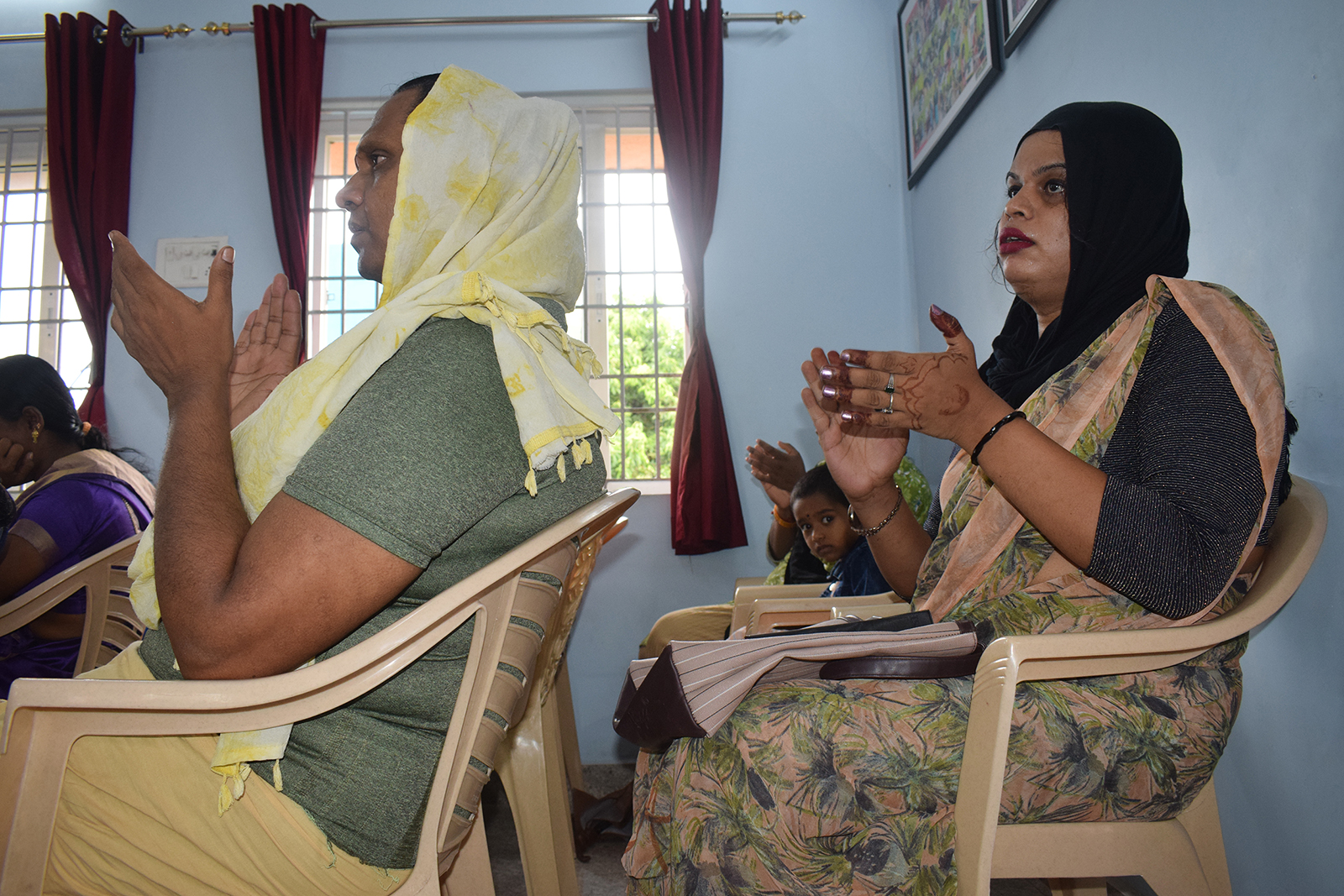
Members of the transgender community participate in a prayer service at a trans chapel in the suburbs of Chennai, India, June 12, 2026. (Photo by Priyadarshini Sen)
Her family helped her build a small house in a neighborhood populated by daily wage earners and migrant workers whose homes were pressed into dense and narrow lanes. A relatively large population of transgender people also live in the area, though exact numbers are hard to pin down, as they often move to flee persecution or conceal their identities. Despite Hindus, Muslims and Christians living together there in relative harmony, transphobia was rampant, and Ignatius wanted to confront it head-on.
In 2015, she started inviting 40 to 50 trans people to her home to pray with one another and for emotional and social support. She then expanded her house into a shelter and safe space for trans and HIV-positive people.
“(Ignatius) is a pillar of support for us,” said Kaushika, a transgender woman from the nearby city of Vellore, who asked to be identified by her first name only for her safety. “She’s been sensitizing people about our community through flash plays, cultural programs and worship rituals.”
Eventually, Ignatius opened a small chapel on the second floor for people of different faiths to pray together.
Isaac Raja, a pastor from a nearby Pentecostal church, has been leading Friday afternoon services at Ignatius’ chapel for more than five years.
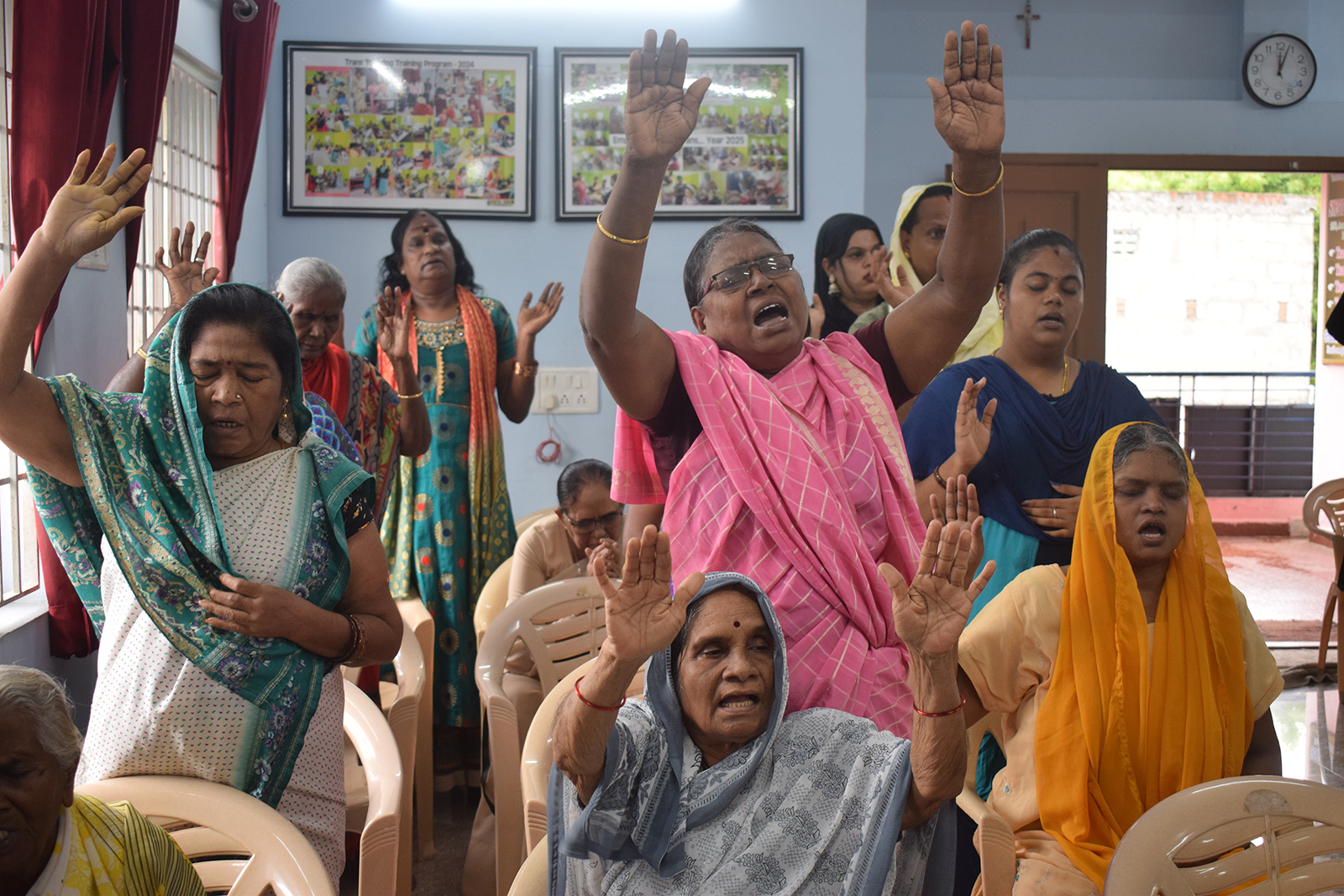
Members of the transgender community participate in a prayer service at a trans chapel in the suburbs of Chennai, India, June 12, 2026. (Photo by Priyadarshini Sen)
“Our work is to soothe their inner brokenness and offer spiritual support regardless of their faith background,” he said.
During Friday prayers, Raja said members of the community sing devotional songs in the local Tamil language, read from religious texts and share their personal faith stories.
“This isn’t just a church for us,” said Akshaya Shajagan, a Muslim transgender woman who lives in the neighborhood. “It’s a safe space where we share our joys, sorrows and pain.”
Also in 2015, Ignatius met Joseph, a Catholic priest who was assigned to lead the Catholic church in her neighborhood.
“I had all these stereotypes about transgender people,” Joseph said. “But Inba started sowing seeds of love in my heart from the day I met her.”
A priest with a “subaltern consciousness,” he said, Joseph felt a strong urge to minister to those on the fringes of society — a path he thought would bring him closer to his spiritual purpose. He wanted his work to touch more lives and spark collective commitment.
Around 23 million Catholics live in India, according to the Vatican, making up roughly 1.6% of the population. Catholicism is the largest Christian denomination in India.
As his church was renovated from a tin shed covered by thin asbestos sheets into a sparkling white edifice, Joseph began pivoting his focus to transgender people. And in 2016, he began inviting transgender women to lead Scripture readings on Sundays. During retreats with children and youth groups, they were asked to impart lessons on gender diversity.
On Maundy Thursday in 2022, a Holy Week feast that commemorates the Last Supper of Jesus with his Apostles, the priest initiated a new ritual: He washed the feet of seven transgender women to emphasize his care and love for them.
Their work got another boost when Ignatius and a few of her friends met with Antonysamy at St. Thomas Cathedral Basilica in Chennai two years ago. “Father Joseph opened the doors of the Catholic Church to us,” Ignatius said. “Starting with the archbishop, we started getting to know other priests, nuns and religious leaders.”
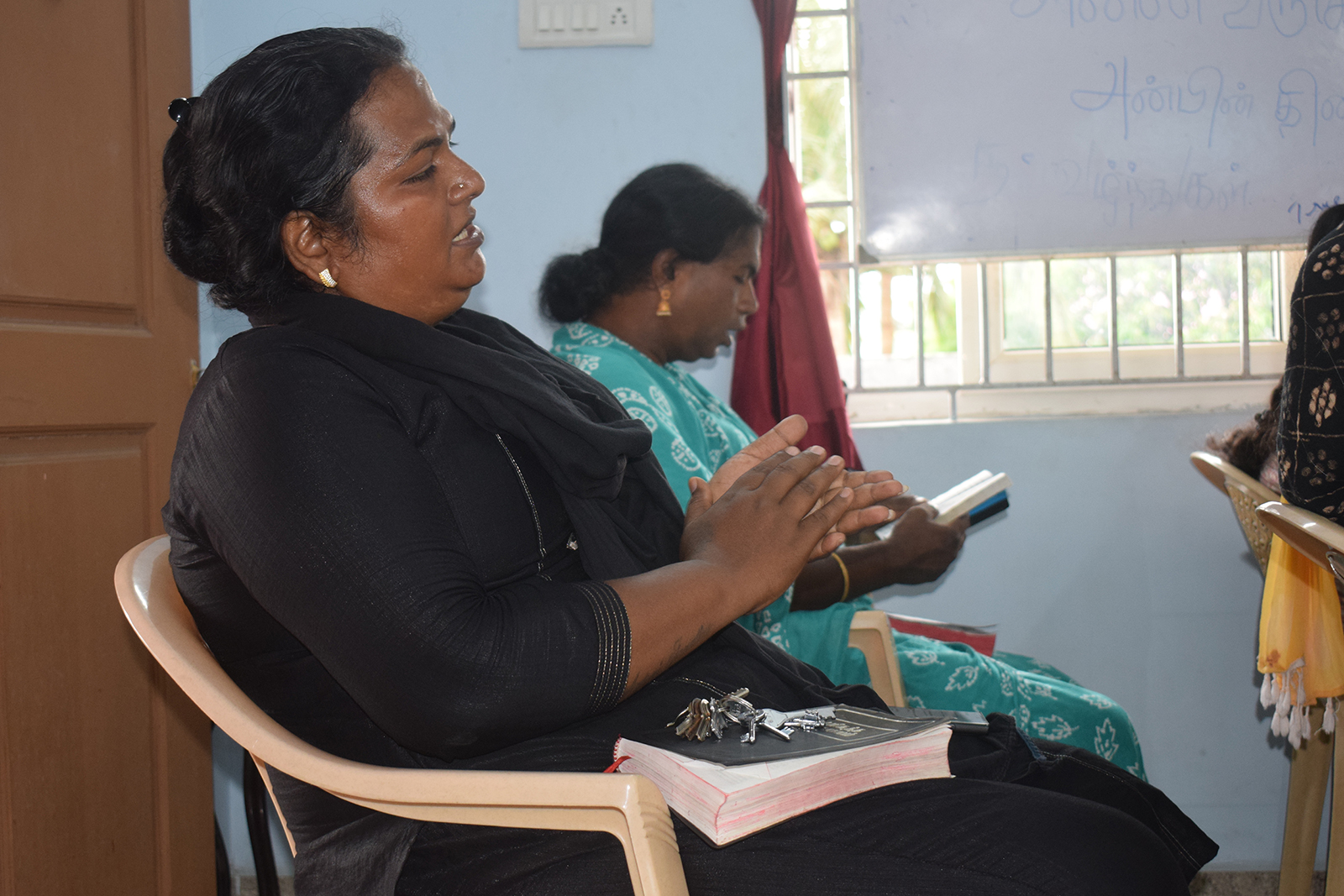
Inba Ignatius attends a service at the trans chapel she helped start for members of the community in the suburbs of Chennai, India, June 12, 2026. (Photo by Priyadarshini Sen)
Joseph said his inspiration for helping create better inclusion for trans people was Pope Francis. During World Youth Day in Lisbon 2023, the pope asserted the Catholic Church was a place for everyone by repeating the phrase “todos, todos, todos” (everyone). In October 2024, Antonysamy attended the last major Vatican synod gathering of bishops with Pope Francis.
“Pope Francis was a big catalyst for our work,” said Antonysamy, who stood by Joseph as he made plans for holistic care and social integration of trans people. “Most important is to eradicate social stigmas, and we’ll deal with pushbacks as they come.”
The long-term plan, the archbishop said, is to involve more parish priests, bishops and religious congregations in uplifting the transgender community and to elevate the pastoral desk to a functioning commission. But for now, its strategy revolves around economic empowerment and building inclusive faith communities that provide care, acceptance and support.
“Despite pushbacks from some Orthodox people,” Joseph said, “my work has helped in my own formation as a person and has doubled my commitment to those on the peripheries.”
This story was produced with funding from the Templeton Religion Trust.

No comments:
Post a Comment