Thursday, December 07, 2023

Former Labour minister says he does not feel safe as a gay man in the UK anymore

Rhiannon James, PA Political Staff
Thu, 7 December 2023 at 1:25 am GMT-7·2-min read

Sir Chris Bryant said rhetoric used by equalities minister Kemi Badenoch in the Commons had contributed to his safety concerns.

Speaking after the women and equalities minister gave a statement on gender recognition reforms, Sir Chris said: “I feel today, as a gay man, less safe than I did three years or five years ago.

“Why? Sometimes because the rhetoric that is used, including by herself (Ms Badenoch), in the public debate.”

The MP for Rhondda added: “Many of us feel less safe today and when people over there cheer as they just did, it chills me to the bone, it genuinely does.”
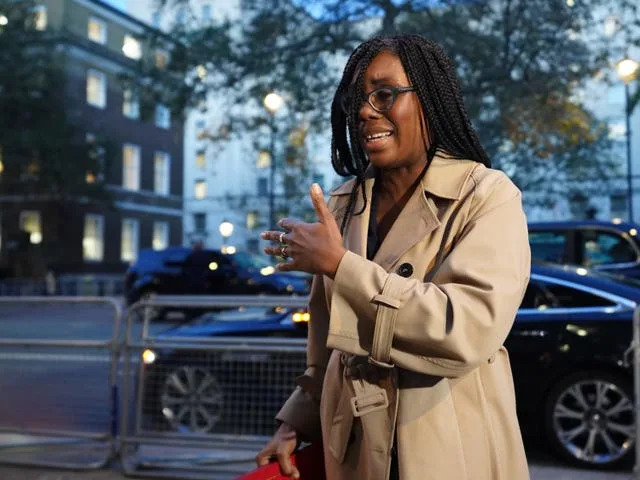

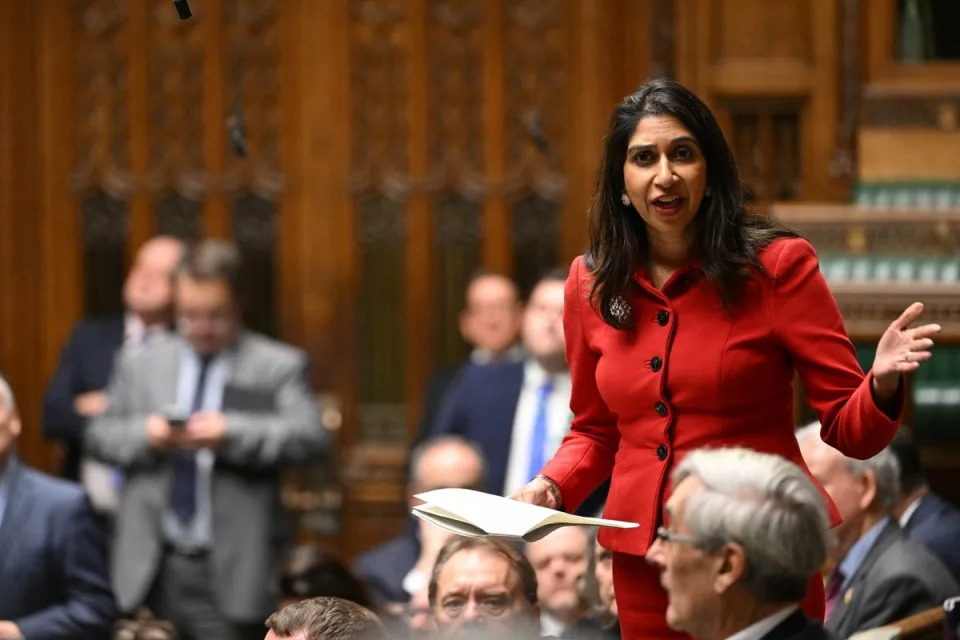
Kemi Badenoch (James MAnning/PA)

Sir Chris also asked what the minister had done since being in power to make more countries recognise same sex civil partnerships and marriages.

In response, Ms Badenoch said: “He says that my rhetoric chills him to the bone, I would be really keen to hear exactly what it is I have said in this statement or previously that is so chilling.”

Conservative former minister Sir Conor Burns later sought to counter suggestions that life was becoming worse for gay people.

The Bournemouth West MP said: “Could I invite her to agree with me that despite some of the rhetoric that we have heard in the House today, the United Kingdom is an immeasurably better place to grow up as a gay person than it was in decades gone by?”

Ms Badenoch commended the Tory MP’s “measured tone”, adding: “It is a model I think for members on the other side of the House. There is so much that we have done even under this specific Government, even under my watch.

“A lot of the work we have been doing around our HIV action plan, around trans healthcare. We have established five new community-based clinics for adults in the country.

“There is a lot that we are doing, so it is wrong to characterise us as not caring about LGBT people.

“It also sends the wrong signal to our international partners. If they feel that we are doing well, it is not because of what we are doing, it is what members across the House are saying.”


SNP equalities spokesperson Kirsten Oswald meanwhile told the Commons the Conservatives “seem much more interested in culture wars than looking after the rights of some of the most vulnerable”.

The MP for East Renfrewshire added: “The UK is travelling rapidly backwards on the rights of LGBT people and that this decision is very much out of step with other progressive countries around the world.”

Ms Oswald also accused the Government of being “missing in action” in regards to banning conversion therapy.

Meanwhile, Labour former minister Ben Bradshaw (Exeter) said Ms Badenoch was “attacking transgender people” by introducing the new measures

Charity 'Disgusted' By Liz Truss' New Bill Targeting Trans Rights

Kate Nicholson
Wed, 6 December 2023 

In this article:
Liz Truss
Prime Minister of the United Kingdom from September to October 2022
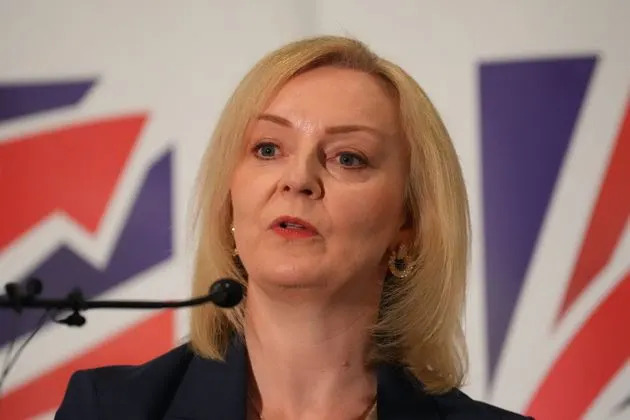
Liz Truss will present a bill which attacks trans rights on Wednesday.

Liz Truss will present a bill which attacks trans rights on Wednesday.

Liz Truss has been blasted over her new proposed bill which a charity claims will undermine transgender rights.

The former PM, known for her 49 days in Downing Street, is looking to present an amendment to the Health and Equality Acts on Wednesday to the Commons.


The bill claims to protect single sex spaces by amending the Equality Act so “sex” is unambiguously referred to as biological sex.

It also suggests preventing formal state – or school – recognition of social transitioning for anyone under 18.

Truss’s bill wants to make sure anyone under 18 cannot undergo body-altering hormone therapies which are used to treat gender dysphoria, either – that includes puberty blockers and cross-sex hormones.

A spokesperson from the transgender youth charity Mermaids, told HuffPost UK: “We are disgusted by this blatant attempt to roll back hard-won rights for the trans community.”

They continued: “Trans people, young and old, deserve the same autonomy and respect as cis people to live their lives authentically and access the services they need.

“We know firsthand from the young people we support how transformative it is to their mental and physical wellbeing, when they are in an environment where their pronouns are respected, and they have the space to explore their identity.”

Truss’s plans to redefine sex were also slammed as it would risk “removing the rights and protections trans people have fought tirelessly for, following decades of discrimination and marginalisation.”

“Sex rights and trans rights are not at odds with each other and do not need to be treated as such,” Mermaids concluded.
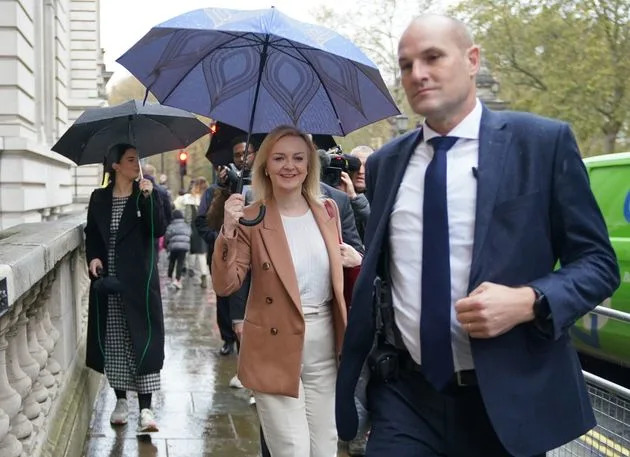
Ex-PM Liz Truss

Ex-PM Liz Truss

While promoting her bill, Truss said: “It has become clear that the law as it stands is not providing sufficient protection for young people or indeed adult women.

“Getting this law onto the Statute Book would not only safeguard the rights of women and protect the wellbeing of our children, but it would also be a significant victory for common sense.”

The bill is being sponsored by former home secretary Priti Patel, along with nine other Tory backbenchers and one DUP MP.

This is not the first time Truss has campaigned on such issues.

Speaking to The Times in September, Truss pushed for her successor Rishi Sunak to publish guidance “stating that schools should be clear about biological sex and not officially sanction social transition”.

At the time, she said: “There needs to be clarity about biological sex in school, particularly for toilets and changing areas, which should be single sex spaces.”

The former PM also claimed transitioning is “not a neutral act” and so should not be officially sanctioned for those under 18.

“I do not believe that this contravenes the Equality Act but if there are any legal issues, the government should legislate,” she said.

Previous reports suggest a complete ban on pupils transitioning would actually be illegal under the 2010 Equality Act.

Truss also oversaw the exclusion of trans people from a planned government ban on conversion therapy when she was equalities minister.

She dropped bills for gender “self-identification”, too. This would have allowed the trans community to officially change their gender on certain documents without going through a medical approval process.

Shortly before she got into No.10, Truss said she did not think trans women are women, and said: “Under-18s shouldn’t be able to make irreversible decisions about their own future.”

Truss’s bill comes at a time when the government has already been criticised over its anti-transgender rhetoric.

Charities told HuffPost UK earlier this year that its policies had left people “scared, tired and alone”.


UK

Opinion

Why does the spirit of Remain survive? Because it is about so much more than Brexit

Rafael Behr
Tue, 5 December 2023 

Photograph: Wiktor Szymanowicz/REX/Shutterstock

If there had never been a referendum on EU membership, Britain would still be divided between “remainers” and “leavers”. They would just be called something else. Terms coined for a one-off ballot describe differences that were revealed, not invented, by the plebiscite.

Brexit redrew the political map along axes of culture, geography, class, age and educational attainment. City-dwelling professionals who went to university overwhelmingly voted remain; older, manual workers who left school at 16 and live in small towns generally backed leave.

Such cleavages are never exact, but they are resonant enough that most British people can intuit how a compatriot voted in the referendum without having to ask, and are rarely surprised on finding out.

Also not surprising is the endurance of those allegiances seven years after the vote. Brexit was about so much more than technical disentanglement from EU institutions (and so bitterly contested) that legal completion of the divorce couldn’t dissolve the new categories of voter.

A study conducted for UK in a Changing Europe, a research body based at King’s College London, has found that two-thirds of people still identify with their referendum choice. That is down from 75% in the year after the vote, but still high, and Brexit identities are felt more intimately than party loyalty. Sixty-five per cent of leavers and 71% of remainers consider that identity to be “very” or “extremely” important to them. The equivalent figures for Tory and Labour partisans are 34% and 53% respectively.

Of the two labels, remain has proved stickier. That is probably because the losing side feels vindicated by the failure of Brexit to deliver any of its advertised benefits, while the winners have nothing to boast about.

The current panic about immigration is a case in point. This was a policy area where the pledge to “take back control” had the most potency and, by ending freedom of movement within the single market, the most efficient means of implementation.

But even that low-hanging fruit of the Brexit tree rotted in the government’s hands as soon as it was plucked. Ministers are already panicking about an influx of foreigners and fretting that it will drive their supporters towards Reform UK, exactly as they were a decade ago, when it was Ukip cannibalising the Tory vote share and a referendum on Europe seemed like the obvious remedy.

Plenty of people who backed Brexit are naturally disappointed with the way things have turned out, but often they retain confidence that the decision itself was the right one. They blame politicians for screwing the whole thing up. Opinion polls showing leads for pro-European policy positions don’t necessarily indicate traffic across the deeper culture-war trench. (Partly they indicate a higher death rate among older, Eurosceptic voters, while Europhile teens acquire suffrage.)

Leavers may think Brexit is a mess and still be leavers. Remainers can accept that there is no going back – not soon, never on the old terms – and still be remainers. The locus of identity is not which box people checked on polling day, but the extent to which the result was felt as trauma or delight.

Those feelings may over time be dulled by recognition of what is politically available, but grief and exaltation set people on starkly divergent trajectories.

For remainers, the sense of loss is kept raw by the abrasive rub of Conservative campaigns that aggravate cultural divisions over Brexit grievance as a route to electoral rehabilitation.

There is also an international dimension. Only Britain has remainers and leavers, but plenty of other democracies have analogous schisms, tracking similar cultural faultlines, with similar disruptive effects on traditional party-political allegiance. The prospect of Donald Trump returning to the White House next year degrades what fragile confidence his ousting in 2020 instilled in the resilience of the American constitutional order.

Delivered five months apart in 2016, Brexit and Trump were electoral siblings. Not twins. There are enough differences between American and British politics to limit the likeness, but also enough ideological congress across the Atlantic to give the two movements similar genetic profiles.

The radical right in Britain is watching the Trump sequel with relish, wondering if there are lines to crib for their capture of the Conservative party after its defeat at the next election. Keir Starmer may be glad to face an opposition so determined to vacate the political centre ground, but he can also read the cautionary tale in Joe Biden’s struggle to secure a second term.

The American economy is not in bad shape. The incumbent president has a robust record of patriotic public service. His likely rival is a demagogue of proven tyrannical temperament, who incited insurrection, openly despises the rule of law and explicitly threatens political repression if elected. It shouldn’t even be close.

Viewed from the outside, there is something frighteningly brittle about Biden’s candidacy that is inseparable from his age. At 81, he is only four years older than Trump, and not as senescent as Republican propagandists portray him. But in the third decade of the 21st century, his manner feels retro. He is the incarnation of the reassuring old way of doing politics for which liberal opinion is nostalgic. He embodies a constitutional order that would be submerged under a nationalist tide that he could not command into retreat. The word that captures this is not current in the American vocabulary: Biden is the essence of remain.

Related: I’ve got news for those who say Brexit is a disaster: it isn’t. That’s why rejoining is just a pipe dream | Larry Elliott

This isn’t a uniquely anglophone problem. European parliament elections next year look likely to amplify illiberal and xenophobic forces that have already penetrated the political mainstream – and formed governments – across the bloc. In France, supporters of Emmanuel Macron are getting queasy about the vacuum he will leave when his term expires in 2027 and the prospect of it being filled by the far right.

As the Ukraine war drags on, the energy of moral purpose that Russia’s invasion instilled in the European project is dissipating. Stalemate benefits Vladimir Putin, his clients and fellow travellers by proving the limit of western capacity – or will – to reverse territorial aggression.

None of this is predetermined. The success of Donald Tusk’s centre-right Civic Platform in Polish elections in October – in a system skewed to favour chauvinist incumbents – was a tonic to supporters of liberal democracy across the continent. Tusk, a former prime minister and president of the European Council, won an important battle over the character of Poland’s democracy. EU membership was never in question, but in a wider sense this was a victory for a spirit of remain.

Of course that can’t be the right word. Brexit is too rooted in Britain’s national neuroses to provide a lexicon for other countries’ politics.

Yet there is a global taste of anxiety and bewilderment that supporters of Britain’s EU membership have known since 2016 and recognise overseas. There is a solidarity in defence of the rule of law, human rights and political pluralism. But there is also dread that the campaign to protect these principles struggles to break out of nostalgia for the time when the case didn’t even have to be made. And there is the nerve-racking condition of having much more faith in the justice of the cause than confidence in the candidates who represent it. That is the struggle, for want of a better word, to remain.

Rafael Behr is a Guardian columnist
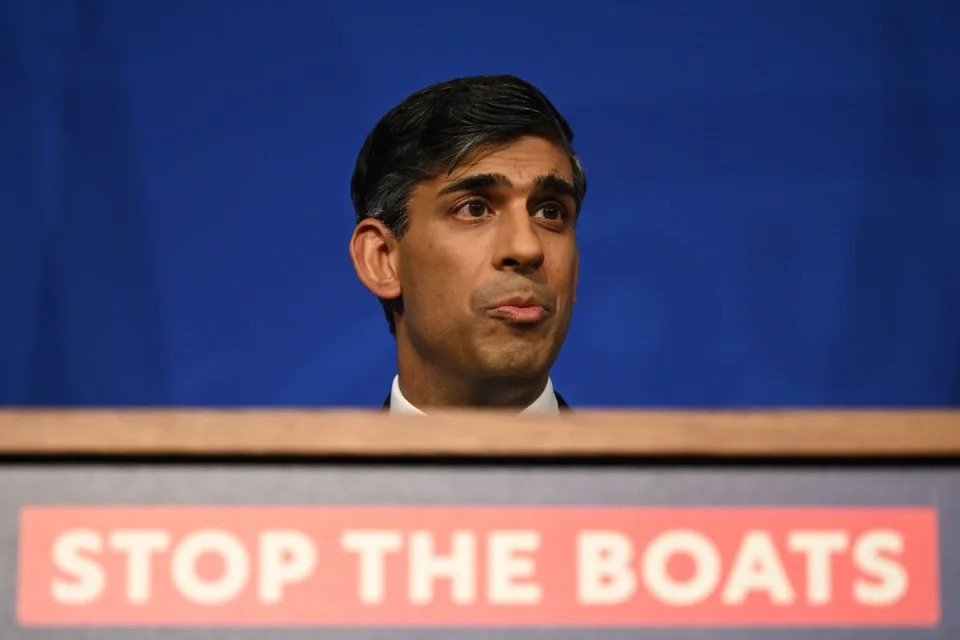
BBC Presenter In Excruciating Clash With Minister Over Sunak's Pledge To 'Stop The Boats'

Kevin Schofield
Thu, 7 December 2023 


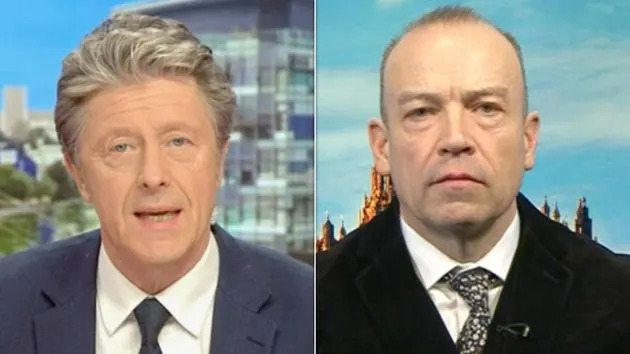
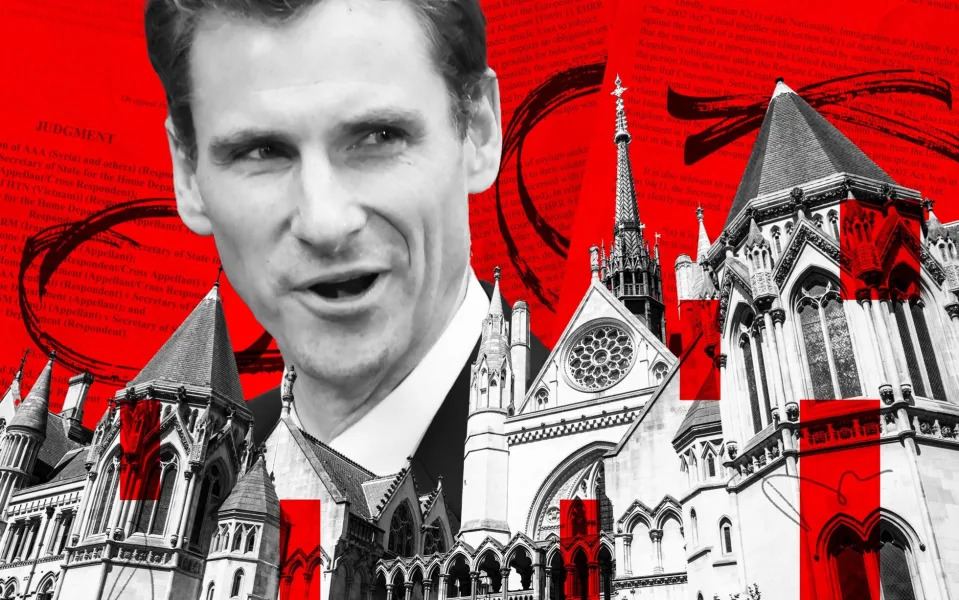
Charlie Stayt and Chris Heaton-Harris on BBC Breakfast

Charlie Stayt and Chris Heaton-Harris on BBC Breakfast

A BBC presenter was involved in an excruciating clash with a cabinet minister this morning over Rishi Sunak’s pledge to stop the small boats carrying asylum seekers across the Channel.

Charlie Stayt mocked Northern Ireland secretary Chris Heaton-Harris’ claim that the government keeps its promises.


The toe-curling exchange came a day after immigration minister Robert Jenrick quit over a new bill designed to rescue the PM’s plan to deport migrants to Rwanda.

He claimed it would not work because it does not allow the UK to ignore rulings under the European Convention on Human Rights.

It follows last month’s Supreme Court ruling that the Rwanda plan was illegal because the east African country is not safe.

On BBC Breakfast this morning, Heaton-Harris insisted the new bill will address the judges’ concerns.

He said: “We know that Rwanda is a safe country ... that it is a safe place for people to be returned to and it is a deterrent.”

But Stayt replied: “For the sake of facts, the Supreme Court said that Rwanda is not safe, that remains the case.”

The minister hit back: “Forgive me, we are tabling before parliament a whole host of evidence. At the time the Supreme Court ruling was looking at that evidence - which was many, many, many months ago - that was what it said. We have done things to address that and we believe that is completely legitimate.”

Turning to Sunak’s vow to stop the boats, Stayt said: “You mentioned a moment ago you’ll be a political party that keeps your promises. Remind me of what the prime minister’s pledge was on stopping the boats - what was the timeframe? Do you want to remind me of that?”

Heaton-Harris said: “Rishi when he came to power said he wanted to stop the boats and we’re going to do as much as we can.”

But Stayt then asked him: “No, I would like the timeline reminder if I may because you said you were going to stick to your promises. Do you want to tell me or shall I remind you?”

The clearly-annoyed minister replied: “No, you remind me.”

Told that it was by the end of this year, Heaton-Harris said: “And we’ve tried to do that and we’ve been frustrated by the Labour Party in parliament and judgments in the Supreme Court which we are now addressing.”

The presenter then told him: “We’re not talking about the Labour Party. You just told me you were going to stick to your promises, that is the kind of government you are.

“So the promise was by the end of this year, you will have stopped the boats. Is that what you’re still saying?”

The flustered minister said: “We are going to stop the boats, but we have had issues with the former bill’s passage through parliament, where Labour obstructed us on every opportunity and a court judgment which we believe we have now answered with this bill and this treaty with Rwanda.”


UK
I’ve been through the UK visa system twice now. I'm not sure I would do it again

‘Yahoo News - Insights’ is a new series in which we hear directly from people with an inside track of the big issues. Here, skilled worker Sofia Diogo Mateus explains why the new visa rules may discourage workers the country vitally needs.


Harriet Sinclair
·Trending News Reporter
Updated Wed, 6 December 2023

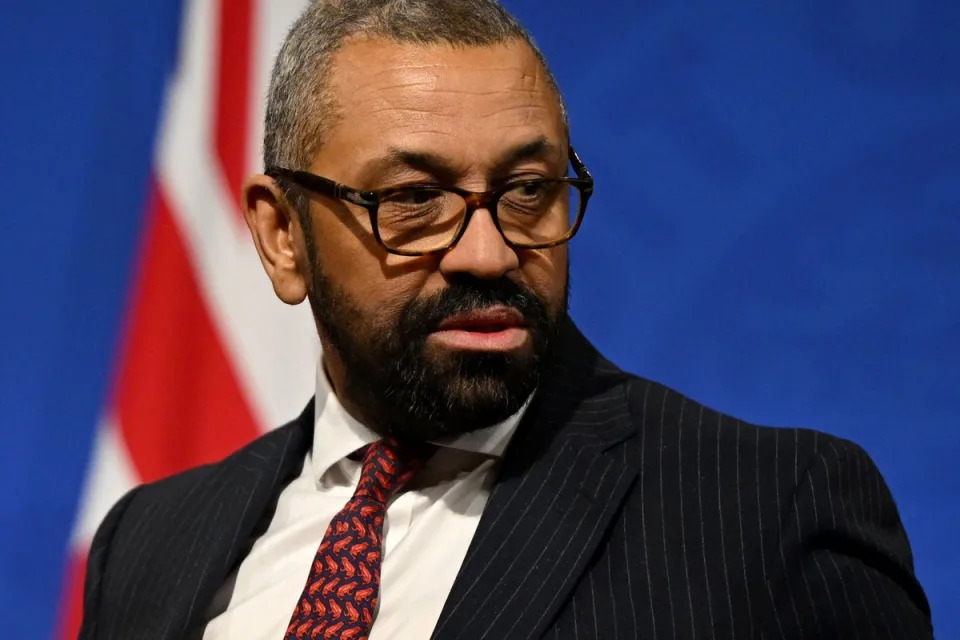
Home secretary James Cleverly has announced changes to the UK's visa system. 
(Pool via Reuters) (POOL New / reuters)

Sofia Diogo Mateus, 35, is Yahoo News UK's head of audience and has been through the UK's visa system twice.


The government has announced changes to the UK's skilled worker visa that will see the minimum salary for applicants raised to £38,700. The changes mean 300,000 people who would have been eligible for the visa last year will not be in future, home secretary James Cleverly said.

Over the last two years I have gone through the process of applying for a skilled worker visa twice, and if I had to do it again, I'm not sure I would. On both occasions, the processes were long and complex – despite the support of the legal teams paid for by my employers, as well as their financial backing.

The immigration debate is completely divorced from reality. Maybe not the political reality, but the reality of those at the receiving end of it. Allow me to walk you through it:

In early September 2021, I filled out my initial visa application, which included not just all my personal details but every place I have visited in the past five years and why; if had ever been refused a visa for any country in the past 10 years and why; and if I had ever been deported or forced to leave country. Additionally, I had to prove that my bachelors degree was from a British university or I would have to undergo an English-language test.

I have no spouse or children, which would have required extra paperwork. My employer committed to pay £1,420 for a five-year visa, plus £624 per year for me to be able to use the NHS (also known as the healthcare surcharge). That’s a total of £4,540, since the surcharge needs to be paid in full for the five years ahead of time. In fact, it was probably pricier than that, as most companies end up paying extra to fast-track applications through the many delays that plague the Home Office.


Sofia Diogo Mateus questions whether she would go through the visa process again. 
(Sofia Diogo Mateus)

Even with the fast track, it took almost two months for my visa to be approved.

Once that was done, I had to go to a visa centre, hand over my passport and wait another week for it to be handed back to me via courier. I received a 90-day entry visa, and once I had entered the UK, I had to register with the Home Office for my biometric residency permit – much like the type many members of the British public are against having.

Under my visa, I'm not allowed any public funds, and should I have any children, alone or with a partner who is not British or a permanent resident, they too will not be allowed benefits of any kind.

If I lose my job, I immediately lose the right to live in the UK. It's galling to know that if I was made redundant, I would have to pack up the life I have built here and be out of the country within 60 days.

Changing jobs


In September of this year, I decided to change jobs. Before I tell you just how complex the process of “transferring” my visa was, I should tell you that I know no-one who has done it. Among the friends and acquaintances I have who are in the UK on skilled worker visas, everyone is hanging on to them for dear life, as the reluctance to sponsor people is now quite common, even in big employers that were happy to do it immediately after Brexit. We assume it’s the cost but we don’t know.

The visa “transfer” application was essentially the same as the one I did two years ago, which left me wondering why on earth the Home Office needed me to repeat everything I had already declared to them.

But that’s not all: I also had to explain the reason for any absences from the country that were longer than 15 days since I moved here, and detail every single medical treatment I have received, public or private, and show that I had paid for it, despite paying an extra specific fee specifically for the right to use the NHS.

My new employer had to once again pay, this time slightly more because the application happened from within the UK. It’s unclear to me if my previous employer will receive any money back for the NHS surcharge they paid in advance.

Sofia Diogo Mateus spent months waiting for her visa to be approved. 
(Sofia Diogo Mateus)

As I waited to hear about the transfer decision, I was not allowed to leave the country and was told, through independent legal advice, that I should avoid having any time during which I am not employed through sponsorship, for that would likely have an impact on my permanent residency application (which will be available to me after five years under the current rules).

More than two years ago, when I was asked if I wanted to stay in Brussels or move to London, I chose the UK before my employer even had a chance to state that would be their preference too. I also chose the UK over 17 years ago too, when I first moved here for university, albeit under much simpler rules as a European. I have tried to come back to London since I left after my degree, long before Brexit made my life that much harder.

This isn’t a matter of ideology or belief - it’s simple math. In Germany and Belgium, the countries I lived in before, which also have health and care workers shortages, moving is easy. There’s no application, fees or limits and salaries are roughly the same as in the UK, with a lower cost of living and inflation. By and large, moving here is no longer worth it for the people the country desperately needs to keep its economy running. No matter what you believe, there’s no running away from these competing realities.

If I had to go through the UK visa process again, I am pretty sure I wouldn’t – and I certainly would not allow a government to dictate whether I can be with my family or not. No job or amount of money is worth that.
UK
'Where Is He?': Yvette Cooper Mocks Tory 'Chaos' As Robert Jenrick Quits Over Rwanda Plan

“This is the desperate dying days of a party ripping itself apart," says Labour frontbencher as departing immigration minister dodges Commons.


By Graeme Demianyk
HUFFPOST
06/12/2023 

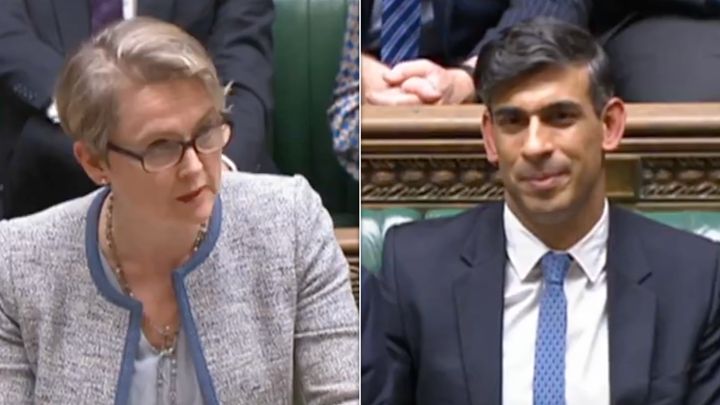
Rishi Sunak can only watch as Yvette Cooper tears into his government.
PARLIAMENT TV

Labour’s Yvette Cooper tore into the Conservative Party for “ripping itself apart” amid chaotic scenes in the House of Commons as Rishi Sunak saw a close ally resign over his Rwanda deportation plan.

Immigration minister Robert Jenrick quit because proposed legislation to end the political stalemate “does not go far enough” – a major blow to Sunak’s authority since the MP was in charge of the policy.

His exit was finally confirmed after rumours swirled over his departure and Jenrick was absent from the House of Commons as the announcement on the changes was made.

Home secretary James Cleverly initially declined to answer several requests for an explanation on Jenrick’s status – but was then informed that the home office minister, Laura Farris, indicated Jenrick had resigned during a radio interview. Cleverly then confirmed to MPs this was the case.

Cooper, the shadow home secretary, pounced as it was unclear what was happening, and she condemned the “total chaos in the government and in the Conservative Party”.

She went on: “This is the desperate dying days of a party ripping itself apart, clearly totally out of ideas, lost any sense of leadership or direction

“We’ve got the home secretary making the statement but the rumours are that the immigration minister has resigned. Where is he?

“They’ve got open warfare on their backbenches and the starting gun has fired on their next leadership election, and once again the whole country paying the price for this chaos.”


Watch the full attack below.


The Conservatives on Wednesday unveiled a bill that will let it ignore a part of the country’s human rights law in order to send asylum seekers on a one-way trip to Rwanda.

The legislation is part of government plans to overcome a block by the UK Supreme Court on its Rwanda policy. The court ruled last month that the plan was illegal because Rwanda isn’t a safe country for refugees.

Britain and Rwanda have since signed a treaty pledging to strengthen protection for migrants. The UK government says that will allow it to pass a law declaring Rwanda a safe destination.

Cleverly said the safety of rwanda bill “will make absolutely clear in UK law that Rwanda is a safe country”. He urged MPs to pass the legislation, even though it may violate international human rights rules.

The government says the law will allow it to “disapply” sections of UK human rights law when it comes to Rwanda-related asylum claims.

On the first page of the bill, Cleverly states that he can’t guarantee that it’s compatible with the European Convention on Human Rights —
 but that MPs should approve it anyway. The bill now faces a battle in parliament.

Sunak's Government plunged into crisis as Robert Jenrick resigns as immigration minister over Rwanda 

Nicholas Cecil and Daniel Keane
Wed, 6 December 2023 


Rishi Sunak’s premiership has been plunged into crisis after his immigration minister Robert Jenrick resigned over his Rwanda policy.

Mr Jenrick’s departure on Wednesday evening sparked immediate doubts over whether the PM could get his “emergency legislation” to salvage his Rwanda deportation plan through the Commons.

He said in a letter to the Prime Minister he said that he had to resign because he has “such strong disagreements with the direction of the Government’s policy on immigration”.

Mr Sunak’s flagship immigration policy was also thrown into further doubt by Rwanda warning that the deal with the UK Government had to be legal.

In a statement, Rwanda's foreign affairs minister Vincent Biruta said: “It has always been important to both Rwanda and the UK that our rule of law partnership meets the highest standards of international law, and it places obligations on both the UK and Rwanda to act lawfully.”

Mr Jenrick was missing from the frontbench as Home Secretary James Cleverly gave a statement to the Commons on Wednesday over the government's bid to rescue the deal to fly migrants who arrive illegally in the UK to Rwanda.


Mr Jenrick had been taking an increasingly firm approach over plans to stop asylum seekers making unauthorised crossings of the Channel in small boats in recent weeks.

The draft Bill, published on Wednesday, compels judges to treat Rwanda as a safe country after the Supreme Court ruled the scheme was unlawful over risks to refugees.The legislation, which must be voted on by Parliament, gives ministers the powers to disregard sections of the Human Rights Act. But it does not go as far as providing powers to dismiss the European Convention on Human Rights, as Tory hardliners including former home secretary Suella Braverman have demanded.

As Home Secretary James Cleverly outlined details of the new law in the Commons, the Government faced the threat of a full-scale revolt by Tory Right-wingers over the plan as he was also forced to confirm Mr Jenrick's resignation.

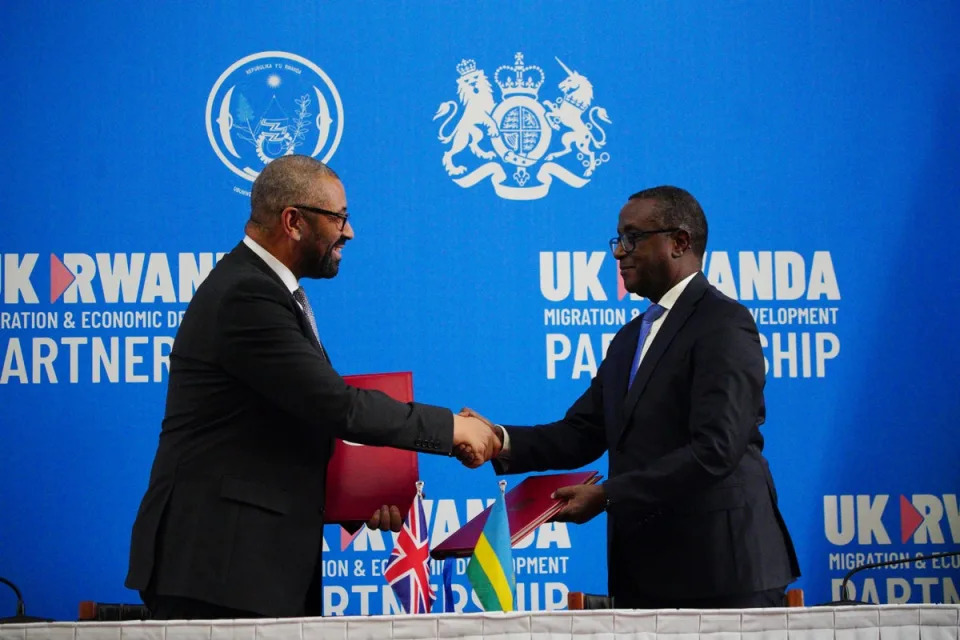
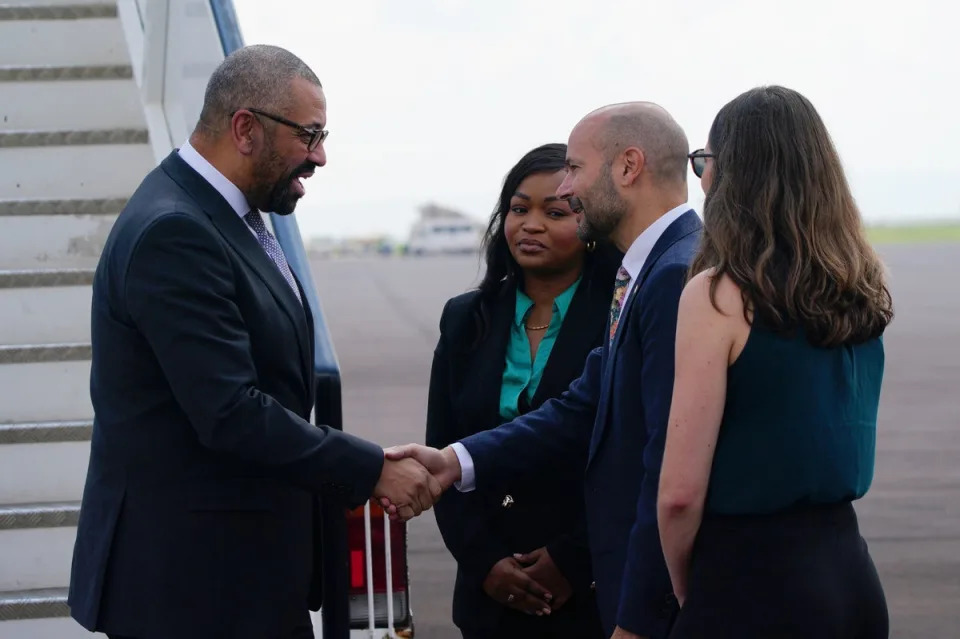
Home Secretary James Cleverly signed a new treaty with Rwandan minister of foreign affairs Vincent Biruta on Tuesday (PA) (PA Wire)

Shortly after Mr Jenrick published his departure letter to the Prime Minister on social media.

He said he was "grateful" for Mr Sunak moving towards his position on the legislation, but added he does not "believe it provides us with the best possible chance of success".

"A Bill of the kind you are proposing is a triumph of hope over experience," he wrote.

"The stakes for the country are too high for us not to pursue the stronger protections required to end the merry-go-round of legal challenges which risk paralysing the scheme and negating its intended deterrent."Former Home Secretary Ms Braverman had already savaged Mr Sunak’s latest proposals. He sacked her weeks ago after she was engulfed in a series of controversies.

Ms Braverman, in a statement in the Commons, said Mr Sunak's new law should contain legal provisions to ignore the European Convention on Human Rights and Britain's Human Rights Act or he faced "electoral oblivion".

Tory Right-winger Andrea Jenkyns backed Mr Jenrick’s decision and claimed it could be the “death knell” for Mr Sunak’s leadership.


Rumours were swirling at Westminster that more letters of no confidence in his leadership have been sent to Sir Graham Brady, chairman of the 1922 Committee of Backbench Conservative MPs.

In a sign of the open revolt among Tory parliamentarians, Lord Greenhalgh, a former London deputy mayor under Boris Johnson, tweeted: “Frankly, @RobertJenrick’s resignation as immigration minister is principled. Anyone who believes that the proposed @GOVUK immigration bill is too weak + won’t work should resign. @SuellaBraveman was forensic on this topic in her statement.”

Mr Sunak hit back in a letter to Mr Jenrick, describing his decision as “disappointing”, and telling him in a letter he fears it was “based on a fundamental misunderstanding of the situation”.

The Prime Minister also reportedly told Conservative backbenchers at the 1922 Committee shortly before Mr Jenrick's resignation became apparent that they must "unite or die".


Suella Braverman savaged Mr Sunak's plan earlier in the Commons (via REUTERS)

Mr Cleverly denied that Rwanda is getting cold feet due to the “toxic” deal.

His strong stance came after Labour MP Mike Kane said: “It’s been reported in the press that they are getting cold feet because this deal is too toxic for them, is that the case?”

In response, Mr Cleverly simply said “no”.

Pat McFadden MP, Labour’s National Campaign Coordinator, responding to the resignation, said:"This latest chaotic chapter demonstrates why the country is ready for change. And Keir Starmer’s changed Labour Party stands ready.

"The British people deserve a Government that will fix the issues that matter to working people, not a Tory circus of gimmicks and leadership posturing.

"Only Labour can deliver the change this country needs, on the cost of living, on bringing down energy bills and making work pay. It’s time we got Britain’s future back."


Robert Jenrick’s resignation creates a Tory crisis

Telegraph View
Wed, 6 December 2023 

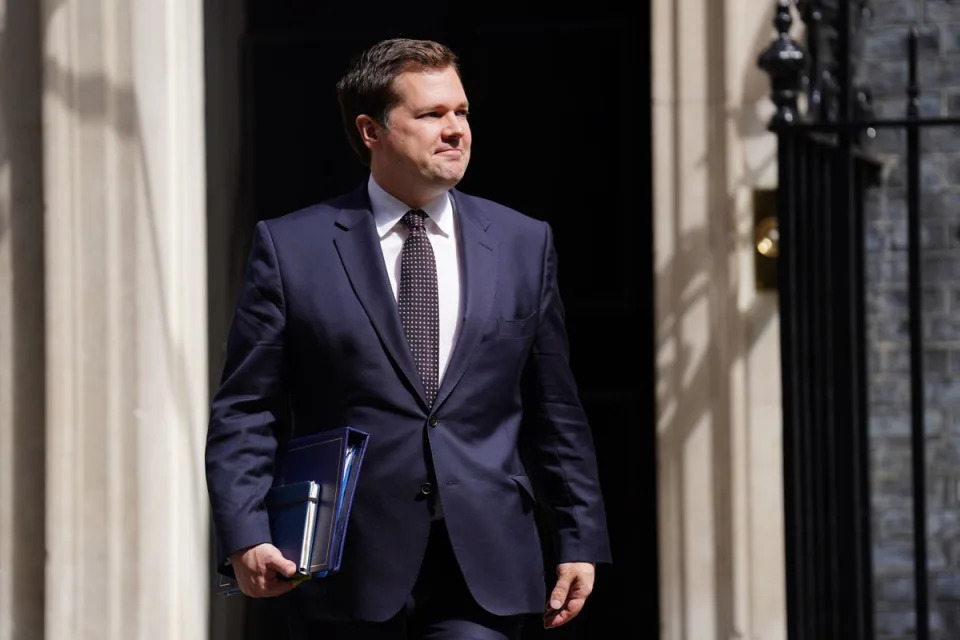
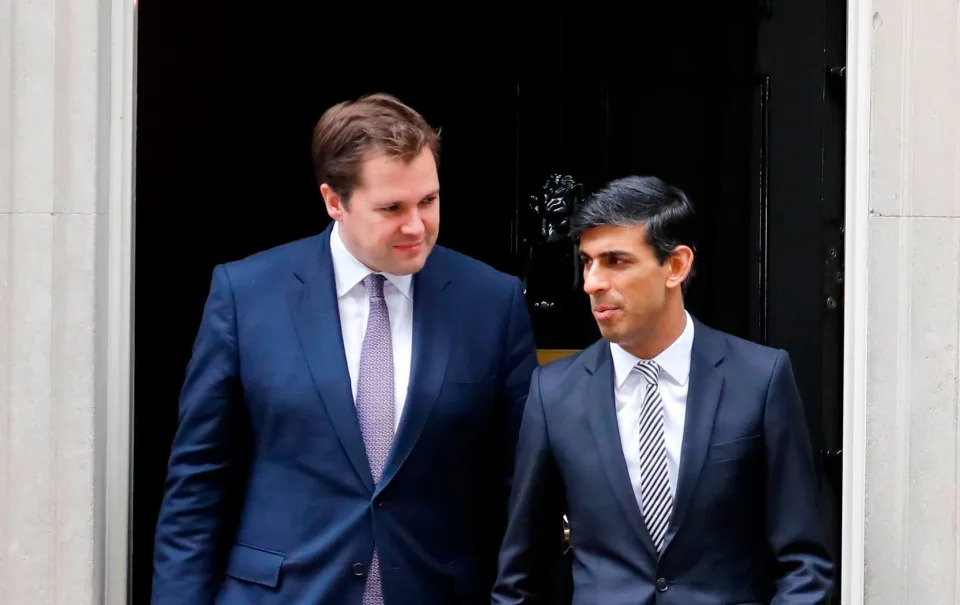
Robert Jenrick leaving Downing Street with Rishi Sunak

The resignation of Robert Jenrick, the immigration minister, over the new legislation intended to stop the cross-Channel migrant traffic confronts Rishi Sunak with a perilous few weeks in his premiership.

Mr Jenrick is a considered politician, not known for being on the Right of the Tory party. But he stepped down in protest at new legislation to curb illegal asylum seekers, which he said did not go far enough. Just hours earlier, Suella Braverman, the former home secretary, had delivered a devastating attack on Mr Sunak, three weeks after he sacked her from the Home Office.

She said the Conservatives were heading for “electoral oblivion” unless the Government gripped the small boats crisis, brought down legal immigration, expedited deportations, toughened jail sentences and cut crime.

Last night, the Government published its emergency legislation aimed at addressing the Supreme Court’s reasons for striking down the policy of sending migrants to Rwanda. It declares Rwanda to be a safe country, and forbids immigration officers from deciding otherwise. It also says ministers can ignore so-called Rule 39 blocking edicts from the European Court in Strasbourg, though it would still have a role.

Unusually, James Cleverly, the Home Secretary, stated that the Bill was not compatible with the European Convention on Human Rights, “but the Government nevertheless wishes the House to proceed with the Bill”. That is now the big challenge facing Mr Sunak, since he wants the measure through Parliament before Christmas.

However, he risks failing to satisfy either side. Mrs Braverman’s supporters said the Bill was flawed, because it still allowed individual judicial appeals against rejection. Another group of Tories, however, sees bypassing Britain’s human rights obligations as a “red line”. The One Nation group of MPs said it welcomed the Government’s decision to continue to meet the UK’s international commitments but would be taking legal advice about the Bill’s practicalities.

This has become a high-stakes political gamble for Mr Sunak, whose ability to manage the parliamentary party with so many MPs stepping down has become more difficult. Mrs Braverman said another anti-migration Bill that fails to achieve what is promised could be disastrous for the party and she would not “sit by and allow that to happen”. Is this the start of another Tory leadership crisis?

Robert Jenrick’s resignation letter in full as immigration minister quits over Rwanda plan

Barney Davis
Wed, 6 December 2023 

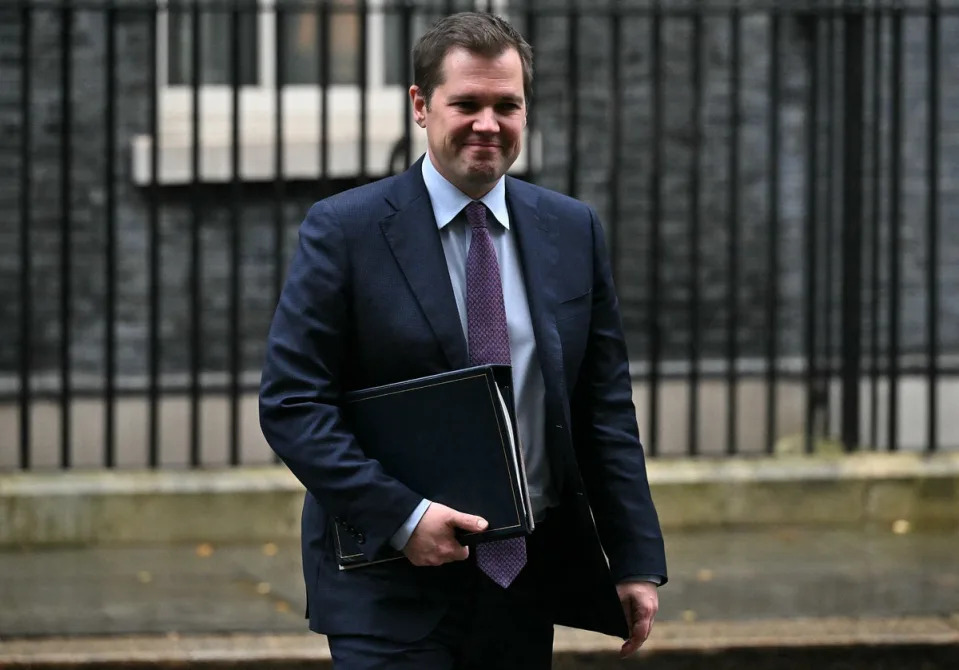
Robert Jenrick says he has strong disagreements with the government’s policy 
(AFP via Getty Images)

Robert Jenrick’s shock resignation has plunged Rishi Sunak’s leadership into further chaos after the prime minister failed to appease Tory right-wingers with his emergency Rwanda legislation.

Home Secretary James Cleverly unveiled a bill in the Commons to “disapply” the UK Human Rights Act in a bid to stop British judges blocking the deportation of asylum seekers.

But the Sunak government could not head off a major revolt by the right of the party after choosing not to opt out of the European Convention on Human Rights (ECHR).

Jenrick said the small boats crisis was doing “untold damage” to the country and the Government needed to place “national interests highly contested interpretations of international law”.

Below is his resignation letter in full:


“It is with great sadness that I have written to the Prime Minister to tender my resignation as Minister for Immigration. I cannot continue in my position when I have such strong disagreements with the direction of the Government’s policy on immigration.

“As you know, I have been pushing for the strongest possible piece of emergency legislation to ensure that under the Rwanda policy we remove as many small boat arrivals, as swiftly as possible to generate the greatest deterrent effect.

“This stems from my firmly held position that the small boats crisis is a national emergency that is doing untold damage to our country, and the only way we will be able to stop the boats completely is by urgently introducing a major new deterrent.

“I have therefore consistently advocated for a clear piece of legislation that severely limits the opportunities for domestic and foreign courts to block or undermine the effectiveness of the policy.

“One of the great advantages of our unwritten constitution is the unfettered power of our sovereign parliament to create law. and that is a power we must take full advantage of.

“The Government has a responsibility to place our vital national interests above highly contested interpretations of international law.

“In our discussions on the proposed emergency legislation you have moved towards my position, for which I am grateful.

“Nevertheless. I am unable to take the currently proposed legislation through the Commons as I do not believe it provides us with the best possible chance of success.

“A Bill of the kind you are proposing is a triumph of hope over experience. The stakes for the country are too high for us not to pursue the stronger protections required to end the merry-go-round of legal challenges which risk paralysing the scheme and negating its intended deterrent.

“Reflecting on my time in the Home Office, I am proud of the improvements we have delivered together working alongside dedicated and capable civil servants. I am grateful to you for agreeing to much of my five-point plan to reduce net migration which, once implemented, will deliver the single largest reduction in legal migration ever.

“However, I refuse to be yet another politician who makes promises on immigration to the British public but does not keep them.

“This package must be implemented immediately via an emergency rules change and accompanied by significant additional reforms at the start of next year to ensure we meet the 2019 manifesto commitment that every single Conservative MP was elected upon. The consequences for housing, public services, economic productivity, welfare reform, community cohesion and, more fundamentally, for trust in democratic politics are all too serious for this totemic issue to be anything other than a primary focus for the Government.

“Together we have also made progress tackling illegal migration. Small boats arrivals are down by more than a third compared to last year, against a forecast of a forty per cent increase and an almost one hundred per cent rise in Italy in the same period.

“The deal we negotiated with Albania has led to a more than ninety per cent reduction in Albanians arriving illegally on small boats and has demonstrated that a fully functioning scheme with Rwanda will act as a powerful deterrent. For the first time we have developed a comprehensive upstream strategy to disrupt the organised immigration crime gangs in important countries including Italy, Belgium, Bulgaria and Turkey.

“This has made the United Kingdom a partner of choice to those who share a determination to tackle illegal migration and has led to record numbers of small boat equipment seizures, preventing thousands more people making the illegal, unnecessary and dangerous crossing. At home we have relentlessly focussed on removing the pull factors the United Kingdom.

“We have increased raids on illegal working by seventy per cent and returns of immigration offenders by over fifty per cent, transformed the asylum case-working system with a ten-fold increase in weekly decisions to eliminate the legacy backlog, and began closing hundreds of the farcical asylum hotels. Behind the scenes we have also instilled greater rigour in scrutinising visa applications which will tackle the equally concerning rise in non-small boat asylum claims.

“However, we said that we would stop the boats altogether. That is what the public rightly demands and expects of us. We must truly mean that we will do whatever it takes’ to deliver this commitment when we say so. This emergency legislation is the last opportunity to prove this, but in its current drafting it does not go far enough.

“You and I have been friends for a long time. In cabinet I have seen up close your hard work, dedication and the deep sense of public service that drives you every day. Against strong headwinds you have stabilised the country, showed leadership on the world stage and done much to improve the lives of millions of citizens across the United Kingdom, for which you deserve much greater recognition.

“This is not a decision I have arrived at lightly, but one born of principle and reached after careful consideration and many months of trying to convince you of the merits of my position.

“You will retain my full support on the backbenches even as I campaign on illegal and legal migration policy and the intersecting challenges of generating meaningful economic growth, solving the housing crisis and improving integration. The fortunes of the Conservative Party at the next general election are at stake.

“It has been an honour to serve in government for five Conservative Prime Ministers. I will continue to represent the interests of my constituents in Newark to whom I owe so much.

“Yours ever,

“Robert”


UK Rwanda bill will be ‘immune’ to court challenge

Charles Hymas
Wed, 6 December 2023

Chris Philp, the policing minister, said the Rwanda bill would be unveiled ‘within days, not weeks’

Emergency laws to declare Rwanda safe for asylum seekers will be “immune” to court challenges, a Home Office minister has pledged.

Chris Philp, the policing minister, said the Government would do “whatever it takes” to ensure the Rwanda Bill was “completely watertight” and “immune” to being struck down by the courts.

The Bill was announced as part of the Government’s plans to get flights to Rwanda off the ground in the wake of the Supreme Court ruling that the policy was unlawful.

It was due to be presented to Parliament on Wednesday after James Cleverly, the Home Secretary, on Tuesday signed a new asylum treaty with Rwanda designed to answer the criticisms by the Supreme Court.

However, it is unlikely to be published before Thursday amid wrangling within the Government over how tough the legislation should be. Mr Philp said it would be unveiled “within days, not weeks”.

‘Removing the right of judicial review’


Rishi Sunak is reportedly veering towards a compromise option where the Government would take powers to disapply the Human Rights Act (HRA) in asylum claims. This would force a claimant to take their case to Strasbourg, during which time its advocates hope the policy could be shown to have worked without hitches.

However, Robert Jenrick, the immigration minister, is fighting a rearguard action for the toughest “full fat” version of the legislation, which would remove the right of judicial review and include “notwithstanding clauses” allowing ministers to ignore not only the HRA but also the European Convention on Human Rights (ECHR) on asylum.

The Telegraph understands that one compromise being considered by Number 10 to resolve the impasse would give ministers reserve powers in the legislation. These would allow them to ignore ECHR rulings if the courts attempted to block the Rwanda policy, but not stating that would automatically be the case. This would be in addition to powers to disapply the HRA.

‘Full fat approach’


Mr Philp refused to be drawn on which option the Government favoured but told LBC: “We are going to bring a bill shortly to make this completely watertight and immune from being struck down.

“We will do whatever is necessary to make sure this arrangement [the Rwanda policy] is legally watertight and cannot be unpicked. Parliament is sovereign. It’s what the public expects.”

The Prime Minister, who faces his weekly Commons’ question time at lunchtime, has to find a path between two factions in his party. The One Nation group of more than 100 centre-Left MPs on Tuesday issued a warning that “overriding” the ECHR would be a “red line”.

The “full fat” option is, however, demanded by three groups on the Right of the party: the New Conservatives, the European Research Group (ERG) and the Common Sense Group, led by Sir John Hayes, a close ally of Suella Braverman, the former home secretary.

MPs from the three have been meeting this week to discuss tactics if the Prime Minister steps back from the “full fat” approach. They are expected to lay amendments to implement the toughest option, which they believe is the only way to get the flights off to Rwanda.

‘Respect parliamentary sovereignty’


Mark Francois, the ERG chairman, said on Tuesday that the group’s reconvened “star chamber” of lawyers would scrutinise the legislation before MPs vote on it. “They will look at the question of whether it fully respects parliamentary sovereignty and whether it contains unambiguous wording that would facilitate planes taking off to Rwanda,” he said.

However, the former deputy prime minister Damian Green, chairman of the One Nation group, said on Tuesday: “The Government should think twice before overriding both the ECHR and Human Rights Act and not rush such long-term, difficult decisions.”

Mr Philp warned the House of Lords that whatever option was chosen, they should back the decisions of the “democratically elected chamber” and respect the public’s support for stopping the boats.

He said the Rwanda policy would deter migrants from making Channel crossings in small boats, in a similar way to the Australian Sovereign borders strategy of turning back migrant vessels and the fast-track deportation deal with Albania that had slashed the number of illegal migrants from the country by 90 per cent.

“Getting this deal active and effective will have a huge deterrent effect on stopping the illegal arrivals that we’re seeing across the English Channel. We’ve seen it work elsewhere,” he told Times Radio.

“What we’re looking for here really is a deterrent effect. So we’re not expecting to have to send an entire year’s worth of illegal arrivals before that deterrent effect will happen.”


Sunak faces right-wing Tory revolt on Rwanda as Cleverly signs controversial treaty


Adam Forrest and Kate Devlin
Tue, 5 December 2023

Home secretary James Cleverly has signed a new treaty with Rwanda in a bid to rescue Rishi Sunak’s thwarted deportation plan.

Emergency ‘plan B’ legislation is also planned soon, as Mr Sunak tries to assert that Rwanda is a safe country to send migrants following his government’s defeat at the Supreme Court.

Senior Tory right-winger are plotting a rebellion and are pushing the PM to opt out of the European Convention on Human Rights (ECHR) – warning he must go for the “full fat” version to get around judges.

The Independent understands the 35 MPs in the New Conservatives group will meet others on the right – including the Commons Sense Group and European Research Group – tonight to discuss whether to vote against Mr Sunak’s legislation if it is not tough enough.

But senior Tory moderates are also warning Mr Sunak they may not support his legislation if he does try to flout the ECHR – arguing that it would be “a mistake” that doesn’t have public support.

Both sides poses a real threat to Mr Sunak’s plans – since only around 25 to 30 Tory MPs would be needed to vote with the opposition to defeat his landmark legislation.

Mr Cleverly travelled to Kigali on Tuesday, as the PM attempts to make his plan to send asylum seekers to Rwanda legally sound after the Supreme Court’s ruling against the policy.

Legal experts and charities believe the attempt to get flights started before the 2024 election will fail – with the government’s own lawyers said to be pessimistic about efforts to get around human rights law.

Mr Cleverly, who met his counterpart Vincent Biruta to sign the treaty, hopes the upgraded agreement, which gives it the status of international law, will address the problems that led the UK’s highest court to rule the “offshoring” deportation scheme unlawful.

But in Kigali, Mr Cleverly could not guarantee the first flight of asylum seekers to Rwanda will take off in the spring. as the government aims.

James Cleverly meets British High Commissioner to Rwanda, Omar Daair (PA)

The home secretary said: “We want to see this part of our wider migration plan up and running as quickly as possible. We feel very strongly this treaty addresses all of the issues of their lordships in the Supreme Court.”

He said he “could not see any credible reason” to question Rwanda’s track record, adding the planned new domestic legislation would come “soon”.

UK lawyers are to be sent to Rwanda to help process claims and ensure appeals are granted correctly. Ministers said the new treaty would ensure those relocated to Rwanda are not at risk of being sent back to countries they have fled – an act known as refoulement – including through a new appeal body.

An independent monitoring committee will assess the processing of asylum claims and the treatment and support for individuals for up to 5 years. It will also establish a new whistleblowing system to allow asylum seekers sent to Rwanda to lodge confidential complaints.


James Cleverly and Rwandan foreign minister Vincent Biruta (PA)

John Hayes MP, sacked home secretary Suella Braverman’s mentor, is demanding that the Tory leader opt out of the ECHR in its emergency Rwanda legislation.

“We need severe measures. It important to get those flights off to Rwanda – so we need to be really tough,” the leader of the Tories’ Commons Sense Group told The Independent.

Senior Tory Mark Francois, the ERG chief, also warned Mr Sunak that it could be “three strikes and you’re out” – urging the PM to to ignore the ECHR in the emergency Rwanda legislation.

Tory moderates in the ‘One Nation’ caucus – which boats around 100 MPs – have urged Mr Sunak to remain committed to both the ECHR and the UK Human Rights Act in the emergency Rwanda legislation.

Stephen Hammond, deputy chair, said moderate MPs would “struggle to support a so-called full-fat” option – warning that any attempt to flout the ECHR would be “a mistake and doesn’t have public support”.

Former minister Damian Green, chair of the One Nation group, said: “The government should think twice before overriding both the ECHR and HRA and not rush such long term, difficult decisions.” He said the group was studying the Rwanda treaty “extremely carefully”.

The Supreme Court ruling has a major impact on Rishi Sunak’s promise to ‘stop the boats’ (PA Wire)

Immigration minister Robert Jenrick claimed that he is confident Rwanda flights will take off before the general election – as he described illegal migrants as having “broken into” the UK.

The hardline cabinet minister said “it’s profoundly wrong” for people to be entering the UK illegally on small boats, telling Sky News: “If you or I crossed an international border, or literally broke into another country, we would expect to be treated very seriously.”

Senior civil servants at the Home Office are said to have warned No 10 that its Rwanda legislation is destined to fail. Government lawyers are reportedly refusing to sanction the most draconian version, that would opt out of the ECHR by using a “notwithstanding” clause to direct UK judges to ignore it in asylum cases.


Sacked home secretary Suella Braverman visisted Rwanda in April (PA Wire)

Enver Solomon of the Refugee Council said the treaty showed a “callous disregard for people who have fled unimaginable horrors” and will have a “devastating impact” on the mental health of people seeking asylum. He added: “It’s time for the government to admit that the Rwanda plan just isn’t the right way forward.”

The Freedom from Torture campaign group said the it was “shameful” to strike a new treaty. “No amount of tinkering will change the fundamental fact that this ‘cash for humans’ deal is immoral … it needs to be shelved once and for all,” they said.

The Law Society’s president Nick Emmerson said: “The suggestion of stationing British lawyers in Rwanda implies a lack of confidence in how cases would be handled there .... The government needs to admit the scheme is likely beyond repair.”

It comes as a new poll Redfield & Wilton Strategies found that more people who voted for the Tories in 2019 plan to support Reform UK than Labour. Some 15 per cent plan to ditch the Conservatives for the hard right party, while only 13 per cent will go to Labour, the survey found.

In a bid to cut record-high net migration, Mr Cleverly increased the salary threshold for foreign workers to £38,700. The measures announced on Monday also banned overseas social care staff from bringing dependants to the UK.

But Mr Jenrick said more measures may be required to bring down legal migration. “You’re right to say that more things may need to be done, but without question this is a big step forward,” he told GB News on Tuesday.

And in remarks which raise eyebrows at Westminster, the immigration minister also said there would be “merits” to introducing an annual, “Australia-style” cap on net migration – a move demanded by Ms Braverman.

How low can you go, Mr Sunak? PM tries immigration crackdown as his popularity plummets

Adam Forrest and Archie Mitchell
Tue, 5 December 2023

Rishi Sunak’s government has unveiled a crackdown on record-high net migration as he tries to wrest back control of his increasingly divided Conservative Party.

The measures, unveiled by home secretary James Cleverly, follow a series of polls which show the Tory leader’s popularity has plummeted to a record low and he is now faring even worse than Liz Truss with the electorate.

The latest ConservativeHome survey revealed Mr Sunak’s support among Tory grassroots plunged to -25 per cent, making him the least popular member of the cabinet.

In a bid to win back voters, Mr Cleverly increased the salary threshold for foreign workers from £26,200 to £38,700 as part of a package set to come into force in April.

Mr Cleverly also raised the threshold for people living here wanting to sponsor a family member to move to the UK – the person living in the UK must now earn £38,700, up from £18,600 currently.

He also banned overseas social care staff from bringing dependants to the UK and the rule allowing the most-needed professions to be hired at 20 per cent below the going rate would also be scrapped.

MPs on the Tory right urged the PM to implement even more severe measures to control numbers and ignore human rights law so Rwanda deportations can begin – warning that “nothing matters more” to voters than immigration.

But business leaders warned of major staffing crises in hospitality and social care ahead. Labour accused the Tories of “chaotic panic”, while union leaders claimed the PM was “playing roulette with essential services” to placate the right.

The fresh row came as Mr Cleverly announced:

A five-point plan to cut legal migration and a new target of 300,000 fewer migrants a year


Foreign care workers will no longer be able to bring their dependants to the UK


The minimum income for family visas was raised to the new salary threshold of £38,700


The shortage occupation list will be overhauled to end a 20 per cent salary discount


The graduate visa route – letting students stay for two years after their studies – is under review

Mr Cleverly declared “enough is enough” as he promised his plans would deliver “the biggest ever reduction in net migration” after levels soared to a record high of 745,000 in 2022 and sparked Tory outrage. He said the strategy would bring down annual levels by 300,000 in future years.

Mr Cleverly said the Tories would get rid of “cut-price” labour by stopping shortage occupations being able to pay 20 per cent less than the going rate, and restricting the number of jobs which are on the list.


Suella Braverman has led pressure on Rishi Sunak to cut migration numbers (AP)

Sacked home secretary Suella Braverman said the measures were “too late and the government can go further”. She called on Mr Sunak to cut the graduate visa route from two years, and bring in an overall “Australia-style” cap on annual net migration.

Mr Sunak and Mr Cleverly did not limit the total number of NHS and social care visas – a move immigration minister Robert Jenrick is believed to have been pushing for. Two sources said Ms Braverman and Mr Jenrick had also pushed for the salary threshold to go even higher – to £45,000.

Senior Tory John Hayes, Ms Braverman’s closest ally, told The Independent that “nothing matters more” than the immigration crackdown – both legal and illegal – if the party has any chance of winning next year’s general election.

Mr Hayes, leader of the Common Sense Group, said the new moves were “long overdue but incredibly welcome”, although he warned that Mr Sunak he would have to go further.

Mr Hayes is demanding that the Tory leader opt out of the European Convention on Human Rights (ECHR) in its emergency Rwanda legislation. “We need severe measures. We need to be really tough,” he said.

Leading right-winger Simon Clarke, a former cabinet minister, claimed Tory voters had expressed a “desperation for bold action to deliver a fix”. The ex-minister said voters “will return if we deliver on illegal immigration”.

Sir Jacob Rees-Mogg challenged Mr Cleverly in the Commons to consider Ms Braverman’s idea of an “Australia-style” overall cap on net migration numbers. But the new home secretary said a cap would be “difficult” to manage.

Record-high migration has reopened the huge divides in the Tory party. Mr Jenrick said last week that he wanted to bring in his own plan “before last Christmas”, and suggested he was keen to consider an overall cap on net migration.

Immigration minister Robert Jenrick has pushed for a five-point plan to cut net migration (PA)

However, senior Tory Damian Green warned Mr Sunak and Mr Cleverly about the “huge shortage in the care sector”, warning that the ban on dependants could cause major problems.

The One Nation group leader said: “I would hope that this isn’t a significant contributor to the reduction in numbers, because if it is, it will cause damage to the care sector.” But Mr Cleverly denied that it would lead to a staff shortage.

Tory health committee chair Steve Brine has also warned against clamping down on care workers, arguing that they are “the people who look after your ailing parents and grandparents”.

Unison general secretary Christina McAnea accused Mr Sunak of “playing roulette with essential services just to placate its backbenchers and the far right”. She warned that some foreign workers already here will now leave.

“What do you think’s going to happen?” she told the BBC World at One programme. “To those who are already here, who do have dependents when they come to renew their visa, presumably they will be told you have to send your children back again.”

Prof Martin Green, chief executive of Care England, said immigration was “saving the social care sector” from collapse – arguing that 70,000 overseas workers were needed in the past year to fill gaps.

The Royal College of Nursing (RCN) said Mr Sunak “appears comfortable with tearing apart families to score political points”. And Miriam Deakin, director of policy at NHS Providers, said measures that deter foreign recruits were “deeply concerning”.

Rishi Sunak has vowed to crack down on both legal and illegal migration (PA Wire)

UKHospitality chief Kate Nicholls warned of a major staffing crisis in pubs, bars and restaurants – arguing the changes “will further shrink the talent pool” and “worsen the shortages hospitality businesses are facing”.

The industry leader warned that 95 per cent of the 8,500 hospitality visas issued last year would no longer be eligible under these plans.

Dr Madeleine Sumption, director of the Migration Observatory, said the move to raise the family visa income threshold to £38,700 would restrict some people “very significantly”.

She said the largest impact “will fall on lower-income citizens, and particularly women and younger people”. Reunite Familes UK, which helps migrants bring loved ones to Britain, said they were “beyond devastated” at the change.

It comes as a new JL Partners survey found that just 59 per cent of people who voted for the Tories in 2019 plan to vote Conservative at the next general election, down from 63 per cent following Ms Truss’s disastrous mini-Budget. It also revealed that one in six 2019 Tory voters have switched to Reform UK.

Separately, a BMG Research survey shows that Reform UK is now third on 11 per cent – its best performance in any poll by the firm. Pollster James Johnson said there was “only one option for the Conservatives now: go big on immigration or go home”.

Labour’s shadow home secretary Yvette Cooper said Mr Sunak’s “chaotic panic” plan was “an admission of years of total failure by this Conservative government”.

Alistair Carmichael, the Lib Democrats’ home affairs spokesperson, said polling showed that confidence in Mr Sunak’s approach to immigration was “at an all-time low – yet they seem determined to keep pushing their damaging, divisive policies”.

The major overhaul comes as Mr Cleverly is in Rwanda to sign an updated agreement. But senior civil servants at the Home Office are said to have warned No 10 that its Rwanda legislation is destined to fail.

James Cleverly is set to visit Rwanda this week to sign an updated treaty (PA Wire)

Government lawyers are reportedly refusing to sanction the most draconian version of the legislation that would opt out of the ECHR by using a “notwithstanding” clause to direct UK judges to ignore it.

Leading Tory moderate Sir Robert Buckland warned that opting out of the ECHR would be “foolish and rash” and would endanger the Good Friday Agreement. The new chair of the Northern Ireland affairs committee told the BBC it would be “a very un-Conservative step”.

But senior Tory Mark Francois warned Mr Sunak that it could be “three strikes and you’re out” – urging the PM to to ignore the ECHR in the emergency Rwanda legislation.

The chair of the European Research Group (ERG) told GB News: “Rishi promised to stop the boats but ... he hasn’t has he? … We’ve had two goes before. Now it’s three strikes and you’re out”.