Wednesday, February 25, 2026


Carbon Credits Helped Power the “100% Clean” Olympic Winter Games

  • Enel powered the Winter Olympics with “100% low-carbon electricity,” but relied partly on carbon credits.

  • Carbon offsets allow companies to claim clean energy use without physically consuming only renewables.

  • Enel plans €53 billion in investments through 2028, including €20 billion for wind and solar.

The Winter Olympics are over, but their energy supplier, Enel, is rightly proud of the feat it pulled off: 100% low-carbon electricity supply for the games. But there is a twist. That 100% was only possible thanks to one thing: carbon credits.

The energy major reported it was supplying 85 GW of electricity to the Olympics and Paralympics, yet not all of those gigawatts came from wind and solar installations. Some of them did, but the rest came from baseload generation facilities, “cleaned up” with so-called “guarantee of origin” certificates.

Every GO certificate corresponds to 1 MWh of electricity produced from low-carbon sources except nuclear. The electricity itself is not necessarily supplied to the buyer of the certificates. The certificates are there to prove it was generated, theoretically offsetting the high-carbon electricity that the buyer had to use to ensure supply reliability.

Enel this week announced it was going to spend some 53 billion euros in fresh investments between this year and 2028, of which 20 billion was on wind and solar growth. The goal of the company is to add some 15 GW of new capacity, mainly in Europe. It seems Enel would rather generate its own low-carbon electricity than buy certificates—and there is a good reason for this.

Related: Russia's Dark Oil Web Exposed in Major UK Sanctions Escalation

Carbon certificates, or carbon credits, or carbon offsets all amount to the same idea: buying a modern version of a Medieval indulgence to clean up, in the modern case, your energy supply track record. Indeed, the operators of wind and solar installations make good business selling such certificates to other companies, including Big Tech, which, until about last year, was willing to pay anything to such operators to be able to show its investors that almost all of its electricity comes from low-carbon generation, even though that is not, in physical reality, the case.

In addition to wind and solar certificates, there have been a multitude of projects promising to offset a certain amount of emissions through, for example, tree-planting or nature conservation. Carbon offsets were viewed as a promising new market set to grow substantially amid the global transition push—until investigations revealed that there was little substance to the claims made by carbon offsetters.

The revelations made by these investigations cooled the enthusiasm about carbon offsets, tightened oversight and accountability standards, and shrank the offsets market. To add insult to injury, climate activists themselves are against offsets. Their argument is that buying carbon certificates does not lead to actual, physical reduction in the consumption of crude oil and natural gas, and they are absolutely right, which is what makes the analogy with indulgences so accurate.

Just how difficult it is to power everything with just wind and solar—literally, not with certificates—becomes clear from Enel’s very own annual report. In it, the company boasted that as much as 66% of the electricity it generated in 2025 came from low-carbon sources—but half of that was hydropower, 17% was geothermal, and only 10% came from wind and solar. Hydropower is, of course, very low-carbon, but it is rarely in the spotlight, unlike wind and solar, which attract most of the investments and sell most of the certificates, not least because in Europe, there is now a political push against new hydropower and even for the dismantling of existing facilities to restore rivers.

Enel this week said it had struck a deal to acquire 830 MW in wind and solar capacity in the United States. One might argue that buying wind and solar in the United States right now is a bit risky, to put it mildly, but Enel has prioritized expanding specifically its wind and solar asset portfolio. Perhaps this has nothing at all to do with carbon certificates. Perhaps it does have something to do with it. The fact of these certificates, however, is more proof that the vision of a 100% wind and solar grid with some hydro and nuclear for diversity’s sake remains unrealistic.

By Irina Slav for Oilprice.com


Trump Slaps 126% Tariff on Indian Solar Panels in Escalating Trade Fight

President Trump announced a massive new tariff hit on India, saying imports of solar panels to the United States would be subject to tariffs of 126%.

The move was motivated by the discovery that India was subsidizing its solar panel industry at the same rate of 126%. Laos and Indonesia were also targeted with import tariffs corresponding to the subsidy rates both governments provided for their respective solar industries. The tariffs follow a trade case brought to the Department of Commerce by the U.S. solar panel industry.

A fact sheet published on the Commerce Department’s website shows that U.S. imports of solar panels from India had surged from $83.86 million in 2022 to $792.65 million in 2024, amid a squeeze on Chinese solar panel imports and industry sensitivity to prices.

Bloomberg reported that India, Indonesia, and Laos together accounted for 57% of all solar panel imports into the United States in the first half of last year. The value of those combined imports was $4.5 billion.

The U.S. solar equipment manufacturing industry has been on a quest to curb imports of cheap Asian products for years. Asian solar panels two years ago brought global prices down by 50% over just 12 months, hitting $0.10 per watt, the Financial Times reported in 2024.

The U.S. solar industry was also being subsidized during the Biden administration, but at nowhere near comparable rates. Pressure from solar panel manufacturers led to a tariff move against Chinese panel exports just as India was accelerating its own solar panel-making efforts.

“American manufacturers are investing billions of dollars to rebuild domestic capacity and create good-paying jobs. Those investments cannot succeed if unfairly traded imports are allowed to distort the market,” the lead attorney for the Alliance for American Solar Manufacturing and Trade said, as quoted by Reuters, in comments on the tariff news.

By Irina Slav for Oilprice.com


Indian Refiners Pivot From Russian to Venezuelan Crude


Reliance Industries has bought its first cargo of Venezuelan crude since 2023 from Chevron, Reuters has reported, citing shipping data, amid growing appetite from Indian refiners for non-Russian oil supply.

That appetite was prompted by U.S. pressure on the Indian government to reduce its imports of Russian crude—or face higher tariffs. Reliance Industries, India’s largest refiner, received a license to buy and sell Venezuelan crude from the United States federal government earlier this month. Reliance was the biggest single buyer of Russian crude oi in India before the latest U.S. sanctions, which specifically targeted its biggest supplier, Rosneft.

According to the data, Reliance bought a cargo of Boscan crude, currently en route to its destination on the Ottoman Sincerity Suezmax tanker. This is the first cargo of Boscan to be sold in six years as well, the report noted. Reliance had also snapped another cargo of 2 million barrels of Venezuelan crude from Vitol, to be delivered next month. The Indian company was also looking for direct deals with Venezuela’s PDVSA, unnamed sources told Reuters.

At least three Very Large Crude Carriers are scheduled to load at Venezuela’s Jose port next month, the Reuters sources said. The tankers were chartered by Vitol and Trafigura - the commodity majors that were granted a license to deal in Venezuelan oil.

Earlier this month, U.S. Energy Secretary Chris Wright said that oil sales from Venezuela, under the control of the United States for over a month now, are set to bring $5 billion over the next few months.

“Sales today are over a billion dollars, and in fact, we have sort of short-term agreements over the next few months that will bring in another $5 billion,” Secretary Wright said in the interview during a historic visit to Venezuela to meet with the interim President Delcy Rodríguez.

By Charles Kennedy for Oilprice.com

How the EU Could Unlock 22 Trillion Cubic Feet of Barents Gas


  • A clearer, more narrowly defined European Union Arctic policy could allow for increased production of Norway’s Barents Sea gas, offering a nearby, lower-emission supply alternative to global liquefied natural gas (LNG).

  • The Barents Sea holds an estimated 3.5 billion barrels of oil equivalent of natural gas, but converting this resource into deliverable supply depends on securing infrastructure like new export capacity.

  • To balance supply needs with climate goals, any eligibility for Barents development should be tied to measurable standards for methane and CO? intensity, electrification, and strong environmental safeguards.

A rethink of the European Union’s (EU) Arctic policy could keep Norway’s Barents Sea gas in play in the 2030s, offering Europe a nearby, low-emission supply option as its reliance on the global liquefied natural gas market grows, according to new Rystad Energy research and analysis. The European Commission is reviewing its 2021 Arctic policy and has opened a public consultation through 16 March 2026. With Barents projects typically needing five to 10 years to move from discovery to steady output, the signal the EU sends now will determine whether additional volumes from already-open Norwegian acreage are ready for the mid-2030s, or whether Europe will lean even more heavily on global LNG in the next decade.

Rystad Energy’s analysis suggests that the EU could boost production in the Barents Sea by drawing a clearer boundary, both geographically and operationally, without necessarily weakening its climate stance. By defining the “Arctic” scope more narrowly and tying any eligibility to explicit emissions and environmental requirements, the EU could avoid treating Norway’s already-open Barents acreage the same as frontier areas. The approach would still be contested among environmental groups, and it wouldn’t change the underlying trade-offs around Arctic drilling, but it could influence how buyers and policymakers weigh supply options during the 2030s. In Rystad Energy’s base case scenario for the EU27 plus the UK, Norway supplies about 20-30% of gas demand through 2050, with LNG rising from 30% to 50% during the same period, increasing Europe’s exposure to global markets.

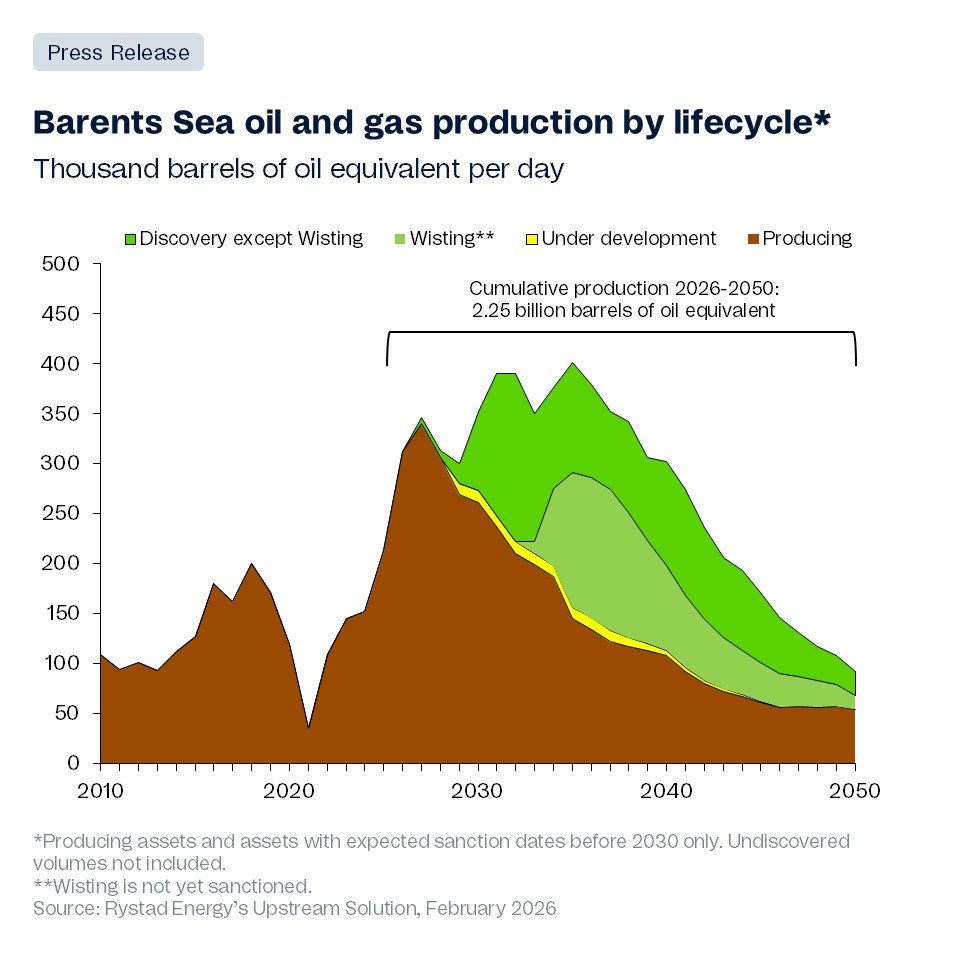
The resource base is substantial, but converting it into deliverable supply is less than straightforward. The parts of the Barents Sea already open to exploration, according to Norwegian Offshore Directorate estimates, hold around 3.5 billion barrels of oil equivalent (boe) of natural gas, or about 22 trillion cubic feet. Rystad Energy estimates producing fields and projects expected to be sanctioned by 2030 will contribute combined output of roughly 2.25 billion boe through 2050. Additional output beyond that would likely depend on new discoveries, coordinated development across multiple fields and, crucially, export capacity.

Infrastructure is a significant swing factor and could limit long-term scalability. A 2023 study by Gassco and the Norwegian Offshore Directorate found that new Barents export capacity can be socio-economically profitable if sufficient volumes are proven. Today, the region’s main outlet is Hammerfest LNG, an export terminal in the far north, but it remains largely tied to the Snøhvit field, which limits flexibility to absorb any new volumes. A pipeline connection south into the Norwegian Sea network is one potential route, but it would require enough scale and synchronized timelines across projects to be financeable.

Lead times in the Barents Sea are long, so clear policies matter. If the EU sets clear definitions and requires data-backed verification, it can keep near-term supply options open without blurring its climate standards.

Tore Guldbrandsøy, Partner and Oil & Gas Analyst at Rystad Energy

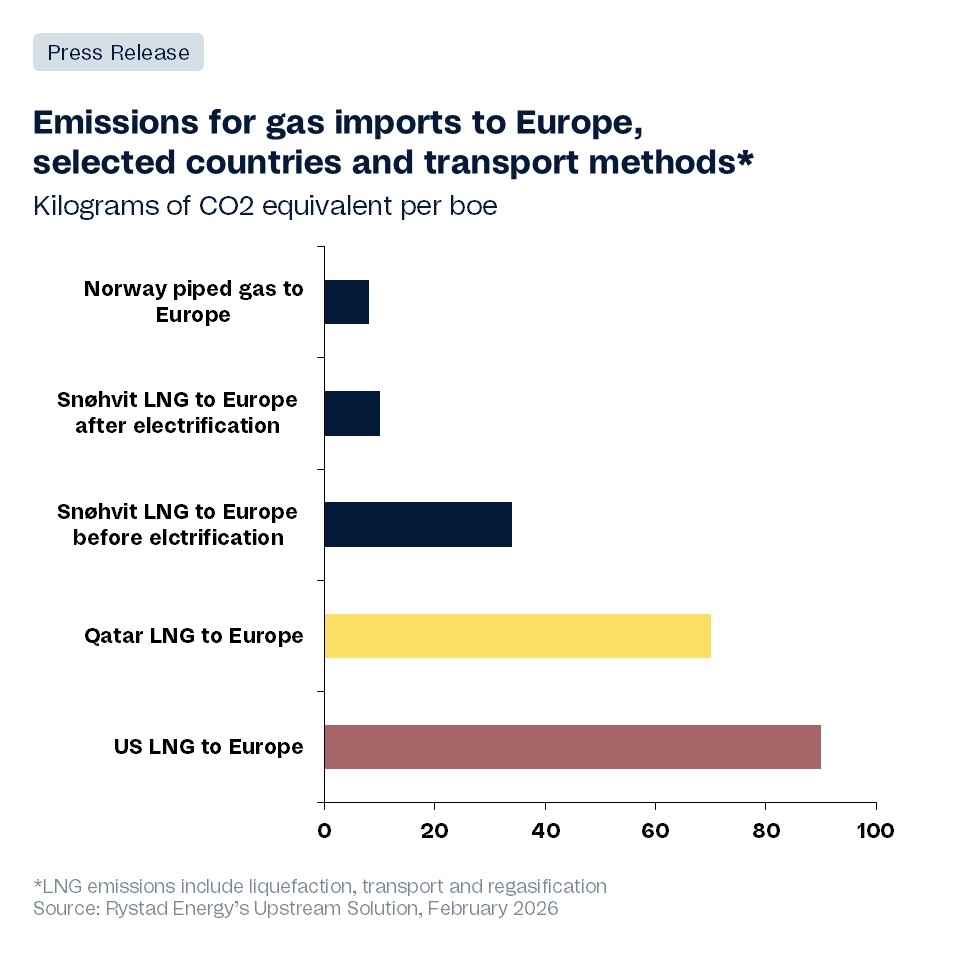
Emissions are one of the key points policymakers are considering during this review period, and this will directly impact how buyers view and compare future Barents gas supply to other sources. Norway’s upstream production is among the lowest-emitting globally, and gas delivered by pipeline from Norway generally ranks as a lower-emissions option for Europe. At Snøhvit, carbon dioxide (CO?) removed from the produced gas is already reinjected offshore, and planned electrification of the Snøhvit–Hammerfest LNG facilities is expected to cut the project’s carbon footprint further. Environmental critics note that lower emissions intensity doesn’t change the fact that burning gas adds CO? to the atmosphere, but methane leakage and carbon intensity are increasingly used in policy and procurement to distinguish between remaining sources of supply during the transition.

Opening the door completely is not a realistic option for the EU, but a well-structured framework with tight definitions and standards could keep sensitive northern Barents areas off-limits, while explicitly distinguishing already-open Norwegian zones from frontier areas. Any eligibility could be linked to measurable thresholds for methane and CO? intensity, deadlines for ending routine flaring, electrification and CO? management where feasible, and independent verification with transparent reporting.

Other environmental safeguards beyond emissions are also crucial: protection for sensitive ecosystems, seasonal operating limits, and structured consultation with Sámi, coastal communities and fisheries. Demand risk is also a factor for the bloc to consider. If EU gas consumption falls faster than expected, more frequent policy reviews could limit the risk of stranded resources, for example, by tightening eligibility or reassessing whether additional infrastructure still makes sense.

Europe is going to be comparing marginal gas supplies more than adding large new ones. Using lifecycle emissions and methane performance as decision criteria won’t settle the broader climate debate, but it does steer remaining demand toward the lower-impact end of the barrel. A clearly defined and structured Arctic policy can help move the EU in that direction.

Emil Varré Sandøy, Vice President for Oil & Gas Research at Rystad Energy

By Rystad Energy

MONOPOLY CAPITALI$M

Canada’s Oil Patch Swept Up in Record $38B Consolidation Wave

  • U.S. upstream M&A is slowing sharply, falling from $192 billion in 2023 to $65 billion in 2025.

  • Canada is seeing the opposite trend, with $37.8 billion in 2025 deals consolidating oil sands control among a handful of major players.

  • M&A action was driven by cost-cutting, operational synergies, pipeline constraints, and investor pressure for efficiency.

Previously, we reported that the U.S. Shale Patch has witnessed a big slump in corporate buyouts in recent years as premium acreage depletes and volatile energy prices keep buyers on the sidelines. Following a record $192 billion in mergers and acquisitions announced in 2023 and $105 billion in 2024, U.S. upstream oil and gas M&A activity totaled just $65 billion in 2025, despite a late-year rebound with $23.5 billion in deals announced in the fourth quarter.

However, the situation could not be more stark in America’s neighbor to the north.

Canada's oil and gas sector is currently experiencing a massive, multi-year wave of consolidation, with 2025 seeing over $37.8 billion in deals executed or pending, marking the highest activity level since 2017. This trend is consolidating control into the hands of a few dominant players including Canadian Natural Resources Ltd. (NYSE:CNQ), Cenovus Energy Inc. (NYSE:CVE), Suncor Energy Inc.(NYSE:SU), and Imperial Oil Ltd.(NYSE:IMO) and even Texas-based ConocoPhillips (NYSE:COP)--who together account for roughly 85% of Alberta's oil sands production. Some high-profile tie-ups in the space include Whitecap Resources Inc.'s (OTCPK:WCPRF) CA$15-billion merger with Veren Inc.; Cenovus Energy’s merger with MEG Energy for ~CA$8.6 billion as well as Ovintiv Inc.'s (NYSE:OVV) CA$3.8-billion acquisition of NuVista Energy Ltd.

Related: U.S. Crude Stockpile Surge Weighs on Oil Prices

With oil prices remaining lacklustre over the past two years, energy companies are increasingly seeking to cut costs by scaling up, improving operational efficiency and slashing overheads, rather than through organic growth. Meanwhile, investors are demanding better returns through dividends and buybacks, forcing companies to focus on profitability rather than production growth. Further, rising crude oil production from the Western Canadian Sedimentary Basin (WCSB) has led to increased pipeline congestion and renewed rationing on the Enbridge Mainline system. This has depressed prices for heavy Canadian crude despite the completion of the Trans Mountain Pipeline expansion, discouraging new and expensive long-term projects.

M&A is a way that you can grow when you don't want to invest in drilling, when you're not going to get the kind of returns you're expecting,” Grant Zawalsky, vice-chair at Calgary law firm Burnet, Duckworth and Palmer LLP, told Radio Canada. “Until the fundamentals change, we'll likely see more of the same.”

However, while consolidation will likely persist in the current year, analysts anticipate a modest slowdown in deal momentum, in large part due to a growing scarcity of high-quality targets, “I don't know if we'll see the values that we saw in 2025, which were dominated by a number of large deals over in the billions,” Tom Pavic, president of Sayer Energy Advisors, told Radio Canada. “I think you'll still see quite a bit of activity, just at a smaller scale,” he added.

Experts have predicted that the "field synergy" model, whereby merging companies combine operations that are geographically close to each other, will remain a popular M&A strategy. Tie-ups in the Canadian OilPatch are increasingly focusing on asset consolidation and improving efficiency by combining adjacent or complementary assets to improve operational scale, such as merging Montney producers to maximize infrastructure usage rather than just drilling new wells. These deals include optimizing field logistics, sharing procurement contracts and reducing overhead, such as Cenovus Energy’s estimated $400M/year in projected synergies after merging with MEG Energy, largely driven by field efficiencies and G&A cuts.

Consolidation often leads to lower job-per-barrel ratios through automation and leaner head offices, allowing for increased production with fewer, more specialized staff. Further, companies are utilizing predictive geophysics and "subsurface digital twins" to simulate and optimize field operations before drilling.

Interestingly, mergers in Canada’s energy sector are increasingly focused on improving the Environmental, Social, and Governance (ESG) profile, with over 70% of recent deals involving the target having a higher ESG score than the buyer.

Unlike in the U.S., ESG criteria remain critically important in Canada's energy sector, acting as a core framework for risk management, investment attraction, and social license to operate. While there is a shift away from glossy marketing towards more data-driven reporting, the pressure to maintain high ESG standards--particularly regarding greenhouse gas (GHG) emissions, indigenous partnerships, and corporate governance--is increasing, rather than decreasing. That’s probably not surprising considering that the federal government of Canada is led by the centre-left Liberal Party of Canada, which has been in power since 2015 and secured a fourth consecutive term in April 2025.

In contrast, many U.S. energy companies are scaling back, altering, or outright hiding their ESG commitments, a trend driven by political pressure coupled with investor backlash against underperforming sustainable funds.

The re-election of Donald Trump has accelerated the anti-ESG movement, with efforts to roll back Biden-era climate policies, clean energy tax credits from the Inflation Reduction Act (IRA) and regulations favoring ESG investing. Consequently, many U.S. Big Oil companies are ditching their previously ambitious clean energy roadmaps and have abandoned earlier plans to cut oil output.

By Alex Kimani for Oilprice.com

EU sees US easing impact of metals tariffs in coming weeks


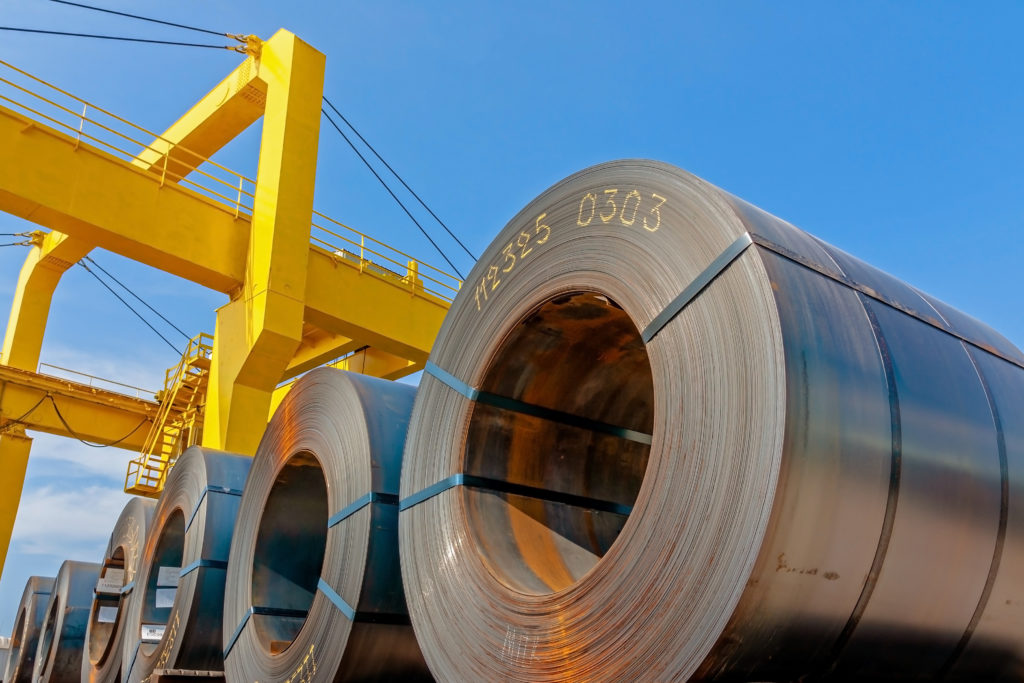
Stock image.

European Union officials believe the US will soon streamline its broad tariffs on products containing steel and aluminum, a topic that’s been an irritant in transatlantic relations and a key sticking point in trade negotiations.

A move by President Donald Trump’s administration to reduce the amount of goods subject to the 50% tariff rate applied to so-called derivative products that contain the metals may be weeks away, according to people familiar with the bloc’s thinking.

The EU has long been seeking relief from the broad metals tariff, which officials in the bloc argue runs afoul of the trade deal struck last year that put a 15% tariff ceiling on most European products. The US regularly revises the list of derivative products, increasing the amount of goods subject to the 50% rate — that list currently surpasses 400 items.

“I got reassurances from our US colleagues that they know that this is a big problem for us and that they’re looking into this matter,” Maros Sefcovic, the EU’s trade chief, told lawmakers Tuesday. “Hopefully we’ll have better news in that regard rather soon.”

A request for comment sent to the office of the US Trade Representative wasn’t immediately returned.

The planned changes wouldn’t impact tariffs on commodity-grade forms of the metals.

The expanding derivatives list also creates an arduous task for companies to identify the percentage of the materials in goods they export and chips away at the benefits of last year’s trade agreement.

The potential progress comes at a difficult moment in transatlantic relations. Ratification of the US-EU trade deal was thrown into doubt after the US Supreme Court struck down Trump’s use of an emergency-powers law to impose his so-called reciprocal tariffs around the world.

In response to the court decision, the US introduced a new 10% global levy on top of existing most-favored nation tariffs, which will increase duties on some EU exports above the level permitted in the US-EU trade accord.

The European Parliament suspended legislative work on approving the EU-US accord on Monday, requesting clarity on Trump’s new trade policy.

Still, both sides have indicated that they want to uphold the accord even as a transition to a new trade policy could take months, said the people, who spoke on the condition of anonymity.

Sefcovic has been in contact with his US counterparts multiple times in recent days, said the people, and he briefed the bloc’s ambassadors on the latest developments on Monday.

(By Alberto Nardelli)


Nippon Steel sells $3.9 billion of bonds for US Steel loan


Credit: Nippon Steel

Nippon Steel Corp. said it has raised 600 billion yen ($3.9 billion) from an upsized sale of convertible bonds — the biggest Japanese offering of its kind — to help repay loans taken out for its acquisition of United States Steel Corp.

Japan’s largest steelmaker sold debt mainly in Europe and Asia, it said in a filing with the nation’s finance ministry, but didn’t offer any in the US. Half of the bonds, which can be converted into stock, are set to mature in 2029 and the remainder in 2031, according to the filing.

Nippon Steel shares slumped as much as 6% on Wednesday. The company earlier sought to raise 550 billion yen from the zero-coupon bonds. They carry a conversion premium of 10% above Tuesday’s closing price for the 2029 tranche and 11% for the 2031 tranche.

Investors expressed enough interest to buy all bonds on offer, people familiar with the matter said, shortly after the company started taking investor orders.

Japanese companies have been increasingly turning toward convertible bonds to raise funds as the prospects of a surge in fiscal spending and central bank rate hikes increase the cost of traditional debt instruments. Convertible bonds have been on the upswing around the globe. Asian companies raised $9.3 billion last month, the best January since 2018.

Nippon Steel’s bridging loan of about 2 trillion yen — secured to fund the company’s acquisition of US Steel — is approaching maturity in June. The Japanese company finalized the takeover last year after 18 months of negotiations that became entangled in American politics, and has plans to build a major new steel plant in the US.

The outstanding balance on the bridging loan has been reduced to around 1.3 trillion yen, chief financial officer Takahiko Iwai said in an interview last week, with repayments made using funds raised through yen-denominated hybrid loans and other instruments. The company’s total interest-bearing debt doubled to 5.3 trillion yen in December 2025 from March the same year.

Nomura Holdings Inc., Goldman Sachs Group Inc. and Bank of America Corp. are arranging the deal, the terms show.

(By Shoko Oda, Ryotaro Nakamaru and Dave Sebastian)


Copper price jumps as China traders cheer prospect of lower US levies


Stock Image

Base metals gained as China’s markets reopened after the Lunar New Year break and traders cheered potentially lower US tariffs.

Copper rallied as much as 2.8% to reach $13,228 a ton in London and aluminum also inched higher. China faces less-punitive charges, a boost for the country’s metal-intensive exports, with the administration proposing a 15% levy after the Supreme Court ruled against President Donald Trump’s reciprocal duties.

“The US Supreme Court dismantled the most cost-effective tariff instrument, but not the new tariff regime overall,” Allianz SE analysts, including chief investment officer Ludovic Subran, wrote in a note. “Uncannily, the Global South and China now emerge as the biggest winners.”

The gains in metals were echoed by a positive tone in mainland equities, as the benchmark CSI 300 Index also advanced on Tuesday. Under the new trade framework — if it’s confirmed — Morgan Stanley estimated that the average US levy on goods from China will drop to 24% from 32%.

The US news is bullish for metals, said Jon Li, an analyst at Guangzhou Finance Holdings Futures Co. Demand from manufacturers will return, he added.

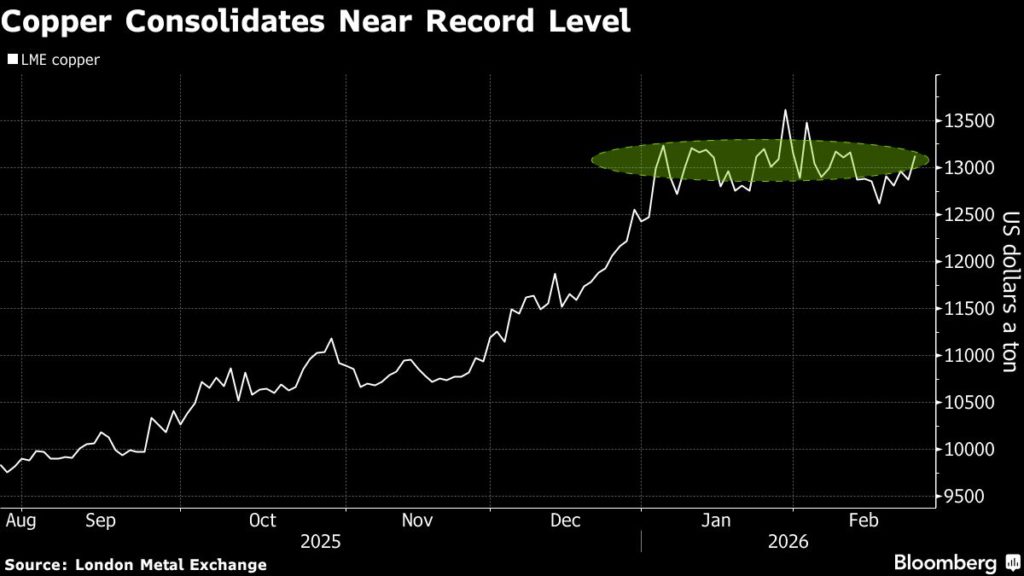
Copper has consolidated at a high level since hitting a record in January, with moves driven by frequent shifts in US policy, as well as mine snarls and forecasts for higher consumption from the energy transition. Higher prices have weighed on physical demand in China, causing exchange-tracked inventories to expand to the highest since 2024. Holdings of the red metal have been rising in the US, as well as in London Metal Exchange-tracked sheds.

Copper rose 2.3% to settle at $13,166.50 a ton on the LME. Aluminum was up 0.1%, as all base metals climbed.


Column: Copper drives BHP and Rio, but getting more is the trick


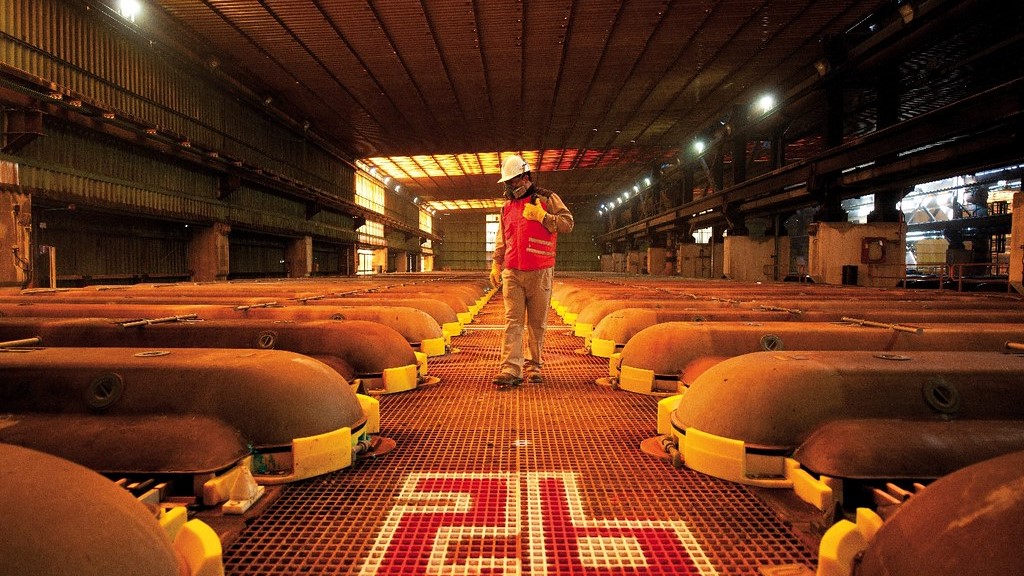
BHP Spence copper operation. Image: Consejo Minero

The latest corporate results from major miners BHP Group and Rio Tinto highlight copper’s starring role in driving profits, but they also underline how difficult it will be to get more exposure to the industrial metal.

BHP, the world’s largest listed miner, reported last week a stronger-than-expected half-year underlying attributable profit of $6.2 billion, up 22% from the same period a year earlier.

What was notable in the results was that for the first time the miner earned most of its operating earnings from copper, with a contribution of 51%, overtaking iron ore.

A similar dynamic was in evidence at Rio Tinto, with annual iron ore earnings dropping to around 60% of the miner’s total, down from 70% in the prior year, while those from copper doubled to about 30%.


The greater role of copper in the mining companies’ earnings is largely explained by price movements, with copper outperforming iron ore, which has struggled in line with softer Chinese steel production and rising supply.

London copper futures closed at $12,868.50 a metric ton on Monday, down slightly from the previous session and 11.4% below the all-time high of $14,527.50 hit on January 29.

However, copper has been in a sustained uptrend since April last year, and has risen 59% from a low of $8,105 a ton on April 25 to its close on Monday.

The rally has been driven by several factors including US stockpiling amid uncertainty over the tariff policy of President Donald Trump and supply disruptions at major mines.

But there is also a long-term fundamental driver for copper insofar as it is a vital component of the energy transition given its role in the electrification of power and transport systems.

Estimates vary as to how much more copper is going to be needed, but the more modest end of the scale is for a doubling of demand by 2050.

Finding long-term copper deposits is both challenging and costly, which explains why both BHP and Rio went looking to acquire existing mines.

Deals stymied

BHP proposed buying Anglo American in both 2024 and 2025, but eventually walked away from the projected $53 billion deal, largely because of differences in valuation of assets.

Anglo’s South American copper assets were what BHP wanted, and it was less interested in the iron ore, coal and diamonds also housed in the London-listed, former South African mining company.

Anglo instead found its own suitor in Canada’s Teck Resources in another $53 billion deal that will create the world’s fifth-largest copper producer when finalized.

Rio also tried to bulk up its copper production through a merger with Glencore, which would have created a $200 billion mining giant and the world’s largest copper producer.

Once again it was differences over valuations that scuppered the deal, with Glencore holding out for a greater share of the merged entity than Rio was prepared to offer.

With the benefit of hindsight and in view of the strong rally in copper, both Anglo and Glencore were probably correct in rejecting the overtures from BHP and Rio.

What the failure of these proposed mega-mergers shows is that any successful deal will require a much higher premium for the copper assets, one that reflects likely copper demand in 10 or 20 years, rather than what demand is currently.

It also makes it more likely that companies like BHP and Rio will be forced to either start gobbling up junior miners or start exploring and developing new mines, or a combination of both if they want to boost the share of copper in their portfolios.

And what of iron ore, the commodity that built both BHP and Rio into the companies they are today?

China’s steel output fell below 1 billion tons in 2025 for the first time since 2019, and it’s likely that it has now peaked and will slowly decline in coming years.

China buys about 75% of seaborne iron ore and it will remain the major market, but it is also going to get an increasing share from mines it controls in Guinea, where the Simandou project is ramping up over the coming years to an annual capacity of 120 million tons.

This has been reflected in prices, with Singapore Exchange iron ore contracts trading in a narrow range around $100 a ton for much of last year, but dipping below that level on February 13 and ending at $98.46 on Monday.

This is a double whammy for BHP and Rio, with lower prices meeting ebbing demand from China.

The question is whether the rising steel sectors in India and other Asian countries will be enough to compensate for what’s lost in China.

(The views expressed here are those of the author, Clyde Russell, a columnist for Reuters.)

(Editing by Muralikumar Anantharaman)


Disclosure: At the time of publication Clyde Russell owned shares in BHP Group and Rio Tinto as an investor in a fund.


Tungsten crunch can be fixed before prices spike further: BMO


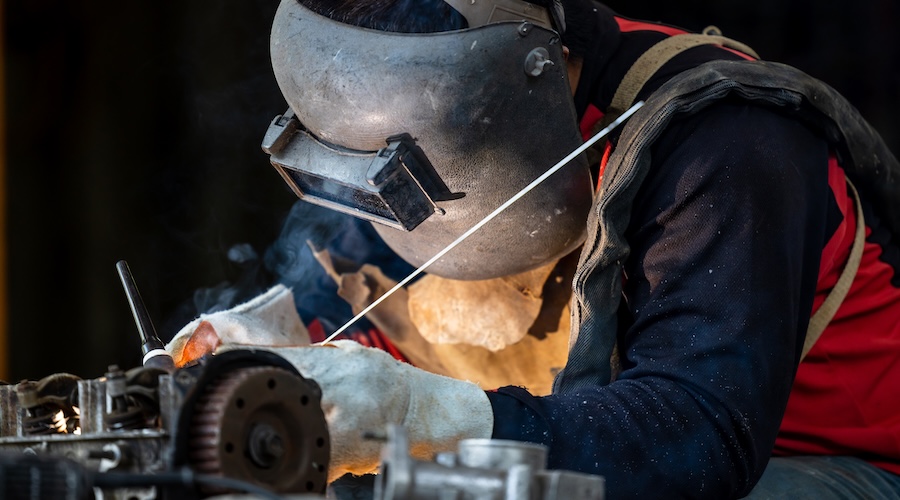
Tungsten is a cornerstone of heavy industries, though it often receives little public attention. (Stock image by Kalyakan.)

Tungsten prices have surged fivefold over the past year as prolonged underinvestment and tightening Chinese supply push the market toward what analysts warn could become a severe global shortage.

In a note published on Monday, BMO Global Commodities Research analysts George Heppel and Helen Amos say the world has “sleepwalked” into a tungsten crunch, driven by persistent ore grade decline, environmental restrictions and a lack of new mining investment. With global inventories critically low and another deficit forecast for 2026, they expect tightness to persist.

Tungsten is a cornerstone of heavy industry, though it often receives little public attention. Tungsten carbide, prized for its extreme hardness and density, is essential in machine parts, drill bits and hard-facing materials. In many applications, it is close to irreplaceable, making the metal a key enabler of manufacturing, mining and defence.

China dominates the market, accounting for roughly 75% of global supply. Production has stagnated in recent years as ore grades decline, environmental controls tighten and Beijing has moved to restrict exports of dual-use tungsten.

As of early 2026, Chinese, exports have plummeted, with some, such as Ammonium Paratungstate (APT), falling to zero in late 2025. As a result, ammonium paratungstate prices broke out of their long-term average of about $300/t in 2025 and now trade around $1,775/t, according to Fastmarkets.

BMO expects 2026 to be a pivotal year. With stocks depleted and supply growth constrained, the market appears headed for another deficit. That dynamic, the analysts argue, is likely to keep prices elevated.

Five options

The bank outlines five potential mechanisms that could eventually rebalance the market, though none offers a quick fix.

A meaningful expansion of Chinese mine supply appears unlikely in the near term due to grade challenges and environmental limits, although projects such as Dahutang could add material volumes over time. Outside China, several projects are advancing, but new mines typically take years to permit, finance and build.

Artisanal mining, which accounts for about 6% of global supply, may respond to higher prices. BMO expects some short-term growth in this segment, but not enough to materially replenish depleted inventories.

Recycling presents another avenue. While there is limited scope to significantly increase recycling rates in western markets, China could expand secondary supply over time if it builds out collection and processing infrastructure. Even so, this would require investment and time.

Demand destruction is also possible, particularly at current price levels. However, substitution is challenging because of tungsten’s unique properties. The analysts identify limited areas where users might switch materials, but they do not expect widespread replacement.

High price cure

In the near term, BMO believes the market will balance through a mix of artisanal supply growth and some demand destruction. That adjustment, however, will not be enough to restore comfortable inventory levels. Over the longer term, the analysts argue that sustained higher prices will be required to incentivize new mine development.

“The cure for high prices is high prices,” they write, adding that meaningful investment in mined supply will likely occur only at price levels well above historical norms.

With reindustrialization and defence spending accelerating in the US and elsewhere, tungsten demand is set to grow. BMO expects the metal’s supply challenges to keep it firmly in the spotlight of critical minerals strategies in the years ahead.