Sunday, September 06, 2026


Chainsaw maker STIHL chief calls for longer hours without extra pay
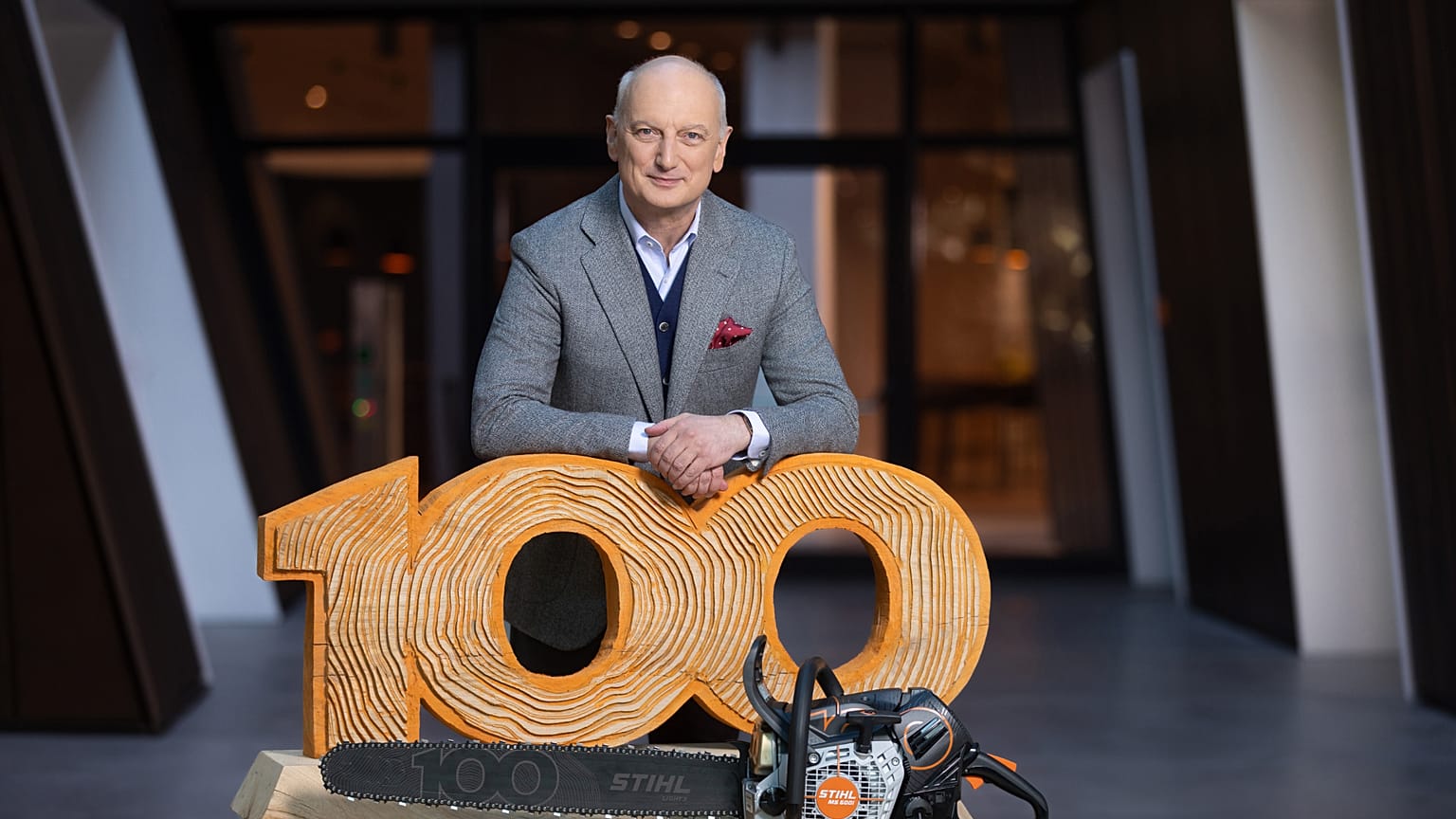
Dr Nikolas Stihl, grandson of the company's founder, is celebrating the 100th anniversary of the global group, which is still family-owned
Copyright (c) Stihl

By Eduard Wolter
Published on

In an opinion piece for Euronews, Dr Nikolas Stihl, chairman of world-leading chainsaw maker STIHL, calls for reforms including a 40-hour working week without extra pay to safeguard Germany's prosperity and welfare state.

The family entrepreneur from Waiblingen in southern Germany does not mince his words: "The German economy has been stuck in crisis mode for years. The prerequisite for overcoming the persistent weakness in growth is better framework conditions," Stihl said.

STIHL: €5.48bn in revenue and more than 20,000 employees

In 2025, STIHL generated €5.48 billion in revenue and employed 20,246 people worldwide. Founded by Andreas Stihl in 1926, the company is celebrating its 100th anniversary. Nikolas Stihl is the founder's grandson.
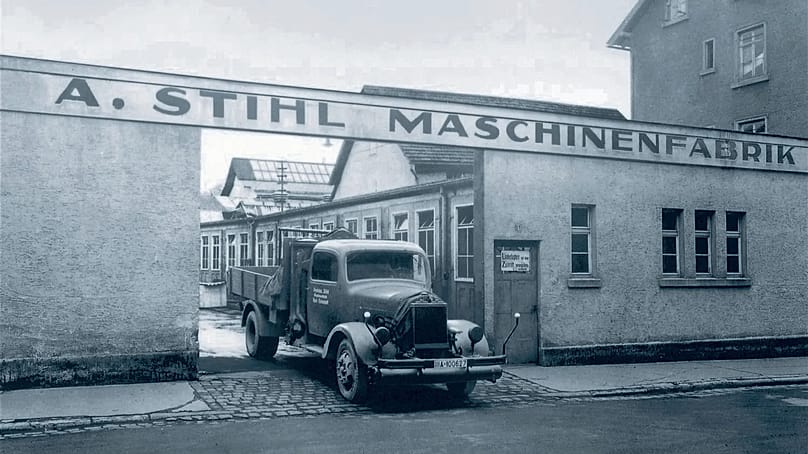
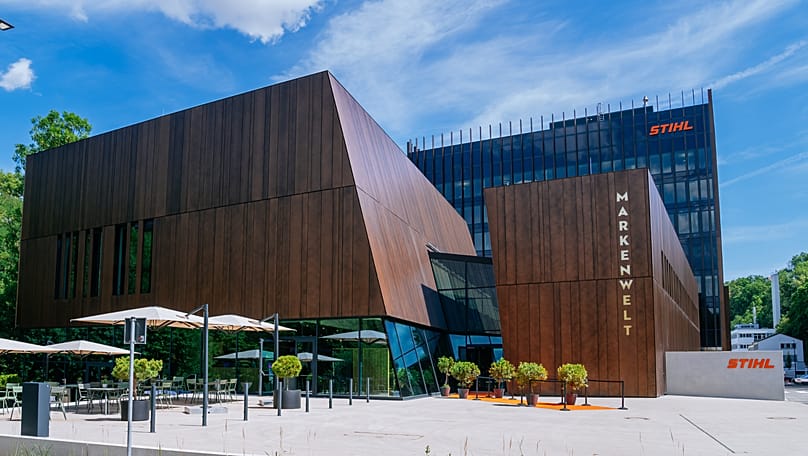
Head office in Waiblingen ANDREAS STIHL AG & Co. KG, Waiblingen

Family businessman Stihl takes a long-term view, and for him one thing is clear: "The situation of the German economy is serious, very serious. In the past eight years we have lost around 15 percent of our industrial output. Month after month Germany is losing around 15,000 industrial jobs."

The industrial base, he warns, is at risk of eroding – and with it prosperity and the welfare state. According to the company, STIHL has been the world's best-selling chainsaw brand since 1971. Nikolas Stihl acknowledges that "the US tariffs, China's aggressive industrial policy and geopolitical tensions" are also weighing on companies like his. But he argues that it is mainly home-grown problems holding firms back: "an overregulated economy, high energy costs, high labour costs, high taxes and a declining level of education and qualifications."

The Government's planned reforms fall short

The federal government’s planned reforms – covering statutory health insurance, pensions, taxes and the labour market – are good compromises, but they do not go far enough to pull Germany out of its structural crisis. If these compromises were now to be "unpicked", it would have devastating consequences for business confidence in politics, the entrepreneur warns.

Stihl says: "Now we need to muster all our strength for further reforms that will then generate tangible investment and growth impulses. For that, the governing coalition and the social partners must overcome their own reservations in order to live up to their responsibility towards Germany."

The next steps, he argues, should include cutting red tape, increasing the overall volume of work in the economy, reducing labour costs and creating additional incentives for research and development.

Germans need to work more to preserve prosperity

Stihl is calling for "high-quality public administration" with clear rules, streamlined and swift procedures, reasonable reporting requirements, and processes that are digital and supported by AI. "Accordingly, statutory reporting requirements should generally be abolished and retained only where their necessity is explicitly justified. If public authorities act much more as service providers for citizens and companies, that increases trust in Germany as a business location and in politics."

For Stihl, the key issue is increasing the volume of work – in other words, Germans need to work more again: "If we want to maintain our prosperity and keep social benefits at a high level, the total volume of work in the economy has to increase. A higher volume of work boosts economic output. In that sense, the debate about more work is a debate about preserving our prosperity, and by no means a debate about employees being lazy."

40-hour week without pay rises

Germany must use every available option to increase the volume of work: by incentivising overtime, extending working lives with fair exceptions for physically demanding jobs, making better use of the existing labour pool – including unemployed and part-time workers – and attracting skilled workers from abroad.

Stihl also calls for sick pay to be paid only from the second day of sickness and for phone-in sick notes to be abolished. Productivity gains from digitalisation and the growing use of AI will not offset the negative effects of demographic change.

From October 206, collective bargaining talks in the metalworking and electrical industries are due to begin between trade unions and employers. Stihl warns: "We no longer have the productivity advantage over key competitors that used to justify our high labour costs. That is why I advocate increasing weekly working hours to 40, without any pay compensation.

Promoting AI, robotics, biotech, space and quantum technology

He acknowledges that he is asking a great deal of employees, but says he does not want to take anything away from anyone.

The aim, he insists, is to remain competitive, keep production in Germany and safeguard jobs. STIHL has production companies in eight countries, as well as 40 of its own sales and marketing subsidiaries and more than 50,000 specialist dealers worldwide.

When it comes to non-wage labour costs – including contributions to pension, health, long-term care and unemployment insurance – he says a ceiling of 40% of gross wages is the maximum that can be accepted.

Stihl is also calling for more attractive conditions for innovative companies, including regulatory breathing space, greater tax incentives and wider access to venture capital. "Overall, innovation and the granting of approvals must be given an even higher priority than at present and must not be held back by bureaucracy."

Future-focused fields such as the industrial use of artificial intelligence, robotics, biotechnology, medical technology, space travel and quantum technologies should receive more targeted support.

'Germany has proved many times that it can reinvent itself'

The conclusion reached by the head of the world's leading chainsaw brand and a global technology company is clear: "We must not waste any more time, because only a high-performance and competitive business location can secure prosperity and a strong welfare state. Germany has proved many times that it can reinvent itself."

For the public to embrace the challenges ahead, "a ruthless stocktake of the current situation" is needed, followed by an overall plan setting out the changes people can expect. "The time has come to act with determination," says Nikolas Stihl.


Euroviews. Boss of STIHL: Time for reforms – this is how we will safe prosperity and welfare state
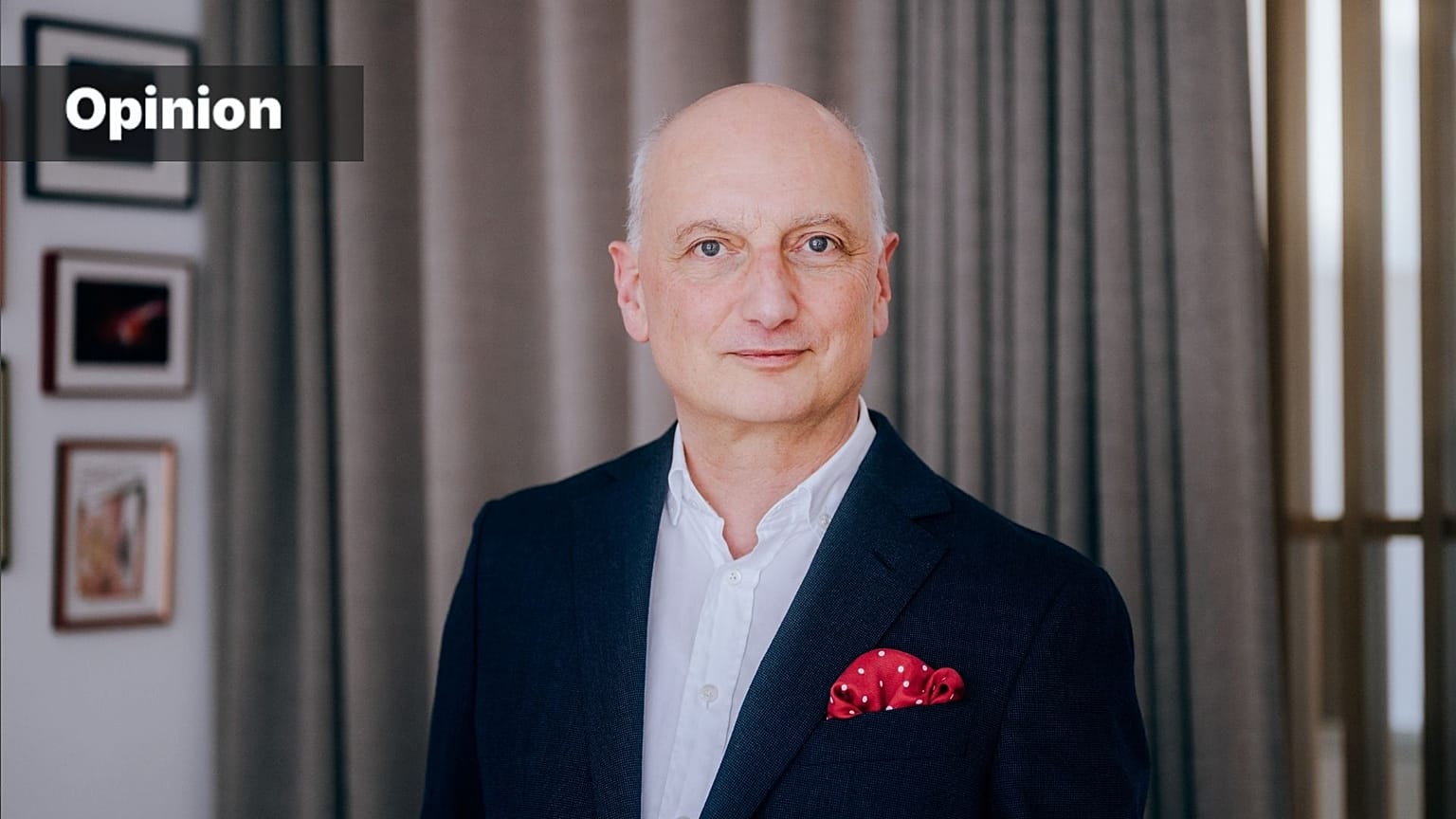
Dr. Nikolas Stihl
Copyright (c) Stihl


By Dr. Nikolas Stihl, Chairman of the STIHL Advisory Board and Supervisory Board
Published on
The opinions expressed in this article are those of the author and do not represent in any way the editorial position of Euronews.

The German economy has been in crisis for years. Writes Nikolas Stihl in an OpEd für Euronews. Better business conditions are the key to breaking out of this stagnation. What’s at stake is nothing less than securing prosperity and welfare state. STIHL is the world’s best-selling chainsaw brand.

The state of the German economy is serious, very serious. Over the past eight years, we’ve lost approximately 15 percent of our industrial production. Month after month, Germany loses around 15,000 industrial jobs. And the industrial base that underpins our prosperity is starting to erode. Private net investment has fallen to almost zero. On balance, companies are doing nothing more than replacing what wears out. High costs are paralyzing companies’ willingness to invest. Even the special depreciation package (the “Investitionsbooster”) that the German government introduced in mid-2025 has done nothing to change that

And the industrial base that underpins our prosperity is starting to erode.
 Dr. Nikolas Stihl, Chairman of the STIHL Advisory Board and Supervisory Board 

Of course, US tariffs, China’s aggressive industrial policy, and geopolitical tensions weigh on investment too. But the real problems are of our own making: an overregulated economy, high energy costs, high labor costs, high taxes, and falling levels of education and skills.

Planned reforms are not enough to reverse the economic trend

At the beginning of the year, many entrepreneurs had almost lost faith in Germany’s ability to reform. In July, the German government surprised everyone with a reform of statutory health insurance, along with reform plans for pensions, taxes, and the labor market. This package isn’t enough to pull Germany out of its structural crisis. But the current coalition showed it can compromise to help move the country forward. If those compromises were now unpicked and watered down, the damage to business confidence in politics would be devastating. The planned reforms are still not the breakthrough we were hoping for, the one that would actually turn the economy around.
XXXX
XXXX (c) Stihl

Right now, we need to put everything into the next round of reforms, the ones that deliver real momentum for investment and growth. And that means the governing coalition, employers, and unions all stepping outside their comfort zones to live up to their responsibility for Germany. The special funds for defense and infrastructure will hardly lead to a self-sustaining upswing in the economy unless conditions for doing business here improve noticeably. The next reform steps have to keep cutting bureaucracy, raise the total hours worked, bring labor costs down, and give companies real reasons to invest in research and development.

The next reform steps have to keep cutting bureaucracy, raise the total hours worked, bring labor costs down, and give companies real reasons to invest in research and development.
 Dr. Nikolas Stihl, Chairman of the STIHL Advisory Board and Supervisory Board 

Public authorities should enable, not obstruct

What we should expect from public authorities is nothing less than high-quality administration: rules people can understand, procedures that are lean and fast, reporting requirements that are reasonable. Digital, and supported by artificial intelligence. Clear rules and fast, straightforward decisions should make investment possible, not hold it back.

The draft law presented by the new Baden-Württemberg state government on reducing reporting and documentation requirements could send an important signal. The principle is simple: statutory reporting obligations should be dropped across the board and only retained where their necessity is explicitly justified. If public authorities acted far more as service providers for people and businesses, it would strengthen confidence in Germany as a place to do business – and in politics too.

Increase hours worked

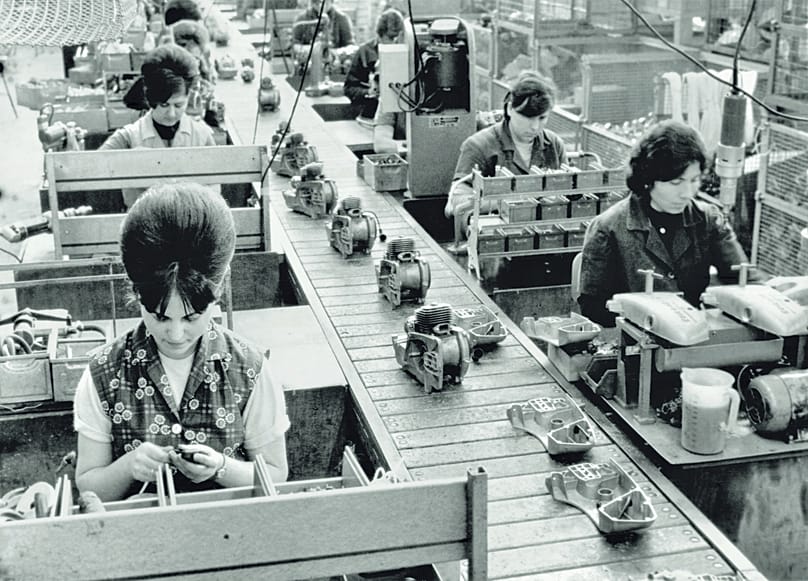
People working in industry are hugely dedicated, responsible, and highly professional. Without that commitment, German companies would not be succeeding the way they do around the world. STIHL is just one example among countless others.
XXX
XXX (c) Stihl

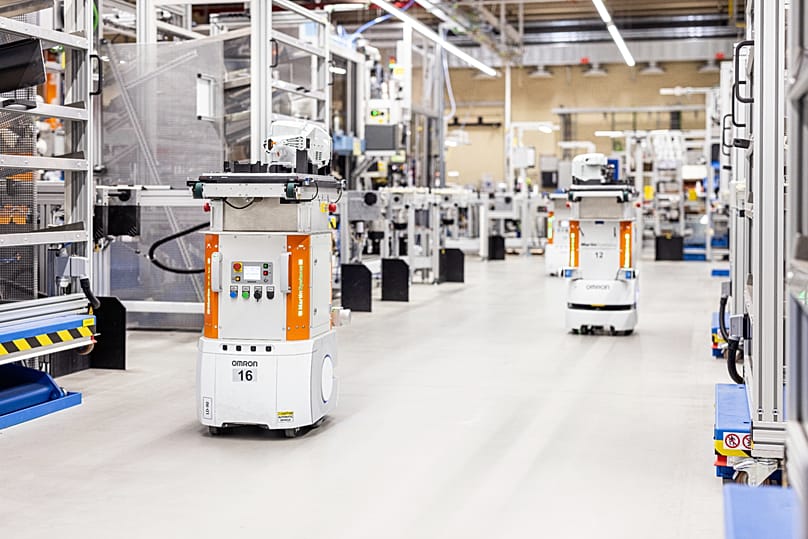
But demographics are slowing the whole economy down and putting massive pressure on the welfare state. To protect our prosperity and to ensure high levels of social benefits, the total number of hours worked has to rise. More hours worked means more economic output. So the debate about working more is really a debate about holding on to what we have – and it is in no way a debate about employees being lazy.
XXX
XXX (c) Stihl
Germany has to use every lever it has to get those hours up.
 Dr. Nikolas Stihl, Chairman of the STIHL Advisory Board and Supervisory Board 

Germany has to use every lever it has to get those hours up. Incentives to work more hours. A longer working life, with fair exceptions for physically demanding jobs. Better use of the labor we already have, meaning people out of work and people in part-time roles. Skilled immigration. No sick pay for the first day of illness. An end to doctor’s notes issued over the phone. Productivity gains from digitalization and AI won’t offset what demographics are doing to us.

Reduce labor costs

The collective bargaining round in the metal and electrical industry, which will begin in fall 2026, will be a key factor in determining whether Germany remains an industrial nation or falls further behind. The reason is simple: we no longer have the productivity edge over our main competitors that justifies those high labor costs. That’s why I’m calling for a 40-hour workweek – with no increase in pay. I know I’m asking a great deal of unions and employees. But I’m not trying to take anything away from anyone. Quite the opposite. I want industrial companies to be able to compete, production to stay in Germany, and jobs to be safe.

That’s why I’m calling for a 40-hour workweek – with no increase in pay.
 Dr. Nikolas Stihl, Chairman of the STIHL Advisory Board and Supervisory Board 

And the current debate pays far too little attention to non-wage labor costs. Contributions to pension, health, long-term care, and unemployment insurance should not go above 40 percent of gross wages. That is the economic limit. Getting there means overhauling the social security system from the ground up. The German government’s latest reform measures do at least address the stabilization of contribution rates for pension and statutory health insurance. However, the 40 percent limit has already been far exceeded.

Priority for research

The close links between world-class research institutions, universities, innovation clusters, and innovative companies rank among Germany’s greatest strengths as a business location. Give innovative companies better conditions and you speed up the whole chain: knowledge moves faster, and so does the production and marketing of what comes out of it, new business models included. Regulatory leeway would do that. So would higher tax incentives and more venture capital. Overall, innovations and the approvals they need must be given far greater priority than before, and they must not be held back by bureaucracy.
XXX
XXX (c) Stihl
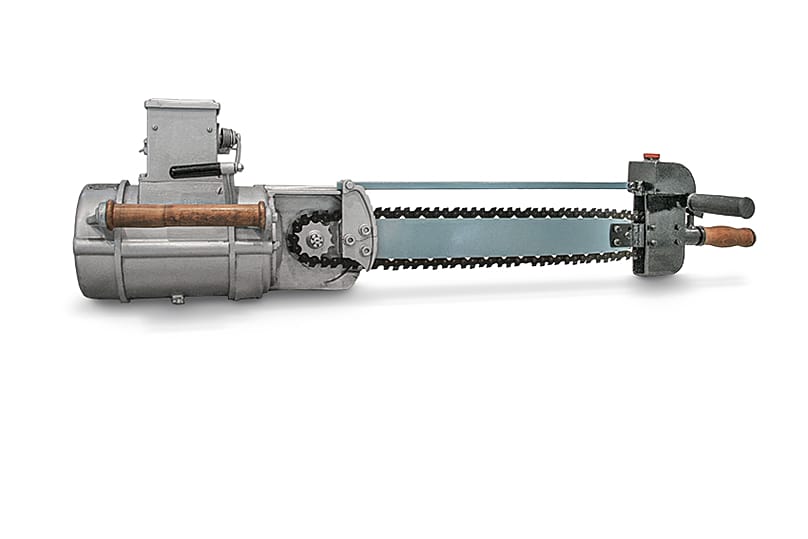
Future-oriented fields deserve far more targeted support: the industrial use of AI, robotics, biotechnology, medical technology, space technology, and quantum technologies.
 Dr. Nikolas Stihl, Chairman of the STIHL Advisory Board and Supervisory Board 
XXX
XXX (c) Stihl

Future-oriented fields deserve far more targeted support: the industrial use of AI, robotics, biotechnology, medical technology, space technology, and quantum technologies. The Germany Fund, launched at the end of 2025, is only a start, measured against other countries with strong research bases.

Act decisively

We have no more time to lose. Because only a strong, competitive place to do business can secure prosperity and a strong welfare state.

Germany has shown many times that it can reinvent itself.
 Dr. Nikolas Stihl, Chairman of the STIHL Advisory Board and Supervisory Board 

Germany has shown many times that it can reinvent itself. But if people are going to understand what’s coming, we have to start with an unflinching look at where we actually stand. And then set out a plan they can follow, one that spells out what will change for them. With a plan like that, the government can give direction, bring people with it, and win back trust. It’s time to act.

Dr Nikolas Stihl is the grandson of the company’s founder, Andreas Stihl, and represents the third generation at the helm of the world’s leading chainsaw brand and a global technology company. Under his leadership, STIHL has further expanded its international presence and, in 2025, achieved a turnover of 5.48 billion euros with 20,246 employees worldwide. STIHL has been the world’s best-selling chainsaw brand since 1971.


 

Indonesia on fire as four volcanoes erupt in 24 hours

Indonesia on fire as four volcanoes erupt in 24 hours
/ Kementerian ESDMFacebook

By IntelliNews - Surabaya Bureau September 6, 2026

Heightened tectonic and volcanic activity have spread out across the Indonesian archipelago with four major volcanoes erupting within a single 24-hour window, CNN Indonesia reports. According to official bulletins issued by the Geological Agency of the Ministry of Energy and Mineral Resources (ESDM), PVMBG, and BMKG, as of September 6, at 9am local time, Mount Anak Krakatau, Mount Ibu, Mount Ili Lewotolok, and Mount Semeru have all experienced active eruptive pulses.

The eruptions span multiple island chains across the Pacific Ring of Fire, from the Sunda Strait and East Java to East Nusa Tenggara and North Maluku.

Among the active sites, Mount Anak Krakatau generated the broadest environmental impact. Based on Darwin Volcanic Ash Advisory Centre (VAAC) data and Himawari-9 satellite RGB imagery, its volcanic ash split into two main plumes: one drifting northeast-south across the country’s capital city of Jakarta, Banten, and West Java, and another moving southwest-northwest across Lampung, Bengkulu, and the Indian Ocean.

In East Java, Mount Semeru produced the highest eruption plume at 1,000 metres above its peak, prompting the Geological Agency to enforce a strict 13-kilometre exclusion zone along the Besuk Kobokan river corridor to protect against pyroclastic density currents and cold lava flows. In East Nusa Tenggara, Mount Ili Lewotolok registered a 600-metre ash column following four eruptive pulses over 48 hours, while Mount Ibu in North Maluku recorded a 400-meter plume.

To protect civil aviation and regional populations, geological monitoring agencies are routing real-time satellite imagery directly into flight advisories and localised evacuations.

The simultaneous eruptions across four provinces is also pushing Indonesia's disaster management system to prioritise the management of cross-province aviation safety via VAAC tracking. Monitoring volcanic ash dispersion via Darwin VAAC and BMKG Himawari-9 satellite imagery is helping to protect air corridors and coordinate necessary airport closures across Java, Sumatra, and Eastern Indonesia.

Restricting access along the 13-kilometer Besuk Kobokan sector is also aimed at protecting local residents from potential hot ash clouds and cold lava flows during rain events.

Flights suspended at Indonesia's main airport due to volcanic eruption

Airplanes are parked at Soekarno-Hatta International Airport in Tangerang, Indonesia, Sunday, Sept. 6, 2026.
Copyright Copyright 2026 The Associated Press. All rights reserved.

By Nathan Rennolds
Published on

Mount Anak Krakatoa is an active volcano that sits in the Sunda Strait, between the islands of Java and Sumatra.

Indonesia's Soekarno–Hatta International Airport suspended flight operations on Sunday after an eruption of the Anak Krakatoa volcano.

Mount Anak Krakatoa began erupting on Saturday, producing a lava fountain and "booming sounds and tremors" that were reported by residents in several parts of the country, according to Indonesia's geology agency.

Authorities suspended operations at the airport from 1:30 am local time on Sunday morning after ash from the volcano was detected in the airspace surrounding the airport.

"The latest paper test…showed positive results indicating the spread of volcanic ash in the Soekarno-Hatta International Airport area, consequently the airport closure was extended until Sunday at 09:30 am (0230 GMT)," Indonesia's transport ministry said in a statement.

More than 22,000 passengers have been affected by the suspension, the ministry said, with 209 flights impacted, in particular to and from Singapore.

Routes to destinations including Doha, Sydney, and Kuala Lumpur have also been affected. At least 16 domestic flights to Bali were also cancelled, per local airport authorities.

Anak Krakatoa is an active volcano that sits in the Sunda Strait, between the islands of Java and Sumatra.


Most chemicals in food packaging lack data needed to protect consumers – scientists propose a way forward


Most chemicals present in food packaging and foodware lack the data needed to protect consumers. By grouping the more than 15,000 chemicals that can be used or found in food contact materials, they can be prioritized for regulatory review or phase out.


Food Packaging Forum Foundation

Overview of food contact chemicals 

image: 

An overview of priority food contact chemicals and groups

view more 

Credit: Food Packaging Forum


In a new peer-reviewed scientific study published in the journal Environmental Science & Technology, scientists from the Food Packaging Forum Foundation present a practical, novel, and scalable approach to better protect consumer health. By grouping the more than 15,000 chemicals that can be used or found in food packaging, kitchenware, or other food contact materials, chemicals can be prioritized for regulatory review or phase out. This new approach will support the prevention of regrettable substitutions. 

Current food contact material regulations in Europe and North America do not sufficiently protect consumers’ health because 87% of chemicals lack adequate safety data to consider the wide range of health impacts that can occur. Until these food contact chemicals can be properly tested and the missing data are made available, the study’s authors propose using a grouping approach to efficiently prioritize potentially hazardous chemicals based on their chemical structure. Phase-outs, legal restrictions, or prioritized testing based on this grouping approach could help policymakers and manufacturers overcome the problematic data gaps and better protect human and environmental health.

Key Findings: 

  • Major data gaps exist for the majority of chemicals. 1,222 food contact chemicals are already known to be hazardous for human health, but more than 13,000 lack sufficient publicly available data to determine whether or not they are safe for consumers. 
  • There are 38 priority chemical groups to address. These groups have a high share of known hazardous chemicals and include ortho-phthalates, PFASs, alkyl phenols, organophosphates, isocyanates, primary aromatic amines, and others. 
  • Grouping chemicals can help prevent regrettable substitutions. There are 4,222 food contact chemicals within these 38 priority groups. This means they are structurally similar to known hazardous chemicals and therefore could become regrettable substitutes. 
  • Grouping chemicals can better protect consumers sooner. Current food contact regulations look at chemicals one-by-one, which is inefficient and ineffective given the major data gaps for important health endpoints. Using a group-based approach to address major data gaps can reduce the number of regulatory processes needed and ultimately better protect consumer health sooner. 

The published study includes a publicly available and evidence-based list of known hazardous chemicals in FCMs (FCCprio List) as well as an interactive application (FCCgroup, password: fccgroup2026) to help users easily identify whether a chemical belongs to one of the 38 priority groups. Based on publicly available hazard data, the chemicals on the FCCprio List could be considered for more restricted use in food contact applications. Given the current lack of necessary data, chemicals within an FCCgroup priority group(s) could be reevaluated for their safety and should not be used as drop-in alternatives for known hazardous chemicals—a practice that is known as regrettable substitution and that has occurred for chemicals such as bisphenol A (replaced by bisphenol F).

Webinar on September 7, 2026: Register to join the free webinar introducing the new study and app on September 7th at 4pm CEST (10:00am EDT). The study authors will present and answer audience questions: https://us02web.zoom.us/webinar/register/WN_Q3-tOFvxT--HUSghh16YZQ 

Quotes from the authors:

Dr. Helene Wiesinger, co-author, Food Packaging Forum Foundation said:  

“There are many known hazardous chemicals in food packaging, but replacing them with very similar chemicals that have not been sufficiently tested is not solving the problem. Based on already known hazardous chemicals, we have identified 38 priority chemicals groups, and we developed a method to quickly identify them within any set of chemicals. This can help policymakers and manufacturers to quickly spot potential chemicals of concern and take appropriate action.”  

Dr. Jane Muncke, co-author, Food Packaging Forum Foundation said:  

“Our research shows just how little is known about so many of the chemicals consumers are exposed to everyday through the food packaging they buy. Today’s regulatory approaches in Europe and North America look at each chemical individually, but this is inefficient and does not sufficiently protect consumers. We are proposing an evidence-based grouping approach decision makers can already use now until the proper testing methods and testing data become available.”  

Albert Anguera Sempere, co-author, Food Packaging Forum Foundation said:  

“Our new FCCgroup app makes it easy and quick for anyone to screen a set of chemicals and find out which might be hazardous and an avoidable threat to consumer health. This can especially help companies stay ahead of future legal restrictions, avoid litigation, and better protect their customers.”

Study: Wiesinger, H., Parkinson, L. V., Geueke, B., Anguera Sempere, A., Boucher, J., Cabane, E., Scheringer, M, Muncke, M. (2026). Prioritizing and Grouping Food Contact Chemicals – From chaos to clarity. Environmental Science & Technology, DOI: 10.1021/acs.est.5c15186; online: September 1, 2026

FCCprio List: The list is freely available to download on the Food Packaging Forum’s website: https://foodpackagingforum.org/fccprio  

FCCgroup App: The app is freely available to access on the Food Packaging Forum’s website: https://foodpackagingforum.org/fccgroup (password to access: fccgroup2026) 

About the Food Packaging Forum: The Food Packaging Forum Foundation (FPF) is an independent, charitable, non-profit foundation registered and based in Zurich, Switzerland. FPF enables stakeholders to make better decisions by applying the latest science on chemicals in food contact materials and on the environmental impacts of food packaging. Through its independent, balanced, and science-based publications and tools, the Food Packaging Forum contributes to protecting human and environmental health. 


Nature-inspired 3D printing could improve large-scale renewable energy storage


University of Waterloo researchers develop a new electrode design that could make redox flow batteries more effective for storing wind and solar energy


University of Waterloo

Professor Maxime van der Heijden holding a 3D printed structure that will be converted into an electrode through heat treatment 

image: 

Professor Maxime van der Heijden holding a 3D printed structure that will be converted into an electrode through heat treatment.

view more 

Credit: University of Waterloo


Researchers have created a 3D-printed electrode that could help make it easier and safer to store large amounts of renewable energy generated by wind and solar farms.

Led by University of Waterloo professor Dr. Maxime van der Heijden, the research team drew inspiration from natural structures to redesign a key component of redox flow batteries (RFBs), a technology that can store electricity for later use. The new design helps battery liquid move more efficiently, allowing the chemical reactions that store and release energy to occur more effectively.

Redox flow batteries work differently from the lithium-ion batteries commonly found in phones, electric vehicles and many energy-storage systems.

These batteries use water-based electrolytes rather than the flammable materials found in lithium-ion batteries, making them a potentially safer alternative for large-scale energy storage.

Redox flow batteries are a complementary technology to lithium-ion batteries for large -scale energy storage applications. Their water-based electrolytes make them a safer option for storing renewable energy at the scale needed to supply, for example, communities and the electrical grid with continuous renewable energy.

“Instead of storing energy in solid materials, they store energy in liquid electrolytes held in external tanks,” said van der Heijden, a chemical engineering professor at Waterloo. “The amount of stored energy can be increased simply by using larger tanks, making them well-suited for large-scale renewable energy storage and grid applications.”

That flexibility could become increasingly important as more electricity comes from renewable sources. Wind and solar power are intermittent, as they do not always produce electricity when it is needed, creating a need for technologies that can store excess energy and return it to the grid later.

Researchers used 3D printing to create porous RFB electrodes, enabling precise control over their structure and fluid flow.

“With 3D printing, we can design the internal structure of an electrode in ways that are difficult to achieve using conventional manufacturing,” said van der Heijden. “That gives us much greater control over how the liquid moves through the battery and reaches the surfaces where the energy-storing reactions take place.”

A key innovation was the use of triply periodic minimal surface (TPMS) geometries, complex, repeating three-dimensional shapes that can resemble structures found in nature.

The researchers tested several TPMS designs and found that one known as the “diamond” geometry worked best, increasing performance by 52 per cent.

They then used a digital light-processing 3D printer to produce the porous structures, which were heat-treated to form conductive carbon electrodes capable of carrying electricity.

The team successfully tested the electrodes in laboratory flow cell experiments and in a working vanadium redox flow battery, demonstrating that the 3D-printed designs can function in an operating battery. The proof of concept could help pave the way for more efficient redox flow batteries designed for large-scale energy storage.

Future research will focus on increasing the electrodes’ surface area, improving manufacturing methods and exploring advanced design tools to create even more effective electrode structures.

The study, Enhancing Mass Transport in Redox Flow Batteries with 3D-Printed Triply Periodic Minimal Surface Electrode Structures, appears in the Journal of Energy Storage.


Potential material for safer Li-ion batteries achieves record-high conductivity


Nagoya University
Li-ion batteries 

image: 

Solid-state electrolyte materials can pave way for safer Li-ion batteries in the future

view more 

Credit: Sumeet Kulkarni, Nagoya University


There is a good reason why every time you check in for a flight, you are asked to confirm that there are no portable chargers or power banks in your checked luggage. A highly flammable liquid electrolyte shuttles lithium (Li) ions between the electrodes of the Li-ion batteries that power these devices. As a result, if a Li-ion battery is damaged, its liquid electrolyte can cause a catastrophic fire.

Solid electrolytes, which can help reduce this risk, are an active area of research. One of the most important challenges in making solid-state batteries is increasing their ionic conductivity, or how easily positively charged Li ions can move through the solid electrolyte.  

There are some solid electrolytes containing sulfide- and chloride-based materials that how high conductivity. This conductivity arises because electron clouds around negatively charged sulfide or chloride ions can easily deform as lithium ions pass through the material. But these electrolytes have their own safety issues: exposure to humidity can release toxic gases such as hydrogen sulfide and hydrogen chloride into the air.

In comparison, oxides and oxyfluorides are much more robust. When used as solid electrolytes, they are also more electrochemically stable, which is important because battery materials experience repeated voltage changes during charging and discharging. But on the flip side, they have generally exhibited low conductivity.

“At this stage, safety and ionic conductivity are a trade-off,” said Takeshi Yajima, an associate professor at the Department of Materials Design Innovation Engineering at Nagoya University. “Oxyfluorides are safer but have low conductivity, while sulfides have high conductivity but can be dangerous.”

A surprisingly good conductor…

In 2024, a new oxyfluoride crystal with a chemical formula Li2–xLa(1+x)/3Nb2O6F, shortened as “LLNOF”, was discovered to have an unusually large conductivity of seven millisiemens per centimeter (mS/cm), which is comparable to liquid electrolytes. But why it showed this conductivity remained a mystery: the electron cloud around the central fluoride ion does not deform as easily as in sulfides or chlorides to explain LLNOF’s behavior through the previously known mechanism.

Soon after this discovery, Yajima and his lab decided to grow their own, high-quality LLNOF single crystals to pin down the mechanism. This, Yajima says, was the hardest part, taking over a year to achieve. “We had to make sure that the crystals were of sufficiently high quality for structural analysis,” he said.

But the researchers’ efforts bore fruit as they were able to grow millimeter-sized LLNOF single crystals using the Bridgman method. Using single crystal diffraction, they were able to peek into the local arrangement and rearrangement of atoms within each crystal unit.

…reveals its secret

What they found was a dynamic interplay among four atomic sites that form a tetrahedron around LLNOF’s fluoride ion. Each of these sites can either contain a lithium ion, a lanthanum atom, or remain vacant. The researchers found that every time a Li ion makes a jump onto the next vacant spot, the central fluoride ion migrates slightly towards the lithium’s original site. Fluoride ions effectively “get out of the way,” lowering the energy barrier for Li ions to hop around.

That is why compared to other oxyfluorides where the atoms stay rigid, LLNOF shows higher Li ion conductivity.

The researchers then tweaked the composition of this crystal by changing the relative amounts of lithium, lanthanum, and vacant sites in LLNOF (the “x” in its chemical formula). They found that conductivity improved by lowering x, reaching a maximum value of 16.3 mS/cm. This result, representing the highest reported bulk Li-ion conductivity among oxide-related solid electrolytes, has been published in the Journal of the American Chemical Society.

Yajima believes this mechanism, which does not rely on highly polarizable ions, can be used to develop even more efficient solid oxide-based solid electrolytes. “The general understanding has been that sulfide-based materials are better conductors because of their anion character, but this mechanism challenges that understanding,” he adds. This research marks an important step towards realizing practical solid-state Li ion batteries.


Mechanism of fluoride migration for higher lithium conductivity in LLNOF 

As the lithium ion in LLNOF moves to a vacant site, the central fluoride ion migrates in the opposite direction, lowering the energy barrier for lithium ion movement.

Credit

Yajima et al., Journ. Amer. Chem. Soc., 2026