Wednesday, September 02, 2026


Chevron set to expand in Venezuela as US energy secretary lands in Caracas
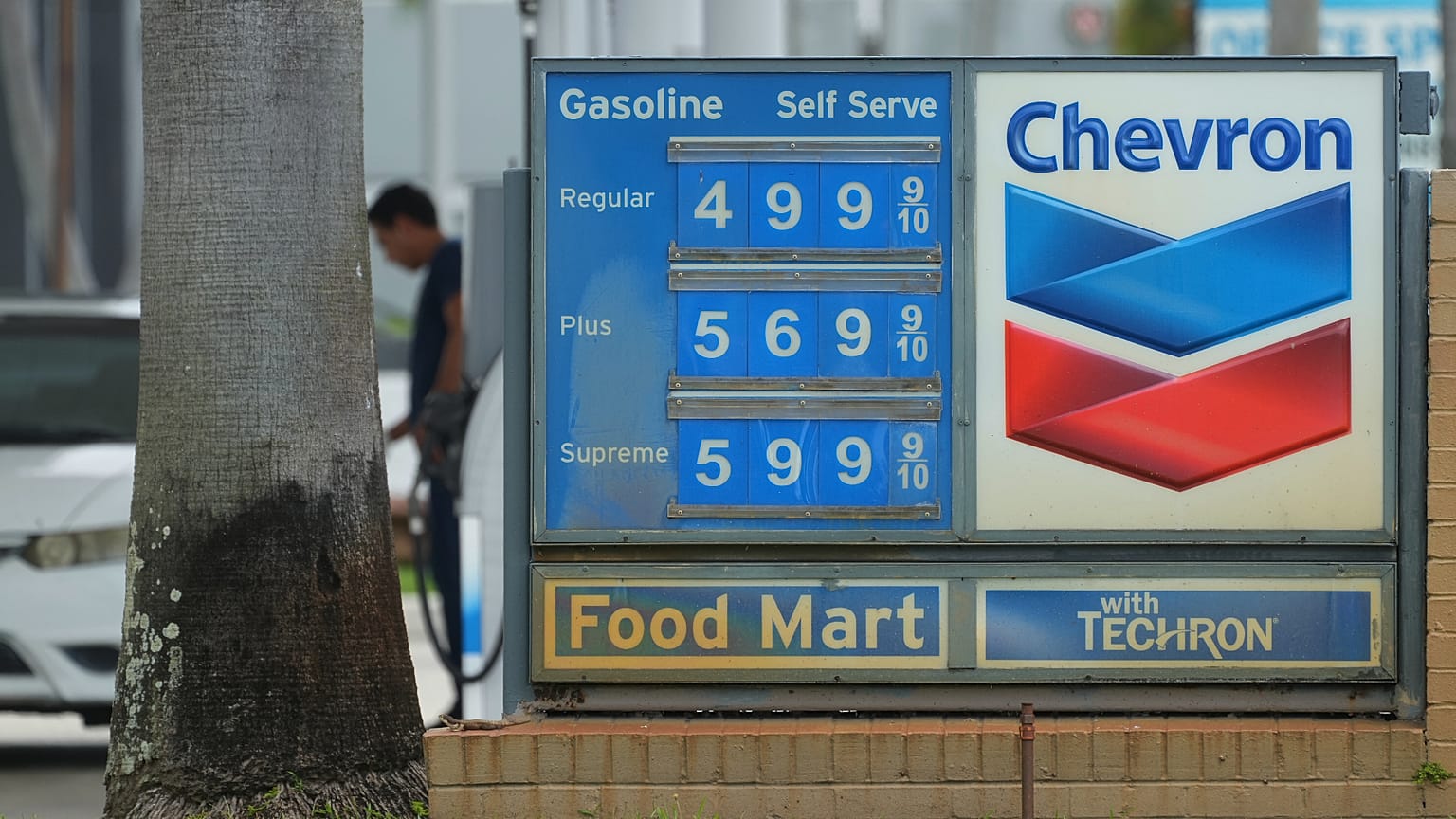
FILE. A customer pumps gas at a Chevron station in North Miami, Florida, May 2026
Copyright AP Photo/Marta Lavandier

By Quirino Mealha
Published on

Chevron is expected to announce an expansion of its Venezuelan operations on Wednesday, hours after the country's parliament approved handing Washington control of a fifth of its oil reserves and as US Energy Secretary Chris Wright arrives to sign the agreement.

America's second-largest oil company is preparing to deepen its presence in a country most of its rivals abandoned two decades ago.

An unnamed US official briefed reporters and said Chevron executives would appear alongside US Energy Secretary Chris Wright in Venezuela to unveil fresh investment, which would be the first corporate move to follow the agreement that just cleared Venezuela's National Assembly.

Wright landed in Caracas late on Tuesday after the Venezuelan vote, with the signing set for Wednesday.

Chevron is the only major American producer to have stayed in Venezuela since Hugo Chávez completed the nationalisation of the industry in 2007, a move that drove Exxon and ConocoPhillips out.

A vote and an argument about the fine print

Speaking in Spanish for an interview posted online on Tuesday, US Secretary of State Marco Rubio described the arrangement in blunt terms.

"Essentially, this is now an agreement with the US government, specifically involving the Defense Department, which holds a special account allowing it to take possession of a certain percentage of these assets," Rubio said, adding that American backing would help the company attract the private investment needed to develop the fields.

The "vast majority" of the 17 fields had been in Chinese and Russian hands, Rubio pointed out as the White House has also cast the agreement as a reassertion of the Monroe Doctrine.

Those fields come with 100-year rights for North American Blue Energy Partners and hold 65 billion barrels. A new company will be created in which the US Department of War's Office of Strategic Capital takes a 35% stake, with the US State Department entitled to buy 20% of output at production cost.

US citizens must form a majority of the board, and Washington holds a veto over appointments.
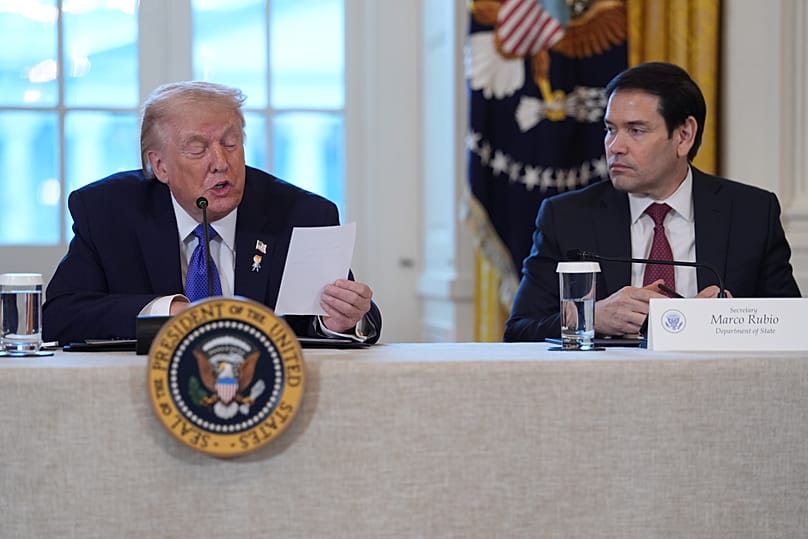
US President Donald Trump reads a note from US Secretary of State Marco Rubio to have the vice chairman of Chevron speak during a meeting with oil executives, Jan. 2026 AP Photo/Evan Vucci

Venezuelan lawmakers approved the agreement by a show of hands, though some opposition members abstained, saying they had not seen the terms.

"We need and are obliged to know what is written in the fine print," said opposition lawmaker Luis Emilio Rondón.

"Who benefits from this oil if it stays underground?" argued the National Assembly chief Jorge Rodríguez in return.

NABEP is owned by Alejandro Betancourt, who has faced investigations over alleged money laundering in Spain and Switzerland without charges being filed and has been accused of involvement in a corruption scheme at state producer PDVSA.

An unnamed US official called him a "proven operator" while conceding that geopolitics sometimes means dealing with imperfect figures.

"I'm not nominating anyone for sainthood here," the official said. "What I am telling you is that this is a person that, in the past, has been helpful to the United States government."

What the deal has not settled

Analysts remain sceptical that output can be revived quickly, with estimates ranging from one to ten years before new barrels reach the market. Washington is not investing money in the venture, officials say, arguing its backing alone will attract the capital needed.

US President Donald Trump suggested on Monday that others would follow Chevron.

"We have Exxon going in, we have Chevron going in. We have our big oil companies going in," Trump stated.

However, Exxon's position appears unchanged as a spokesman said on Tuesday that "nothing has changed" after CEO Darren Woods also called Venezuela "uninvestable" earlier this year.

For the US administration, the urgency is domestic.

US President Donald Trump just met oil executives at the White House on Tuesday as petrol prices climbed because of new US strikes on Iranian targets near the Strait of Hormuz, posting afterwards that "we are unleashing American Energy Dominance!"

Cheaper fuel is a priority before November's midterm elections, in which Republicans could lose control of both the House and the Senate.

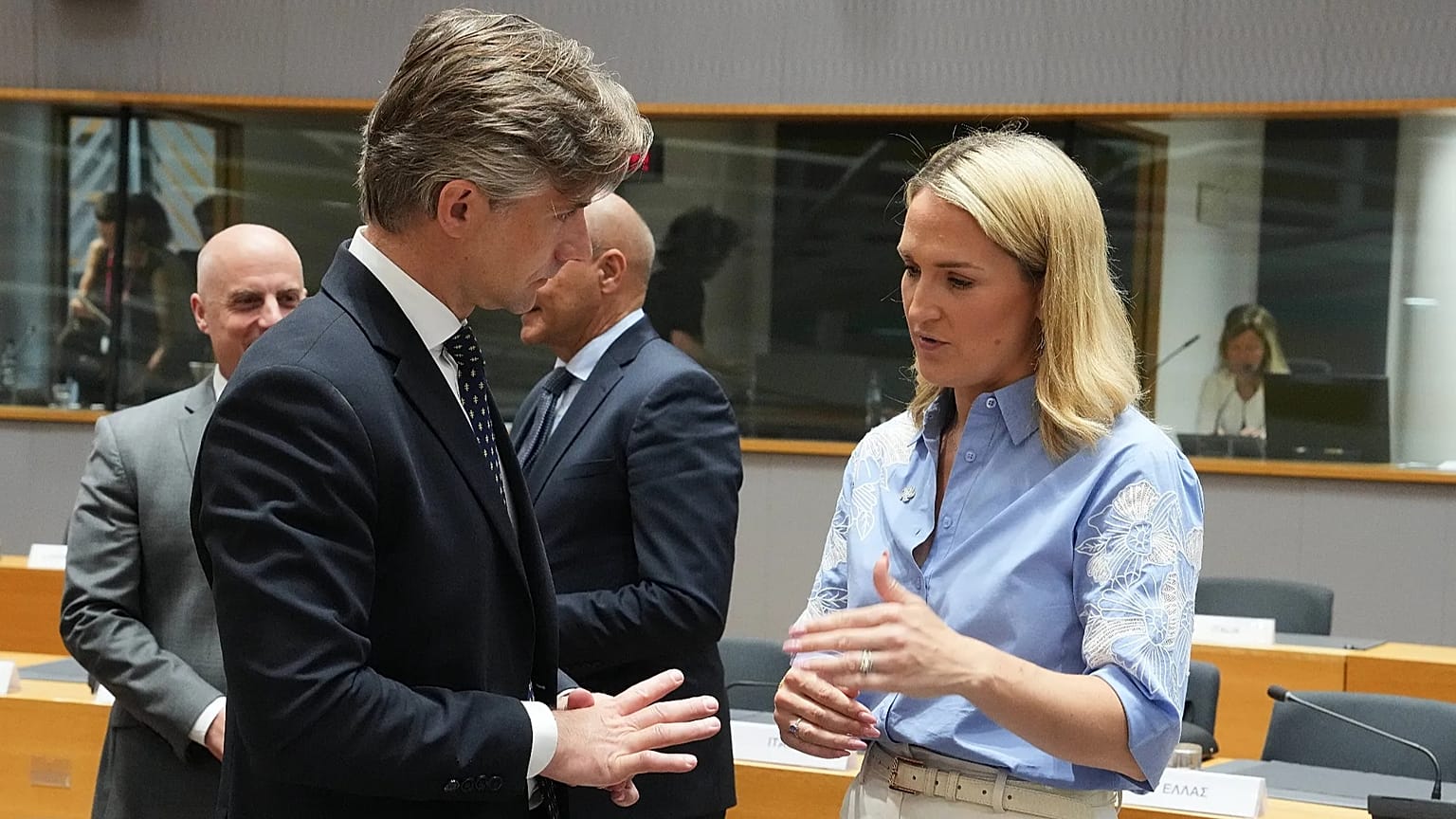
 

Europe vows to stay united as hybrid war activity surges

Lithuania's Foreign Minister Kestutis Budrys speaks with Ireland's Foreign Minister Helen McEntee during a round table meeting of EU foreign ministers in Brussels.
Copyright Copyright 2026 The Associated Press. All rights reserved.

By Shona Murray
Published on

Europe and Canada have said they won't succumb to the growing number of hybrid attacks from Russia. The show of unity comes as Germany takes the unprecedented step of formally blaming to the Kremlin for a drone incident at Leipzig airport last month.

European foreign ministers have said they're ready to stand firm against a surge of Russian hybrid war attacks across the continent, rallying behind Germany after its decision to formally hold Russia responsible for a drone incident at Leipzig airport last month.

The show of unity came at a summit of EU foreign affairs ministers in Wicklow, Ireland, also attended by ministers from Ukraine, Canada, Switzerland and the United Kingdom.

The Leipzig airport incident on 4 August saw German authorities intercept a drone carrying military-grade explosives. Berlin has been unequivocal in attributing the incursion to the Kremlin.

"The means used – such as the drone configuration, components, explosives and detonation systems – are known to us from other hybrid operations by Russia," German Foreign Minister Johann Wadephul said on Tuesday, framing the attack as part of a "long series of destabilisation operations" against Europe.

In remarks condemning Russia's activities, British Foreign Secretary Ed Miliband referred to his country's experience of Russian attacks in recent years, such as the attempted chemical assassination of former Russian KGB operative Sergei Skripal in Salisbury.

"We stand in full solidarity with Germany and Ukraine," Miliband told journalists. "We know from the past from Russian attacks on our soil these attempts to divide us will not work, but this is a dangerous sign of attempt by Russia to divide us and to think they can send a chilling effect on European countries when it comes to their invasion of Ukraine."

Lithuanian Foreign Minister Kestutis Budrys, meanwhile said Russia appears to be dialling up the volume of hybrid attacks it is launching.

"We see they are expanding and quadrupled attacks against us in the last year," he said. "Our goal is to show these activities won't intimidate us or stop us supporting Ukraine."

Also on the agenda at the informal so-called Gymnich meeting are proposals that the European Commission could reopen the question of using immobilised Russian sovereign assets to fund Ukraine, an idea being pushed by Sweden, Spain and Poland and the Netherlands.

Finnish Minister for Foreign Affairs Elina Valtonen said that "Europe needs to support Ukraine ahead of the winter".

"This is a good space and time to talk about the frozen assets," she said ahead of the summit. "We need to explore all options on the table."


Russia behind attempted drone 'attack' at Leipzig airport, Berlin says

(LEIPZIG IS HOME TO GERMAN WEAPONS MANUFACTURERS)

By Kirsten Ripper & Euronews
Published on

Germany has for months reported suspicious drone sightings over military and industrial sites, but an incident at Leipzig/Halle Airport on the night of 4-5 August raised the alarm as a drone found there carried explosives.

Berlin has blamed Russia for an attempted drone "attack" at Leipzig airport last month.

In a press conference on Tuesday, German Interior Minister Alexander Dobrindt said an assessment of the incident "fits the known pattern of Russian hybrid operations in Europe."

NATO member Germany, which supports Ukraine in its fight against Russia, has long accused Moscow of targeting it with a campaign of hybrid attacks involving espionage and sabotage, claims the Kremlin has rejected.

Germany has for months reported suspicious drone sightings over military and industrial sites, but an incident at Leipzig/Halle Airport on the night of 4-5 August raised the alarm as a drone found there carried explosives.

Police used a robot to defuse the device found near a Ukrainian cargo plane. Another drone was reportedly discovered weeks later near the airport, also with traces of an explosive substance.

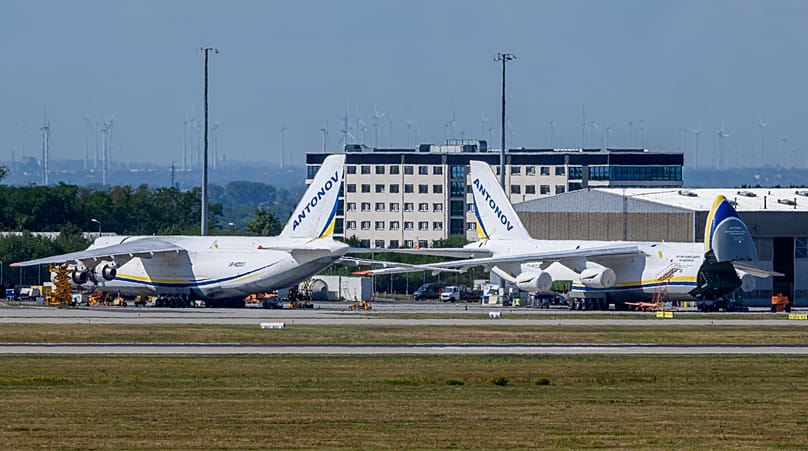
The airport in eastern Germany plays a key role in the transport of military goods, including by the German military and NATO allies, and also serves as a base for Ukraine's Antonov Airlines.

Germany's Foreign Minister, Johann Wadephul, announced on Tuesday that Berlin would be taking action against Russia "as the perpetrator of the hybrid attack in Leipzig."

Wadephul said Russia's consulate in Bonn and its Berlin cultural centre would be closed as part of the German government's response to the incident.

"The Russian general consulate in Bonn will be closed by 18 September," he said, adding that there would also be tighter border controls for Russian nationals going forward and increased pressure on Russia's shadow fleet.

Germany is also reportedly planning to raise the Leipzig incident with the NATO Council. Bild newspaper, citing government sources, reported that Germany’s NATO ambassador is expected to formally address Russian hybrid attacks as soon as Wednesday.

The Russian embassy in Germany has issued a statement denying Berlin's claims and threatening "consequences" for the new sanctions.

The Russian ambassador, Sergey Nechayev, "categorically rejected the accusations made by Berlin as unsubstantiated, absurd, and contrary to common sense," it reads.

Referring to the German sanctions, it added: "He noted that the measures announced by the German side represent an unprecedented escalation in Russian-German relations and will not remain without consequences, for which the German government will bear full responsibility."

Ukrainian Antonov aircrafts are parked behind a fence on the grounds of Leipzig/Halle Airport, 6 August, 2026
Ukrainian Antonov aircrafts are parked behind a fence on the grounds of Leipzig/Halle Airport, 6 August, 2026 AP Photo

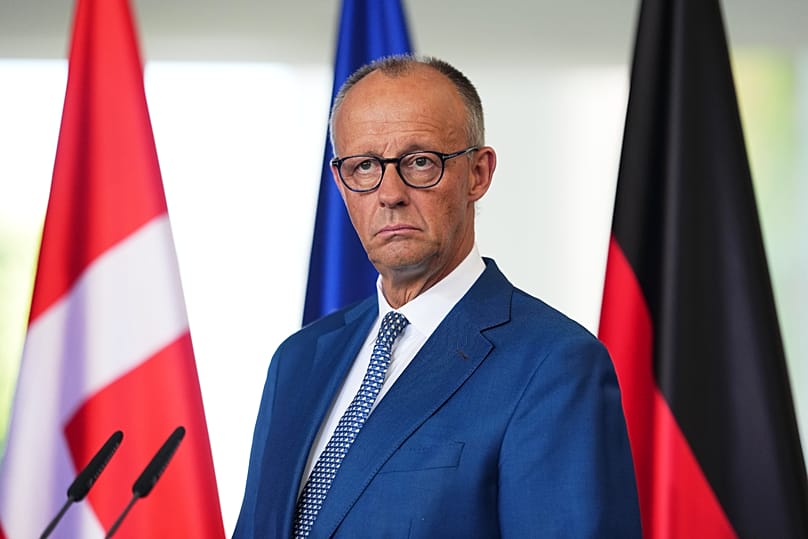
Chancellor Friedrich Merz previously said Germany had increasingly "found itself in the crosshairs of hybrid attackers."

But Berlin had initially refrained from blaming Russia for the incident while speaking only of the possible involvement of "foreign powers."

Merz had warned on 25 August that the perpetrators of hybrid attacks against Germany would "pay for them," without naming a target.

German Chancellor Friedrich Merz at a press conference in Berlin, 27 August, 2026
German Chancellor Friedrich Merz at a press conference in Berlin, 27 August, 2026 AP Photo

The Russian House of Science and Culture in Berlin, a seven-story building opened in 1984 in what was then East Berlin, is located near the Russian embassy.

Conservative lawmaker and security policy expert Roderich Kiesewetter recently told Welt TV that the facility is assumed to be a hub for espionage.

He said more than 100 people lived there "with no one knowing who they are" and the building's power consumption is disproportionately high.

It was "presumably filled with technical surveillance equipment", he said, and used by "people who are not well-disposed toward Germany."

Europe reacts

European Commission President Ursula von der Leyen said in a post on X that she had spoken with Merz about the Leipzig incident on Tuesday morning.

"I assured him that the EU stands in full solidarity with Germany in the face of this attack by Russia," she wrote, adding that she would also discuss the issue with NATO Secretary General Mark Rutte on Wednesday.

Speaking after a meeting of European Union defence ministers in Ireland earlier in the day, Kaja Kallas, the bloc's top diplomat, said Moscow was hitting Europe with increasing "kinetic hybrid attacks."

"With this, Russia wants to scare us away from supporting Ukraine. They will not succeed," she said.

"We will increase our support to Ukraine and invest in our own defence," she continued, adding that the EU was "planning the most far-reaching sanctions against Russia yet."

This is a developing story. Check back here for further details.


Iran says US strike on Sirik wedding killed five, wounded 68

Iran says US strike on Sirik wedding killed five, wounded 68
Iran says US strike on Sirik wedding killed five, wounded 68. / bne IntelliNewsFacebookTwitterLinkedIn
By bnm Gulf bureau September 2, 2026

A US strike on a wedding in the port of Kuhestak in Iran's Sirik district killed five people and wounded 68, a provincial official said, state media claimed on September 2.

The reported casualties are part of the mounting civilian toll of the war between Iran and the United States, as American strikes concentrated on Iran's southern coast around the Strait of Hormuz draw in populated areas alongside military targets.

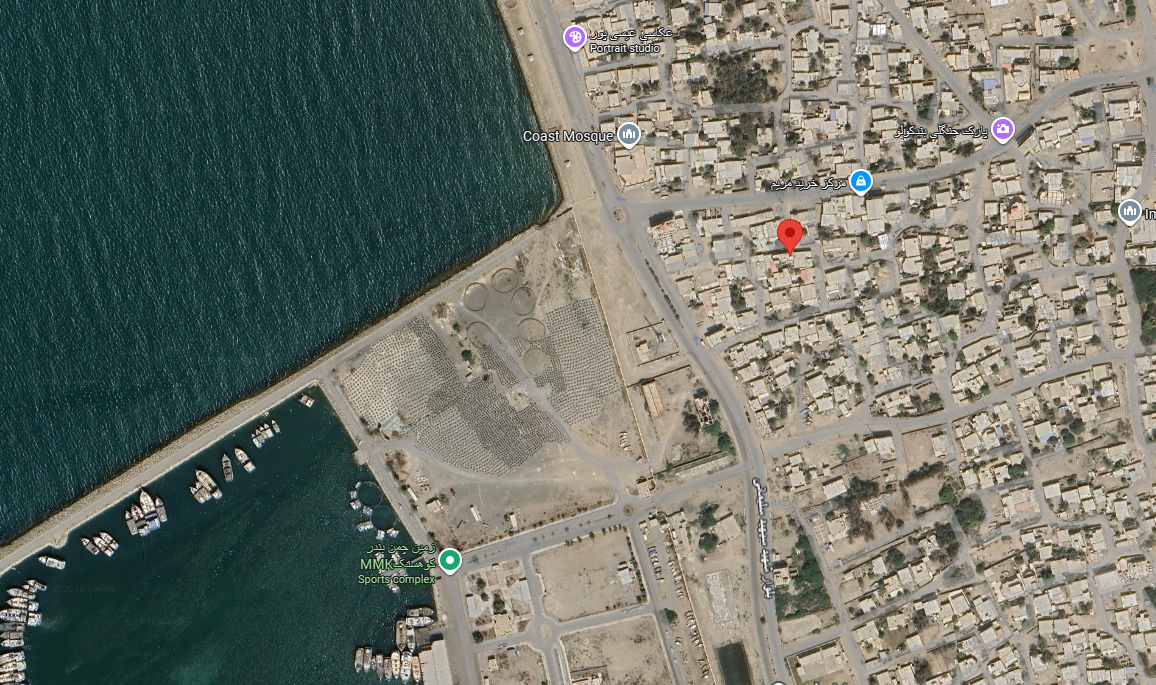
Kuhestak lies in Hormozgan province, on the stretch of coast facing the strait. An investigation into the location's target confirms Iranian claims that the site was, in fact, in a residential area at the following coordinates, but close to the small town's port area.

It is currently unknown if the US missile was intentionally targeting a house or had overshot its target in the port area where forces were more likely to be based. 

The location of the strike can be seen here on Google Maps, as confirmed by geoposition. 

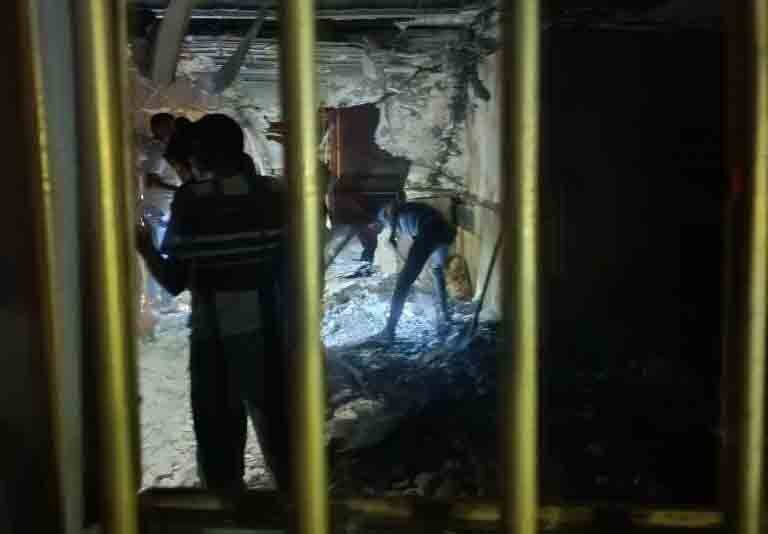
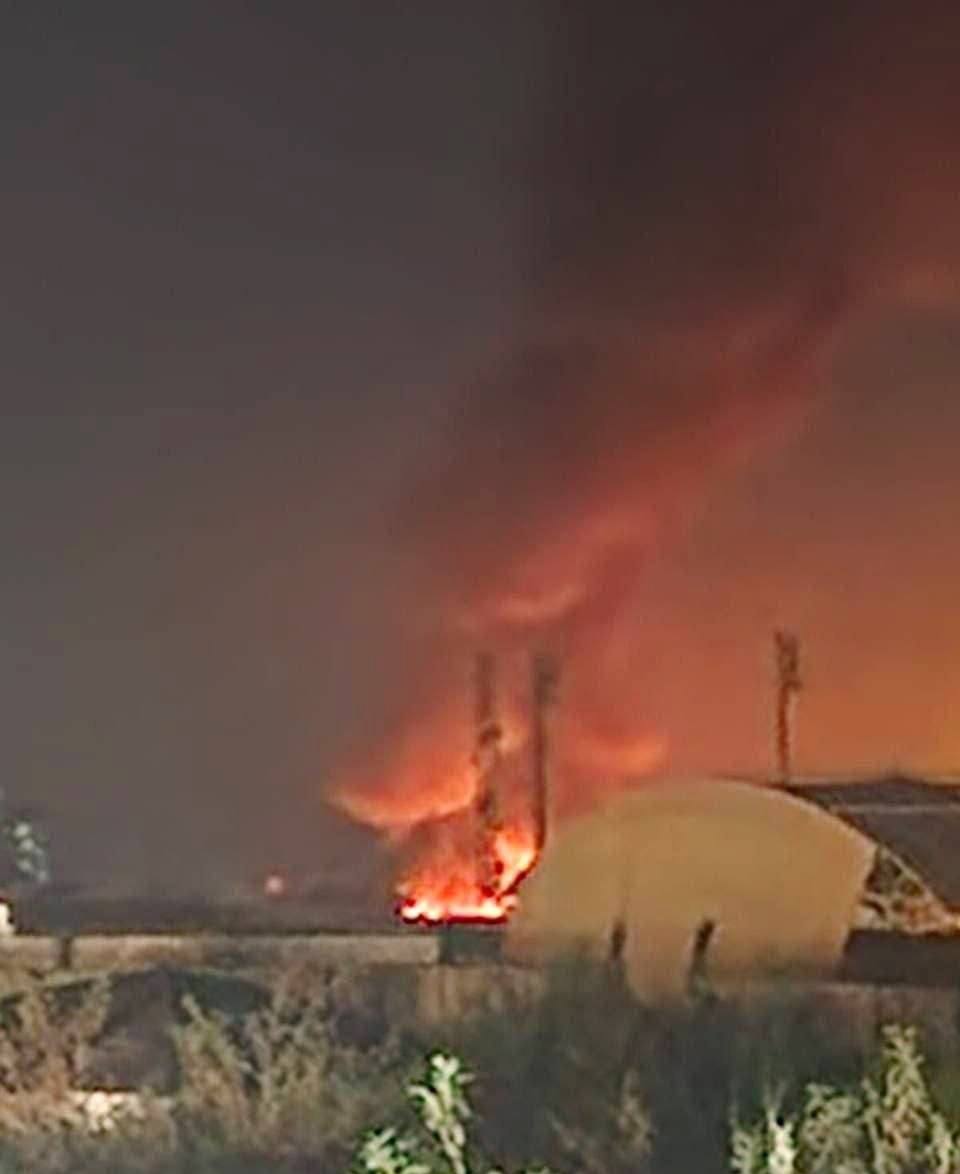
Images distributed by state media appear to show that the building in the south of the country was struck by a missile, according to the images seen by IntelliNews. 

Ahmad Nafisi, political, security and social deputy at the Hormozgan governor's office, said the number of dead had risen to five and the wounded to 68 following the strike on the wedding ceremony. The toll and the account could not be independently verified.

Relief teams and emergency medical services reached the scene immediately after the strike, Nafisi said, and casualties were transferred to medical centres in neighbouring districts and the provincial capital.

Nafisi condemned the attack and said responsible agencies were pursuing the condition of the wounded, with further information to be released through official channels.

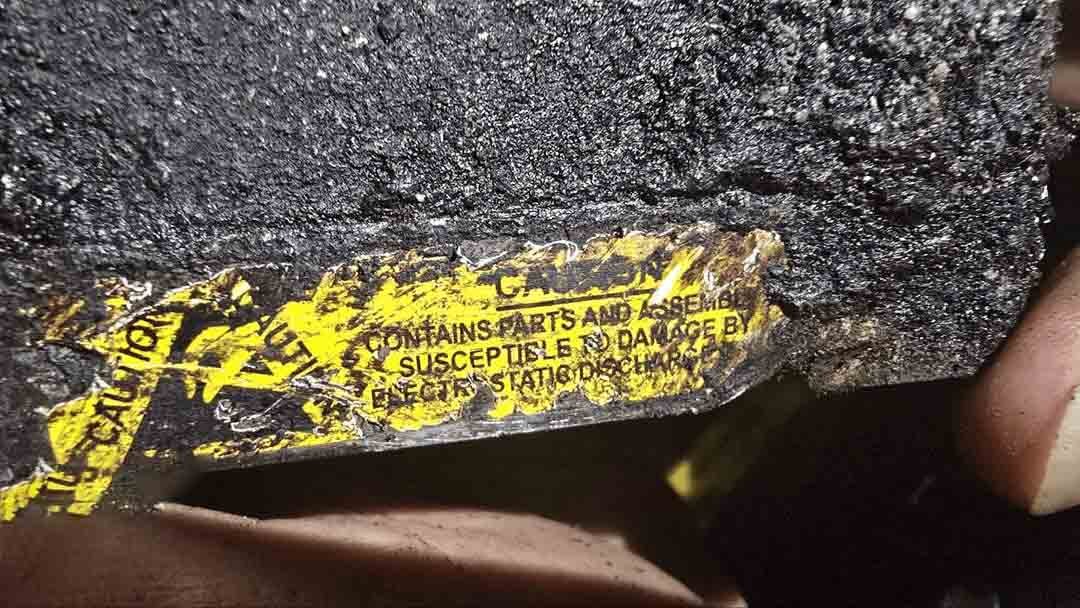
A second image distributed also purports to show the remnants of US military equipment left on site at the wedding venue, following the strike; this image could not be independently verified. 

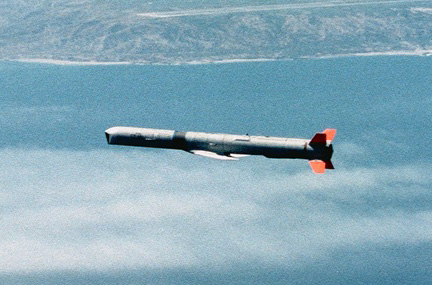
Iranian media claimed the missile that hit the wedding site in Kuhestak in southern Iran, killing civilians, was an American "AGM-84H/K SLAM-ER" manufactured by Boeing, as shown below and above. According to the remains shown in Iranian media, IntelliNews could not verify the Iranian evidential claims.


The strike came amid a sharp escalation over the weekend. The US hit Larak Island, an IRGC naval outpost in the Strait of Hormuz, on August 30 and 31, after which Iran fired missiles at bases housing US forces in Jordan and directed attacks at the UAE, in the first major exchange in about a month.

US Central Command (CENTCOM) said it had struck IRGC targets in Iran on September 1, citing attempted Iranian attacks on Gulf shipping and American forces. Sirik was among the southern areas where Iranian state media reported explosions.

In a post on social media platform X.com by CENTCOM noted, "U.S. forces struck Islamic Revolutionary Guard Corps (IRGC) targets including air defence sites, radar systems, maritime assets and facilities, mine laying capabilities, and communications sites."

In response, Iran responded with firing drones and missiles back at US positions across the region, including Jordan and Bahrain, according to unconfirmed images distributed by Arab social media channels. 

In one video circulating during the early hours of September 2, an alleged Iranian Shahed 136 drone is seen slamming into the US Navy's Fifth Fleet in Bahrain. 

Video purporting to show an Iranian drone hitting a US naval base in Bahrain on September 2. 

In a second leaked image, Iranian media had also claimed its drones had struck a US military installation in Erbil in Iraq's Kurdistan region late on September 1. 

The pattern of strikes echoes earlier rounds of the war, in which US strikes on Iran's Hormozgan coast and Iranian retaliation against US partners in Jordan, Oman, Kuwait and the UAE spread the conflict across the Gulf.

Neither side's claims of losses in those exchanges have yet been confirmed, and Gulf states have not acknowledged strikes on their territory in recent hours, according to reports from those national agencies.

The war began on February 28, when the US and Israel launched strikes on Iran and killed Supreme Leader Ali Khamenei and other top officials from the clerical government in Tehran.

Iran responded by closing the Strait of Hormuz and attacking regional and Gulf allies of the US through which about 20% of the world's oil and gas passed before the conflict, and a June memorandum of understanding meant to end the fighting has repeatedly broken down.

GOOD NEWS

Feds Suspend Permit For Road Construction Through Alaska Wildlife Refuge, Amid Legal Questions


Green eelgrass appears at low tide in the vast wetlands of Izembek Lagoon, at the edge of Izembek Refuge on April 17, 2021. The refuge has one of hte world's biggest eelgrass beds, making the area a globally site for migratory birds. (Photo by Kristine Sowl/U.S. Fish and Wildlife Service)


September 1, 2026
Alaska Beacon
By Yereth Rosen

Key Takeaways:

After Judge Sharon Gleason on Aug. 18 voided the Izembek land trade, the Army Corps on Aug. 26 suspended Alaska’s wetlands-fill permit for the 18.9-mile King Cove–Cold Bay road through wilderness and told the state to stop work authorized by that permit.

DOT&PF still plans a September start on the first 2.8 miles (complex bridge included) on King Cove Corporation land, arguing no WOTUS fill and that it even asked for the suspension to ease litigation; opponents say the whole road is covered and any construction would be illegal.

Stakes: ~750 King Cove residents seeking all-weather access vs. Y-K Delta tribes and greens citing Pacific black brant and emperor geese habitat; FY funding cited at $18 million (~$16.4 million federal); Corps/DOJ will not referee the permit-scope fight in public.


(Alaska Beacon) — Federal regulators have suspended a wetlands-fill permit allowing construction of a controversial road through an Alaska national wildlife refuge, but the on-the-ground result of that action is a subject of legal contention.

State officials say they still intend to start the work in coming weeks on the first part of the road that is planned to cross through the Izembek National Wildlife Refuge. But environmental groups and Native tribal governments who oppose the road argue that the U.S. Army Corps of Engineers’ Aug. 26 suspension of the wetlands-fill permit for the road project precludes work on any part of it.


At issue is an 18.9-mile road that would link the isolated Alaska Peninsula community of King Cove to the military legacy, all-weather airport at Cold Bay. The road, as planned, would cut through an area of designated wilderness within the wildlife refuge.

The Corps in July issued a wetlands-fill permit to the state, a key permit needed for road construction. But on Aug. 18, U.S. District Court Judge Sharon Gleason overturned a land trade that was necessary to allow construction of the road project. The state said it plans to appeal the decision.

“You are directed to stop any activities that were previously authorized by the suspended permit. . . . Any further work in these areas shall be considered a knowing, repeat, and flagrant violation of Federal law,” the Corps said in its letter following the ruling to the Alaska Department of Transportation and Public Facilities.

The permit suspension will give the Corps time to evaluate the full implications of Gleason’s decision on the land trade, the letter said.

There is disagreement about what the now-suspended permit covers, however.


The Department of Transportation and Public Facilities holds the position that the suspension should not interfere with this fall’s plans, and that it still has the right to build the first 2.8-mile section of the road, according to a department spokesperson

That portion of road is not subject to the wetlands-fill permit because it would not require disposal of fill into waters, state officials argue. And the area involved is outside of the disputed land trade, on land already owned by the King Cove Corporation, the community’s village Native corporation, state officials said.

“The State still plans to begin construction in September. The 2026 construction does not rely upon this permit, as it will not discharge fill into Waters of the U.S., including wetlands,” Justin Shelby, the Department of Transportation and Public Facility’s Central Region administrative operations manager, said by email.

Areas considered “Waters of the United States,” a legal term, are subject to certain Clean Water Act requirements.

Shelby pointed out that the state itself asked for the permit suspension. In the department’s request letter, the state argued suspension of the permit would reduce possible confusion in the ongoing litigation and allow the federal court “to consider all arguments raised by the plaintiffs without the perception of pressure from the State of Alaska’s need to rely on the permit authorizations.”

The environmental and Yukon-Kuskokwim tribal plaintiffs who have challenged both the land trade and the wetlands-fill permit, in contrast, argue that the entire road is covered by both authorizations, and that any construction now would be illegal.

Suspension of the permit was good news for road opponents, one of the plaintiff attorneys said.

“What a huge relief to see this permit pulled, because it was clear that Trump officials were ignoring the law with these destructive plans. A road would completely ravage Izembek’s globally important wetlands,” said Rebecca Noblin, Alaska legal director at the Center for Biological Diversity. “The refuge is vital for ​migratory birds that Y-K Delta Tribes like Hooper Bay, Paimiut, and Chevak depend on for food. No administration should be allowed to ignore federal public land protections to push construction projects through crucial wildlife habitat.”


Tribes in those three villages have sued to block the land trade and overturn the Corps permit.

The Corps on Monday declined to comment on the opposing legal interpretations, citing policies on pending litigation. The Corps’ public affairs officer referred questions about the subject to the U.S. Department of Justice.

The Department of Transportation and Public Facilities has mobilized equipment and materials to start building the initial 2.8-mile section. That portion of the road includes a bridge that is “the most complex and expensive feature of the entire road construction project,” according to a state Department of Law status report filed in federal court on Aug. 20.

The state expects an allocation of $18 million for the project during the current fiscal year, with nearly $16.4 million of that coming from federal funds and the remainder from a state match, according to the statewide transportation plan.

The Izembek road proposal has been debated for decades.

State officials argue that it is needed as a lifesaving access for the approximately 750 residents of King Cove. Environmentalists argue that it would harm globally important wetlands and would set a bad precedent for protected lands elsewhere in the nation.

The debate has also divided Native groups.

King Cove residents, largely Aleut and shareholders in the Aleut-owned corporation involved in the disputed land trade, have advocated for it. They say that flying in and out of the King Cove airport is dangerous in bad weather, while the nearby Cold Bay airport, with a runway extending over 10,000 feet, can accommodate jets providing safe air travel in most conditions.

Members of some Yup’ik tribal organizations on Western Alaska’s Yukon-Kuskokwim Delta, however, argue that the road would do substantial damage to wetlands habitat for migratory birds that are important to traditional subsistence hunting.

The refuge’s lagoons support hundreds of thousands of migratory birds each year, including nearly the entire global population of Pacific black brant and more than half the world’s population of emperor geese.


About Alaska Beacon

Alaska Beacon is an independent, nonpartisan news organization focused on connecting Alaskans to their state government. Alaska, like many states, has seen a decline in the coverage of state news. We aim to reverse that.

View all posts by Alaska Beacon →

Trump Censorship Machine Loses Again In Court – OpEd


September 1, 2026

By James Bovard

Key Takeaways:

Federal Judge Noël Wise ruled Friday that the Trump “ideological-deportation” practice—targeting F-1 students for Israel/Palestine speech—Stanford Daily said chilled sources and prompted article deletions—violates the First Amendment; FIRE: lawful presence, not a visa lottery, is what the ruling protects.

The column ties the policy to Trump’s 2024 “throw them out” pledge, ICE’s March 2025 seizure of Rumeysa Öztürk over a Tufts op-ed (held 45 days; Judge Sessions released her), Judge Young’s Sept. 2025 viewpoint-chill finding, and State official John Armstrong treating even “limit aid to Israel” as deportable.

Author’s frame: Canary Mission lists and expanding targets (Kirk critics, Iran/Hormuz talk) plus phone-search and proposed social-media-password rules show speech retaliation, not only campus violence—and asks if that vindicatess authoritarian stereotypes.


The Trump administration’s crusade to crush campus criticism took another wallop on Friday in a California courtroom. Federal judge Noël Wise ruled that the Trump administration’s “ideological-deportation policy” brazenly violated the US Constitution.

The Stanford Daily—one of the best-known college student newspapers in the nation—sued the Trump administration for changing its “immigration policy and pattern of enforcement, namely by arresting, detaining, and deporting students with F-1 visas when those students use their freedom of speech to express opinions that the government does not like.” It asserted that the Trump administration’s “actions have specifically impacted Stanford Daily by decreasing the quantity and diversity of opinion pieces The Stanford Daily is able to publish on the conflict between Israel and Palestine.” Foreign students who had written on the issue requested that their previous articles be deleted, and other foreign students were no longer willing to comment on hot issues.

The Trump administration claims unlimited discretion to silence foreign students by deporting those whose opinions it disapproves of. Judge Wise wrote, “The language of the [First] Amendment makes clear that it is not the government that gives freedom of speech to the people. Instead, that freedom is imbued in the people. . . . It is not the government’s to take.” This is a notion that conservatives instinctively understand when it comes to the Second Amendment and the right of self-defense. But many people fail to recognize the same right for freedom of speech. Conor Fitzpatrick—the chief supervising attorney at the Foundation for Individual Rights and Expression (FIRE)—which represented the student newspaper, declared, “Today’s ruling proves that free speech isn’t a privilege, but the inalienable right of every man, woman, and child.” FIRE president Greg Lukianoff clarified the scope of the ruling:

This ruling does NOT say the government must admit anyone, issue anyone a visa, or grant anyone citizenship. It says that once a person is lawfully here, the government cannot deport them because they engaged in protected speech. The government cannot tell a legal immigrant: An American is free to say this, but if you say it, you’re out.

George Porteous—Editor in Chief of Stanford Daily—hailed the decision: “The reporters in our newsroom shouldn’t have to fear that writing a story will result in their deportation. Today’s victory means they won’t have to.” But it remains to be seen whether this latest judicial rebuff slows the Trump censorship juggernaut.

When former president Donald Trump was campaigning to get elected as president in 2024, he openly promised at a campaign event, “One thing I do is, any student that protests, I throw them out of the country. You know, there are a lot of foreign students. As soon as they hear that, they’re going to behave.” This was a linchpin of the promise on Trump’s campaign website to “make our college campuses safe and patriotic again.”

Trump presumed that non-citizens have zero right to free speech and his appointees have enforced that policy with an iron fist. On March 25, 2025, masked ICE agents seized Rumeysa Ozturk—a Turkish graduate student—off the streets outside Boston. Ozturk was locked up for 45 days and her student visa covertly canceled because she co-authored an op-ed criticizing Tufts University for failing to divest from Israel in response to the genocide in Gaza. Secretary of State Marco Rubio vilified her as a “lunatic” and implied that the feds had ample evidence of her crimes and abuses. Rubio later justified targeting Ozturk because she met the standard of “people that are supportive of movements that run counter to the foreign policy of the United States.” (Ironically, a large majority of Americans now oppose Trump’s foreign policy regarding his war on Iran). A leak to the Washington Post revealed that the feds had nothing on her—except that op-ed. Federal Judge William Sessions ordered Ozturk released because her arrest “potentially chills the speech of the millions and millions of people in this country who are not citizens.” But that was the whole point.

Last September, in a case similar to the Stanford Daily case, federal judge William Young ruled that the Trump’s administration’s implementation of the Executive Orders (on foreign students),

. . .was targeted intentionally at specific viewpoints in order to chill speech. The evidence presented at trial included the Public Officials’ many public statements suggesting that they wished to staunch public protest related to Israel’s treatment of Palestinians, including the President’s campaign promise that he would put an end to the student protests on this issue by kicking out protestors.

A Trump Executive Order interpreted “support” for terrorists “to be centered on core First Amendment speech and expressive conduct, such as attending public protests, leading such protests, or even publishing op-eds.” Judge Young declared that he “saw virtually no evidence that anyone along the way [any Trump official] seriously questioned whether pure political speech in support of Palestine or against Israel could be construed as support for terrorism.” Instead, that was the self-evident truth driving the crackdown.

The Stanford Daily case vivified how far the Trump administration will go to snuff dissent. A New York Times headlinecaptured the essence of the case: “Judge Rules Trump Unlawfully Targeted Foreign Students Who Criticized Israel.” If a foreign student engaged in violence at a protest, that would be sufficient to deport them regardless of their opinions. But the Trump administration cast a far wider net, relying heavily on a list of 5,000 foreign students provided by the Canary Mission, which, according to Wikipedia, is “an Israel-based anonymously-run doxing website established in 2014 that publishes the personal information of students, professors, and organizations that it describes as anti-Israel or antisemitic.”

Judge Wise’s decision included stunning examples of how far the Trump administration stretched its definition of terrorist support or antisemitism to justify deporting aliens. John Armstrong—the chief of the Department of State’s Bureau of Consular Affairs—carried out Secretary Rubio’s crackdown on non-citizens. During legal proceedings, Armstrong was asked if a “statement calling for limiting military aid to Israel could be covered” (i.e., sufficient to deport). He answered, “[i]n my opinion, yes.” When did foreign aid become sacred?

Judge Wise concluded her 90-page ruling by declaring that the strength of American democracy,


. . .is diminished when members of our society—citizens and noncitizens alike—must self-censor and “behave” or suffer the government’s retaliation. In March 2025, that retaliation was directed at those engaged in pro-Palestine and anti-Israel speech. In September 2025, caught in the government’s net were people critical of Charlie Kirk. In May 2026, it potentially included “weighing in on a peace deal that’s being negotiated” in Iran regarding the Strait of Hormuz. Tomorrow, or perhaps even today, targets may include anyone in the United States who exercises their freedom of speech to simply express opinions the government does not like.

That warning reverberates as the Trump administration further decimates the privacy of Americans returning from abroad, claiming the right to seize and copy all the contents on their cell phones. The Trump administration proposed that foreign visitors will have to surrender their social media passwords before getting a visa to visit here. How long will it be until the same policy is imposed on American citizens?


Judge Wise declared, “Free speech, including the freedom to criticize the government and its leaders, is not a sign of our democracy’s fragility. It is evidence of its strength.” But is that “strength” increasingly a mirage in the United States? And how many other illegal actions has the Trump administration taken to suppress dissent that Americans have not yet heard about?

Final question: Is the Trump administration seeking to vindicate every leftist stereotype about conservatives and Republicans being intolerant authoritarians?


This article appeared at the Mises Institute


About James Bovard
James Bovard, 2023 Brownstone Fellow, is author and lecturer whose commentary targets examples of waste, failures, corruption, cronyism and abuses of power in government. He is a USA Today columnist and is a frequent contributor to The Hill. He is the author of ten books, including Last Rights: The Death of American Liberty.
View all posts by James Bovard →

Tuesday, September 01, 2026

Ice up to 1 kilometre thick: Swiss meteorite sheds new light on the Ice Age

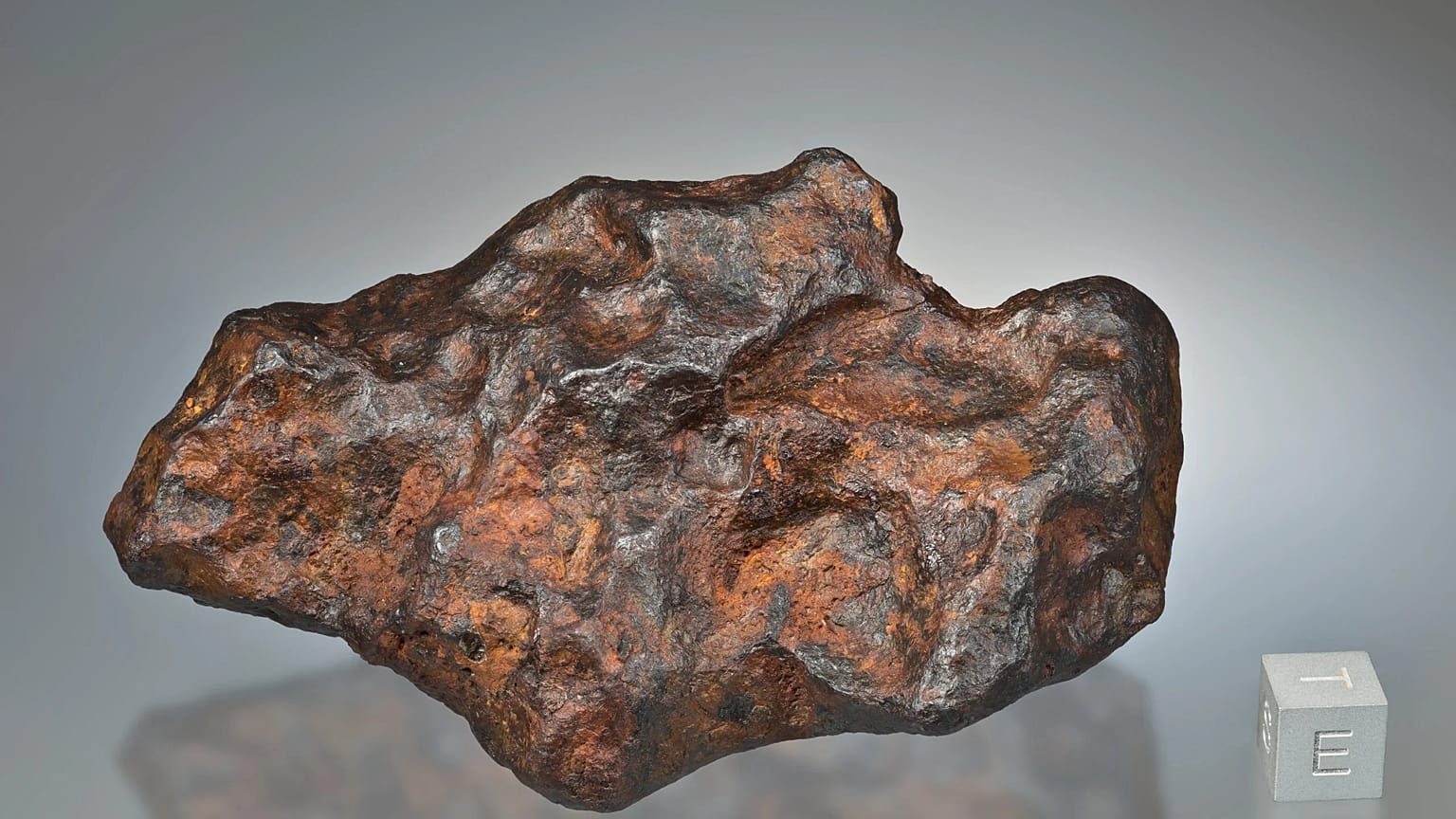
The Twannberg meteorite
Copyright NMBE Thomas Schüpbach

By Nela Heidner
Published on


More and more fragments of the Twannberg meteorite are being found in the Bernese Jura. Over 2,200 pieces are now known, and the remains of this rare iron meteorite are highly prized by researchers for several reasons.

In the canton of Bern, above Lake Biel, on the Twannberg and Mont Sujet, lies one of Europe's most important meteorite strewn fields. Fragments of an extraordinary celestial body have been repeatedly discovered there for decades.

The number of known finds has now risen to more than 2,200. This means the scale of the meteorite fall is significantly greater than initially assumed.

The Twannberg meteorite did not hit Earth as a single large block, but exploded on entering the atmosphere. Its debris was scattered over an area of around six kilometres in what is now the Bernese Jura.

Scientists estimate that the celestial body struck Earth around 175,000 years ago. Originally, it is thought to have measured between four and 20 metres and weighed at least 250 tonnes.

First discovery in 1984

The story of the meteorite discovery began on 9 May 1984. At the time, a Swiss farmer found an unusual block weighing around 15 kilograms in a field. At first it was unclear what it was. Subsequent analyses showed that the find consisted of iron and did indeed come from outer space.

In the decades that followed, further fragments were found. Above all, systematic searches with metal detectors led to a sharp increase in the number of known pieces.

New finds in 2026: decades after the first discovery, fragments of the meteorite are still being recovered.
New finds in 2026: decades after the first discovery, fragments of the meteorite are still being recovered. ZVG/NMBE

"Ten years ago we had 400 fragments, now there are more than 2,200," explained geologist Beda Hofmann from the Natural History Museum in Bern to Swiss public broadcaster SRF.

Extremely rare meteorite

The Twannberg meteorite belongs to the group of iron meteorites and has been classified as part of the extremely rare IIG group. It is so far the only known IIG iron meteorite in Europe. Meteorites of this type are characterised, among other things, by an unusually low nickel content and a high proportion of phosphorus. Only a handful of specimens of this class are known worldwide.

For scientists the fragments are particularly valuable: they can provide clues to the composition and evolution of celestial bodies and offer a glimpse into the early history of our solar system.

Glaciers helped spread the debris

The finds are also of interest for research into the history of the Swiss landscape.

According to experts, some of the newly discovered fragments were transported by glaciers. Around 175,000 years ago, massive glaciers covered large parts of the Swiss Plateau – in places the ice sheet was more than a kilometre thick. Because the new finds have been discovered at higher altitudes than previous fragments, they can offer fresh insights into the vast masses of ice during the penultimate Ice Age.

This makes the finds, in a sense, double witnesses of time: they originally came from outer space but later became part of Earth's history and were shaped by the glacial landscape processes.

The search continues

The search on the Twannberg and Mont Sujet is far from over; researchers and meteorite hunters continue to use metal detectors to look for new remains.

However, this is more difficult than it sounds, because the soil also contains pieces of metal that have nothing to do with the meteorite, such as aluminium foil or nails. And anyone wishing to carry out a search needs a permit from the competent archaeological service.

The discoveries show the potential that the Swiss meteorite field still holds: with each additional fragment, researchers learn more about the original celestial body and the story of its impact.

Solar outpaces coal for the first time in China: How does Europe compare?

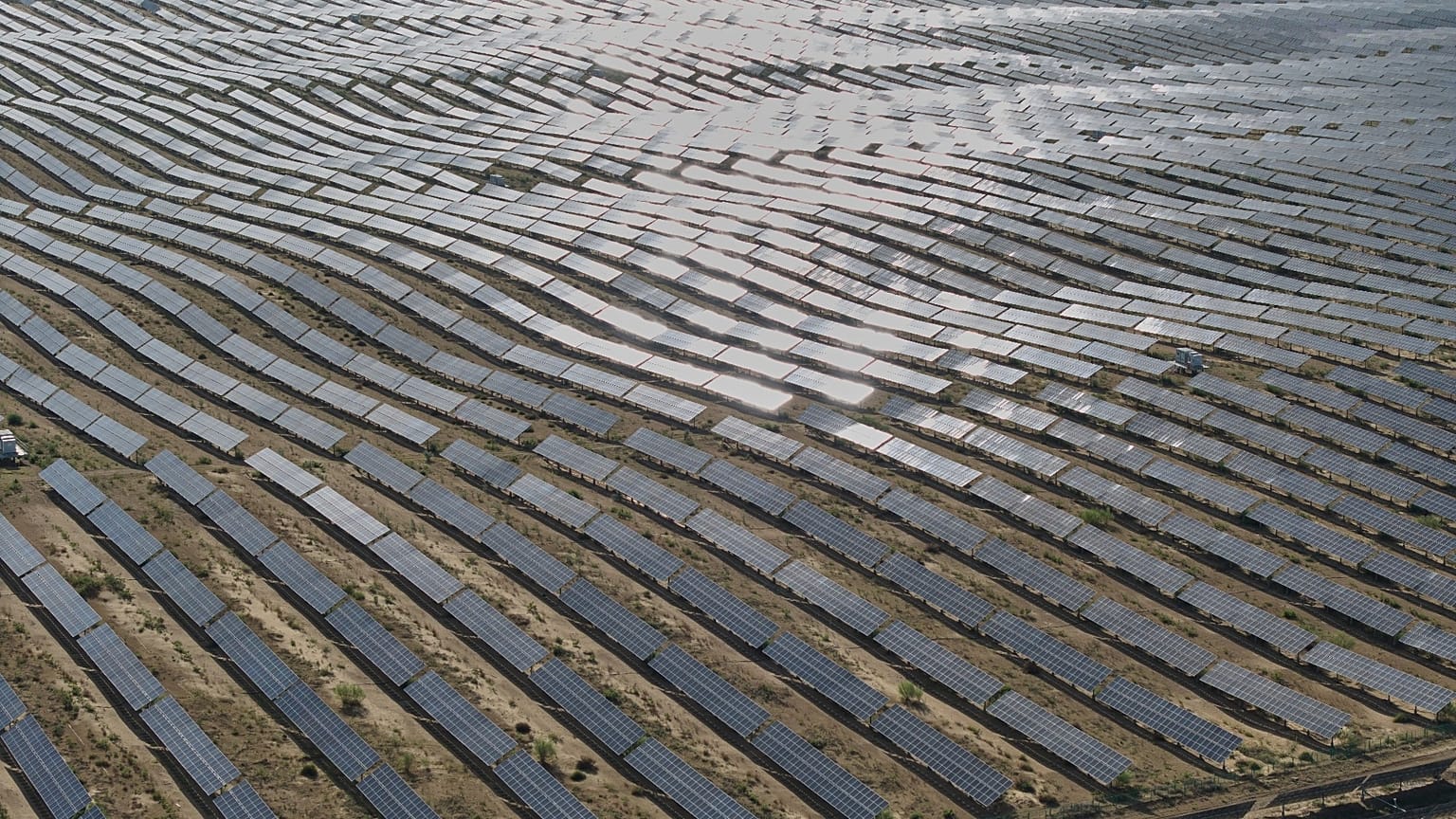
Solar panels operate at Dalad Banner Photovoltaic Top Runner Base in northern China's Inner Mongolia province, 12 June, 2026
Copyright AP Photo

By Gavin Blackburn
Published on

China has seen an explosive growth in its renewable installation, with coal's share in its energy mix edging down in recent years.

China's solar energy capacity has surpassed that of coal-fired power for the first time ever.

"As of the end of July this year, China's installed solar power capacity reached 1.286 billion kilowatts," China's National Energy Administration (NEA) said.

"For the first time, photovoltaic installed capacity surpassed coal-fired power, becoming the largest power source category in China," it added.

The country's coal-fired power installed capacity, the energy body said, stood at 1.285 billion kilowatts.

Solar generation rose 15.5 per cent in the first seven months of 2026 compared to the same period last year to 802.4 billion kilowatt-hours, about one-eighth of the country's total, the NEA said in another statement.

China, the world's largest emitter of greenhouse gases that drive climate change, has pledged to peak carbon emissions by 2030 and achieve carbon neutrality by 2060.

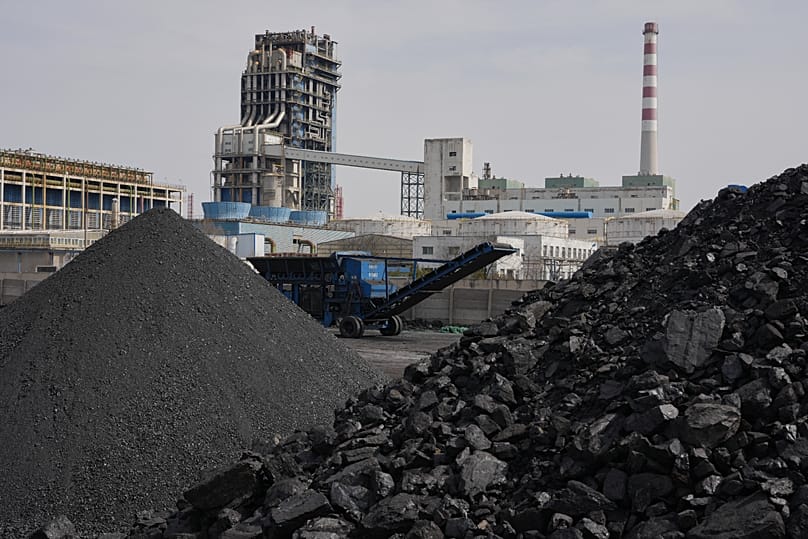
Piles of coal sit near a chemical plant in Datong, 14 March, 2026
Piles of coal sit near a chemical plant in Datong, 14 March, 2026 AP Photo

It did not detail in these statements what the total generation of coal-powered energy was for the first seven months of this year.

The NEA said China's installed solar power capacity and power generation "have maintained a steady trend of rapid growth," with it playing an "increasingly prominent role" in guaranteeing electricity supply and driving the energy transition.

Coal has been China's key power generation source for decades and a key driver of planet-warming emissions.

But the country's coal-fired power generation fell by nearly two per cent in 2025, despite rising energy demand in the world's largest emitter, data reviewed by the AFP news agency showed in February.

It marked the first decline in six years, with some analysts saying it was the first time on record that coal generation dropped at the same time as power demand rose.

China has seen an explosive growth in its renewable installation, with coal's share in its energy mix edging down in recent years.

The country installed a record 315 gigawatts of solar power and 119 gigawatts of wind power capacity last year, over 80 per cent of total newly installed power generation capacity, according to the China Electricity Council.

How does Europe compare to China on energy generation?

EU countries are trailing behind China when it comes to renewables, partly because China started their transition to clean energy much sooner. As an example, in 2023 China installed between 180 and 230 gigawatts of solar, compared to 58 gigawatts in all European countries combined.

China's ownership of clean technology parts and patents makes a big difference to how quickly and cheaply they can install, as well as cheaper labour.

China's energy grid is also more efficient at handling energy from multiple sources, where as Europe's grid has been called "outdated". Hybridisation has been recommended as a solution.