AU
Agnico Eagle suspends Quebec pit mining, flags production hit
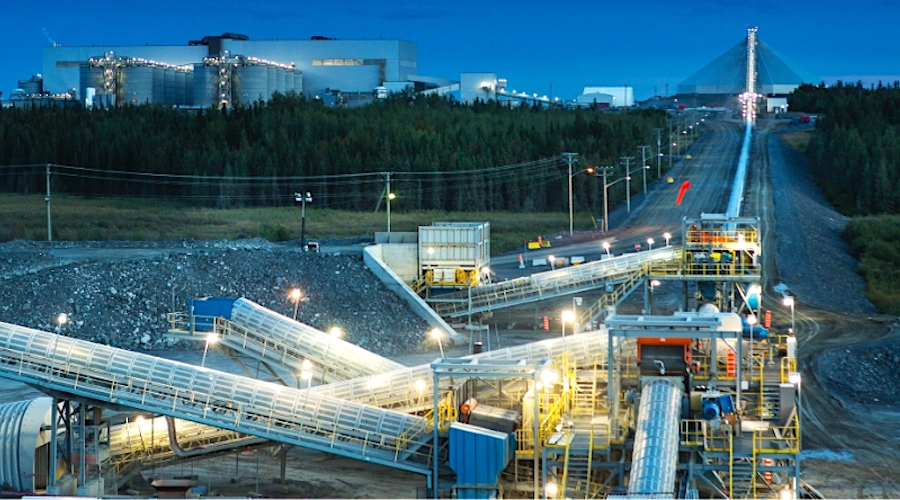
Agnico Eagle Mines (TSX: AEM) said on Thursday a rock mass movement occurred along the north wall of the Barnat open pit at its Canadian Malartic complex in Quebec, prompting a temporary suspension of mining operations.

The company said no injuries, equipment damage or environmental impact were reported as a result of the event.
Agnico said the area had previously been identified as geotechnically weaker and was under enhanced monitoring, adding that technical teams are conducting a detailed assessment.
Processing operations at the Canadian Malartic complex will continue in the near term using stockpiled ore, the company said.
The Barnat open pit was expected to be mined out by early 2029, and the company said the incident could reduce production by up to about 150,000 ounces of gold per year in both 2027 and 2028, pending the outcome of its assessment.
Agnico Eagle said Canadian Malartic output in the second quarter of 2026 was not affected, with production expected to be about 845,000 ounces of gold, slightly ahead of plan.
It expects production in the second half of 2026 to fall by roughly 60,000 to 80,000 ounces, which could push full-year output toward the lower end of its forecast range of 3.3 million to 3.5 million ounces.
The miner said it is advancing its assessment and planning a safe restart at Barnat, adding that the disruption does not affect the Odyssey mine or its long-term 1-million-ounce annual production target at Canadian Malartic.
(Reporting by Varun Sahay in Bengaluru)
Gold price rises as traders weigh Fed rate path after Warsh remarks

Gold rose as traders weighed the outlook for US monetary policy following Federal Reserve Chairman Kevin Warsh’s remarks at an annual central banker gathering.
Bullion climbed as much as 2.5% as the dollar and bond yields pared gains. Warsh repeated that he isn’t going to offer “forward guidance” with regard to upcoming rate policy, marking a step-change at the Fed, he said Wednesday at the European Central Bank’s annual Forum on Central Banking in Sintra, Portugal.
He also said price risks have come down in recent weeks, while repeating his determination to bring inflation back to the US central bank’s 2% target.
“Mr. Warsh is staying on message, which is helping gold. Gold traders were fearing that he may come in a bit more hawkish,” said Bart Melek, global head of commodity strategy at TD Securities.
After setting a record in January, the metal has been hurt by speculation that the Fed may hike rates this year to tackle sticky inflation, despite the declines seen in energy costs following the interim US-Iran peace deal. Higher borrowing costs are a headwind for non-yielding metals.
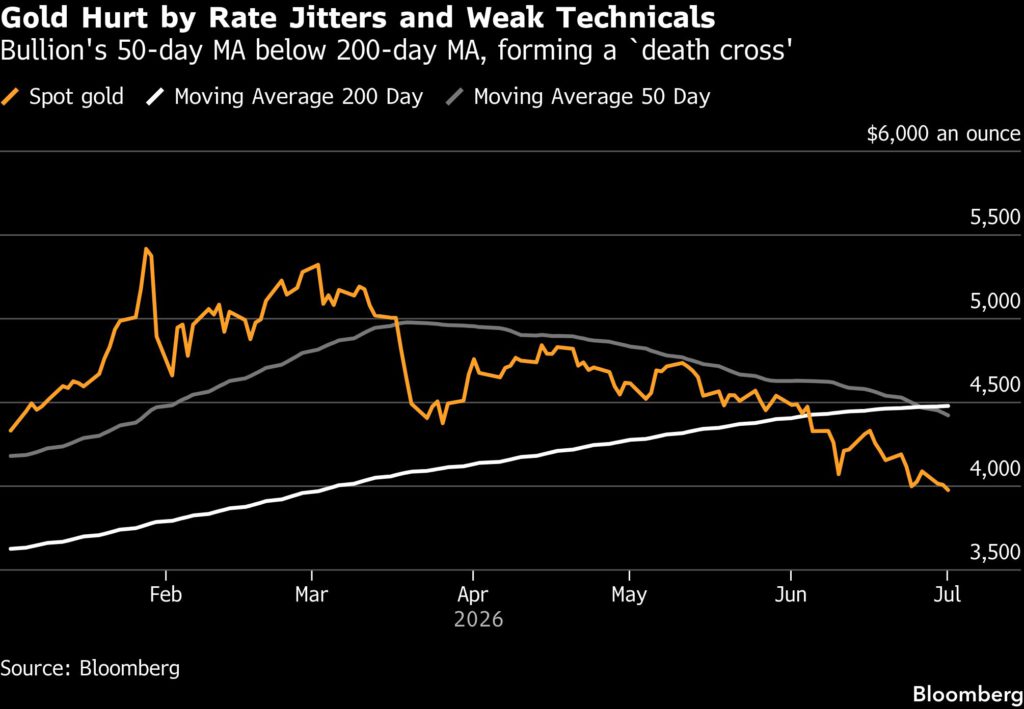
Spot gold traded 2.4% higher to about $4,103.98 an ounce at 10:23 a.m. in New York. The Bloomberg Dollar Spot Index, a gauge of the US currency, rose 0.1%. Silver gained 4%. Platinum and palladium advanced.
(By Yvonne Yue Li)
Guinea plans regional gold refining hub as West African race intensifies
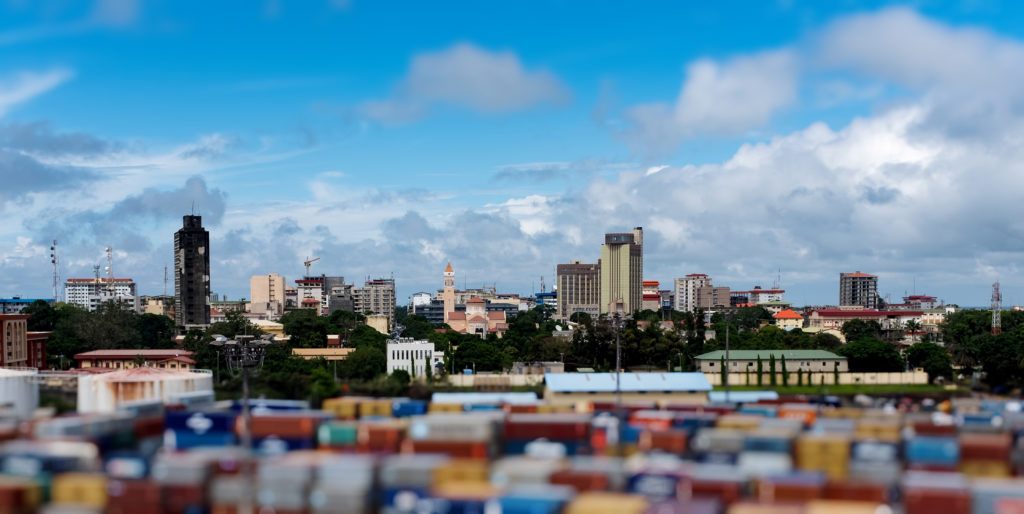
Guinea aims to become a regional gold refining hub, its mines minister said, joining a broader push by West African producers to process bullion locally rather than exporting it to the Middle East and beyond.
The move underscores efforts to retain more value at home as gold prices remain high.
“If each (West African) country has a refinery, there is no problem,” Mines Minister Bouna Sylla told Reuters over the weekend.
“If your refinery is not competitive, it will fail or succeed because of economics, not politics.”
President Mamady Doumbouya last week banned raw gold exports with immediate effect as the world’s top bauxite producer seeks to retain more value domestically.
Guinea refinery among Africa’s largest
Guinea has built a new refinery capable of processing output from across the region, Sylla said, describing it as among the largest in Africa.
Bangaly Steve Toure, deputy head of Guinea’s Mining Investment Fund, said separately the $30 million plant would initially process 530 metric tons (about 17 million ounces) a year, rising to 733 tons at full capacity. Commercial operations are expected in July following final approvals.
Africa’s top gold producer Ghana, along with Mali and Burkina Faso, is also racing to develop a domestic refining hub to capture more value from bullion.
Guinea’s industrial gold output is dominated by AngloGold Ashanti and Nordgold. West Africa produced about 11 million ounces in 2025, based on industry estimates.
Sylla said Guinea produced roughly 2.32 million ounces last year, worth about $7 billion, but retains less than 1% of that value domestically.
“It is not just about revenue and jobs,” he said. “Countries like the UAE do not produce gold but built refining capacity to stimulate broader economic growth. We want to create the same value chain.”
Guinea is preparing a decree to encourage local refining and plans reforms to formalize artisanal production and improve traceability by 2026, Sylla and Toure said.
The refinery, structured as a public-private partnership, is part of a wider push to develop downstream industries, mirroring similar efforts in Guinea’s bauxite sector, they added.
(By Maxwell Akalaare Adombila; Editing by Mark Potter)

No comments:
Post a Comment