MONOPOLY CAPITALI$M
Eni and Mercuria agree to join forces in commodity trading
Italian oil company Eni SpA and commodity merchant Mercuria Energy Group Ltd. signed an agreement to join forces in trading, seeking growth in an area that has seen huge price swings and profit opportunities during the war in Iran.

The two firms will be combining their main trading books for various commodities including oil, liquefied natural gas and biofuels under a new entity headquartered in Geneva, according to statements on Wednesday.
It’s a big move for both companies — integrating Eni’s physical energy supply chains with Mercuria’s trading expertise could potentially allow them to compete more effectively with larger rivals such as Shell Plc or Vitol Group.
“This partnership brings together two highly complementary organizations,” Mercuria chief executive officer Marco Dunand said. The venture will combine “physical energy flows with world-class trading, logistics and risk management capabilities.”
For Eni, the tie-up could allow it to challenge its larger European rivals Shell, BP Plc and TotalEnergies SE, which are among the largest oil and gas traders in the world, buying and selling far more than what’s produced by their own assets.
For Mercuria, which long has trailed rivals like Vitol, Trafigura Group and Gunvor Group in its physical trading volumes, the deal offers an opportunity to supercharge an expansion push, especially in LNG. The fuel is seen by many in the industry as a key growth commodity, but it has faced setbacks, with Steve Hill, a former senior Shell executive whom it hired in 2024, leaving this year.
Eni and Mercuria expect the joint venture to be operational in 2027, with the two firms equally represented at the senior managerial level, according to a spokesperson for the Italian oil giant. Commodity traders won’t be made redundant, the spokesperson added.
Price volatility caused by the Iran war has created opportunities for companies that buy and sell energy in large volumes. Shell and BP posted first-quarter earnings that far exceeded expectations, thanks to a surge in profit from their extensive in-house trading operations.
Mercuria’s first-half profit jumped 88%, putting it on track for one of its best-ever annual results. For several months, the trading house has been doing deals to grow its access to physical commodities and processing assets, including $1.2 billion to help finance the buyout of a copper mining company in Kazakhstan and a deal to buy an oil refinery and petrol stations in Argentina.
Trading activities for both parties will be exclusive to the JV for the identified commodities, except cases that require joint approval, the spokesperson said, adding that Eni does not currently expect refinery assets to form part of the venture.
Talks between Eni and Mercuria to form a joint venture were first reported by Bloomberg in January.
(By Jack Wittels)
Mercuria signs first uranium financing deal with Malawi miner
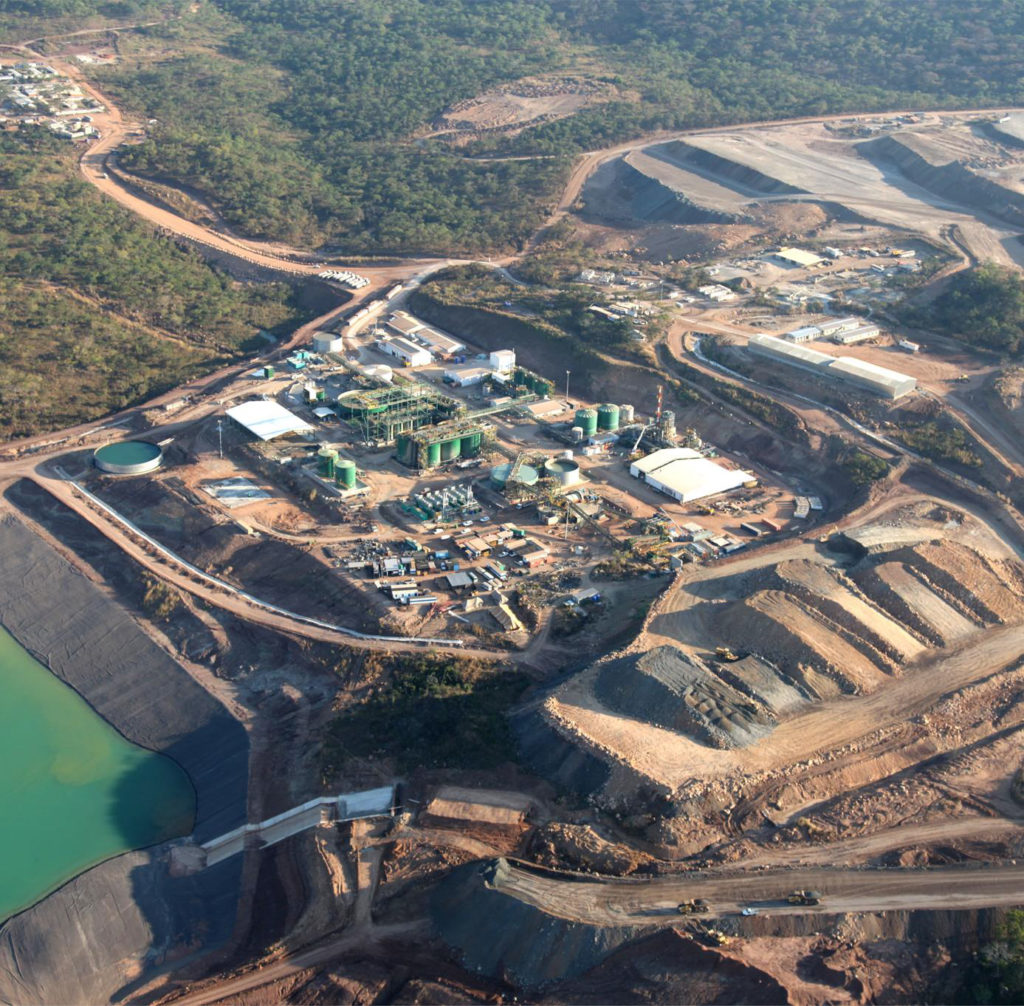
Trading house Mercuria Energy Group Ltd. signed its first prepayment agreement with a uranium miner, striking a deal with the owner of an operation in Malawi.
Australia’s Lotus Resources Ltd. said last week it has signed a non-binding term sheet with the commodity trader for production from the its Kayelekera mine. If finalized, Mercuria will pay up to $30 million and be able to market 3 million pounds of uranium over 30 months.
The arrangement is Mercuria’s maiden foray into financing uranium miners in return for a portion of their output. The market for the nuclear fuel has recovered in recent years following a lengthy downturn after the 2011 Fukushima disaster, and demand is forecast to grow as multiple countries – led by China – expand their fleet of reactors.
Lotus acquired the Kayelekera asset in 2020, six years after it was shuttered due to weak uranium prices. The company restarted the mine last year and is targeting annual output of 2.4 million pounds of uranium oxide, although earlier this month it announced a temporary pause in production after the Iran war disrupted sulfuric acid supplies.
Mercuria’s funding – which won’t be available until September at the earliest – will provide “significant additional working capital flexibility to progress the project,” Lotus said. That involves repairing the mine’s acid plant.
Under the marketing agreement, Lotus will retain “full control” over who Kayelekera’s production is sold to, including to power utilities that have existing offtake contracts with the mine, the company said.
A spokesperson for Mercuria declined to comment.
(By William Clowes and Archie Hunter)

No comments:
Post a Comment