CATL mine shutdown threatens to flip lithium market into deficit
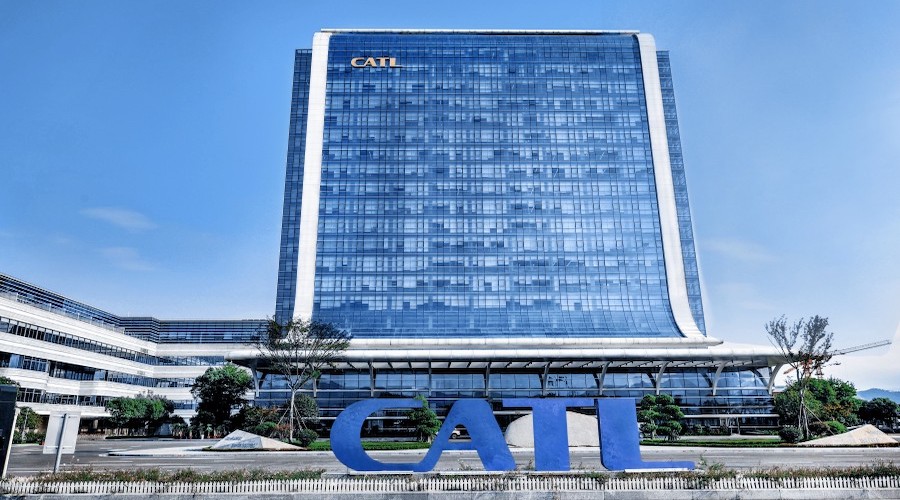
Uncertainty over Contemporary Amperex Technology’s (CATL) Jianxiawo lithium mine is threatening to tighten global supply into 2027, even as speculation over its restart fuels sharp price swings that some analysts say are obscuring strengthening demand fundamentals.

Benchmark Mineral Intelligence estimates a prolonged shutdown could put about 60,000 tonnes of lithium carbonate equivalent (LCE) supply at risk in China’s Jiangxi province. CATL suspended Jianxiawo in August 2025 after its mining licence expired.
The Chinese battery maker secured a safety production permit on June 29, clearing a key regulatory hurdle towards restarting the mine after a nearly year-long suspension, but operations have yet to resume.
Benchmark’s base case, which assumed Jianxiawo would restart shortly after Lunar New Year in February, is therefore already outdated. The analysts warned that a later restart could materially reduce expected 2026 output from the operation, which accounts for about 4% of global supply.
Doubts around the future of global lithium supply comes after prices for the white metal have fallen nearly 30% since May amid rumours and unverified reports about Jianxiawo’s return.
The most-active lithium carbonate contract on the Guangzhou Futures Exchange (GFEX) dropped 9% over two days in June after reports of a preliminary government land assessment fuelled restart bets. It then gained as much as 3% last Friday after local media reported the operation remained shut and was still awaiting environmental approval.
The delayed restart adds to other potential supply constraints. Zimbabwe, which accounts for just under 10% of mined lithium production, is preparing to ban lithium concentrate exports from Jan. 1.
“A notable portion of global concentrate supply could be trapped in Zimbabwe,” CRU Group analyst Cameron Hughes told Bloomberg News.
Supply squeeze
Jianxiawo has become a dominant influence on lithium trading just as demand from battery storage and improving electric-vehicle sales is beginning to reshape a market battered by oversupply since the price boom faded in 2022.
Albemarle (NYSE: ALB), the world’s top lithium producer, described stationary-storage demand as “off the charts” during an earnings call last week, while Chinese automaker and battery producer BYD has struggled to satisfy demand for its second-generation blade batteries while increasing production.
Lithium carbonate futures began trading on the GFEX in 2023, providing producers and buyers with another way to hedge risk while increasing transparency in Chinese lithium pricing. Open interest and trading volumes have since surged to records, but repeated price swings have forced the exchange to cap new positions or raise trading fees.

Some market participants argue Jianxiawo is attracting disproportionate attention, particularly among retail traders, while other fundamentals point towards a tighter market. Inventories remain low despite increased Australian production.
Benchmark is considering cutting its 2026 Jianxiawo production assumption in half to about 55,700 tonnes LCE from 111,400 tonnes if the restart is delayed. It is also assessing whether to halve its forecast for Gotion’s Shuinanduan mine to 5,000 tonnes LCE from 10,000 tonnes.
Wider risk
Other Jiangxi mines are expected to contribute about 108,000 tonnes of LCE in 2026, but investigations into licences elsewhere in the province could uncover waste and tailings deficiencies similar to those identified at Jianxiawo, widening the potential supply risk.
Expectations of unfavourable inspection results could also encourage producers to accelerate mining during the first half of 2026 to use quotas that might otherwise go unused later in the year, according to BMI analysts.
The consultancy currently forecasts a global lithium surplus of about 78,000 tonnes of LCE in 2026. A sustained Jianxiawo delay combined with broader Jiangxi disruptions could erase much of that cushion and potentially push the market into deficit.
Such an outcome could force Benchmark to reassess its short-term lithium price assumptions for 2026 and the first half of 2027, though it does not expect the disruptions to alter its medium or long-term price outlook.
(With files from Bloomberg)

No comments:
Post a Comment