Tuesday, September 01, 2026


Hungary's bee population at risk, warns national beekeepers' association

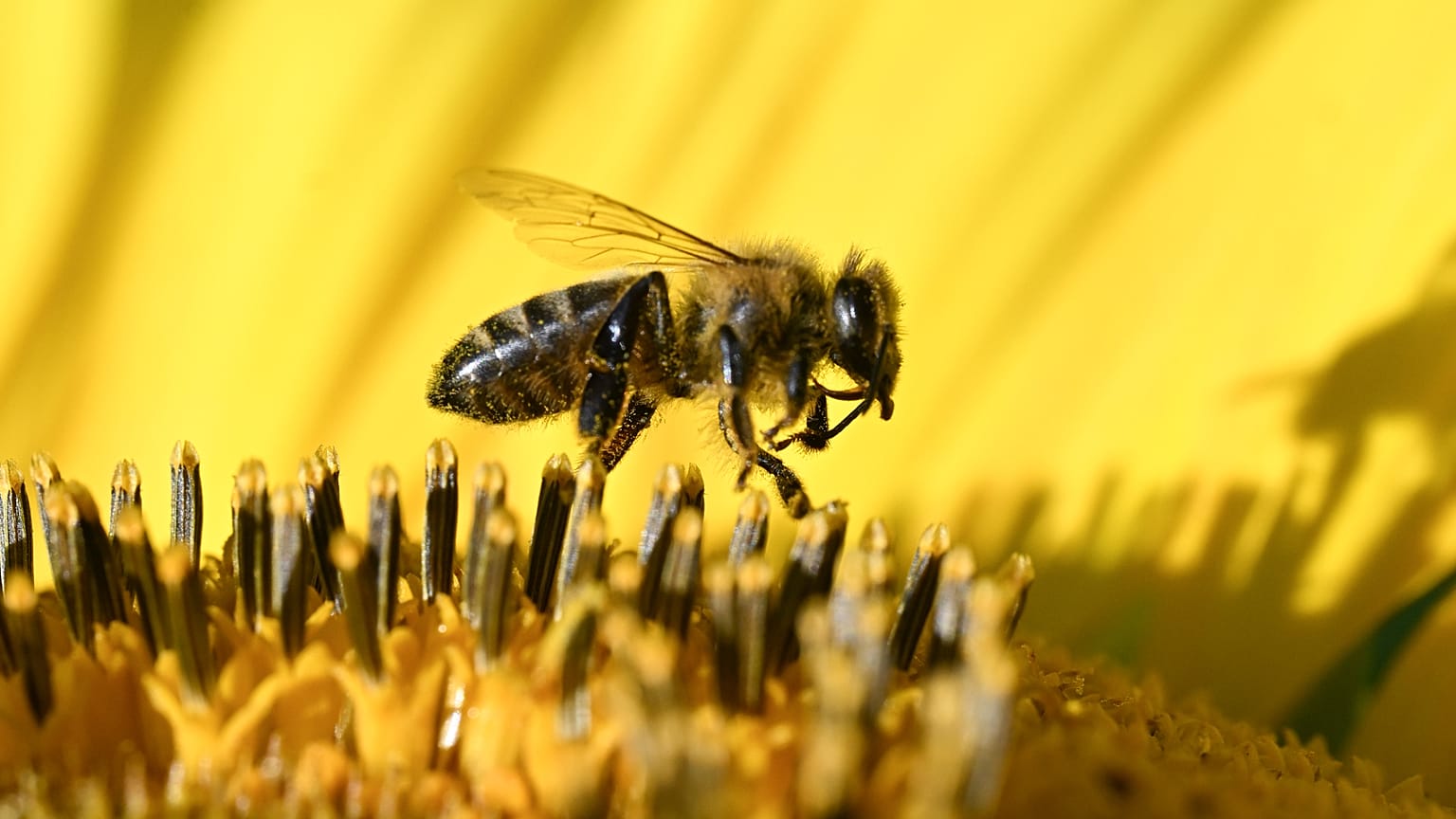
Bee collecting nectar
Copyright AP Photo

By Beatrix Asboth
Updated

By August, the drought and extreme heat have all but wiped out natural sources of pollen, leaving bees starving and parched.

Prolonged drought and successive heatwaves have wiped out natural sources of nectar and pollen in Hungary, leaving bees facing starvati

The pollen shortage could affect as much as 80% of the country's bee population, warns the National Hungarian Beekeeping Association (OMME). Experts have also alerted the ministry responsible for agriculture and food policy to the crisis.

Pollen is the most important protein source for bee colonies. It's essential for raising young bees and helping them develop properly. Without it, honey yields suffer—and colonies' chances of surviving winter are directly threatened.

For weeks, around 80% of Hungary's bees have had little or no access to natural pollen. The drought has made things worse: even the damp areas and riverbanks that normally still supply food for bees in late summer have dried up this year.

For a hive to survive, worker bees must carry at least a litre of water back to the queen and her larvae to keep them from drying out. The worse the drought gets, the farther bees must fly to find food and water—burning more energy and dying at higher rates as a result.

A lack of nectar can also cause colonies to turn on each other, driving mortality even higher.

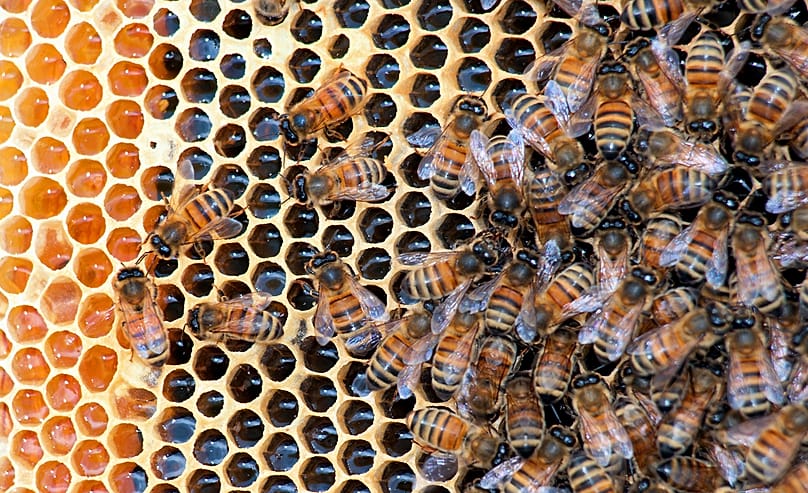
Honey bees
Honey bees Michael Reilly/Daily News-Record

OMME says this could lead to significant colony losses by spring 2027. This matters beyond beekeeping, too: honey bees play a key role in pollinating crops, and by extension, in the food supply.

Because of the crisis, OMME has written to Szabolcs Bóna, the minister responsible for agriculture and food policy. Beekeepers are normally required to maintain a set number of colonies, but because of these exceptional losses, many will be unable to meet that requirement through no fault of their own.

OMME is asking the authorities not to automatically penalize beekeepers for expected losses, but instead to take into account the extreme weather and the unprecedented shortage of natural food sources.

The effects of the drought and heat won't end when the season does. How much pollen is available now could decide whether colonies survive the winter, how well they recover next spring, and ultimately, how much honey Hungary produces next year.


Icebreaker to Extract Macquarie Island Researchers Due to Bird Flu Fear

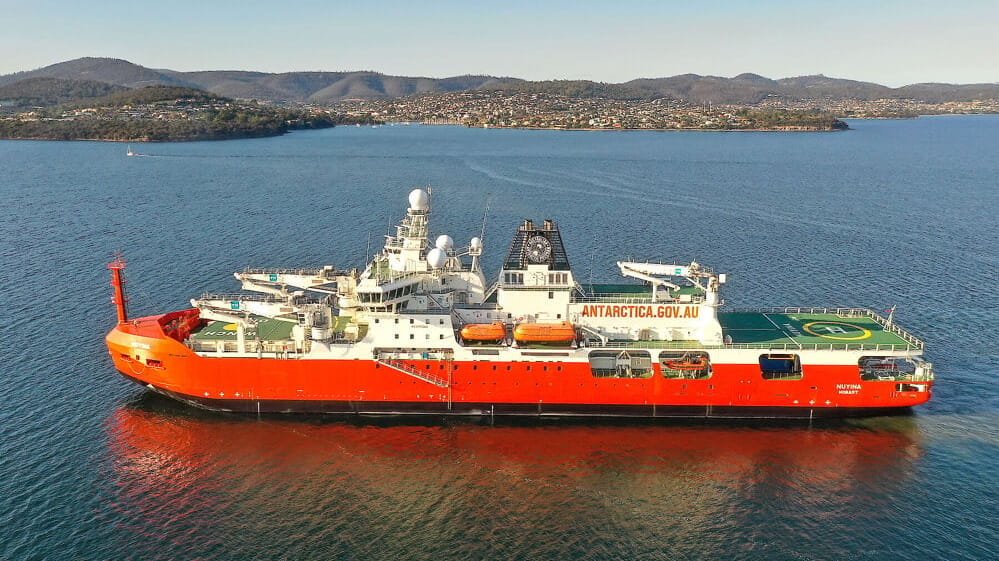
Australian icebreaker Nuyina
The icebreaker Nuyina is getting an extra mission to bring the research team home (ADD)

Published Aug 30, 2026 6:30 PM by The Maritime Executive


The Australian Antarctic Division (ADD) is preparing to dispatch its research vessel Nuyina to evacuate all the personnel at the Macquarie Island research station over the risk of a bird flu outbreak.

The Nuyina will sail to the island located in the Southern Ocean to extract the 24 expeditioners currently at the station after it became apparent they are facing the psychological risk of a potential H5 avian influenza (bird flu) outbreak. The station is located some 1,500 kilometers from Nuyina's home port in Hobart, Tasmania.

Apart from the expeditioners, the research vessel will also retrieve essential cargo because it remains unclear for how long the station will be vacated. ADD has only highlighted that it is exploring options for monitoring the situation on the island, hoping the expeditioners will return in the coming seasons.

Critically, this will mark the first time the station will stay without personnel since its establishment in 1948. The station is an important site for conservation, environmental, and climate research projects.

The Australian government contends that although bird flu has not yet been detected at the station, assessments are predicting a high likelihood of an outbreak due to the island being a wildlife sanctuary with up to four million seabirds and 100,000 seals.

The fears emerged after more than 13,000 seal pups died in the Australian territory of Heard Island and McDonald Islands in the summer. The H5 strain of bird flu was first detected on Heard Island late last year, and by June 2026, researchers said more than three-quarters of all pups were believed to have succumbed to the disease. Bird flu is a deadly disease for elephant seals, with a mortality rate of up to 90 percent.

Macquarie is currently free of the disease, but considering that thousands of elephant seals are born close to the station every spring, and because they are susceptible to bird flu, the decision was reached to extract the tradespeople, scientists, and support staff.

The government contends that while the disease’s risk to humans is considered low, the psychosocial risks of living near potentially large numbers of affected animals are unnecessary. The current team of 24 expeditioners has only been at Macquarie station for about five months, having started their year-long deployment in May.

“This is an unusual measure, but it's the most appropriate course of action based on our assessments of risk and operational realities,” said Sean Sullivan, Deputy Secretary at Australia’s Department of Climate Change, Energy, the Environment and Water.

The 525-foot icebreaker Nuyina is being dispatched to evacuate the personnel before it embarks on its scheduled program of Antarctica resupply operations in late October.

The mission to evacuate the expeditioners comes only weeks after ADD unveiled a major project to rebuild the Macquarie Island research station. The agency contends that due to the extreme weather on the island, many of the buildings are deteriorating and approaching the end of their useful life, necessitating a A$370 million (US$266.4 million) rebuild to allow for a continued year-round presence on the island. The project is expected to be completed by 2032.


Cancer and virus-free: Bats' longevity genes could hold clues for human health

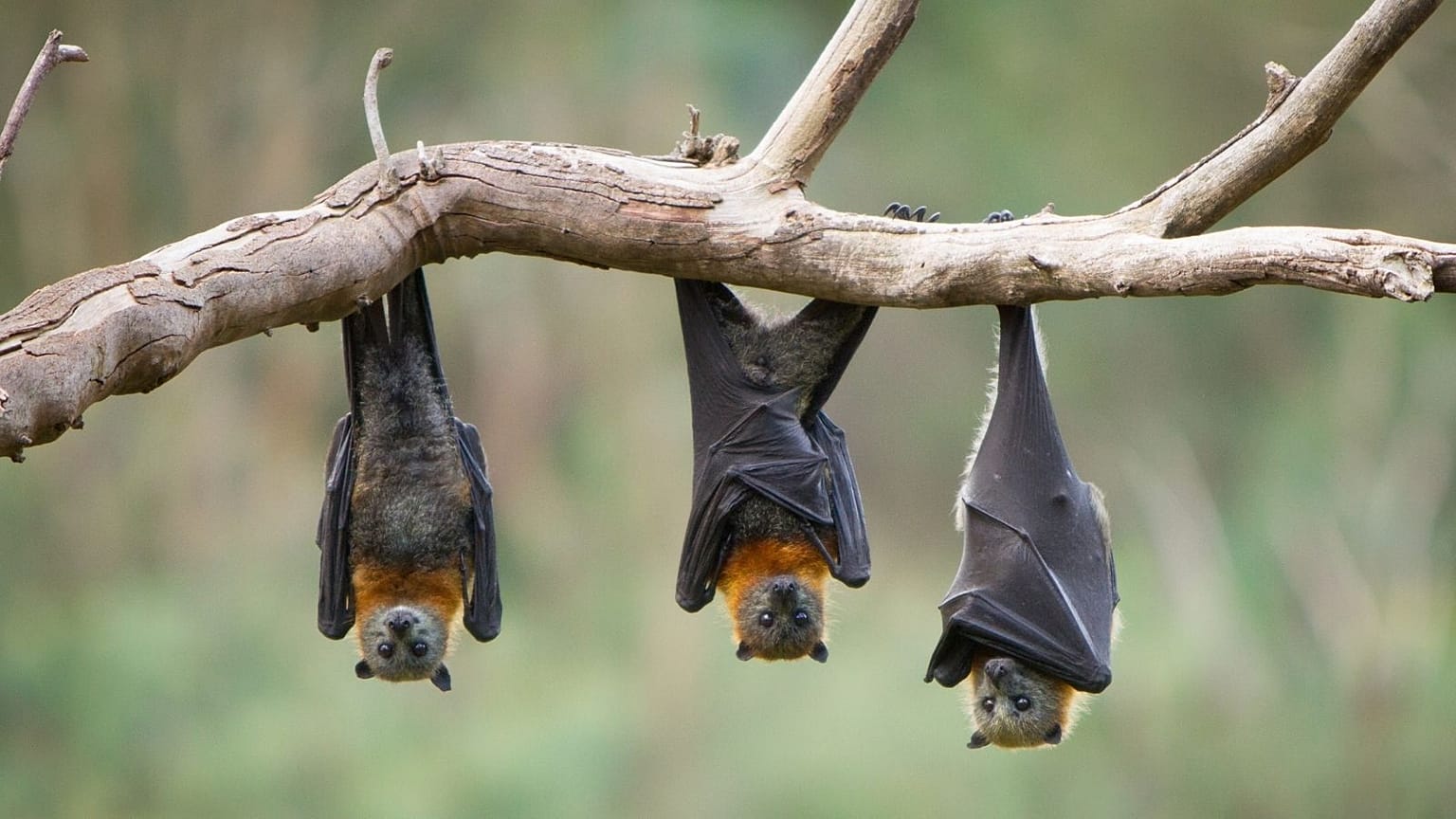
Bats' longevity genes could hold clues for human health.
Copyright Cleared/Canva


By Marta Iraola Iribarren
Updated

Scientists are studying the mechanisms behind bats' immune systems to uncover what they could teach about human longevity.

Bats are the longest-lived mammals for their size and have the ability to adapt to viruses and boost their defences. Scientists are now trying to see whether humans can learn anything from bats’ ability to resist viruses and even prevent cancer.

A new study published in the journal Nature looked at what these animals can teach about longevity and fighting disease. The findings reveal that the bats' ability to slow ageing and tolerate viruses is genetically linked, suggesting that the same biological 'tricks' protect them from both infections and the decay of old age

“Bats have evolved this incredible fitness capacity, this incredible ability to deal with disease and this incredible ability to be able to prevent cancer,” said Juan Manuel Vazquez, author of the study at the University of California, Berkeley.

“That means that, by understanding how bats have evolved to do all these things that other mammals haven’t, we can find completely new and unexpected ways of dealing with the normal things that cause human diseases.”

For the study, Vazquez travelled to capture, biopsy and release different species of bats. He currently has cell cultures from 259 individuals representing 32 species.

He focused on those in the Myotis genus of bats, known for having some of the most extreme adaptations for longevity and disease resistance among mammals. In this group, the Myotis brandtii (Brandt’s bat) can live up to 42 years.

How bats resist ageing and cancer

By creating high-quality genetic maps for eight different species, the researchers identified the specific biological "tricks" these animals use to survive.

One of the most important findings is that long-lived bats have evolved ways to prevent cancer. For example, the little brown bat (Myotis lucifugus) has an enhanced ability to clear out damaged cells before they can cause harm.

An example of this is a specific immune factor called PKR, as most Myotis species have evolved extra copies of this gene to fight a wider range of viruses.

A different way of fighting viruses

Bats act as zoonotic reservoirs — animals that can carry viruses dangerous to humans without becoming ill themselves. Their ability to do this is a result of a specialised evolutionary strategy known as viral tolerance.

The research found that while most mammals use "resistance" to fight viruses by attempting to eliminate the pathogen, bats have evolved high levels of viral tolerance.

They have developed mechanisms to suppress the damaging inflammation and cellular stress that would normally kill other mammals, which allows the virus to live in their bodies.

For RNA viruses, responsible for human outbreaks such as the COVID-19 pandemic, bats tend to change the number of immune genes they have and evolve extra copies to broaden their defence.

What this means for human disease

Because bats have developed natural solutions to problems like cancer and cellular decay, they provide a roadmap for understanding how these same processes might be managed in humans, the researchers said.

Vazquez noted that bats evolved to live for a long time without getting diseases, which suggests we don't necessarily need to look at diseases of ageing and diseases of infection as completely separate fields.

“We can look at these bats and try to understand how, in the same way you can improve your immune system to fight off viruses, maybe you can improve your immune system so it doesn’t decline in old age,” he noted.

“Or maybe bats can help us find ways to fight off tumors so our immune system doesn’t get tired, and that can also help us deal with other stresses of life and not exhaust our immunity.”

Is Germany's Laacher See volcano stirring again? Scientists detect hundreds of deep earthquakes

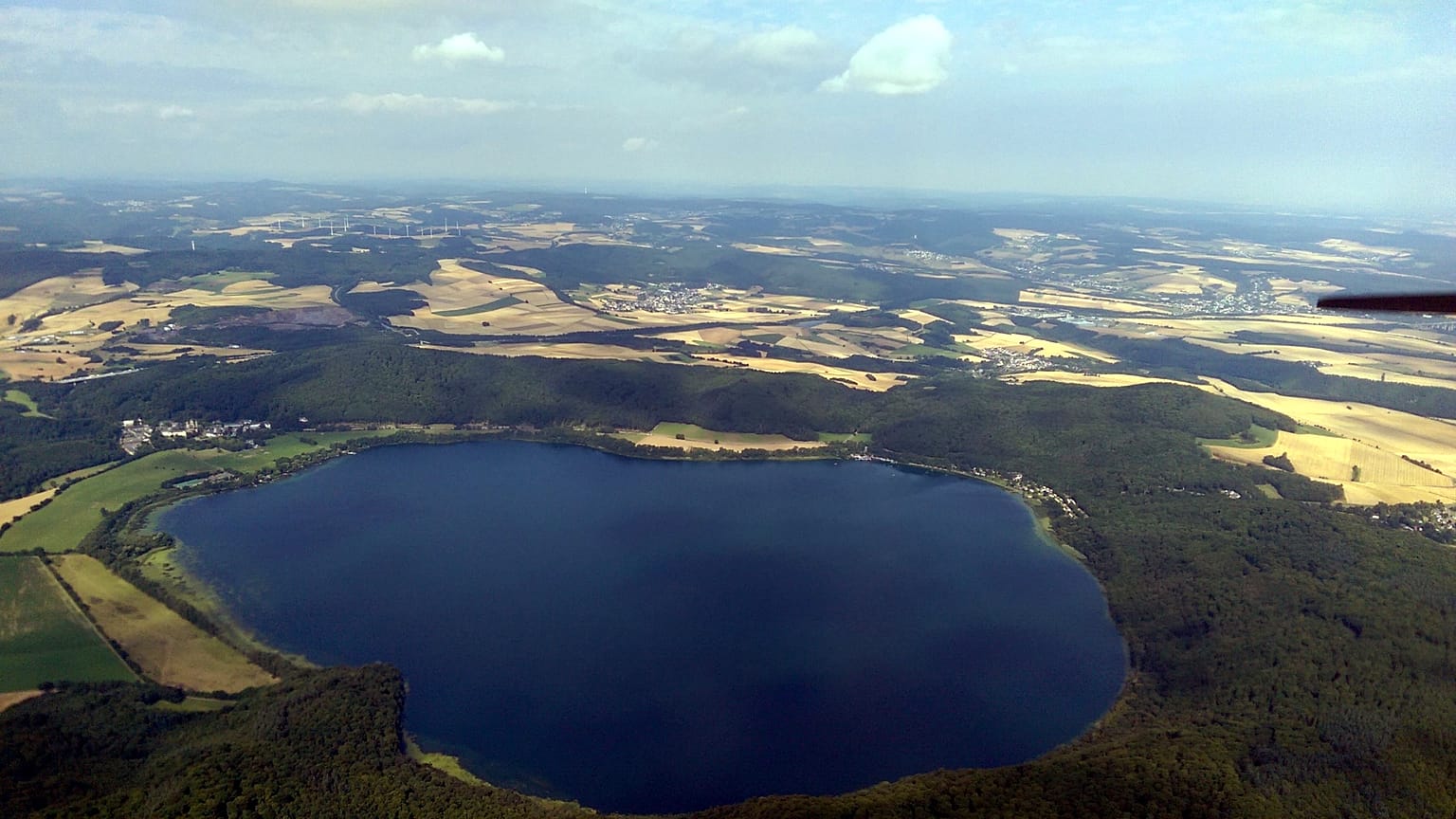
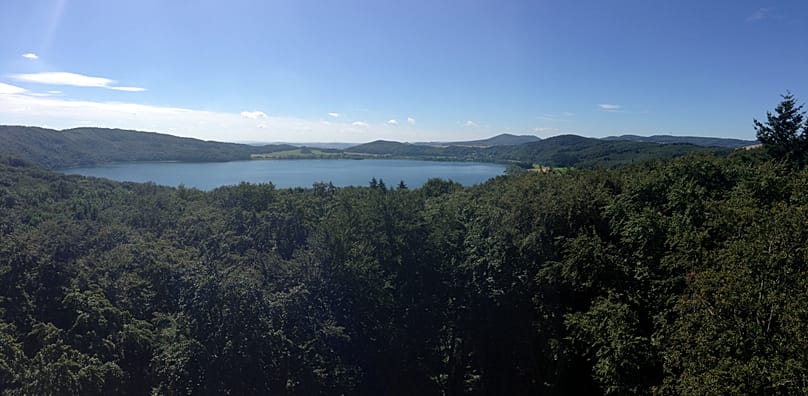
Germany's most formidable volcano: the Laacher See erupted 13,000 years ago, devastating parts of Europe
Copyright Df1paw, CC BY-SA 4.0, via Wikimedia Commons


By Franziska Müller
Published on

The Laacher See volcano last erupted around 13,000 years ago. Now, deep below the Eifel, scientists are reporting signs it remains active.

Earthquakes occur in Germany again and again, but many never notice them.

That's because these tremors occur deep below the ground and often have low frequencies.

But far beneath the surface, something could be stirring. That is the suspicion of researchers who have been monitoring Lake Laach in the Eifel region in western Germany over the last few years.

Between September 2022 and August 2023, they used several monitoring stations to record more than 500 micro-earthquakes beneath the lake - which formed in the crater of a volcano that last erupted around 13,000 years ago.

Germany's most powerful volcano

That last explosion was so powerful that ashfall was carried as far as Sweden and Italy, and experts still call for continuous monitoring of the site today.

Several studies show that there is still activity underground. In October 2025, a renewed increase in seismic activity was reported in the Eastern Eifel, most recently confirmed by a study published in 2019.

Researchers refer to these movements as deep low-frequency earthquakes, or DLF for short. These DLF quakes are seen as a sign that the Laacher See volcano could one day erupt again.

The focus of investigations is Lake Laach in Rhineland-Palatinate, the largest lake in the federal state.

The region is known as the Volcanic Eifel for good reason - the Eastern Eifel alone is home to a volcanic field with around 100 volcanoes.

"DLF earthquakes are regarded worldwide as an indication of the movement of magmatic fluids at great depth," explains Torsten Dahm, head of the Earthquake and Volcano Physics section at the GFZ, referring to a study from 2019. "Under active volcanoes, for example in Iceland, Japan or Kamchatka, such earthquakes can be observed regularly."

According to the study, magmatic fluids appear to accumulate at depths of about 12 to 14 kilometres. Magmatic fluids can be water, oxygen, sulphur compounds or halogens. They are released from molten rock and play a key role in determining how explosively a volcano erupts. Their movement can also trigger earthquakes in the subsurface.

These magmatic fluids could rise from the upper mantle into the Earth's crust. According to the Helmholtz Centre Potsdam GFZ German Research Centre for Geosciences, they would ascend along the Ochtendung fault zone - evidence that the volcanic system at Lake Laach is still active.

They also indicate that magma chambers exist in the Earth's crust beneath Lake Laach and may be slowly filling.

On the night of 10 October 2025, there was an unusual earthquake swarm with around 92 small microquakes within twelve hours. The strongest quake had a magnitude of just 0.9.

"In total, four spatially confined clusters of such DLF earthquakes have been detected in the Eastern Eifel over the past five years," said lead author Martin Hensch from the Association of State Seismological Services in 2019.

However, researchers do not expect any volcanic activity in the near future. Dating of the magma produced when the volcano last erupted suggests that it may have taken around 30,000 years for the upper magma chamber beneath Lake Laach to fill before the eruption eventually occurred, according to a GFZ statement.

"The ascent of magma into the shallow crust is almost always accompanied by high-frequency earthquake swarms. Such activity has not yet been observed in the Eastern Eifel," said Joachim Ritter from the Geophysical Institute (GPI) at KIT.

"Moreover, there is no evidence of uplift of the Earth's surface, which would have to be clearly detectable in the event of massive magma ascent," adds Dahm.

In addition to the small quakes and, most recently, a so-called earthquake swarm, there are further signs of ongoing CO2 degassing from the mantle.

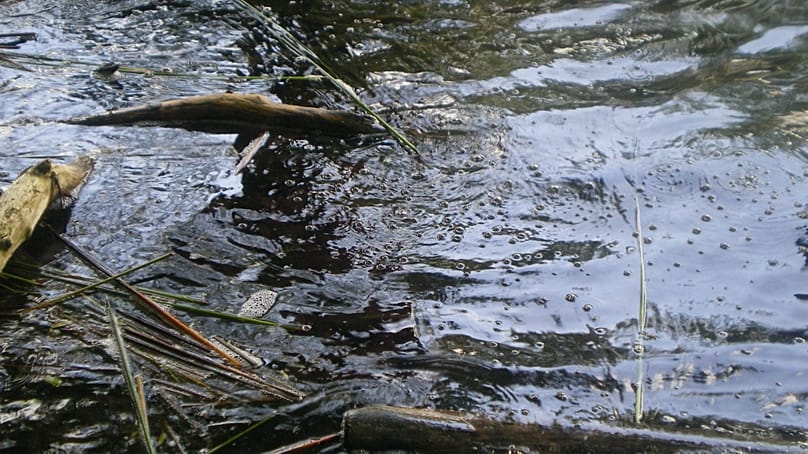
Bubbles of carbon dioxide can repeatedly be seen on the surface of the lake. Gases rise up from the depths.
Bubbles of carbon dioxide can repeatedly be seen on the surface of the lake. Gases rise up from the depths. RaSlaMa, CC BY 3.0, via Wikimedia Commons

In 2024, the GFZ carried out RMT measurements at two locations around Lake Laach. At both sites the emission of CO2 gases of magmatic origin was detected. Taken together, all these activities ultimately indicate that underground processes are active.

From September 2022 to August 2023, geologists recorded more than 500 local micro-earthquakes in a study published in 2026. In the process, the rock is hydraulically fractured; the researchers describe this as an example of natural hydraulic fracking.

They also found that there is likely a reservoir structure, such as a possible magma chamber, at a depth of around 12 to 14 kilometres. It extends horizontally over 15 kilometres beneath the active earthquake zone.

Ice Age eruption

During the Ice Age, the volcano in the Eifel erupted. Recent studies have redated the eruption: it is now thought to have occurred 13,084 years ago, around 184 years earlier than previously thought.

The eruption was enormous. Volcanic ash is thought to have risen into the stratosphere and probably reached an altitude of 30 kilometres. Winds are believed to have transported the ash over thousands of kilometres - north as far as Sweden and south as far as northern Italy. Today, its explosive power is estimated to be equivalent to around 500 Hiroshima bombs, according to the website of nearby Maria Laach abbey.

Volcanic ash and pumice formed a seven-metre-thick layer in the Rhine valley. Near the volcano, this layer is thought to be around 60 metres thick. In what is now the Cologne-Bonn region, volcanic ash accumulated to a depth of up to one metre.

Lake Laach is the largest lake in Rhineland-Palatinate.
Lake Laach is the largest lake in Rhineland-Palatinate. Bungert55, CC BY-SA 3.0, via Wikimedia Commons

It was only after this that Lake Laach formed. The eruption lasted for 10 days, interrupted by several periods of relative calm. Hot gases, which shattered the basement rock and ancient lava flows when they came into contact with groundwater, cleared a path for magma rising from below.

To date the eruption precisely, a research team from the universities of Mainz, Frankfurt and Heidelberg searched for sulphur deposits in various natural climate archives. They found evidence both in an ice core from Greenland and in a stalagmite from a cave in the Westerwald, with the sulphate concentration proving key.

The volcanic rocks produced during the eruption were later used, among other things, as building material in the 19 Century.
 

US defence firm plans medium-range missile production near Leipzig

Defence Minister Boris Pistorius at a promotion ceremony for officer cadets on "Bundeswehr Day" in Neubiberg, 6 June 2026.
Copyright AP Photo


By Sonja Issel
Published on

Covenant is a relatively new player in the arms industry. The company was founded in 2024 and is also active in Israel.

US defence contractor Covenant plans to start producing medium-range missiles near Leipzig from 2027, according to sources, with up to 1,000 missiles a year thought to be possible.

The plans could bring a previously little-known cruise missile into greater focus in Germany. But what is actually known about the new weapon?

A reported range of more than 1,500 kilometres

The missiles are expected to have a range of more than 1,500 kilometres, Reuters reported, citing people familiar with the matter.

So far, however, few other technical details are known.

According to sources, the missiles are set to cost a few hundred thousand US dollars each, making them significantly cheaper than Tomahawks, which cost around $2 million per missile, depending on the version.

Covenant is also developing a cruise missile called "Anthem," which is seen as the company's flagship project. However, it has not yet been confirmed whether this is the system that is to be produced near Leipzig.

Germany looking to build deep strike capability

Covenant's plans come as Germany addresses a growing need for long-range missiles that are relatively inexpensive and that can be produced in large numbers.

According to reports, Germany's Ministry of Defence has already sent requests for proposals to Covenant as part of plans to build up its deep strike capability.

The company is said to be planning to establish supply chains and production lines in Europe.

Although Covenant is a US company, most of the components are expected to come from Germany and other European countries. For Germany, this could mean less reliance on weapons deliveries from the US.

Who is behind Covenant?

Covenant is a relatively new player in the arms industry. The company was founded in 2024 and is also active in Israel.

The firm is backed by US investor Michael Kaufman, who previously worked for the investment firm Thiel Capital. Its backers are also said to include prominent US technology investors such as Andreessen Horowitz and the Founders Fund.

It remains unclear whether Berlin actually intends to procure Covenant's missiles and how far any talks with the company have progressed.

Data Centers Are Driving a New U.S. Natural Gas Buildout

  • Surging electricity demand from AI data centers is driving a dramatic expansion of planned U.S. gas-fired generation, particularly in Texas.

  • Amazon, Microsoft, Nvidia, OpenAI and other major technology players are becoming increasingly involved in enormous dedicated power projects to secure electricity for AI infrastructure.

  • Rising emissions, electricity costs and local opposition are creating political risks that could slow the data center and gas-power buildout.

The expansion of data centers to power the artificial intelligence boom is causing a natural gas revival in the United States. Planned gas-fired power capacity tied to data centers nearly doubled in the first half of 2026 alone, as Big Tech players turn to massive new power plants to support the insatiable demand of hyperscale data center campuses.

Amazon is currently building a gas-fired power plant in Texas that is set to become the single-biggest source of power-related emissions in the entire United States if it’s developed according to current plans, which include seven gas plants. In addition, just this month, Nvidia announced that it would team up with Japan’s SoftBank and the federal government to build the United States’ largest fossil-fuel plant to power an Ohio project by OpenAI, the firm behind ChatGPT. And, not to be left out, Microsoft is currently in talks with Chevron for a $7 billion gas-powered data center in Texas.

A June report from Business Insider found that "if all data centers permitted through 2025 come online, they will use between 224.3 terawatt-hours and 358.8 terawatt-hours of electricity annually, an increase of 50% over the previous year across the range." For reference, that's approximately as much energy as all of Mexico -- a country with a population of more than 130 million people -- uses in a year.

As of the first six months of 2026, the United States had 378 GW of gas-fired power capacity in development, up 50 percent in just six months, according to Global Energy Monitor. Of that, 189 GW was tied directly to data centers. The U.S. now accounts for roughly one-third of all planned gas-fired capacity worldwide, while Texas is adding new proposals faster than anywhere else.

However, according to a recent report from nonpartisan global news outlet Semafor, “it remains unclear if all of those plants will ultimately be built, since most projects are in early development and the demand surge has led to a bottleneck for gas turbines, with some suppliers warning of yearslong lead times.”

Semafor also warns that political pressures and social backlash could lead to a cool-off period for data center development, which would also cause planned gas-powered energy additions to taper off. Hatred and mistrust of data centers is increasingly emerging as an issue that both sides of the aisle can align on. As data centers proliferate around the country and the world, the cost of their insatiable energy demand is largely falling on consumers, whether they benefit from AI or not.

"We are witnessing a massive transfer of wealth from residential utility customers to large corporations—data centers and large utilities and their corporate parents, which profit from building additional energy infrastructure," Maryland People's Counsel David Lapp recently told Business Insider last year. "Utility regulation is failing to protect residential customers, contributing to an energy affordability crisis.

In the United States, an overwhelming majority of voters – 75 percent – indicated that they oppose the development of new data centers in their area, according to a recent Heatmap poll. And Texas, the heart of the global gas boom according to the Global Energy Monitor, is no exception. Semafor reports that the Lone Star state has “recently backtracked on its welcoming stance towards data centers,” going so far as to pause new projects altogether.

The Trump administration has tried to address the public’s growing discontent with footing Big Tech’s energy bill by requiring AI firms to supply their own energy for new projects. But there are some major downsides to this approach, which may not even alleviate the financial burden on consumers at the same time that it pushes gas power to new heights, gravely imperilling Silicon Valley’s decarbonization commitments. Google, Microsoft, and Amazon all saw their emissions jump by double-digit figures year-over-year, with AI-driven data center growth as the main driver.

By Haley Zaremba for Oilprice.com

America’s Electricity Boom Is Outrunning Its Power Grid

  • NERC identifies nine of 15 U.S. assessment areas as facing elevated or high resource-adequacy risks during 2026–2030.

  • U.S. electricity demand is forecast to grow by nearly 2% annually through 2030, with data centers responsible for about half of the increase.

  • Transmission development is struggling to keep pace, with at least 390 of nearly 900 planned or under-construction projects delayed.

The United States’ energy grid is under extreme duress as rapid electrification and energy demand place increasing and unprecedented demand on transmission infrastructure. The artificial intelligence boom is sending energy demand rates into the stratosphere as hyperscalers race to develop energy-hungry data center campuses across the country. At the same time, clean energy campaigns and the renewable energy transition are increasingly electrifying our lives, from electric vehicles to heating and cooling systems.

An official assessment published in January by the North American Electric Reliability Corporation (NERC) found that 60 percent of grid regions in the United States  (nine out of 15) are at ‘elevated’ or ‘high’ risk of falling short of energy demand as soon as 2030. High risk indicates that demand will soon outstrip supply in that region in a business-as-usual scenario. Elevated risk means that while resources are adequate, there could be critical shortfalls during extreme weather events. Some of the country’s most populous areas, including New York and Pennsylvania, are served by these at-risk grids. 

This poses a major and urgent problem for the nation’s energy security. “In the short term, that imbalance can mean sending more power down transmission lines than they are rated to carry, risking equipment failure,” states a recent report from Atmos. “Over time, it can cause power outages, especially during periods of peak demand.”

This is not just a major threat to energy security and to the economy; it’s a matter of life and death. Periods of peak demand are generally caused by extreme weather events, in which people need heating or cooling as a matter of necessity rather than mere comfort. Nearly half a million people in the world died of heat every year between 2000 and 2019, according to a study from prestigious medical journal The Lancet, published in February of this year. The study estimates that air conditioning prevents approximately 190,000 deaths each year. Cold weather, too, poses a real and growing threat to human lives. And these extreme weather patterns are set to become more intense and more frequent going forward, meaning that energy demand will continue to grow, and its reliability will be more important than ever. 

NERC, a non-profit watchdog organization covering grids in Canada, the United States, and Mexico, highlighted some critical drivers and bottlenecks of these elevated risk levels. The first and most notable of these is skyrocketing energy demand driven by the artificial intelligence boom. In the United States, electricity consumption is projected to rise by nearly 2 percent on average per year, more than doubling its growth rate over the last ten years, according to figures from the International Energy Agency. 

The next threat to grid stability is the increased share of intermittent and weather-dependent resources like wind and solar power within the national energy mix. While energy storage presents a solution to rising variability of weather sources, expansion of battery storage systems and the development of longer-term storage solutions have not kept pace with production capacity additions. 

Additionally, grids face major bottlenecks in transmission capacity additions to facilitate this massive growth in energy flows. “Transmission development in some areas is hampered by growing risks in procurement and supply chain delays. Other reasons for delays include economic impacts, planning and construction issues, permitting issues, or changing needs,” the NERC report details. “Of nearly 900 projects that were under construction or in planning for the next 10 years, at least 390 projects have been delayed from their originally expected in-service dates.”

As a result, timelines are growing longer and longer for additional capacity to actually connect to the grid. As the nation’s energy landscape has become increasingly diverse and competitive as renewable energy providers and now Big Tech companies crowd into the field, the generator interconnection process has gotten more complex and much, much slower.

“The necessary reforms are increasingly clear,” argues Atmos. “Grid operators can streamline interconnection reviews and reduce the cascading restudies triggered when projects withdraw from or change position in the queue. Utilities and regional planners can build transmission based on anticipated future needs rather than waiting for individual generators to apply. New data centers and other large electricity users can be coordinated with new generation and local grid upgrades. Stronger connections between the nation’s fragmented grids could allow regions to share surplus electricity and respond more effectively to periods of extreme demand.”

The problem is that these are huge problems involving a huge number of players and disparate grids, and coordinating such reforms is no easy feat. However, failure to coalesce around the common goal of expanding and updating the grid is not an option. The energy monster that AI has created is not going away, and its cost should not be tallied in human lives.

By Haley Zaremba for Oilprice.com

New AI models pose growing threat to the global economy, Bailey warns

Bank of England Governor Andrew Bailey speaks during the Bank of England financial stability report press conference, at the Bank of England, in London, Tuesday July 7, 2026.
Copyright AP Photo/Doug Peters


By Eleonora Vasques
Published on

The Bank of England governor wrote that jurisdictions need to strengthen cybersecurity and enhance preventive measures to correct vulnerabilities that can have a dangerous impact on the global economy.

Emerging AI models pose a growing threat to financial stability and economic growth, Financial Stability Board (FSB) Chair and Governor of the Bank of England Andrew Bailey has warned.

The letter was sent on 28 August to G20 finance ministers and central bankers ahead of their meeting on Monday and Tuesday in Asheville, North Carolina, US.

Bailey wrote that the FSB will remain "focused on identifying emerging vulnerabilities, strengthening resilience and ensuring that innovation is consistent with financial stability," as many jurisdictions do not have sufficient protocols in place.

His warning comes amid a period of profound global instability and uncertainty that is heightening market volatility.

Conflict in the Middle East is driving up energy prices and fuelling inflation, while large-scale AI investments in the United States are adding further inflationary pressure. At the same time, unprecedented trade decisions by US President Donald Trump are contributing to an increasingly unpredictable economic environment.

In this scenario, a new generation of sophisticated AI models is emerging. These systems are capable of identifying and exploiting digital vulnerabilities in complex systems – such as banking infrastructure and other sensitive servers – with potentially catastrophic consequences for the economy.

One notorious example is Mythos, a model developed by Anthropic, which has advanced autonomous coding and cybersecurity capabilities. Unveiled in April 2026, the model is not available for public use due to the significant potential risks it poses.

"Frontier AI may have the ability materially to alter the speed, scale and economics of cyber risk, which could undermine market confidence system-wide, especially due to highly concentrated third-party service providers," Bailey wrote.

"Taking appropriate steps to support safe and responsible model release and deployment on a global basis should in my view be a priority and would benefit all sectors of the economy, including by supporting financial stability and economic growth."

Bailey also noted that "AI will not respect national borders", meaning that while governments can legislate and enforce regulations at national level, an AI disruption with financial stability implications can have a global impact wherever it begins.

"Differences in legal frameworks, cyber capability, resilience and recovery capacity across jurisdictions could therefore have consequences well beyond the jurisdiction in which an incident originates and may themselves become a source of vulnerability," Bailey wrote.

The FSB chair exhorted firms and authorities to prepare for "a threat environment characterised by a higher volume of vulnerabilities and a faster pace of patching" and to adapt safety systems.

The next G20 meeting will occur in Miami, Florida on 14-15 December.