Video: Merchant Vessel Sinks After Multiple Russian Cruise Missile Hits
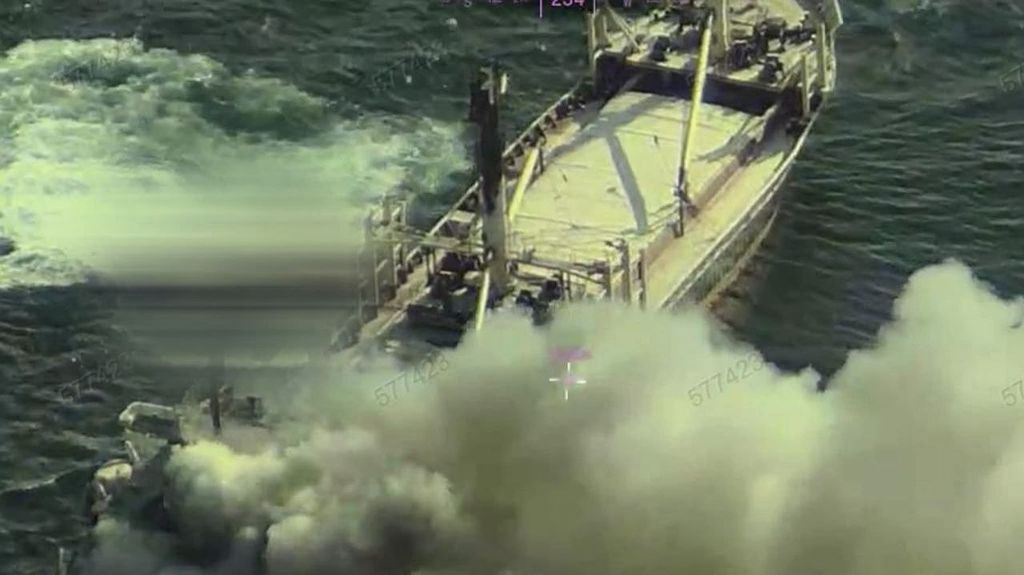
A small cargo ship that was badly damaged in a Russian strike off Odesa has gone down, according to Ukrainian authorities. The small vessel had absorbed multiple hits, and it sank after six days of progressive flooding.
On July 19, three Russian cruise missiles hit the Turkish-operated, Guinea-Bissau-flagged ship Golden Leo off the coast of Odesa. The vessel was outbound with a load of corn at the time of the strike; Russia has been targeting Ukraine's grain export sector in retaliation for strikes on Russian logistics and energy infrastructure.
Bystander video purporting to show the capsizing and sinking of the Golden Leo (Ukrainian social media)
The missiles hit the accommodation block on the starboard side, killing 10 people on board and starting a fire, according to Ukraine's navy. In an overnight SAR operation, under continual threat of further Russian strikes, eight survivors were rescued - including at least one injured crewmember in critical condition.
Four of the deceased were Indian nationals, and India's foreign ministry filed a formal note of protest.
"India condemns such attacks and reiterates that targeting commercial shipping and endangering innocent civilian crew members, or otherwise impeding freedom of navigation and commerce, is deplorable and should be avoided," the ministry said in a statement.
Over the course of the week since Golden Leo was hit, merchant shipping to and from the Odesa region has ground to a halt because of the extreme risk of Russian strikes. Russia has refused to slow down the pace of attacks, despite India's objections. A spokesperson for the Kremlin said that the campaign was essential to interdict "vessels involved in transporting ammunition, weapons and so on for the purposes of the Kyiv regime."
In an ordinary year, Ukraine provides about six percent of the world's wheat exports and about 11 percent of the world's corn exports. It accounts for more than a third of the nation's export earnings.
Ukraine's recent campaign against Russian shipping in the Sea of Azov and northeastern Black Sea is having similar effects on Russian grain exports. Traffic in the Kerch Strait has been paused since July 11, reflecting the severe toll that Ukraine's mid-range drone strikes have inflicted on busy anchorages and transit routes in the region. Consultancy SovEcon reports that Russia's July grain exports will be less than half the five-year average - putting pressure on exporters to find alternate routes to market.
Two Missing in Russian Attack on Freighter on the Danube
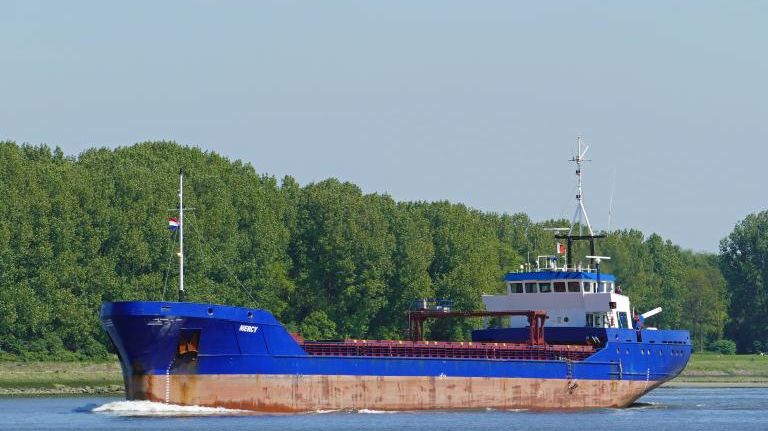
On Saturday, a Turkish-operated freighter was hit by Russian drones on the northern branch of the Danube, leaving two crewmembers missing. It is the latest in a string of deadly strikes on shipping in the region, with victims on both sides.
The 3,400 dwt freighter AGN Ragnar was outbound through the Bystre Channel at the Danube's northern mouth on Saturday when she was struck by three drones. Two Indian crewmembers, identified by Indian maritime authorities as Chandra Ram Dubey and Deepak Kumar Gupta, went over the side during the attack. They remain missing.
Seven survivors and the local pilot were evacuated by Ukraine's coast guard and are in good condition. Further SAR operations to look for the two missing men had to be called off due to the ongoing risk of Russian strikes, and local authorities plan to pick up the search again when the threat has passed.
At least five Indian nationals have been killed in recent strikes in the Odesa region, including the chief officers of two ships, the freighters Omorfi (hit by Ukraine) and Golden Leo (hit by Russia).
Like Golden Leo and Omorfi, AGN Ragnar is a small, aging, lower-value coastal vessel, less expensive to insure with rising war risk costs. All three are Turkish-managed, like many vessels serving both sides of the conflict.
Built in 1996, AGN Ragnar is 30 years old, flagged in Palau, and frequently cited with deficiencies in port state control inspections - including serious issues, like hull corrosion and fire safety shortcomings.
Top image: VesselFinder / Henk Jungerius

No comments:
Post a Comment