Thursday, July 03, 2025

BURMA

Hijacking A Plane, Fleeing With A TV Station –  BOOK REVIEW


This is not just a book, but a film waiting to be done. 


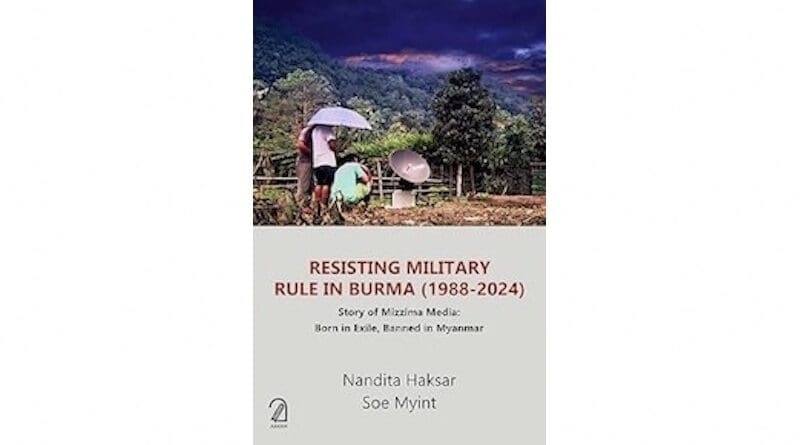
"Resisting Military Rule in Burma (1988-2024)" by Nandita Haksar and Soe Myint


By 


A Burmese student activist  hijacks a plane from Thailand to India to tell the world about the brutal military suppression in Myanmar, then survives a tough court battle in a unknown country to start an online portal operating from a single laptop using a public phone booth, finally returns to Myanmar after two decades in exile in India to establish a top media group with websites, newspapers, a magazine and TV and is then again driven to exile in Thailand after a fresh military takeover in Myanmar leads to a ban on his media group. 

Back-to-Square-One is the story of Soe Myint and his Mizzima Media group, so well brought out in the autobiographical account, “Resisting Military Rule in Burma (1988-2024)”.

Published by Aakar in India, this is not just the story of  a student hijacker turned media personality, but  the tragic story of an entire generation bloodied and scarred in the fight for democracy in Myanmar. 

Truth Stranger Than Fiction 

The Burmese editor’s autobiographical account, written with co-author Nandita Haksar, in the backdrop of nearly four decades of popular resistance to military rule amidst a brief tenure of limited democracy, is truth stranger than fiction.

The sharp swings between hope and despair, triumph and defeat, between joy and tragedy, makes it not only a compulsive read but also provides enough drama for a possible Netflix series or a Hollywood/Bollywood blockbuster. 


No happy ending though if you are looking for one, because Soe Myint is back again to where he was in 1990 — in the jungles on the Myanmar-Thailand border in exile. The democracy his generation craved for, and gave their youth fighting for, is still not round the corner. The Myanmar military junta is still in charge, though they have lost control over large parts of the country to armed pro-democracy groups and ethnic rebel militias. And Myint continues to run his media operations, albeit on a limited scale, hoping for a change.

Myint is not the archetypal film hero,  but a short dimunitive Burmese man now in his late-fifties, who failed the army recruitment test in youth because he was found underweight despite filling his pockets with lots of metal coins. But if one is looking for a real life hero of a never-say-variety, here is one who continues to run his media group from the mosquito-infested jungles, challenging Myanmar’s military rulers with exposures they detest. 

Unique Association 

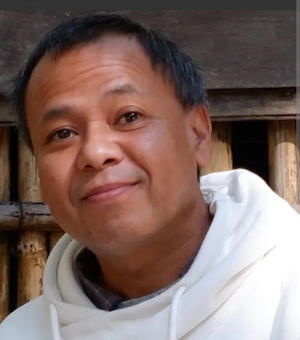
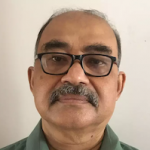
Soe Myint
Soe Myint

Haksar, a top-flight Indian lawyer and leading human rights activist, is “Aunty” to Soe Myint, having defended the one-time Burmese student activist for hijacking a Thai Airways passenger aircraft to Calcutta in 1990 to ‘draw global attention to the brutal military suppression in Myanmar.’  Haksar has a long record of fighting human rights abuses in India’s conflict zones like Kashmir and Northeast, but she has also defended many Burmese refugees in India. Her father, the late P N Haksar was principal secretary to late Prime Minister Indira Gandhi. 

Myint, aspiring for a career in diplomacy as a student of international relations in Rangoon (Yangon) university, before getting caught up in the momentous anti-military student uprising of August 1988, survived a thirteen-year legal battle in India. Haksar not only ensured his accquital from hijacking charges but connected him to many Indian influentials who strongly sympathised with Myanmar’s fight for democracy. Myint’s story is also one about India-Myanmar friendship, of solidarity between common people who wish well for their neighbours. From lawyers in Calcutta who garland Soe Myint on his accquital to journalists who cover his court battles to bureaucrats in Prasar Bharati who sign a content sharing deal with Mizzima after it relocates to Myanmar — Myint’s India connection is rooted both in history and the present.

Two chapters in this book specially makes for compulsive reading — the one about Soe Myint’s hijacking the Thai Airways passenger aircraft to Calcutta and the one at the end about his escape from Yangon with his television studio equipment to a border region in a bus, hoodwinking military checkpoints. 

This writer has known Soe Myint since his days in India and has been involved in training his Mizzima journalists both in India and after he returned to set up shop in Yangon. For a while, his Calcutta office operated out of an apartment owned by the writer. Soe has battled huge challenges braving serious illness, his family life has gone haywire, but he has never given up.

Soe is still fighting in the hope that his beloved Myanmar will one day return to federal democracy where all communities living in the country would be bound by a sense of shared destiny. 


Subir Bhaumik

Subir Bhaumik is a former BBC and Reuters correspondent and author of books on South Asian conflicts.


Global Drought Hotspots Report Catalogs Severe Suffering, Economic Damage In 2023-2025

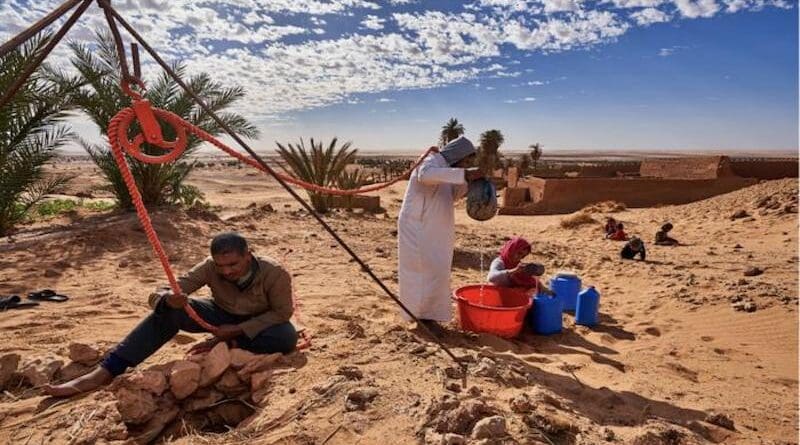
In the heart of the desert, a group of people work together to extract water from a traditional well using a manual pulley system. CREDIT: Abdallah Khalili / UNCCD

By 

Fuelled by climate change and relentless pressure on land and water resources, some of the most widespread and damaging drought events in recorded history have taken place since 2023, according to a UN-backed report launched today.


Prepared by the U.S. National Drought Mitigation Center (NDMC) and the UN Convention to Combat Desertification (UNCCD), with support from the International Drought Resilience Alliance (IDRA), the report, “Drought Hotspots Around the World 2023-2025,” available at https://bit.ly/4kkHApR, provides a comprehensive account of how droughts compound poverty, hunger, energy insecurity, and ecosystem collapse.

Says UNCCD Executive Secretary Ibrahim Thiaw: “Drought is a silent killer. It creeps in, drains resources, and devastates lives in slow motion. Its scars run deep.”

“Drought is no longer a distant threat,” he adds.

“It is here, escalating, and demands urgent global cooperation. When energy, food, and water all go at once, societies start to unravel. That’s the new normal we need to be ready for.”

“This is not a dry spell,” says Dr. Mark Svoboda, report co-author and NDMC Director. “This is a slow-moving global catastrophe, the worst I’ve ever seen. This report underscores the need for systematic monitoring of how drought affects lives, livelihoods, and the health of the ecosystems that we all depend on.”

“The Mediterranean countries represent canaries in the coal mine for all modern economies,” he adds. “The struggles experienced by Spain, Morocco and Türkiye to secure water, food, and energy under persistent drought offer a preview of water futures under unchecked global warming. No country, regardless of wealth or capacity, can afford to be complacent.”

A wide-ranging crisis

The new report synthesizes information from hundreds of government, scientific and media sources to highlight impacts within the most acute drought hotspots in Africa (Somalia, Ethiopia, Zimbabwe, Zambia, Malawi, Botswana, Namibia), the Mediterranean (Spain, Morocco, Türkiye), Latin America (Panama, Amazon Basin), Southeast Asia, and beyond.

Africa: 

  • Over 90 million people across Eastern and Southern Africa face acute hunger. Some areas have been enduring their worst ever recorded drought.
  • Southern Africa, already drought-prone, was devastated with roughly 1/6th of the population (68 million) needing food aid in August 2024. 
  • In Ethiopia, Zimbabwe, Zambia, and Malawi, maize and wheat crops have failed repeatedly.  In Zimbabwe alone, the 2024 corn crop was down 70% year on year, and maize prices doubled while 9,000 cattle died of thirst and starvation. 
  • In Somalia, the government estimated 43,000 people died in 2022 alone due to drought-linked hunger. As of early 2025, 4.4 million people – a quarter of the population – face crisis-level food insecurity, including 784,000 expected to reach emergency levels.
  • Zambia suffered one of the world’s worst energy crises as the Zambezi River in April 2024 plummeted to 20% of its long-term average. The country’s largest hydroelectric plant, the Kariba Dam, fell to 7% generation capacity, causing blackouts of up to 21 hours per day and shuttering hospitals, bakeries, and factories.

Mediterranean:

  • Spain: Water shortages hit agriculture, tourism, and domestic supply. By September 2023, two years of drought and record heat caused a 50% drop in Spain’s olive crop, causing its olive oil prices to double across the country. 
  • Morocco: The sheep population was 38% smaller in 2025 relative to 2016, prompting a royal plea to cancel traditional Eid sacrifices.
  • Türkiye: Drought accelerated groundwater depletion, triggering sinkholes that present hazards to communities and their infrastructure while permanently reducing aquifer storage capacity.

Latin America

  • Amazon Basin: Record-low river levels in 2023 and 2024 led to mass deaths of fish and endangered dolphins, and disrupted drinking water and transport for hundreds of thousands. As deforestation and fires intensify, the Amazon risks transitioning from a carbon sink to a carbon source.
  • Panama Canal: Water levels dropped so low that transits were slashed by over one-third (from 38 to 24 ships daily between October 2023 and January 2024), causing major global trade disruptions. Facing multi-week delays, many ships were rerouted to longer, costlier paths via the Suez Canal or South Africa’s infamous Cape of Good Hope. Among the knock-on effects, U.S. soybean exports slowed, and UK grocery stores reported shortages and rising prices of fruits and vegetables.

Southeast Asia

  • Drought disrupted production and supply chains of key crops such as rice, coffee, and sugar. In 2023-2024, dry conditions in Thailand and India, for example, triggered shortages leading to a 8.9% increase in the price of sugar and sweets in the US.

“A Perfect Storm” of El Niño and climate change

The 2023–2024 El Niño event amplified already harsh climate change impacts, triggering dry conditions across major agricultural and ecological zones. Drought’s impacts hit hardest in climate hotspots, regions already suffering from warming trends, population pressures, and fragile infrastructure.

“This was a perfect storm,” says report co-author Dr. Kelly Helm Smith, NDMC Assistant Director and drought impacts researcher. “El Niño added fuel to the fire of climate change, compounding the effects for many vulnerable societies and ecosystems past their limits.”

Co-author Dr. Cody Knutson, who oversees NDMC drought planning research, underlined a recent OECD estimate that a drought episode today carries an economic cost at least twice as high as in 2000, with a 35% to 110% increase projected by 2035.

“Ripple effects can turn regional droughts into global economic shocks,” she adds. “No country is immune when critical water-dependent systems start to collapse.”

Women, children among the most affected

Most vulnerable to the effects of drought: Women, children, the elderly, pastoralists, subsistence farmers, and people with chronic illness.  Health risks include cholera outbreaks, acute malnutrition, dehydration, and exposure to polluted water.

The report highlights in particular the disproportionate toll on women and children.

In Eastern Africa, forced child marriages more than doubled as families sought dowries to survive. Though outlawed in Ethiopia, child marriages more than doubled in frequency in the four regions hit hardest by the drought. Young girls who marry can bring their family income in the form of a dowry while lessening the financial burden of providing food and other necessities.

In Zimbabwe, entire school districts saw mass dropouts due to hunger, costs, and sanitation issues for girls.

In the Amazon, the drought upended life for remote Indigenous and rural communities. In some areas, the Amazon River fell to its lowest level ever recorded, leaving residents stranded – including women giving birth – and entire towns without potable water.

“The coping mechanisms we saw during this drought grew  increasingly desperate,” says lead author Paula Guastello, NDMC drought impacts researcher. “Girls pulled from school and forced into marriage, hospitals going dark, and families digging holes in dry riverbeds just to find contaminated water — these are signs of severe crisis.”

“As droughts intensify, it is critical that we work together on a global scale to protect the most vulnerable people and ecosystems and re-evaluate whether our current water use practices are sustainable in today’s changing world,” Guastello says.

Says Deputy Executive Secretary of UNCCD Andrea Meza: “The report shows the deep and widespread impacts of drought in an interconnected world: from its rippling effects on price of basic commodities like rice, sugar and oil from Southeast Asia and the Mediterranean; to disruptions in access to drinking water and food in the Amazon due to low river levels, to tens of millions affected by malnutrition and displacement across Africa.”

“The evidence is clear”, adds Meza. “We must urgently invest in sustainable land and water management, land-use planning and integrated public policies to build our  resilience to drought or face increasingly harsh consequences.”

Public policies and international cooperation frameworks must urgently prioritize drought resilience for the sake of societies and economies.”

Wildlife killed en masse

  • Beyond the 200 endangered river dolphins and thousands of fish lost to the Amazon drought, impacts on wildlife include:
  • 100 elephants died in Zimbabwe’s Hwange Park due to starvation and limited access to water between August and December 2023.
  • Hippos were stranded in dry riverbeds in Botswana in 2024.
  • Some countries last year culled wild animals (e.g., 200 elephants in Zimbabwe and Namibia) to feed rural communities and protect ecosystems from overgrazing.

Lessons and recommendations

The report calls for urgent investments in drought preparedness, including:

  • Stronger early warning systems and real-time drought and drought impact monitoring, including conditions contributing to food and water insecurity.
  • Nature-based solutions such as watershed restoration and indigenous crop use.
  • Resilient infrastructure, including off-grid energy and alternative water supply technologies.
  • Gender-responsive adaptation, ensuring that women and girls are not further marginalized.
  • Global cooperation, especially in protecting transboundary river basins and trade routes.

“Drought is not just a weather event – it can be a social, economic, and environmental emergency,” says Dr. Smith. “The question is not whether this will happen again, but whether we will be better prepared next time.”

“Drought has a disproportionate effect on those with fewest resources. We can act now to reduce the effects of future droughts by working to ensure that everyone has access to food, water, education, health care and economic opportunity.”

“The nations of the world have the resources and the knowledge to prevent a lot of suffering,” Dr. Smith adds. “The question is, do we have the will?”
 

Guatemala: Water Law Urgently Needed, HRW Reports

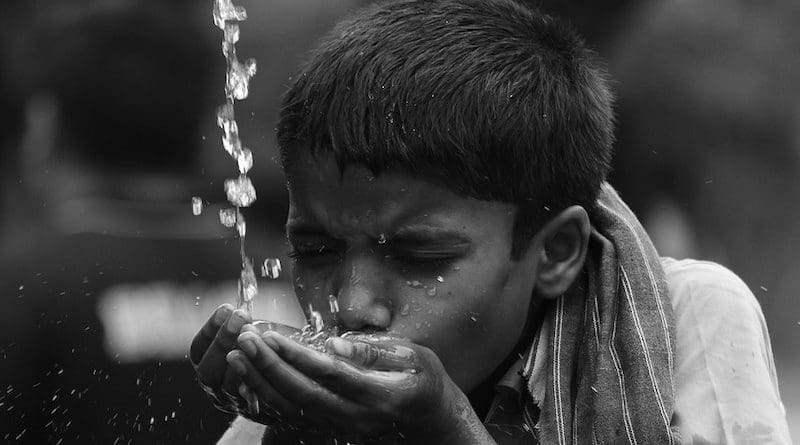
water tap faucet boy thirsty


By 

Widespread lack of access to safe drinking water and adequate sanitation services puts the health and other rights of millions of Guatemalans, especially Indigenous people and women, at risk, Human Rights Watch said in a report released today.


The 88-page report, “‘Without Water, We Are Nothing’: The Urgent Need for a Water Law in Guatemala,” documents the pervasive lack of access to safe and sufficient water and sanitation services in Guatemala, which disproportionately affects Indigenous people, particularly women and girls. It also details the impact of inadequate access to water and sanitation on the right to health, including for children, in a country where nearly one in two children under five suffers from chronic malnutrition.

“Guatemala is an upper-middle-income country, yet a significant portion of its population is forced to live without access to something as basic as clean water,” said Juanita Goebertus, Americas director at Human Rights Watch. “Guatemala’s authorities should urgently approve a national water law as a key step to guarantee safe, reliable, and universal access to water and sanitation services for all.”

Guatemala has more fresh water per capita than the global average but has for years failed to adequately protect and distribute these resources. Without legislation clearly establishing water rights and obligations, a clear regulatory and financing system to guarantee these rights, and accompanying enforcement mechanisms, water availability and quality around the country will continue to be compromised.

Human Rights Watch interviewed 108 people, mostly women, from predominately Indigenous communities in the departments of Jalapa, Santa Rosa, and Totonicapán. Researchers conducted follow-up interviews with experts, requested information from the government, and analyzed water, sanitation, and poverty data from the 2023 National Survey of Living Conditions by Guatemala’s National Institute of Statistics.

Data analyzed by Human Rights Watch reveals that Indigenous Guatemalans have less access to water and sanitation services than other Guatemalans, reflecting long-standing patterns of discrimination and unequal access to rights-essential public services. Based on official data, 40 percent of Guatemalans overall lack access to running water inside their homes. Fifty percent of Indigenous Guatemalans lack access to indoor running water, compared with 33 percent of non-Indigenous Guatemalans. Indigenous people are also nearly three times more likely to rely on latrines or blind pits, forms of sanitation that may be unsafe or unhealthy, while non-Indigenous people are twice as likely to have a toilet connected to a sewage system.


Without reliable access to running water, millions of Guatemalans are forced to rely on wells, rivers, lakes, springs, or rainwater as their primary water source. This poses serious health risks, as the government has estimated that over 90 percent of surface water in Guatemala is contaminated.

Women often bear the responsibility of collecting water for themselves and their families as well as the responsibility of childcare. Based on official survey data, two-thirds of adults who said they carried water the previous day were women.

Rosalía Maribel Osorio Chivalan, a 24-year-old woman in the municipality of Santa María Chiquimula, Totonicapán department, described her strenuous morning routine of waking up at 5 or 5:30 a.m. and making a two-hour round trip to collect water from a well, after which she sets out on another 40-minute round trip to drop her children off at school by 8 a.m.

Children often must also collect water. A 29-year-old woman and single mother of three in Santa María Chiquimula, said that her children accompany her on a two-hour round trip to get water every day, because she cannot do it alone. “Sometimes I despair to see them walking, carrying water,” she said.

Even families who have a connection to a water distribution network experience barriers to water access, including intermittent service. Human Rights Watch analysis of 2023 government data found that only 19 percent of households reported having uninterrupted 24-hour indoor water service every day in the month prior to being surveyed. 

As noted, water quality is also a major concern in Guatemala. Many women interviewed observed signs of pollution, including poor water clarity, bad odor, and contaminating debris, with limited access to treatment options. Many said that they and their children experience stomachaches, vomiting, and diarrhea after consuming this water, but that these contaminated sources were the only option available.

María Carolina Barrera Tzun, a 28-year-old woman and mother of three from Santa María Chiquimula, said that the well where she gets water for herself and her children is dirty and that her children sometimes ask her, “Why is the water so dirty? Why don’t we have water in the house?” But they have to drink it, she said, because they have no other option.

Inadequate sanitation infrastructure also compromises health and contributes to poor water quality. Only 42 percent of households in Guatemala report having a toilet connected to a drainage network. About a third of the population is forced to resort to latrines, blind pits, or open defecation. According to official information, in 2021, 97 of the 340 municipalities in Guatemala, or 29 percent, did not have a single operational wastewater treatment plant.

94eb3f08-fdde-4c5f-9455-6825aecd03f0
© 2025 Human Rights Watch

The health impacts of unsafe or insufficient water and inadequate sanitation are severe. According to the World Health Organization, Guatemala’s 2019 mortality rate from unsafe water and inadequate sanitation and hygiene services was 15.3 deaths per 100,000 people, more than double that of any neighboring country. Limited access to water and sanitation also contributes to chronic malnutrition. In Guatemala, nearly one in two children under age five are chronically malnourished, one of the highest rates in the world. 

To facilitate comprehensive water governance and effective investment in water and sanitation infrastructure, Guatemalan authorities should pass a well-designed water law that creates the institutional capacity to protect the availability of safe and clean water for all and imposes penalties for contaminating water bodies.

In designing the law, the government should ensure respect for Indigenous water-management practices and meaningful participation and consultation of Indigenous people, who are often at the forefront of resource conservation and preservation practices, and are the most affected by the current crisis.

The authorities should also establish a regulatory and financing system that aligns with Guatemala’s obligation to take steps to the maximum of its available resources to guarantee the availability, accessibility, and quality of water for personal and domestic use.

“The government of President Bernardo Arévalo has a historic opportunity to address a long-standing debt and to deliver lasting change for Guatemalans,” Goebertus said. “It should seize it.”


Eurasia Review

Eurasia Review is an independent Journal that provides a venue for analysts and experts to disseminate content on a wide-range of subjects that are often overlooked or under-represented by Western dominated media.