Friday, May 22, 2026

Australia’s Bulwark Against Populism Is Cracking – OpEd


May 21, 2026 

By Rebekah Barnett

The right-wing populist wave that broke over much of the democratic world with Brexit and the first Trump presidency in 2016 barely lapped at Australia’s shores. The island nation’s compulsory, preferential voting system and homogeneous, middle-management style politics formed a bulwark against the global tide. Now, that bulwark is starting to crack.

Over the weekend, the populist-right One Nation Party won its first seat in the federal House of Representatives in the Farrer by-election, ending nearly 80 years of unbroken Liberal–National rule in the southern New South Wales electorate.

One Nation’s David Farley took 39.45 percent of the primary vote, and 57.4 percent on a two-party preferred basis. Climate 200-backed independent Michelle Milthorpe took 28.4 percent, while the conservative Coalition parties, Liberals and Nationals, finished third and fourth with 12.4 percent and 9.7 percent, respectively. Labor did not contest the seat.

The federal win follows victory for One Nation in South Australia, with the minor party going from zero to seven seats; four in the lower house and three in the upper house.

It’s a stunning double act from a party that previously only held a small presence in the federal senate and a smattering of state seats, signalling that One Nation now poses a genuine electoral threat to the collapsing Coalition.


The Coalition has already taken notes from the Farrer beating, with shadow treasurer Tim Wilson talking tough on One Nation’s pet issue of immigration in the past few days.
One Nation’s Changing Fortunes

For nearly 30 years, One Nation has been a ‘cult of personality’ party, its wins and woes mostly driven by surges and dips in the fortunes of its abrasive but ‘fair dinkum’ founder and current leader Pauline Hanson, whose previous life as a fish and chip shop owner and tendency to stumble over her words provides salt-of-the-earth credentials.1

During the 2016 populist wave, the ‘common sense’ party secured four federal senate seats, its most impressive sweep to that point in time, but it was not able to break past that ceiling.

A few things changed that. After the Liberals suffered a humiliating election defeat in 2025, wealthy Australians started shifting their support from the Coalition to One Nation.


Supporters include Australia’s richest woman, billionaire mining magnate Gina Rinehart, and Sydney stockbroker Angus Aitken, who told Radio New Zealand last week,


“The biggest change I reckon you’ll see in the next 12 to 18 months is the groundswell of business and wealthy people supporting One Nation who have been frustrated with the Coalition.

“People are just sick of all the red tape and shit across their individual segments of business. They think this is the person and the party that’s going to cut through some of that.”

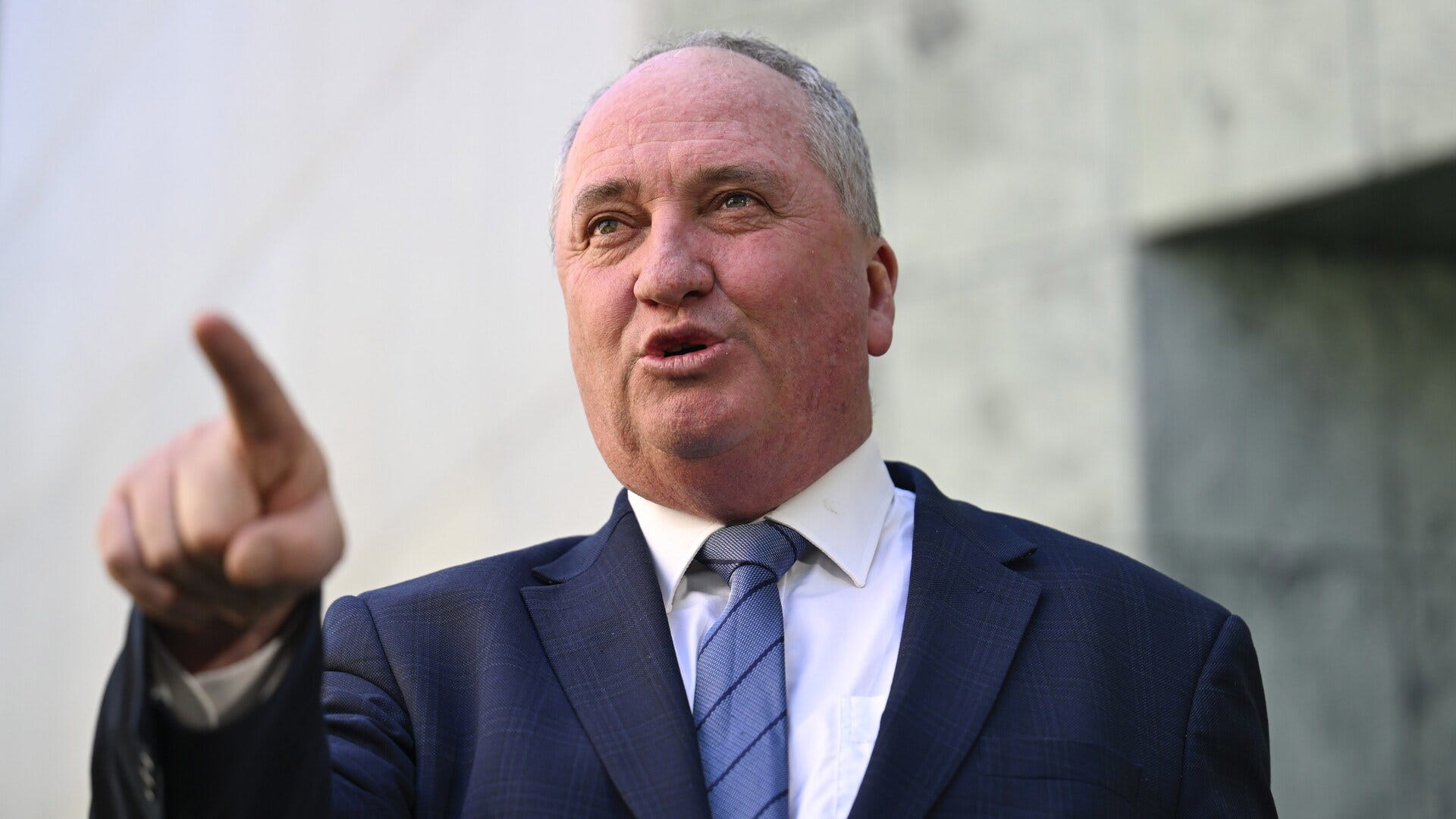
In December last year, former leader of the Nationals and deputy Prime Minister Barnaby Joyce defected to One Nation, gifting the party its first federal lower house seat and lending it the gravitas of a seasoned politician who has been in government.

Joyce cited concerns over the pursuit of renewable energy and Australia’s immigration policies as reasons for joining the party, giving voice to conservative voters who were no longer seeing their politics represented by the ‘Labor-lite’ Coalition.

One Nation wants to significantly reduce immigration and scrap net zero, which the party says is “destroying Australia” and is “pseudo-speak for global wealth transfer.”2Comparatively, the Coalition proposes moderate immigration reform and only formally abandoned net zero late last year, too little too late for many conservative voters.

Critics have also derided the Coalition for partnering with Labor in enacting some of the most draconian pandemic measures in the Western world, and for supporting rushed hate speech legislation in the wake of the Bondi massacre of 15 people at a Jewish holiday celebration in December.


Then in January of this year, polling revealed that One Nation had pulled ahead of the collapsing Coalition in the primary vote for the first time ever, at 22 percent compared to the Liberals’ 21 percent. Liberal leader Sussan Ley resigned, triggering the Farrer by-election and leading to One Nation’s first lower house win.
Anti-majors sentiment has bubbled for several election cycles now, but had failed to convert at the ballot box for three main reasons.

The first is Australia’s two-party preferred system. An alternative party has to consolidate a fair whack of the primary vote to benefit from preferences waterfalling to them. Otherwise, preferences go to the majors.

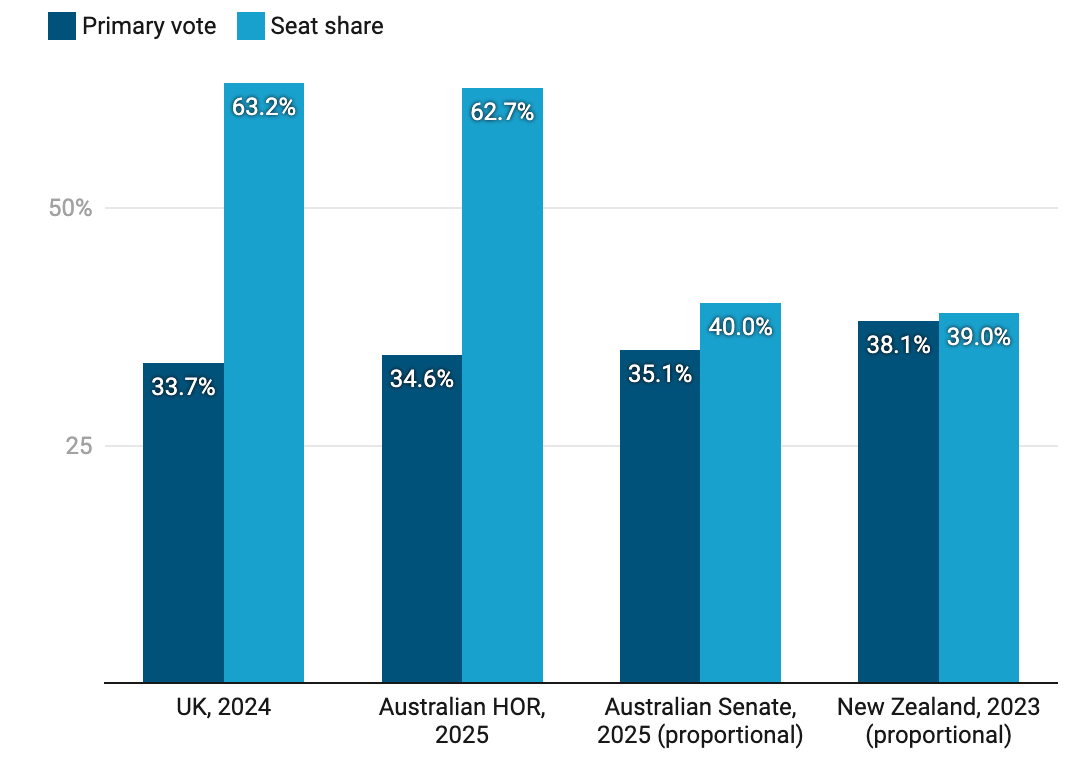
That’s why Labor was able to win a ‘landslide’ election victory in 2025 despite being led by a weak tea bag, taking two-thirds of lower house seats with only a third (34.5 percent) of the primary vote. The election before that, in 2022, Labor won with the lowest primary in almost a century, at 32.6 percent.

Labor election results in the UK, Australia and New Zealand show that in a two-party preferred or first-past-the-post system, the winning party can take far more seats than is representative of its popularity. Source: The Australia Institute.

Campaigns like ‘Put the Majors Last,’ hoping to alchemise Covid-era discontent into political change, achieved very little when it came to ballots cast, despite idealistic content telling voters they could eject majors by preference-funnelling alone.

Outside of the Greens (Labor’s most reliable voting partner) and the Teal independents, in recent history small alternative parties have only managed to capture a few percent of the vote, with One Nation pulling five percent in 2022 and 6.4 percent in 2022.

It was astonishing, then, when One Nation garnered 22.9 percent of the primary vote in the recent South Australian election, and 39.45 percent in Farrer. If One Nation continues to pull a quarter of the primary vote or more, it will become a real threat to the majors, especially the Coalition.


The second reason is the lack of a viable, stable alternative. On the left, the Greens typically secure around 12 percent of the vote and have enough representation in both houses to make a reliable bargaining partner for Labor.

In the centre, the Climate 200-backed Teals upset the applecart in the past two federal elections, gutting the Coalition’s urban, affluent base with approximately 10 seats held, mostly in the lower house. But as the socially liberal and fiscally conservative Teals are nominally independents and not a formal party, their collective impact is to undermine the Coalition.

On the right, the alternative political scene is reactionary, fragmented, and underfunded. Serious alternatives, like the Libertarians or Gerard Rennick’s People First Party, get almost no cut-through in the media and have no track record in government.

One Nation typically attracts more votes than the other small right-wing parties, but as mentioned above, with only five to seven percent of the vote, it has been unable to break through.

The landslide Farrer victory consolidating high-profile donor support and the Joyce defection is being taken by some commentators to signal that One Nation is emerging as a viable right-wing option for co-governance in a conservative government.

Third, dirty tricks. The majors and their mates use all manner of tactics to suffocate the smaller parties, sometimes resorting to underhanded measures.

Former Liberal Prime Minister Tony Abbott played a key role in the legal pursuit of Hanson for electoral fraud, establishing the Australians for Honest Politics Trust to help bankroll civil court cases against the One Nation Party and Hanson herself. Hanson was convicted of electoral fraud, spending eleven weeks in prison before the conviction was overturned.

In another high-profile case, ‘preference whisperer’ Glenn Druery was secretly filmed admitting to setting up a fake Sack Dan Andrews party to split the alternative party vote and bolster the incumbent Dan Andrews Labor Government.

And in a move that appeared to be a bad-faith effort to strike out competition from small parties, Labor and the Coalition passed laws in August 2021 that tripled the membership requirement for federal party registration from 500 to 1,500 members and made changes to party name rules. This came into effect just months before the May 2022 federal election, meaning small parties had to quickly triple their registrations and some had to change their names, causing confusion.

That One Nation have been hit with dirty tricks yet remain standing and surging in the polls speaks to their resilience, and Hanson’s in particular.
Despite the obstacles, the timing and conditions for One Nation’s rise are just right.


For the past 40 or so years, Australians have been drifting away from the major parties in their allegiances, and they have become increasingly likely to switch teams if they feel another party has something better on offer.

In the 1950s through to the late eighties, the major parties typically attracted over 90 percent of the primary vote. By the 2025 federal election, just 66 percent of voters gave their first preference to Labor or the Coalition. Meanwhile, the share of Australians reporting no alignment with any political party has increased from 14 percent in 2010 to 25 percent in 2025.

This partisan dealignment has slowly eroded the majors’ primary votes, and the centre-right Coalition has been the first to crater. One Nation fills this vacuum, for now.

Institutional trust is also in decline. According to the TrustWatch report from April 2026, only 48 percent of Australians say they trust our national institutions, down from 55 percent last year. In such times, authenticity has caché, and for all its foibles, One Nation has plenty of authenticity. Notably, only 28 percent of One Nation supporters said they had institutional confidence.

Immigration is a pain point in Australia as it is in most Western democracies. The recent Islamic terror attack at Bondi has fuelled anti-Islam sentiment and renewed focus on immigration screening. One Nation has always had a strong position on immigration and keeping Islamic extremists out of the country, and they’re not afraid to say it.

During a cost of living crisis and housing shortage, the fact that One Nation eschews luxury belief politics for straight talk about the issues that economically vulnerable Australians care the most about is appealing.

One Nation has also proved adept at crafting campaigns for the social media era. Through a humorous South Park-style ‘Please Explain’ series — the title is borrowed from a 90s radio hit lampooning Hanson — an anti-woke film, and a pop song topping the Australian iTunes chart, the party has cultivated both viral momentum and a countercultural edge that is only amplified when opponents attempt to suppress it.
Looking Ahead

Latest national polling has One Nation coming in with 24 percent of the primary vote, second only to Labor (30 percent), and ahead of the Coalition (21 percent).

Polls are one thing: the ballot box is another. The South Australian election in March and now the federal by-election over the weekend mark an upheaval in Australian politics as One Nation’s popularity in the polls translates to actual votes.

If this trend continues, pollsters predict that One Nation could win 12 seats at the next election, enough to become a genuine force in parliament.

On Monday, One Nation MP Barnaby Joyce said that’s exactly what the party intends. On his press rounds after the historic Farrer win, Joyce said the party will target the traditional Labor stronghold of western Sydney next and rejected the idea of a coalition with the Nationals and Liberals, stating that One Nation wants to “go for government.”

ReferencesHanson was expelled from the party in 2002 due to internal divisions and in 2003 spent 11 weeks in jail after being found guilty of election fraud. The judgement was overturned, and Hanson then ran in several state and federal elections as leader of the United Australia Party and as an independent. She rejoined One Nation in 2013, becoming leader again the following year. After winning four seats in the 2016 federal election, Hanson secured an amendment in the party’s constitution to secure her spot as leader until she chooses to leave, and allowing her to choose her own successor.

Ironically, One Nation, which believes that net zero is a scam, now holds both lower house seats in prime wind and solar regions, called Renewable Energy Zones.

This article appeared at Brownstone Institute and is republished from the author’s Substack

‘Seismic Shift’ Toward Australia Orbit Likely Under Solomon Islands’ New Prime Minister – Analysis

Newly elected Solomon Islands Prime Minister Matthew Wale during his inaugural speech, Honiara, Solomon Islands, May 15, 2026. (Charley Piringi/RFA)


By

By Charley Piringi and Eugene Whong 

(RFA) — The Solomon Islands’ choice of longtime opposition leader Matthew Wale as its new prime minister could be a sign that a diplomatic shift toward Canberra is likely, while the Pacific island nation still engages moderately with Beijing, experts told Radio Free Asia.

Wale was sworn in on Friday after winning 26 out of 50 votes in parliament, edging out the 22 votes for Foreign Minister Peter Shanel Agovaka, and drawing to a conclusion months of political chaossurrounding Wale’s predecessor Jeremiah Manele, who last week was ousted in a no-confidence vote.

“Fellow Solomon Islanders, change is coming,” Wale said during his inaugural address.

The new prime minister takes office amid mounting geopolitical tension across the Indo-Pacific, and he will likely exercise more diplomatic caution with China, unlike the two prime ministers before him, Graeme Smith, associate professor at the Department of Pacific Affairs at The Australian National University, told RFA.

“I think it’s a pretty seismic shift in the diplomatic sense. It does bring the Solomons more back into kind of an Australian, and to a lesser extent U.S. orbit,” he said. “It’s certainly a development that will have, I think, pleased people in Canberra.”

Wale has been opposition leader for roughly seven years, dating back to the beginning of the fourth term of Manasseh Sogavare, during which it could be said that Honiara decisively entered into Beijing’s sphere of influence – in 2019 the Solomon Islands stopped recognizing Taiwan in favor of China, and in 2022 entered into a secretive controversial security pact with Beijing, which, at the time, Wale criticized as undermining the security of the country. 

When Sogavare’s term was up in 2024, parliament chose his foreign minister Manele to succeed him, in what was largely seen as an extension of Sogavare’s pro-China stances.

Smith said that the switch to Wale likely would not vastly change relations with China, but “he certainly will be much more moderate in his language around Beijing and certainly far less enthusiastic than his two predecessors in both Manele and Sogavare.”

Wale during his speech described the current global climate as a difficult period shaped by geopolitical rivalry and economic uncertainty, pressures he said the Solomon Islands cannot escape.

“We take government at a difficult time given what is happening throughout the world,” Wale said. “We are not immune from the impacts of these geopolitical events.”

He pledged that his government would pursue disciplined and prudent management to guide the country through the challenges ahead.

Wale’s election reflects a broader struggle over the future foreign policy direction of the Solomon Islands, international relations scholar Alexander L. Vuving of the Hawaii-based Daniel K. Inouye Asia-Pacific Center for Security Studies, told RFA.

“For the people of Solomon Islands, the key concerns are economic and political issues within the country,” Vuving said. “But for the wider Indo-Pacific, the most important question is how the next government positions itself among the major powers.”

Wale vs. Agovaka

The political contest was widely interpreted as a choice between maintaining close ties with Beijing or recalibrating relations toward Australia and Western allies.

Agovaka, who had served as foreign minister under Manele but then led an exodus of lawmakers from the ruling coalition in defecting to the opposition in March, was widely estimated to have been the favorite to succeed him, especially after Manele endorsed him after his ouster

A vote for Agovaka therefore would have been seen as a vote to stay the course in maintaining close China ties, whereas a vote for Wale would favor a more cautious approach to China’s expanding security footprint while favoring stronger engagement with Australia and the United States, Vuving said.

“The election can turn Solomon Islands in a very different direction about how it positions itself among the major powers,” he said, adding that Wale’s victory was likely to be welcomed in Western capitals as evidence that China’s growing influence in the Pacific can still be challenged.

Smith acknowledged that Wale’s victory came as a surprise.

“He’s been opposition leader for seven years now, and I think a lot of people assumed that he’d missed his chance and this day would never come,” he said. “I think a lot of people I assumed it would be Agovaka that would get the job given that he was sort of the lead critic of Manele, and in many ways sort of was the main person pushing the no confidence motion.”

Smith said that Agovaka’s world view was much more pro-China, and that among parliament there is more support for China over Taiwan, pointing out that Wale’s coalition might not be very stable, as he won the “bare minimum” of 26 votes in a 50 seat parliament.

“Wale will be looking to get a few more numbers across and that may mean that he has to give a signal that he’s a bit more pro-China,” he said. “So he will not be stridently anti-China but he’ll certainly be less pro than Agovaka would have been.

Challenges ahead

Holding on to power could be difficult with such a slim majority, Joseph Foukona, a history professor at the University of Hawaii at Manoa, who hails from the Solomon Islands, told RFA.

“It’s going to be a challenge for him in terms of trying to continue to maintain the numbers on his side,”Foukona said. “If there’s any political disagreement or tensions within his group, we might see people moving or changing sides again.”

Smith said Wale will be under pressure to publicly release the details of the 2022 security agreement with Beijing, which he had been a huge critic of and which until now has been confidential, save for a leaked draft of the deal prior to its finalization. Wale might then push to revise parts of it, he said.

Foukona said that Wale would likely be more transparent than his predecessors, not just about the 2022 security pact, but also in other arenas.

“Often when he speaks he sort of emphasizes transparency and accountability and this is one area that we must see some changes in terms of going forward,” Foukona said of Wale. He said Wale’s government might put more resources into the country’s anti-corruption commission, and disclose details about international agreements signed by the previous government.

Strategic importance

Located in the South Pacific and relatively close to Australia, the Solomon Islands occupies maritime space considered important for regional security and trade routes. During World War II, the islands were a major battleground. Today, competition has shifted toward infrastructure, technology, and access to resources.

One major area of rivalry involves undersea telecommunications cables, which carry nearly all global internet traffic.

“The undersea cables have become critical infrastructure,” Vuving said. “China is trying to gain influence in that business, and that has triggered pushback from the United States and particularly Australia.”

The cables are part of a larger telecommunications infrastructure competition in the islands. Chinese technology giant Huawei recently completed the installation of more than 160 telecommunications towers across the country under a Chinese-funded project.

Vuving also said that the Solomons controls a vast Exclusive Economic Zone rich in fisheries and seabed minerals, including resources increasingly important for renewable energy technologies and artificial intelligence industries, but which the country lacks to capacity to exploit.

“Countries like the Solomon Islands need major powers with the capability to mine those minerals, and China is looking for that,” said Vuving, who said that China’s expansion in the Pacific has been gradual. He described China’s approach as “salami slicing.”

“You don’t see a big shift overnight,” Vuving explained. “Every day, they expand a little bit. After years, they gain huge influence and can lock people into those relationships.”

He said that regardless of who is in charge of the Solomons, the country would still have to balance influence by foreign powers.

“You’re small, and you’re playing the game with giants,” he said.“In that way, you’re very vulnerable.”

Vuving argued that the Solomon Islands must diversify its international partnerships to avoid overdependence on any single country, strengthening ties not only with China, Australia, and the United States, but also with partners such as Japan, India, France, the United Kingdom, New Zealand, and the Association of Southeast Asian Nations.

He said the long-term challenge for the Solomon Islands will be maintaining political independence while navigating relationships with competing global powers.

“The fate of great power competition may not be decided entirely in Solomon Islands,” Vuving said. “But for a small Pacific nation, it is extraordinary to find itself at the centre of such an important geopolitical contest.”

Responding To The Energy And Food Price Shock: Getting The Policy Details Right – Analysis


May 21, 2026 
IMF BLOG
By Pierre-Olivier Bussières, Borja Gracia, Delphine Prady and Rodrigo Valdés


When global energy prices spike, governments face an unenviable dilemma: shield people and businesses while straining already reduced room in public budgets—or let prices rise for everyone and risk social and political backlash. So, how can policymakers do the best of both?

To be sure, there is no one-size-fits-all response because the impact of the war in the Middle East differs widely across countries, reflecting varied energy dependence, market structures, social protection policies, and fiscal space. Likewise, some countries are more affected than others by the high uncertainty about how long the shock will last and how much it will fuel inflation.

Sustained energy price surges can sharply reduce household purchasing power, which hurts poorer families most and strains businesses. If unaddressed, this can cause lasting damage by pushing more people into poverty and forcing businesses to shut down.

Many countries are already responding, but the challenge is doing so efficiently and without further hurting economies. Measures not designed thoughtfully can be fiscally costly and difficult to unwind. They can also fuel additional inflation, worsen fiscal fragilities, or increase further global energy prices.

To do so, it is important to keep in mind a common set of principles. The energy crisis is a standard negative supply shock—pushing prices up, weighing on activity and putting central banks in a tough spot. Fiscal measures have a role to play, but they need to be temporary, targeted, timely, and tailored. Specifically, they should:
Let domestic energy prices reflect international costs.
Shield vulnerable households with targeted, temporary support.
Support viable small businesses with liquidity, not price controls.
Reserve generalized subsidies and price caps for truly exceptional shocks.

These priorities were outlined in our April 2026 World Economic Outlook and Fiscal Monitor reports, in which we also emphasized the uneven impact within countries.


Persistence and prices

One of the most important questions is how long the shock lasts. If it’s within historical ranges, even if large, governments should let domestic prices adjust to international market conditions. Fiscal policy should rely mainly on automatic stabilizers, with revenue taking a hit as activity declines, while expenditures meet increased need for existing social assistance. For economies that rely on imported energy, higher import prices imply a drop in real income (by as much as 2 to 3 percent of gross domestic product over a short period under the current shock). This must be absorbed through lower domestic demand.

When price shocks are unusually large or disruptive, but likely to be temporary, governments may have a case for more active fiscal policy—only if they can afford it. Even then, most of the price increases should be passed through upfront, with any intervention aimed at smoothing the adjustment rather than preventing it.

Price signals play a major role in allocating scarce resources, encouraging efficient use, and preventing shortages. At the same time, higher energy prices can immediately have severe effects, and these are felt differently by individuals and businesses. That means the goals of fiscal support, and the tools to deliver it, should reflect this distinction.


Poorer families typically spend two or three times as much of their income on energy and food compared with wealthier households, while they don’t have as much in savings. Protecting them is important to preserving social cohesion and avoiding a surge in poverty.

Targeted cash transfers, ideally delivered through existing social assistance systems, are generally the best way to do so because they preserve price signals and limit fiscal costs. If coverage is insufficient, governments can temporarily top up payments or widen eligibility, including to lower‑ and middle‑income households that are at risk of falling into poverty.

For very large but temporary shocks, additional measures may include one‑time rebates or spreading price increases over time, helping households cope without freezing prices outright. As a last resort, if food security is at risk and safety nets aren’t sufficient, temporary reductions in taxes or subsidies for staple foods may be appropriate if accompanied by a clear and credible timeline for ending them.


Supporting businesses


For firms, support serves a different aim: keeping viable enterprises operating and avoiding unnecessary bankruptcies. It should address short‑term cash‑flow problems, not deeper viability issues, and be focused on otherwise sound or strategically important businesses, especially in industries where higher costs quickly raise consumer prices.

Temporary liquidity support—such as government‑guaranteed loans, credit lines, or short‑term tax and social security deferrals—should be the first line of response. That’s because these tools are fiscally less costly and easier to undo. Direct grants or equity injections are best avoided, given their high fiscal cost and political difficulty to reverse.
Exceptional use

Some policy tools are broader and more distortionary. Energy-tax cuts, price caps, or general subsidies mute the important signals from prices, usually benefit higher‑income households more, and are hard to phase out. They can also quickly escalate government budget costs and raise the risk of shortages, especially if suppliers are not adequately compensated.

Broad measures to address rising prices may be justified if a group of specific conditions hold simultaneously:The price shock is clearly temporary.
Higher energy prices are quickly feeding into broader inflation.
Inflation expectations are at risk of becomin
g uncontrolled.
Economic overheating is limited.

Public finances have room to absorb the cost.

These conditions are hard to gauge in real time and, in any case, broad price controls have major spillovers. That’s why use of broad price tools should ideally be avoided, and if used, should be exceptional, temporary, transparent, and tightly circumscribed. Governments must weigh trade‑offs carefully. For example, price caps are easier to phase out but can drive shortages. Tax cuts pose fewer supply risks but are harder to stop and may cause persistent revenue losses. As a rule, full price freezes should be avoided.

Fiscal constraints

Fiscal space varies widely across countries and is now generally tighter than in past crises because of higher debt and borrowing costs. This strengthens the case for incremental and carefully calibrated responses. In countries where fiscal space is available, governments may have some scope to smooth severe but temporary price increases with targeted, transparent, and temporary measures.

Countries with limited fiscal space and weak social safety nets are more constrained. Extreme situations in which price increases threaten food or energy access may warrant rationing to manage demand, but this has very high economic costs. This underscores why it’s important to avoid generalized subsidies that quickly exhaust scarce fiscal resources.
Sharper tradeoffs

Even with improved policy frameworks, policy trade‑offs are often sharper in emerging market and developing economies. Compared with advanced economies, they typically have weaker social safety nets, larger shares of consumer spending on food and energy, tighter liquidity constraints, more fragile inflation expectations, and narrower fiscal space amid higher borrowing costs. Political pressure can also spur governments to act quickly when facing extraordinary shocks.

By contrast, advanced economies are less constrained. As a result, they should mainly use existing targeted transfers and automatic stabilizers, resorting to discretionary and price‑based measures only in exceptional cases.

This asymmetry matters globally. When larger or richer countries suppress domestic price signals, global demand rises, international prices increase, and shortages worsen—hurting poorer importing countries the most.

Policy sequence


The key question is not whether to act, but how to act effectively: assessing shock persistence, matching tools and objectives, distinguishing household and firm support, and tailoring responses to circumstances.

A disciplined, well‑sequenced approach—starting with targeted, temporary measures and escalating if needed—can help economies adjust to energy and food price shocks without costly policy mistakes, domestically and globally.

—For more details on the policy toolkit, see the expanded annex: Mitigating the Impact of High Energy and Food Prices.


About the authors:


Pierre-Olivier Gourinchas is the Economic Counsellor and the Director of Research of the IMF. He is on leave from the University of California at Berkeley where he is the S.K. and Angela Chan Professor of Global Management in the Department of Economics and at the Haas School of Business.

Borja Gracia is Deputy Division Chief in the Expenditure Policy Division of the Fiscal Affairs Department at the International Monetary Fund. Prior to this role, he worked in the European Department, where he served as Special Assistant to the Director and mission chief for Lithuania and San Marino.

Delphine Prady joined the International Monetary Fund (IMF) in 2016. She is currently a Senior Economist in the Fiscal Affairs Department, where she covers a broad range of fiscal issues and provides support to governments on the prioritization of expenditure under tight fiscal constraints.

Rodrigo Valdés, a national of Chile, assumed the role of Director of the Fiscal Affairs Department (FAD) at the end of October 2025. Prior to this, he was a Director of Western Hemisphere Department. Earlier in his career, he was a professor of economics in the School of Government at the Catholic University of Chile and held the position of Chile’s Minister of Finance from 2015 to 2017.


Source: This article was published at IMF Blog

The Pentagon’s Gallium Problem Runs Through Jamaica – Analysis

By

The United States has no domestic gallium production. It has one remaining alumina refinery. That refinery runs entirely on bauxite from a single Caribbean island. This concentration of strategic dependency in a supply chain classified as critical to national defense is the product of three decades of industrial offshoring, and the $450 million strategic partnership that the Department of Defense announced on January 11, 2026 with Atlantic Alumina Company (ATALCO) represents the government’s attempt to reverse it. 

The deal is structured as $150 million in preferred equity from the Pentagon paired with over $300 million from Pinnacle Asset Management’s subsidiary Concord Resources. Its objectives are to sustain the Gramercy refinery in the American state of Louisiana and to construct America’s first large-scale gallium production circuit. Jamaica provides the feedstock. 

The analytical question is whether a supply chain this narrow can carry the weight of a national security strategy.

How the Supply Chain Collapsed

Gallium does not occur as a standalone mineral. It is a byproduct of the Bayer process used to refine alumina from bauxite. When a country shuts down its alumina refineries, it simultaneously eliminates its gallium production capacity. The United States operated multiple alumina refineries through the 1990s, with associated gallium recovery. 

As Chinese aluminum smelting capacity expanded (China now produces approximately 60 percent of global primary aluminum, at 42 million tonnes per year), American refineries became uncompetitive on cost. Energy prices in Jamaica and the U.S. Gulf ($0.25 to $0.36 per kilowatt-hour) could not match Chinese rates. 

Refineries closed sequentially as a result, leaving the Gramercy facility, a 3,300-acre site commissioned in 1957, as the last one standing. It produces approximately 40 percent of remaining U.S. alumina consumption.

The gallium dimension compounds this vulnerability. China produces 98 to 99 percent of the world’s primary low-purity gallium. Beijing imposed export controls effective August 1, 2023, and on December 3, 2024, formally banned all gallium exports to the United States. Prices reached $1,572 per kilogram by January 2026, a 300 percent increase from pre-restriction levels. 

Over 11,000 U.S. defense components depend on gallium arsenide and gallium nitride compounds, for which no effective substitutes currently exist. The ATALCO gallium circuit targets 50 metric tonnes per year, which the company states would satisfy the entire U.S. demand signal. That target depends entirely on the continued operation of a single refinery fed by a single bauxite source.

Jamaica’s Position in the Supply Architecture

Discovery Bauxite Partners, the joint venture that mines bauxite at Discovery Bay in St. Ann parish, is structured with Jamaica holding 51 percent through the government-owned Jamaica Bauxite Mining Limited and Concord Resources holding the remainder. The operation can export up to 5.2 million metric tonnes annually. 

Jamaica’s bauxite is prized for low silica content and alumina availability above 46 percent, qualities that reduce processing costs at Gramercy. This geological advantage is what keeps the supply chain economically viable despite the energy cost disadvantage.

The Gramercy site also holds an asset that extends its strategic relevance beyond alumina and gallium. Approximately 30 million metric tonnes of accumulated bauxite residue contain at least 15 of the Defense Logistics Agency’s 46 designated strategic materials, including 10 of 17 rare earth elements at concentrations roughly 25 times upper continental crust averages. 

A separate $850 million investment by ElementUSA, supported by a $29.9 million Department of Defense grant, will build a rare earth processing facility adjacent to the ATALCO refinery to extract these materials from the tailings. 

The convergence of gallium production and rare earth recovery at a single site, both fed by Jamaican bauxite, concentrates multiple critical mineral dependencies into one supply chain node.

The Equity Model as Industrial Policy

The ATALCO deal belongs to a broader pattern. The Trump administration has taken direct equity positions in multiple critical mineral firms since January 2025, with cumulative investments reaching $2.3 billion. The legal authority derives from the Defense Production Act Title III. 

The model departs from traditional grant-based or loan-based industrial policy by generating potential financial returns for the government alongside supply chain objectives. It also creates a different relationship between the state and the firm: equity ownership implies ongoing interest in the company’s commercial viability, which in turn shapes procurement incentives. 

Outlook

The value capture question remains the most analytically significant dimension of the Jamaica-Gramercy relationship. Jamaica provides the raw material. The high-value gallium extraction, rare earth recovery, and defense supply chain integration occur entirely in Louisiana. 

Jamaica’s 51 percent ownership of the bauxite joint venture provides equity participation in the mining phase, but none of the downstream processing revenue. 

This structure recapitulates a pattern familiar across extractive commodity relationships globally. Competing gallium projects are under development at Rio Tinto’s Quebec operations and Metlen Group’s facility in Greece (targeting 50 tonnes per year by 2027), which could eventually reduce Gramercy’s monopoly position. 

For the near term, the entire U.S. gallium independence strategy and a significant share of its rare earth recovery ambitions rest on a supply chain that begins in a single Jamaican parish and ends at a single Louisiana refinery. That level of concentration is itself a strategic vulnerability, even as it resolves the immediate gallium supply crisis.


Turkey suffers severe stock market sell-off as Ankara court ousts opposition leader

Turkey suffers severe stock market sell-off as Ankara court ousts opposition leader
Now 77-years-old, Kilicdaroglu is back for more. / Kemal Kilicdaroglu, Facebook pageFacebook
By Akin Nazli in Belgrade May 21, 2026

Borsa Istanbul suffered a severe sell-off on May 21 after an Ankara appeals court removed main opposition Republican People’s Party (CHP) leader Ozgur Ozel from his post and ordered the immediate reinstatement of his predecessor, Kemal Kilicdaroglu.

The move throws Turkey’s political landscape into another period of deep instability.

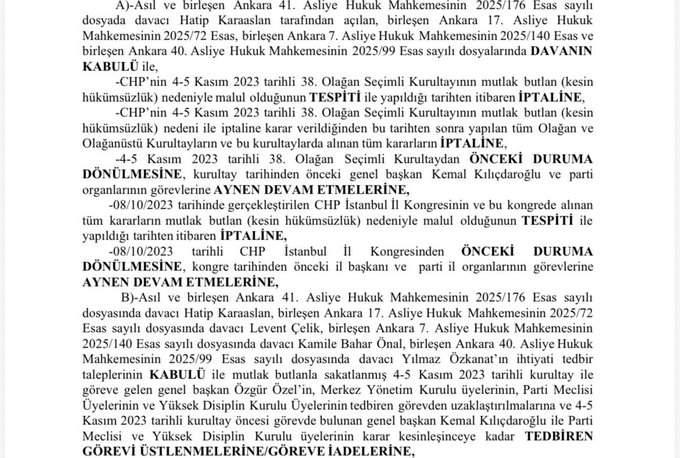
The 36th civil chamber at the Ankara regional (istinaf) court issued a rare ruling of “absolute nullity” (“mutlak butlan” in Turkish), legally erasing the CHP’s 38th ordinary congress held in November 2023.

Screenshot: The 36th civil chamber’s ruling (Credit: @CanBursali).

At the congress, Ozel, 51, unseated Kilicdaroglu, 77, following the defeat of the latter by President Recep Tayyip Erdogan in the 2023 presidential elections.

By declaring the leadership election legally void from its inception, the court ruled that Ozel’s current executive administration has been stripped of authority. The court also officially ordered that the CHP’s former management temporarily return to power to steer the party ahead of the next elections.

Borsa Istanbul down, lira remains in headlock

The decision ignited panic at Borsa Istanbul, disrupting a period of relative market stability. The benchmark BIST-100 index plunged more than 6% within minutes while the banking index tumbled by over 8%.

The rapid sell-off triggered automatic market-wide circuit breakers, halting all stock, options and futures trading. Since the ruling was announced just an hour before the market close, the spot transactions were not re-started. The fall in the derivatives market, which moves into an evening session that lasts until 23:00 Istanbul time, hit the daily limit of 10%.

The initial reaction seen in Turkey’s 5-year credit default swaps (CDS) was more limited. The headline figure moved by about 10 bp to break through the 250-level. Similar moves were observed in Turkey’s eurobonds.

The USD/Turkish lira (TRY) pair, which is subject to the strict control of the government, remained unchanged in the 45s. In the coming days, the Turkish central bank’s FX reserves will be under close scrutiny.

Battering the CHP

Since October 2024, the CHP has been battered by countless operations launched by prosecutors. Its presidential candidate, Istanbul mayor Ekrem Imamoglu, has been in jail since March 2025.

Some 23 CHP mayors were in jail as of May 21 in addition to many other party officials, municipality personnel and family members of the personnel.

The lawsuit that has resulted in the reinstatement of Kilicdaroglu was initially filed by CHP delegates loyal to the ex-leader, who argued that the 2023 congress as well as two subsequent extraordinary congresses were influenced by bribes paid to purchase votes of delegates that went against Kilicdaroglu.

In October, the Ankara 42nd (Asliye Hukuk) civil court of first instance dropped the case. The plaintiffs, who are also CHP members close to Kilicdaroglu, filed an objection against this ruling at the Ankara (istinaf) regional court.

Turkey plunged into fog again

According to the relevant legal procedure, the 42nd court will launch a re-trial process. The Ozel management has the right to appeal against the regional court’s Kilicdaroglu decision at the supreme court (yargitay).

Ahead of the ruling, pro-government media this week carried messaging signalling that an “absolute nullity” ruling was on the way. They pointed to Friday (May 22) as the day to expect the announcement.

As a result, Ozel and his central executive board were on May 21 already holding an extraordinary meeting. At the time this story was compiled, they were yet to announce their plans.

On May 20, 77-year-old Kilicdaroglu, who chaired the CHP between 2010 and November 2023, released a highly critical video aimed at the current party leadership, asserting that the CHP would never become a sanctuary for illegality or corruption.

Once again, national politics have become the main concern in Turkey. All eyes will now be on how the dust will settle as this new clash unfolds in the coming days.

Istanbul trustee knocked out too

The 36th chamber also ruled the CHP’s Istanbul congress held in preparation for the November 2023 party congress null and void. Consequently, it moved to reinstate the previous management. Since the previous Istanbul chair Canan Kaftancioglu has been banned from politics by a local court, the 36th chamber re-instated one of Kaftancioglu’s deputies.

The board of trustees appointed at CHP Istanbul will be replaced.

Trump suddenly says US will send 5,000 more troops to Poland

Trump suddenly says US will send 5,000 more troops to PolandFacebook
By bne IntelliNews May 22, 2026

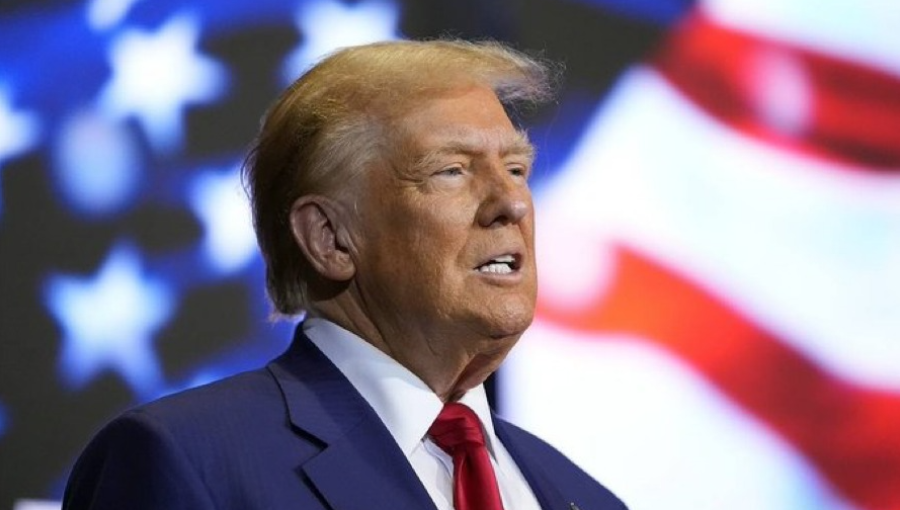
US President Donald Trump said on May 21 that the United States would send an additional 5,000 troops to Poland, in an apparent reversal of earlier moves to reduce the American military presence in Europe.

Trump linked the move, whose details remain unclear, to his apparently good rapport with Polish President Karol Nawrocki.

“Based on the successful election of the now President of Poland, who I was proud to endorse, and our relationship with him, I am pleased to announce that the United States will be sending an additional 5,000 troops to Poland,” Trump said in a statement issued late in the evening Polish time.

The announcement came several days after US media reported that the Pentagon had cancelled a planned rotational deployment of about 4,000 troops to Poland, a decision that sent shockwaves through Poland, which regards itself as the United States’ most loyal ally in Europe.

The cancelled deployment was to involve the 2nd Armoured Brigade Combat Team of the 1st Cavalry Division from Fort Hood, Texas.

According to the Trump administration, the move did not mean an immediate withdrawal of US troops already stationed in Poland, but rather the suspension of the next rotation.

Polish government officials said the decision was temporary and logistical, and posed no threat to Poland’s security.

Polish officials discussed the US troop presence with Trump administration officials in Washington this week. Deputy Minister of National Defence Cezary Tomczyk said after the talks that the United States would maintain a “high military presence” in Poland and that details of the US military presence in Europe would be consulted with Warsaw.

Nawrocki, who was elected in June 2025 with the support of the nationalist Law and Justice (PiS) party, is seen as close to the Trump administration, unlike the more pro-EU Prime Minister Donald Tusk, who has been critical of Trump.

The issue emerged after the announcement that several thousand US troops would be withdrawn from Germany.

Nawrocki said earlier this month that he would ask Trump to send the troops to Poland, while Estonia, Lithuania, Latvia and Romania also sought an increased US military presence after the Germany withdrawal announcement.

Tusk also said Poland would take “any opportunity” to increase the US military presence in the country, but warned against “poaching” troops from other allies in Europe.

The Pentagon has not said whether Trump’s decision concerns troops that had previously been due to come to Poland under the rotation, or units withdrawn from Germany. It is also unclear whether the move represents a permanent increase in allied forces or part of a troop rotation.


The geopolitical chokehold on Taiwan's polymer lifeline

The geopolitical chokehold on Taiwan's polymer lifeline
/ Ryo Harianto - UnsplashFacebook
By IntelliNews May 22, 2026

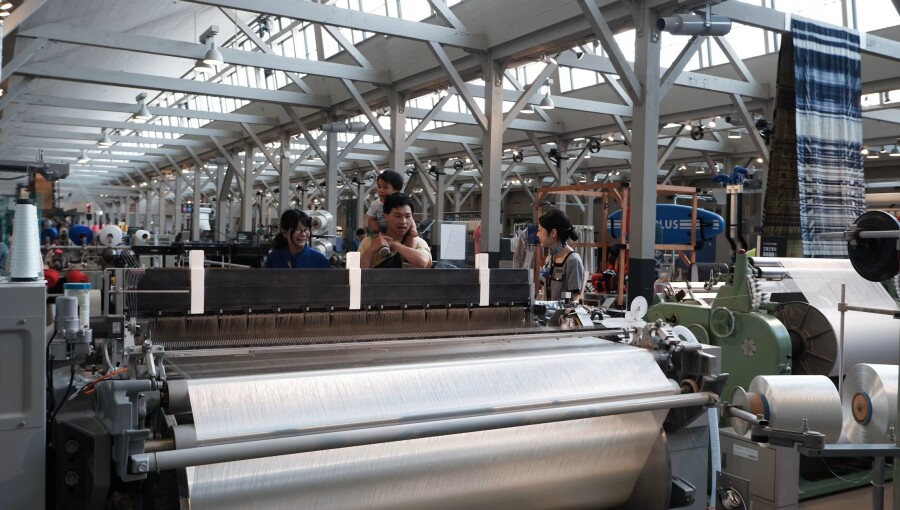
The conflict in the Persian Gulf has severed one of Taiwan's main industrial lifelines, forcing major plastic producers to slash output as raw material shipments from the Middle East cease. Maritime routes through the Strait of Hormuz are effectively blocked by hostilities between the US and Iran, leaving Taiwan's petrochemical sector, which relies on imports for 98% of its total energy and raw material requirements,scrambling for survival, Streamlinefeed.co reports.

For Taiwan, the sudden evaporation of naphtha and crude oil is not just a market fluctuation but a national security threat that will force an involuntary and painful "detoxification" from its plastic addiction. The "just-in-time" production model, which prioritises low reserves and high efficiency, has proven incapable of absorbing such a massive geopolitical shock.

Formosa production collapses  

The disruption in the Strait of Hormuz has impacted roughly 20% of global petroleum shipments. As a result, commercial freight carriers are abandoning the route en masse to avoid catastrophic insurance premiums and physical destruction. The US military has executed strikes against Iranian vessels and launched "Project Freedom" to escort neutral ships, but shipping remains paralysed, Streamlinefeed.co reports. But as Asia depends on the Middle East for 60% of its light crude oil, and the current blockade has stifled the flow of naphtha across the entire region, times are hard. Within a single month, Taiwan faced a plastic bag shortage, South Korea saw panic over garbage supplies, and Japan struggled to source sanitary equipment, Taipei Times reports.

Meanwhile, Formosa Petrochemical, one of Asia's largest oil refiners, saw its tankers from the Persian Gulf stop arriving in early March. The company imports two-thirds of its naphtha from the region. The shortage forced the firm to shut one of its two production lines, decreasing capacity by 42%, The New York Times reports. While the producer filled orders with stockpiled inventory in March, there was less to go around by April. Company spokesperson Lin Keh-yen said the disruption is more severe than the shocks caused by the COVID-19 pandemic or the invasion of Ukraine. Even if tankers resumed normal passage tomorrow, it would take at least a month for Taiwan's plastic supplies to return to normal.

The petrochemical industry is currently burning through emergency strategic stockpiles while frantically attempting to source alternative raw materials from the US and Northern Europe. However, the logistical reality of rerouting global shipping networks requires months of planning. Financial analysts have characterised the downstream impact as a "recession-level industry decline." Taiwan's highly lucrative export sector, which provides high-grade plastics for medical devices, automotive components, and consumer electronics globally,is now facing severe contract defaults. Production lines are slowing, forcing manufacturers to implement emergency rationing of specific polymer grades to their most critical clients.

Market chaos  

At the Xizhou public market in Taipei, the price of plastic bags and restaurant supplies doubled between March and April. Some retailers are now charging three times what they did before the war. Wholesalers like Yu Chih-ta, who has run a container shop for decades, have stopped receiving new shipments entirely. To stretch remaining supplies, they have raised prices and rationed how many bags customers can buy, according to The New York Times.

Pharmacies have run out of custom plastic prescription bags, switching to paper alternatives that contain plastic sleeves. These paper supplies are also now at risk of disappearing. For food vendors already operating on razor-thin margins, the price hikes are devastating. Some shop managers have started charging customers TWD1 ($0.03) for every plastic bag required. Taiwan’s plastic habit remains among the highest in the world; last year, government data cited by The New York Times showed the island used 229,008 metric tons of plastic bags, which works out to about 50bn bags.

In turn, the Taipei Times argues that the government must now elevate plastic reduction to a key element of national economic and security strategy. In the past, cutting back on plastic was primarily an environmental concern, but supply chain security is now the driving factor. Diversifying raw material sourcing to mitigate reliance on the Middle East is now an undeniable  necessity. This includes international cooperation to develop alternative petrochemical feedstocks and the establishment of strategic reserves to provide a buffer against future shocks.

The Taiwanese government is working to subsidise energy costs for the hardest-hit sectors, but the treasury cannot indefinitely absorb a global commodity shortage. The crisis has injected massive capital incentives into the Taiwanese recycling sector. Companies are racing to innovate chemical recycling technologies to harvest usable polymers from existing waste streams, Streamlinefeed.co reports. What was previously viewed as an expensive ecological novelty is now recognised as a critical matter of national industrial security. Shifting consumer behaviour is also vital. When supply is limited, the public is more amenable to alternatives. Encouraging the use of reusable containers and eco-friendly products could turn a transitory crisis into permanent structural change.

The paralysis of Taiwanese petrochemical output also creates a global ripple effect. In East Africa, economies like Kenya rely heavily on imported Asian polymers for construction and food packaging. A $100 per tonne increase in resin prices translates directly to higher costs for PVC pipes in Nairobi and basic food packaging in Mombasa, Streamlinefeed.co reports. This situation illustrates the perilous nature of hyper-globalisation; a geopolitical dispute in the Middle East directly determines the operational viability of a tech factory in Taipei and a plastic manufacturer in Nairobi.