It’s possible that I shall make an ass of myself. But in that case one can always get out of it with a little dialectic. I have, of course, so worded my proposition as to be right either way (K.Marx, Letter to F.Engels on the Indian Mutiny)
Saturday, May 23, 2026
AI will not take your job, it will transform it – but only if you trust it
The rise of generative AI has sparked widespread concern about job security and the future of human work. In his doctoral dissertation at the University of Vaasa, Finland, Zhe Zhu reveals that when employees trust the system and see it as a helpful partner rather than a threat, AI can actually increase work engagement and help build more sustainable careers.
As generative AI (GenAI) tools such as ChatGPT and Gemini become increasingly embedded in working life, organisations are under pressure to adopt them quickly. Zhe Zhu’s doctoral dissertation in information systems science examines how these technologies reshape both organisational decision-making and employees’ experiences of work.
While many employees worry about losing control, this very insecurity can act as a catalyst that drives workers to embrace technology more eagerly to ensure their own relevance.
– As NVIDIA CEO Jensen Huang has pointed out, workers are not simply being replaced by AI, but by those who have learned to use GenAI to work more effectively. The workers that perceive GenAI more positively are also more engaged and adaptable in their careers, notes Zhu.
Trust plays a central role in determining whether AI collaboration benefits employees and organisations. Employees who trust AI too much may accept incorrect outputs without critical evaluation, while those who distrust it may fail to recognise its potential benefits altogether.
Navigating the transition towards responsible AI integration
According to Zhu, the success of GenAI adoption depends less on the technology itself and more on the organisation’s ability to integrate it. Organisations must address ethical concerns, data privacy, and responsible governance as AI becomes embedded in everyday work.
– Organisations should follow a strategic roadmap to align the technology with their goals and build ecosystems with industry and academic partners. My research proposes an eight-step framework that guides organisations in moving from experimentation toward a more integrated and purposeful use of GenAI, states Zhu.
Inevitably, workplaces are moving towards an AI-native future, where AI no longer functions as a separate tool but as an integrated part of workflows and processes.
– We are in a new industrial revolution. Some jobs will disappear, but new forms of work and entirely new industries will also emerge around AI infrastructure, data centres, and digital services. Instead of fearing the technology, employees should learn how to use it critically and develop their skills alongside it, says Zhu.
Dissertation
Zhu, Zhe (2026) Generative Artificial Intelligence in Organizations: Strategic Decisions and Human Adaptations. Acta Wasaensia 586. Doctoral dissertation. University of Vaasa.
The public examination of M.Sc. Zhe Zhu’s doctoral dissertation”Generative Artificial Intelligence in Organizations: Strategic Decisions and Human Adaptations” will be held on Wednesday 27 May 2026 at 12 at the University of Vaasa, auditorium Kurtén.
Professor Najmul Islam (LUT University) will act as opponent and Professor Tero Vartiainen as custos.
Further information
Zhe Zhu was born in 1982 in China. He completed a Master’s degree in Industrial Systems Analytics from the University of Vaasa in 2021. He currently works as a Grant-Funded Researcher at the University of Vaasa in the field of Information Systems Science.
AI not yet good enough to grade university essays, rewarding ‘style over substance’
Researchers have used top Generative AI models to grade hundreds of undergraduate essays and found that AI only matched human-awarded degree classification around half the time, with AI often failing to accurately assess the best and worst submissions.
A University of Cambridge-led team of psychologists and AI experts tested three “frontier” systems including the latest versions (as of April 2026) of Claude and ChatGPT on over 750 student essays from three UK universities submitted as part of a psychology degree.
While accuracy of AI in grading the essays, from coursework to exam answers, was “not uniformly high”, say researchers, it did manage to match the broad grading bands – a first, 2:1, 2:2 and so on – given out by human examiners between 35-65% of the time.
However, major stumbling blocks for AI include routinely undervaluing work awarded top marks by humans, or overvaluing essays ranked among the lowest.
Unlike human examiners, all the AI systems were “oversensitive to linguistic features”: giving out higher marks based on essay length, vocabulary range, and sentence complexity, regardless of the academic quality of the essay.
In the latest report, researchers suggest that AI could be valuable for aspects of student assessment such as error detection and consistency checks – a “second pair of eyes” – as well as triaging feedback for students.
For example, large discrepancies between AI and human marks could help flag assignments requiring further review by a human assessor.
However, the team cautions that AI alone is far too shallow and inconsistent to grade undergraduate work, and a human should always determine the final mark.
“Universities are under huge pressure to reduce staff workload and improve efficiency, all while meeting rising student expectations, and some may start to lean on AI for assessment,” said Dr Deborah Talmi, the Cambridge psychologist who leads the OpRaise project behind the new report.
“AI could perhaps automate some of the labour-intensive aspects of marking, freeing academics up for direct student engagement.”
“We find that leaning heavily on the best current AI models would see student grading that is homogenised, underestimates brilliance, and favours linguistic style over the substance of sound academic judgement,” said Talmi.
“Assessment is not just a system for distributing marks. It is part of how educational meaning is made, so students feel seen, standards are upheld, and trust is maintained. Use of AI in assessment poses a risk to these values.”
For the study, AI was also asked to provide student feedback, and it churned out reflections between 3-8 times longer than those provided by the original assessors.
However, when AI responses were kept to a word count comparable to those from humans, focus groups of staff and students found it difficult to distinguish between human and AI feedback. Once the identity of the writer was revealed, not everyone appreciated AI-generated insights.
University staff and students who took part in the study told researchers that, while current assessment practices are not perfect, being graded and receiving feedback from humans is fundamental to the “social contract” between academics and students.
“Many students said they would feel cheated if AI marked their work, and staff warned that relying on AI risks weakening trust, motivation, professional judgement, and the human engagement at the heart of higher education,” said Dr Yael Benn, a collaborator on the project from Manchester Metropolitan University.
The study used 761 undergraduate essays in psychology submitted and marked between 2022 and 2025 from a total of 125 students from the universities of Cambridge, Manchester Metropolitan and Nottingham.
The researchers chose to focus on psychology as essays are central to degree results in the subject. “Academic psychology is an ideal testing ground for AI assessment as it values evidence synthesis and critical judgement over single correct answers,” said Talmi.
Researchers tested AI systems with the same essays at different times, and found AI gave the same or similar marks each time. The different AI models were much closer to each other than to humans in their marking.
The AI managed to match the right UK degree classification band of the five available (First, 2:1, 2:2, Third, Fail) some 63% of the time for Cambridge essays, while for Nottingham it was 53% and for Manchester Metropolitan it was 35%.
Researchers suspect that the difference in AI accuracy across institutions is due to the range of grades, which was narrowest among Cambridge students, whose essays were all written in invigilated exam halls, and widest at Manchester Metropolitan, where all analysed essays were coursework. Nottingham essays were a mixture of both.
This illustrates the heart of the problem when relying on AI to assess students: inconsistent performances across institutions, types of prompting, and work that sits near grading boundaries, say the report’s authors, who describe AI as having a “central tendency bias”.
All papers are scored out of 100, standard practice in higher education. An essay marked 75 – a solid first – by a human is, on average, scored several points lower by every AI system. While an essay marked 50 – a low 2:2 – is scored several points higher.
The range on the marking scale where AI and humans most frequently align across institutions lies in the upper-50s to low-60s, so around a low 2:1, near the centre of the grade distribution.
The researchers point out in the report that academic judgement is based on reasoning, while AI marks are based on statistical predictions.
“Across models, the same pattern emerges,” said co-author Dr Alexandru Marcoci, from Cambridge’s Institute for Technology and Humanity. “The AI assigns middling marks to all submissions, resulting in particularly inaccurate marking of the best and worst essays.”
“The practical consequence of this bias is that the AI is least accurate precisely where assessment decisions matter most, at the boundaries that distinguish Firsts from Upper Seconds, or passes from fails,” he added.
Notes:
Researchers tested the performance of three frontier LLMs: Claude Opus 4.6 (Anthropic), GPT-5.4 (OpenAI), and Gemini 3 Flash (Google).
The dataset: 125 students in 3 UK universities volunteered 761 authentic long-form undergraduate psychology essays (University of Cambridge: 133, University of Nottingham: 172, Manchester Metropolitan University: 456). All essays were submissions to formal assessments between 2022-2025.
They spanned 50 modules and 87 distinct assignments across all years of study. Assessments spanned coursework, open book at-home examinations and invigilated examinations. Essay marks, on a 0-100 scale, were moderated formal marks provided by expert human assessors who followed routine institutional processes.
Prompt design: Rather than committing to a single prompt, the team systematically varied the prompt under three dimensions - criteria specificity, calibration intervention, and scoring strategy - to isolate each component's influence on scoring accuracy and identify the best prompt for each model.
At the most basic level, models were prompted by the following statement: “You are an experienced <University name> examiner marking <degree name> undergraduate assignment.”
At the other end, models were given the full marking rubric, information about the expected mark distribution, and asked to justify aspects of the evaluation prior to providing a mark.
Best-performing prompts per model were selected on a 20 % calibration subset (n = 153); the same prompt configurations were then applied to the full corpus for the analyses reported here.
Article Title
AI in University Assessment: Evaluating the Opportunities and Risks of Automated Marking
Article Publication Date
22-May-2026
Widespread AI misuse by college students signals need to rethink assessment
ITHACA, N.Y. – Large numbers of college students are now using artificial intelligence to complete – and cheat on – their assignments, suggesting that colleges and universities need to change how they are evaluating students, new Cornell University research finds.
An analysis of survey responses from more than 95,000 students at 20 public research universities in the U.S. finds about one-third regularly used generative AI (GenAI), such as ChatGPT or other models to produce text, video or code, when completing assignments, and 9% had used it to cheat.
“Assessment reform is necessary and urgent,” said study co-author Rene Kizilcec, associate professor of information science and director of the Future of Learning Lab. “The fact that students are misusing GenAI is a problem for assessment validity, and that’s a problem for the credibility of university credentials.”
Kizilcec partnered with Igor Chirikov, director of the Student Experience in the Research University (SERU) Consortium at the University of California, Berkeley, to investigate AI use and misuse among university students. Each year, SERU sends out surveys to undergraduates, asking students’ opinions on engagement, belonging, affordability and other topics.
The questions regarding GenAI usage, collected during the 2023-24 academic year, was the largest survey of its kind at the time, which enabled researchers to break down responses by discipline.
Overall, 37% of students reported using AI at least monthly, with disciplines requiring large amounts of data analysis showing higher rates of adoption. Rates varied, with 62% of computer science students reporting regular usage, compared to 24% of students in the arts.
The survey also showed demographic differences in GenAI use. Researchers found that 33% of female students reported using GenAI regularly, compared to 45% of male students. People belonging to underrepresented racial minorities also had lower rates of regular use at 29%, compared to 39% of white and Asian students.
These demographic differences may reflect equity gaps in the use of AI tools, researchers said. Additionally, they warn these gaps may widen as GenAI tools become more specialized and costly.
To accurately estimate rates of cheating – something students may hesitate to admit – the researchers used a technique called a list randomization experiment. They provided a short list of statements and asked students how many statements – but not which ones – applied to them. By including an additional statement about cheating on some surveys but not others, they could estimate rates of AI misuse.
Overall, the number of students who had used AI to cheat was lower than anecdotal reports had suggested, researchers said. Daily GenAI users had the highest rate of cheating, at 26%, compared to 7% for those who used it monthly.
“As we expect GenAI use among students to only grow, for better and worse, we also expect that GenAI misuse will grow, which is concerning,” Kizilcec said.
The study’s authors call for changes in how universities are assessing students, to promote academic integrity. They suggest three strategies: professors could go back to highly controlled testing environments – just pen, paper and proctors; they can set clearer guidelines for acceptable AI use; or they can adapt assessments to include AI in ways that show off professional skills.
Generative AI calls for assessment reform in higher education
Article Publication Date
21-May-2026
When AI imagines cities, smaller communities can disappear
A Virginia Tech study found that AI image generators produce more realistic and recognizable images of large cities than smaller communities, raising questions about geographic bias in artificial intelligence systems
“The image looked generic,” Kim said. “It didn’t capture what makes Blacksburg unique.”
But when he asked the same system to create images of larger cities such as Richmond, Virginia Beach, and Washington, D.C., the results looked much more recognizable.
The images included familiar landmarks, waterfronts, and city features that reflected the character of those places.
That observation sparked a research question: Does AI do a better job representing large cities than smaller communities?
A new study from researchers at Virginia Tech, Hong Kong University of Science and Technology (Guangzhou), and the University of Alabama found the answer is yes.
The team discovered that AI-generated images were consistently better at representing larger metropolitan areas than smaller towns such as Blacksburg. The findings raise questions about how generative artificial intelligence tools portray places and whose communities are most visible online.
The study, published in Technology in Society, examined how OpenAI’s DALL·E 2 image generator created images of three Virginia localities — Blacksburg, Richmond, and Virginia Beach — and Washington, D.C.
Researchers then asked residents to evaluate how realistic and recognizable the images are.
As generative AI tools become more common in travel planning, urban design, marketing, and public communication, Kim said these gaps in representation matter.
“People are increasingly relying on AI-generated content to learn about places,” said Kim, assistant professor in the Department of Geography in the College of Natural Resources and Environment and the director of the Smart Cities for Good research group. “If smaller cities are not well represented in the data used to train these systems, then the images people see may not reflect the real identity of those communities.”
The research team surveyed 129 participants, asking them to evaluate AI-generated images based on how realistic they appeared and how well they captured each city’s identity. The images focused on elements such as landmarks, districts, paths, and waterfronts using urban design principles developed by planner Kevin Lynch.
The study found that AI struggled most with landmarks and culturally significant features. In Blacksburg, for example, there was no Hokie Stone featured on any of the university buildings.
Researchers also found that long-term residents were more critical of the AI-generated images than newer residents. Kim said that suggests people with stronger local knowledge are more likely to notice inaccuracies or missing details.
The findings point to a broader issue in artificial intelligence systems: communities with less online representation may also receive less accurate AI-generated content.
“AI systems learn from enormous amounts of online data,” Kim said. “Larger cities tend to have far more images, media coverage, and digital documentation available online. Smaller towns often do not have the same level of representation.”
Kim said the research highlights the importance of building more geographically comprehensive datasets and incorporating local perspectives into AI development. Without those efforts, AI-generated imagery could reinforce uneven representation between large urban centers and smaller communities.
The work also contributes to a growing conversation about the ethical use of artificial intelligence in planning and design. While AI tools can help generate ideas quickly and expand access to design technologies, researchers said the systems still have important limitations.
“Generative AI can be a powerful tool,” Kim said. “But we also need to understand where it falls short and who may be left out.”
Credit: Christian Bongiorno, Efstratios Manolakis and Rosario N. Mantegna.
Building an efficient portfolio starts with a deceptively simple question: how do assets move together? In large markets, the answer is never observed cleanly. The data mix genuine collective movements with sampling noise, and small errors in this risk map can lead to unstable allocations.
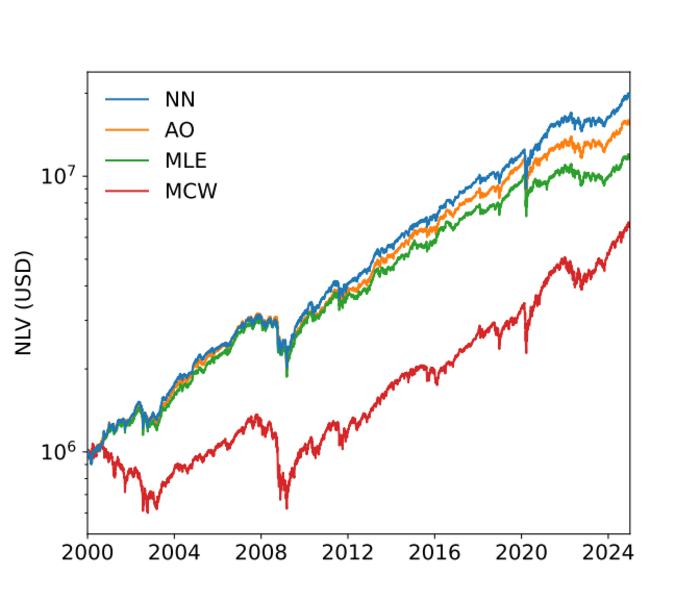
In a study published in The Journal of Finance and Data Science, researchers from CentraleSupélec, the University of Catania and the University of Palermo, present a neural-network approach that learns how to clean these co-movement patterns before the portfolio is built. The goal is not to let AI replace portfolio theory, but to make AI work inside a transparent allocation framework.
The method focuses on global minimum-variance portfolios designed to control risk. The neural network is trained on the risk realized after allocation, so covariance cleaning is optimized for the portfolio it produces while the main steps of the process remain explicit.
A central idea of the study is that a covariance matrix is more than a table of pairwise correlations. It also contains collective market patterns. Some reflect broad market movements, some capture more specific structures, while others are mostly noise. Cleaning the matrix means deciding how much trust each collective pattern should receive before it affects the allocation.
This view makes the problem broader than portfolio construction. Whenever a noisy covariance matrix is transformed before being used in a decision, the transformation can be understood as a correction of these collective patterns. The study shows how a neural network can learn such corrections while remaining tied to the mathematical structure of the problem.
The main design choice is to build in the symmetries of covariance matrices. The result should not depend on the order in which stocks are listed, or on an arbitrary representation of the same risk structure. By respecting these invariances, the network learns a general cleaning rule rather than memorizing a fixed universe of assets.
In out-of-sample tests on U.S. equities from 2000 to 2024, a model calibrated on a few hundred stocks was applied, without retraining, to about one thousand stocks. The resulting portfolios achieved lower realized volatility, smaller drawdowns and higher Sharpe ratios than competing covariance estimators, including state-of-the-art nonlinear shrinkage methods. These gains persisted in a realistic trading simulation that included transaction costs, slippage, exchange fees and financing costs.
The study suggests that neural networks can become more useful in finance when they are not treated as black boxes, but designed around the symmetries and constraints of the system they are meant to learn.
The publisher KeAiwas established by Elsevier and China Science Publishing & Media Ltd to unfold quality research globally. In 2013, our focus shifted to open access publishing. We now proudly publish more than 200 world-class, open access, English language journals, spanning all scientific disciplines. Many of these are titles we publish in partnership with prestigious societies and academic institutions, such as the National Natural Science Foundation of China (NSFC).
End-to-end large portfolio optimization for variance minimization with neural networks through covariance cleaning
COI Statement
The authors declare that they have no known competing financial interests or personal relationships that could have appeared to influence the work reported in this paper.
How AI can help soil scientists secure a vital global resource
Soils store carbon, sustain ecosystems and underpin global food and water systems
New research led by Professor Budiman Minasny and Professor Alex McBratney details how AI tools can help us adapt soils – and the systems they nurture – to a changing climate.
The paper, published by Frontiers in Science, outlines how AI tools can accelerate soil science by speeding up early-stage work, improving predictions to support decisions on land-use, carbon, and climate adaptation, handling complex data, and freeing scientists to focus on questions that require expert judgment.
Senior author Professor Alex McBratney from the University of Sydney Institute of Agriculture said: “In partnership with experts, AI could help us better match the complexity and ever-changing nature of soil ecosystems.
“Unlike current machine learning tools that focus on isolated tasks, these systems can mimic scientific collaboration to a highly sophisticated degree – combining reasoning, planning and interdisciplinary insight to support researchers and drive significant progress.
“Perception of the vital importance of soil in planetary functioning is increasing, and soil science will continue to grow and flourish under scientist-led AI.”
Soil science affects how we respond to the world’s most urgent challenges, from food security to climate change. Yet soil systems, affected by climate, weather patterns, and agricultural practices, are highly complex and difficult to predict, especially as climate pressures and land use intensify. The authors say the field needs tools that can help researchers make sense of that complexity.
Soil science currently uses machine learning approaches such as digital soil mapping and spectroscopy. AI systems could enhance this by creating digital soil twins with data from sensors, enhancing soil microbiome monitoring and trialing climate adaptation strategies in computer models before testing them in the field for faster results.
The earth that sustains us
To illustrate such a tool, the research team tasked a multi-agent artificial intelligence system with reviewing relevant scientific literature and generating ideas about how soils store carbon and what controls their storage limits.
The AI agents successfully generated five hypotheses, including climate influence, saturation thresholds, biological and chemical controls, interdisciplinary feedback and management strategies.
Each hypothesis was then evaluated through expert opinion and simulated peer review. The system successfully mimicked key parts of the scientific process, with outputs beyond what’s currently being used that strongly align with expert research.
“Improving our understanding of soils could support more sustainable agriculture, better soil management, and stronger climate adaptation by helping land managers detect nutrient loss, water stress, compaction and erosion earlier.
“We assessed the system’s ability to perform perceptual processing, strategic planning, and scientific reasoning. Our findings highlight the promise that multi-agent AI systems hold, with important global implications for soil – a precious but perhaps undervalued resource.”
Artificial intelligence, human expertise
Despite AI’s potential, challenges remain, particularly around data quality, model transparency, trust and maintaining foundational scientific knowledge. The paper also points to further considerations around computational cost and the ethical dimensions of such tools.
Co-author Dr Mercedes Román Dobarco from the Basque Institute for Agricultural Research and Development (NEIKER), Spain said: “While the use cases are clearly persuasive, and though AI can emulate some aspects of expert reasoning, it cannot replace the contextual judgement, creativity and critical interpretation scientists bring to research. AI agents also pose challenges around data quality, interpretability, creativity and dataset bias, particularly without human oversight and domain expertise.
“Given these limitations, we should treat AI as an augmentative tool that enhances, not replaces, human scientific work.”
The paper also underscores AI’s ability to accelerate both ‘fast’ and ‘slow’ science. For example, by automating time-intensive preparatory tasks such as literature review and scenario development, AI could free soil researchers’ time to focus on deeper foundational understanding and field work while maintaining scientific rigor and accountability.
Professor McBratney said: “Soils are among our planet’s most vital and existential resources. To fully benefit from AI-enhanced soil science, we must embrace interdisciplinary collaboration, ensure equitable access to AI tools, and thoughtfully address the ethical challenges we have outlined.
“By bridging digital innovation with real-world application, as well as non-negotiable human oversight, AI can supercharge soil science—but only if human knowledge keeps pace. Striking that balance can help us unlock new levels of stewardship and security for soil.”
Note to editors:
Please link to the original Frontiers in Science article in your reporting: ‘Enhancing soil science research with multi-agent artificial intelligence systems’ by Minasny et al, published 21 May 2026 in Frontiers in Science: https://www.frontiersin.org/journals/science/articles/10.3389/fsci.2026.1721295 [The link will go live with the full paper once the embargo lifts.]
RESEARCH
Minasny, B. et al ‘Enhancing soil science research with multi-agent artificial intelligence systems’ (Frontiers in Science 2026). DOI: 10.3389/fsci.2026.1721295
DECLARATION
The authors declare no competing interests. Funding was received from the Australia-India Scientific Research Fund; Australian Research Council; and Horizon Europe.
In a step toward developing next-generation, AI-enabled 6G wireless networks, scientists have demonstrated a laser-driven engine made from an easy-to-manufacture ceramic material that uses white light to move information over large distances. While conventional LED‑based visible light communication (VLC) systems typically operate over only a few meters, the novel photonic engine—described in a study publishing May 22 in the Cell Press journal Matter—can move data over 1.2 kilometers.
“This is really a record with attractive performance beyond the traditional technology,” says Zhiguo Xia of South China University of Technology in Guangzhou, China.
Current 5G wireless networks work like highways through which information moves at high speeds, allowing for fast communication. 6G networks built into future smartphones and other objects such as streetlamps would not only allow information to move through networks an order of magnitude faster–they would be able to “see,” “hear,” and “think,” detecting people and objects and their subtle movements. Since 6G networks would incorporate data from satellites fixed low in Earth’s orbit, they could even provide high-speed coverage in tough-to-reach regions such as deserts, oceans, and mountains.
However, scientists have faced barriers to developing 6G technology, including the need for ultra-dense base stations with high energy and infrastructure costs, as well as challenges in combining high-performance lighting materials and high-speed photodetectors into compact devices that can be mass-produced at low cost.
To address these challenges, Xia’s team developed a photonic engine powered by lasers that can transfer large amounts of data over long distances by emitting high-quality white light–qualities that place it at the forefront of laser lighting technologies.
The findings offer direct experimental evidence supporting 6G communications technology, which so far has existed “largely at the visionary level,” says Xia, potentially helping make a “paradigm shift from connection to intelligent connection possible.”
“This work also provides compelling experimental support for the application of laser lighting in scenarios such as drone logistics and low‑altitude air travel,” says Xia.
The researchers developed a low-cost technique for making the laser-powered engine’s ceramic material by mixing calcium ions with a powder of chemical compounds used to make glass, which eliminates the need for high-pressure manufacturing equipment. The ceramic transfers heat about 20 times more efficiently than traditionally used silicone resins, enabling the material to withstand more laser power than other laser-driven technologies.
The researchers note that the engine mainly emits light in the yellow region (500–650 nm) and lacks red components, limiting its use in applications requiring a very high color rendering index–a measure of an object’s true color compared to natural sunlight. It also operates at far below fiber optic speeds. To further develop the engine, the team plans to investigate light-emitting materials with shorter fluorescence lifetimes and tunable emission bandwidths, which can further speed up data rates. They also plan to integrate the laser system with radio-frequency systems to ensure that service continues during bad weather.
“AI‑driven link adaptation can dynamically adjust data rate and optical power, ultimately supporting a future 6G network that is space‑air‑ground integrated, fully covered, and highly reliable,” says Xia.
###
This work was supported by funding from the National Natural Science Foundation of China.
Matter (@Matter_CP), published by Cell Press, is a new journal for multi-disciplinary, transformative materials sciences research. Papers explore scientific advancements across the spectrum of materials development—from fundamentals to applications, from nano to macro. Visit https://www.cell.com/matter. To receive Cell Press media alerts, please contact press@cell.com.
Using Second Harmonic Generation Microscopy to map megalibraries of nanoparticles swiftly reveals the location of piezoelectric, optically active non-centrosymmetric perovskites in complex materials spaces.
Scientists may soon stop hunting for new materials — and start designing them to order.
For the first time, Northwestern University scientists have demonstrated that megalibraries — that dramatically accelerate materials discovery — can do more than uncover promising new materials. It can also help scientists intentionally engineer those new materials with specific properties.
In a new study, the team challenged the megalibrary platform to search through thousands of chemical combinations to pinpoint a promising piezoelectric candidate, a material that generates electricity when pressed, bent or squeezed. Then, the researchers used the platform to deliberately design a piezoelectric material that operated at a specific temperature. The platform was not only successful but also incredibly fast, enabling the design of a promising candidate material within hours.
This advance points toward a future where scientists can move beyond the traditionally slow trial-and-error approach to rapidly designing, synthesizing and testing materials with tailored properties. Just as importantly, the platform can generate the vast, high-quality datasets needed to train artificial intelligence (AI) systems to help discover the next generation of materials.
The study will be published today (May 22) in the journal Science Advances.
“With the megalibrary format, we can synthesize materials faster than has ever been contemplated before,” said Northwestern’s Chad A. Mirkin, who invented and developed the platform with colleagues at Mattiq, a materials-discovery startup that uses megalibraries for AI. “We have developed a screening capability based on a technique called second harmonic generation (SHG) microscopy that allows researchers to review more than a million different material samples in less than 30 minutes. In this study, we show we can not only build a library of a million different materials, but we also can interrogate them at the individual particle level. We’re about to witness the meteoric rise of materials discovery, and this is just the start.”
First introduced by Mirkin’s team in 2016, the megalibrary platform can condense the years-long search for new materials into a single day. By simultaneously synthesizing millions of tiny material candidates on a single chip, the platform allows scientists to explore chemical possibilities at a scale impractical with conventional trial-and-error methods.
Mirkin contrasted this approach with emerging “self-driving labs,” automated systems that use robotics and AI to propose, develop and test new materials iteratively. Those platforms typically work in a step-by-step manner, refining one experiment after another. But the megalibrary takes a massively parallel approach, generating and evaluating enormous numbers of candidates simultaneously.
“Compared to the megalibrary, which moves at a sprint, self-driving labs are basically crawling,” said Jarod Beights, a graduate student in the Mirkin Research Group and the study’s co-first author. “Those labs cannot compete with our speeds and cannot compete with the generation of data, which is absolutely essential for training AI algorithms.”
Designing materials with purpose
After demonstrating the platform’s ability to discover new materials, Mirkin wanted to use the megalibrary to design a material with a specific behavior. To meet this goal, Mirkin’s team focused on piezoelectric materials, which are used in a range of technologies, from ultrasound imaging and sensors to motion detectors and energy-harvesting devices. Using the platform, the researchers identified a previously unknown, chemically complex material that would have been extraordinarily difficult to find through conventional experimentation or the more iterative discovery approaches used by emerging self-driving labs.
But the bigger advance came next.
By analyzing how subtle changes in chemical composition affected performance, Mirkin’s team uncovered a useful relationship between material composition and operating temperature. Using that insight, the researchers engineered a piezoelectric material designed to maintain its function up to 80 degrees Celsius (176 degrees Fahrenheit). The ability to tune a material’s performance means scientists can begin tailoring materials for specific technologies and operating conditions, including temperature sensitive devices.
Fueling AI-driven discovery
Beyond materials discovery, the platform helps address a growing challenge in AI-driven science: the need for large high-quality datasets built from real-world experiments. AI systems are only as powerful as the datasets used to train them. While scientists increasingly can automate materials synthesis, rapidly collecting meaningful information about how those materials behave has remained a major bottleneck. The megalibrary could help overcome that challenge.
By rapidly generating and screening vast numbers of materials, the platform can produce massive datasets linking chemistry to performance. Machine-learning algorithms need this type of structured information to identify hidden patterns, predict promising candidates and accelerate the future of discovery.
“We’ve developed a screening capability that allows researchers to look at literally a million different materials, generating a million data points,” said the study’s co-first author Jun Li, a former Northwestern postdoctoral fellow who is now an assistant professor of mechanical engineering at the University of Colorado Boulder. “We can use that data to train algorithms.”
Mirkin envisions extending the megalibrary approach across many types of materials and properties, helping build the data infrastructure for the next era of AI-assisted materials design.
“We’ve found materials for piezoelectrics, catalysis and photocatalysis, and we’re going to continue discovering materials across the board,” Mirkin said. “We’re going to repeat this process to find materials for batteries, for fusion, for optics. Our world depends on new materials, and we’ve only explored a tiny fraction of materials possibilities so far.”
Journal
Science Advances
Article Title
High entropy 1D halide perovskite piezoelectrics discovered by megalibrary synthesis and rapid nonlinear optical screening
Article Publication Date
22-May-2026
COI Statement
Mirkin has financial interests in and affiliations with Mattiq, Inc. Northwestern University has financial interests (e.g., royalties) in Mattiq, Inc.
Frontiers in Science Deep Dive webinar series | Soil science: how AI could help scientists secure a vital global resource
AI systems could revolutionize soil science by creating digital soil twins with data from sensors, enhancing soil microbiome monitoring, and trialing climate adaptation strategies in computer models before testing them in the field for faster results.
This is according to a new Frontiers in Science lead article in which researchers Prof Alex McBratney, Prof Budiman Minasny, and Dr Mercedes Dobarco examine how human-guided AI applications—capable of perceptual processing, planning, and scientific reasoning—could accelerate scientific discovery and deliver deeper insights into complex soil ecosystems.
Join the authors at our Frontiers in Science Deep Dive webinar on 2 July 2026, 16:00–17:30 CEST, as they explore how multi-agent AI systems could enable autonomous hypothesis generation, experimental design, and the analysis of complex datasets—freeing researchers to focus on deeper research while maintaining scientific rigor and environmental accountability.
Enhancing soil science research with multi-agent artificial intelligence systems | 2 July 2026 | Register
Frontiers in Science Deep Dive sessions bring researchers, policy experts, and innovators together from around the world to discuss a specific area of transformational science published in Frontiers' flagship, multidisciplinary journal, Frontiers in Science, and explore next steps for the field.
A sequence of high-resolution images showing a cell dividing into three daughter cells, a rare event captured by the MOSAIC microscope in 5D — 3D plus time and color. The images come from the first 3D videos of such an event, which was captured in cancerous pig epithelial cells
In a cramped, windowless room on the University of California, Berkeley campus, two bespoke microscopes — each a Swiss Army knife for high-resolution imaging — operate around the clock gathering data that will help train a game-changing technology for the field of biology: AI.
The identical microscopes, described this week in the journal Nature Methods, squeeze a dozen types of high-powered microscopes into a single machine, from standard phase contrast to the latest lattice light-sheet technology — easily switchable with the push of a button. Called MOSAIC (Multimodal Optical Scope with Adaptive Imaging Correction), it has already been recreated in more than a dozen labs worldwide thanks to preprints and elaborate assembly instructions disseminated over the past six years.
At UC Berkeley, it is one in a lineup of improved imaging technologies that could forever alter the field of biology, the researchers say. The microscopes can track over seconds, hours or days the development of live specimens, ranging from molecules and cells to entire embryos, gathering huge amounts of data that will allow biologists to track cells as they move through tissue, the evolution of internal cellular structures and even the shuttling of proteins and other molecules within the cell.
All this data — measured in petabytes, the equivalent of about 500 billion pages of text — requires the analytic ability of a large “vision” language model (LVLM), like ChatGPT. Building an LVLM or AI that can deal with petabytes of imaging data is now one of the main focuses of a team of microscopists, physicists, biologists and computer scientists in Berkeley’s Advanced Bioimaging Center, which hopes to create a first-of-its-kind Cell Observatory.
“Life has to be studied in living tissue, holistically, and over fast timescales and for long periods of time,” said Eric Betzig, a Berkeley professor of molecular and cell biology and of physics who won the 2014 Nobel Prize in Chemistry for the development of super-resolution fluorescence microscopy — a version of which is now incorporated into MOSAIC. “You can’t study something as complex as a cell or organism just by looking at the parts individually — there are something like 40 million protein molecules alone of 20,000 different types. With our microscopes, we can image everything from single molecules to whole organisms at high resolution, following as many players as we can to understand natural physiological interactions in the cell.”
Betzig, a Howard Hughes Medical Institute investigator, refers to the imaging data as five-dimensional, or 5D: three spatial dimensions, plus time and color. The color comes from fluorescent labels that allow scientists to track multiple subcellular structures simultaneously — organelles, membranes, the cytoskeleton and more — as they migrate, change shape, divide and interact over time.
“We are the world’s best at collecting data at 5D, and have been for a decade,” he said. “But we don’t know how to interpret the data at scale; we can’t think in petabytes and we don’t see in 5D. That’s why we’re developing a 5D AI — it’s a sherpa to guide us.”
“Biology is entering an era in which the data are too complex and too large to interpret by human inspection alone,” he said. “A biologist may understand the biological question deeply, but still lack the computational tools and infrastructure needed to process, analyze and quantify what they are seeing. We need to build a mind that can reason natively with 3D movies of living biological systems and let us query those dynamics through language — akin to a ChatGPT for biology.”
One remarkable video they captured shows a zebrafish regrowing its tail fin. Although the movie itself spans only 12 hours, it took months of preparation, processing and visualization before they could fully understand what it showed. The video revealed tiny events inside living tissue that are normally very hard to see: cells near the wound releasing small communication packets, microscopic fibers beneath the skin shifting as the tissue repaired itself, two repair cells fusing together and a red blood cell briefly getting trapped as new blood vessels were remodeled.
An AI assistant would not only help assemble these data-intensive movies, but help biologists home in on the specific activities they’re interested in.
“There's so much information in these large movies, across scales, about how cells are behaving in the organism and the tissue and at the subcellular level, it can be difficult even for a very well-trained biologist to understand or digest,” said Ian Swinburne, a Berkeley assistant professor of molecular and cell biology who works with Gokul’s team to study how cells engulf other cells, such as the macrophages that clean up dead cells in a wound. “AI can help us interface with the data and ask or answer questions more easily. Like, ‘How many macrophages are crawling into my tissue during an infection?’ or ‘Can I predict when a cell's going to start leaving its organ?’ That happens in development but also in cancer during metastasis.”
“The impact of MOSAIC will be minimal until we build an AI model to be able to deal with the data that comes out of those systems; we basically have a gold mine, but we have no ability to get the gold out,” Upadhyayula said. “The primary output of our Cell Observatory Initiative will be an AI mind that's able to be our scientific partner in extracting these observations.”
A ‘Swiss Army Knife’ microscope
MOSAIC relies on several advances, Upadhyayula said: fluorescent molecules that allow biologists to mark specific cellular structures and molecular activities in living cells; fast, gentle light-sheet imaging that captures those dynamics with minimal stress or damage to the cells; high-speed data transfer and computing infrastructure capable of moving and processing massive imaging datasets; and new computational tools, including AI models, to help interpret the resulting 3D movies of living systems.
He and his colleagues in the Advanced Bioimaging Center combine these to create one-off high-resolution microscopes, such as the super-resolution microscope, which won Betzig the Nobel Prize. That innovation involved using a laser to stimulate fluorescent tags, which allowed researchers to image individual molecules in a cell and superimpose them into high-resolution images.
Betzig subsequently developed a faster but gentler technique for hi-res cell imaging, lattice light-sheet microscopy (LLSM), which reduces cellular damage by spreading the laser energy across a thin sheet to more gently illuminate a transparent specimen one thin slice at a time. The fluorescing markers are captured in real time and assembled into a 3D video.
MOSAIC combines these and other high-resolution imaging techniques into a single machine that can quickly transition from one imaging mode to another, repositioning many of the lenses that shape the light. To sharpen images, it uses adaptive optical elements, such as a deformable mirror controlled by 69 tiny motors that make minute adjustments to correct for blurring caused by aberrations in the living tissue itself.
Among the available modes are the latest versions of light-sheet and super-resolution microscopy, as well as multi-photon and label-free imaging. Across the various modes, MOSAIC is able to capture subcellular dynamics in cultured cells and live multicellular organisms, map nanoscale features across millimeter-scale expanded tissues and image the neural architecture in the brains of live mice.
Movies make a difference
The researchers emphasized the importance of video in understanding biological interactions, and the need to see them with sufficient fidelity.
“The name of the game is to keep the organism, the sample, as physiologically happy as possible,” Upadhyayula said. “Which means using the lowest light dose we can to keep it from deep-frying while getting the information we need. The consequence is that the image gets noisy. When we watch a noisy movie over time, our minds naturally filter out some of the noise and focus on the underlying structures.”
But getting AI to interpret 5D images is significantly harder than conventional image recognition.
“The current vision models are not built to reason over three dimensions, time and molecular identity or color, and that's what we want to build,” he said.
Swinburne and Dave Matus, a researcher working with Betzig and Upadhyayula on the Cell Observatory Initiative, are now helping develop new labeling reagents that highlight subsets of the thousands of components for AI to recognize. While thoroughly impressed with MOSAIC’s ability, Swinburne admits that the videos are so good that it’s hard to focus on just one thing.
“There's so much information in these movies,” he said. “We come in with maybe a hypothesis about the process we think we're studying and then we get distracted by something we've never seen before. Probably every movie has something new that we acquire just because the quality is so high, the spatial and time resolution so much better than what we're used to.”
The four first authors of the Nature Methods paper are Gaoxiang Liu and Xiongtao Ruan of UC Berkeley and Tian-Ming Fu and Daniel Milkie at the Janelia Research Campus of the Howard Hughes Medical Institute (HHMI) in Virginia. Upaphyayula, Betzig and Wesley Legant of the University of North Carolina at Chapel Hill are senior authors of the paper. The work was funded in part by HHMI, Philomathia Foundation, Biohub, the Sloan Foundation and Berkeley Lab. Betzig is a HHMI investigator and Upadhyayula is a Biohub San Francisco investigator.
An image of a living brain organoid derived from stem cells, showing mitochondrial transport in cyan and neuronal dynamics in orange. Only about 20% of the cells in the organoid are stained.
Credit
Fu, Liu, Milkie, Ruan et al, Nature Methods
High-resolution image of human brain tissue from a person with Alzheimer’s disease, obtained after expansion microscopy to four times its normal volume. The axons of neurons are stained cyan, while the myelin sheaths are stained yellow to highlight the tissue’s structural abnormalities.
A Multimodal Adaptive Optical Microscope For In Vivo Imaging from Molecules to Organisms
Article Publication Date
22-May-2026
UK’s younger generations likelier to experience poor health earlier in life than previous cohorts – decades of research shows
A review of multiple studies – comparing six national UK birth cohorts, featuring more than 88,500 people born since 1946 – suggests the UK faces a ‘generational health drift’
Younger generations appear to be experiencing poorer health earlier in life than previous generations, according to a review of studies comparing national birth cohort datasets involving tens of thousands of people across the UK born since 1946.
The trend – described by researchers as a ‘generational health drift’ – is most consistently seen for obesity and mental health, while evidence for diabetes was found in comparisons between Generation X and Baby Boomers. The authors of the review, which draws on more than 50 studies, say the findings suggest that more recently born generations may spend more years living in poor health than those born earlier.
The observed generational differences are unlikely to be explained fully by improvements in healthcare, screening, or diagnostic practices. Differences were observed for outcomes like obesity, which do not depend on diagnosis, and when using objectively measured biomarkers to identify conditions like diabetes. Comparisons of mental ill-health were based on self-reported levels of depression and anxiety symptoms rather reports of diagnoses, and the measurement tools used have been extensively tested to ensure that they provide comparable measures across cohorts.
The expert team from University College London, King’s College London and University of Oxford, examined changes in physical and mental health across the generations born after World War II. Health measures from people born in different years were compared at the point they reached similar ages.
The findings, published in the peer-reviewed journalPopulation Studies, have implications for the investment needed to care for increasing numbers living with long-term health conditions, add the authors. Health has worsened despite declines in smoking, increasing educational attainment, and improvements in material circumstances early in life.
“Evidence suggests that more recent cohorts are experiencing an earlier onset of poor health for several outcomes, particularly obesity and mental ill health,” says lead author Laura Gimeno, a PhD student at the Centre for Longitudinal Studies, UCL.
“If more recent generations are ‘drifting’ backwards in health, it implies that society is not reaching the biological limits of health improvement. Instead, we’re seeing the consequences of preventable social and environmental exposures that have shaped population health over time and across generations.
“The generational health drift has serious implications for policy, planning, and the funding allocations needed to be able to support a greater number of people living with long-term health conditions.”
By 2050, a quarter of the British population will be aged 65 or over which will increase demands on health and social care systems, and on the economy. As such, it is important that people born more recently live not only longer but also in good health to meet the challenges of population aging.
Life expectancy in the UK improved dramatically during the twentieth century. More recent generations have experienced lower infant and child mortality and fewer deaths from heart disease.
However, increases in health expectancies have slowed or stalled since the early 2010s, driven by worsening health in midlife. Recently published data from the Office for National Statistics suggests that healthy life expectancy has fallen in recent years.
“These findings suggest that recent declines in healthy life expectancy are likely driven by a combination of worsening mental and physical health in more recent generations,” says George Ploubidis, Professor of Population Health and Statistics at the Centre for Longitudinal Studies, UCL.
This review drew on evidence from 51 studies on health outcomes published up to June 2024. Diabetes, high blood pressure and cancer were among the health issues covered, with diagnoses either self-reported by patients or observed by researchers.
All 51 papers focused on data from British birth cohort studies which followed babies born between 1946 and 2002. They are the National Survey of Health and Development (1946), National Child Development Study (1958), British Cohort Study (1970), Next Steps (1989–90), Avon Longitudinal Study of Parents and Children (1991–92), and the Millennium Cohort Study (2000–02).
The researchers found little suggestion of improvements in health for people born since 1946. They say more research is needed to understand the drivers of this trend which they add has probably been shaped by changing exposure to social and environmental risk factors (e.g., to “obesogenic environments”) throughout peoples’ lives, which are likely preventable.
The findings raise important questions about the apparent worsening of health, which the authors suggest is most plausibly driven by a genuine increase in poor health. Increasing survival rates are unlikely to explain the trend, given that generational differences are evident from early life through midlife. Similarly, the consistency of findings across both self-reported and objectively measured health outcomes makes it unlikely that changes in measurement alone underlie the observed pattern.
They add: “The relative importance of these explanations is likely to vary by health condition, and more research is needed to understand this fully.”
A limitation of this review was that it focused on evidence from Britain’s series of birth cohort studies, which are designed to be representative of the births that occurred in Britain in specific years. Because of this, the older birth cohorts are less ethnically diverse than the current British population of the same age. However, the authors explain that similar findings have been observed in other studies using different data that better reflects the ethnic diversity of the current British population.