Thursday, July 02, 2026

STATE CAPITALI$M 

OpenAI offers the US government a 5% ownership stake

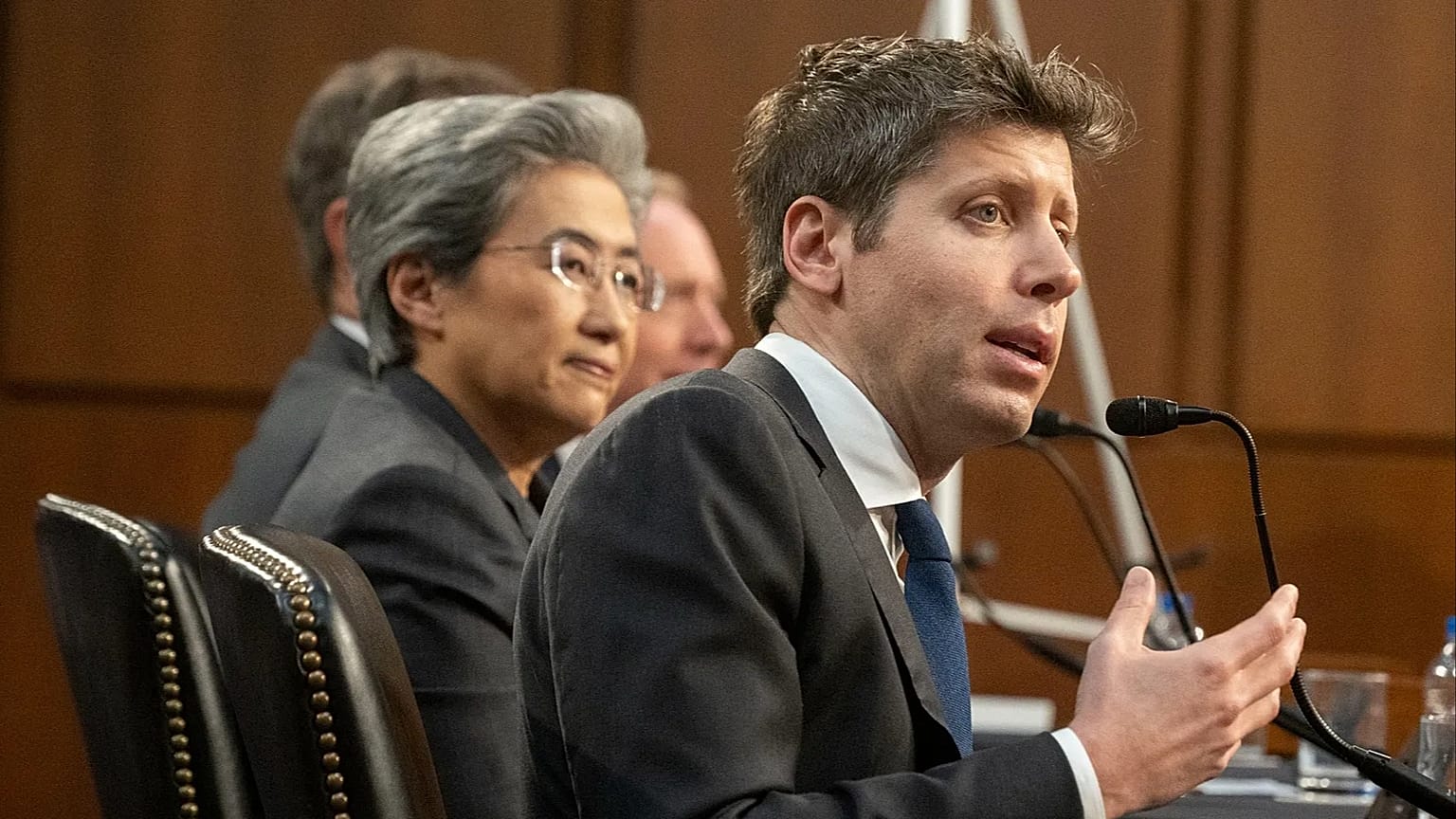
FILE - Sam Altman, co-founder and chief executive officer, OpenAI, testifies before a Senate Committee on Commerce, Science, and Transportation. May 8, 2025, Washington.
Copyright Copyright 2025 The Associated Press. All rights reserved

By Una Hajdari
Published on

Sam Altman reportedly wants to hand the US government a stake in OpenAI worth tens of billions, and he wants Silicon Valley's other giants to do the same.

OpenAI has offered the US government a 5% stake in the company, the Financial Times reported on Thursday, as the ChatGPT maker tries to head off growing political heat in Washington.

That slice would be worth around $42.6 billion (€37.4bn), a significant sum even for a company as flush as OpenAI. The figure is based on the $852 billion (€749bn) price tag investors put on the firm just three months ago, when OpenAI raised fresh funds in March.

According to the reporting, Sam Altman wants other big American AI players — Anthropic, Google and Meta among them — to hand over a similar 5% cut too, effectively creating a government-owned slice of the entire US AI industry.

It is not yet clear whether any of them would agree.

Altman's reported claims form a continuity with statements he has made in the past, where he pitched a "public wealth fund" that would invest in AI firms and pay out the profits to ordinary Americans.

The idea is inspired by Alaska's oil dividend scheme, which shares state oil revenue with residents each year.

Rival Anthropic has floated something similar, a "digital dividend" funded by taxing the AI sector.

Altman has already discussed the plan with US President Donald Trump, Commerce Secretary Howard Lutnick and Treasury Secretary Scott Bessent.

He has also spoken to Senator Bernie Sanders, who thinks the offer does not go nearly far enough.

Sanders wants a one-off 50% tax on the shares of OpenAI, Anthropic and xAI, and has dismissed Altman's proposal as a watered-down alternative to real public ownership.

Trump has acknowledged the talks but stopped short of confirming anything has been agreed upon.

Altman first raised the idea of giving Washington a stake in early 2025, and talks have rumbled on behind the scenes for more than a year.

CANADA DAY IS ALSO

International Joke Day: What is the funniest joke in the world (courtesy of Monty Python)?

Monty Python's Flying Circus
Copyright BBC - YouTube screenshot

By David Mouriquand
Published on


In 1969, the world was introduced to a joke so good, so funny, so ruthlessly powerful that anyone who read or heard it would die from laughter...

Today is International Joke Day, the annual celebration which encourages people to start the second half of the year with a smile on their faces. Especially when laughter can be in short supply when reading news headlines.

Those who choose to celebrate can either do so by telling a joke to a friend or co-worker, or by simply watching some comedy to lift their spirits. Some may choose to research the first joke ever told...

According to Guinness World Records, it’s been traced back to a Sumerian proverb dating from 1900 BC. It goes: "Something which has never occurred since time immemorial; a young woman did not fart in her husband's lap."

Charming - and shows that toilet humour was just as popular back then as it is now.

For us here at Euronews Culture, we can’t think about the art of the joke without being reminded of the funniest joke in the world, courtesy of Monty Python.

It was unleashed in the very first episode of the comedy troupe’s show Monty Python’s Flying Circus, which aired for the first time on 5 October 1969.

Shot in a quasi-documentary style, the sketch “Joke Warfare” (or “Killer Joke”) revolves around a gag so funny, so ruthlessly powerful that all who read or hear it promptly die from laughter.

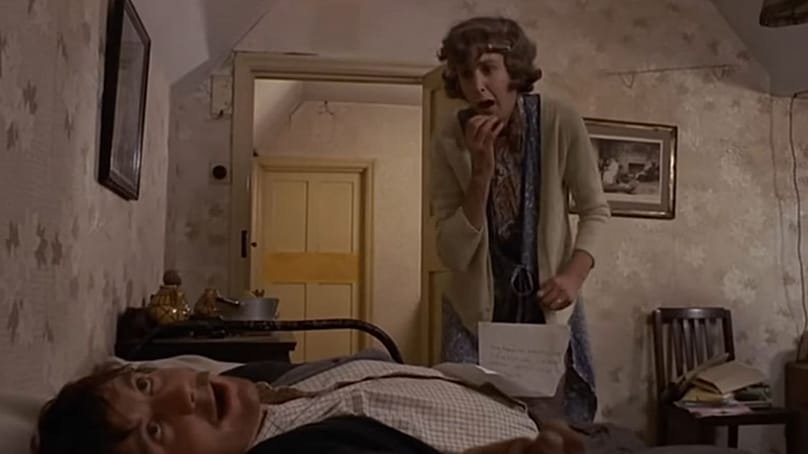
It is created by Ernest Scribbler (played by Michael Palin), who writes the joke on a piece of paper, reads it to himself, and dies laughing. Hearing the commotion, his mother (Eric Idle) finds her son and also immediately dies laughing after reading what she thought was a suicide note.

Monty Python's And Now For Something Completely Different
Monty Python's And Now For Something Completely Different Columbia Pictures - YouTube screenshot

The joke is eventually contained, weaponised by the British army, and deployed against Germany during World War II.

The army does so by translating the joke into German in “joke-proof conditions” - with each translator working on only one word of the joke for their own safety. One translator saw two words of the joke and had to be hospitalised for several weeks.

British soldiers running through the fields, telling the German-translated version of the killer joke
British soldiers running through the fields, telling the German-translated version of the killer joke Columbia Pictures - YouTube screenshot

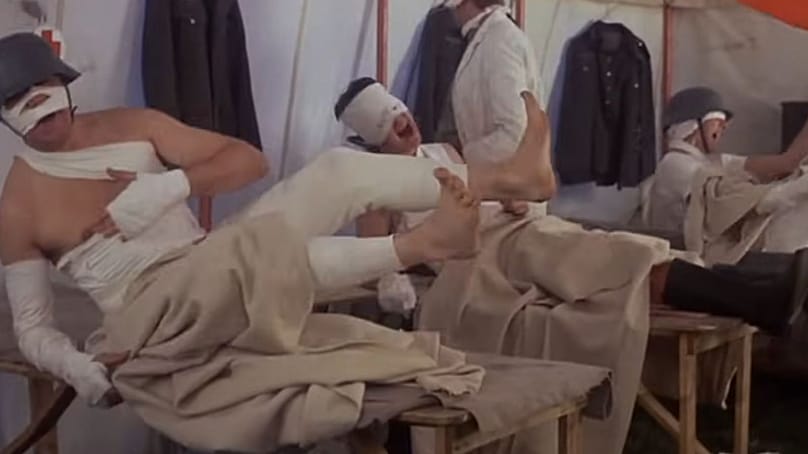
We witness its devastating effect - whether on a hapless British soldier / test subject, or on the bandaged German soldiers convulsing with laugher in a field hospital...

Monty Python - And Now For Something Completely Different
Monty Python - And Now For Something Completely Different Columbia Pictures - YouTube screenshot

We also learn that the Germans attempted a counter-joke.

The Pythons illustrated this by real footage of Adolf Hitler from Leni Riefenstahl’s film Triumph of the Will, in which the Nazi dictator delivers a speech with the following subtitles: "My dog has no nose" / "How does he smell?" (said by the crowd) / "Awful".

It was no match for the British killer joke.

Another Nazi attempt can be heard over the radio: "Zher were zwie peanuts walking down der strasse, und one was assaulted... peanut. Ho ho ho."

This too did not have the desired effect.

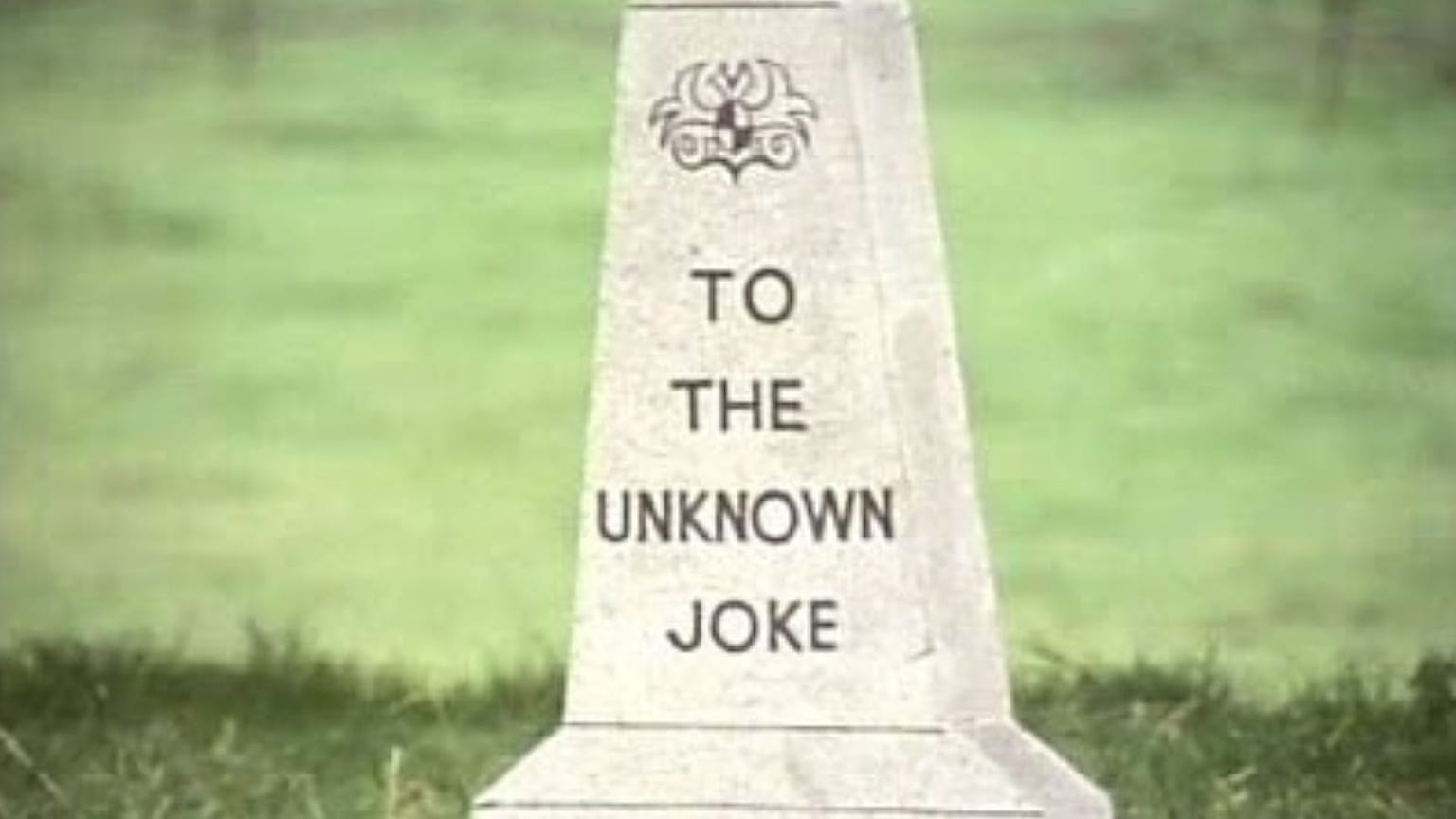
The sketch ends in 1950, when we learn that countries have agreed to a joke warfare ban at the Geneva Convention. The last copy of the killer joke is sealed under a monument, which bears the inscription “To the unknown joke”.

Monty Python's Flying Circus
Monty Python's Flying Circus BBC - YouTube screenshot

Throughout the absurdist sketch, the ultimate punchline is that the joke is never revealed to the audience. At least, not the English version.

WARNING: If you’re a German speaker, this article may become hazardous. Proceed carefully.

We jest, as the German translation of the unheard English killer gag is made up of meaningless German-sounding gibberish.

It goes like this: “Wenn ist das Nunstück git und Slotermeyer? Ja! Beiherhund das Oder die Flipperwaldt gersput!”

Any attempt to make heads or tails of it is the ultimate fool’s errand, and will probably break any translation software. But in case you’re tenacious about these things, it can be literally reduced to: “When is the ??? and ??? Yes! Something about a dog and the ???

What did you expect from the surreal masters of unfiltered silliness?

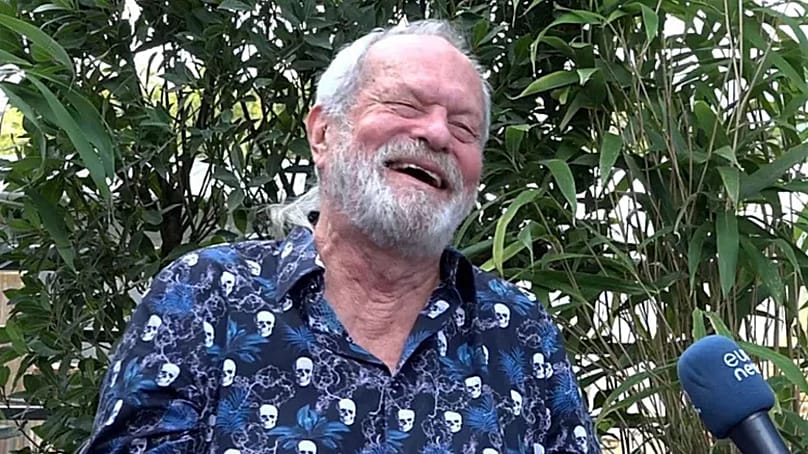
Terry Gilliam
Terry Gilliam Euronews Culture - David Mouriquand

Euronews Culture caught up with ex-Python Terry Gilliam three years ago at the Festival Lumière in Lyon, where he told us that Monty Python may not be able to do their brand of comedy in modern times.

"People are losing their sense of humour, and that, to me, is probably the most important sense," he said. "Sense of touch is very important, sense of taste also – but sense of humour is more important. You get to the point where people are frightened to laugh. ‘Oh, no, you’re making fun of somebody!’ No, I’m making fun of humanity, and we are an absurd species of creatures."

He added: "We are funny because we've got such pretentions, and we fall on our faces so constantly. Make jokes about it! It keeps life interesting."

Check out our full interview with Terry Gilliam here. And keep life interesting with a joke, today of all days. Who knows? Maybe that salted peanut one may find a chuckling audience.

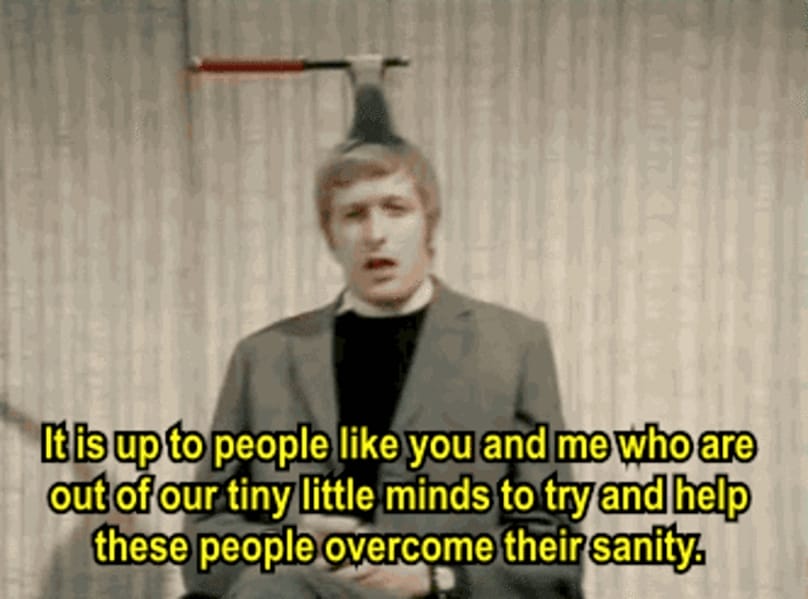
The much-missed Graham Chapman
The much-missed Graham Chapman Screenshot BBC - X

Happy International Joke Day.


Babies should not use screens at all in the first two years, major review finds

Children under two should have zero screen time.
Copyright Cleared/Canva

By Marta Iraola Iribarren
Published on

Children under two should avoid screens entirely, according to a new review linking early exposure to long-term developmental risks.

Using screens during the first two years of life is associated with long-term impacts on health and quality of life, according to a new systematic review.

The analysis identified substantial evidence that digital media use — particularly TV, mobile phones and tablets — is widespread in children under two and may be associated with potential harm to child development.

Screen time leads to fewer opportunities to bond with their caregivers or play with other children, limited language development and increased overstimulation.

“We have learned that screen use among the under-twos is a global concern that in 2026 is not being adequately addressed,” said Rafe Clayton, senior lecturer at the University of Leeds.

As the first two years of life are essential to establishing the foundations of a child’s physical and mental health, screentime “has implications for a whole generation and their future quality of life,” he added.

Based on the findings, the researchers from four UK universities — the University of Leeds, Leeds Trinity University, Aston University and Loughborough University — recommend that under-twos should not receive any intentional, regular screen time.

They are calling to reconsider any guidance that points to shared screen time for under-twos or suggests that screen technology is suitable for “all ages”.

“We hope the findings can inform parents, practitioners and policymakers to support sustainable technology use and inform the development of relevant guidance for young children,” said Richard James, an expert in addictive behaviours at Loughborough University.

He added that parents, due to the lack of guidance, are “inadvertently teaching children and babies to develop unhealthy habits and relationships with screen devices”.

Screen use rising among children

The researchers said that by two years old, daily screen time use is nearly universal and exceeds recommended limits.

They noted that a major driver of early screen exposure is parental workload, which leads caregivers to rely on screens as a babysitting tool to occupy children.

“Families are navigating this challenge without the information and support they need. The responsibility cannot rest solely on their shoulders,” said Andrea Leadsom, Founder of 1001 Critical Days Foundation, which commissioned the review.

She added that technology companies must acknowledge their role, and parents should not be presented with content labelled or promoted as suitable for babies when the evidence points to the contrary.


Trump was paid over $10 million by Amazon for 'Melania' documentary

Donald Trump and Melania Trump at the premiere of 'Melania' at The John F. Kennedy Memorial Center For The Performing Arts - 29 January 2026
Copyright AP Photo

By David Mouriquand
Published on

Trump’s cryptocurrency earnings were disclosed this week, leading to scathing criticism online. Part of the financial disclosures reveal how much he was paid by Amazon for this year’s Melania documentary.

A 927-page disclosure released this week by the US Office of Government Ethics has caused outrage and led many to accuse Donald Trump of “brazen crypto corruption”.

The financial disclosures revealed that Trump had been paid more than $2.2bn last year in total - from real estate, branded merchandise like Trump-branded Bibles, licensing deals and court settlements – and that the Trump family’s cryptocurrency ventures generated more than $1bn in his first year back in the White House.

The disclosures also revealed that Trump received a licensing fee of $10.71 million for Amazon MGM’s Melania documentary.

It had previously been reported that Amazon paid around $40m for film directed by Brett Ratner – including $28m directly to the First Lady. Amazon MGM went on to spend another $35 million to market the film.

In May, Jeff Bezos insisted that his company’s dealings with Trump were non-partisan.

“You know that it did very well in theaters. It's done very well on streaming,” Bezos told CNBC. “People are very curious about Melania, so even though I had nothing to do with it, you know. It appears that the Amazon team made a very wise business decision.”

In Euronews Culture’s review of Melania, we called the film a “self-congratulatory portrait of privilege”, “a cynical attempt by Jeff Bezos to curry favour with Trump”, and an “anti-documentary cash-grab orchestrated by people who only care about money and the furthering of empty mythologies designed to feed the Trump brand.”

Read the full review here.

Donald Trump and Melania Trump at the premiere of 'Melania' at The John F. Kennedy Memorial Center For The Performing Arts - 29 January 2026
Donald Trump and Melania Trump at the premiere of 'Melania' at The John F. Kennedy Memorial Center For The Performing Arts - 29 January 2026 AP Photo

Following the release of the US Office of Government Ethics disclosure, many have demanded tighter rules on political figures’ crypto dealings.

“The crypto legislation heading to the Senate floor must prevent the president, vice-president, senior administration officials, members of Congress, and their families from profiting off the crypto industry,” said Elizabeth Warren. “If it does not, it will only turbocharge Donald Trump’s brazen crypto corruption.”

Minnesota governor and 2024 Democratic vice-presidential nominee Tim Walz called Trump “the most corrupt president in American history.”

White House spokesperson Anna Kelly defended Trump by saying: “Neither the President nor his family has ever engaged - or will ever engage - in conflicts of interest. President Trump proudly made the United States the crypto capital of the world through executive actions, supporting legislation like the GENIUS Act, and other commonsense policies to drive innovation and economic opportunity for all American

She added: “All actions by President Trump and his administration are taken in the best interest of the American people.”


Fast fashion: 69% of our clothes contain toxic chemicals

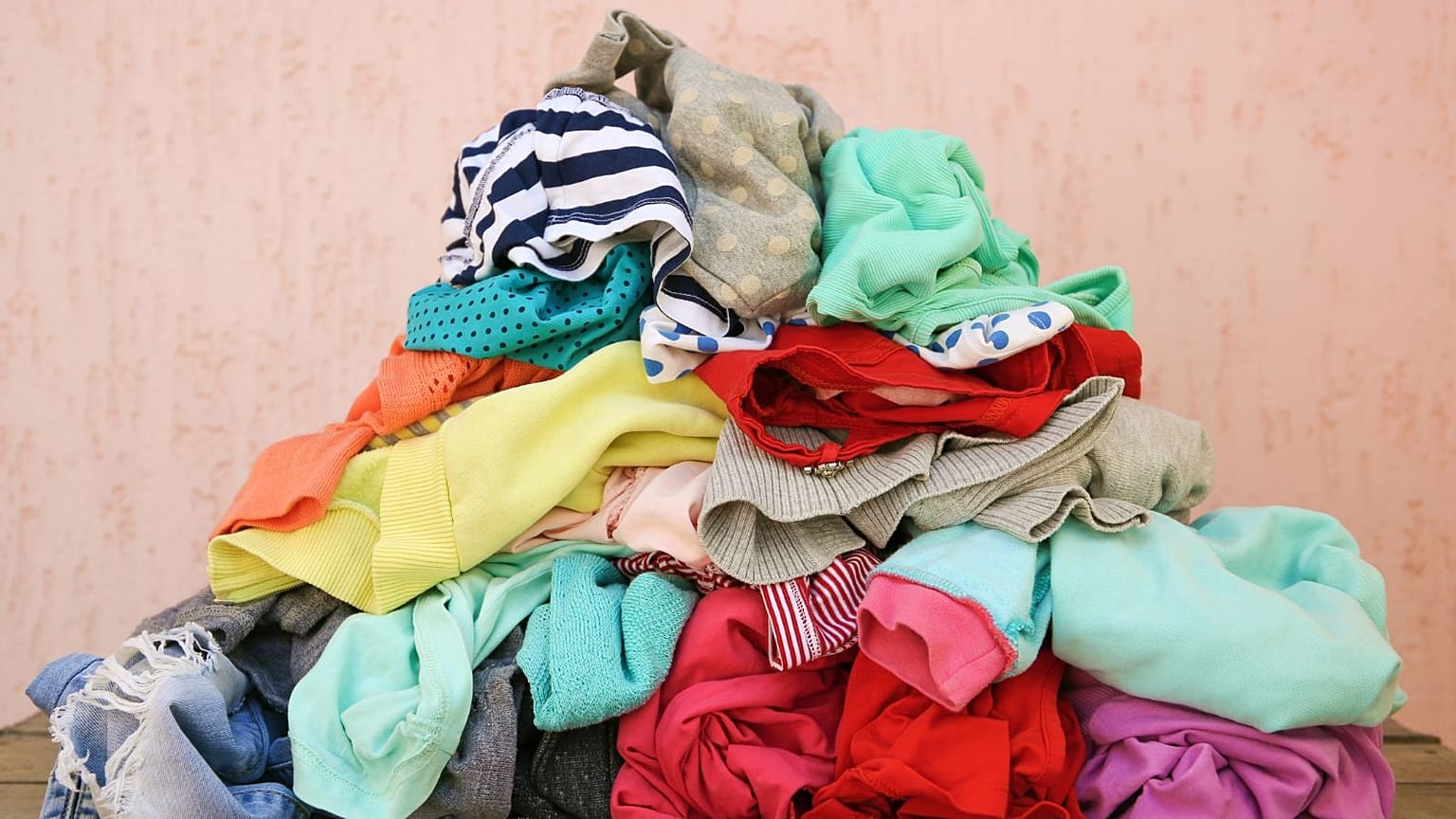
A pile of clothes
Copyright Canva

By Leticia Batista Cabanas
Published on

The European Union is implementing a new tax on imports, to limit purchases from fast-fashion e-platforms like SHEIN, Temu, and similar. Their bargain price tags hide a toxic reality, as testing reveals these ultra-cheap garments carry a hidden cost to human health.

The EU buys roughly 4.5 million tonnes of fast-fashion textiles each year. Over 5.8 million low-value e-commerce parcels enter the bloc every day, with brands like Shein, Temu and AliExpress attracting more than 400 million monthly shoppers

More than 90 per cent of these e-commerce clothing items are made from cheap synthetic polymers such as polyester, elastane and nylon. These garments are essentially soft plastics that do not biodegrade and eventually become microplastics.

Until now, these products were shipped directly from overseas factories to consumers, bypassing EU controls on harmful chemicals and components. The EU’s new customs directive will require electronic tracking data for every incoming package. Border authorities can screen shipments for illegal chemical levels and safety violations before they enter Europe.

According to Pelle Moos, chemical expert and policy officer at consumer group BEUC, “every second, around 200 products enter the EU. While we're having this conversation, almost a thousand products will have entered Europe, and only a fraction of them will have been inspected.”

Authorities and consumer groups repeatedly find what Moos describes as “astronomical” rates of non-compliance when investigating products sold through ultra-fast-fashion channels.

“We are talking in the range of 70–80 per cent,” he said.

Textile and fashion chemical alerts have risen sharply, with dozens of international alerts submitted each year to the EU Rapid Alert System. More than 72 per cent of these official textile alerts cite direct human health risks, including severe allergic reactions, chemical burns from excess formaldehyde and potential organ damage from heavy metals.

Consumer organisation Testachats also tested Shein toys and found concerning results.

“Only one was fully compliant. It's important to note that we did not specifically select products that looked unsafe on the website. We randomly selected 45 toys. Around 60 per cent presented a genuine safety risk, including small parts that could be swallowed or electronic components that were not properly enclosed,” said spokesperson Laura Clays.

Toxic textiles

“It's really the worst we are seeing,” said Moos. “These are chemicals we have known for decades are harmful. Chemicals that may cause cancer, infertility, developmental problems in children and that persist in the environment.”

A 2025 laboratory report published by Greenpeace found that 32 per cent of the Shein products tested exceeded EU Registration, Evaluation, Authorisation and Restriction of Chemicals (REACH) limits.

A June 2025 investigation by BEUC warned of “chemical bombs” in many children's products. Ten of 25 items tested contained hazardous chemicals, including what researchers described as a “bomb”, – a pair of children's slippers.

Body heat and sweat can act as natural solvents, allowing restricted substances to leach from garments into the skin. People also inhale textile fibres and chemicals released from fabrics, while small children often chew on clothing. Heat, sweat, prolonged wear and damaged skin can all increase absorption.

Among 56 garments tested, Greenpeace found concentrations of phthalates up to 200 times the EU limit. PFAS, or “forever chemicals”, were found in seven jackets, some exceeding EU limits by more than 3,000 times. Researchers also detected lead and cadmium in shoes, formaldehyde in a children’s costume and nonylphenol ethoxylates in a raincoat. BEUC reported similar findings, while Danish consumer group ForbrugerrådetTænk found restricted PFAS in several outdoor jackets.

What can these chemicals do to you?

Their names are complex, but their potential effects are straightforward:

  • Phthalates (including DEHP and DBP): Plastic-softening chemicals linked to hormone disruption, reduced fertility and developmental problems in children.
  • PFAS (“forever chemicals”): Persistent compounds that accumulate in the body and have been associated with immune-system suppression, organ damage and some cancers.
  • Formaldehyde: Used to make garments wrinkle-resistant; exposure can cause irritation, allergic reactions and increased cancer risk after long-term exposure.
  • Nonylphenol Ethoxylates (NPEs/APEOs): Endocrine-disrupting chemicals linked to reproductive and developmental concerns.
  • Aromatic amines: Chemical by-products from some dyes that include known and suspected carcinogens.
  • Dimethylformamide (DMF) and related VOCs: Industrial solvents linked to liver toxicity, reproductive harm and respiratory irritation.

“Phthalates are used to make plastics and synthetic materials softer, PFAS are added to make fabrics waterproof, formaldehyde is used to keep clothes wrinkle-free and protect them during transport, and cadmium can be added to cheap jewellery to give it more weight. Other substances, such as lead, are often not used intentionally but can appear because of poor manufacturing controls and contamination,” explained Moos.

Heavy metals

BEUC’s Polish member, Federacja Konsumentów, tested Shein clothing, underwear and jewellery. More than 50 per cent of the products tested contained unsafe levels of heavy metals.

One of these, lead, is a neurotoxin that can accumulate in the body and has been linked to impaired brain development, learning difficulties, behavioural problems, kidney damage and reproductive harm, particularly in children.

Cadmium is classified as a carcinogen and has been associated with damage to the kidneys, liver, lungs, cardiovascular system and nervous system, as well as reduced fertility and adverse effects on foetal development.

“Lead is a neurotoxin and there is no safe level of exposure,” said Moos. “Europe has spent decades trying to remove lead from everyday life, yet we continue to find it in consumer products.”

The broader safety picture remains concerning. BEUC’s cross-border marketplace audits found that 69 per cent of evaluated products, including apparel, accessories and toys, entering the EU from platforms such as Shein and Temu were legally non-compliant and failed basic European safety and health standards.
ARACHNOLOGY

New venomous spider species found in Portugal

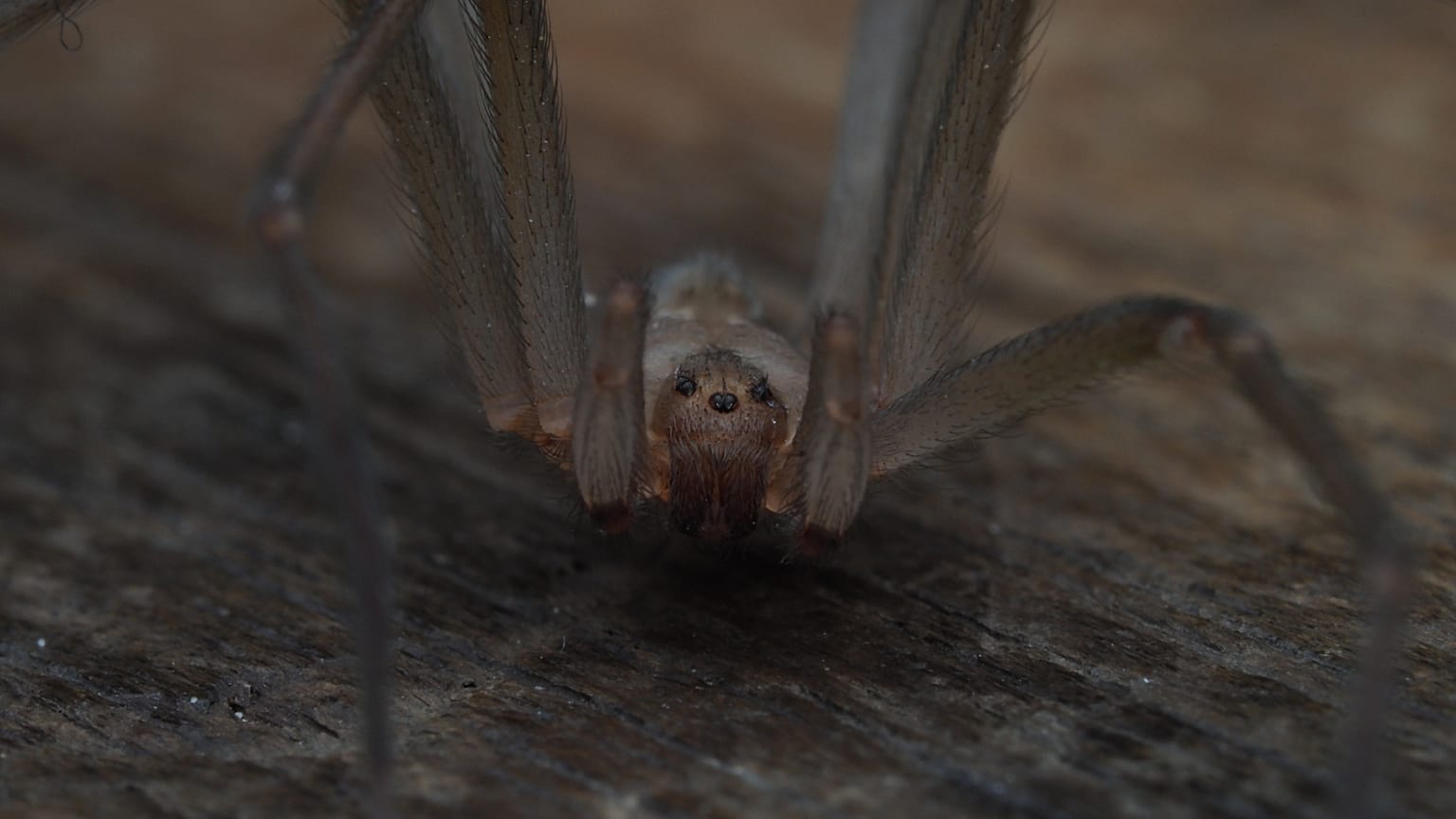
Chilean recluse spider discovered in Porto
Copyright Francisco Gil / MHNC-U.Porto

By Ana Filipa Palma
Published on

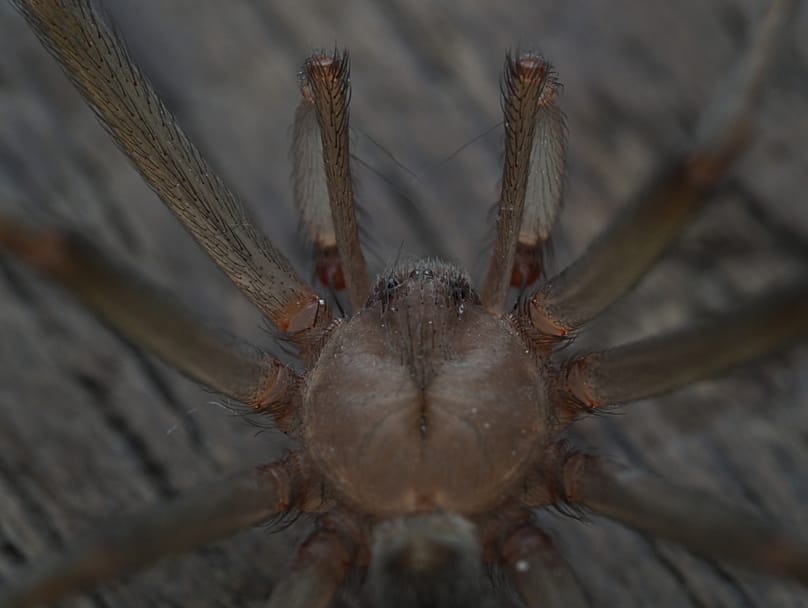
The discovery of the Chilean recluse spider (Loxosceles laeta) in Porto is the first record of this venomous species in Iberia. Researchers say its discreet behaviour means the risk to the public is low.

A new species of venomous spider, the Chilean recluse spider, scientifically known as Loxosceles laeta, has been discovered in the city of Porto in northern Portugal.

Speaking to Euronews, one of the researchers behind the discovery, José Manuel Grosso-Silva, an entomologist at the Natural History and Science Museum of the University of Porto, stressed that, because of the species' shy behaviour and habits, there is no cause for alarm. "The likelihood of people coming across this species or being bitten by it is low," he says.

"It is a shy species, not inclined to bite, but its bite can cause significant damage to the skin, frequently resulting in necrotic skin lesions," the study (source in Portuguese) by biologists Francisco Gil and José Manuel Grosso-Silva on the first record of this species in the Iberian Peninsula explains.

The Chilean recluse spider, Loxosceles laeta, is native to the western region of South America and is usually found in countries such as Brazil and Argentina. However, it has managed to spread to regions far from its original habitat, driven by international trade.

Chilean recluse spider observed by researchers in Porto Francisco Gil / MHNC-U.Porto

The first specimen was found by chance, the biologist recalls, on 10 September 2025, when a male was spotted on a wall in Campo dos Mártires da Pátria, in Porto. The second, also a male, was found on 10 January 2026; the specimen was collected dead from a sticky trap that had not been set for it.

Despite the discovery of this new species, another venomous spider from the same family has been living in Portugal for several decades and is widely distributed. This is Loxosceles rufescens, or the Mediterranean recluse spider, originally from North America and present in Europe for more than 200 years.

"We do not know whether this new species is confined to Porto or already more widespread. As the Chilean recluse spider can easily be mistaken for the Mediterranean recluse, it is possible that there are photographic records labelled as the latter which in fact show the newly identified species," the biologist notes.

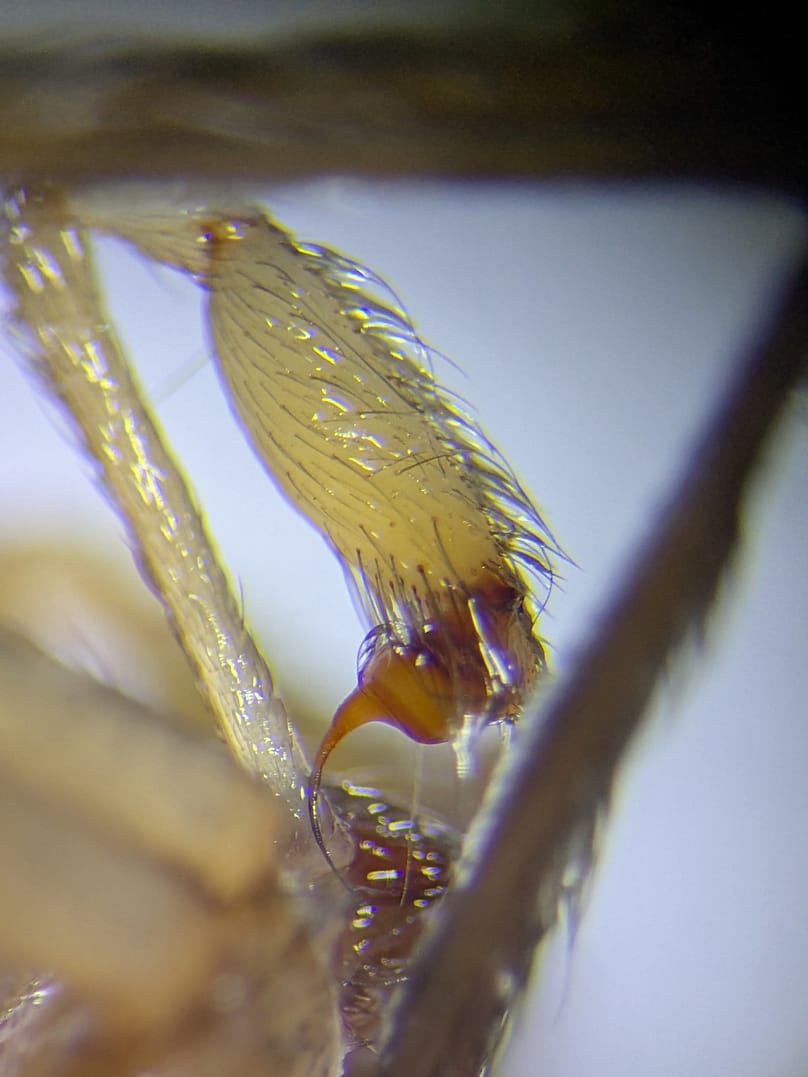
The main difference between the two species lies in the males' pedipalps, jointed appendages located at the front of male spiders' bodies, which have sensory and reproductive functions and are used to transfer sperm to the female during mating.

Pedipalp of a male Loxosceles laeta, whose anatomy allows the species to be reliably identified Francisco Gil / MHNC-U.Porto

In terms of morphology and behaviour, they are very similar. "They are uniformly brown, they do not have the colours that allow them to blend into vegetation, and they do not build the kind of webs we usually see on plants for catching insects. They construct webs on walls, in corners and in more hidden, darker places, and are more active at night," José Manuel Grosso-Silva explains.

There are different degrees of severity, from mild cases to severe ones, including some fatalities, as a result of bites by this type of spider. "There is a risk, but it seems low to me, so I try not to fuel panic or excessive alarm," the biologist stresses.

Bite causes necrosis

In 2023, Portugal recorded a case of loxoscelism, a syndrome caused by spider venom, triggered by the bite of Loxosceles rufescens, the Mediterranean recluse spider.

The journal SPMI Case Reports, the digital scientific publication of the Portuguese Society of Internal Medicine, reported the case of a 48-year-old woman who was bitten by this species while she was in an urban park.

After being bitten on the nape of the neck, the woman developed swelling without immediate pain. However, over the following 24 hours the symptoms worsened, with increasing headaches, malaise, feverishness, fatigue and the onset of necrosis with erythema at the site of the lesion. Subsequently, peeling of the skin was observed in other parts of the body, namely around the eyes, in the gluteal region, thighs, lips and oral mucosa.

The patient was discharged from hospital 16 days later with no remaining symptoms.

New species are increasingly common

In Portugal more than 300 species of insects from various regions of the world are now established, many of them introduced by humans through increased goods transport.

"We are increasingly changing the environment around us. We deliberately introduce many plants that often carry insects we did not intend to bring in," he explains.

The biologist recalls the case of the Asian hornet, introduced into Europe via France in a shipment of Chinese bonsais.

Also, "through urban development and monocultures such as eucalypts, which occupy vast areas, as well as extensive crops like maize, natural habitats have been reduced", which contributes to changes in ecosystems and favours the emergence of new species.

Rising temperatures on a global scale, with Europe warming at a particularly rapid pace, may favour the reproduction and spread of these exotic species.

"We do not know how it will evolve here in the Iberian Peninsula; this is a situation to be monitored over the coming years," says José Manuel Grosso-Silva.

Presence of the Chilean recluse spider in Europe

The first European record of this species dates back to 1972, in a building housing the Departments of Zoology and Genetics at the University of Helsinki in Finland.

It is thought that the species was transported by humans and settled inside the building to benefit from the higher temperatures, as it would hardly survive Finland's outdoor climate.

In 2025, Eberhard Karl University of Tübingen in Germany also identified a specimen of this species in the institution's basement.

There are also references to its possible presence in Italy. However, the website where this information was originally published is no longer available and that record therefore remains unconfirmed.

EU Court of Justice rejects Google’s appeal against record €4.1 billion fine

Google CEO Sundar Pichai has argued that the company's Android system has created "more choice, not less".


By Nathan Rennolds
Published on 02/07/2026
EURONEWS


The European Union Court of Justice on Thursday upheld Google's record €4.1 billion fine over alleged anticompetitive practices related to the company's Android operating system.

The European Commission hit the US tech giant with the penalty in 2018, alleging that the firm had abused its dominant market position, particularly by using pre-installation agreements with phone makers to give an unfair advantage to its search engine and Chrome browser.

An initial fine of €4.3 billion was imposed, but the EU's General Court reduced this to €4.1 billion in 2022.

Google CEO Sundar Pichai has argued that the Android system has created "more choice, not less".

Pichai said in 2018 that the Commission's decision to fine the company "misses just how much choice Android provides" to phone makers, app developers, and customers.

"Rapid innovation, wide choice, and falling prices are classic hallmarks of robust competition and Android has enabled all of them," he said.

Google has since appealed the penalty, but the EU's top court dismissed the appeal on Thursday.

"The Court of Justice dismisses the appeal brought by Google and Alphabet against that judgment of the General Court, thereby confirming the penalty imposed on them, as revised by the General Court, for their anticompetitive practices relating to the Android operating system," the court said in a press release announcing the decision.

In 2025, the Commission also slapped Google with a €2.95 billion fine over alleged breaches of antitrust practices.

It said the company had distorted competition in the advertising technology industry, "favouring its own online display advertising technology services to the detriment of competing providers of advertising technology services, advertisers and online publishers".