Saturday, July 11, 2026


Trump's Patriot licence will help Ukraine in its next war with Russia, not this one

Trump's Patriot licence will help Ukraine in its next war with Russia, not this one
Trump has promised to grant Ukraine a licence to make its own badly-needed Patriot missiles. But practicle problems mean the first won't be ready for several years - probably well beyond the duration of this conflict. / bne IntelliNewsFacebook
By Ben Aris in Berlin July 9, 2026

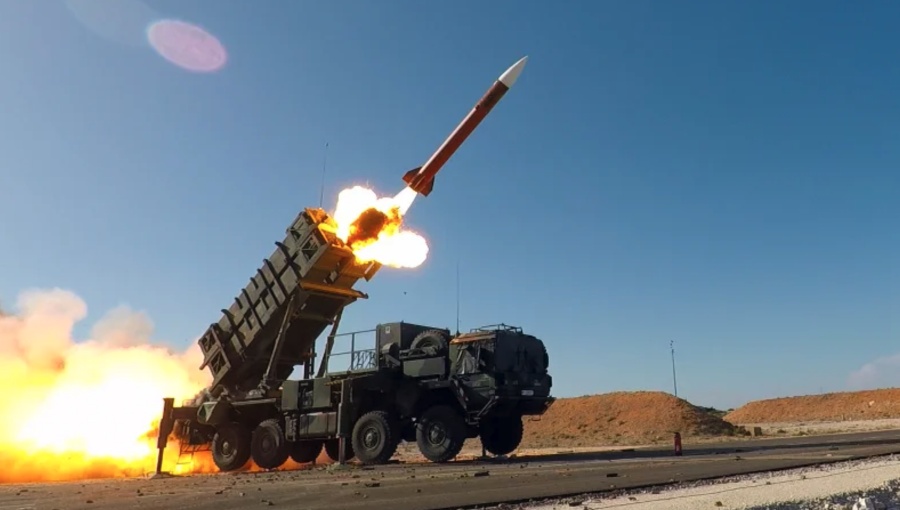
US President Donald Trump’s pledge to give Kyiv a license to make Patriot missiles could be a game changer – in Ukraine’s next war with Russia, but not in this one.

As IntelliNews reported, Ukrainian President Volodymyr Zelenskiy must be very happy with the results of the Ankara Nato summit on July 8 where he had his warmest ever meetings with the US leader. After abandoning the ceasefire talks, the Trump administration is back in the game after Trump made serious commitments to supporting Ukraine’s long-term efforts to counter the Russian invasion.

This is the first time the US has granted a licence to a foreign power to make one of its most sought after weapons systems and is a commitment to a long-term industrial partnership rather than just a short-term solution to Ukraine's immediate air defence missile shortage. Trump's surprise offer to allow Ukraine to manufacture Patriot interceptor missiles under licence marks one of the biggest shifts in US policy towards Kyiv since Russia's full-scale invasion.

However, military analysts caution that while the Patriot deal looks good on paper, putting it into practice is fraught with practical problems and it will be years before the first PAC-3 interceptor rolls off a Kyiv-based conveyor belt.

Speaking alongside Ukrainian President Volodymyr Zelenskiy at the Nato summit in Ankara, Trump announced that Washington would transfer the technology needed for Ukraine eventually to manufacture Patriot missiles itself.

"We're going to give a licence to you to make Patriots," Trump said. "That's pretty cool. This way you can't complain that we're not giving them enough. I said, 'Make them yourself.'"

Production system at breaking point

The Patriot system remains the West's only widely deployed interceptor capable of reliably defeating Russian ballistic missiles, making it one of the most sought-after weapons in the world. And as IntelliNews reported, in the drones vs missiles arms race, Russia is far ahead. Without interceptor ammo, Ukraine is essentially defenceless against the constant barrage of Russian missile attacks. Currently Russia is producing enough missiles of all types to fire a half dozen of them at Ukraine every day. In addition, it has added jet engines to things like the new Geran-5 drone that are now fast enough to evade Ukraine’s new interceptor drones.

Rob Lee of the Foreign Policy Research Institute described ballistic missile defence as "one of Ukraine's greatest vulnerabilities" in a social media post

Demand for Patriot interceptor missiles was already higher than the US’ ability to produce them before the Iran war. Now it has exploded and the backlog of orders stretches into years.

Ukraine has consumed most of the interceptors donated to it by US and European allies defending its cities against Russian missile attacks. European countries are now scrapping the bottom of the barrel and stockpiles have fallen below the strategic reserve minimums set by military planners. Middle Eastern allies have also drawn heavily on Patriot inventories during the ongoing Gulf war.

Even the US has depleted its stockpile to the point where the US Secretary of War Pete Hegseth briefly stopped all military supplies to Ukraine last July after stockpiles fell below the strategic minimum threshold. In the first month of the Gulf war European allies looked on in disbelief after the US appropriated weapons they've already paid for, for use in Iran – especially the Patriot interceptors.

Bottlenecks

RTX (NYSE: RTX), which manufactures much of the Patriot system, and Lockheed Martin, which produces the PAC-3 interceptor, currently manufacture only a few hundred interceptor missiles each year. Although production is being expanded significantly, executives have warned that meaningful increases will not appear for at least a year due to shortages in specialised components rather than final assembly.

Following the opening phase of the Iran conflict and the unfolding disaster as Tehran forced the US and Israeli forces to burn through their stockpile of expensive interceptors by firing a swarm of cheap but plentiful drones as significant targets, Trump called an emergency meeting of top US arms manufacturers and demanded a rapid ramping up of production. The weapons-makers said annual output could eventually rise towards 1,000 interceptors a year - but not before the second half of this decade.

Starting from scratch, Ukraine faces all these same problems, but with bells on. That recasts Trump’s promise from a game changing commitment to little more than a gesture.

"The move is more political than practical—intended to demonstrate that the Trump administration is prepared to support Ukraine for the long haul," analysts at The Bell wrote. "It will not resolve the country's immediate air defence issues, as the production of these complex interceptors is constrained by the availability of components rather than the assembly process itself."

Years, not months

Military specialists caution that licensing production is only the first step in a very long process. The Patriot is among the most sophisticated missile systems in existence. Technology transfer must pass through strict US export controls while new factories require certification, security clearance, trained personnel and entirely new supply chains.

Kyrylo Shevchenko, the former governor of the National Bank of Ukraine (NBU), estimates that establishing meaningful production would require three to five years even after a licence has been granted.

Germany's own GEM-T Patriot production programme provides a guide. Announced in 2024, construction of new facilities is expected to take roughly two years before production gradually ramps up, reaching full output only around 2028.

Even then, Ukraine would still depend heavily on US-produced components.

"It really remains to be seen whether US manufacturers are really willing to share sensitive technology, including seekers, solid rocket motors and guidance software with their Ukrainian counterparts," Franz-Stefan Gady, a US and European military advisor, told the Financial Times. He questioned whether the programme was intended for the current conflict at all.

"Will it be in time for this war or is it aimed at post-war sustainment?"

Factories become targets

There are also military considerations. Any Patriot production facility established inside Ukraine would immediately become one of Russia's highest-priority targets.

"The question is how long will it take to set up production, how would Ukraine defend such facilities in wartime, will US companies who are currently reluctant actually follow through with tech transfer and will the supply chain expand to allow increased output?" Gady said.

For that reason, analysts believe much of any future production may ultimately be located elsewhere in Europe rather than inside Ukraine itself. This process is already under way as part of the so-called Danish model, but it comes with the risk of Russia targeting those facilities in Nato member countries, on the basis they are proactively participating in the war, rather than just passively supporting an ally.

Trump separately announced that Lockheed Martin would establish a new Patriot sustainment facility in Europe, highlighting Nato's growing emphasis on expanding the continent's missile production base, but without naming a country.

Russia ramps up missile production

Russian President Vladimir Putin put the entire economy on a war footing from the first day of the war and missile and drone production remains a top priority. Russia continues rapidly expanding production of both ballistic and cruise missiles while increasing output of long-range strike drones as well as constant technological development. Russia will produce an estimated 2,500 missiles of all types this year – twice as many as last year.

Although Ukraine has developed its own interceptor projects and recently completed successful testing of the FP-7 surface-to-air missiles – the so-called Flamingo cruise missile -- serial production has yet to begin.

Even the most optimistic estimates suggest it will be some time before Ukraine’s indigenous systems can replace Patriots that are now in such short supply, the Armed Forces of Ukraine (AFU) is rationing their use. For example, on the last day of the Ankara Nato summit Russia fired 29 missiles during another large attack on the Kyiv region and all of them got through. Zelenskiy recently told the FT that stocks of PAC-3 interceptors had become critically low and that replacement missiles sometimes arrived "literally the day before a massive attack".

A broader defence partnership

Alongside the Patriot announcement, Trump confirmed that the United States intends to purchase Ukrainian-made military drones, finally embracing Zelenskiy’s proposal for a mega drones-for-weapons deal, first advanced last year.

"We would buy their drones," Trump said. "And you know, if we made that deal, we'd have great protection."

Zelenskiy welcomed the move: "I'm very happy that our sides began to work on a drone deal, and it's a very good beginning."

Together, the two announcements suggest Washington increasingly views Ukraine not simply as a recipient of military aid but as a future partner in defence production – an important strategic shift. Yet it does little to alter the immediate military balance.

By the time Ukrainian-built Patriot interceptors begin rolling off production lines—assuming the programme proceeds as envisaged—it is highly likely the current war may have already ended. In that case the Patriot licence will become a huge advantage in Ukraine’s next war with Russia; not this one.

No Gas, No Lights, No Comms, No Tourists: Ukraine’s Crimea Blockade Starts To Bite – Analysis


The empty beaches of Feodosia, Crimea, in July, 2026. Photo Credit: RFE/RL


July 12, 2026 
RFE RL
By Timofei Rozhanskiy


Key Takeaways

Ukrainian drone campaign isolates Crimea: Strikes have hit nearly all bridges to Crimea and targeted shipping/fuel supplies, causing severe fuel shortages, power outages, and communication disruptions across the peninsula.

Tourism devastated in peak summer season: Beaches are empty, hotels offer cheap deals mainly to locals, tourists who drove in are stranded without gasoline, and many are seeking urgent evacuation.

Widespread civilian impact and shortages: Food prices have skyrocketed, supermarkets limit operations or raise prices sharply, small businesses are closing, and residents rely on assistance centers for power, water, and phone charging.


Ukrainian drone strikes have hit nearly all the bridges to Crimea and launched a blitz on shipping in recent days, leaving the Russian-occupied Ukrainian peninsula cut off from fuel supplies and its tourist industry devastated at the height of summer.

The relentless campaign continued overnight into July 11 with a Ukrainian attack on four vessels in Taganrog Bay on the Sea of Azov, Russian authorities said.

Ukraine’s drone chief, Robert Brovdi, has reported some 50 strikes in five days — figures which can’t be confirmed independently but appear to be borne out by the fuel crisis in Crimea.

Crimea Goes Dark As Ukrainian Drones Target Electricity Grid


“Fuel has become increasingly scarce. There’s practically none left. There used to be some sold under the counter,” said Oleksandr Liev, tourism minister in the Crimean autonomous government that existed before Russia seized the region in 2014.

“Sometimes something would show up at gas stations…fuel would sometimes appear at exorbitant prices. Over the past day, fuel hasn’t appeared anywhere, not even at exorbitant prices. Sales under the counter are also becoming less frequent,” he told Current Time on July 10.

Tourists Seek Evacuation

The fuel crisis has been replicated to varying degrees in regions across Russia, where restrictions have been introduced following Ukraine’s campaign of strikes on oil refineries.

Residents across the peninsula are complaining not only about the lack of gasoline, but also about power outages, communication disruptions, and even shortages of food and water.

Tourists are asking for help with evacuation from Crimea, traditionally a mecca for Russians seeking summer sun on the beach.

Trains are running across a billion-dollar road-and-rail bridge that spans the Kerch Strait, to the peninsula’s east. But some tourists arrived for their vacation by car and now don’t have enough gasoline to leave.

The crisis has been building for weeks. In early June, a drone strike on a train caused Russia to suspend rail operations on the bridge. Shortly afterwards, as fuel shortages got worse and attacks mounted, one Russian blogger urged vacationers not to travel to Crimea.

“You can’t go to Crimea right now unless it’s absolutely necessary. I won’t go, even though I need to. There’s no gas — there just isn’t any, friends. Not only that — the land route is closed. It’s been bombed, and they’re shelling the tanker trucks,” wrote the blogger, who said her father lived on the occupied peninsula.

‘We Won’t See A Single Butt’


This week, a Crimea-based video blogger took his subscribers on a tour of an empty beach in Feodosia.

“It’s totally empty. I wanted to show you more people, but, unfortunately, there aren’t that many. Yeah. The beach, of course… actually, guys, looks like we won’t see a single butt here,” he said.

Liev, the former minister, told Current Time that cut-price hotel deals were only attracting local customers from different parts of Crimea.


“Just today, one of the managers of a hotel in Yalta told me that they have started receiving reservations from Crimeans,” he said. “Some of them, having the money, now have the opportunity to take a vacation themselves this summer. It’s rare for Crimeans to have such an opportunity.”

Russians wishing to travel to Crimea face background checks including interviews with officials.

The seizure of the territory has been singled out by Russian President Vladimir Putin as a crowning achievement of his rule. In 2014, he said the peninsula had a “sacred meaning” for Russia, comparing it to the Temple Mount in Jerusalem.

The inhabitants are now paying a heavy price for Russian occupation.

“Today is July 6. I woke up to a power outage, just like everyone else in Sudak and Novy Svet. And, they say, all over Crimea,” a Sudak resident wrote this week.

“No power, no signal, no Internet. Well, I mean, I could make calls and send messages, but mobile Internet was effectively down — I’d only get notifications, but I couldn’t log into any of the messaging apps,” she said.

Tatyana, a YouTuber in the coastal town of Chornomorske near the western tip of Crimea, has documented similar experiences, including charging her phone from a power point set up by local authorities using a generator in a park.

“We only had five hours of electricity over four and a half days,” she said in one recent video. “My husband brings water in buckets from the hydrant.”

Tatyana has even asked her subscribers for financial support so she can purchase her own generator.

Local TV has told residents they can use “assistance centers.” There, they can also make a call from a landline or store medication in a refrigerator.

“Need to make an urgent call or finish a conversation on a messaging app? You can now charge your cell phone or use a landline at the city’s assistance center for residents,” says one promotional message.

The centers recall the “invincibility points” where Ukrainians have sought refuge from the cold during Russian winter campaigns of attacks on power infrastructure.

In summertime Crimea, though, the weather is more favorable –even if air conditioning units are not working.

Food Prices Skyrocket

The electricity crunch has badly affected small businesses.

“Some stores aren’t open at all, while others are still open but only accept cash. The post office isn’t open today either,” said a YouTuber in Yalta this week.

Larger stores such as supermarkets are open — but have hiked prices.

“Parmalat lactose-free milk was 179 rubles ($2.30), now it’s 307,” said one resident in a video recorded as she walked around a store this week. “At the register, the prices were even higher than they were on the price tags. There are signs everywhere stating that the merchandise is being repriced and that the current price is the one at the register.”


Experts cite logistics problems as the main reason for the rise in food prices. As well as the shortage of gasoline, some drivers are afraid to drive to Crimea because they could fall victim to drone attacks.

Brovdi, the Ukrainian drone commander, has declared that trucks carrying gasoline are legitimate targets for the Ukrainian army and has released video footage of drone attacks on Russian trucks.

The Russian occupation authorities promised this week that the supply problems would be solved within two weeks and that gasoline prices would fall. But they did not explain how this would come about.


Written by Ray Furlong based on reporting by Timofei RozhanskyTimofei Rozhanskiy is a correspondent in Riga for Current Time, the Russian-language network led by RFE/RL in cooperation with VOA. Born in Russia, he graduated from St. Petersburg State University and also received film and video production training at Bard College in New York. Before joining Current Time’s Moscow bureau in 2019, Rozhanskiy worked for the independent Russian television channel TV Rain.


About RFE RL
RFE/RL journalists report the news in 21 countries where a free press is banned by the government or not fully established.
View all posts by RFE RL →


Ukraine war fatigue laid bare by anti-conscription riot in Lviv

Ukraine war fatigue laid bare by anti-conscription riot in Lviv
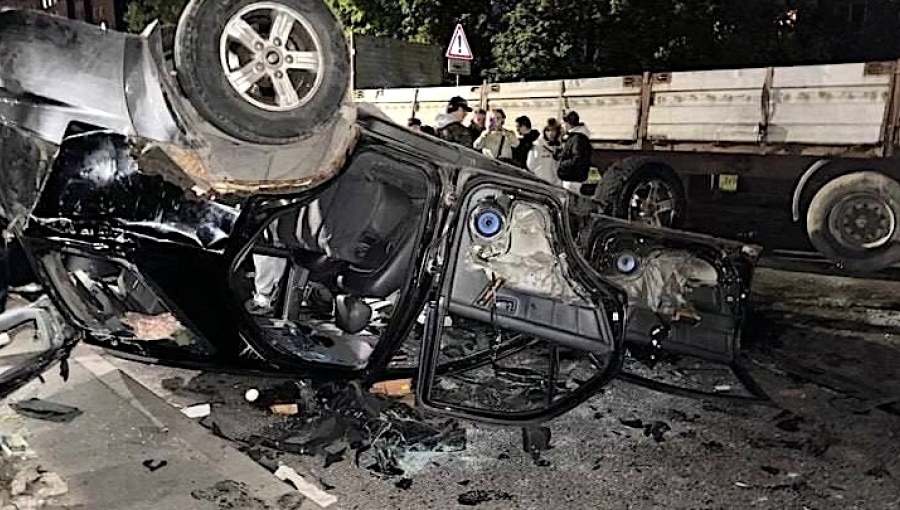
Tempers boiled over in the western Ukrainian city of Lviv when locals clashed with TCK conscription officers and rioted, smahing up thier car in the orocess. / bne IntelliNewsFacebook
By Ben Aris in Berlin July 10, 2026


Tensions are approaching boiling point in Ukraine after citizens rioted in a protest against Ukrainian President Volodymyr Zelenskiy’s compulsory conscription programme in the western city of Lviv on July 9.

An anti-mobilisation demonstration turned violent after a large crowd of people attacked recruitment officers, before overturning and smashing their car. The clash broke out spontaneously after a member of the press gang, reportedly a martial arts coach, hit a man in the street.

Ukraine’s social media has become full of footage of the much-hated officers of the Territorial Recruitment and Social Support Centres (TCK) grabbing men from the street and brutally beating them before roughly manhandling them into vans in a process that has been dubbed “busification.”

Often wives, babushki and passers-by intervene in an attempt to rescue the victim – usually without success. The “recruit” is then taken to a processing centre where they are kept in prison-like accommodation before being given a brief military training and shipped off to serve on the front. According to reports, the life expectancy of many of these green, underprepared troops is counted in the weeks.

Russia is reportedly losing over 1,000 men a day, but Ukraine is also taking heavy losses. Ukraine’s manpower shortage is much more acute than Russia’s which continues to receive some 25,000 men a month, through its voluntary recruitment programme – not quite enough to replace losses at the front, according to Ukrainian President Volodymyr Zelenskiy.

While Ukraine’s losses remain a state secret, Russia is losing between three and eight men for each member of the Armed Forces of Ukraine (AFU) taken out of action, according to various sources. Based on those ratios then Ukraine is losing approximately 125–330 personnel daily.

Both the attacker/defender kill ratios and estimates of the number of Russians killed and wounded must be taken with extreme caution. The actual figures remain an extremely politically sensitive subject.

Iuliia Mendel, Zelenskiy’s former press secretary, who has become an outspoken critic of her former boss, has questioned all the estimates and is starkly critical of the compulsory conscription programme, as one of the few dissenting voices from Ukraine’s elite.

The authorities reacted harshly to the Lviv riot. The Ministry of Defence, law enforcement, and government officials insist that the burdens of war are shared equally—and that anyone protesting them is doing the "Kremlin’s work," reports Marta Havryshko, a Ukrainian analyst and government critic. A 23-year-old man that participated in the riot was arrested and faces up to eight years in prison.

“Branding every act of dissent as Russian subversion may be politically convenient, but it cannot conceal a deeper reality: public anger over coercive mobilization and the unequal distribution of wartime sacrifice is growing,” Havryshko said in a social media post. “An unsanctioned Maidan—one without Western approval—is unlikely to succeed. But that should not be mistaken for public consent. A government can suppress protest. It cannot indefinitely suppress the grievances that produce it.”

Social impact

The social impact of the war has been dire. According to a new report, Ukraine’s homeless population has surged to one million during the full-scale war. Nearly half of those now living rough on the street are internally displaced people (IDPs) whose homes and lives were destroyed by the invading Russian forces.

The brutal tactics of the TCK officers is fuelling resentment and coming under increased scrutiny. The number of physical attacks on offices is increasing and at least two officers have been killed in scuffles with their victims.

In the most recent case last week, a 34-year-old father from Kryvyi Rih, was snatched by the TCK officers in front of his 5-year-old daughter as he picked her up from school. The father was the sole caregiver after the mother abandoned the family, leaving the girl with no one to look after her, which under Ukrainian law excludes the father from conscription. The principal of the school took the daughter to the TCK offices to try and secure his release without success. It was only after the story went viral on social media, including a video of the little girl sobbing in the playground, that the authorities relented and released the father.


The majority of Ukrainians continue to support the government in the war against Russia, but support for fighting until the complete liberation of all occupied territory has declined. Ukrainians have become more pragmatic without becoming more willing to concede to Russia, according to Kyiv International Institute of Sociology (KIIS). Around 70% say they do not expect current attempts at peace talks to produce a lasting settlement. Only 17% think the war will end by the summer of 2026 and another 14% expect it to end before the end of the year. Only 31% expect the war to finish during 2026.

Despite growing war weariness, most Ukrainians still reject recognising Russian sovereignty over occupied territory, but more recently have conceded that some territory will be lost, which they would accept if a “just” ceasefire deal can be struck.

The war is also becoming unpopular in Russia that is eating into Russian President Vladimir Putin’s approval ratings. The share of respondents in the VTsIOM poll saying they trust Putin declined to 75%, down from 76.7%, to its lowest level since the invasion four years ago. But Zelenskiy's approval rating has fallen even further to around 58% according to the more recent polls.

Ukraine: Conscientious Objectors Convicted, Jailed, Held In Military Units – Analysis


July 12, 2026
 F18News
By Felix Corley


Key Takeaways

Ukraine Is Aggressively Prosecuting Conscientious Objectors — Prosecutors have launched over 1,000 criminal cases against men (mostly Jehovah’s Witnesses, Seventh-day Adventists, Baptists, and Orthodox) whose applications for alternative civilian service were rejected, with about 500 cases reaching court.

Hundreds Are Jailed or Held in Military Bases — At least 24 conscientious objectors are currently serving prison sentences, with 7 awaiting appeals and 21 in pre-trial detention. Hundreds more (including ~300 Seventh-day Adventists and 50 Council of Churches Baptists) are being held against their will on military bases, often facing pressure and torture.

No Alternative Service During Wartime — Despite martial law and UN concern, Ukraine’s Defence Ministry insists alternative civilian service does not exist during wartime. A promised new law to allow it has not yet reached Parliament, despite a June 2026 deadline. Courts are handing down prison terms of 3–6 years under various Criminal Code articles.


Prosecutors have launched more than a thousand criminal cases to punish conscientious objectors whose applications for alternative service have been rejected. About 500 cases are believed to have already reached court. In cases known to Forum 18, 24 conscientious objectors are in jail serving sentences, with a further 7 awaiting appeals. Courts handed 11 conscientious objectors probation or restricted freedom sentences. Courts are hearing at least 12 new cases, while 21 conscientious objectors are known to be in pre-trial detention.

Jehovah’s Witnesses, Seventh-day Adventists, Baptists, Orthodox and others are among those convicted and jailed after Recruitment Offices rejected their applications for alternative civilian service on grounds of conscience.


(For a list of some of those convicted and jailed, convicted and awaiting appeals, convicted and serving probation sentences, in pre-trial detention, and forcibly held on military bases, see below. Those whose sentences have been completed are not included.)

Recruitment Offices have forcibly taken hundreds of conscientious objectors aged from their twenties to their late fifties to military bases against their will. There they often face pressure and torture. Of those currently being held, about 300 are Seventh-day Adventists, while 50 are Council of Churches Baptists (see below).

Many Jehovah’s Witnesses are among those forcibly taken to military facilities, “where they have sometimes been held for days or even months,” Jehovah’s Witnesses told Forum 18 in June. “Once there, they often face physical abuse and emotional pressure to compromise their neutral stand.”

In addition, one man, 50-year-old Council of Churches Baptist Dmytro Koval, died in military detention on 21 March. When returned to his family, his body showed signs of brutal treatment (see below).


On 9 March, a court in Mykolaiv Region jailed 42-year-old Jehovah’s Witness conscientious objector Volodymyr Klementiev for six years. Mykolaiv Appeal Court rejected his appeal on 14 May. “To date, this is the longest prison sentence imposed on one of our brothers since the war in Ukraine began,” Jehovah’s Witnesses noted. The previous longest prison sentence was of five years.

On successive days in June, a court in Chernihiv Region found two Seventh-day Adventist conscientious objectors guilty. The Judges jailed Andrii Skliar and Ihor Kiktev – both in their thirties – for a combined period of 5 years and one month each.

After Russia’s renewed invasion of Ukraine began in February 2022, Ukraine declared a state of martial law. All men between the ages of 27 (later reduced to 25) and 60 were deemed eligible for call-up in a general mobilisation and were banned from leaving the country. Ukraine’s Defence Ministry insists that even the limited alternative service allowed in peacetime does not exist during wartime (see below).

Viktor Yelensky, head of the State Service for Ethnic Policy and Freedom of Conscience (DESS), noted the “sharp increase” in requests for alternative service from 2025. The Office of the Parliamentary Human Rights Commissioner (Ombudsperson) told the DESS that it had received 2,395 appeals from individuals about the denial of their request to perform alternative service “due to their religious beliefs” between Russia’s full-scale attack on Ukraine between 2022 and 2025, more than two-thirds of them in 2025 alone.

In March, the United Nations (UN) Independent International Commission of Inquiry on Ukraine renewed earlier UN concern about the lack of the possibility of conducting alternative civilian service at a time of war. It has also expressed concern about violence against conscientious objectors who have been forcibly taken to military bases.

The ⁠Rule of Law Roadmap, adopted by Ukraine’s Cabinet of Ministers on 14 May 2025, identifies priority reform areasin the fields of the judiciary, prevention and fight against corruption, protection of fundamental rights, as well as justice, freedom and security. The document forms part of Ukraine’s commitments under the EU accession process.


The Roadmap identifies a “strategic goal”: “The right to conscientious objection to military service on grounds of religious belief is ensured during martial law.” The Roadmap set a deadline of the end of June for “Development and adoption of a law on ensuring the right to undergo alternative service during martial law, for a special period”. The government has assigned the task of preparing the new Law to the Ministry of Economy, Environment and Agriculture. It has prepared a first draft, according to Yelensky of the DESS.

As of 10 July, no draft Law to allow for alternative civilian service for conscientious objectors during wartime has yet reached the Verkhovna Rada (Parliament), despite the end of June deadline in the Cabinet of Ministers’ Roadmap. Yelensky of the DESS told Forum 18 on 24 June that the Economy Ministry’s draft Law from the beginning of 2026 “is not even a draft, just a draft of a draft”.

The Defence Ministry’s “categorical position” – set out at a February Presidential Office meeting – is that alternative service must be undertaken within the army.
Severe human rights violations in Russian-occupied Ukraine

Serious violations of freedom of religion and belief and other human rights take place within all the Ukrainian territory Russia has illegally occupied.

Arrests, prosecutions, trials

After Russia’s renewed invasion of Ukraine began in February 2022, Ukraine declared a state of martial law. All men between the ages of 27 (later reduced to 25) and 60 were deemed eligible for call-up in a general mobilisation and were banned from leaving the country. Ukraine’s Defence Ministry insists that even the limited alternative service allowed in peacetime does not exist during wartime.

Prosecutors bring cases against conscientious objectors under Criminal Code Article 336 (“Refusing call-up for military service during mobilisation or in a special period, and for military service during call-up of reservists in a special period”). The punishment is a jail term of three to five years.

More recently, prosecutors have increasingly brought cases under Criminal Code Article 402 (“Disobedience”), Article 409 (“Evasion of military service by means of self-mutilation or otherwise”) or Article 407 (“Absence without leave from a military unit or place of service”). The punishment for offences committed under martial law under these Articles is a jail term of 5 to 10 years.

In earlier prosecutions, conscientious objectors were generally jailed only when they lost their appeals after conviction. However, courts are placing an increasing number in pre-trial detention before a trial has even begun.

More than a thousand conscientious objectors prosecuted

Many conscientious objectors have faced prosecution since Russia’s full-scale invasion of Ukraine in February 2022 after Recruitment Offices rejected their applications on grounds of conscience for alternative civilian service. They include Jehovah’s Witnesses, Seventh-day Adventists, Baptists, Orthodox and others (see lists below).

Prosecutors have launched more than a thousand criminal cases to punish conscientious objectors whose applications for alternative service have been rejected. About 500 cases are believed to have already reached court. In cases known to Forum 18, 24 conscientious objectors are in jail serving sentences, with a further 7 awaiting appeals. Courts handed 11 conscientious objectors probation or restricted freedom sentences. Courts are hearing at least 12 new cases, while 21 conscientious objectors are known to be in pre-trial detention (see lists below).

Courts have handed down prison terms, which are then suspended and the individual is put on probation for a defined period (usually between one and three years). If they commit another offence during this period, the original prison term will then be applied.

As of 2 June 2026, 1,091 criminal cases had been launched against Jehovah’s Witness conscientious objectors, a lawyer representing more than 50 of them told Forum 18 in June. Of these, 418 cases had been sent to court. A total of 12 men had been sentenced, with a further 21 in pre-trial detention.

More than 90 per cent of these cases against Jehovah’s Witnesses had been brought under Criminal Code Article 336 (“Refusing call-up for military service during mobilisation or in a special period, and for military service during call-up of reservists in a special period”), the rest under Articles supposed to be used only against those in the military.

Courts have handed 41 Jehovah’s Witness men probation sentences (of which 10 have come into force), a lawyer told Forum 18 on 8 July. (5 of these cases are listed below.)

Courts have closed some criminal cases mid-trial as conscientious objectors’ circumstances have changed. Some were closed with the birth of another child in the family (fathers with three or more are exempt from mobilisation), or when a religious leader has persuaded the court that his mobilisation should be deferred as his religious community has been designated a part of the country’s “critical infrastructure”. (About a third of registered religious organisations now have this designation.)
Hundreds of conscientious objectors held in military bases

Recruitment Offices have forcibly taken hundreds of conscientious objectors aged from their twenties to their late fifties to military bases against their will, despite their expressing a willingness to perform alternative civilian service. Soldiers – often using torture – pressure them to accept joining the army.


A Council of Churches Baptist, 50-year-old Dmytro Koval, died in military detention on 21 March. When returned to his family, his body showed signs of brutal treatment.

Nearly 300 Seventh-day Adventists are being held against their will in military units or military training centres, a representative told Forum 18 on 9 July.

Council of Churches Baptists list 50 of their men held against their will in military units (see list below).

The military has allowed a few men, including Council of Churches Baptists, to serve in roles that do not violate their conscientious beliefs. Such individuals are allowed to serve in the military without swearing the military oath, without wearing a uniform and without bearing weapons. They are assigned to such tasks as cleaning, cooking or repairing vehicles. Such service is not acceptable to the majority of conscientious objectors, who will not serve in any role associated with the military.
Repeat prosecutions?

A number of conscientious objectors sentenced since Russia’s full-scale invasion of Ukraine in February 2022 have completed court-imposed sentences. None is so far known to have faced renewed mobilisation and repeat prosecution. As war and the state of martial law continue, and as men are eligible for mobilisation until the age of 60, it is possible some might face renewed mobilisation attempts.

Consecutive administrative fines are routinely imposed. “Given the large size – nearly an average monthly salary (in case of enforcement, twice so) – these could be considered as having a criminal character,” Yurii Sheliazhenko of the Ukrainian Pacifist Movement and the Institute of Peace and Law told Forum 18 on 10 July.


A Kyiv Recruitment Office fined Sheliazhenko twice – on 11 May and 4 June – under Article 210-1, Part 3 of the Administrative Offences Code (“Violation of legislation on defence, mobilisation training and mobilisation”), according to the decisions seen by Forum 18.

“I received a notice a month later that a new fine will be imposed on 5 August,” Sheliazhenko told Forum 18. “The notice says I continue to ‘evade’ military duty. They know they repeatedly punish people for the same ‘offence’ of conscientious objection.”
LIST OF KNOWN PROSECUTED CONSCIENTIOUS OBJECTORS

Listed here are known conscientious objectors, giving their date of birth or age (where known) and religious affiliation:
– Conscientious objectors who died in military bases (1 case)
– Conscientious objectors jailed serving sentences (24 cases)
– Conscientious objectors sentenced, awaiting jailing (2 cases)
– Conscientious objectors sentenced, awaiting appeal (7 cases)
– Conscientious objectors handed probation/restricted freedom sentences (11 cases)
– Conscientious objector sentenced to military restrictions (1 case)
– Conscientious objectors on trial (12 cases)
– Conscientious objectors in pre-trial detention (21 cases)
– Prosecutor challenging acquittal (2 cases)
– Conscientious objectors held against their will on military bases (50 Council of Churches Baptists)


The true number of cases in any category may be higher.

Those whose sentences have been completed are not included.

The lists below are based on court decisions, information from individuals and religious communities, and other information known to Forum 18. Cases are listed in alphabetical order of name within each section.
Conscientious objectors who died in military bases

1) Dmytro Bohdanovych Koval (born 30 January 1976)
Council of Churches Baptist
Died 21 March 2026, 425th Assault Regiment Skelya
When returned to his home town of Kovel on 30 March 2026, his body showed signs of brutal treatment.
Conscientious objectors jailed serving sentences

1) Hennadii Hryhorovych Barabash, 48
Jehovah’s Witness
Criminal Code Article 407, Part 5, 5 years’ imprisonment
Sentenced: 16 February 2026, Stryi City District Court, Lviv Region
Appeal: unsuccessful, Lviv Appeal Court, 30 June 2026
Taken to prison: 10 June 2025
Release due: 10 June 2030
Prison: Lviv Penitentiary Institution No. 19

2) Serhii Volodymyrovych Bashkirov, 58
Jehovah’s Witness
Criminal Code Article 336, 3 years’ imprisonment
Sentenced: 29 January 2026, Yampil District Court, Vinnytsia Region, 2 years’ probation
Appeal: 18 May 2026, Vinnytsia Appeal Court changed to 3 years’ imprisonment
Second appeal: Supreme Court, ongoing
Taken to prison: 8 June 2026
Release due: 8 June 2029
Prison: Vinnytsya Penitentiary Institution No. 1


3) Serhii Viktorovych Ivanushchenko, 48
Jehovah’s Witness
Criminal Code Article 336, 3 years’ imprisonment
Sentenced: 28 March 2024, Bilopillia District Court, Sumy Region
Appeal: unsuccessful, 13 December 2024, Sumy Appeal Court
Taken to prison: 11 February 2025
Release due: 12 February 2028
Prison: Pervomayska Penal Colony No. 117, Kharkiv Region

4) Andrii Borysovych Khomenko, 50
Jehovah’s Witness
Criminal Code Article 336, 3 years’ imprisonment
Sentenced: 26 July 2024, Okhtyrka District Court, Sumy Region
Appeal: unsuccessful, Sumy Appeal Court, 23 December 2024
Second Appeal: unsuccessful, Supreme Court, 27 November 2025
Taken to prison: 3 February 2025
Release due: 4 February 2028
Prison: Sumy Detention Centre
Supreme Court: “Notably, one of the three judges dissented from the Court’s opinion. Citing the Constitution of Ukraine and several international human rights laws, the judge described prosecution on the grounds of conscientious objection as ‘unnecessary’,” Jehovah’s Witnesses note.

5) Volodymyr Kostyantynovych Klementiev, 42
Jehovah’s Witness
Criminal Code Article 407, Part 5, 6 years’ imprisonment
Sentenced: 9 March 2026, Mykolaiv District Court, Mykolaiv Region
Appeal: unsuccessful, Mykolaiv Appeal Court, 14 May 2026
Taken to prison: 20 October 2025
Release due: 20 October 2031
Prison: Mykolaiv Detention Centre
Criminal Code Article 336
Sentenced: 27 January 2026, Kherson City Court
Appeal: Kherson Appeal Court, due 22 July 2026

6) Andrii Bohdanovych Kliuka, 40
Jehovah’s Witness
Criminal Code Article 407, Part 5, 5 years’ imprisonment
Sentenced: 16 July 2025, Kamianets-Podilskyi District Court, Khmelnytskyi Region
Appeal: unsuccessful, Khmelnytskyi Appeal Court, 24 November 2025
Second Appeal: Supreme Court, ongoing
Taken to prison: 16 July 2025
Release due: 16 July 2030
Prison: Kolomyia Penal Colony No. 41, Ivano-Frankivsk Region


7) Vasyl Pavlovych Kononchuk, 54
Jehovah’s Witness
Criminal Code Article 336, 3 years’ imprisonment
Sentenced: 28 January 2026, Dubrovytsia District Court, Rivne Region
Appeal: unsuccessful, Rivne Appeal Court, 26 May 2026
Taken to prison: 28 January 2026
Release due: 28 January 2029
Prison: Rivne Detention Centre

8) Oleksii Oleksandrovych Kovalenko (born 30 November 1980)
Dzogchen Buddhist
Criminal Code Article 336, 4 years’ imprisonment
Sentenced: 9 October 2024, Darnytskyi District Court, Kyiv
Appeal: 7 August 2025, Kyiv Appeal Court
Second Appeal: 11 December 2025, Supreme Court refused to open cassation proceedings
Taken to prison: 27 October 2025
Release due: 27 October 2029
Prison: Pivdennoukrainsk Penitentiary Institution No. 83, Mykolaiv Region

9) Dmytro Serhiiovych Kozhemiakin, 36
Jehovah’s Witness
Criminal Code Article 336, 3 years’ imprisonment
Sentenced: 26 January 2026, Kalynivka District Court, Vinnytsia Region, 1 year’s probation
Appeal: 28 April 2026, Vinnytsia Appeal Court changed verdict to 3 years’ imprisonment
Taken to prison: 26 May 2026
Release due: 26 May 2029
Prison: Vinnytsya Penitentiary Institution No. 1

10) Viktor Mykhailovych Marko, born 1995
Jehovah’s Witness
Criminal Code Article 336, 3 years’ imprisonment
Sentenced: 8 November 2024, Chortkiv District Court, Ternopil Region
Appeal: unsuccessful, 3 December 2025, Ternopil Appeal Court
Taken to prison: 22 January 2026
Release due: 23 January 2029
Prison: Chortkiv Penitentiary Institution No. 26, Ternopil Region
Note: cares for his elderly parents and grandmother


11) Andriy Ivanovych Mishchenko
Christian (no community affiliation)
Criminal Code Article 336, 3 years’ imprisonment
Sentenced: 5 September 2025, Andrushivka District Court, Zhytomyr Region
Appeal: none
Prison: Pivdennoukrainsk Penitentiary Institution No. 83, Mykolaiv Region

12) Rustam Emomovich Nazarov
Jehovah’s Witness
Criminal Code Article 336, 3 years’ imprisonment
Sentenced: 26 August 2025, Orativ District Court, Vinnytsia Region
Appeal: unsuccessful, Vinnytsia Appeal Court, 10 November 2025
Taken to prison:
Release due:
Prison:

13) Serhii Anatoliyovych Nechayuk, 35
Jehovah’s Witness
Criminal Code Article 336, 3 years’ imprisonment
Sentenced: 10 December 2024, Yarmolyntsi District Court, Khmelnitsky Region
Appeal: unsuccessful, 17 February 2025, Khmelnitsky Appeal Court
Second Appeal: Supreme Court, ongoing
Taken to prison: 3 March 2025
Release due: 3 March 2028
Prison: Kolomyia Penal Colony No. 41, Ivano-Frankivsk Region

14) Ihor Serhiyovych Nosenko (born 23 July 1997)
Seventh-day Adventist
Criminal Code Article 402, Part 4, 5 years’ imprisonment
Sentenced: 23 June 2025, Kolomyia City District Court, Ivano-Frankivsk Region
Appeal: unsuccessful, 15 October 2025, Ivano-Frankivsk Appeal Court
Second Appeal: unsuccessful, Supreme Court, 26 March 2026
Taken to prison: 16 January 2025
Release due: 16 January 2030
Prison: Kolomyia Penal Colony No. 41, Ivano-Frankivsk Region

15) Dmytro Vasylovych Petrov, 49
Jehovah’s Witness
Criminal Code Article 336, 3 years’ imprisonment
Sentenced: 19 November 2025, Staryi Sambir District Court, Lviv Region
Appeal: unsuccessful, Lviv Appeal Court, 3 February 2026
Taken to prison: 11 March 2026
Release due: 11 March 2029
Prison: Drohobych Penal Colony No. 40, Lviv Region


16) Vitalii Pavlovych Popov
Jehovah’s Witness
Criminal Code Article 336, 3 years’ imprisonment
Sentenced: 25 September 2024, Shevchenko/Dzerzhynsk District Court, Kharkiv
Appeal: unsuccessful, Kharkiv Appeal Court, 10 March 2025
Taken to prison:
Release due:
Prison:

17) Dmytro Anatoliiovych Prodan, 32
Jehovah’s Witness
Criminal Code Article 336, 3 years’ imprisonment
Sentenced: 18 November 2025, Yampil District Court, Vinnytsia Region
Appeal: unsuccessful, Vinnytsia Appeal Court, 24 February 2026
Taken to prison: 18 March 2026
Release due: 19 March 2029
Prison: Pivdennoukrainsk Penitentiary Institution No. 83, Mykolaiv Region

18) Serhii Mikhaylovych Semchuk (born 1992)
Baptist
Criminal Code Article 402, Part 4, 5 years’ imprisonment
Sentenced: 8 May 2024, Shevchenko/Dzerzhynsk District Court, Kharkiv Region
Appeal: unsuccessful, Kharkiv Appeal Court, 30 September 2024
Taken to prison: 29 January 2025
Release due: 30 January 2030
Prison: Lviv Penal Colony No. 19

19) Oleksandr Oleksandrovych Serbul, 45
Jehovah’s Witness
Criminal Code Article 336, 3 years’ imprisonment
Sentenced: 29 October 2024, Ripky District Court, Chernihiv Region
Appeal: unsuccessful, 22 January 2025, Chernihiv Appeal Court
Taken to prison: 24 March 2025
Release due: 24 March 2028
Prison: Chernihiv Detention Centre

20) Oleksandr Volodymyrovych Shnyra, 34
Jehovah’s Witness
Criminal Code Article 336, 3 years’ imprisonment
Sentenced: 28 May 2025, Starokostiantyniv District Court, Khmelnytskiy Region
Appeal: unsuccessful, 18 November 2025, Khmelnytskiy Appeal Court
Taken to prison: 18 December 2025
Release due: 19 December 2028
Prison: Kolomyia Penal Colony No. 41, Ivano-Frankivsk Region


21) Serhii Vasilyovych Starovoit
Jehovah’s Witness
Criminal Code Article 336, 3 years’ imprisonment
Sentenced: 18 December 2024, Popilnya District Court, Zhytomyr Region
Appeal: unsuccessful, 3 March 2026, Zhytomyr Appeal Court
Taken to prison:
Release due:
Prison:

22) Vadym Valentynovych Stasiuk (born 19 October 1999)
Seventh-day Adventist (verdict wrongly gives him as a Baptist)
Criminal Code Article 408, Part 4, 5 years’ imprisonment
Sentenced: 9 June 2026, Shevchenko District Court, Dnipro City
Taken to prison: 19 February 2026

23) Petro Vasylovych Yatsyshyn
Jehovah’s Witness
Criminal Code Article 336, years’ imprisonment
Sentenced: District Court,
Appeal: unsuccessful, Appeal Court,
Taken to prison:
Release due:
Prison:

24) Zenovii Mykolaiovych Zhabiak, 27
Jehovah’s Witness
Criminal Code Article 336, 3 years’ imprisonment
Sentenced: 3 December 2025, Zhydachiv District Court, Lviv Region
Appeal: unsuccessful, Lviv Appeal Court, 25 February 2026
Second Appeal: unsuccessful, Supreme Court, 28 May 2026
Taken to prison: 27 March 2026
Release due: 28 March 2029
Prison: Drohobych Penal Colony No. 40, Lviv Region
Conscientious objectors sentenced, awaiting jailing

1) Andriy Bohdanovich Popik (born 1982)
Jehovah’s Witness
Criminal Code Article 336, 3 years’ imprisonment
Sentenced: 4 March 2025, Striy City District Court, Lviv Region
Appeal: unsuccessful, Lviv Appeal Court, 28 October 2025


2) Serhii Ihorovych Stadnitskyi (born 1990)
Protestant
Criminal Code Article 336, 3 years’ imprisonment
Sentenced: 26 March 2024, Chervonohrad/Sheptytskyi City Court, Lviv Region
Appeal: unsuccessful, Lviv Appeal Court, 20 June 2024
Second appeal: 4 October 2024, Supreme Court refused to open cassation proceedings
Conscientious objectors sentenced, awaiting appeal

1) Valentyn Oleksandrovych Adamchuk (born 1986)
Pentecostal
Criminal Code Article 336, 3 years’ imprisonment
Sentenced: 29 January 2025, Darnytsky District Court, Kyiv Region
Appeal: Kyiv City Appeal Court, pending

2) Denis Yevheniyevych Dudin (born 23 May 1979)
Council of Churches Baptist
Criminal Code Article 336, 3 years’ imprisonment
Sentenced: 3 November 2025, Chuhuyiv Town Court, Kharkiv Region
Appeal: unsuccessful, Kharkiv Appeal Court, 2 April 2026
Second appeal: Supreme Court, pending
Not taken into custody

3) Ihor Oleksiyovych Kiktev (born 1989)
Seventh-day Adventist
Criminal Code Article 402, Part 4, Article 409, Part 4, 5 years and one month’s imprisonment
Sentenced: 9 June 2026, Kozelets District Court, Chernihiv Region
Appeal: pending, Chernihiv Appeal Court

4) Oleksandr Volodymyrovych Kurochkin (born 24 November 1984)
Seventh-day Adventist
Criminal Code Article 336, 4 years’ imprisonment
Sentenced: 2 June 2026, Peresypsky District Court, Odesa Region
Appeal: pending, Odesa Appeal Court
Not taken into custody


5) Mykola Mikolayevich Marko (born 21 April 1991)
Council of Churches Baptist
Criminal Code Article 336, 3 years’ imprisonment
Sentenced: 5 November 2025, Kherson City Court
Appeal: Kherson Appeal Court, hearing due 4 August 2026

6) Andrii Hryhorovych Skliar (born 31 October 1991)
Seventh-day Adventist
Criminal Code Article 402, Part 4, Article 409, Part 4, 5 years and one month’s imprisonment
Sentenced: 10 June 2026, Kozelets District Court, Chernihiv Region
Appeal: pending, Chernihiv Appeal Court

7) Ivan Ivanovych Tsebak
Jehovah’s Witness
Criminal Code Article 336, 3 years’ imprisonment
Sentenced: 26 January 2026 Stryi City District Court, Lviv Region
Appeal: pending, Lviv Appeal Court
Conscientious objectors handed probation/restricted freedom sentences

1) Kostyantin Volodymyrovich Chovhan (born 23 June 1971)
Council of Churches Baptist
Criminal Code Article 336, 2 years’ probation
Sentenced: 2 March 2026, Sakhnovshchyna District Court, Kharkiv Region
Prosecutor’s Appeal: Kharkiv Appeal Court, next hearing due 26 November 2026

2) Zoltan Ivanovych Demesh, 43
Jehovah’s Witness
Criminal Code Article 402, Part 4, 1 year’s probation
Sentenced: 22 June 2026, Yavoriv District Court, Lviv Region
Ordered held in pre-trial detention: 8 April 2026, Lychakiv District Court, Lviv City
Lviv Penitentiary Institution No. 19
The judge said Demesh could remain free on bail under condition that he live inside a military facility. Based on his personal convictions, he declined the offer and remains in custody.

3) Yuriy Viktorovych Harkusha
Baptist
Criminal Code Article 336, ?1 year’s probation
Sentenced: 7 November 2025, Kherson City Court
Prosecutor’s appeal: unsuccessful, 1 April 2026, Kherson Appeal Court


4) Artyom Mikolaiovich Kravtsov (born 1993)
Baptist
Criminal Code Article 336, 3 years’ probation
Sentenced: 19 October 2023, Kryve Ozero District Court, Mykolaiv Region
Appeal: none

5) Vitaly Mikhailovych Kriushenko
Jehovah’s Witness
Criminal Code Article 336, 1 year’s probation
Sentenced: 8 July 2024, Bilopillia District Court, Sumy Region, 3 years’ imprisonment
Appeal: unsuccessful, 5 December 2024, Sumy Appeal Court
Taken to prison: 27 January 2025
Second appeal: 27 October 2025, Supreme Court refused to overturn guilty verdict but reduced sentence to one year of probation, released same day

6) Roman Yaroslavovych Kvik, 39
Jehovah’s Witness
Criminal Code Article 336, 2 years’ probation
Sentenced: 23 May 2025, Netishyn City Court, Khmelnytskyi Region, 3 years’ imprisonment
Appeal: unsuccessful, Khmelnytskyi Appeal Court, 17 November 2025
Taken to prison: 11 December 2025
Second appeal: 6 May 2026, Supreme Court refused to overturn guilty verdict but reduced sentence to two years of probation, released same day

7) Dmytro Oleksyiovych Pasechnik
Jehovah’s Witness
Criminal Code Article 336, 3-year jail term, 1 year’s probation
Sentenced: 20 November 2025, Dykanka District Court, Poltava Region

8) Oleksii Vasylovich Pozniak (born 19 February 1978)
Council of Churches Baptist
Criminal Code Article 336, 2 years’ probation
Sentenced: 3 December 2024, Dobroslav/Komintern District Court, Odesa Region, 3 years’ imprisonment
Appeal: Odesa Appeal Court, 8 June 2026, changed to 2 years’ probation

9) Oleh Heorhyovych Shpilovii
Seventh-day Adventist
Criminal Code Article 336, 2 years’ probation
Sentenced: 16 April 2026, Oleksandriya City District Court, Kirovohrad Region


10) Vitalii Mykolaiovych Stepaniuk
Jehovah’s Witness
Criminal Code Article 336, 1 year’s restricted freedom
Sentenced: 8 December 2025, Lyuboml District Court, Volyn Region, 2 years’ imprisonment
Appeal: 23 April 2026, Volyn Appeal Court changed punishment to 1 year’s restricted freedom
Second appeal: Supreme Court, ongoing

11) Volodymyr Volodymyrovich Ukhal (born 1992)
Orthodox
Criminal Code Article 336, 3 years’ probation
Sentenced: 24 October 2023, Tyachiv District Court, Zakarpattia Region
Prosecutor’s appeal: next hearing due 5 October 2026
Conscientious objector sentenced to military restrictions

1) Oleksandr Andryovych Prun
Seventh-day Adventist
Criminal Code Article 402, Part 4, 1 year ban on promotion and 10 per cent reduction in pay
Sentenced: 9 March 2026, Kolomyia City District Court, Ivano-Frankivsk Region
Conscientious objectors on trial

1) Volodymyr Oleksandrovich Baranov
Jehovah’s Witness
Criminal Code Article 402
Trial: Darnytsky District Court, Kyiv, next hearing due 28 July 2026

2) Kirilo Oleksandrovych Berestovoi (born 8 May 1988)
Council of Churches Baptist
Criminal Code Article 409, Part 4
Trial: Kostopil District Court, Rivne Region, next hearing not yet set
Under house arrest since 23 May 2025, after release from military unit

3) Andrii Yaroslavovych Bobyk
Jehovah’s Witness
Criminal Code Article 407, Part 5
Trial: Ivano-Frankivsk City Court, next hearing due 8 July 2026
Ordered held in pre-trial detention


4) Volodymyr Volodymyrovych Horbatiuk
Seventh-day Adventist
Article 336
Trial: Lutsk City District Court, Volyn Region

5) Vasyl Manuylovych Ivanitskyi
Seventh-day Adventist
Criminal Code Article 402, Part 4, next hearing due 25 September 2026
Trial: Kolomyia City District Court, Ivano-Frankivsk Region

6) Pavlo Oleksandrovych Kovalchuk
Seventh-day Adventist
Criminal Code Article 336, next hearing due 26 August 2026
Trial: Rozdilna District Court, Odesa Region

7) Mykhailo Mykhailovych Liubchenko, 43
Jehovah’s Witness
Criminal Code Article 407, Part 5
Trial: Kostopil District Court, Rivne Region, next hearing due 6 August 2026
Ordered held in pre-trial detention: 5 November 2025, for at least three months. He was in 2026 released on bail

8) Andrii Hennadievych Priymak (born 1984)
Council of Churches Baptist
Criminal Code Article 336
Trial: Zarichne District Court, Sumy Region, next hearing due 8 October 2026

9) Dmytro Serhiyovych Prokhodovskyi
Seventh-day Adventist
Criminal Code Article 402, Part 4
Trial: Sosnivskyi District Court, Cherkasy City, next hearing not yet set

10) Roman Oleksandrovych Sarhosh, 34
Jehovah’s Witness
Criminal Code Article 407, Part 5
Trial: Yavoriv District Court, Lviv, ongoing
Prison: Lviv Penitentiary Institution No. 19
Ordered held in pre-trial detention: 15 May 2026, Lychakiv District Court, Lviv
Note: Sarhosh’s great-grandfather, grandfather and father were all imprisoned for their faith.


11) Mykhailo Yuriyovych Savochka
Pentecostal
Criminal Code Article 336
Trial: Vasylkiv District Court, Kyiv Region, next hearing due 13 August 2026

12) Vadim Mikhaylovych Yedinak (born 1998)
Council of Churches Baptist
Criminal Code Article 336
Trial: Liubar District Court, Zhytomyr Region, next hearing due 8 September 2026
Conscientious objectors in pre-trial detention

1) Tiberii Tiberiiovych Boiok, 42
Jehovah’s Witness
Lviv Penitentiary Institution No. 19
Investigation under Criminal Code Article (alleged military crime)
Ordered held in pre-trial detention: 1 May 2026, a court in Lviv Region

2) Mykhailo Anatoliyovych Diavoliuk, 46
Jehovah’s Witness
Lviv Penitentiary Institution No. 19
Investigation under Criminal Code Article (alleged military crime)
Ordered held in pre-trial detention: 20 April 2026, Zaliznychnyi District Court, Lviv City

3) Denys Myroslavovych Havranyk, 28
Jehovah’s Witness
Zakarpatska Penitentiary Institution No. 9
Investigation under Criminal Code Article (alleged military crime)
Ordered held in pre-trial detention: 8 May 2026, a court in Zakarpattia Region

4) Oleksii Eduardovych Holoviatynski, 49
Jehovah’s Witness
Lviv Penitentiary Institution No. 19
Investigation under Criminal Code Article (alleged military crime)
Ordered held in pre-trial detention: 8 April 2026, Lychakiv District Court, Lviv City


5) Yurii Hordynskyi
Jehovah’s Witness
Detention Centre
Investigation under Criminal Code Article (alleged military crime)
Ordered held in pre-trial detention: September/October 2025, for at least two months.

6) Mykhailo Mykhailovych Hoshiy, 49
Jehovah’s Witness
Zakarpatska Penitentiary Institution No. 9
Investigation under Criminal Code Article (alleged military crime)
Ordered held in pre-trial detention: 3 June 2026, a court in Zakarpattia Region

7) Mykola Fedorovych Ivanskyi, 55
Jehovah’s Witness
Dnipro Penitentiary Institution No. 4
Investigation under Criminal Code Article (alleged military crime)
Ordered held in pre-trial detention: September/October 2025, for at least two months.

8) Ruslan Khramtsov, 39
Jehovah’s Witness
Ordered held in pre-trial detention: 2 March 2026, Lychakiv District Court, Lviv City

9) Oleksandr Petrovych Kovtun, 47
Jehovah’s Witness
Khmelnytskyi Detention Centre
Investigation under Criminal Code Article 336
Ordered held in pre-trial detention:

10) Ihor Mykolaiovych Melnychenko, 35
Jehovah’s Witness
Rivne Detention Centre
Investigation under Criminal Code Article (alleged military crime)
Ordered held in pre-trial detention: 9 February 2026, officials extended pretrial detention.

11) Artur Leonidovych Miroshkin, 30
Jehovah’s Witness
Lviv Penitentiary Institution No. 19
Investigation under Criminal Code Article (alleged military crime)
Ordered held in pre-trial detention: 5 May 2026, a court in Lviv Region extended pretrial detention


12) Serhii Mykhailovych Myinov, 48
Jehovah’s Witness
Izmail Detention Centre, Odesa Region
Investigation under Criminal Code Article (alleged military crime)
Ordered held in pre-trial detention: 25 February 2026, Peresypskyi District Court, Odesa City

13) Vitalii Volodymyrovych Nedzelenko, 46
Jehovah’s Witness
Lviv Penitentiary Institution No. 19
Investigation under Criminal Code Article (alleged military crime)
Ordered held in pre-trial detention: September/October 2025, for at least two months.

14) Kostiantyn Anatoliiovych Perevozenko, 42
Jehovah’s Witness
Lviv Penitentiary Institution No. 19
Investigation under Criminal Code Article (alleged military crime)
Ordered held in pre-trial detention: 7 April 2026, Lychakiv District Court, Lviv City

15) Bohdan Denysovych Rohov, 25
Jehovah’s Witness
Zakarpatska Penitentiary Institution No. 9
Investigation under Criminal Code Article (alleged military crime)
Ordered held in pre-trial detention: 8 May 2026, Vynohradiv District Court, Zakarpattia Region

16) Oleksii Volodymyrovych Rudov, 40
Jehovah’s Witness
Rivne Detention Centre
Investigation under Criminal Code Article 407, Part 5
Ordered held in pre-trial detention: 22 October 2025, Rivne City Court, since extended by Kostopil District Court, Rivne Region

17) Oleksii Oleksandrovych Sushko
Jehovah’s Witness
Investigation under Criminal Code Article 336
Shevchenko District Court, Lviv

18) Liubomyr Vasyliovych Tomchuk, 47
Jehovah’s Witness
Lviv Penitentiary Institution No. 19
Investigation under Criminal Code Article (alleged military crime)
Ordered held in pre-trial detention: 28 May 2026, court in Lviv Region


19) Bohdan Illich Turushev, 30
Jehovah’s Witness
Zakarpatska Penitentiary Institution No. 9
Investigation under Criminal Code Article (alleged military crime)
Ordered held in pre-trial detention: 3 June 2026, a court in Zakarpattia Region

20) Artem Serhiiovych Voroniuk, 28
Jehovah’s Witness
Izmail Detention Centre, Odesa Region
Investigation under Criminal Code Article (alleged military crime)
Ordered held in pre-trial detention: 23 May 2026, a court in Odesa Region

21) Ivan Fedorovych Zorivchak (born 21 June 1969)
Baptist
Investigation under Criminal Code Article 407, Part 5
Ordered held in pre-trial detention: 6 March 2026, Uzhhorod City District Court, Zakarpattia Region
Released on bail 10 March 2026
Prosecutor challenging acquittal

1) Oleksii Oleksandrovych Belikov
Baptist
Criminal Code Article 336
Acquitted: 19 March 2025, Kyiv District Court, Kharkiv Region
Prosecutor’s Appeal: Kharkiv Appeal Court, next hearing 16 July 2026

2) Serhii Oleksandrovych Tatarov
Jehovah’s Witness
Criminal Code Article 336
Acquitted: 12 January 2025, Boryspil Inter-District Court, Kyiv Region
Prosecutor’s Appeal: Kyiv Region Appeal Court, pending
Conscientious objectors held against their will on military bases

(All these listed here are Council of Churches Baptists. Many other conscientious objectors are also held on military bases.)
1) Ihor Pavlovych Alyokhyn (born 30 March 1978)


2) Mykola Mykolayovych Arkhyptsov (born 13 April 1977)

3) Serhii Anatolyovych Arshava (born 1973)

4) Volodymyr Vasilyovych Bula (born 1977)

5) Serhii Bulai

6) Vasyl Stanyslavovych Bugayev (born 1974)

7) Arkadii Anatolyovych Bondarenko (born 1 January 1967)

8) Pavlo Valeryovych Butmerchuk (born 21 April 1995)

9) Mykhailo Drozdov (born 11 October 1996)

10) David Volodymyrovych Harbovskyi (born 23 October 1997)

11) Oleksandr Hariachykh (born 1980)

12) Ruslan Leonydovych Hasiuk (born 18 August 1973)

13) Ihor Mykolayovych Hodunko (born 1971)

14) Oleksandr Vitalyovych Homon (born 11 July 1992

15) Illya Anatolyovych Hordeyev (born 21 October 1992)

16) Tymofyi Oleksandrovych Husak (born 7 November 1997)

17) Yehor Anatolyovych Iseyev (born 1995)

18) Ruslan Mykolayovych Ishchenko (born 1971)

19) Oleh Viktorovych Kachur (born 1997)

20) Volodymyr Viktorovych Kamenskykh (born 1976)

21) Myroslav Vasilovych Kaniuk, (born 1974)

22) Volodymyr Oleksandrovych Kanunnykov (born 21 September 1982)

23) Vyacheslav Leonydovych Kharenko (born 9 January 2001)

24) Ruslan Yakovych Kliuchnyk (born 1974)


25) Volodymyr Stepanovych Koshkolda (born 1973)

26) Yosyp Mykolayovych Kravchenko (born 11 August 1997)

27) Oleksandr Volodymyrovych Kuchynskyi (born 5 January 1981)

28) Yuryi Lomakovych (born 22 March 1997)

29) Dmytro Lysyk (born 22 September 1987)

30) Serhyi Volodymyrovych Mandziuk (born 16 May 1971)

31) Dmytro Mantulenko (born 5 June 1973)

32) Andryi Mikhaylovych Margita (born 30 July 2000)

33) Yuryi Ivanovych Matvyichuk (born 23 December 1967)

34) Mykola Olehovych Mysnyk (born 24 August 1988)

35) Dmytro Vasilyovych Nazarchuk (born 1997)

36) Pavlo Vasilyovych Nazarchuk (born 13 June 1995)

37) Nazar Vasilyovych Panasenko (born 16 November 1995)

38) Anatolyi Olehovych Pasychnik (born 1 May 1972)

39) Serhyi Borysovych Pavlik (born 11 November 1972)

40) Petro Valeryanovych Prysiazhniuk (born 9 November 1998)

41) Oleksandr Mykhailovych Redkostin (born 1973)

42) Matvyi Viktorovych Sapozhnikov (born 1995)

43) Oleh Oleksandrovych Shcherbyna (born 13 July 1993)

44) Petro Yaroslavovych Shkraba (born 7 June 1974)

45) Mykyta Oleksandrovych Soldatkin (born 1988)

46) Andryi Vasilyovych Sytarchuk (born 8 March 1991)

47) Volodymyr Vasilyovych Taratuta (born 13 January 1996)


48) Oleksandr Dmytrovych Vasianovych (born 27 June 1970)

49) Viktor Andryiovych Vasylyvetskyi (born 22 March 1968)

50) Vadym Vasilyovych Yatsyuk (born 29 September 1978)


About F18News
Forum 18 believes that religious freedom is a fundamental human right, which is essential for the dignity of humanity and for true freedom.
View all posts by F18News →


Protesters in Ljubljana demand Slovenia leave NATO

Protesters in Ljubljana demand Slovenia leave Nato
Slovenian protesters demand the country exit Nato. / Iskra Student AssociationFacebook
By bne IntelliNews July 10, 2026

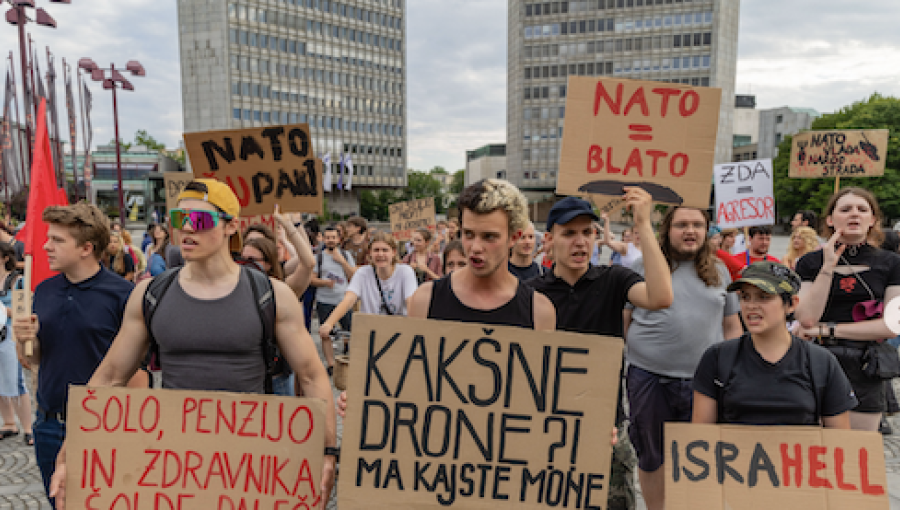
Hundreds of protesters gathered in Ljubljana on July 9 calling for Slovenia’s immediate withdrawal from Nato, sanctions against the United States and Israel, and the redirection of military spending towards public services, public broadcaster RTV SLO reported.

The protest followed the Nato summit in Ankara, where member states agreed to increase defence and security spending to 5% of GDP by 2035, including 3.5% for core defence needs and 1.5% for broader security investments.

The rally, titled "Nato, give us peace!", was organised by the Iskra Student Association and focused on opposition to Slovenia’s Nato membership and plans to increase defence spending.

Speaking at the protest, Iskra's representative Tara Maslakovič criticised PM Janez Jansa's government arguments that higher military spending would bring greater security.

“They are trying to justify the increase in military spending and armaments with promises of peace and security. We will not fall for their lies,” Maslakovič said.

She accused Nato of using military power to influence other countries and open markets to major Western economies, while calling for investment in social services instead of weapons.

The protesters also criticised Slovenia’s foreign policy, particularly its approach towards Israel. Maslakovič said that previous governments had expressed support for Palestine but had maintained economic and academic ties with Israel, while failing to take stronger actions over the war in Gaza.

She also criticised what she described as the current government’s closer ties with Israel, including announcements of strengthened relations with Tel Aviv and the possibility of opening an Israeli embassy in Ljubljana.

Opposition to Slovenia’s Nato membership has also emerged in parliament. National Assembly speaker and leader of the Resni.ca party Zoran Stevanović said he believes citizens’ views on Nato membership should be tested through a referendum.

Stevanović proposed holding a referendum on Slovenia’s membership in the alliance alongside the local elections scheduled for November 15.

In a statement posted on social media, Stevanović also criticised Slovenia’s planned military support for Ukraine, arguing that the funds would be better spent on domestic priorities.

His comments followed Janša’s announcement at the Nato summit that Slovenia would provide around €44mn in military aid to Ukraine this year.

Stevanović said that if Slovenia wanted peace, “something needs to change”, adding that public opinion on Nato membership should be examined.

Slovenia’s government has defended Nato membership, with Foreign Minister Tone Kajzer describing the alliance as the foundation of the country’s security.

According to Nato estimates, Slovenia is expected to be the only alliance member this year to spend less than 2% of GDP on core defence needs. Janša said after the summit that Slovenia would meet its commitments to Nato going forward.