Why American Farmers are Paying for Foreign Policy
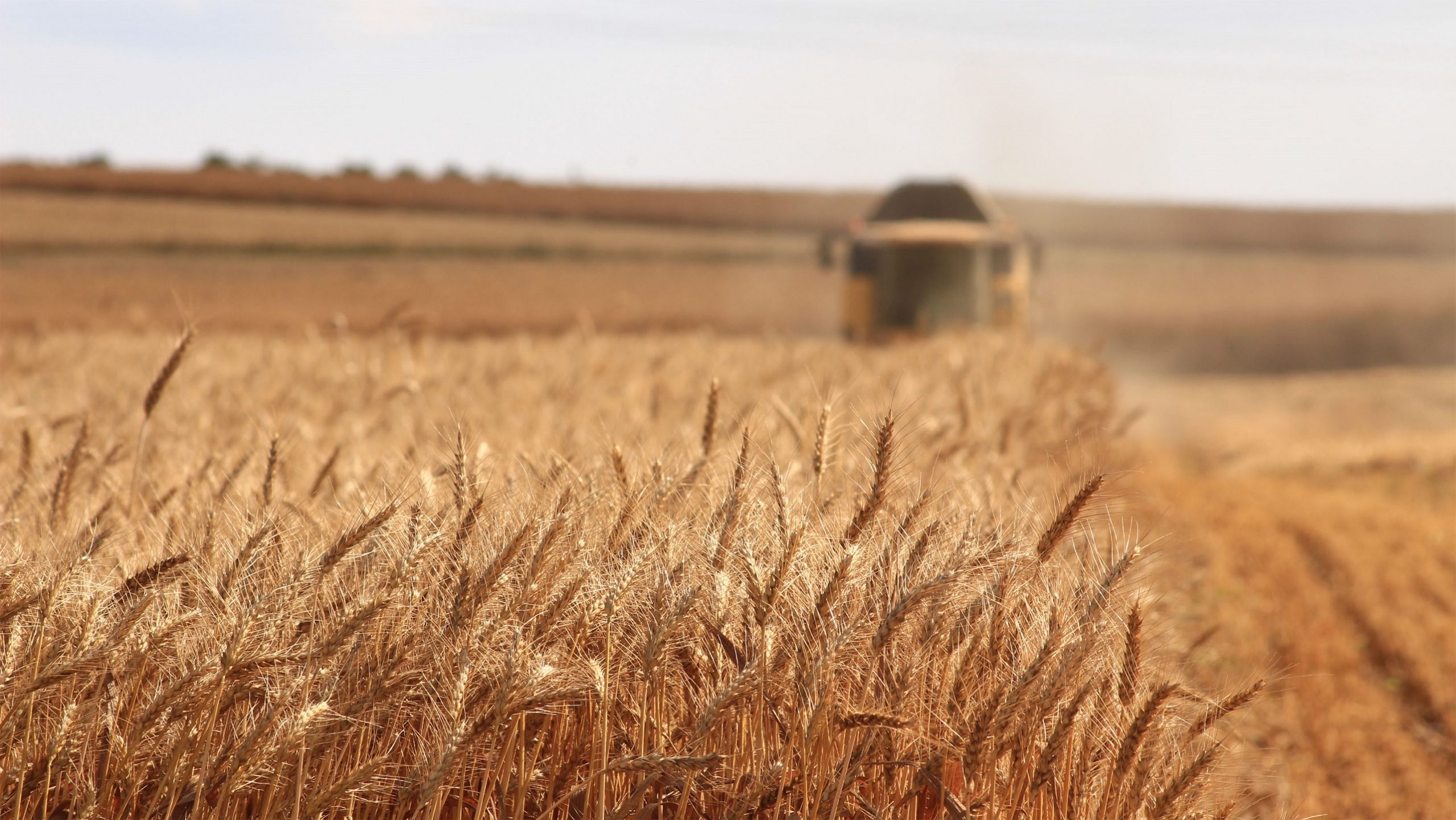
The White House’s new farm-aid request shows how a conflict abroad can return home as higher costs, public subsidies, and political pressure.
A war rarely stays where it begins. It may start with airstrikes, naval deployments, and a debate in Washington about deterrence. But before long, its costs show up in a fuel invoice, a fertilizer order, or the budget of a family farm. President Donald Trump’s request for more than $11 billion in additional farm aid is more than an agricultural-policy story. It shows how the economic costs of foreign policy travel back home, then reappear as public spending.
The request follows the Iran war and the disruption of shipping routes through the Middle East, which pushed up fuel and fertilizer costs as planting began. The proposal would direct $10 billion to row-crop and specialty-crop farmers, while the remaining $1.1 billion would assist Florida producers affected by winter storms. That distinction matters. Not every dollar in the request is a direct cost of the war. But the package still reflects a real problem: a conflict overseas has added a fresh shock to a farm economy struggling with thin margins, high input costs, and weak crop prices.
American farmers did not arrive at this moment because of Iran alone. The administration had already distributed $12 billion in aid earlier this year, as farmers struggled with high production costs, low crop prices, and trade disruptions. USDA’s farm-income forecast had already projected unusually high direct government payments for 2026. In other words, the farm sector was under strain before the Middle East crisis became a new source of pressure.
That context strengthens the point. War did not create every difficulty in rural America; it landed on top of existing problems. Farmers were facing higher production expenses, volatile export markets, and the aftereffects of trade disputes. When shipping disruptions raised the cost of energy and fertilizer, the administration was not dealing with an inconvenience. It was dealing with a sector that had little room left to absorb another increase.
This is the path the cost takes. A disruption in the Middle East affects shipping and energy markets. Higher diesel prices raise the cost of running tractors, transporting grain, and moving livestock. Higher fertilizer prices reach farmers before they can harvest a single acre. Those costs do not disappear because the conflict is far away. They are built into the price of production, carried through the supply chain, and eventually reflected in federal spending meant to keep farms from taking the full hit.
That is why emergency aid should not be treated as a sign that the domestic economy is insulated from foreign-policy risk. It is evidence that the risk has already arrived. The federal government becomes the backstop because individual producers cannot simply pass every new cost on to buyers. A farmer who faces more expensive fertilizer and fuel while crop prices stay low has no easy way to make up the difference. The gap is then filled, at least in part, by taxpayers.
The administration’s latest decisions reinforce that point. On June 29, Trump temporarily suspended certain duties on phosphate fertilizer imported from Morocco. On July 1, USDA announced $500 million to expand domestic fertilizer capacity. These measures do not mean the shock has disappeared. They show that Washington expects its consequences to last. , but traffic and fresh sales remain constrained by the fragile security environment.
There is nothing inherently suspect about helping farmers in a crisis. Agriculture is exposed to weather, commodity cycles, global demand, and sudden disruptions like few industries. A government that refuses emergency support can turn a difficult season into a wave of bankruptcies, job losses, and damage to local communities. The question is not whether farmers deserve help. They do. The question is what the need for that help says about the policies that made the shock so expensive.
The timing also gives the request an unmistakable political dimension. Rural voters have long been central to Trump’s coalition, but his support among rural Americans has declined, with economic anxiety at the center of that shift. The same polling pointed to concerns about the cost of living, declining confidence in the economy, and the effect of higher farm expenses. That does not prove the aid package is simply an electoral maneuver. It does mean the White House has political reasons to make sure that a foreign-policy shock does not become a visible economic grievance in rural communities before the midterms.
This is where the contradiction becomes harder to ignore. The administration can present aid as proof that it stands with farmers. Yet the aid is also an admission that the government is compensating people for costs they did not choose and cannot control. A military confrontation may be framed in Washington as a matter of resolve or security. In farm country, it can look like more expensive diesel, more costly fertilizer, and another round of paperwork to secure relief.
If Congress approves the request, direct federal payments to farmers could rise to about $55.4 billion in 2026, or roughly one-third of farm income. That number should not be read as the price of the Iran war alone. It includes support linked to other farm programs and economic pressures. Still, it captures the broader pattern: a system already leaning heavily on public assistance now needs more support after a geopolitical crisis pushed costs higher.
For decades, American foreign policy has often assumed that the United States could project power abroad while keeping the economic consequences manageable at home. Global interdependence has made that assumption less secure. Energy, fertilizer, insurance, shipping, food prices, and household budgets now move together far more quickly than they once did. A regional conflict does not have to reach American soil to affect an American balance sheet.
The lesson here is not that the United States should abandon farmers to the market or pretend that every foreign-policy decision can be made without cost. It is that those costs should be counted honestly. When a government spends billions to soften the domestic effects of a crisis it helped create or intensify, that spending belongs in the assessment of the policy itself. It is not a separate story. It is part of the bill.
That is the uncomfortable truth behind the White House request. The costs of war do not end simply because a fragile interim arrangement allows some shipping to resume. They are redistributed: first to producers through higher operating costs, then to consumers through prices, and finally to taxpayers through the federal budget. A foreign policy that cannot protect the domestic economy from its own predictable blowback is not cost-free strength. It is strength financed after the fact by the people at home who were told the burden would fall elsewhere.

No comments:
Post a Comment