Despite Houthi Threats, Saudi Tanker Terminal Carries On
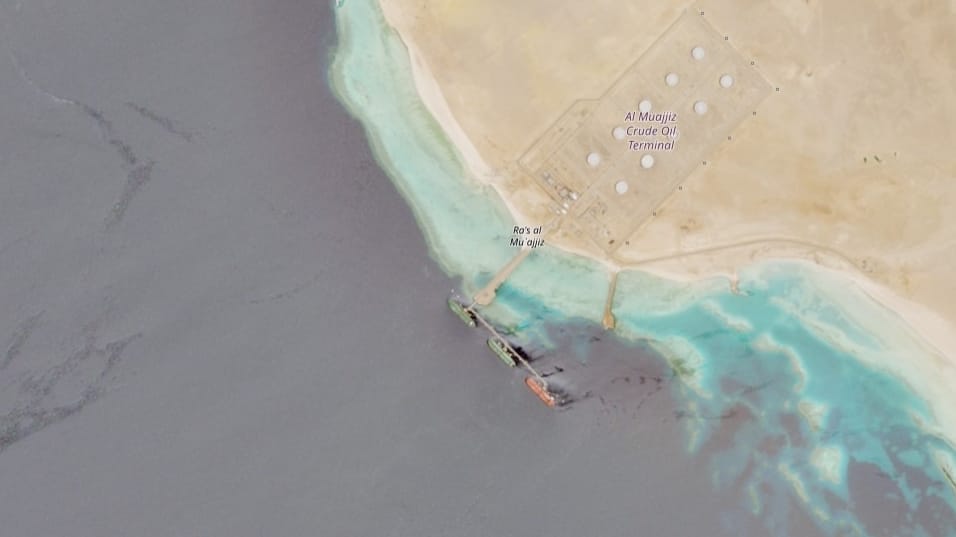
The Houthi blockade on Saudi seaports produced visible results last month, cutting daily exports by as much as 40 percent, but shipping appears to be moving through and past the threat zone in recent days.
Iran-backed Houthi militants hit multiple tankers last month with antiship missiles, including NCC Masa, Encelia, Layla (unconfirmed) and NCC Ghazal - all Saudi-owned and Saudi-flagged. The militant group also hit the Saudi refinery at Jizan and the crude processing station at Abqaiq.
Most traffic has been unaffected: the Houthis have emphasized that they would only target vessels calling at Saudi ports, and that Bab el-Mandeb will remain free and open for all other passing traffic. The group has denied recent rumors that it would be setting up a fee structure for passage, as Iran has attempted to do at the Strait of Hormuz.
Despite last month's strikes and the Houthis' threats, the tanker traffic volume at the Saudi Red Sea loading terminal at Yanbu is strong, according to satellite imaging reviewed by Bloomberg, which revealed five tankers at the pier over the weekend - a tie with a previous record. Yanbu-related transits through Bab el-Mandeb proceed apace (though some without AIS transmissions, notably the Greek tanker Lesvos and the Indian-flagged supertanker Desh Vaibhav). Consistent with previous reporting about a Chinese agreement with Houthi leadership, Chinese vessels continue to transit through the waterway with AIS on, unbothered on their way to and from Yanbu.
Flag state is a hindrance for others: six vessels with a higher risk profile appear to be taking the long way around to use the opposite entrance to the Red Sea. A small flotilla of Saudi-flagged tankers has headed south around the Cape of Good Hope, avoiding the Gulf of Aden, according to Windward. The rerouting will add about one month to the transit to Yanbu in ballast.
Saudi leaders may be contemplating a renewed military intervention in Yemen if Houthi provocations continue, though analysts suggest that it will not likely be at the scale of the full-force Saudi invasion of 2015, given the poor outcome of that engagement for Saudi forces.
"Most plausibly it would be a Saudi-enabled Yemeni offensive, possibly supported by small numbers of Saudi personnel in command, intelligence, artillery, air-defense, engineering, and special-forces roles," suggested analyst Cyril Widdershoven to the Jerusalem Post. The push would likely come in the rugged, mountainous area of Al-Bayda, strategically located at the southeastern edge of Houthi territory.

No comments:
Post a Comment