Tuesday, July 14, 2026


‘Victory’ as Türkiye ends major coal plant expansion – but still lacks phaseout plan
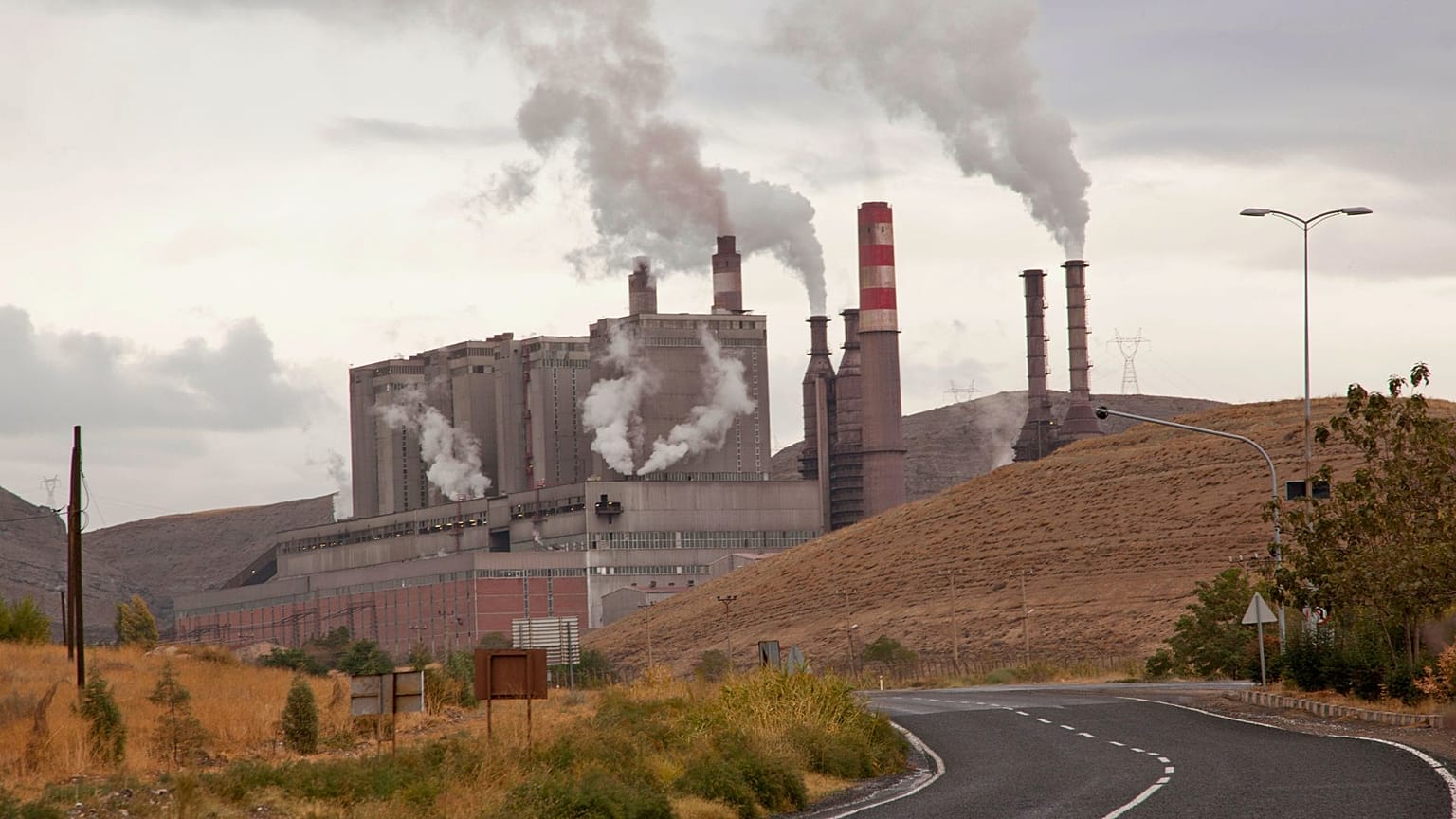
A coal power generator in Ankara, Türkiye.
Copyright Canva

By Angela Symons
Published on


Türkiye’s last planned coal project was cancelled due to public pressure – but a new one has been announced.

Environmental activists in Türkiye have declared a “victory for the people” after the expansion of the country’s largest coal-fired power plant was struck down by a court ruling.

Local residents joined Greenpeace Türkiye in fighting the construction of two additional units at the Afşin-Elbistan A Thermal Power Plant in the southeastern Kahramanmaraş Province.

Their lawsuit complained of the potential impacts of the expansion on human health, agricultural lands, water resources and local ecosystems.

Last week (8 July), the court revoked the Environmental Impact Assessment (EIA) granted to the project in late 2024, concluding that “the potential negative environmental impacts of the project cannot be demonstrated to be at acceptable levels”.

“For years, we have been fighting for clean air, fertile land, and the future of our children. This court decision is a victory for the people of Afşin and Elbistan,” says Mehmet Dalkanat from the Afşin Elbistan Life and Nature Protection Platform, which fought alongside Greenpeace.

“Now it is time to ensure the closure of all existing coal power plants through a fair transition process that protects both people and nature.”

Can Türkiye end its coal addiction?

The 688 MW Afşin-Elbistan expansion was one of just two active coal plant proposals in Türkiye, down from 95 proposed units representing 57.5 GW in 2015. The decision brings the cancellation rate for proposed coal projects in the country to 97 per cent – a global record.

Yet the country still lacks a national coal phaseout plan. The other project still in the pipeline – a 1,050 MW expansion of the 1,320 MW Cenal Coal Power Plant –

was just announced in June, despite Turkiye’s upcoming role as co-host of the UN’s COP31 climate summit in November.

“Expanding coal power is incompatible with hosting the world’s largest climate summit and sends the message that climate action is not being taken seriously,” says campaign group Beyond Fossil Fuels.

Coal remains an important part of Türkiye’s power mix, accounting for nearly one-third of electricity generation.

The country’s 20.5 GW operating coal fleet has an average plant age of 24 years and no known planned retirement dates, CAN Europe warns in its ‘Boom and Bust Coal 2026’ report.

Türkiye produces more coal-fired terawatt-hours than any European country and its generation has not yet peaked, it adds. Policy support for coal in the country is propping up the industry, including a guaranteed-rate power purchase plan for coal plants through 2030, announced last September.

Türkiye’s coal project ‘not in the public interest’

The Afşin-Elbistan expansion was stalled throughout 2025 as litigation was underway. Last September, a court-appointed expert committee compiled a report on the negative impacts of the project, concluding that it was not in the public interest.

It found that necessary assessments were not conducted, mining license information was outdated, cumulative impacts on groundwater were not studied, and the livelihoods and cultural values of the local community were threatened.

In particular, public health risks, especially for vulnerable groups, had not been properly considered.

Elsewhere, some Turkish coal plants have been accused of operating without proper filtration systems, while inefficient plants emit high levels of CO2 and air pollutants such as sulfur dioxide and particulate matter.

Opposition to the country’s coal sector continues to grow, with civil society organisations warning that separate plans to expand coal mining to supply the southwest could threaten olive groves, residential areas and cultural sites.

Could renewables offer a brighter future for Türkiye?

Reallocation of coal subsidies toward clean energy and grid modernisation would better support energy and job security in coal-dependent regions, CAN Europe argues.

As financing and subsidies for coal wane, jobs in the sector are disappearing. At the same time, the cost of generating coal-fired electricity is rising.

Renewables, on the other hand, are becoming progressively cheaper: the cost of solar and wind production has dropped by 69 per cent and 40 per cent respectively in the country over the last decade, according to CAN Europe.

A report published by Greenpeace Türkiye in May 2025 suggests that renewable energy investments could create thousands of new jobs in the Afşin-Elbistan region alone.

Türkiye is one-third of the way to reaching its renewable energy capacity target of 120 GW by 2035, according to the Ministry of Energy and Natural Resources.

“At this critical juncture, Türkiye can use its moment as COP host and president to establish an energy transition pathway that meets its existing renewable energy targets, supports communities impacted by pollution, and transitions its workforce toward a coal-free future,” says CAN Europe.

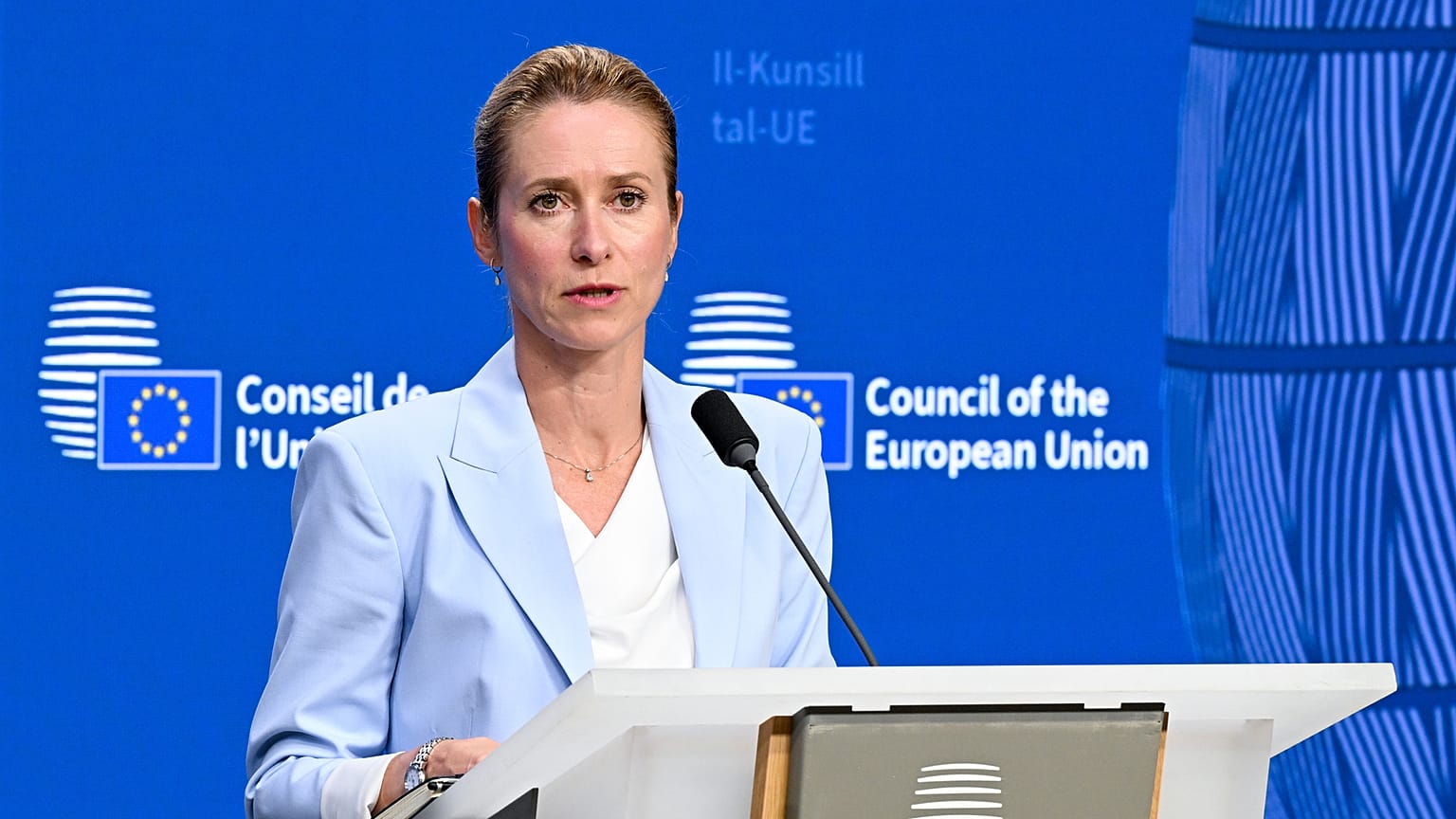
 

Full ban on Israeli settlement trade gets ‘most support’ from EU countries, Kallas says

The EU's High Representative for Foreign Policy, Kaja Kallas, 13 July 2026
Copyright FREDERIC SIERAKOWSKI/

By Mared Gwyn Jones
Published on

EU foreign ministers overwhelmingly backed clamping down on EU trade with Israeli settlements during closed-door discussions on Monday, with an official source saying the biggest cohort of countries supported passing new measures without requiring the unanimous backing of all member states.

A full ban on EU imports of goods made in Israeli settlements extracted "most support” from EU foreign ministers during a meeting on Monday, the EU’s foreign policy chief Kaja Kallas has said, after the European Commission last week presented a range of options to restrict settlement trade, the boldest of which was a full trading ban.

“The option that got the most support was banning the trade with the illegal settlements,” Kallas told reporters in Brussels on Monday evening. Israeli settlements in the occupied Palestinian territories are considered illegal under international law and by the EU.

EU ambassadors will now be tasked with putting meat on the bone of the Commission’s initial proposal, a two-page “options paper” shared with EU capitals last week and first reported by Euronews.

Kallas also said that an extraordinary meeting of foreign ministers could be convened to ensure further progress. The next formal ministerial gathering is scheduled for October, weeks before Israel is due to hold legislative elections, with several diplomats expressing fear that the sensitive timing could further scupper any progress.

Italy’s Foreign Minister Antonio Tajani, whose backing is considered pivotal if any proposal is to reach the necessary support threshold, suggested that no measures should be taken in advance of the ballot ealier on Monday.

Crucially, on Monday a majority of member states also backed framing the measures as a trade rather than as a foreign policy tool, which would avoid the need for all EU governments to unanimously back the move.

Proponents of the trade ban – including Belgium, France, Ireland, Luxembourg, the Netherlands, Spain and Sweden – had pushed back against the European Commission for arguing that any measures taken should be framed as a foreign policy tool, requiring the unanimous backing of all member states.

These countries say such trading restrictions should instead inevitably be considered trade policy, therefore requiring the backing of 15 member states representing 65% of the EU population, known as qualified majority – a benchmark that many feel could be achieved.

“These are trade measures, so that means that, as far as we are concerned, that should be possible with a qualified majority,” Dutch Foreign Minister Tom Berendsen said earlier on Monday.

Ministers earlier on Monday also expressed frustration at the EU executive led by Ursula von der Leyen for the lack of detail in the proposal, and the delay in its presentation.

“It gives me the sense that it’s more a bone to chew on, than a desire to really move forward,” Belgian Foreign Minister Maxime Prévot told reporters earlier on Monday.

“I am concerned that we are engaging in delay tactics, debating endlessly without taking action, when such debate is not actually necessary. A decision not to trade would simply be an application of international law,” Spain’s Foreign Minister José Manuel Albares said.

The EU already pursues a policy of "differentiation" when it comes to settlement-manufactured goods, meaning they are exempt from preferential tariffs given to products made within Israel and fall outside the scope of the EU-Israel trade and cooperation agreement, known as the Association Agreement.

But political calls to fully ban such trade have been gaining momentum given the deteriorating situation in the occupied West Bank.

A 2024 International Court of Justice (ICJ) advisory opinion on the illegality of the Israeli settlements, which obliges states to abstain from economic dealings that could entrench the unlawful situation, has also added legal weight to those calls.

The European Commission President, Ursula von der Leyen, has been accused by critics of obstructing a decision on banning settlement trade, by suggesting that the ban needs the unanimous backing of member states.

Kallas, however, cited an oral opinion by the Council of the EU's legal services, which found that member states could restrict or ban the trade of settlement goods with qualified majority support.

Asked about the clash of opinions, Kallas said: "We need to have a unified position, and so far we have not been able to have that unified position."

There is a legal opinion that we can do this also with the qualified majority," she added "And, you know, if there is a will, then we can move forward."

Future of the VW Osnabrück plant: Is the Iron Dome missile deal at risk of collapse?

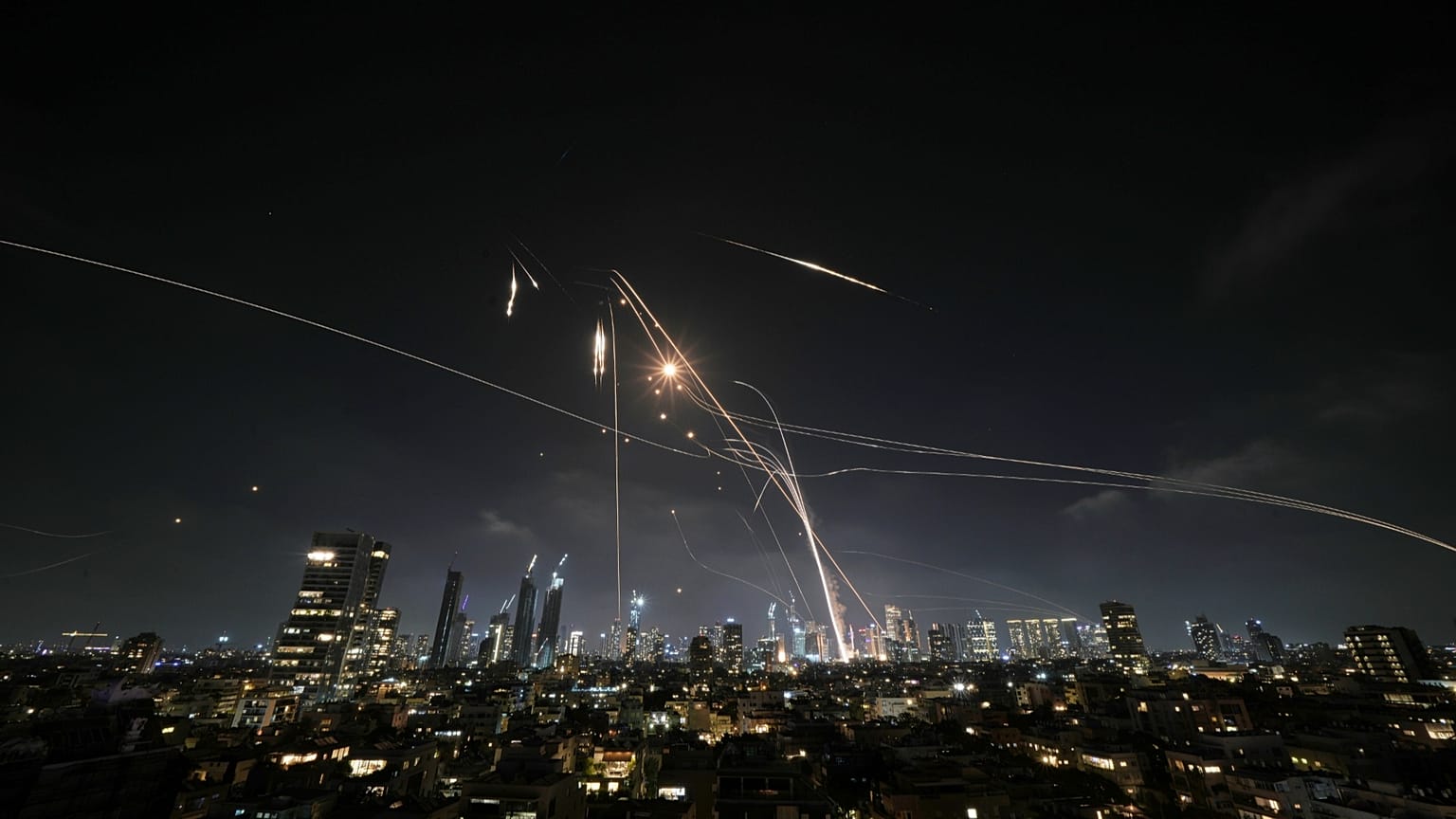
Illustrative image: Israel’s Iron Dome launches missiles over Tel Aviv on 13 June 2025, attempting to intercept incoming rockets.
Copyright AP Photo/Leo Correa


By Johanna Urbancik
Published on

Vehicle production at VW in Osnabrück is scheduled to end in 2027, meaning around 2,300 jobs depend on a follow-up solution.

Israeli defence company Rafael Advanced Defense Systems is reportedly considering setting up production of Tamir interceptor missiles for its Iron Dome air defence system in India, the Bild daily said citing company sources.

The move could mean that Volkswagen’s plant in Osnabrück may no longer be in the running as a production site for Iron Dome components.

In the spring, Volkswagen confirmed that it was in talks with defence industry companies about the future of the plant in Osnabrück.

According to Reuters, Rafael signed a memorandum of understanding for the site in April. The plan was to manufacture components for the Israeli missile defence system there.

Vehicle production at VW in Osnabrück is scheduled to end in 2027, meaning around 2,300 jobs depend on a follow-up solution.

A traffic light shines in front of a Volkswagen logo at the Volkswagen plant in Osnabrück, 29 October, 2024
A traffic light shines in front of a Volkswagen logo at the Volkswagen plant in Osnabrück, 29 October, 2024 AP Photo

Qatar said to be complicating talks

According to Bild, the project has met with resistance from within the VW group. The report says the Qatar Investment Authority (QIA), one of Volkswagen's largest shareholders, has reservations about working with the Israeli state-owned company.

Reuters also reported in June, citing several people familiar with the talks, that the Qatari sovereign wealth fund was making the negotiations more difficult.

QIA holds around 17% of Volkswagen’s voting rights and has two seats on the supervisory board.

India gaining in importance

According to information obtained by Bild, Rafael could therefore push ahead with setting up production in India. The decision has not yet been officially confirmed.

India is a key growth market for international defence companies. With its "Make in India" strategy, the country aims to locate a larger share of defence production on its own soil.

From Israel’s perspective too, India has for years been regarded as one of its most important defence partners. In addition, Rafael already operates a production line for Tamir interceptor missiles in the US state of Arkansas together with American company Raytheon.

Volkswagen is still looking for a long-term perspective for the Osnabrück plant. Most recently, business magazine Capital reported that the state of Lower Saxony is even considering taking a stake in the site to support the transition to possible arms production. A decision on the plant’s future has yet to be taken.

 MORE ANTI CUBA DISINFORMATION


'We will deal with it,' Trump says as US probes reports of Iranian drones in Cuba


By Cristian Caraballo
Published on

The US president said his administration is checking whether Tehran stores drones and missiles on the island and warned Washington will act if confirmed, but he offered no proof or details about the alleged weapons.

The United States is investigating whether Iran has drones stored in Cuba, President Donald Trump confirmed from the Oval Office on Monday.

Asked by reporters about a purported intelligence report pointing to the possibility, the president replied bluntly: "If they have them, and it's very possible that they do, we'll take care of it."

Trump went further, suggesting the island might also be storing Iranian missiles, something that, he said, his administration "is looking into right now."

Trump did not provide any photographs, intelligence documents or details on the number, model or location of the alleged equipment. The question that triggered his comments came from a journalist working for a media outlet aligned with conservative positions, who referred to a report that had not previously been made public.

The president also mentioned that Secretary of State Marco Rubio was in an adjoining room as he answered, implying that the issue was already on the State Department's agenda.

For now, the only thing confirmed is that Washington has opened a review of the matter, not that the weaponry exists or that it poses an imminent threat. Cuba has not yet commented on the US president's claims.

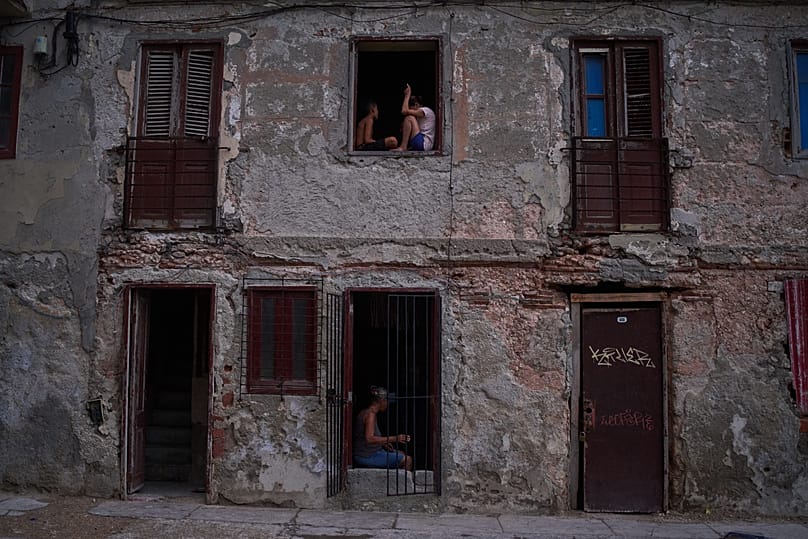
People catch the cool air from the street at their home's window during a blackout in Havana, 10 July, 2026 AP Photo

In February 1962, Washington enacted a financial and trade embargo against Cuba, which is still in force, in response to the Soviet Union's courting of Fidel Castro.

In October 1962, the United States identified facilities for Soviet nuclear missiles on Cuba.

For two weeks, the world was gripped by fears of nuclear war between the superpowers until negotiations brought an end to the Cuban Missile Crisis.

More sanctions on an island already being choked

Trump's words come at a time of growing pressure on Havana. The State Department announced that it was designating 10 entities linked to the Cuban government as part of what it described as an initiative to curb "the malign activities of the Cuban regime," among them Enetec S.A. and Coreydan S.A., which trade in fuels, and the business groups Gecomex and Gemar.

In June, the sanctions had already reached the Cuban president, Miguel Díaz-Canel, several members of his family and Colonel Alejandro Castro Espín, son of former president Raúl Castro, who also faces a Justice Department indictment over the 1996 downing of two small planes flown by Cuban exiles, in which four people were killed.

On top of more than six decades of embargo, the administration has, since the start of the year, added an energy blockade that the Cuban authorities link to the nationwide power cuts suffered this year, the most recent of them last Friday.

An Axios analysis cited by several media outlets maintains that the Cuban regime has incorporated more than 300 military drones of Russian and Iranian origin since 2023, and that the Revolutionary Armed Forces are studying a possible use of these systems against US targets such as the Guantánamo naval base or facilities in Key West.

The report itself warns that portraying armed drones as defensive assets is more a distortion of language than standard military doctrine, and stresses that the deployment of these systems was the result of several years of planning, not an improvised response to the recent tensions with Washington.


First Bundibugyo Ebola vaccine to start human trials in the UK


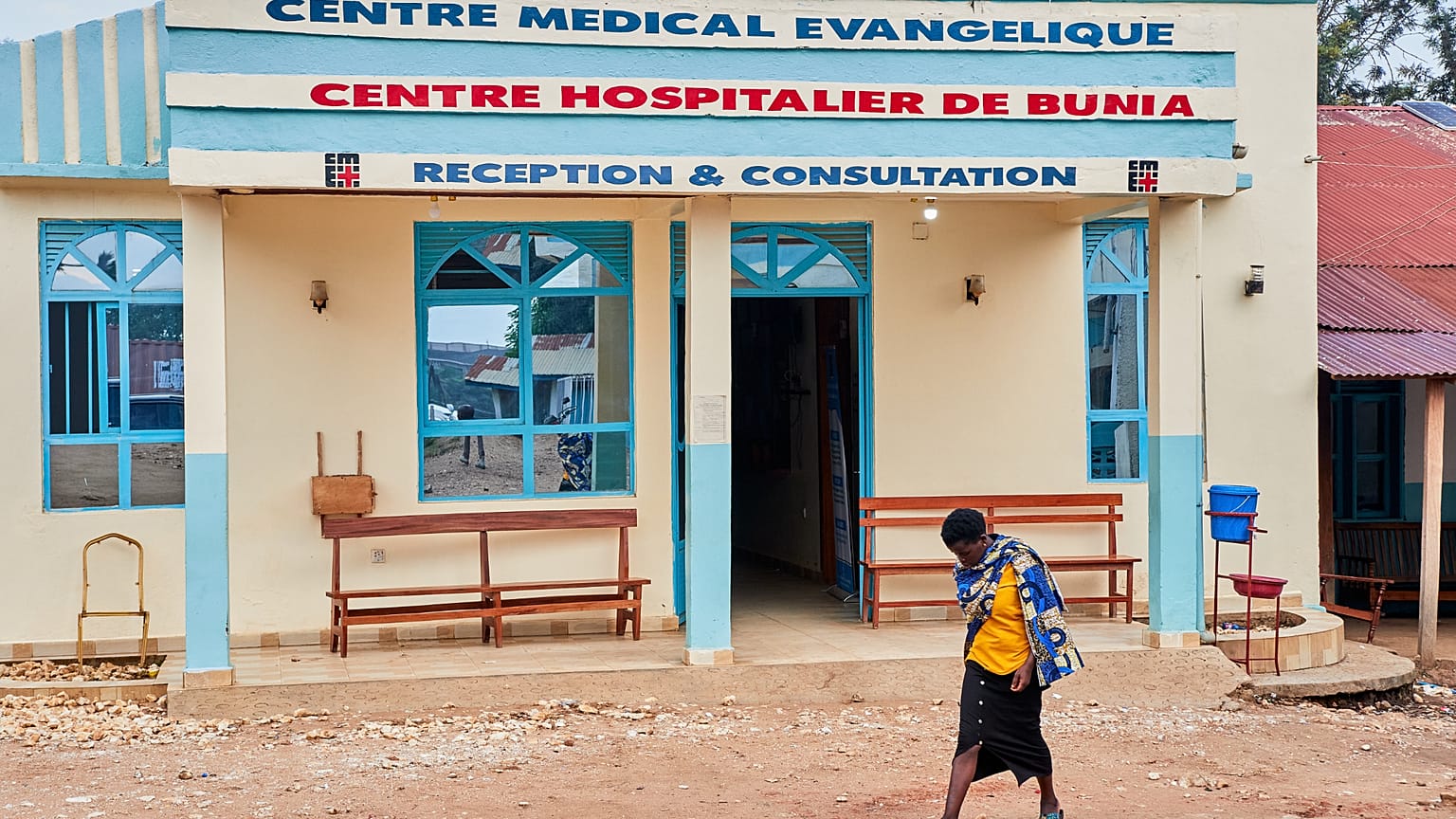
Copyright AP Photo/Dirole Lotsima Dieudonne

By Marta Iraola Iribarren
Published on 14/07/2026 

Scientists in Oxford will start to test the world's first vaccine against Bundibugyo Ebola, as an outbreak of the rare virus strain continues to spread across Congo and Uganda.

The University of Oxford’s Vaccine Group has launched the world’s first human clinical trial of a vaccine against Bundibugyo Ebolavirus amid the ongoing outbreak in the Democratic Republic of the Congo and Uganda.

The Phase I clinical trial will take place in Oxford and will assess the safety and immune response of the vaccine in 50 healthy adults aged between 18 and 55.

“Every step that brings a safe and effective vaccine closer helps strengthen our ability to protect vulnerable communities, save lives and bring this outbreak under control,” said Nicole Lurie from the Coalition for Epidemic Preparedness Innovations (CEPI), adding that the University of Oxford’s work is a “pivotal milestone in the response effort”.

The Oxford team is now recruiting volunteers for the study. In the coming weeks, following regulatory review for trial commencement, participants will be vaccinated and attend follow-up visits, the Oxford Vaccine Group announced in a press release.

Further clinical studies are also being prepared in Uganda, pending regulatory approval, at the Medical Research Council/Uganda Virus Research Institute and the London School of Hygiene and Tropical Medicine's Uganda Research Unit.

“As affected countries continue to respond to this outbreak, Africa CDC welcomes rapid scientific progress that is conducted with the highest standards of safety, regulatory oversight and partnership,” said Jean Kaseya, the chief of the Africa Centres for Disease Control and Prevention.

He added that while early-stage clinical trials are not an immediate solution for communities facing the outbreak today, they are a critical part of building the tools needed for responding to current and future outbreaks.

The Bundibugyo epidemic affecting Congo and Uganda is among the largest ever recorded and infection numbers are still rising.

As of 11 July, Congo’s health ministry had confirmed 1,926 cases and 702 deaths across five provinces. On 12 July, Uganda confirmed 20 cases, including two deaths.

Ten provinces are currently considered high-risk, including Kinshasa, according to Congo's Ministry of Health.


Fact check: FIFA boss Infantino probe called for by MEPs, not whole parliament


By Tamsin Paternoster
Published on

Viral posts falsely claim that the European Parliament called for an investigation into FIFA's President Gianni Infantino.

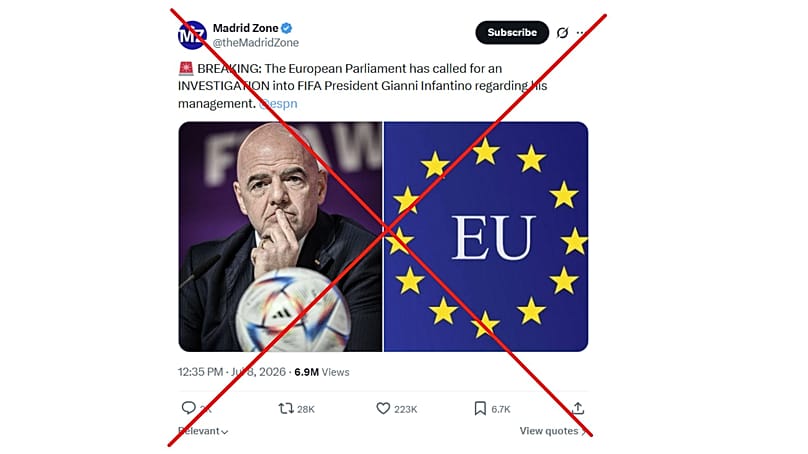
"The European Parliament has called for an investigation into FIFA President Gianni Infantino," reads a post on X that has been viewed more than 6 million times.

However, this claim is misleading. While 72 members of the European Parliament (MEPs) have signed a letter calling for FIFA's Ethics Committee to investigate Infantino, the European Parliament itself has not officially adopted that position.

What happened?

The controversy stems from FIFA's decision to suspend an automatic one-match suspension for the US football team’s striker, Folarin Balogun, after he was sent off during the US's round of 32 victory over Bosnia and Herzegovina.

Post claims that the 'European Parliament has called for an investigation into FIFA President Gianni Infantino regarding his management.'
Post claims that the 'European Parliament has called for an investigation into FIFA President Gianni Infantino regarding his management.' @theMadridZone

US President Donald Trump publicly acknowledged asking FIFA to review the case, telling reporters, "All I did was ask for a review because I didn't think it was a foul."

The decision prompted uproar from Belgian fans as well as football coaches, with the Belgian Football Association calling it "astonishing" and requesting an explanation from FIFA.

What does the letter say?

The letter, dated 8 July and signed by 72 MEPs, is addressed to the presidents of the 27 national football associations in EU member states.

Rather than asking the European Parliament to investigate, it urges the football associations to ask FIFA's independent Ethics Committee to examine whether political pressure influenced the disciplinary process and whether Infantino complied with FIFA's rules on political neutrality.

The lawmakers, in a letter seen by Euronews, argue that FIFA's own statutes and Code of Ethics require political neutrality and that member associations have a responsibility to ensure senior FIFA officials are held accountable if those rules are breached.

The lawmakers stress that their concerns are not about Balogun himself, writing that they are "not motivated by any desire to see any individual football player sanctioned" but instead want to "ensure that rules are applied in a way to protect the integrity of the game."

Ultimately, and unlike what the viral claim suggests, the letter is not the official position of the European Parliament, but an initiative by individual MEPs.

It does not represent the official stance of the European Parliament itself, which has not adopted a resolution calling for an investigation, nor has it voted to endorse the letter.

FIFA's response

Neither FIFA nor Infantino have publicly responded to the letter.

Both previously rejected suggestions that Balogun's case was influenced by political considerations, with FIFA saying the decision to lift the suspension was made by its independent disciplinary committee.

Infantino confirmed that the call with Trump took place, but said he explained to the US president that there was an ongoing legal process involving FIFA's judicial bodies and that the "case would be decided in due course by the competent bodies," which he argued were independent.

€2.8bn battle on the pitch: France and Spain face off in World Cup's priciest semi-final

Copyright AP Photo/Julio Cortez

By Quirino Mealha
Published on 14/07/2026
EURONEWS


Tuesday's clash between France and Spain in Texas is not just a footballing spectacle, it is also, by market value, the costliest semi-final the World Cup has staged, with the two squads worth a combined $3.2 billion (€2.8bn).

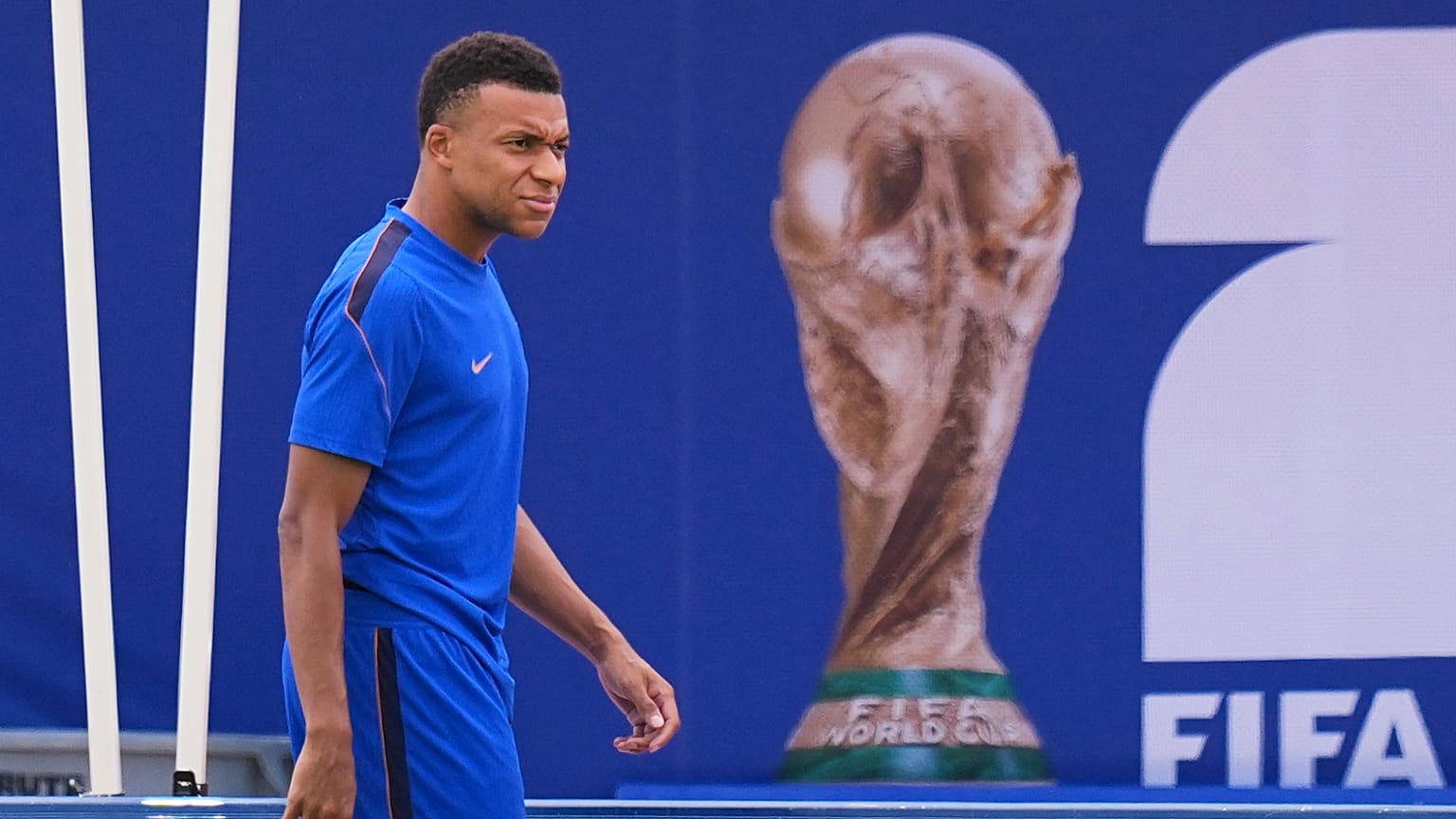
When Kylian Mbappé and Lamine Yamal lead their sides out at AT&T Stadium in Arlington, Texas, on Tuesday evening, they will be doing more than chasing a place in Sunday's final, they will be fronting the priciest collection of talent ever assembled for a men's World Cup semi-final.

Transfermarkt's latest figures value France's squad at roughly $1.78 billion (€1.56bn) and Spain's at $1.43 billion (€1.25bn), a combined total of around $3.2 billion (€2.8bn), which outstrips any previous last-four meeting in the tournament's history.

Much of that financial weight is concentrated in a handful of individuals.

Barcelona's Yamal, who turned 19 the day before kick-off, is the most expensive player left in the competition at around $234 million (€205m), with Mbappé close behind at roughly $211 million (€185m).

Michael Olise and Pedri follow, both valued at around $176 million (€154m).

Between them, the quartet accounts for four of the five costliest footballers in the world, with the fifth being Norway's Erling Haaland, whose side did not reach this stage after losing to England

France's edge is starkest in attack, where forwards including Ousmane Dembélé and Désiré Doué push the unit's combined worth to roughly $878 million (€770m), well ahead of Spain's $489 million (€428m) attacking line, even with Yamal in its ranks.

France also lead in defence, valued at $473 million (€414m) to Spain's $337 million (€295m), while Spain have the edge in goal, their goalkeepers are worth a combined $113 million (€99m), against France's $67 million (€58m).
Market value has not dictated ticket demand

Market value seemingly has not dictated demand for tickets at World Cup matches.

Resale prices for Wednesday's second semi-final between England and Argentina in Atlanta have been running around $1,000 higher on average than for Tuesday's tie, even though that fixture's combined squad value, at roughly $2.5 billion (€2.2bn), trails France and Spain's total.

Demand there is being driven largely by Lionel Messi's possible farewell World Cup appearance.

As for the match itself, recent history offers Spain some reassurance against what the figures suggest.

La Roja have won six of the last 10 meetings between the sides, including victories at Euro 2024 and in last year's Nations League, both by narrow margins.

Kick-off is at 2pm local time, 8pm in the UK and 9pm in Paris and Madrid, with the match falling, fittingly for the French camp, on Bastille Day.
3,000-year-old Egyptian tomb with vivid afterlife paintings uncovered near Luxor


Copyright Credit: Egyptian Ministry of Tourism and Antiquities

By Theo Farrant
Published on 14/07/2026 
EURONEWS

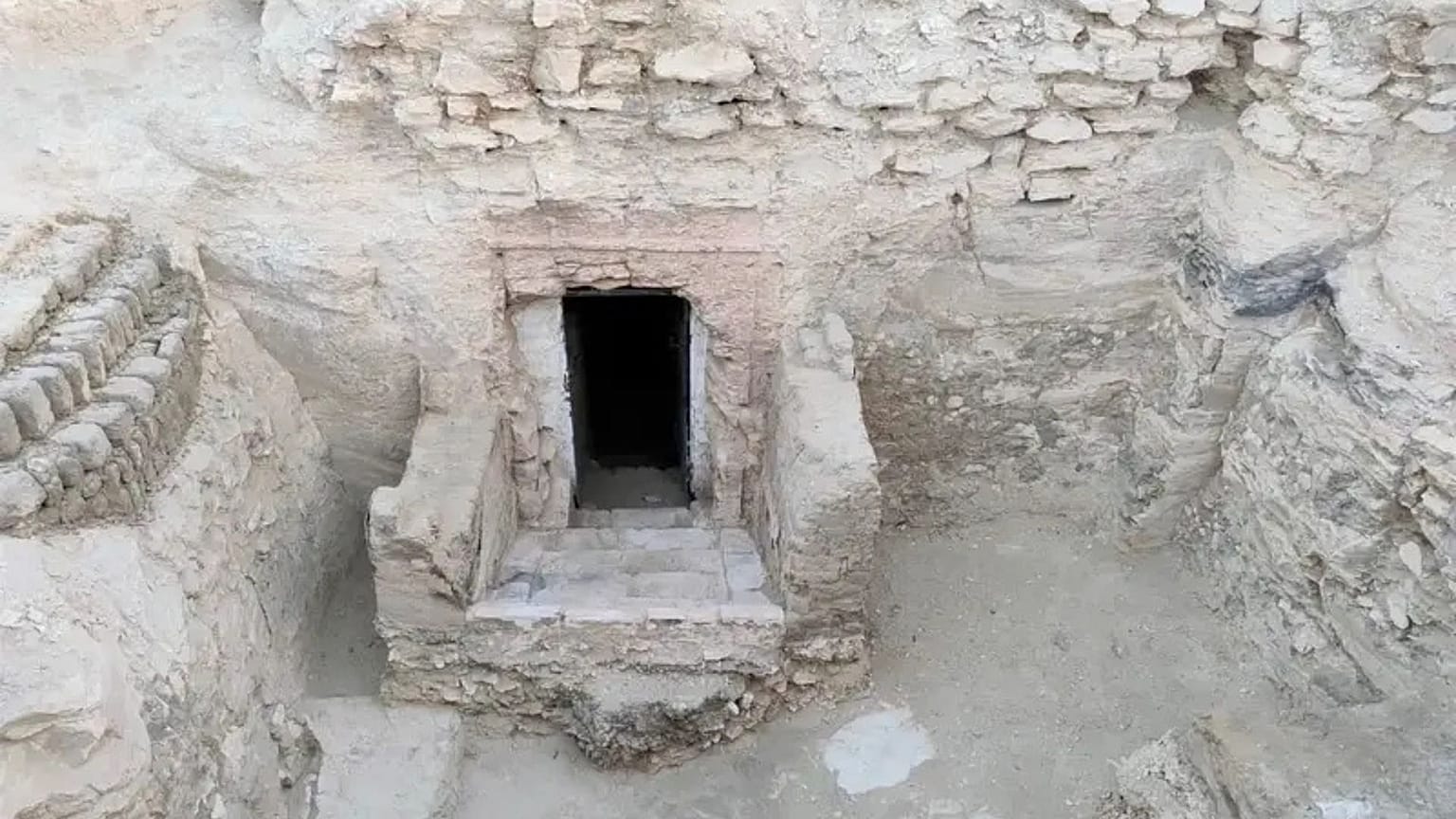
Dating back to Egypt’s Ramesside period - the era of powerful pharaohs such as Ramesses II - the tomb features scenes of religious rituals and the journey into the afterlife.

Dutch archaeologists have uncovered a previously unknown 3,000-year-old tomb near Luxor, Egypt, revealing vivid wall paintings and inscriptions that identify its owner as a man named Paser.

Announced recently by Egypt's Supreme Council of Antiquities (SCA), the discovery was made in the Sheikh Abd El-Qurna necropolis on Luxor's West Bank, part of the UNESCO-listed Theban Necropolis, one of ancient Egypt's most important burial grounds for priests and high-ranking officials.

The team behind the excavation believe the tomb dates to the Ramesside period (circa 1292–1069 BCE), based on the style of its decoration.
RelatedArchaeology: 18 ancient tombs in Egypt yield 'golden tongue' amulets
Homer and the mummy: Rare copy of the Iliad poem found inside ancient Egyptian tomb

It was uncovered by a Dutch archaeological mission from Leiden University, led by Carina van den Hoven, who has been excavating the site with the SCA since 2018.

The tomb has the classic layout of an elite New Kingdom burial, with an open courtyard leading to a rock-cut chapel and underground burial chambers. Archaeologists also found a mudbrick bench designed to hold a funerary stela and a staircase descending to the entrance.

Inside, surviving painted scenes depict Paser worshipping Egyptian gods and sitting beside his wife at an offering table, images intended to provide the deceased with an eternal supply of food and drink in the afterlife.

More of the painted decoration is expected to emerge as conservators remove a thin layer of dirt covering parts of the walls.

"The team will continue documenting and studying the tomb to identify those buried within it and reconstruct their identities," said Hisham Al-Leithy, secretary-general of the SCA.


Google gives Swiss Android users fewer search options than their EU counterparts, regulator says

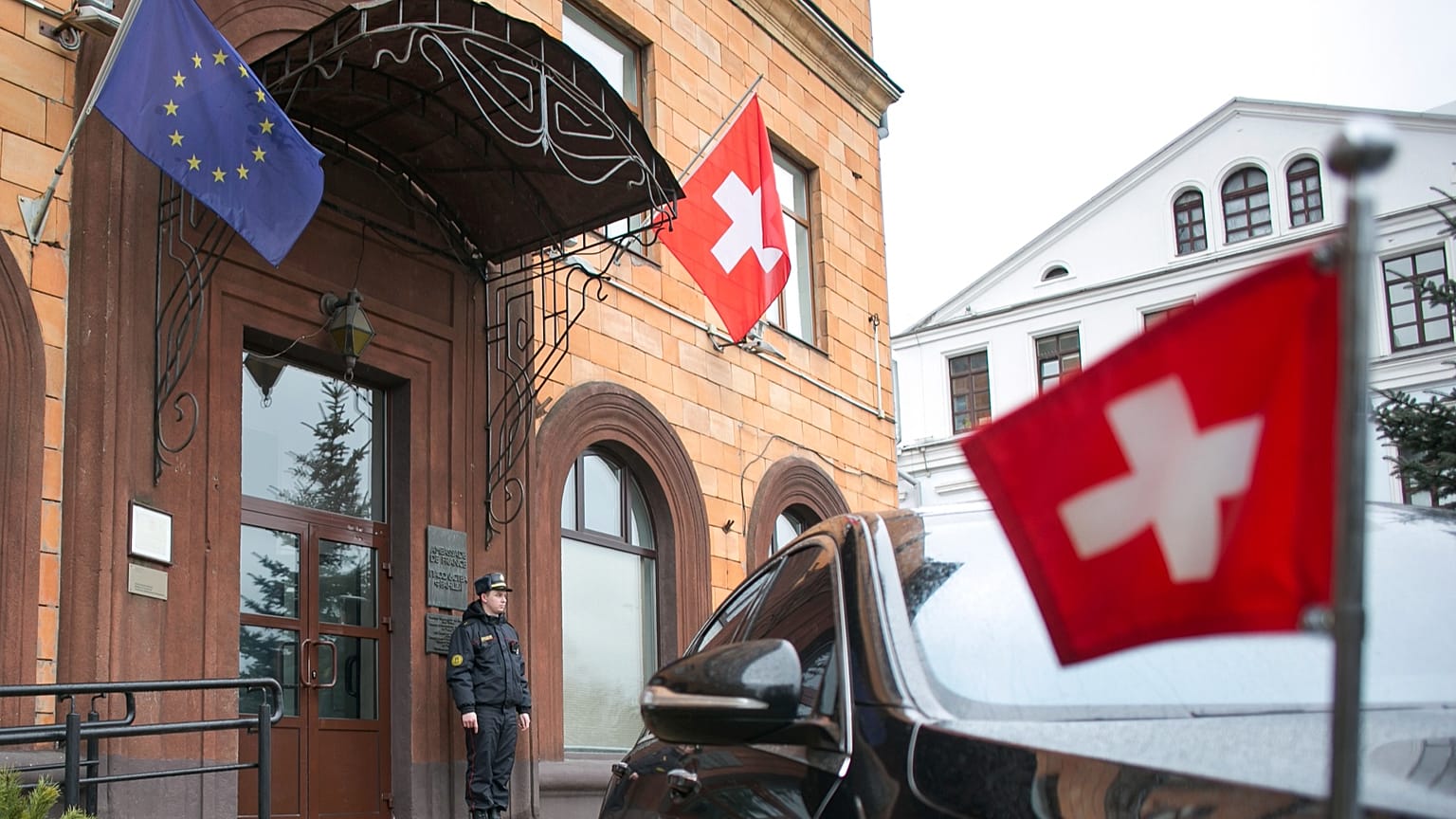
FILE - Swiss and EU flags at an entrance of the new Switzerland Embassy in Minsk, Belarus, Thursday, Feb. 13, 2020. (AP Photo)
Copyright AP Photo

By Una Hajdari
Published on

Swiss Android users no longer get to choose their default search engine when setting up a new phone. Their EU neighbours still do.

Switzerland's competition watchdog has opened a preliminary investigation into Google after the tech giant removed a feature allowing users to choose their default search engine when setting up Android devices in the country.

The Competition Commission, known in Switzerland by its acronym (WEKO), said on Tuesday its secretariat had launched the probe to examine whether the removal of the so-called "Choice Screen" constitutes an unlawful restriction of competition under Swiss cartel law.

"Default settings play a crucial role in digital markets... eliminating this feature could restrict the visibility of search engines that compete with Google during device setup, thereby increasing barriers to market entry," WEKO said in a press release.

The Choice Screen, which appears during the initial setup of a new Android device and prompts users to select a default search engine, was discontinued by Google in Switzerland while remaining available across the European Economic Area.

Why are the rules different in Switzerland?

Switzerland is neither an EU nor an EEA member, and the Digital Markets Act does not apply on Swiss territory.

The search choice screen originated as a remedy in the EU's Android antitrust case: in March 2020, the European Commission and Google agreed it would appear on all new Android devices shipped to the EEA and the UK.

It was later reinforced by the DMA, which requires gatekeepers to show users choice screens and to let them easily change a default they do not want. Google was designated a gatekeeper in September 2023 and expanded its choice screens in March 2024 to comply.

No equivalent Swiss obligation exists and Swiss officials had expected they would not need one.

A 2023 assessment by the government's Interdepartmental Coordination Group on EU Digital Policy concluded that large foreign gatekeepers would apply EU rules in Switzerland anyway, on the grounds that treating the two markets differently would not be financially worthwhile and that Swiss users were therefore likely to benefit from the DMA in practice.

Google's removal of the choice screen tests that assumption directly.

Switzerland does have a platform law in the pipeline. The Federal Council opened a consultation in October 2025 on a Federal Act on Communication Platforms and Search Engines, which closed in February.

But it would not cover this case, since the bill is modelled on the EU's Digital Services Act rather than the DMA and deals with content moderation and transparency rather than default settings. The bill is not expected to reach parliament before late 2026 or early 2027.

The preliminary investigation will seek to determine whether there are grounds to pursue a formal competition case.


EU says threats against ICC 'unacceptable' as US launches campaign to 'dismantle' court


By Emma De Ruiter & Gavin Blackburn
Published on

The Trump administration said it would pressure other countries to withdraw from the court, marking a sharp escalation in the US effort to isolate the Hague-based institution.

The European Union slammed threats against the International Criminal Court (ICC) on Tuesday, after Washington vowed a sweeping campaign against the tribunal.

"We are strongly committed to international criminal justice and the fight against impunity. Attacks or threats against the court-elected officials, personnel or those cooperating with the court, are simply not acceptable," EU spokesperson Anouar El Anouni said.

Those comments come after US Secretary of State Marco Rubio launched a sweeping campaign to undermine the ICC that could include further sanctions and other measures.

In a video posted on X and a lengthy op-ed in the Wall Street Journal, Rubio vowed to "dismantle" the court, claiming it posed "an intolerable threat to US sovereignty."

"The ICC and its friends are waging a war against our country, not with bullets or missiles, but with statutes, compacts and the force of so-called international law," Rubio said in the video.


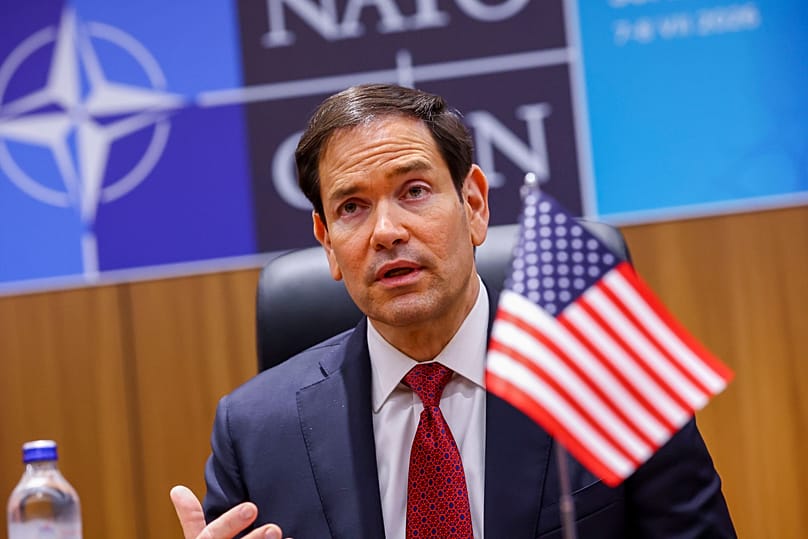
US Secretary of State Marco Rubio on the sidelines of the NATO leaders' summit in Ankara, 7 July, 2026 AP Photo

Rubio added that the ICC "threatens every aspect of our political and legal system," and that it has moved from being a "narrow backstop" charged with prosecuting "only the gravest offenses...when a nation's courts were unable."

The State Department said in a statement that the campaign will "systematically disable the ICC's ability to operate, target American servicemen or officials, or otherwise threaten American sovereignty."

It said the court "claims the authority to prosecute and even imprison American servicemen and officials operating on behalf of America's national interest."

"Americans never signed up for this, and all American presidents since the ICC's ratification have maintained that the ICC does not have jurisdiction over Americans," the department's statement said.

'No diplomatic option off-limits'

It marks a sharp escalation in ongoing US efforts to isolate the Hague-based institution, on which the Trump administration had already imposed sanctions.

The US has previously targeted individual court officials it deems a threat to US interests, but the new "whole of government" campaign will pressure other nations "to withdraw from the ICC and cut off any financial support to the court," according to a State Department official who spoke on condition of anonymity.

"No diplomatic option will be off-limits in the campaign to dismantle the threat posed by the ICC to Americans," the State Department wrote in its statement.

Among the actions the US government plans to take is "increased scrutiny of nations that refuse to reject the ICC’s false authority while relying on US assistance", according to the statement.

It also calls upon "nations that partner with American law enforcement and the US military" to "reject the ICC’s purported authority to prosecute American officials and servicemen".

The announcement immediately drew condemnation from international legal experts. Kenneth Roth, the former executive director of Human Rights Watch wrote on X that the Trump administration wants to "to be able to commit war crimes with impunity even on the territory of governments that have joined the International Criminal Court".

"Rubio is dressing up his quest for impunity for American war crimes abroad under the label of national sovereignty, which ignores the sovereign right of other nations to invoke the ICC for crimes committed on their territory," Roth said.

"He makes it sound like the ICC acts out of the blue anywhere it wants when in fact it acts only against crimes committed on the territory of states that have invited it," he added.

The ICC only has jurisdiction to investigate crimes committed in states that are party to the Rome statute, the 2002 treaty that established the court. The court has never opened investigations into crimes committed on American soil, and the United States has not ratified the treaty.