Monday, September 21, 2026


Climate Week warns of challenges in delivering the energy transition

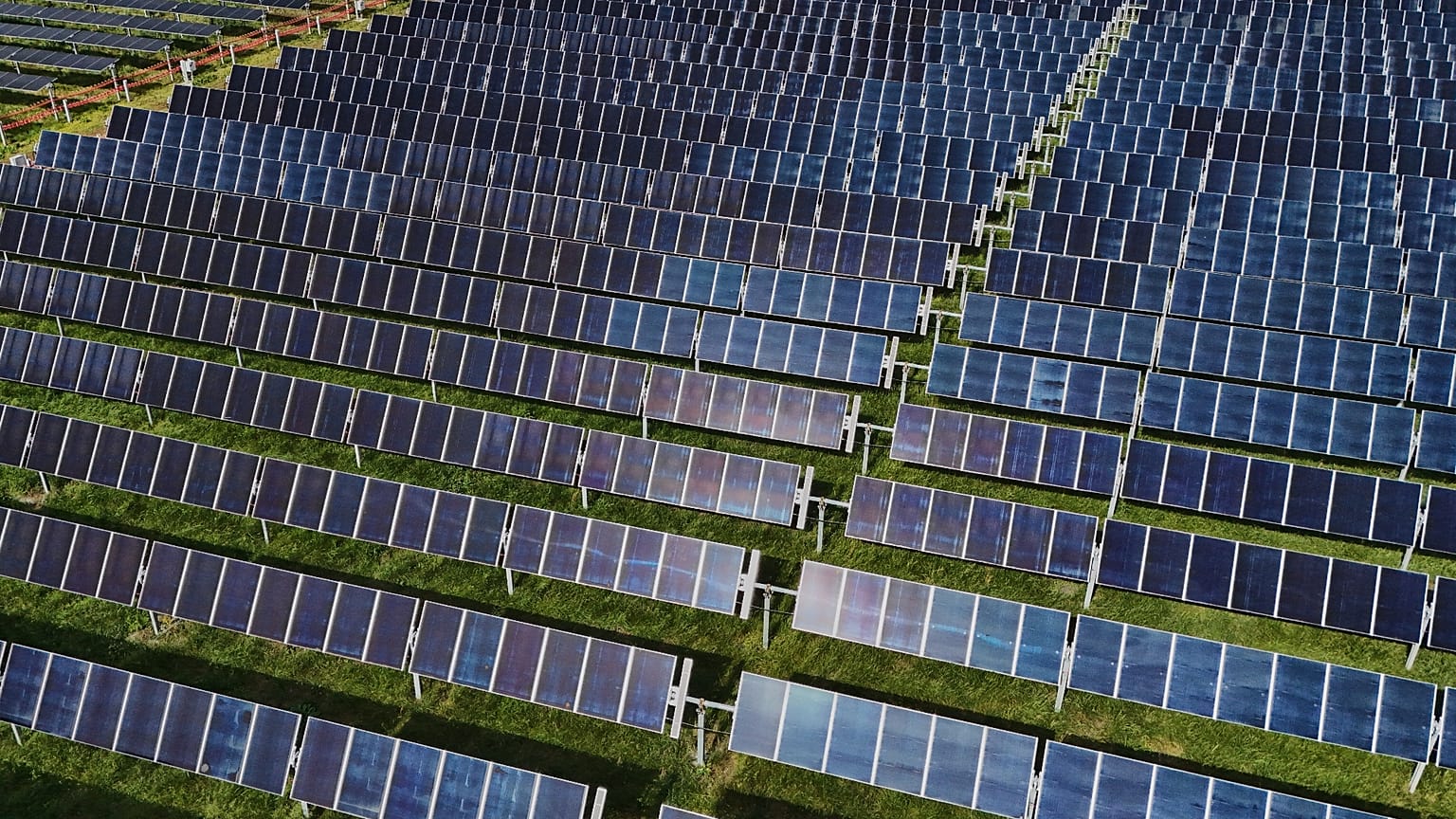
Solar park in the United States: the energy transition is one of today's major challenges
Copyright Joshua A. Bickel/AP

By Ricardo Figueira
Published on

The event coincides with the United Nations General Assembly and is organised by the NGO Climate Group, which aims to achieve net-zero carbon emissions worldwide by 2050.

A Climate Week (source in Portuguese) began in New York this Sunday, with a series of events across the city, and runs until the 27th. Over the coming days, business and political leaders from around the world will discuss solutions for a more sustainable society with lower carbon emissions.

The event is an initiative of the non-governmental organisation Climate Group (source in Portuguese), organised in coordination with the United Nations General Assembly, which takes place at the same time in the same city.

The first day, Monday, features contributions from the Prime Minister of Australia, Anthony Albanese, the UK foreign secretary, Ed Milliband, and the Icelandic prime minister Kristún Frostadóttir.

This is the largest event in the world dedicated to climate change. It includes more than a thousand events at various locations in New York, bringing together on average more than one hundred thousand people.

This year's debates will focus on three aspects:

Energy and the changes taking place in this field,

The impact those changes are having,

The joint action that is needed.

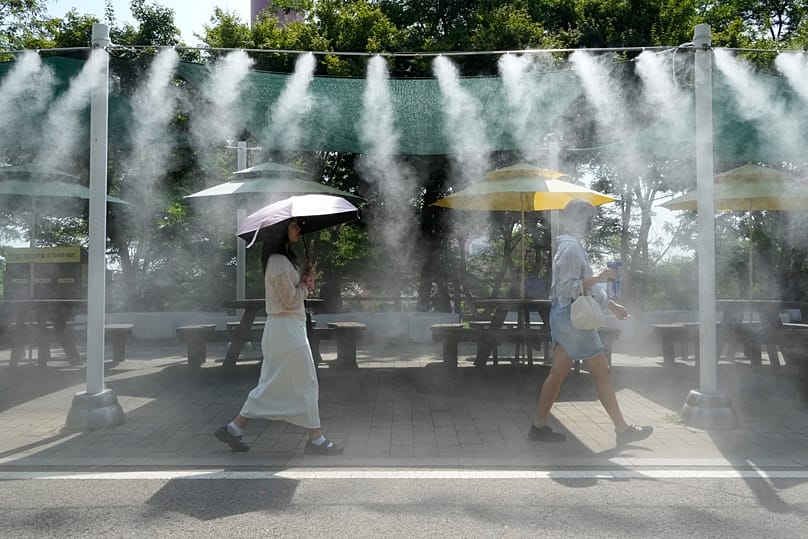
This series of debates comes at a time when the impact of climate change is highly visible, with tragedies such as the one that recently hit Nepal and the heatwaves that have been battering many parts of the world in recent weeks.

Heatwaves have been recurring in recent weeks
Heatwaves have been recurring in recent weeks Ahn Young-joon/AP

Climate Group has been in existence for around 20 years and aims to help create a world with zero carbon emissions by 2050.

According to the description Climate Group gives on the event website, "the context is changing rapidly. Energy systems are being redesigned, supply chains are under pressure and demand for electricity is rising, driven by electrification, Artificial Intelligence (AI) and digital infrastructure. At the same time, the transition is opening up new sources of long-term growth, investment and competitiveness."

The organisers also say that "the current challenge is not ambition but implementation". "Progress is being held back by outdated regulation, infrastructure constraints and misaligned markets. The priority is to remove these barriers and deliver change quickly and at scale. Climate Week exists to accelerate that progress," they add.

This year's conference is taking place against a backdrop of the rapid expansion of AI and the revolution that implies, but also of the strongly climate-sceptic actions and policies pursued by the Trump administration.

The last global climate summit, COP30, held in Belém do Pará, Brazil, ultimately delivered results that fell short of expectations. While a plan was agreed to help the countries most affected by the climate crisis, no precise timetable was set for the phase-out of fossil fuels.


Singer Damon Albarn speaks out as Gorillaz kick off US tour: 'Don’t ever be neutral'

Damon Albarn holds up Palestinian flag as Gorillaz kick off US tour: “Don’t ever be neutral”
Copyright AP Photo

By David Mouriquand
Published on

Gorillaz frontman Damon Albarn's action and words come at a time when discussion continues regarding artists' ability to freely express their thoughts about Palestine. His words also resonate as the neutrality of figures like Ed Sheeran has drawn widespread condemnation.

Gorillaz have kicked off their 2026 US tour and the band's frontman, Damon Albarn, urged the crowds not to be "neutral" in the face of atrocities in Gaza.

During the concert at Orlando's Kia Center this weekend, Albarn took a Palestinian flag from an audience member, lifted it above his head and told the crowd: “Don’t forget this. Ever. Stand your position. Don’t ever be neutral.”

While not the first artist to be outspoken on stage about the atrocities in the Middle East, as many artists like Massive Attack, Kneecap, Fontaines D.C., Patti Smith and more have expressed solidarity with the plight of the Palestinian people, Albarn's words resonate in the wake of the Ed Sheeran controversy.

Heated discussion continues regarding artists' ability to freely express their thoughts about Palestine following Macklemore's "Free Palestine" speech during Sheeran's tour and the rapper's subsequent removal from the line-up.

Gilette Stadium owner Robert Kraft stated that he found Macklemore’s speech “deeply offensive and hurtful to the Jewish community”, resulting in his dismissal - despite Macklemore saying during his speech: "To all of my Jewish brothers and sisters: criticism of Israel, criticism of apartheid, being against genocide in no way is a criticism of you. My message is for peace; love for all human beings to be treated with dignity, respect, and equality."

Sheeran, who returned to the stage this weekend without his supporting acts or backing band, who all quit in solidarity with Macklemore, addressed the situation and admitted to making "mistakes". He also revealed that the controversy left him questioning whether he wanted “to be an artist at all”.

“I don’t want to disappoint fans, and I’ve never wanted to be an activist musician, but this has put me in the middle of an important and passionate argument about freedom of speech and the most complex political issue on the planet,” he said. "The last week of my life was been one of the worst weeks… Tonight has been honestly the best show of my life. (...) In this situations you really find out who your friends are… People I’ve knew from years ago are backing away."

His comments have garnered further criticism, as many online saw it as Sheeran making the controversy about himself rather than the devastating loss of lives.

Several artists have backed Macklemore and slammed Sheeran. Massive Attack said that "neutrality in the face of the slaughter of more than 20,000 children can never be neutrality", while ex-Pink Floyd Roger Waters called Sheeran a "little prick".

As for Albarn, this is far from the first time the artist has spoken out about Palestian rights.

Speaking to Channel 4 News last year, he said: “I think it’s about not denying the legitimacy of Palestine, not denying the historical presence of Palestinians and recognising the genocide that is taking place there. (...) It’s impossible to watch. It just feels so horrendously helpless and we cannot deny the Palestinians their existence, which is what’s going on at the moment. It’s just wrong. Palestinians belong there and you can’t just kick them out. It’s not acceptable.”

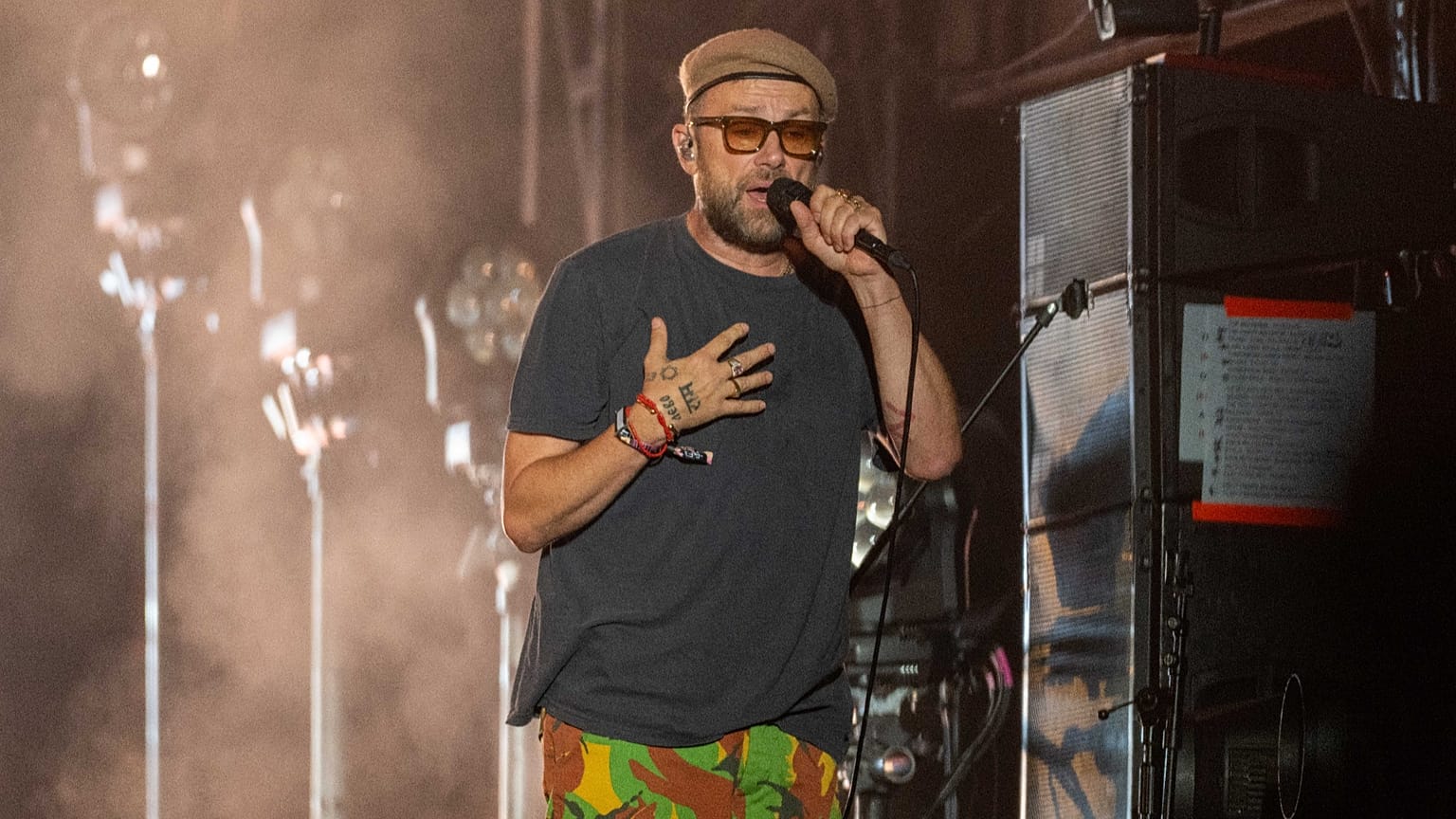
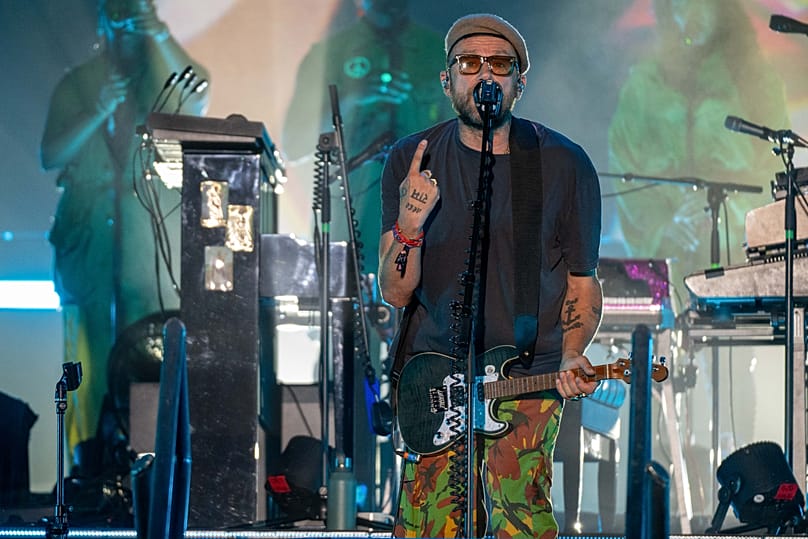
Damon Albarn of Gorillaz performs at the Shaky Knees Music Festival - Sunday 20 September 2026
Damon Albarn of Gorillaz performs at the Shaky Knees Music Festival - Sunday 20 September 2026 AP Photo

Hamas launched an attack on Israel on 7 October 2023. The Gaza health ministry has reported more than 73,000 deaths in the last three years of Israeli bombardment. Organisations including Amnesty International, Human Rights Watch and the United Nations have described Israel's actions as "genocide".

A report published in June by a UN independent commission found that "Israeli authorities and security forces have deliberately targeted Palestinian children, resulting in genocide and atrocity crimes in the Gaza Strip and war crimes in the West Bank."

A previous report last September by a United Nations-appointed Commission of Inquiry found that Israel had committed genocide and claimed that these acts were incited by senior Israeli officials, including prime minister Benjamin Netanyahu. Israel has repeatedly labelled the accusations as “defamatory” and “distorted”.

ISLAMOPHOBIA

Meloni announces ban on burqa and niqab in Italian schools, cap on foreign students

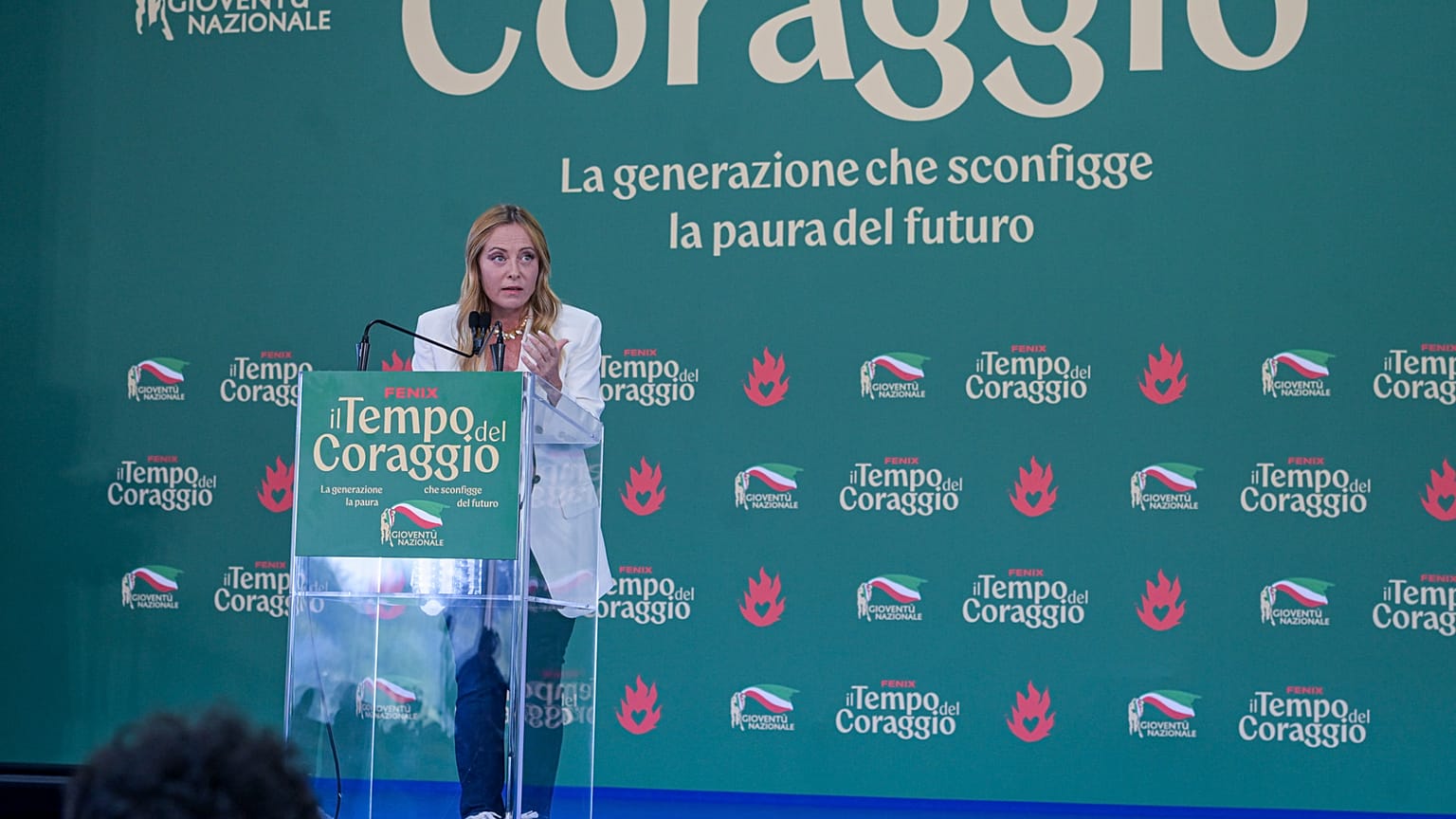
Italian Prime Minister Giorgia Meloni
Copyright LaPresse

By Fortunato Pinto
Published on

Italy’s government is preparing new school measures, including a ban on niqabs. Meloni is facing competition from retired general Roberto Vannacci, who has called for tougher measures on migration.

Italian Prime Minister Giorgia Meloni has announced that the government is preparing a bill that would ban burqas and niqabs in schools and introduce a limit on the number of foreign pupils in each class.

Several European countries, including France and Belgium, already ban face coverings in public places. Austria has also introduced restrictions in schools. Elsewhere, including Spain and Poland, freedom of conscience and religion is protected by the constitution.

Meloni said a package of measures will soon go before the Italian cabinet, including a ban on burqas and niqabs in schools, a requirement for parents of pupils facing “serious difficulties integrating” into the national school system to learn Italian, and a limit on places for foreign pupils.

Italy heads to the polls next year, with competition intensifying to the right of Meloni’s party following the entry of retired general Roberto Vannacci, who has called for even tougher measures. Migration is a highly political and divisive issue in Italy.

“It is unacceptable that in an Italian classroom the children who end up feeling pushed into a corner are Italian children because they have become the minority. That cannot be allowed,” she said during a rally organised by Gioventù Nazionale, the youth wing of her Brothers of Italy party.

“Calling all this integration is yet another lie, a convenient lie for those who live off ideology, for those who preach to us from their living rooms and then send their own children to schools where this problem does not exist.”

Previous initiatives and legislative proposals

Meloni’s announcement comes after several related initiatives in recent months.

In early August, Education and Merit Minister Giuseppe Valditara proposed action on the full-face veil through an amendment to the security bill.

At the end of July, Futuro Nazionale — the party founded by far-right MEP Roberto Vannacci, who has backed Meloni’s proposal — tabled a resolution against the full-face veil in the Chamber of Deputies’ Culture Committee. It was approved with centre-right votes after being redrafted at the government’s request.

In March, the League introduced a bill in the Senate to amend Article 5 of the 1975 Reale law, which was introduced by then-Justice Minister Oronzo Reale during the Years of Lead to ban face coverings in public places.

The proposed amendment would create a new offence of forcing someone to conceal their face, punishable by one to two years in prison and fines of between €10,000 and €30,000. It would also bar those convicted from obtaining Italian citizenship.

Full-face veils in Europe

Meloni referred specifically to a ban on burqas and niqabs. A burqa traditionally covers the entire body and includes a mesh over the eyes, while a niqab covers the face, leaving only the eyes visible. A hijab, by contrast, covers the hair and neck but leaves the face uncovered.

Several European countries have introduced restrictions on face coverings in public spaces.

France imposed a nationwide ban on concealing the face in public places in April 2011, a measure later upheld by the European Court of Human Rights.

Belgium approved a nationwide ban in July 2011, with fines and prison sentences for violations. Bulgaria has prohibited full-face veils in state, administrative and educational institutions since September 2016.

Austria passed an anti-mask law in October 2017 requiring faces to remain visible in public spaces. From September 2026, girls up to the age of 14 will also be prohibited from wearing at school any veil that “covers the head according to Islamic traditions”.

Denmark introduced a nationwide ban in August 2018, with financial penalties increasing for repeat offences. The Netherlands introduced a partial ban in August 2019 covering schools, hospitals, government offices and public transport.

Switzerland introduced a federal ban on face coverings in public spaces following a national referendum, with the implementing legislation coming into force in 2023. Portugal completed its legislative process in August 2026 with a law banning face coverings in public spaces and imposing financial penalties.

Germany has no nationwide ban, but federal legislation prohibits public employees, judges, members of the armed forces and motorists from covering their faces while driving. Several Länder also restrict full-face veils in schools and universities for students and teachers.

Foreign pupils in the classroom

If Italy introduces a statutory maximum for foreign pupils in each class, it would become the first European country to adopt such a rule, according to the proposal.

Italy already has a 30% limit on non-Italian pupils, set out in a 2010 ministerial circular issued by then-Education Minister Mariastella Gelmini. The limit has often gone unenforced because of local demographic conditions and a lack of flexibility, particularly in urban outskirts.

Other European countries use different approaches.

Denmark has some of the most restrictive policies. The government has allowed upper secondary schools to introduce caps of up to 50% for pupils of “non-Western origin” or from disadvantaged neighbourhoods. Schools can also organise classes based on parents’ income, with the aim of encouraging social and ethnic mixing — a model the Italian government is watching with interest.

In France, quotas based on origin would be unconstitutional because the state does not collect statistics based on ethnic or religious identity. Instead, authorities use “zoning” to redesign school catchment areas, linking working-class and wealthier neighbourhoods. In areas with high concentrations of migrants, the state also reduces the number of pupils per class.

Criticism of Meloni’s proposal

Meloni’s announcement has received support from members of the governing coalition but has also drawn criticism from the opposition and legal experts.

Speaking to ANSA, Salvatore Curreri, a professor of constitutional law at the University of Enna, pointed to Article 34 of the Constitution, which states that “school is open to everyone”, including foreign children.

“If the measure were so restrictive as to uproot minors and their families to other areas, far from where they live, it could prove excessive precisely because it conflicts with the overriding functional aim of integration, with the risk of infringing a right recognised by the constitution,” Curreri said.

Angelo Bonelli, an MP for the Green and Left Alliance (AVS) and co-spokesperson for Green Europe, also criticised the proposal.

“Yet again, instead of dealing with schools, she is chasing the neo-fascist right of AfD and Vannacci, who has proposed separate classes for students with disabilities,” he said. “The truth is that the prime minister is not at all interested in how schools work. Our teachers’ salaries are among the lowest in Europe.”
BABUSHKA


US has deported 25,000 people to third countries under secretive deals, report shows

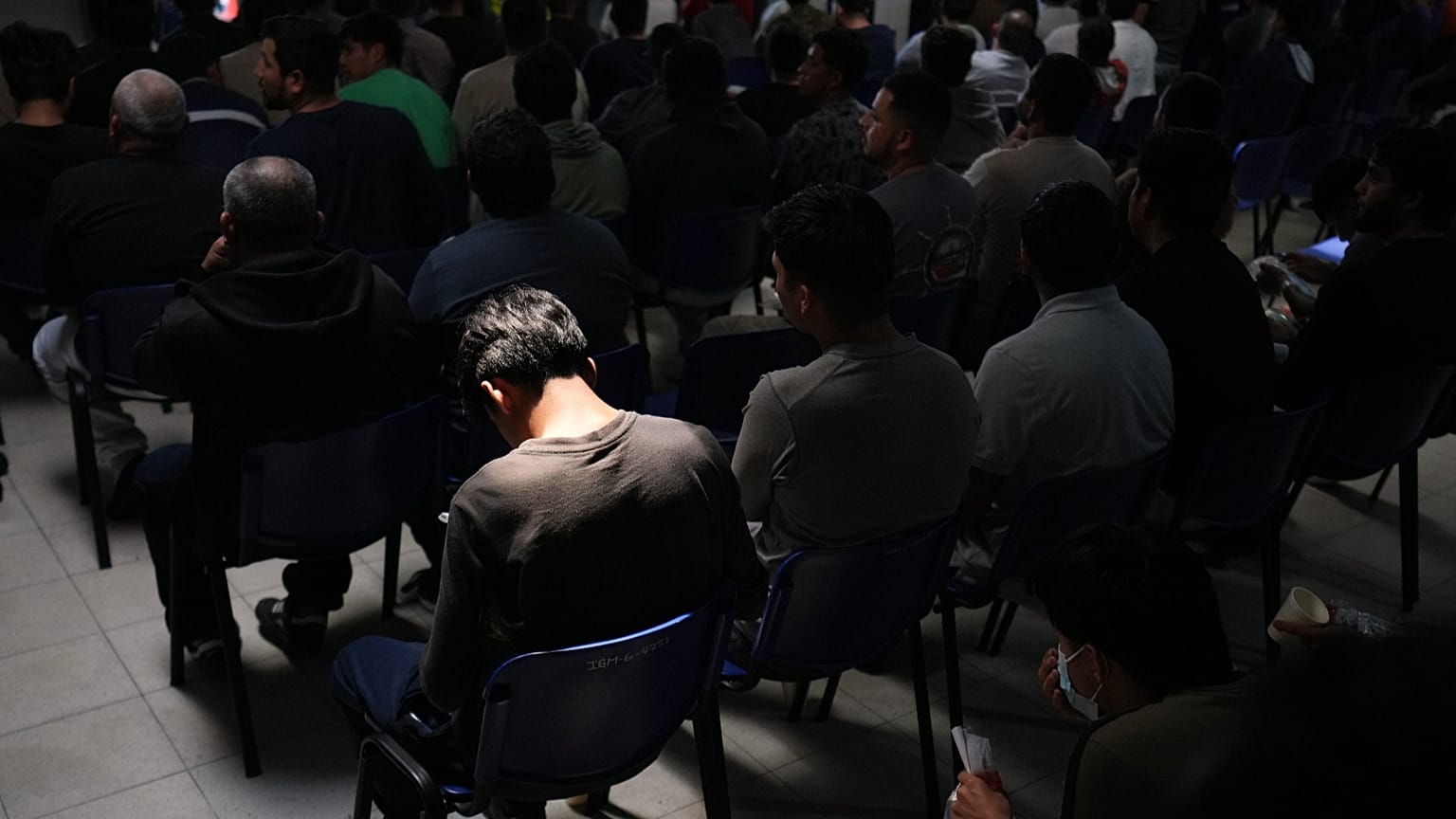
People deported from the US wait inside a processing centre in Guatemala City, 21 August, 2026
Copyright AP Photo

By Gavin Blackburn
Published on

Since US President Donald Trump took office in January 2025, Washington has been signing deals with developing countries to take migrants who cannot legally be sent home.

The United States has deported more than 25,000 people under secretive agreements with 35 countries to take migrants with no ties to those nations, according to an investigation published on Monday.

Since US President Donald Trump took office in January 2025, Washington has been signing deals with developing countries to take migrants who cannot legally be sent home.

The investigation by Forbidden Stories found the administration has earmarked $410 million (€357 million) to be paid directly to the receiving countries or to UN agencies to facilitate the returns.

At least 25,447 people had already been deported to third countries by 31 August 2026, according to data compiled by Forbidden Stories with a consortium of international journalists.

The vast majority, around 20,000, were sent to Mexico, but the rest were dispersed to 27 other countries across Latin America, Africa and the Pacific, and agreements have been finalised with seven more.

The deals vary, including over which nationalities can be deported and whether people with criminal records can be accepted.

An investigation by the AFP news agency earlier this year found Washington is using visa bans and restrictions on African countries to strongarm them into accepting deportees.

Lawyers told AFP that deportees were being thrown into a "legal black hole," held without charge in countries where they have no ties and few if any rights.

Forbidden Stories said 49 of Africa's 54 countries had been approached about accepting third-country deportees.

A little-known State Department division called the Office of Remigration, created in May 2025, has handled most of the negotiations and payments, according to Forbidden Stories.

The office is headed by Christian Jove Ehrhardt, a 41-year-old diplomat who previously worked as a security officer.

The report details his visits to Cameroon, which signed a memorandum of understanding with the US in December on accepting deportees. A week later, it also signed a five-year health assistance programme worth nearly $400 million (€348 million).

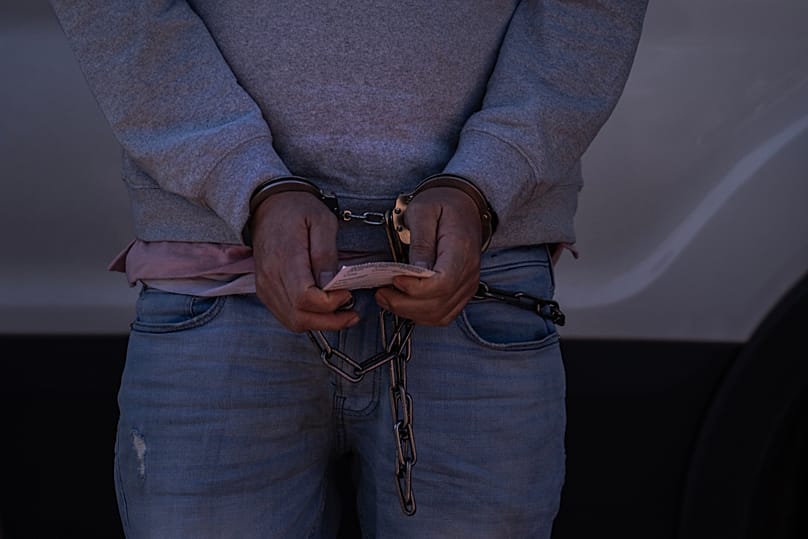
A handcuffed migrant stands by before he is deported by ICE agents in McAllen, 13 March, 2026 AP Photo

The following month, the State Department said it would provide a further $30 million (€26 million) to the UN Refugee Agency (UNHCR) in Cameroon to "facilitate the voluntary return of refugees and combat illegal immigration."

The first plane carrying deportees arrived in Cameroon on 14 January.

Payments

Other agreements have involved direct payments to governments.

Palau, a small Pacific island nation with a population of under 18,000, signed an agreement in December 2025 to accept up to 75 third-country nationals in return for $7.5 million (€6.5 million).

However, only three people have so far been sent under the agreement.

In Eswatini, 32 people have arrived since July 2025 out of a possible 160 under an agreement worth more than $5 million (€4 million). It has accepted deportees with criminal records, the investigation found.

Of the $410 million planned for the agreements, internal State Department records showed that $81 million (€70 million) was earmarked for signatory governments.

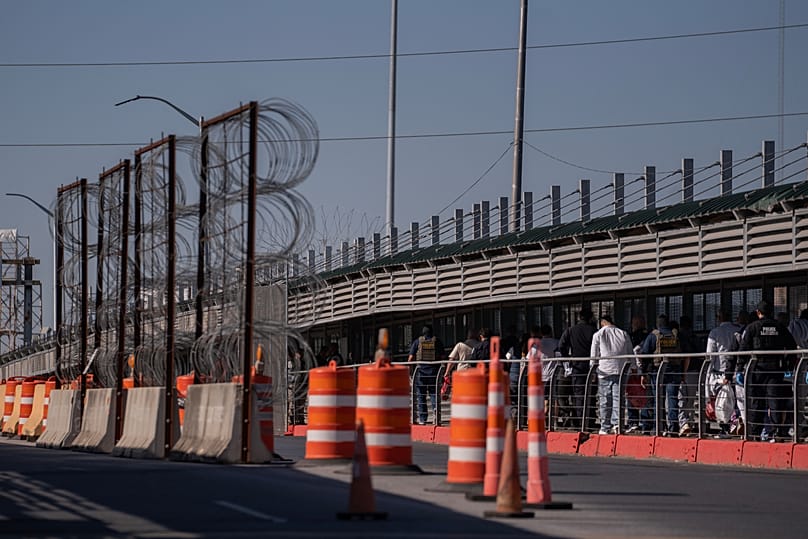
A group of undocumented migrants is deported by ICE agents across the McAllen–Hidalgo–Reynosa International Bridge in McAllen, 13 March, 2026 AP Photo

The rest was intended for aid organisations, including more than $178 million (€155 million) for the UN's International Organisation for Migration and $123 million (€107 million) for UNHCR.

The agencies have faced criticism over their involvement, although UNHCR told Forbidden Stories that it was not party to the bilateral agreements and that US funding was being used in line with its mandate to strengthen asylum systems.

An IOM spokesperson told Forbidden Stories that the agency's decisions to accept funding rested "on a single question: whether our engagement will improve the lives of the migrants affected. In these instances, we believe strongly it does."


Forbidden Stories' Deportation Project: exiled to Africa by the US

An Iranian woman expelled to the Central African Republic; a gay Ghanaian man sent back to his country and threatened with death. Their stories are part of a vast international investigation into the Trump administration's mass deportations.


Issued on: 21/09/2026 - RFI

Cover image: RFI joined 23 other newsrooms in "The Deportation Project," a coordinated investigation led by Forbidden Stories that exposes the inner workings of the Trump administration's mass deportations. © RFI
01:12

Since coming to power, more than 20,000 migrants have been sent back to some thirty countries in Latin America and Africa, through agreements that are often opaque, while their detention benefits the private incarceration giants.

The investigation, The Deportation Project, was carried out over seven months by 72 journalists of 15 nationalities for 25 media outlets. #RFI reveals their stories in partnership with @ForbiddenStories.

Over the coming week, RFI English will publish articles and videos on these US actions, along with testimonies from those who have been deported.

GLOBALIZATION IS IMPERIALI$M

Vanguard to invest $2.5bn in Vietnam over coming year

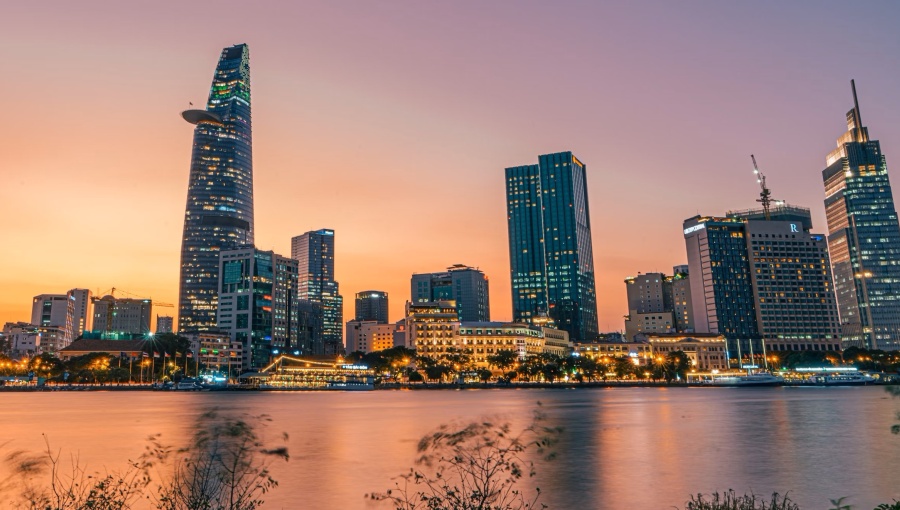
Vanguard to invest $2.5bn in Vietnam over coming year
/ Unsplash - Tron LeFacebook
By IntelliNews - Ho Chi Minh Bureau September 21, 2026

Vanguard plans to channel about $2.5bn (VND65 trillion) into Vietnam through its investment portfolios over the coming year, VnEconomy reported on September 19. The money will be invested on behalf of millions of people worldwide, according to Duncan Burns, Head of Investment Management and Global Equity, Asia-Pacific at Vanguard Australia.

Burns was speaking at a conference in Hanoi on the evening of September 18 titled "Vietnam in the FTSE Russell Global Equity Index Series (FTSE GEIS)", held as the Southeast Asian country moves into the index provider's emerging market classification. Index inclusion typically draws passive money from funds that track global benchmarks, tying a market's fortunes more closely to international capital flows.

Burns said the upgrade was a crucial and highly promising milestone in the continued development of Vietnam's capital market, and marked the country's deeper integration into the international financial system.

Vanguard manages a substantial share of index assets tracking global emerging market equity benchmarks, giving the asset manager a detailed view of how the group of indices functions. Burns said the firm supports the transparent methodologies developed by the FTSE Russell team, and that Vietnam had earned its position after years of reform and development.

Improvements in market accessibility, transparency and market infrastructure have made Vietnam an increasingly attractive destination for investment, he said.

That matters because Vanguard is not a short-term trader, Burns said. The firm's index funds and exchange-traded funds are built around long-term investment, and Vanguard expects to hold its Vietnamese positions for decades, for as long as the country remains in the benchmark index.

Many of those investors may never have set foot in Vietnam, Burns said, but through globally diversified portfolios they will be able to take part in the country's sustainable growth.

He said he had spent a week in Vietnam and was most struck by the country's intense focus on the opportunities ahead. Inclusion in the index was not the final destination but the starting point for something much greater, he said.

Burns added that a place in major benchmark indices historically brings greater international visibility, wider investor participation, better access to capital and deeper integration into the global financial system.


Thai Central Group plans further $1.5bn investment in Vietnam

Thai Central Group plans further $1.5bn investment in Vietnam
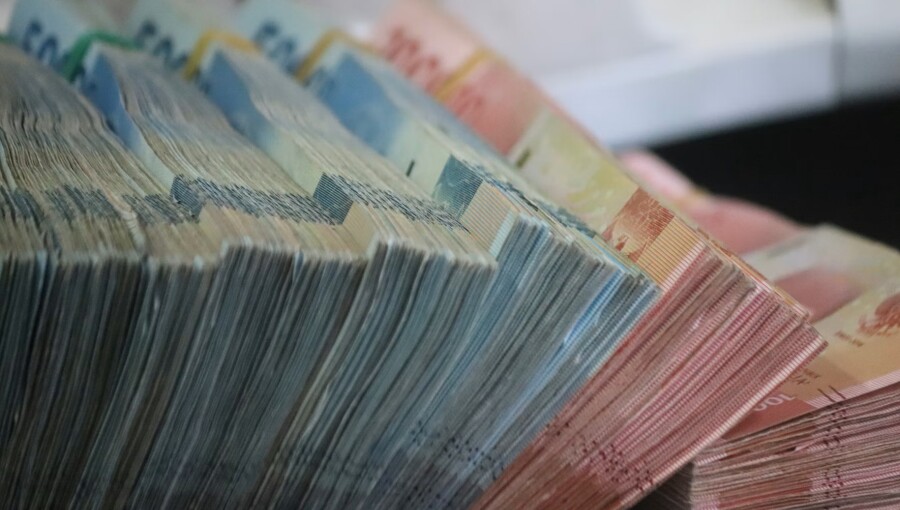
/ Mufid Majnun2 - UnsplashFacebookTwitterLinkedInTelegram


By IntelliNews - Phnom Penh Bureau September 21, 2026

The Thai conglomerate will direct the new investment towards retail, shopping centres and hospitality as it seeks to expand its presence across the Vietnamese market, according to Vietnam Investment Review.

Central Group (CRC) entered Vietnam in 2012 through Central Retail and has since developed a broad retail portfolio featuring GO!, Tops Market, Lan Chi Mart and Supersports. The group currently operates more than 300 stores and shopping centres across 26 cities and provinces.

The latest commitment would bring Central Group’s total investment in Vietnam to about $3bn, following approximately $1.5bn already invested.

Chairwoman Wallaya Chirathivat announced the plans during Vietnam Week in Thailand 2026. She identified Vietnam’s economic growth, expanding consumer base and opportunities to bring modern retail formats to smaller cities as key factors behind the group’s continued expansion.

Central Retail Vietnam chief executive Olivier Langlet said most of the new funding would support retail and shopping centre developments, with additional investment planned for hotels and other hospitality projects.

The group has identified about 200 potential locations in urban areas for further assessment.

Central Group’s hospitality portfolio in Vietnam includes the 984-room Centara Mirage Resort Mui Ne in Lam Dong, which opened in 2020. Two further hotels are under construction in Van Don, Quang Ninh, adding around 1,000 rooms.

Vietnam’s Ministry of Industry and Trade estimated the country’s retail market at approximately $269bn in 2025.

Central Retail Vietnam generated more than $720.5mn in revenue during the first half of 2026, accounting for about 20% of Central Group’s total revenue. Vietnam remains the group’s second-largest market after Thailand.

By the end of August 2026, Thai investors had registered 824 projects in Vietnam, representing combined capital of more than $15.47bn, according to the Foreign Investment Agency.


Volvo Cars names Škoda boss Klaus Zellmer as next CEO for a turnaround

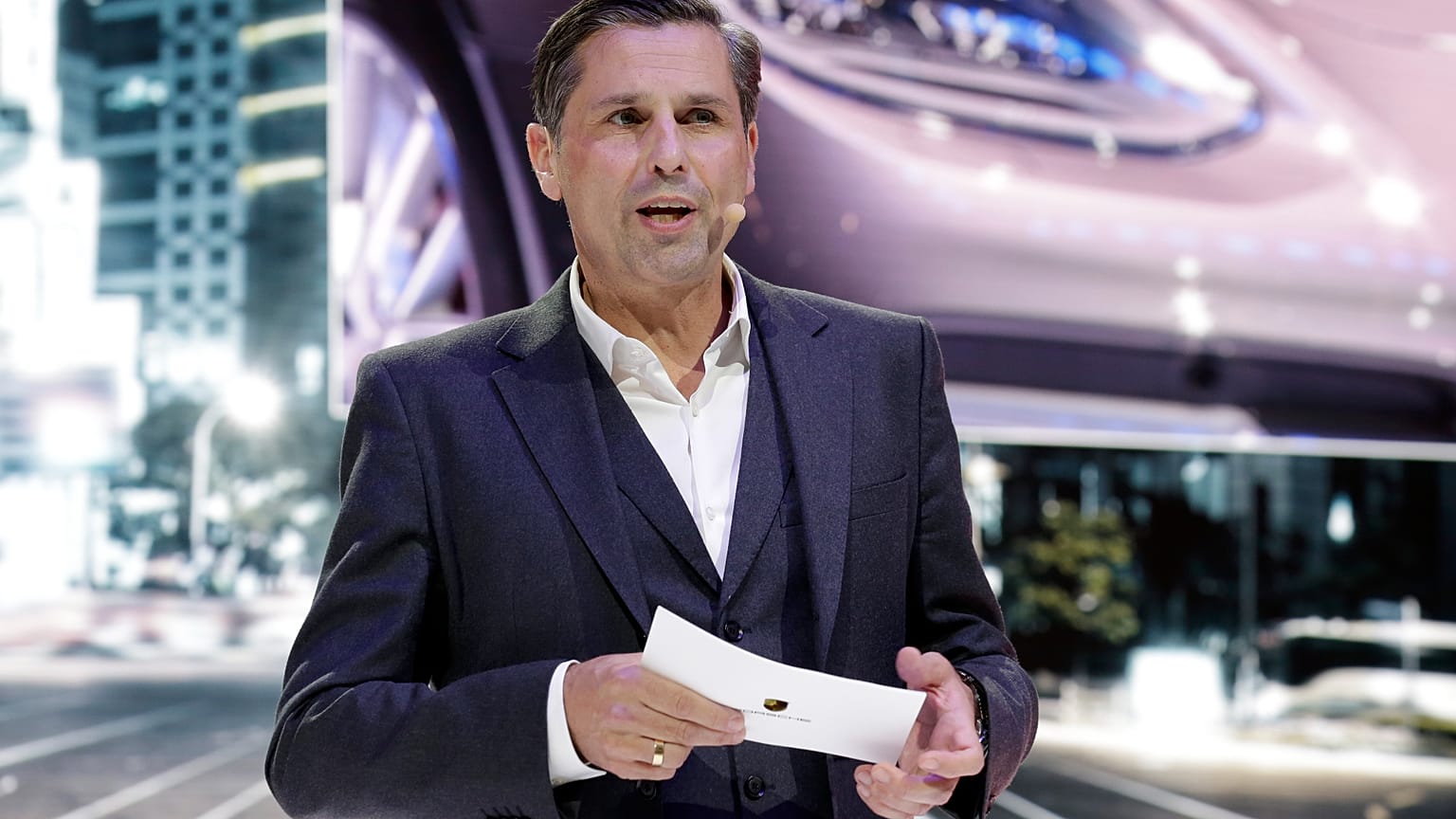
FILE. Former Porsche Cars North America CEO Klaus Zellmer presents during a media preview at the New York International Auto Show, 12 April 2017
Copyright AP Photo/Richard Drew

By Quirino Mealha
Published on

Volvo Cars has appointed Klaus Zellmer, current chief executive of Volkswagen's Škoda brand, as its next president and CEO, handing him the task of completing a turnaround at a carmaker whose shares have fallen by around 40% this year.

The Swedish car manufacturer Volvo has found its long-term leader.

Klaus Zellmer will take up the role no later than 1 October 2027, with current CEO Håkan Samuelsson staying on until then to oversee the handover, the company said on Sunday.

The German executive brings more than three decades of experience in the car industry.

Zellmer has run Škoda since 2022, turning it into one of Europe's best-selling brands with record results last year and record electric vehicle deliveries in the first half of 2026.

Before that, he sat on Volkswagen's passenger car management board and spent over 20 years at Porsche, including spells running its German and North American operations.

"Klaus Zellmer combines deep automotive expertise with broad international leadership experience and a strong record of guiding organisations through transformation and changing market conditions," said Eric Li, Volvo's chairman, in a statement.

Zellmer also acknowledged the scale of what he is inheriting.

"After almost 100 years, Volvo Cars' ability to reinvent itself time and again is both a remarkable achievement and an ongoing challenge," he said.

A company mid-overhaul

Zellmer arrives with that reinvention already under way.

Samuelsson returned for a second spell as CEO in April 2025 to steady a company hit hard by American tariffs, since most of its US-bound cars are built in Europe. To achieve that, he launched an 18 billion Swedish krona (€1.6bn) cost and cash plan, cut 3,000 jobs and scrapped Volvo's pledge to go fully electric by 2030.

Last week he set out the next stage at an investor event in Stockholm.

Volvo is targeting an operating margin above 8%, against just 3.5% in 2025, through a 13-model electrified line-up split between seven cars for Western markets and six for China, and a much deeper reliance on majority owner Geely for parts and suppliers.

"One global car won't work, and just adapting it with different colours or trim will not be enough," Samuelsson told investors.

Global sales have continued to decline, and Samuelsson had signalled that his successor should come from inside the industry and understand Swedish culture, which he admitted made for a limited pool.

Zellmer's mix of premium and high-volume experience at Porsche and Volkswagen is what Chairman Li singled out as making him a strong fit.